


















What Does a Wedding Photographer Do? More Than Just Take Photos
Aug 17, 2026
Leonard Skapp

Alex Baker is a portrait and lifestyle driven photographer based in Valencia, Spain. She works on a range of projects from commercial to fine art and has had work featured in publications such as The Daily Mail, Conde Nast Traveller and El Mundo, and has exhibited work across Europe
Share:
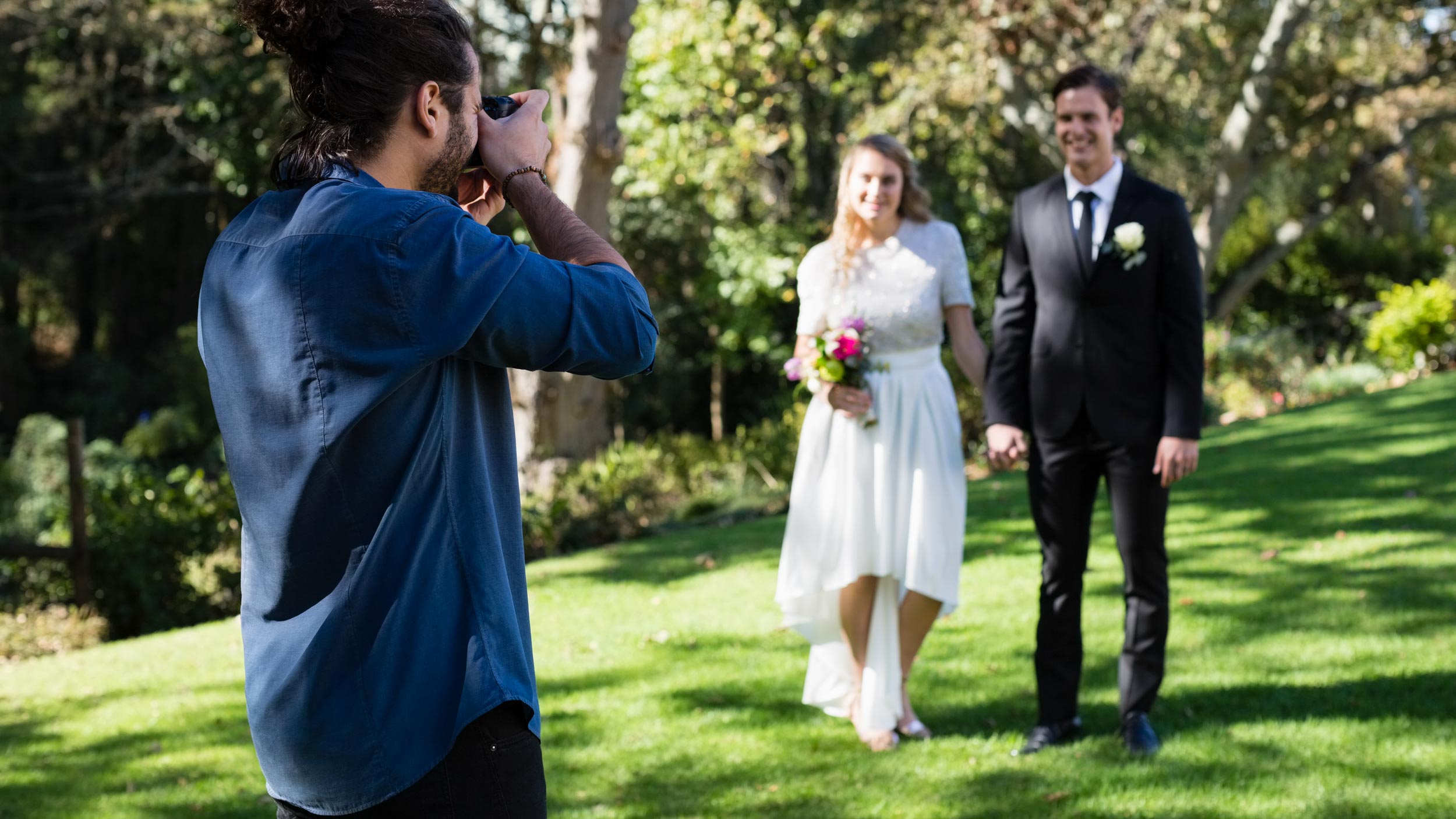
So, what does a wedding photographer actually do? Well, yes, they take photographs at weddings. That much is fairly obvious. But if you think their job starts when they arrive at the venue and ends when they pack away the camera, you’re missing a rather large part of the picture.
A wedding photographer can spend many more hours planning, photographing, editing, and delivering a wedding than they actually spend taking pictures on the day.
Before the wedding
The work usually starts long before the wedding day. A photographer will talk to the couple about what they want from their photographs, look at the venue, discuss the schedule, and work out what needs to be photographed. They may visit the venue beforehand or scout it online to find the best locations for portraits and group photographs.
They’ll also prepare their equipment, charge batteries, format memory cards, clean lenses, and make sure everything they need is ready to go.
Professional photographers will normally have backup equipment too. Cameras can break, batteries can fail, and memory cards can go wrong. Your wedding day isn’t the ideal time for your photographer to discover that they forgot to charge something.
Photographing the wedding
On the day itself, the photographer usually arrives well before the ceremony. They may photograph the venue, decorations, flowers, rings, invitations, and other details before the guests arrive. They might then photograph the bride and groom getting ready, depending on the package they’ve booked.
During the ceremony, their job is to capture the important moments without getting in the way. That means anticipating what is about to happen rather than simply reacting after it has happened.
Then come the group photographs, portraits, candid shots of guests, speeches, the first dance, and all the little moments happening throughout the day.
A good wedding photographer is constantly watching what’s happening around them. They’re looking for expressions, interactions, interesting light, and moments that the couple might not even notice themselves.
Herding cats… I mean, organising group photos
One of the less glamorous parts of wedding photography is organising people. Getting a group of 20 or 30 people into the right place, looking in the same direction, and making sure nobody has wandered off to the bar can be surprisingly difficult.
The photographer needs to work quickly because nobody wants to spend half their wedding day standing around for group photographs.
This is where experience really helps. A photographer who has done hundreds of weddings will have learned how to organise people efficiently while keeping things relaxed.
Keeping an eye on the timeline
Wedding photographers also need to understand the schedule. If the ceremony runs late, the photographer may need to adjust the portrait session. If dinner takes longer than expected, they need to make sure they’re still ready for the speeches and first dance.
Things rarely go exactly according to plan at a wedding, so the photographer needs to be able to adapt without panicking. And they need to keep an eye on the time without constantly reminding everyone that they’re running late.
The photographer is also a problem solver
Weddings can throw almost anything at you. It might rain just before the outdoor portraits. The best man might disappear when it’s time for the group photographs. The bride’s dress might get dirty. A flash might stop working. Someone might spill a drink.
The photographer has to find a solution and keep working. This is one of the reasons experience matters so much. You’re not just paying someone who knows how to operate a camera. You’re paying someone who has dealt with difficult lighting, difficult weather, difficult people, and unexpected problems before.
Then comes the editing
This is the part many people don’t see. After the wedding, the photographer has to copy and back up all the images before sorting through them. A full wedding can easily produce thousands of photographs.
They’ll then select the best images, remove duplicates and technical mistakes, and edit the final collection. This can involve colour correction, exposure adjustments, cropping, noise reduction, and more detailed retouching where necessary. Depending on the photographer and the package, this process can take many hours or even several days.
Finally, they deliver your photographs
Once everything has been edited, the photographer prepares the final gallery and delivers it to the couple.
Some photographers also provide printed photographs, albums, wall art, or USB drives. They may spend additional time designing albums and working with professional print labs. And that’s when the job is finally finished.
So, what does a wedding photographer actually do?
A wedding photographer does much more than take photographs. They plan, prepare, scout locations, organise people, manage timelines, solve problems, photograph the wedding, back up thousands of files, edit hundreds of images, and deliver the finished photographs.
The camera is obviously an important part of the job. But knowing how to use it is only one piece of the puzzle. A good wedding photographer needs to be part photographer, part organiser, part people manager, and occasionally part magician.
Because when the weather changes, the schedule falls apart, Uncle Dave disappears before the group photos, and someone spills red wine on the bride’s dress, nobody wants to hear, “Well, that’s not in my job description.”
Key takeaways
Wedding photography isn’t simply an eight-hour job spent pointing a camera at people. The photographer may spend hours preparing before the wedding and many more hours editing afterwards. They’re responsible for capturing once-in-a-lifetime moments while dealing with unpredictable lighting, weather, people, and schedules.
So yes, a wedding photographer takes photographs. But they’re also there to make sure the photographs happen, even when the rest of the day doesn’t quite go according to plan.
See more from DIYPhotography.net on Google
Add DIYPhotography.net as a trusted source. This makes
our stories more likely to appear in your Google Search results.
 Add as a preferred source on Google

About Leonard Skapp
Leonard “Len” Skapp is a photographer with a particular interest in cameras, lenses, accessories, camera bags, lens filters, tripods, camera straps, and, on rare occasions, photography itself. Equal parts reviewer and enthusiast, he enjoys digging into the technical details behind the latest gear and translating them into plain English for fellow photographers. He maintains that every purchase is a carefully considered investment, although his bank account and overflowing camera cupboard continue to dispute this claim.
We love it when our readers get in touch with us to share their stories. This article was contributed to DIYP by a member of our community. If you would like to contribute an article, please contact us here.
Related Posts
 How Much Does a Wedding Photographer Cost? What You’re Really Paying For
 Gear Does Matter, But Not How You Thought It Does
 International Wedding Photographer of the Year winners show wedding photography is creative and fun
 Is a White Wedding Dress Really White: Through the Lens of a Wedding Photographer
Join the Discussion
DIYP Comment Policy
Be nice, be on-topic, no personal information or flames.