


















Wedding Photography Shot List: 12 Must-Capture Moments Every Photographer Needs
Oct 24, 2025
Darlene Lleno
Darlene Lleno brings a unique perspective to DIY Photography as someone who grew up surrounded by camera gear but chose words over lenses. With five years of writing experience, she specializes in photography content that’s both technically informed and genuinely passionate. Growing up with a photographer twin brother meant camera talk was everyday conversation in her household. While he mastered capturing moments, Darlene discovered she preferred being the subject and the storyteller behind the scenes. As a travel enthusiast and mother of two, she understands the importance of preserving life’s precious moments. When not exploring new destinations or writing for DIY Photography, you’ll find her reading or tending to her garden. Her approach to photography writing is refreshingly authentic, she may not be behind the camera, but she knows exactly what it takes to help others capture the shots that matter most.
Share:
A wedding shooting plan keeps you organized and prevents missed shots during one of the biggest days in your clients’ lives. Wedding days move incredibly fast with overlapping events and tight schedules. You need a solid checklist that guides you through each moment while leaving room for spontaneous captures. This complete shot list covers everything from getting ready photos through the final exit.
Professional photographers rely on structured shot lists because they work. They stop you from forgetting important family groupings during portraits. They help you talk clearly with couples about what they expect. Most importantly, they give you confidence during high-pressure moments where you only get one chance.
Pre-Ceremony Moments: Getting Ready and Details
The getting ready phase sets the mood for your entire wedding album. These personal moments happen in separate locations with the bride and groom surrounded by their closest people. You’ll move quickly between spots while capturing real emotions and carefully planned details.
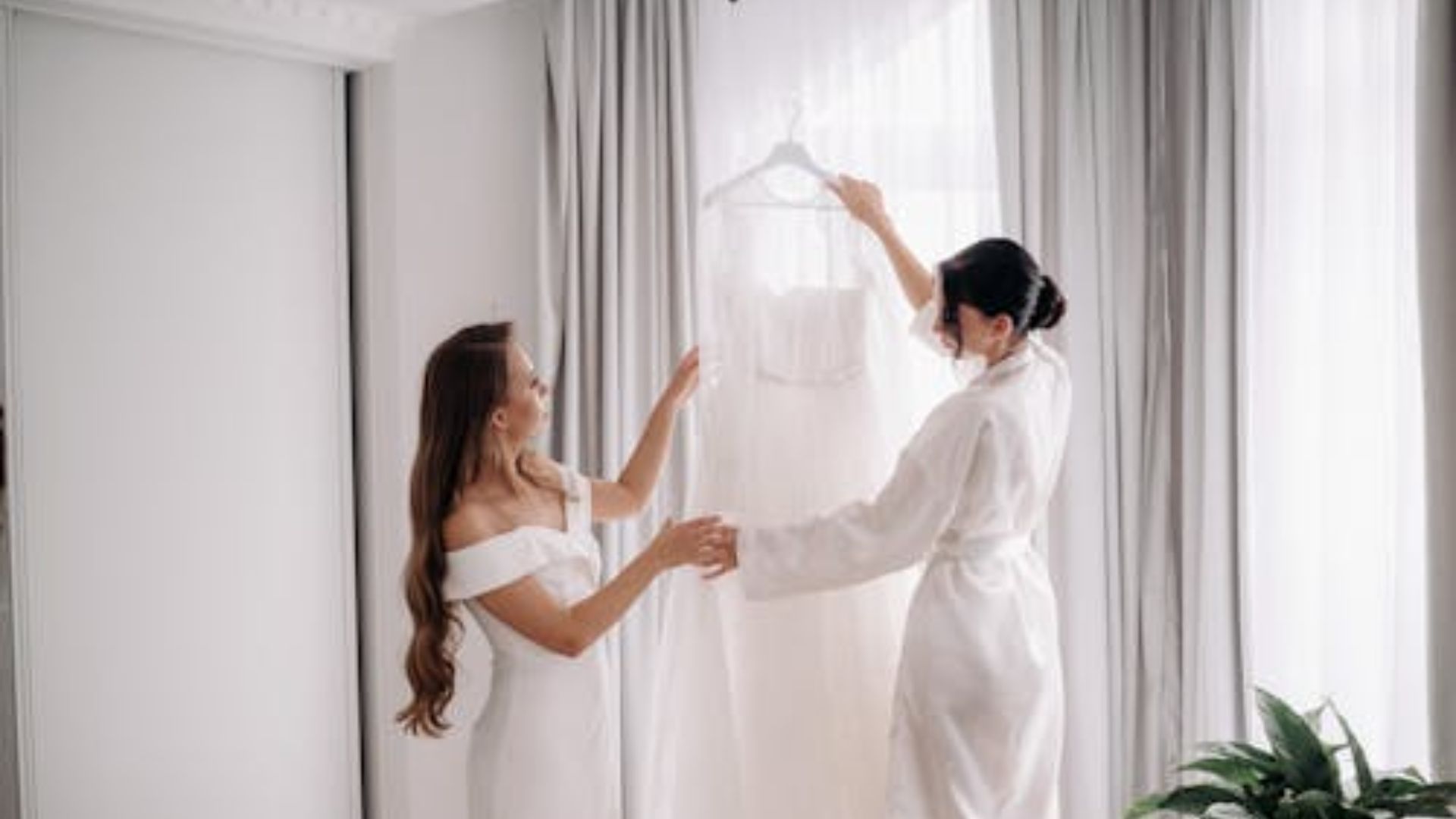
Start with detailed shots before everyone arrives or while they’re settling in. The dress hanging in window light creates that classic image every bride wants. Shoot the invitation suite, rings, shoes, jewelry, and perfume arranged nicely. These details show months of planning and personal touches.
1. Bride Preparation Photos
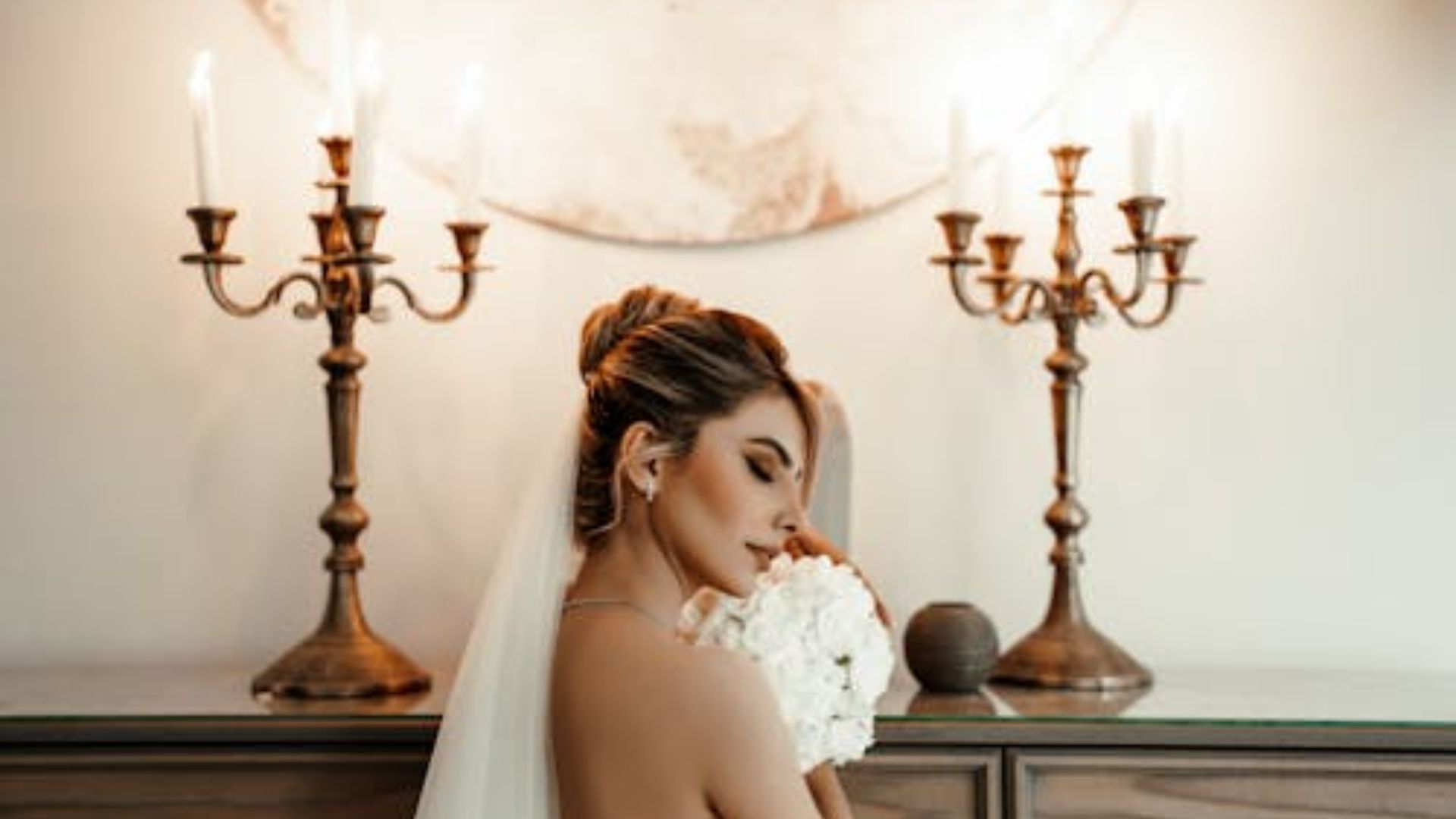
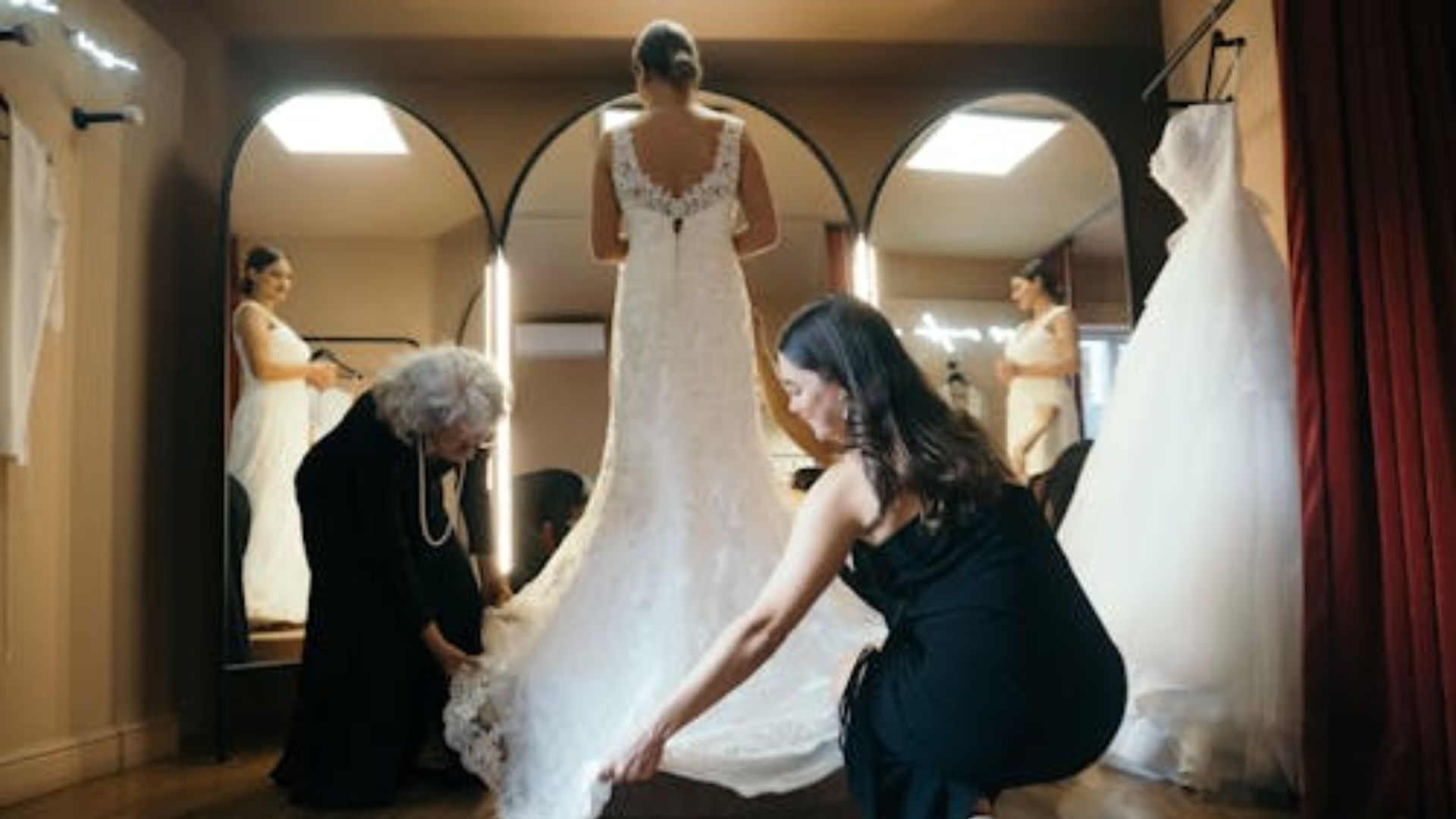
Bride prep captures anticipation building throughout the morning. Photograph makeup application with the artist working on the bride’s face. Get shots of bridesmaids helping with the dress. Capture mothers seeing their daughters in wedding attire for the first time. Those quiet reflection moments before the ceremony starts matter too.
Document the bride looking in the mirror at her finished look. Capture her putting on her earrings or necklace. Get shots of bridesmaids zipping up the dress or buttoning those tiny back buttons. The maid of honor helping adjust the veil creates another must-have image.
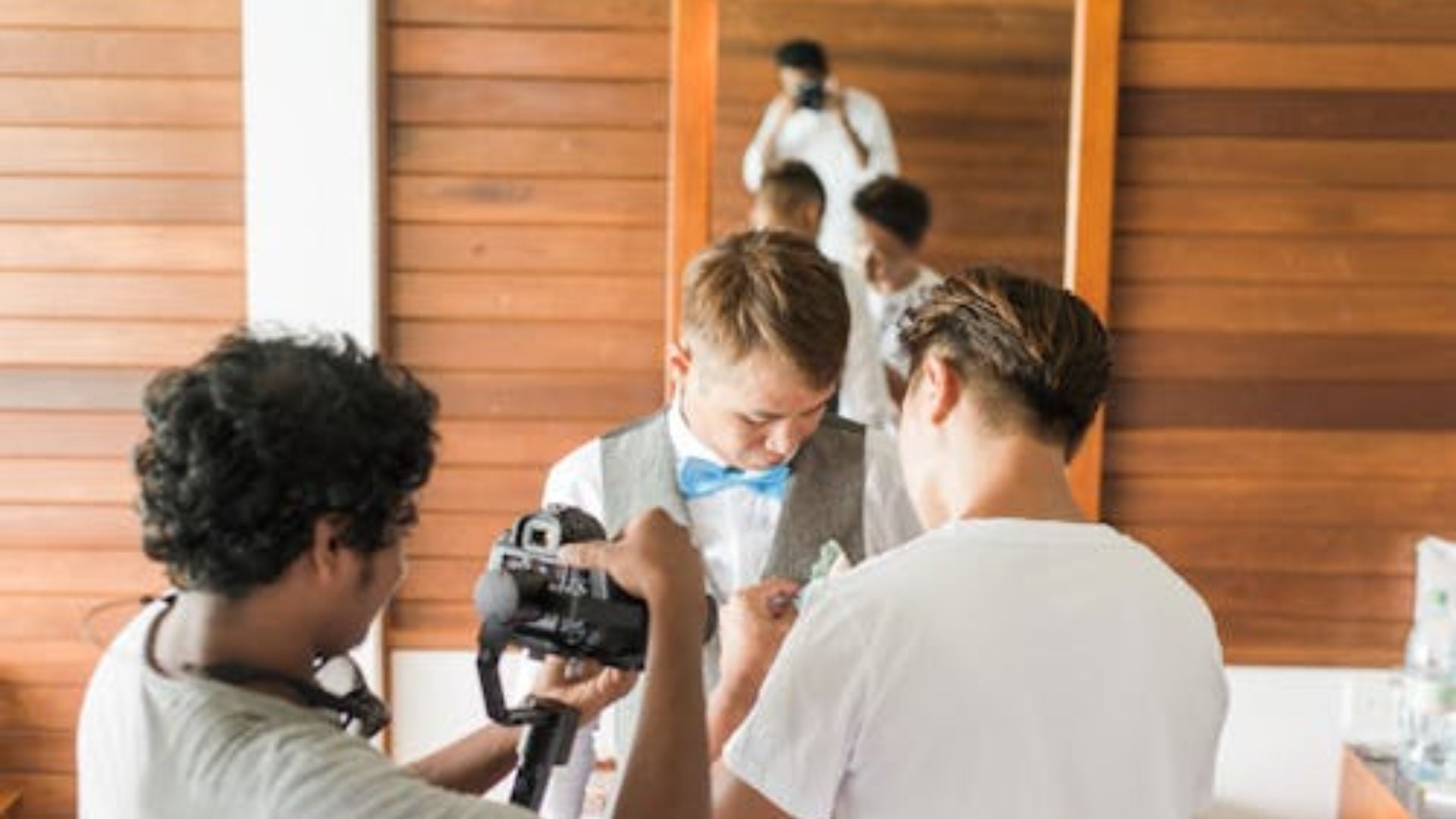
2. Groom Preparation Coverage
Groom prep typically moves faster but deserves equal attention. Capture groomsmen fixing ties and pinning boutonnieres on each other. Photograph fathers helping sons with cufflinks or adjusting collar details. Get candid moments of nervous laughter and guys being guys together.
The groom looking at his watch adds tension to your story. Capture him reading a note from his bride if she wrote one. Get shots of the best man giving last-minute pep talks. These masculine preparation moments balance your coverage beautifully.
3. Essential Detail Shots
These detailed images tell the planning story and often get used for vendor portfolios. Take your time composing them well before things get chaotic.
- Wedding dress hanging with veil displayed
- Wedding rings positioned together and separately
- Bride’s shoes arranged artistically
- Complete invitation suite laid flat
- Bouquet and boutonniere close-ups
- Perfume bottle with jewelry pieces
- Groom’s watch and cufflinks together
- Wedding bands in their box
First Look and Couple Portraits
First look sessions have become standard in modern wedding photography timelines. These private moments happen before the ceremony, giving couples time together without an audience. The reactions you capture during first looks often become favorite images from the day.
Position yourself to capture both waiting and revealing moments. Photograph the groom with his back turned, then switch angles for his face as he turns. The bride walking up behind him builds tension in your sequence. Their genuine reactions in those first seconds create powerful storytelling.
4. Making the Most of First Look Time
Couple portraits during this time produce the most relaxed images. The ceremony hasn’t happened yet so stress stays manageable. Lighting conditions work better earlier in the day usually. You have more time to try different poses and locations without guests waiting.
Direct your couples naturally without stiff or uncomfortable poses. Walk them through movements rather than frozen positions. Ask them to whisper something funny or touch foreheads gently. Have them walk toward you holding hands. These prompts create connections that photograph beautifully.
5. Location Variety in Portraits
Location changes add visual interest to albums and keep your images from looking repetitive. Start with obvious beautiful spots like gardens or interesting architecture. Then look for unexpected places with cool textures or leading lines. Urban settings, industrial areas, and natural spots each bring different moods.
Don’t be afraid to use the same location multiple times with different compositions. Move in close for intimate portraits, then back up for environmental shots. Change your angle or perspective to make the same spot look completely different.
Ceremony Coverage: The Main Event
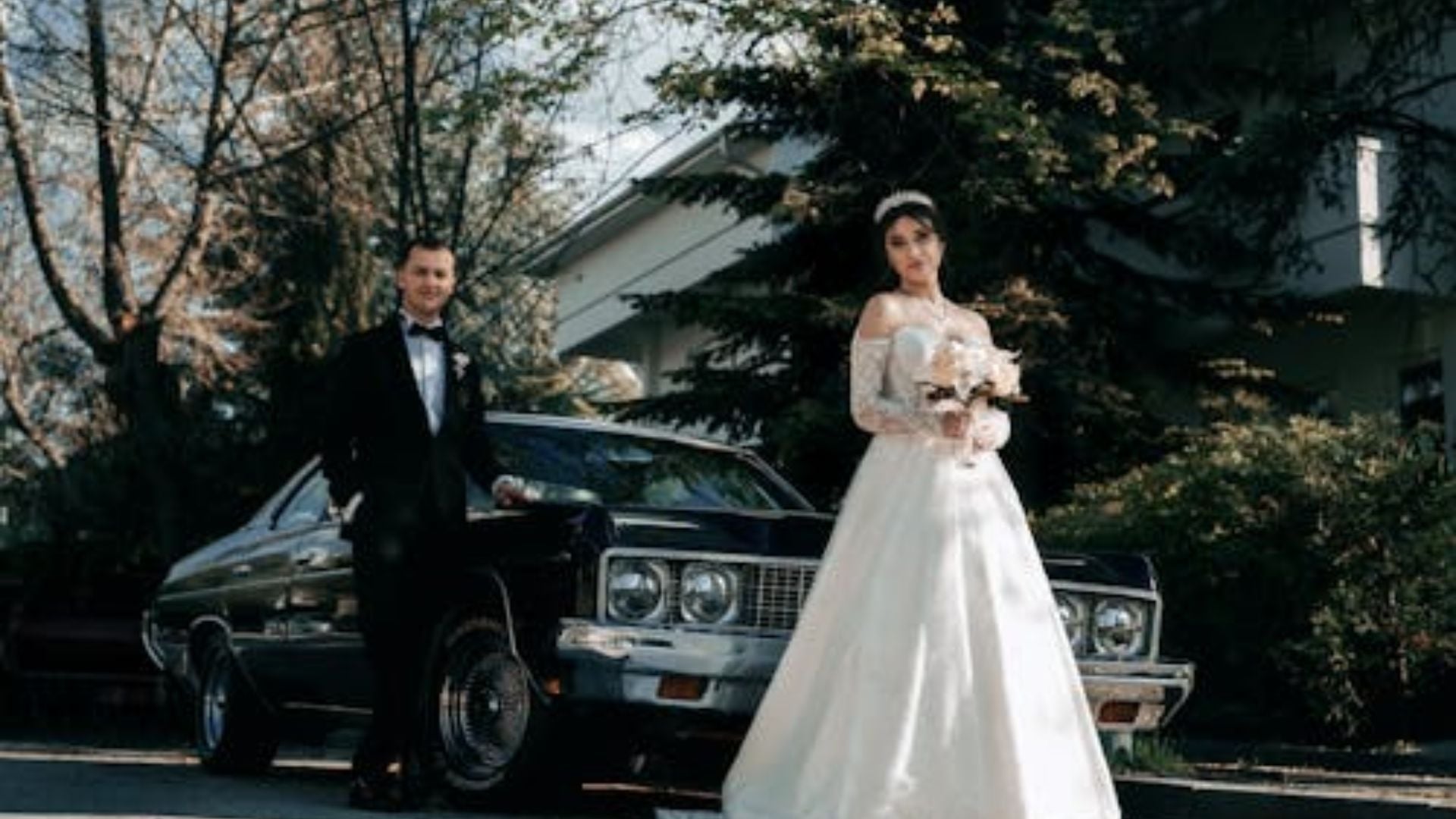
Ceremony coverage demands your complete focus and perfect execution. You get one chance at these moments with zero do-overs. Scout your location beforehand to find the best angles and understand lighting. Know where you can move and where you must stay put based on venue rules.
6. Processional and Entrances
Processional photos capture excitement as the wedding party enters. Position yourself to photograph bridesmaids and groomsmen from angles showing their faces. The flower girl and ring bearer moments often produce adorable shots worth multiple frames.
The bride’s entrance deserves special attention and multiple angles if possible. Capture the father’s face as he sees his daughter ready. Get guests standing and turning toward her. Most importantly, nail the groom’s reaction as his bride walks toward him. These split-second expressions communicate pure emotion.
7. Vows and Ring Exchange
Exchange of vows and rings forms the ceremony’s emotional center. Position yourself where you can see both faces clearly during these moments. Zoom in for tight shots showing tears, smiles, and intense focus. The ring exchange needs clear documentation showing rings sliding onto fingers.
Capture the officiant speaking to add context to your ceremony coverage. Get wide shots showing the entire scene with guests watching. Then move in for intimate moments between the couple during their private vows.
8. The Kiss and Recessional
The first kiss as married people marks the ceremony’s peak moment. Anticipate this and be ready with proper focus and exposure. Capture the kiss itself, then keep shooting as they turn to face guests celebrating. Their raised hands and huge smiles create fantastic images.
Recessional photos show pure joy and relief as everything wraps up. The newly married couple walking back beaming at each other makes great shots. Guests cheering and throwing petals adds celebration and movement to your frames.
Key ceremony shots you need:
- Wedding party walking down the aisle
- Groom’s reaction seeing his bride
- Bride’s full walk down the aisle
- Father giving away the bride
- Officiant addressing the couple
- Close-ups during vow exchange
- Ring exchange detail shots
- First kiss as married couple
- Happy recessional exit
- Guests celebrating and applauding
Family Formal Portraits
Family formals require serious organization to avoid keeping guests waiting forever. Create a detailed list beforehand with every family combo the couple wants. Assign someone to help gather people for each group. This prevents wasting time hunting down relatives who wandered off.
Start with the biggest groups first while everyone’s together. Full wedding party shots and extended family photos happen before people scatter. Work your way down to smaller, more intimate family combinations as you go.
9. Essential Family Groupings
Traditional family shots typically include immediate families on both sides. Photograph bride with her parents, groom with his parents separately. Get couples with their siblings, and grandparents with the newlyweds. Blended families often need additional combinations respecting step-parents and half-siblings.
Modern families come in all configurations these days. Ask couples beforehand about sensitive family dynamics. Some divorced parents won’t stand together. Some step-parents feel more like parents than biological ones. Handle these situations with sensitivity and clear communication.
10. Arranging Groups Efficiently
Arrange people at different heights to create visual interest and flattering shots. Taller people go in back, shorter in front seems obvious but gets forgotten. Position the couple slightly forward from their families to emphasize them as subjects.
Direct group poses quickly and confidently to keep things moving. Tell people exactly where to stand and how to angle their bodies. Check for closed eyes, awkward hands, and people blocked by others before shooting. Take multiple frames of each grouping as insurance against blinks.
Reception Details and Decor
Reception venue shots showcase the couple’s style and months of planning. Arrive early while everything looks perfect before guests enter and mess things up. Wide shots establish the overall space and vibe guests will experience.
Table settings deserve close attention with place cards, centerpieces, menus, and favors. Get down to table level rather than shooting from standing height. This perspective shows the tablescape as guests will actually see it.
11. Documenting the Venue Setup
The wedding cake needs photos from multiple angles before cutting happens. Capture the full cake in its display location first. Then move in for details showing decorative elements and the couple’s cake topper. These images often get used for vendor portfolios and Pinterest boards.
Don’t forget the bar setup and signature cocktails if they have them. Photograph the guest book area and card box before they get messy. Get shots of any lounge areas or unique seating arrangements they planned.
Important reception details to capture:
- Overall room before guests arrive
- Head table and sweetheart table setups
- Guest tables with full settings
- Wedding cake from every angle
- Guest book and card collection area
- Bar setup and signature drinks
- Dance floor and entertainment setup
- Special decorations and custom signage
Reception Events and Celebrations
Reception coverage balances planned events with candid moments of people having fun. Know the timeline of formal stuff but stay aware of spontaneous celebrations happening everywhere. Grand entrance announcements need clear shots of the wedding party and couple entering together.
12. First Dance and Parent Dances
First dance coverage requires positioning where you can see both faces throughout. Move around them slightly to vary angles without being intrusive. The couple often gets lost in the moment, creating authentic emotion worth capturing.
Parent dances carry deep feelings that photograph beautifully. The father daughter dance and mother son dance frequently produce tears and tender moments. Position yourself to capture the parents’ faces showing pride and nostalgia clearly.
13. Toasts, Cake Cutting, and Bouquet Toss
Toasts and speeches need documentation showing both speakers and the couple’s reactions. Capture the best man and maid of honor mid-speech with animated expressions. Then turn to photograph the couple laughing, crying, or reacting to stories about them.
Cake cutting provides fun, lighthearted moments after emotional speeches. Document the couple cutting together, feeding each other, and any playful smashing that happens. These images show their personalities and relationship dynamic naturally.
Bouquet and garter tosses remain popular at many weddings despite changing traditions. Position yourself to capture the throw, the flying bouquet mid-air, and the crowd scrambling. The winner’s reaction often produces hilarious candid shots everyone loves.
14. Dance Floor Coverage
Dance floor photos throughout the night capture the party atmosphere and guest enjoyment. Photograph the couple dancing with friends and family members. Get kids showing off their moves without any self-consciousness. Capture groups celebrating together and having genuine fun.
Use slower shutter speeds occasionally to show movement and energy through motion blur. This creative technique adds dynamic feel to your dance floor images. Balance these with sharp, well-lit shots for variety.
Candid Moments Throughout the Day
Candid photography separates okay wedding albums from amazing ones. These unposed moments show genuine emotions and real interactions between people who matter most. Stay alert for spontaneous hugs, tears, laughter, and quiet connection moments.
Guest interactions tell important stories about relationships and celebration. Photograph older relatives being greeted warmly by younger generations. Capture children playing together during downtime. Get friends reuniting after years apart and parents watching their children with obvious pride.
15. Capturing Real Emotions
Emotional reactions happen constantly throughout wedding days if you’re watching for them. Tears during vows, laughter during toasts, surprise during special moments all deserve documentation. Don’t just photograph the main subjects during these times. Capture guests reacting too for complete storytelling.
Behind the scenes moments add depth and context to wedding stories. The bride’s mother adjusting her daughter’s dress creates tender images. Groomsmen sharing quiet moments before walking down the aisle shows brotherhood. Even vendors working efficiently in the background contribute to the complete narrative.
16. Children at Weddings
Children at weddings create unpredictable, adorable moments worth many frames. Flower girls twirling their dresses make precious photos. Ring bearers looking confused during instructions are hilarious. Kids dancing without any inhibition create fantastic candid images that couples treasure forever.
Get down to kids’ eye level when photographing them. This perspective makes more engaging images than shooting down from adult height. Let them be themselves rather than forcing smiles or poses.
Creative and Artistic Shots
Creative photography pushes beyond standard coverage into artistic interpretation. These images showcase your unique style while still serving the wedding story. Experiment with unusual angles, interesting compositions, and dramatic light to produce standout images.
17. Silhouettes and Dramatic Lighting
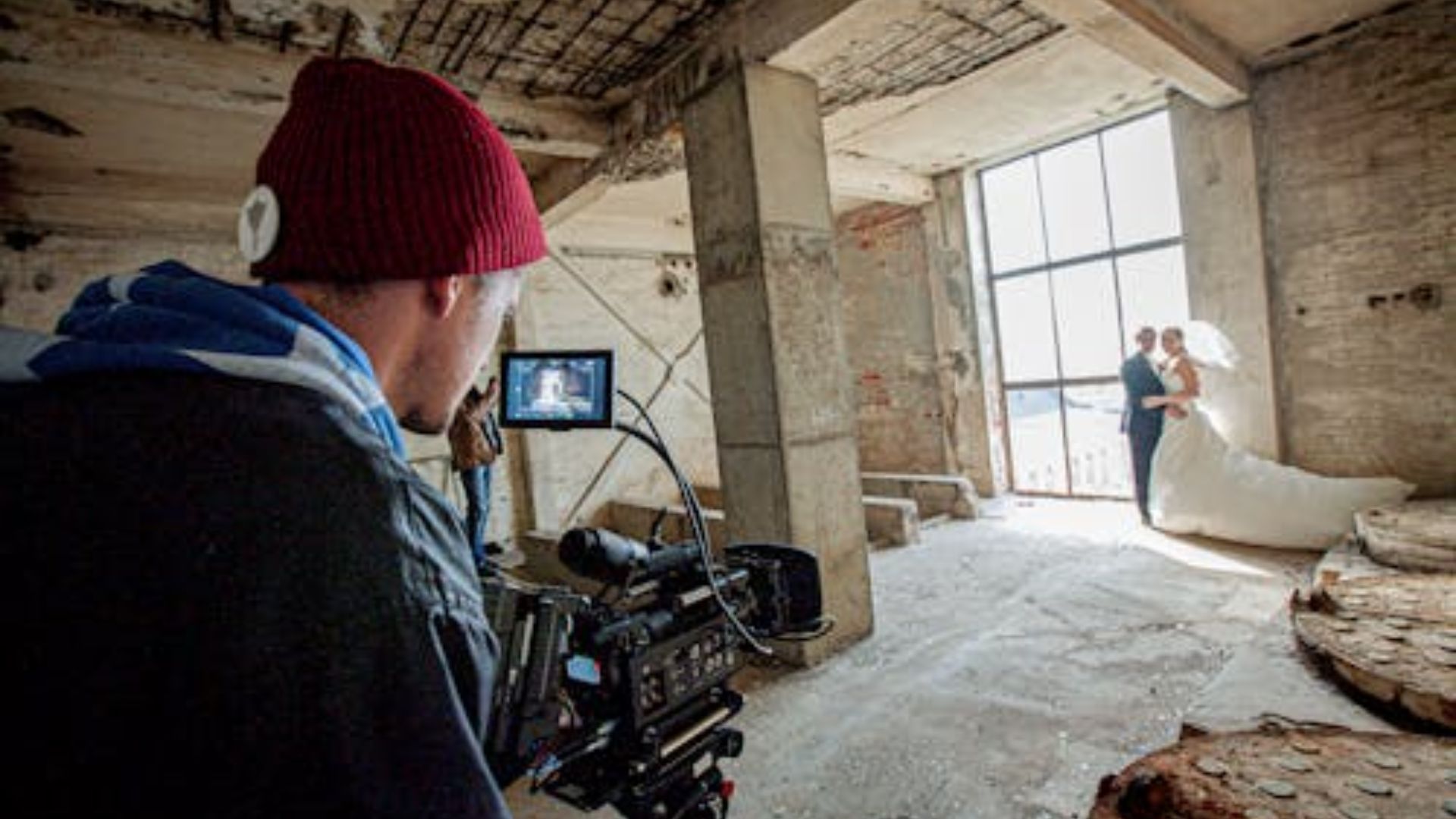
Silhouettes during golden hour or backlit situations create dramatic, romantic images. Position couples in front of bright backgrounds like sunsets, doorways, or windows. Expose for the bright background to turn subjects into dark shapes showing only profiles.
Look for opportunities to use window light creatively throughout the day. Side lighting creates dimension and mood in getting ready photos. Backlight through sheer curtains produces soft, dreamy portraits.
18. Reflections and Creative Perspectives
Reflection shots add visual interest through symmetry and layering. Look for puddles, mirrors, windows, and polished surfaces creating interesting reflections. Photograph couples with their reflections visible to double visual elements in your frame.
Detail macro shots reveal textures invisible to the naked eye. Move in close on ring engravings, dress lace patterns, and flower details. These intimate shots add variety and visual interest to albums.
19. Environmental Portraits
Environmental portraits place couples within beautiful or meaningful locations. Use wider lenses to show both subjects and their surroundings together. Position them within larger scenes rather than filling the frame completely with faces.
These shots work especially well at unique venues with interesting architecture. Historic buildings, natural settings, and urban environments all provide context and atmosphere. Balance these wider shots with intimate close-ups for album variety.
Final Send-Off Moments
The grand exit concludes your coverage with celebratory energy. Sparkler exits, bubble send-offs, and classic getaway cars all provide final opportunities for memorable images. Position yourself ahead of the couple to photograph them walking toward you through celebration.
20. Sparkler Exit Photography
Sparkler photos require specific techniques for best results. Use slower shutter speeds around 1/30th to 1/60th second to blur light trails slightly. Keep your ISO reasonable to avoid excessive noise in dark conditions. Focus precisely on the couple’s faces rather than the sparklers themselves.
Coach guests to hold sparklers at consistent heights for better composition. This creates a nice tunnel effect rather than random sparkler placement. Time your shots for when the couple reaches the middle of the sparkler tunnel.
21. Documenting the Departure
Document the couple’s actual departure in their decorated getaway vehicle. Capture them waving goodbye, driving away, and the final view leaving the venue. These images provide natural closure to the wedding story you’ve told all day.
Get creative with the getaway car if it’s something special. Classic cars, vintage trucks, or unique vehicles deserve multiple angles and detail shots. Just in case couples want these for thank you cards or albums.
Making Your Wedding Shooting Plan Work
This comprehensive wedding shooting plan gives you 12 must-have moments to capture throughout the celebration. Print your checklist and keep it handy as a reference during the event. Cross off shots as you complete them to ensure nothing gets forgotten.
Communicate this shot list with couples during planning meetings well before their wedding day. Ask which moments matter most to them personally and emotionally. Add any special requests or unique elements specific to their particular celebration. Remove shots that don’t apply to their wedding style or timeline.
Stay flexible even with detailed planning because weddings rarely follow schedules exactly. Weather changes plans, family dynamics create unexpected moments, and spontaneous celebrations happen constantly. Your wedding shooting plan guides you without restricting you from capturing authentic moments as they unfold naturally.
Practice these shots at styled shoots or while second shooting before leading your first wedding solo. Knowing how to execute each image type quickly and confidently prevents stress on actual wedding days. Your shooting plan works best when technical execution becomes completely automatic and natural.
See more from DIYPhotography.net on Google
Add DIYPhotography.net as a trusted source. This makes
our stories more likely to appear in your Google Search results.
 Add as a preferred source on Google

Darlene Lleno
Darlene Lleno brings a unique perspective to DIY Photography as someone who grew up surrounded by camera gear but chose words over lenses. With five years of writing experience, she specializes in photography content that’s both technically informed and genuinely passionate. Growing up with a photographer twin brother meant camera talk was everyday conversation in her household. While he mastered capturing moments, Darlene discovered she preferred being the subject and the storyteller behind the scenes. As a travel enthusiast and mother of two, she understands the importance of preserving life’s precious moments. When not exploring new destinations or writing for DIY Photography, you’ll find her reading or tending to her garden. Her approach to photography writing is refreshingly authentic, she may not be behind the camera, but she knows exactly what it takes to help others capture the shots that matter most.
Related Posts
 Wedding photography shot list and why you don’t need or want one
 Essential Wedding Photography Gear Every Photographer Must Have
 This bridezilla threatened to withhold pay unless the photographer shot everything on her list
 A couple looks for a professional wedding photographer, pays with a chance to say “I’ve shot a wedding before”
Join the Discussion
DIYP Comment Policy
Be nice, be on-topic, no personal information or flames.