





















Essential Wedding Photography Gear Every Photographer Must Have
Oct 2, 2025
Alysa Gavilan
Alysa Gavilan has spent years exploring photography through photojournalism and street scenes. She enjoys working with both film and mirrorless cameras, and her fascination with the craft has grown over the decades. Inspired by Vivian Maier, she is drawn to capturing everyday moments that often go unnoticed.
Share:

A wedding is perhaps one of the most important events in anyone’s life. Every moment deserves to be captured beautifully, from the tearful walk down the aisle to the laughter on the dance floor. That’s why photographers cannot afford to mess up when it comes to documenting the big day. One way to make sure everything goes smoothly is to prepare all the essential wedding photography gear before stepping into the venue.
Wedding photography is not just about clicking a shutter. It’s about being ready for anything. Remember that lighting can change quickly, unexpected weather can roll in, and emotions move fast. So having the right gear allows you to adapt in real time while maintaining the quality and consistency couples expect. Think of it as building a safety net because no one wants their once-in-a-lifetime memories ruined by an avoidable oversight.
Here’s a round-up of the wedding photography gear you might need to capture someone’s special day.
The Essential Wedding Photography Gear You Need
1. Full-Frame Camera Body
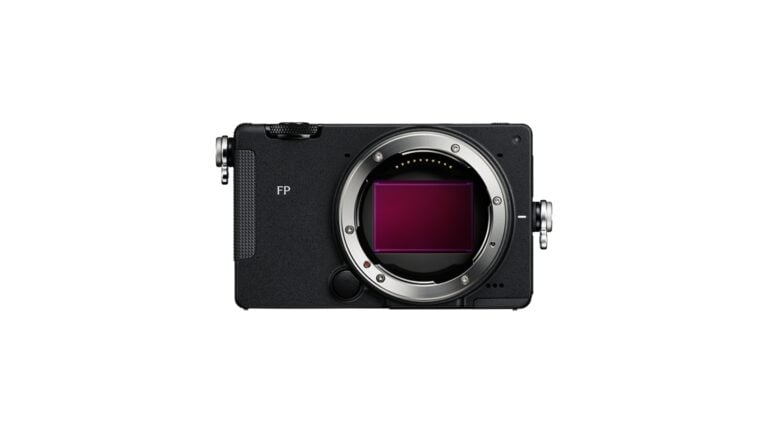
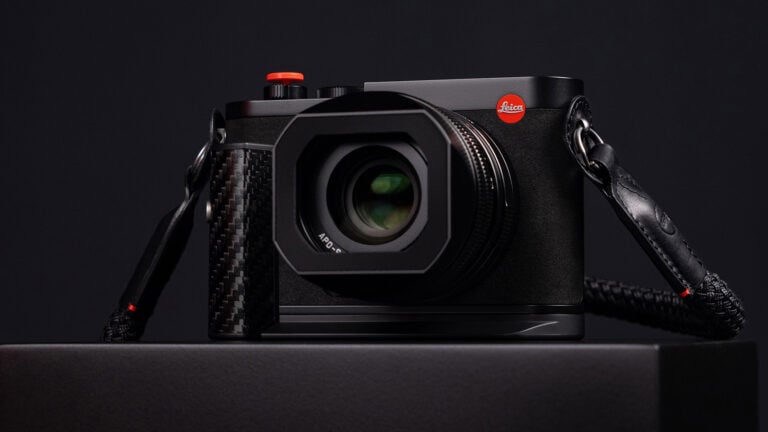
A full-frame camera body is the backbone of wedding photography. It handles low-light situations better than crop sensors, produces sharper images, and allows for more detail retention when editing. A full-frame body keeps up with unpredictable conditions, including those that occur from having candlelit ceremonies to fast-moving dance floors.
Many professionals also carry two bodies to avoid lens-swapping during key moments. Doing so can bring peace of mind, and not just for convenience. This ensures that if one body malfunctions, you’re still covered and that no missed shots occur during critical moments like the first kiss or cake cutting. Couples expect their once-in-a-lifetime memories to be safe in your hands, so doubling up is worth the investment.
2. Fast Lenses (Prime and Zoom)
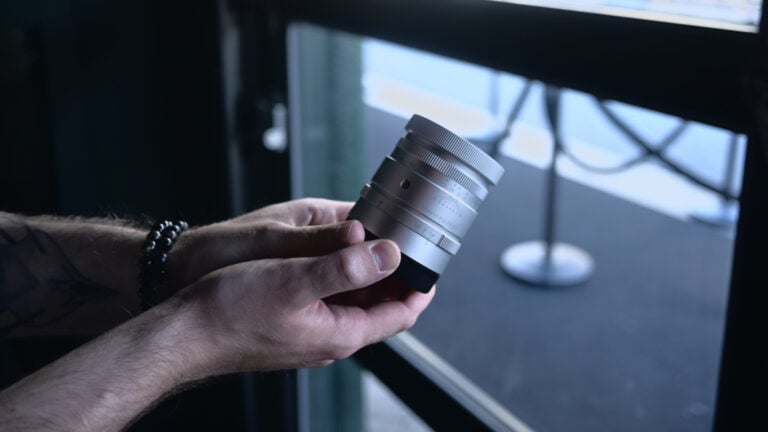
A good lens makes all the difference in any photography scenario, especially during weddings. Prime lenses like 50mm and 85mm deliver crisp portraits with dreamy bokeh, while versatile zooms like 24-70mm allow you to move from wide group shots to intimate close-ups without missing a beat. Having at least one telephoto, such as a 70-200mm, lets you capture emotional close-ups during ceremonies without being intrusive.
Investing in fast lenses with wide apertures (f/1.2 to f/2.8) also ensures better performance in dimly lit receptions and indoor spaces. They allow you to keep ISO levels down, which minimizes grain and produces more natural-looking images. This flexibility means you can shoot confidently, no matter how unpredictable the lighting.

3. External Flash and Lighting Kits
Lighting can make or break a wedding album. An external flash provides much-needed control, especially in poorly lit venues where built-in flashes fall short. Diffusers or bounce cards soften the light and can prevent harsh shadows while making skin tones look natural.
Meanwhile, adding portable LED lights to your kit expands creative possibilities, and they can also help in tricky situations, like backlit ceremonies or night portraits outdoors. Being able to shape and control light ensures consistency in your work and guarantees your subjects always look their best.

4. Extra Batteries and Memory Cards
Running out of power or storage in the middle of a wedding is every photographer’s nightmare. Remember that weddings can last all day, and a single battery definitely won’t cut it. You should carry at least three fully charged batteries per camera body and rotate them throughout the day to stay safe.
Memory cards should also be high-capacity and reliable. It’s better to opt for professional-grade cards that handle continuous shooting without lag. Having multiple cards, after all, also spreads the risk. If one fails, then you’re safe that not all of your work is lost. Just don’t forget to label and store them in a dedicated case for quick swaps!
5. Sturdy Tripod or Monopod
Stability is vital when shooting in low light or capturing wide group portraits. A sturdy tripod keeps shots tack-sharp during long exposures, such as in dimly lit receptions or for creative effects like sparkler exits. It also frees your hands during long ceremonies to prevent you from getting tired.
A monopod is a great compromise if you want more mobility. It stabilizes heavy lenses while allowing quick repositioning, which is perfect for fast-moving moments like dancing or processions. You don’t need to just choose one, as having both options ensures you’re prepared for different shooting conditions without compromising on image quality.

6. Camera Bag with Compartments
A well-designed camera bag keeps everything secure and accessible. A wedding, after all, is an event where everything and everyone moves quickly. Digging through an unorganized bag can waste valuable time.
Look for a camera bag with adjustable compartments to fit lenses, flashes, and accessories snugly. Weatherproofing is also a must, as outdoor weddings are at the mercy of the elements.
Quick-access pockets for batteries, cards, and cleaning tools save you from fumbling in crucial moments. Remember that a good bag isn’t just about storage. It helps protect your investment and makes you more efficient, letting you focus on capturing the day instead of juggling gear!
7. Lens Filters
Lens filters may seem optional for other scenarios, but they give you more control in challenging conditions that can happen during a wedding. Polarizing filters cut reflections from windows, jewelry, and even glossy dresses, while also boosting sky and foliage colors for outdoor ceremonies.
Neutral density filters come in handy during bright daytime weddings. This can allow you to shoot with wide apertures for shallow depth of field without overexposing your shots. Having a small collection of filters lets you adapt quickly and deliver more polished and professional-looking images.
8. Backup Hard Drive or Cloud Storage
The job doesn’t end when you pack up your gear. Backing up your files is one of the most important steps in wedding photography. Having portable hard drives lets you store RAW files immediately after the event, which ensures that your work is safe before you even leave the venue.
Cloud storage, meanwhile, adds another layer of security. By uploading files to a trusted service, you protect your work from physical damage, theft, or card corruption. Couples place immense trust in their photographers, so having a bulletproof backup system shows professionalism and reliability.

9. Comfortable Yet Professional Attire
Photographers often spend 10 to 14 hours on their feet during a wedding, so you have to make sure that you are at least not fidgeting with the clothes you are in. Wearing professional but comfortable clothing allows you to blend in while moving freely. Think breathable fabrics, supportive shoes, and neutral colors that don’t draw attention.
Your outfit, after all, is part of your professionalism. Looking sharp shows respect for the event, while comfort ensures you stay focused and energetic throughout the day. A small but crucial detail can make all the difference.
10. Cleaning Kit
A cleaning kit with microfiber cloths, lens wipes, and a blower helps you stay on top of dust, fingerprints, and unexpected splashes. Weddings involve constant movement, and your gear will pick up grime quickly. Remember that a smudge on your lens can ruin an otherwise perfect shot.
Regular quick cleans during the event not only protect your images but also extend the life of your equipment. It’s a small investment that pays off in sharp and professional results and saves you hours of frustration in post-processing.
Taking Care of Your Essential Wedding Photography Gear During the Event
Weddings are unpredictable, and your gear will be put through its paces, so you have to make sure that you take care of them while you work to capture the best memories for the couple.
One way to start is with proper storage and handling. Remember to use rain covers or weatherproof bags for outdoor ceremonies to shield cameras and lenses from moisture, dust, or sudden drizzles. You can try placing your gear securely in your bag, or even under a table when moving through crowded areas like reception halls. Small precautions like this prevent accidents and help you avoid costly replacements or downtime during the event.
Switching lenses, batteries, and memory cards should be done mindfully, too. Point the camera downward when swapping lenses in dusty environments to reduce dust entry. You should also have a blower or microfiber cloth ready.
Be also aware of your surroundings to avoid physical damage during reception or portrait sessions. Dance floors, floral arrangements, and buffet areas can be hazardous to expensive equipment. You can prevent accidental drops by using straps, harnesses, or securing your cameras on monopods or tripods.
Post-event care is just as crucial, too. Don’t forget to wipe lenses and camera bodies down with a clean cloth, check for dirt or moisture, and store everything in a dry, temperature-controlled space. Back up all images immediately to a hard drive or cloud storage to prevent data loss. Consistent maintenance ensures your gear stays reliable for future weddings and protects the memories you’re entrusted to capture.

Capturing with Confidence with your Essential Wedding Photography Gear
Weddings are high-pressure events where every moment counts, and the right preparation can make all the difference. Having your essential wedding photography gear ready gives you the confidence to focus on creativity instead of worrying about logistics. Rest assured that you can move freely, anticipate key moments, and capture the emotions that make each wedding unique when your cameras, lenses, lighting, and backups are in order.
One thing to also think about is post-processing. Transparency is key if you choose to use artificial intelligence tools to enhance your images, such as fine-tuning lighting, improving skin tones, or polishing portraits. Couples, after all, trust you with their most personal and significant memories, and being honest about how much post-processing or AI enhancement is involved strengthens that trust.
Remember that the heart of wedding photography isn’t about creating flawless images in isolation. It is really about capturing genuine emotions and authentic storytelling. With the right preparation, careful handling of gear, and integrity in your workflow, you can ensure that your photographs are not only beautiful but also meaningful keepsakes for the couples you serve.
See more from DIYPhotography.net on Google
Add DIYPhotography.net as a trusted source. This makes
our stories more likely to appear in your Google Search results.
 Add as a preferred source on Google

Alysa Gavilan
Alysa Gavilan has spent years exploring photography through photojournalism and street scenes. She enjoys working with both film and mirrorless cameras, and her fascination with the craft has grown over the decades. Inspired by Vivian Maier, she is drawn to capturing everyday moments that often go unnoticed.



Join the Discussion
DIYP Comment Policy
Be nice, be on-topic, no personal information or flames.