






















Alternatives to Hiring a Wedding Photographer: 7 Ways to Capture Your Big Day
Jun 19, 2026
Alysa Gavilan
Alysa Gavilan has spent years exploring photography through photojournalism and street scenes. She enjoys working with both film and mirrorless cameras, and her fascination with the craft has grown over the decades. Inspired by Vivian Maier, she is drawn to capturing everyday moments that often go unnoticed.
Share:
Weddings are often remembered in fragments. A glance before walking down the aisle, a burst of laughter during speeches, a quiet moment when everything slows down for a second. Photography has traditionally been the way those fragments are preserved.
Still, not every couple approaches the idea of hiring a wedding photographer in the same way. Budget, style preferences, privacy concerns, and even venue restrictions can lead people to look for different ways to document the day. The alternatives vary widely in quality and consistency, and each comes with its own strengths and limitations.
Why Wedding Photographers Matter
Professional wedding photographers play a specific role that goes beyond simply taking pictures.
According to organizations such as the Wedding Photojournalist Association and industry bodies like the British Institute of Professional Photography, wedding photography involves anticipating events before they happen, working under changing light conditions, and managing high pressure environments without interrupting the flow of the day.
Experienced photographers bring technical control, from exposure management in mixed lighting to fast autofocus tracking during movement. They also bring familiarity with timing, knowing when key moments are likely to occur even without cues. This includes ceremonies, first dances, speeches, and unplanned interactions that often become some of the most meaningful images.
Another important factor is consistency. A trained photographer can maintain a coherent visual style across hundreds or thousands of images taken over many hours. This includes composition, color balance, and storytelling structure that helps the final gallery feel unified.
It is also worth noting that different photographers produce different results. Style ranges from documentary approaches that prioritize candid moments, to editorial styles that emphasize posing and direction. This variation means that hiring a professional does not guarantee a single outcome, but rather a spectrum of interpretations depending on who is chosen.
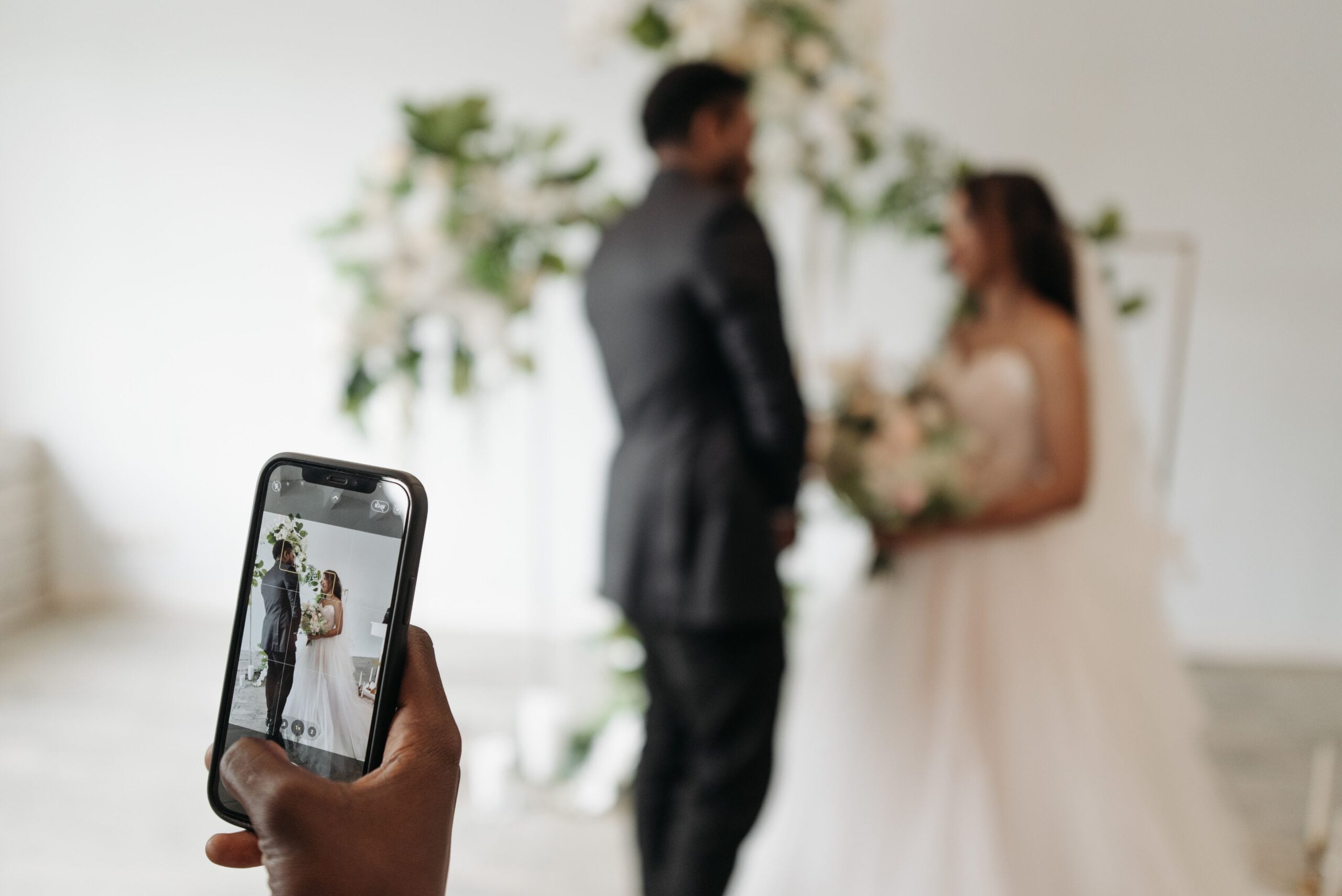
Using Smartphones As A Primary Tool
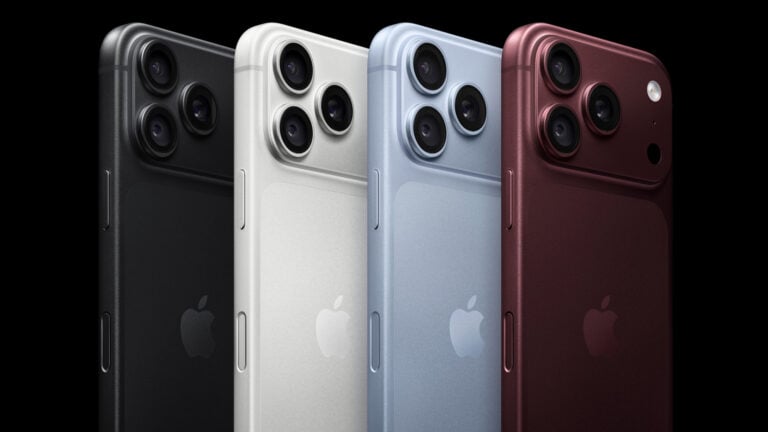
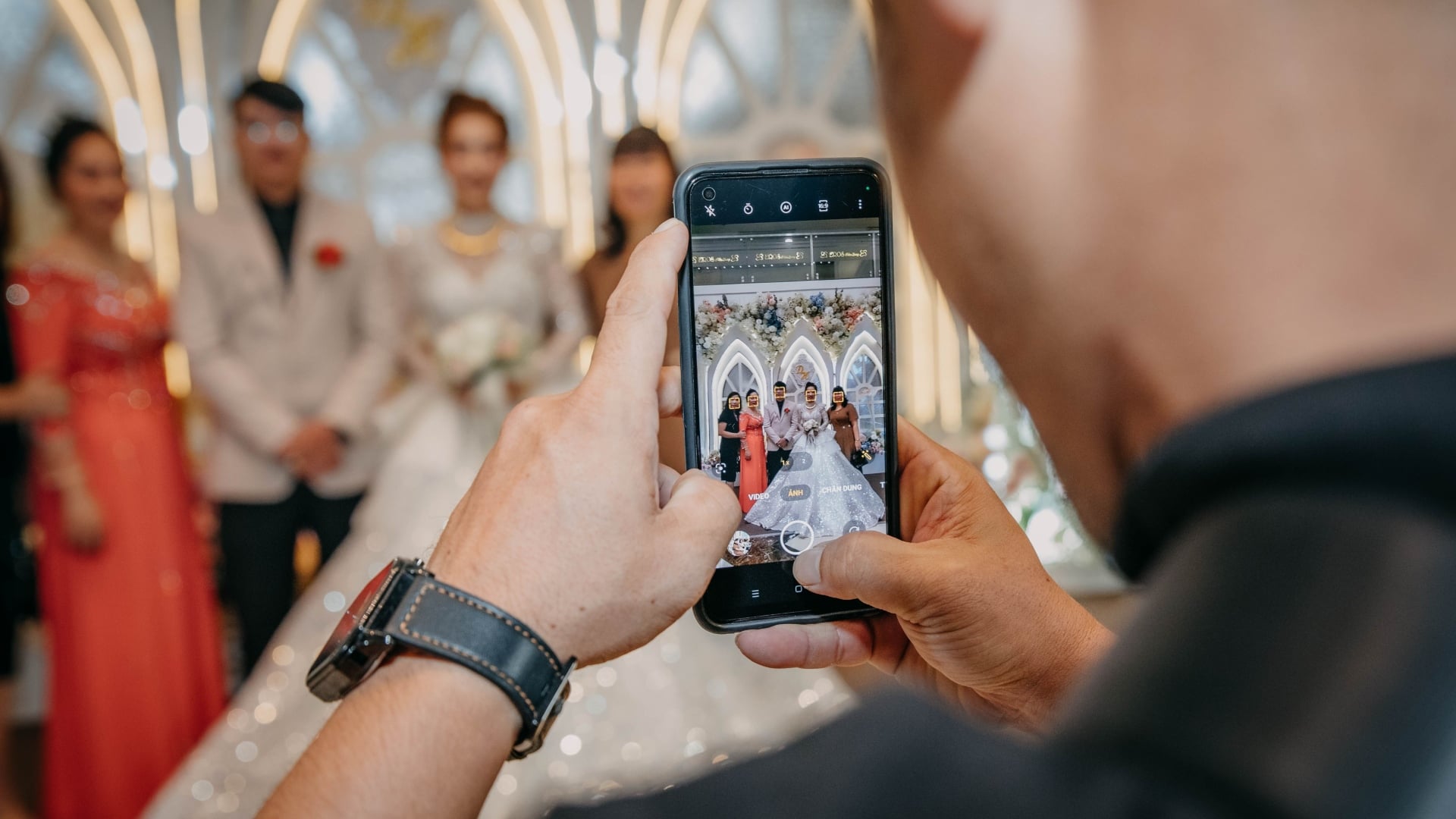
Smartphones are one of the most common alternatives for wedding documentation. Modern devices from companies like Apple, Samsung, and Google include multiple lenses, computational photography features, and advanced stabilization systems that can produce strong results in good lighting.
The main advantage is accessibility. Guests or designated individuals can capture moments throughout the day without specialized equipment. However, performance still depends heavily on lighting conditions and user experience. Low light environments such as reception halls or evening events can introduce noise, motion blur, and inconsistent exposure.
Another limitation is consistency. Since images are typically captured by multiple people, the final set often varies in style, framing, and quality. This creates a more fragmented visual record of the day.
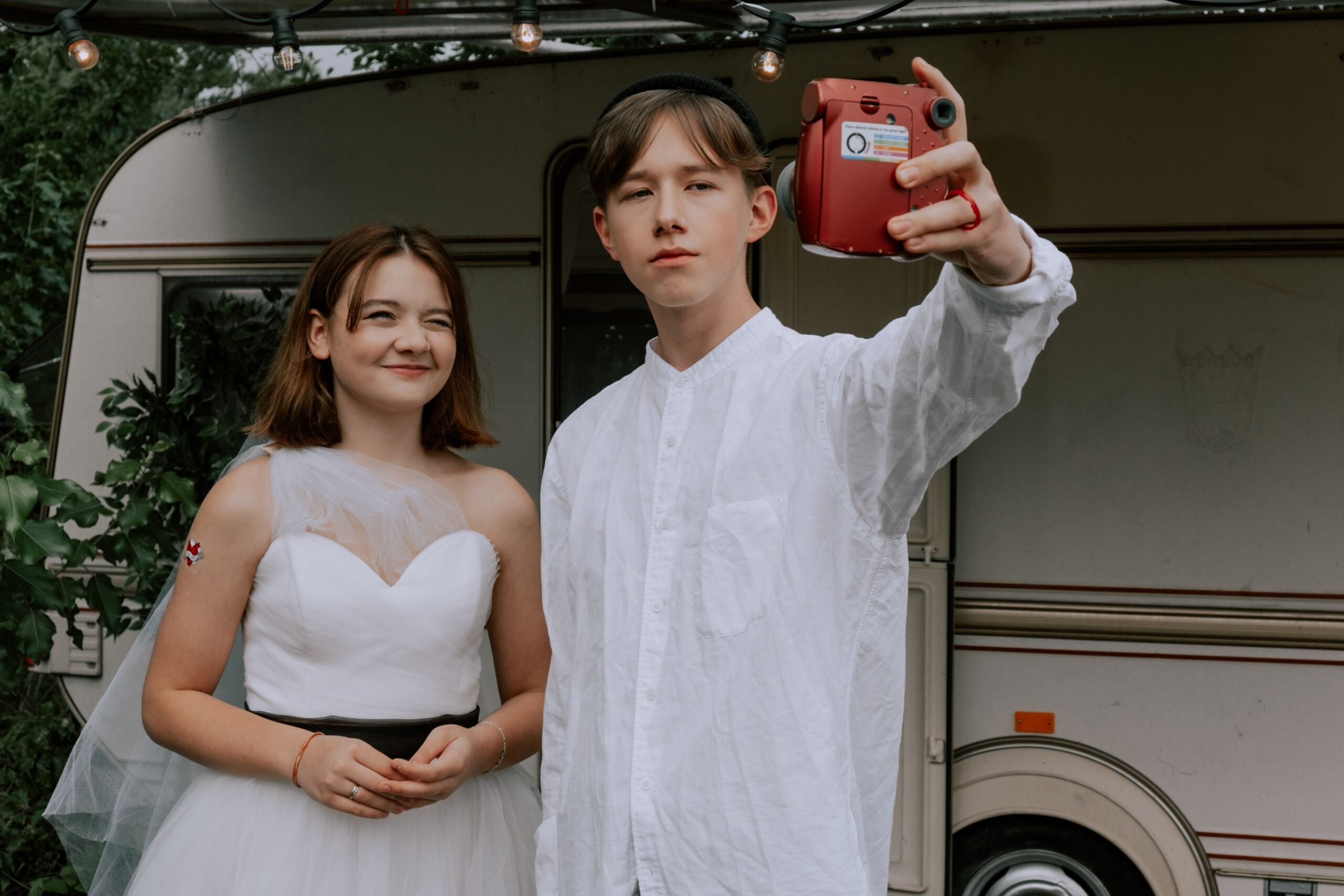
Disposable And Instant Cameras
Disposable film cameras and instant cameras such as Polaroid or Fujifilm Instax systems are sometimes used at weddings to create a more informal archive of the event. These formats have been supported by manufacturers like Fujifilm and Polaroid as part of their ongoing consumer product lines.
The appeal lies in unpredictability. Guests can take candid images without overthinking composition, and instant prints can serve as physical keepsakes. However, limitations include fixed exposure settings, limited dynamic range, and a restricted number of frames per camera.
Film-based alternatives also introduce cost considerations, since each frame is a physical exposure rather than a digital file.
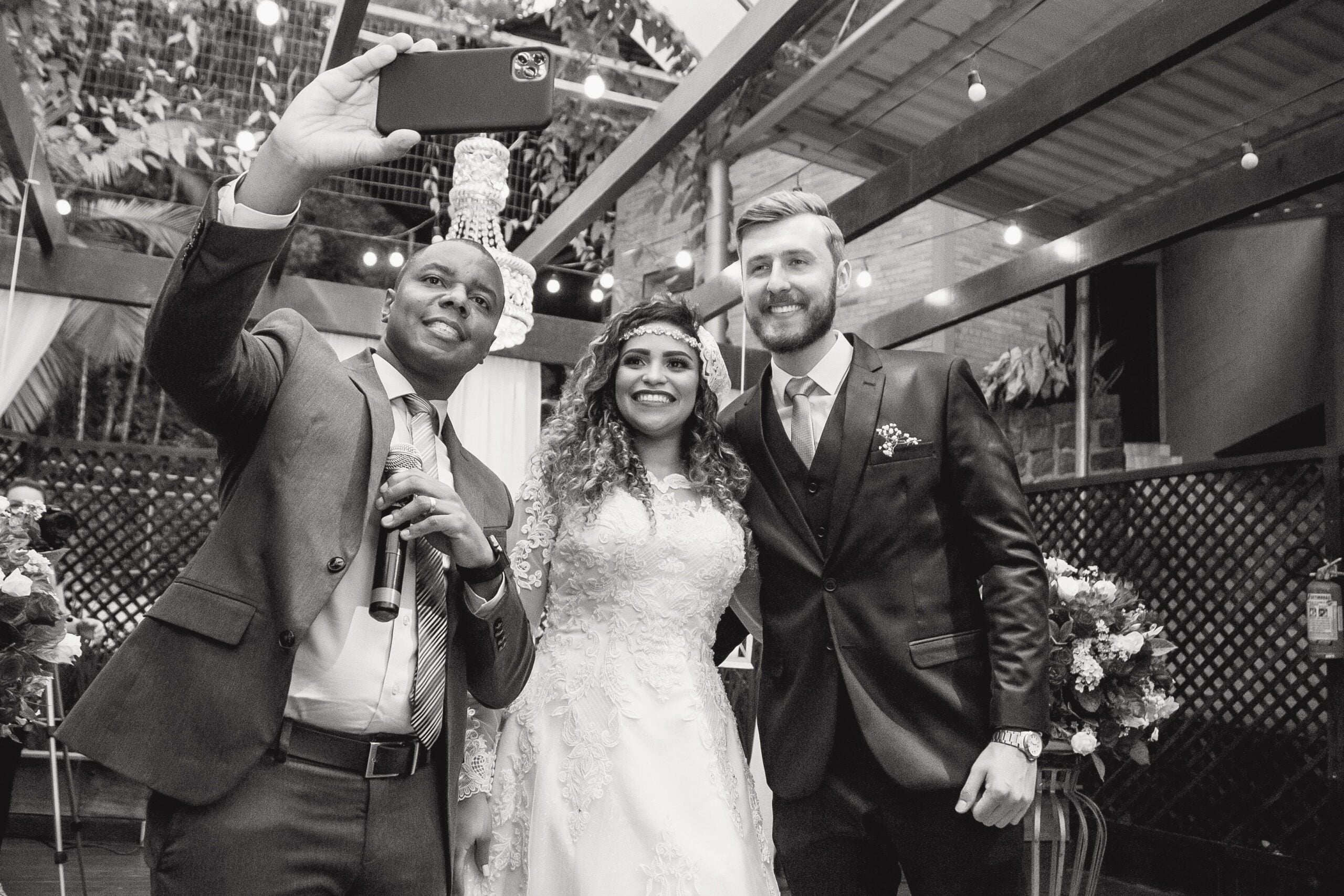
Guest Photography And Shared Coverage
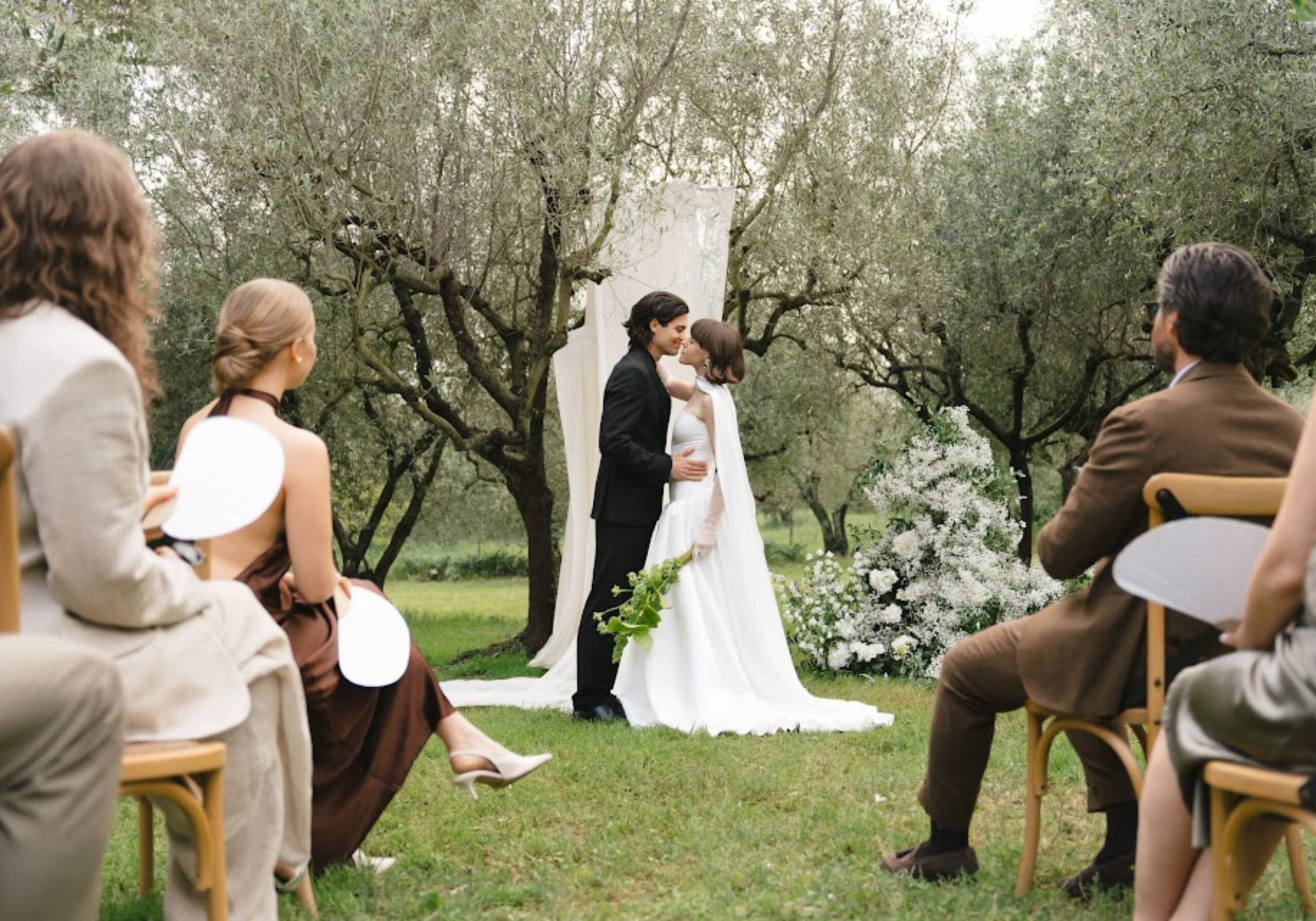
Another common approach is relying on guests to document the event. This can be organized through shared cloud albums, hashtags on platforms like Instagram, or dedicated apps designed for group photo collection.
This method often results in a large volume of images from different perspectives. It captures moments that a single photographer might miss due to positioning. However, quality control becomes unpredictable. Some moments may be well documented while others are missed entirely.
There is also the issue of distraction. Guests focusing on capturing images may experience the event differently compared to those who are fully present.
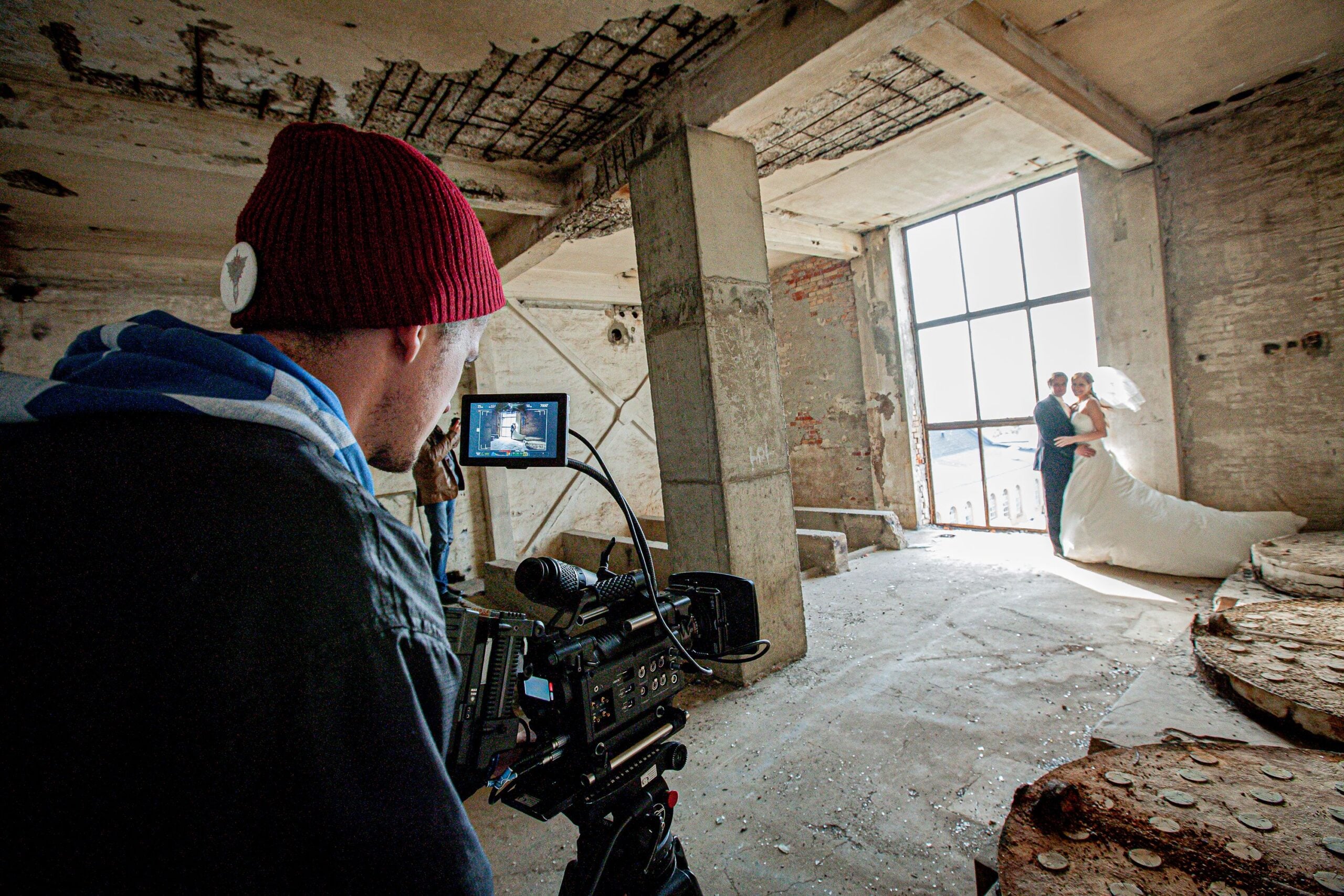
Hiring A Videographer Instead
Some couples choose to prioritize video over photography. Professional videographers, such as those working in cinematic wedding filmmaking, often provide edited highlight reels or full ceremony recordings.
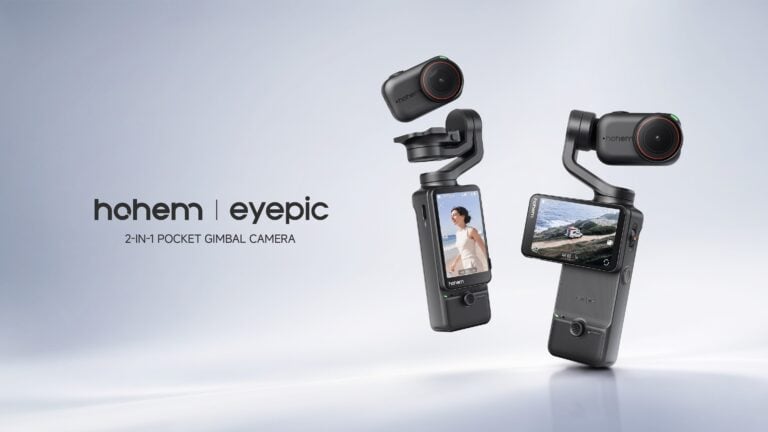
Video captures motion, sound, and atmosphere in a way that still photography cannot. Companies like Sony and Canon have contributed to the development of hybrid photo and video systems that make this workflow more accessible.
However, video is less immediate for sharing and less flexible for printing or framing. It also requires more storage and longer editing times before final delivery.
DIY With A Dedicated Friend Or Family Member
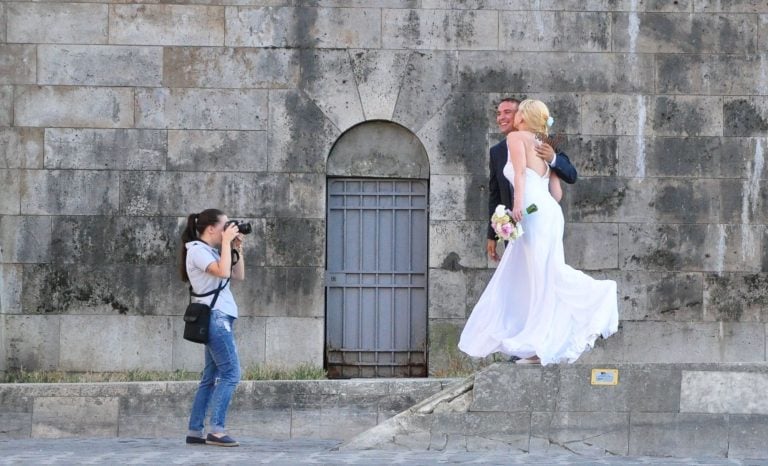
A common compromise is asking a trusted friend or relative with camera experience to document the event. This can produce meaningful and personal results, especially when the person understands the couple well.
The limitation lies in pressure and responsibility. Weddings are fast moving environments, and even experienced hobbyists may struggle to balance participation in the event with constant shooting. This can result in missed moments or uneven coverage.
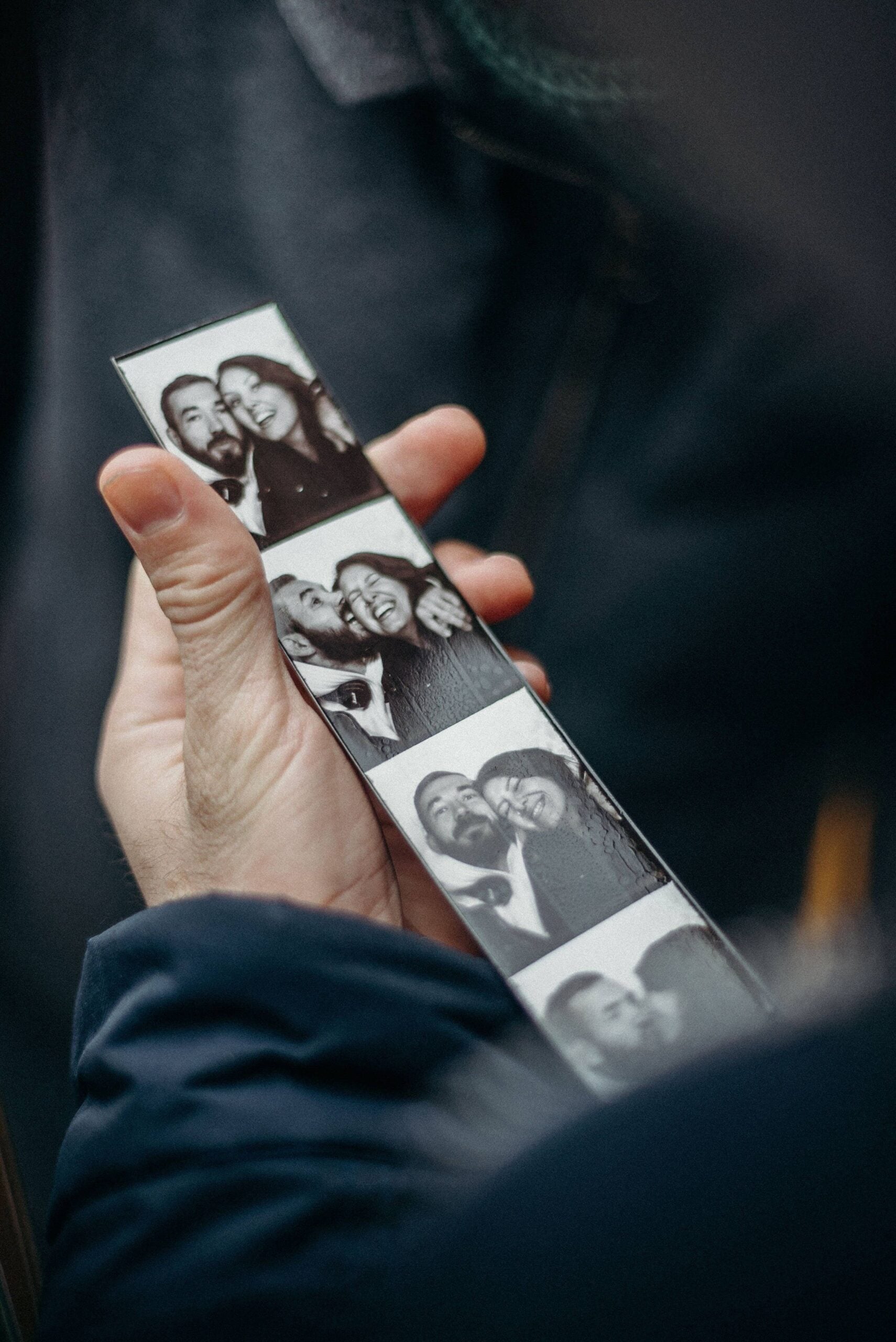
Photo Booths And Automated Systems
Photo booths and automated camera setups are often used as supplemental tools rather than full replacements. These systems, offered by various event rental companies, allow guests to take controlled portraits with consistent lighting and backgrounds.
While useful for fun and interactive memories, they do not replace full event coverage. They are limited to specific locations and cannot capture unfolding moments throughout the day.
Choosing What Fits The Day
Each alternative reflects a different priority. Some focus on cost reduction, others on spontaneity, and others on participation from guests. What becomes clear is that no single method fully replaces the role of a professional wedding photographer, but each can document parts of the experience in different ways.
The choice often comes down to expectations. Some couples value a structured visual narrative of the entire day, while others prefer fragmented, personal, or experimental documentation styles.
Understanding these differences helps set realistic expectations for the final outcome, regardless of the approach taken.
If you were planning a wedding today, what would matter more to you in your photos, consistency across the entire day or spontaneous moments captured by everyone present?
See more from DIYPhotography.net on Google
Add DIYPhotography.net as a trusted source. This makes
our stories more likely to appear in your Google Search results.
 Add as a preferred source on Google

Alysa Gavilan
Alysa Gavilan has spent years exploring photography through photojournalism and street scenes. She enjoys working with both film and mirrorless cameras, and her fascination with the craft has grown over the decades. Inspired by Vivian Maier, she is drawn to capturing everyday moments that often go unnoticed.
Related Posts
 Why Is Hiring a Photographer So Expensive? Here’s What You’re Really Paying For
 Woman from iconic 9/11 photo hires the same photographer to capture her wedding 17 years later
 Wedding Photography Shot List: 12 Must-Capture Moments Every Photographer Needs
 Is a White Wedding Dress Really White: Through the Lens of a Wedding Photographer
Join the Discussion
DIYP Comment Policy
Be nice, be on-topic, no personal information or flames.
One response to “Alternatives to Hiring a Wedding Photographer: 7 Ways to Capture Your Big Day”
Hehe, just what I need. ;)
We’re bringing a Polaroid and I’ll bring my Nikon to take photos of my guests :)