























Rubin Observatory Captures 500,000 Galaxies in a Single Image
Jul 31, 2026
Soumyadeep Mukherjee
Soumyadeep Mukherjee is an award-winning astrophotographer from India. He has a doctorate degree in Linguistics. His work extends to the sub-genres of nightscape, deep sky, solar, lunar and optical phenomenon photography. He is also a photography educator and has conducted numerous workshops. His works have appeared in over 40 books & magazines including Astronomy, BBC Sky at Night, Sky & Telescope among others, and in various websites including National Geographic, NASA, Forbes. He was the first Indian to win “Astronomy Photographer of the Year” award in a major category.
Share:
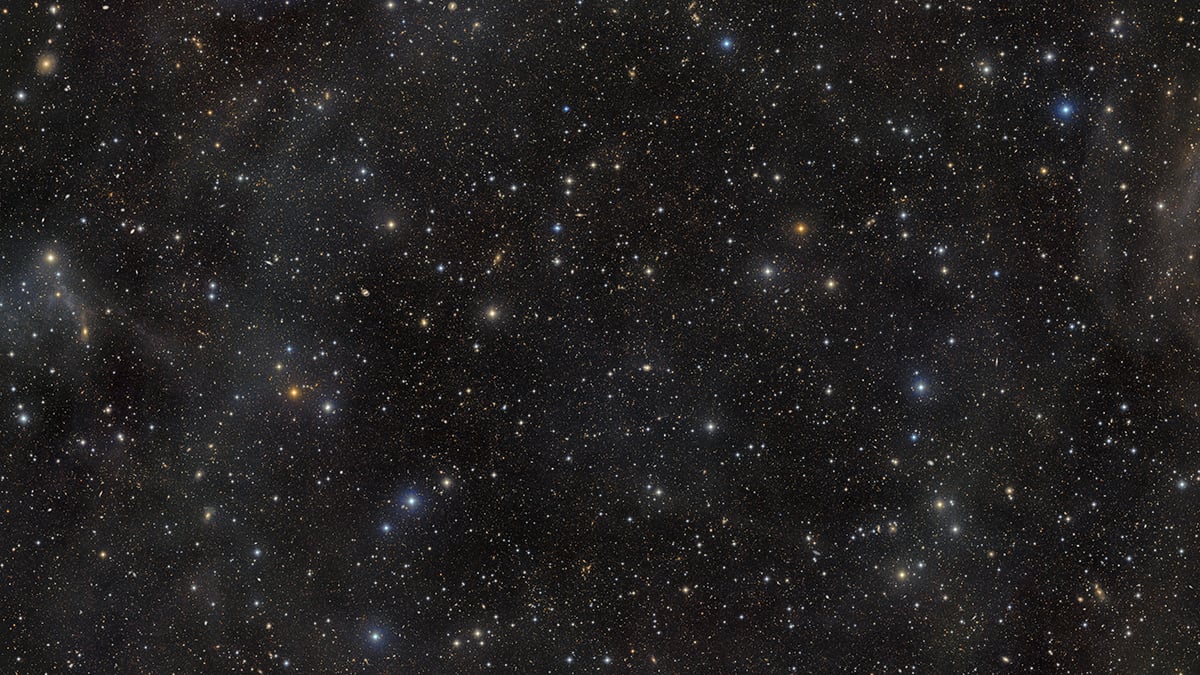
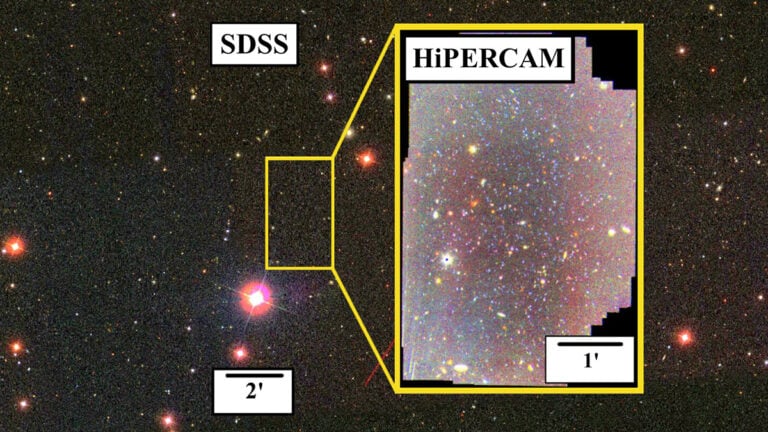
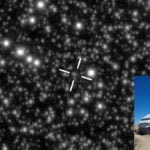
For decades, astronomers have returned to the same small region of sky to answer some of the biggest questions in cosmology. Known as the COSMOS field, this area has become one of the most carefully studied locations beyond the Milky Way. Now, the Vera C. Rubin Observatory has added a new layer of detail with an image that combines hundreds of exposures from its powerful LSST Camera.
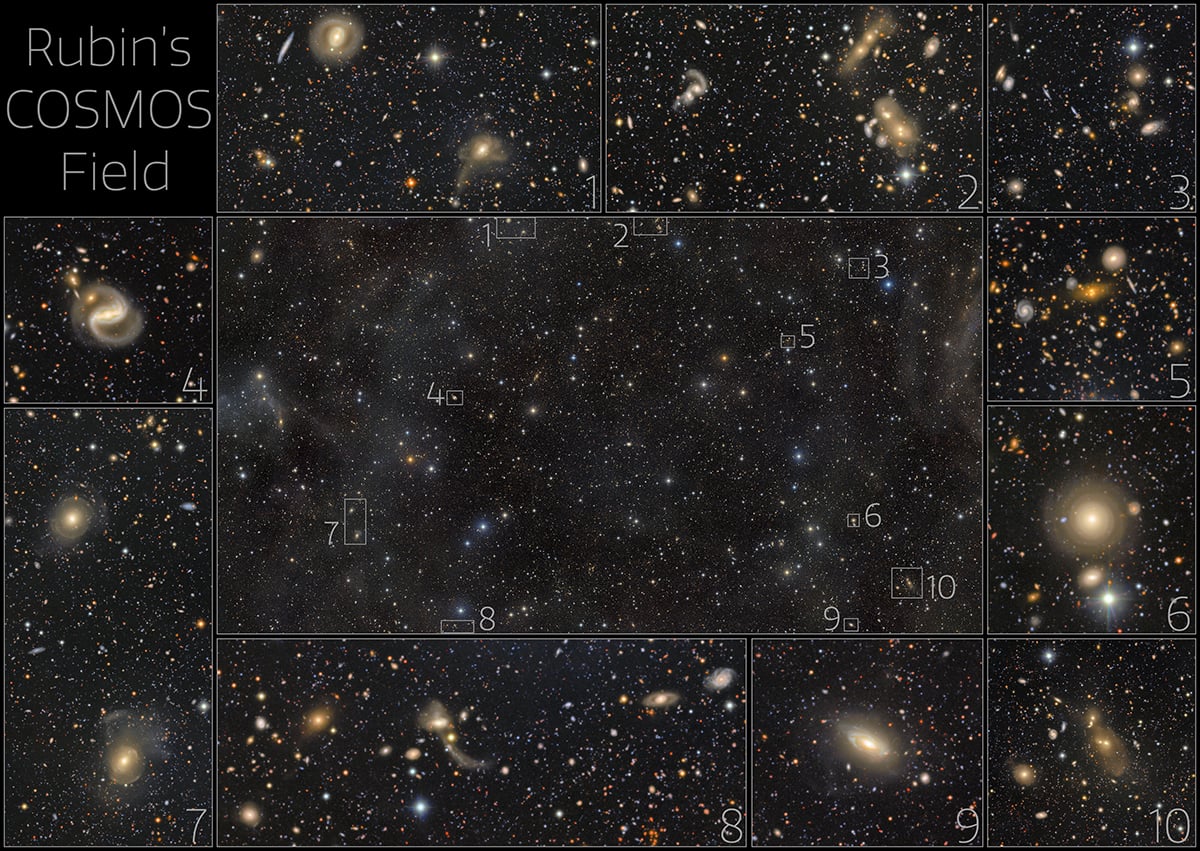
The new Rubin image contains more than 500,000 galaxies and over 50,000 stars across a single field of view. It was created from stacked observations collected during the observatory’s early science validation phase. The result demonstrates the capabilities of Rubin’s 3.2-gigapixel LSST Camera, which is designed to repeatedly survey the southern sky and capture changes across the Universe.
COSMOS: A famous patch of sky
The COSMOS field covers a small section of the constellation Sextans. It occupies only a tiny fraction of the night sky, yet it has become one of the most important fields for studying galaxies beyond the Milky Way. Its scientific value begins with its location. The field lies away from the dense central plane of our galaxy, where countless stars and clouds of interstellar dust can obscure distant objects.
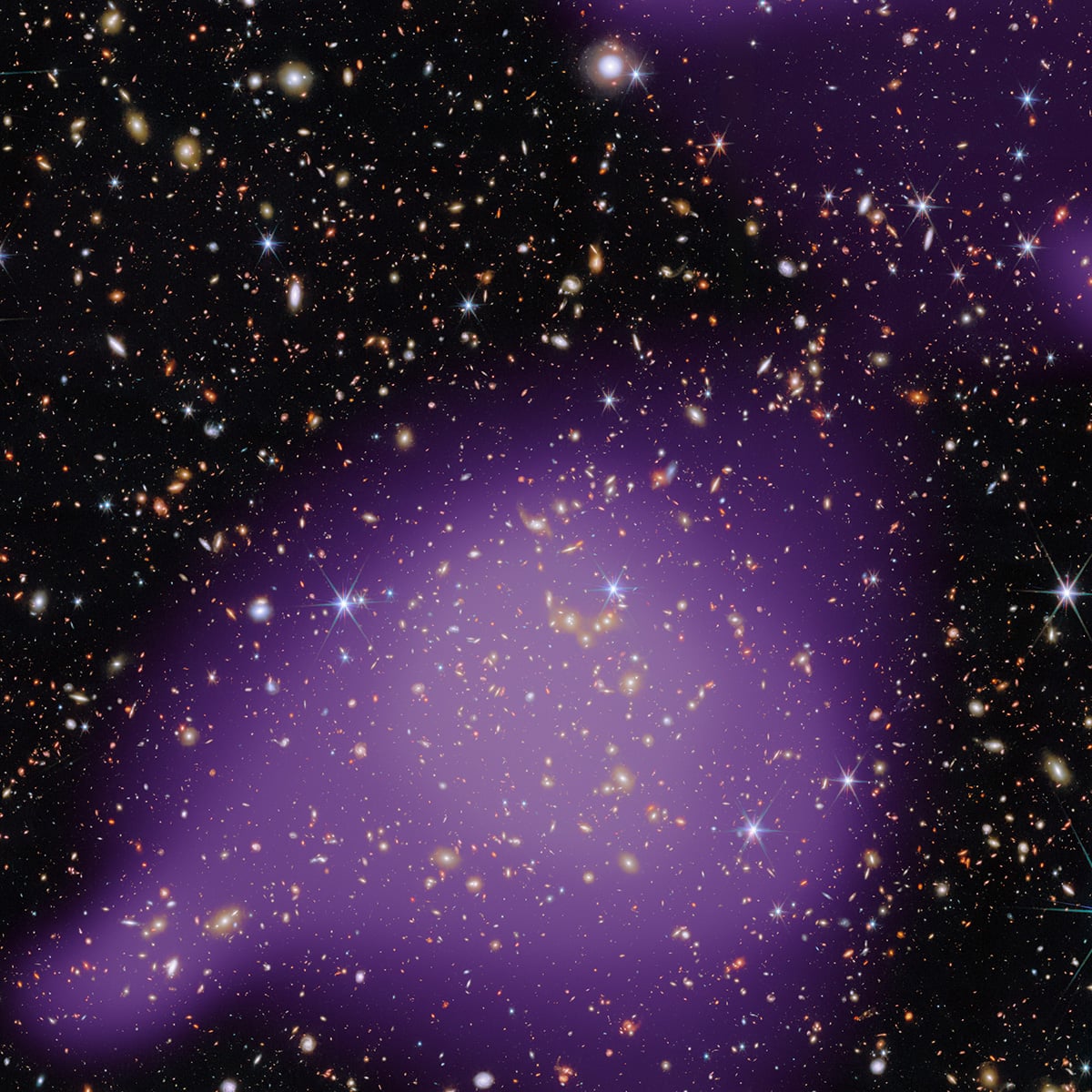
With fewer foreground obstacles, telescopes can detect faint galaxies that lie billions of light-years away. This makes COSMOS an ideal place to study the history of galaxy formation. The light from distant galaxies has travelled across space for billions of years before reaching Earth. When astronomers observe these objects, they are seeing earlier stages of cosmic evolution.
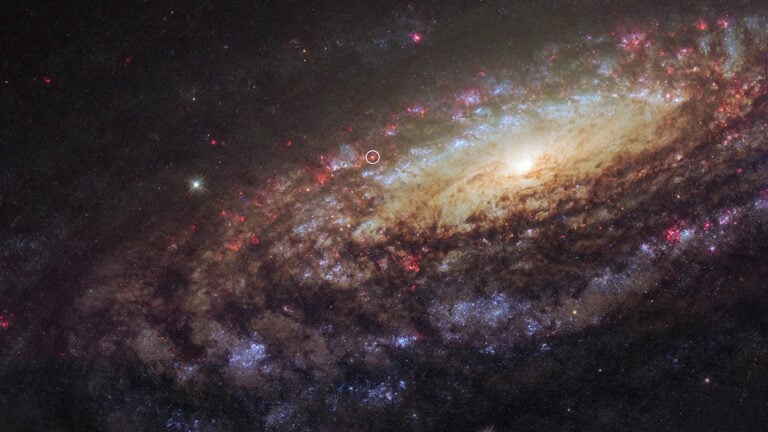
The new Rubin image captures galaxies from many different eras. Some nearby galaxies display clearly defined spiral arms and bright regions of star formation. Others appear as smooth elliptical systems dominated by older stars. Several galaxies exhibit distorted shapes resulting from gravitational interactions and mergers.
A new view from Rubin’s giant camera
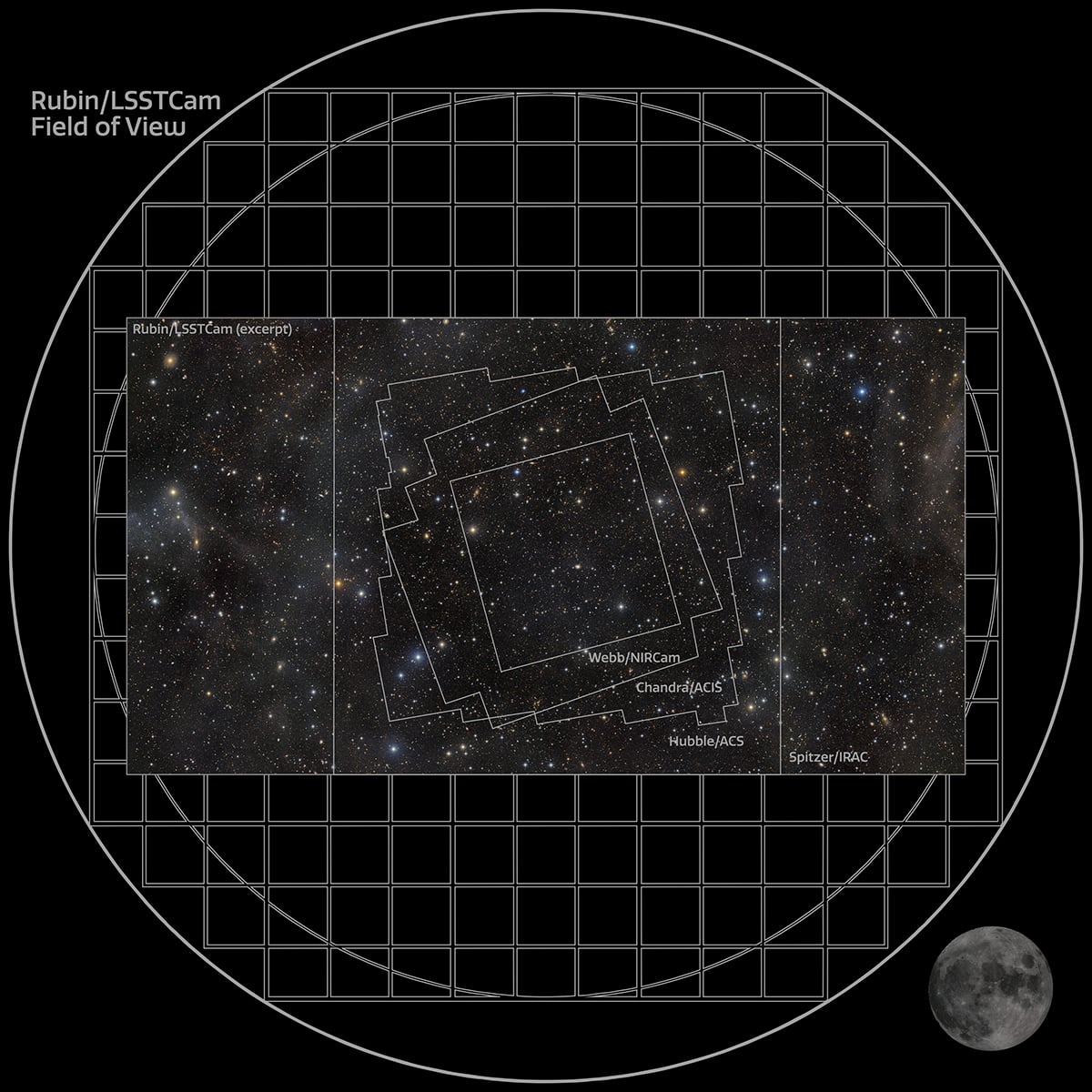
The new COSMOS image was created using the Rubin Observatory’s LSST Camera, the largest digital camera ever built for astronomical observations. The camera contains 3.2 billion pixels and is mounted on the observatory’s 8.4-meter Simonyi Survey Telescope in Chile.
The camera’s enormous size allows Rubin to cover large areas of the sky while maintaining the sensitivity needed to detect extremely faint objects. This combination is essential for a survey designed to map billions of galaxies.
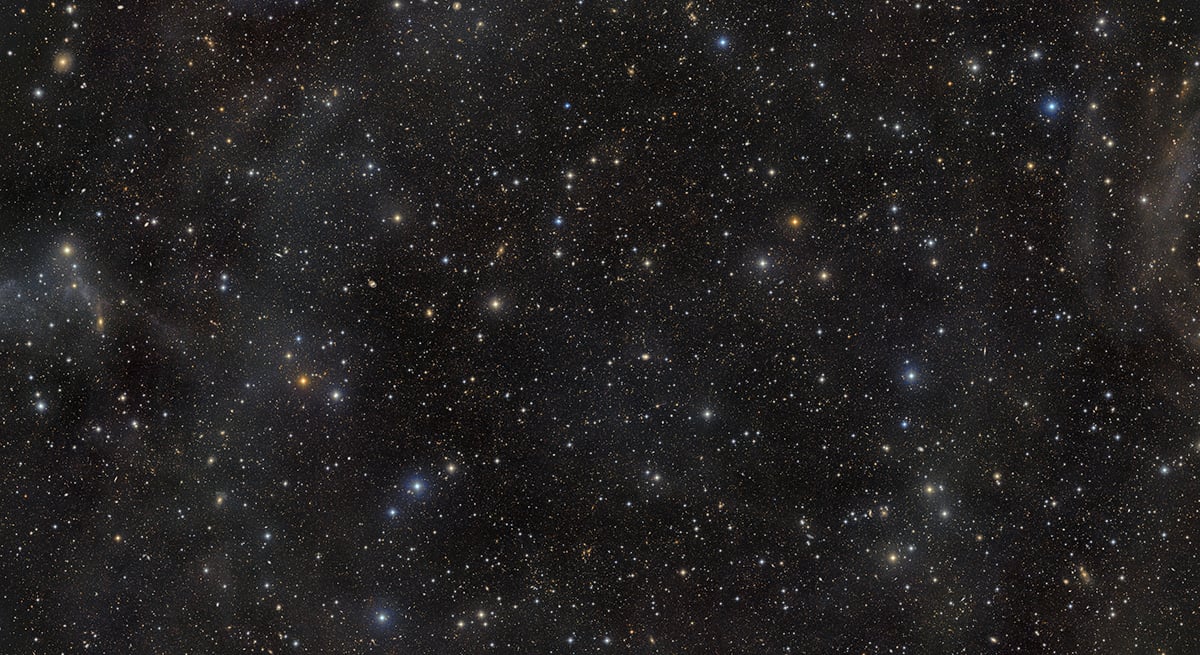
Astronomers created the final image by combining hundreds of individual observations. This process, known as image stacking, enables faint signals from distant objects to accumulate while reducing random noise. A galaxy that is barely visible in one exposure can become much clearer after many observations are combined.
The technique is essential for studying the early Universe. Many distant galaxies are extremely faint because their light has travelled for billions of years and has been stretched by cosmic expansion.
Continuing a 20-year astronomical investigation
The COSMOS field was first studied in detail by the Hubble Space Telescope in 2003. Since then, it has attracted observations from many of the world’s leading astronomical facilities. Different wavelengths of light reveal different aspects of the COSMOS field. Optical telescopes show the shapes, colors, and structures of galaxies. Infrared observations can peer through cosmic dust to study regions where new stars are forming. Radio telescopes trace the distribution of cold gas, the raw material needed for future generations of stars. X-ray observatories reveal some of the most energetic processes, including hot gas and powerful activity around supermassive black holes.
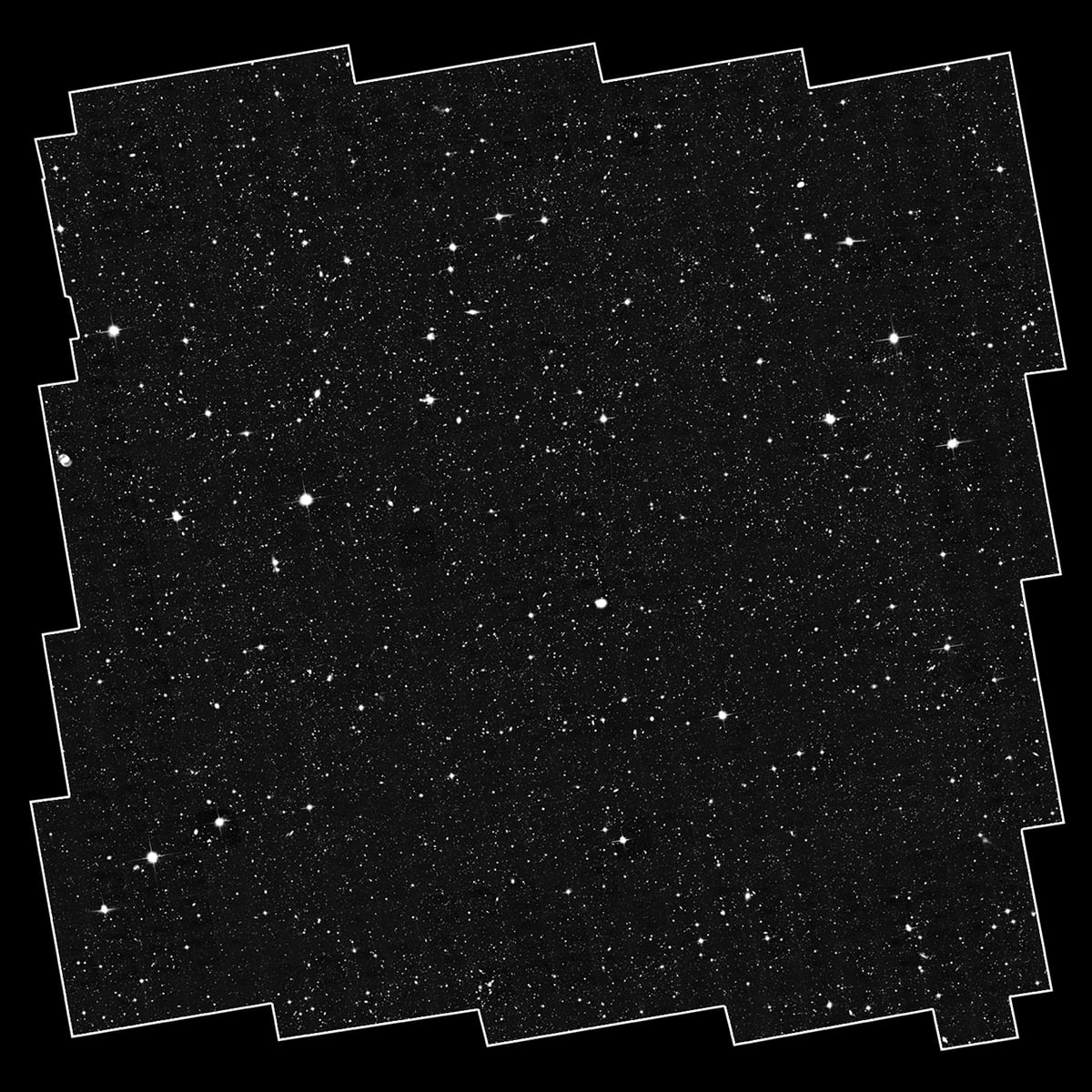
This collection of observations has turned COSMOS into one of the richest astronomical datasets ever assembled. Researchers can compare observations from different instruments to build a more complete picture of galaxy evolution.
The Legacy Survey of Space and Time (LSST) is designed around repeated observations. During its planned ten-year mission, Rubin will scan the southern sky hundreds of times. The COSMOS field is among the regions receiving additional observations because of its exceptional scientific value. Each new visit will add more information and increase the depth of the final dataset.
Clear skies!
See more from DIYPhotography.net on Google
Add DIYPhotography.net as a trusted source. This makes
our stories more likely to appear in your Google Search results.
 Add as a preferred source on Google

Soumyadeep Mukherjee
Soumyadeep Mukherjee is an award-winning astrophotographer from India. He has a doctorate degree in Linguistics. His work extends to the sub-genres of nightscape, deep sky, solar, lunar and optical phenomenon photography. He is also a photography educator and has conducted numerous workshops. His works have appeared in over 40 books & magazines including Astronomy, BBC Sky at Night, Sky & Telescope among others, and in various websites including National Geographic, NASA, Forbes. He was the first Indian to win “Astronomy Photographer of the Year” award in a major category.


Join the Discussion
DIYP Comment Policy
Be nice, be on-topic, no personal information or flames.