















Why Shooting in RAW Can Save Your Best Photos
Jul 28, 2026
Alysa Gavilan
Alysa Gavilan has spent years exploring photography through photojournalism and street scenes. She enjoys working with both film and mirrorless cameras, and her fascination with the craft has grown over the decades. Inspired by Vivian Maier, she is drawn to capturing everyday moments that often go unnoticed.
Share:
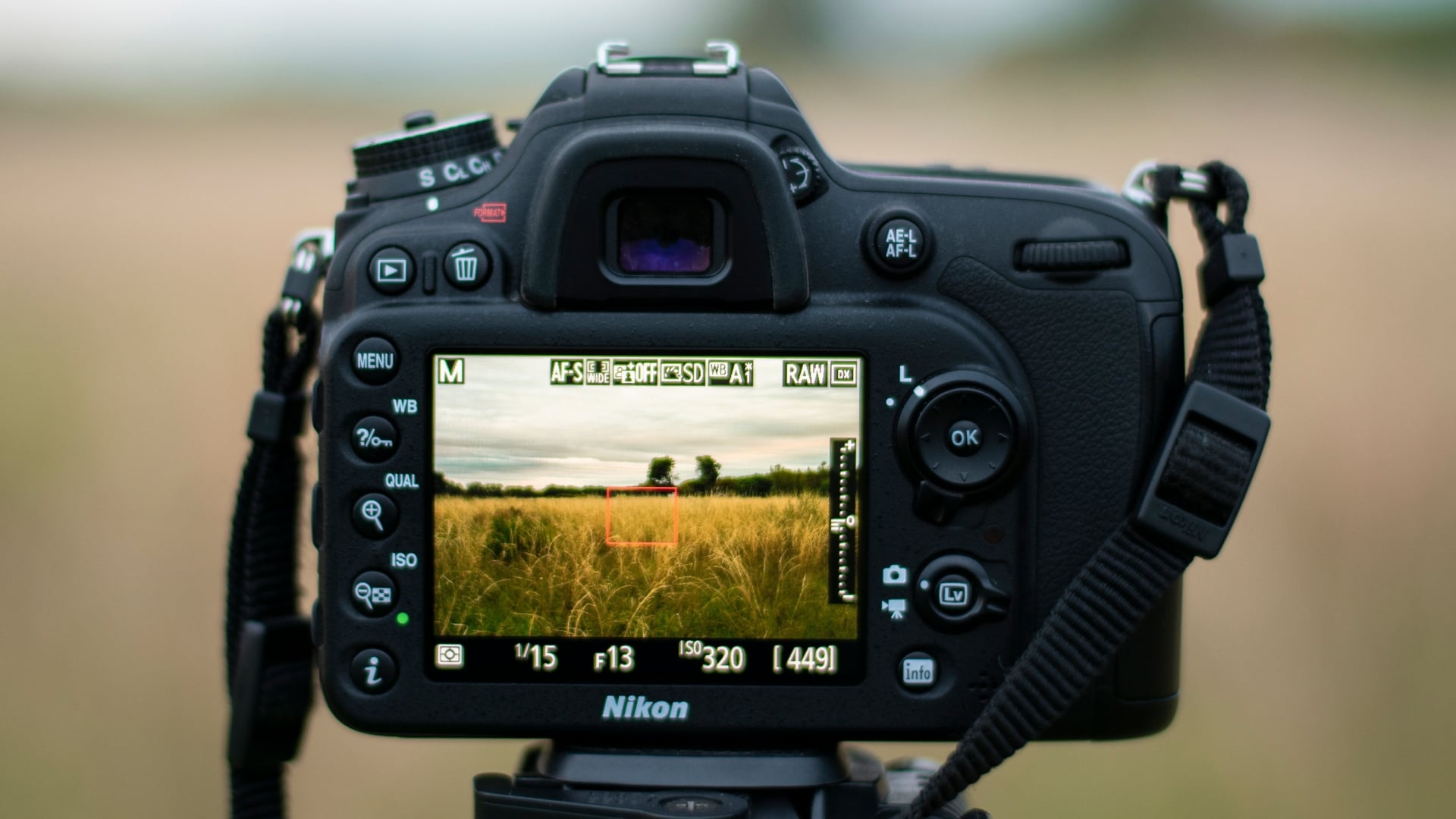
You take what feels like the perfect photo. The light is beautiful, the moment is gone in an instant, and you cannot wait to edit it. Then you open the image on your computer, brighten the shadows a little too much, and suddenly everything looks noisy, flat, and disappointing.
Chances are you were working with a JPEG. If you’ve ever wondered why experienced photographers insist on shooting in RAW, this is exactly why. RAW files give you far more room to rescue, refine, and perfect your images long after you’ve pressed the shutter.
If you’ve searched for “what are the benefits of shooting in RAW,” the short answer is simple. RAW files preserve much more image data than JPEGs, giving photographers greater flexibility during editing while maintaining higher image quality.
What is a RAW file?
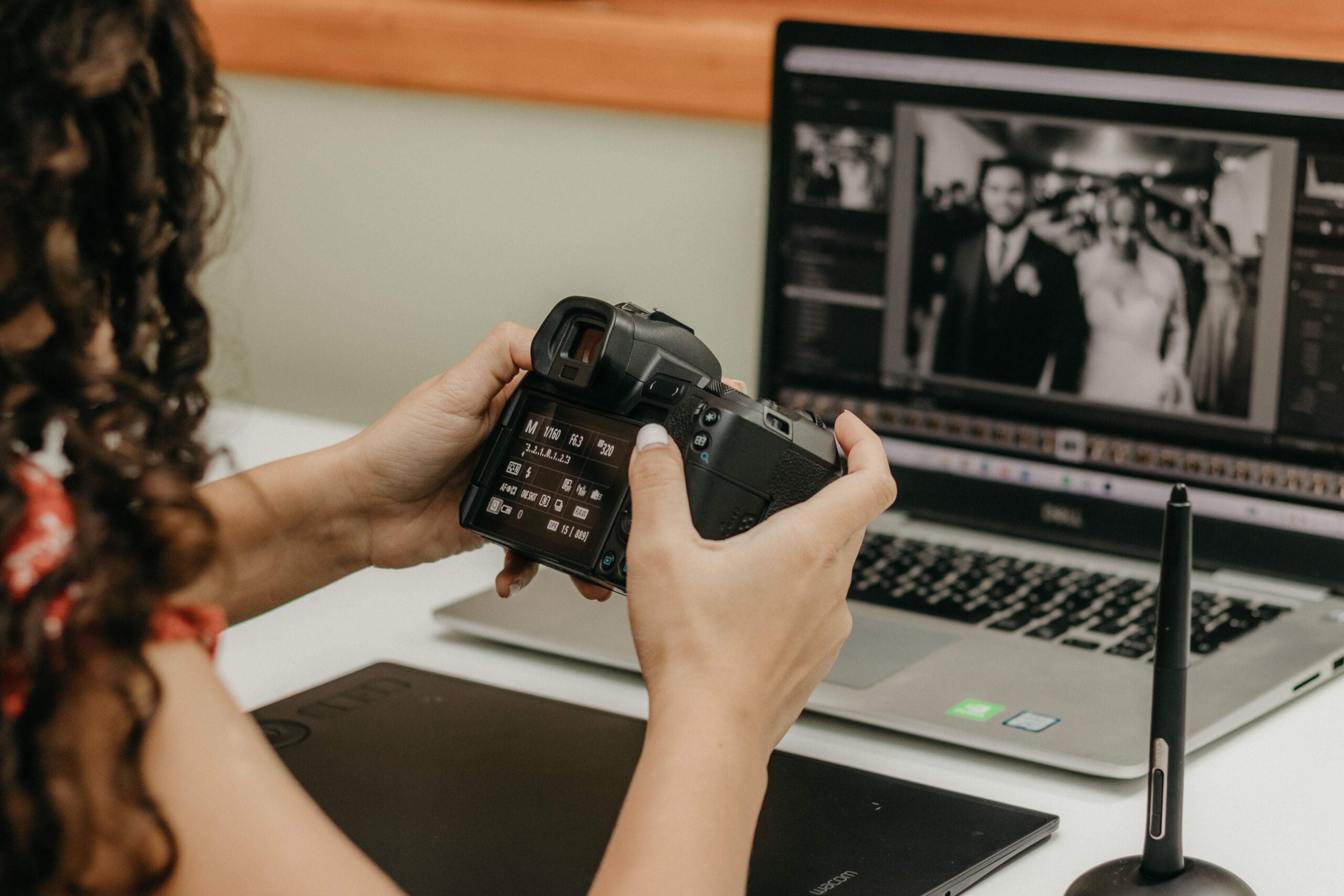
A RAW file is the unprocessed data captured directly by your camera’s image sensor.
Instead of applying sharpening, contrast, color adjustments, and compression before saving the image, the camera records as much information as possible. Think of it as a digital negative. It is designed to be developed later using photo editing software.
A JPEG, on the other hand, is already processed by the camera. It looks finished straight out of the camera, but much of the original image data has already been discarded to reduce file size.
More detail means more editing freedom
The biggest advantage of shooting in RAW is flexibility.
Because RAW files contain significantly more information, photographers can make larger adjustments without noticeably reducing image quality. Exposure, highlights, shadows, white balance, and color can all be corrected more effectively than with JPEG files.
This extra flexibility becomes especially valuable when lighting conditions are difficult or unpredictable.
Recover highlights and shadows
Every photographer eventually encounters a scene with bright skies and dark foregrounds.
JPEG images can quickly lose detail in these challenging situations. Bright areas may become completely white, while deep shadows can turn into featureless black patches.
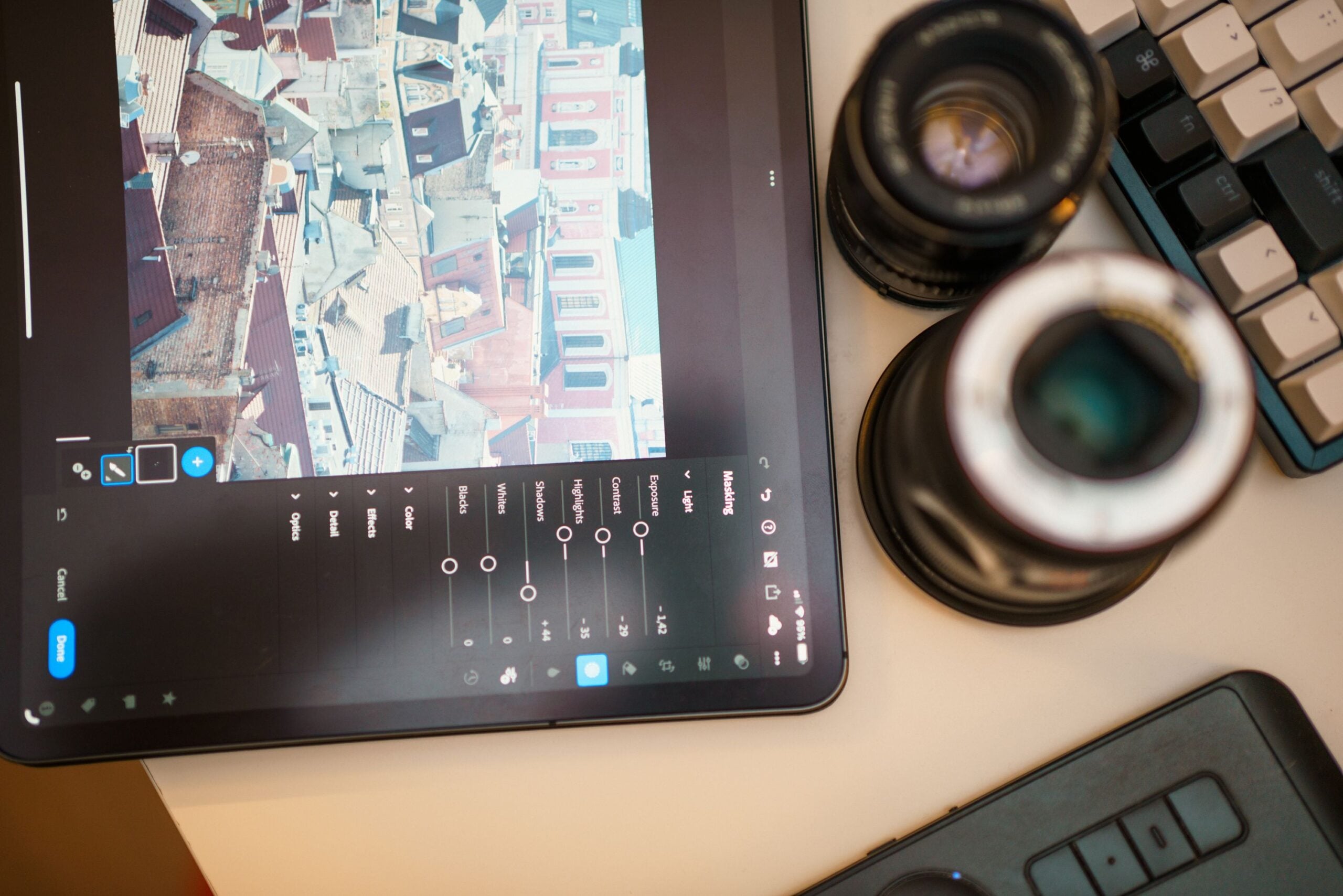
RAW files often retain much more information in both bright and dark areas, allowing photographers to recover details that might otherwise appear lost.
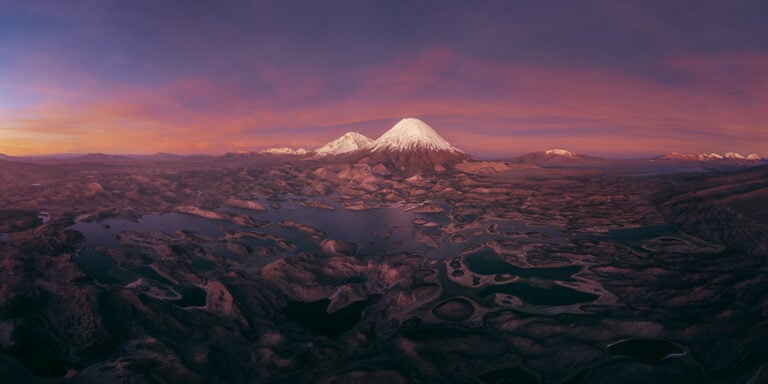
Landscape photographers frequently rely on RAW for this reason, especially during sunrise and sunset.
White balance is much easier to fix
Have you ever taken a photo indoors only to discover everything looks too orange or too blue?
With JPEG images, correcting inaccurate white balance can sometimes reduce image quality or create unnatural colors.
RAW files store the original color information, making white balance adjustments much more accurate during editing. This allows photographers to fine tune color temperature without permanently degrading the image.
Better color depth
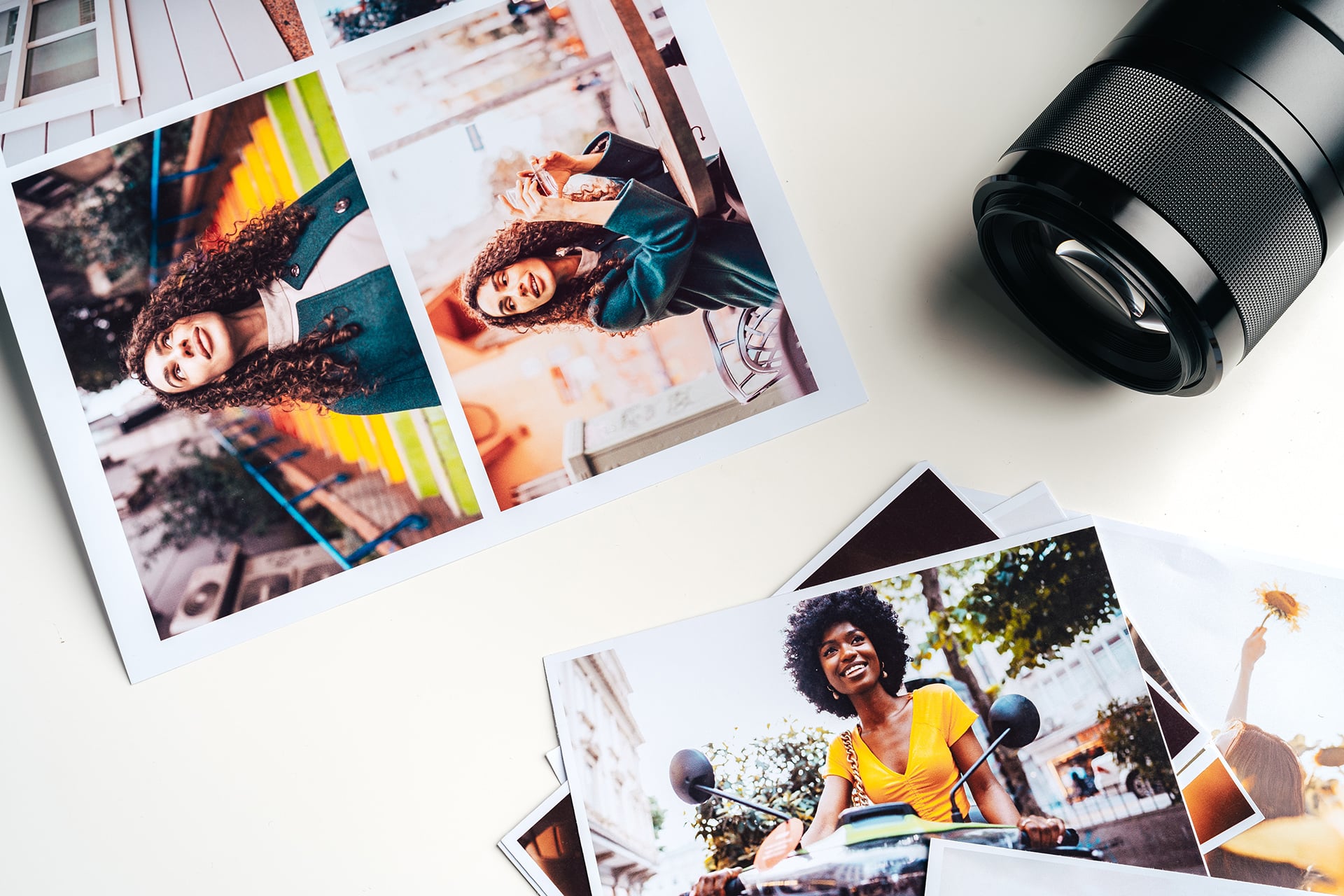
RAW files record substantially more color information than JPEGs.
This additional color data creates smoother transitions between tones, especially in skies, skin tones, sunsets, and other scenes with subtle gradients.
When editing, this reduces the chance of visible color banding and helps maintain natural looking transitions.
For photographers who print their work or perform detailed color grading, this advantage can be significant.
Less image degradation during editing
Every major edit applied to a JPEG gradually reduces image quality.
RAW editing works differently because the original image remains untouched. Most editing software records your adjustments separately, allowing you to revisit and change them later without permanently altering the original file.
This non destructive workflow gives photographers much greater creative freedom.
Better performance in difficult lighting
Photography rarely happens under perfect conditions.
Concerts, weddings, night photography, indoor events, wildlife at sunrise, and city streets after dark often push cameras to their limits.
RAW files generally preserve more usable detail in these challenging situations, making noise reduction and exposure correction more effective during post processing.
While RAW cannot create detail that was never captured, it often helps photographers make the most of difficult exposures.

Are there any disadvantages?
RAW files are not perfect for every situation.
They take up considerably more storage space than JPEGs and require editing before they are ready to share or print. Continuous shooting buffers may also fill more quickly because larger files require more processing and storage.
For photographers who need to deliver images immediately, such as sports photographers working on tight deadlines, JPEG may still be the preferred choice.
Many cameras also allow photographers to record RAW and JPEG simultaneously, providing both editing flexibility and ready to use images.
Who should shoot in RAW?
RAW is an excellent choice for photographers who enjoy editing or want maximum image quality.
Portrait photographers appreciate the extra flexibility for skin tones and exposure. Landscape photographers benefit from greater dynamic range. Wildlife and nature photographers often recover details from challenging lighting conditions. Product photographers can make precise color adjustments for accurate results.
Even beginners can benefit from shooting in RAW, especially if they plan to learn photo editing over time.
Should you always shoot in RAW?
Not necessarily.
If you’re taking casual snapshots to send immediately to friends or upload directly to social media, JPEG files may be perfectly adequate.
However, for important events, travel, client work, creative projects, or memorable family moments, RAW provides a valuable safety net. A slightly underexposed image or an incorrect white balance can often be corrected much more successfully than with a JPEG.
Many photographers eventually reach a point where shooting in RAW becomes second nature simply because it gives them more control over the final image.
The next time your camera offers the choice between RAW and JPEG, it might be worth giving RAW a try. You may discover details in your photos that you never realized were there.
See more from DIYPhotography.net on Google
Add DIYPhotography.net as a trusted source. This makes
our stories more likely to appear in your Google Search results.
 Add as a preferred source on Google

Alysa Gavilan
Alysa Gavilan has spent years exploring photography through photojournalism and street scenes. She enjoys working with both film and mirrorless cameras, and her fascination with the craft has grown over the decades. Inspired by Vivian Maier, she is drawn to capturing everyday moments that often go unnoticed.




Join the Discussion
DIYP Comment Policy
Be nice, be on-topic, no personal information or flames.