






















Single Shot AF vs Continuous AF: Which Autofocus Mode to Use
Dec 8, 2025
Darlene Lleno
Darlene Lleno brings a unique perspective to DIY Photography as someone who grew up surrounded by camera gear but chose words over lenses. With five years of writing experience, she specializes in photography content that’s both technically informed and genuinely passionate. Growing up with a photographer twin brother meant camera talk was everyday conversation in her household. While he mastered capturing moments, Darlene discovered she preferred being the subject and the storyteller behind the scenes. As a travel enthusiast and mother of two, she understands the importance of preserving life’s precious moments. When not exploring new destinations or writing for DIY Photography, you’ll find her reading or tending to her garden. Her approach to photography writing is refreshingly authentic, she may not be behind the camera, but she knows exactly what it takes to help others capture the shots that matter most.
Share:

Single shot AF vs continuous AF determines whether you nail focus or miss it completely. Most photographers ignore these settings until blurry photos force them to learn. Your camera switches between locking focus once or tracking subjects constantly.
Canon names them One-Shot and AI Servo. Nikon calls them AF-S and AF-C. Sony uses similar labels. The names differ but the function stays identical across brands.
Single shot locks focus when you half-press the shutter. It stays locked until you release. Continuous adjusts focus constantly while tracking movement. Pick wrong and you’ll miss critical shots.
Understanding Single Shot Autofocus
Single shot autofocus locks once then stops completely. Your camera finds sharp focus and holds it there. The shutter won’t fire until focus confirms. This prevents accidentally shooting blurry images.
Half-press your shutter button and wait for the beep. Focus locks on your subject instantly. You can recompose your shot freely afterward. Focus stays exactly where you placed it originally.
Battery life improves dramatically with this mode. The motor spins briefly then stops working. That beats continuous operation by hours. Your batteries last significantly longer between charges.
Perfect Situations for Single Shot AF
Portrait photography thrives with single shot autofocus. Models hold poses without moving much. Studios use this mode exclusively for consistency.
These scenarios work best with single shot AF:
- Still life and products: Objects never move on your table. Catalog photography demands this reliability consistently.
- Architecture work: Buildings stay put permanently. Interiors remain fixed while you shoot.
- Landscape scenes: Mountains don’t shift positions. Trees stand still for your compositions.
- Macro photography: Flowers sit motionless on stems. Resting insects give you precision time.
Studio photographers control everything in their environment. Lights stay positioned exactly where placed. Models freeze on command reliably. Single shot delivers perfect sharpness repeatedly.
How Continuous Autofocus Operates
Continuous AF predicts subject movement before it happens. Advanced processors calculate speed and direction instantly. Focus adjusts automatically while you hold halfway down.
This mode prioritizes capturing moments over perfect sharpness. Your camera fires even without confirmed focus. That split-second difference captures peak action. Missing shots hurts worse than slight softness.
Batteries drain fast with continuous autofocus running. Motors work constantly without stopping ever. Pack extras for sports photography days. Modern mirrorless handles power better than older DSLRs.
Critical Uses for Continuous AF
Wildlife photography absolutely requires continuous autofocus capability. Birds change direction without warning signs. Animals ignore photographer preferences completely.
Continuous AF handles these moving subjects perfectly:
- Sports action: Athletes sprint toward you rapidly. Tracking keeps them sharp through sequences.
- Children playing: Kids move unpredictably without stopping. Toddlers never follow your directions.
- Pet photography: Dogs sprint randomly across frames. Cats leap without telegraphing intentions.
- Panning techniques: Cars race past your position. Continuous locks while backgrounds blur beautifully.
- Video recording: Subjects walk through scenes naturally. Cameras follow smoothly without intervention.
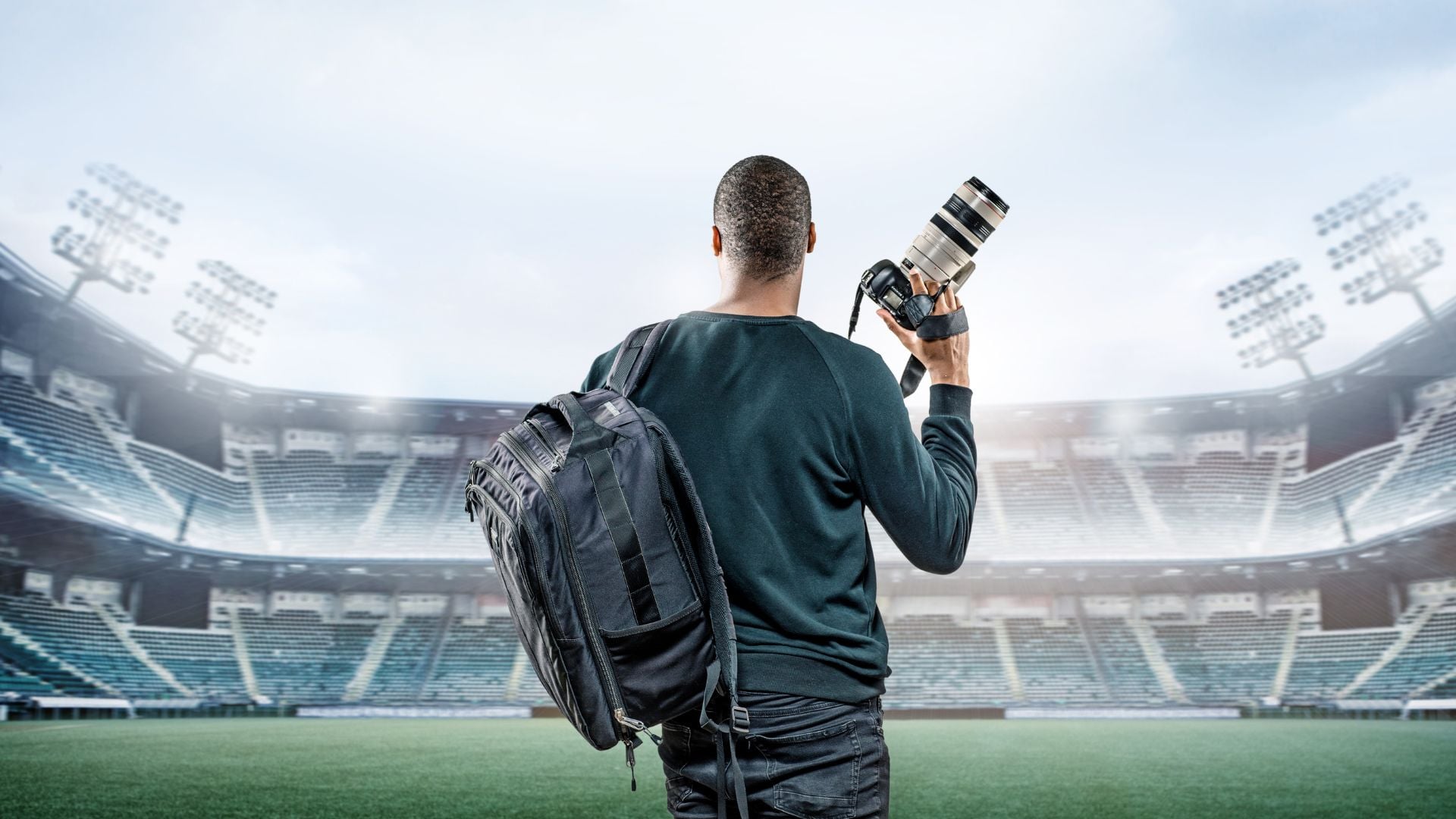
Professional sports photographers refuse working without reliable tracking. Split seconds determine publishable shots versus garbage. Continuous AF makes impossible shots routine.
Technical Differences That Matter
Single shot beeps when achieving focus lock. Green indicators confirm sharpness before firing. Some cameras refuse shooting without confirmation.
Continuous gives zero safety nets whatsoever. Cameras fire regardless of actual sharpness. You must verify results constantly yourself. Checking becomes mandatory instead of optional.
Key differences between single shot AF vs continuous AF include:
- Response speed: Single shot pauses confirming lock. Continuous fires instantly without waiting.
- AF point usage: Single shot uses one point. Continuous employs multiple tracking zones.
- Battery consumption: Single shot sips power gently. Continuous drains batteries aggressively fast.
- Low light ability: Both struggle without sufficient light. Single shot hunts longer seeking contrast.
Modern AI recognizes faces and eyes automatically. Subject detection works with both AF modes. Older cameras just tracked contrast differences. Understanding ISO helps compensate for darkness issues.
Switching Modes During Active Shooting
Professional photographers change modes constantly throughout sessions. Reading situations quickly becomes instinctive with experience. Your fingers learn switching without conscious thought.
Reading Different Shooting Scenarios
Portrait sessions typically begin using single shot. You establish composition and framing deliberately. Switch to continuous for candid expressions. Natural moments happen between posed shots.
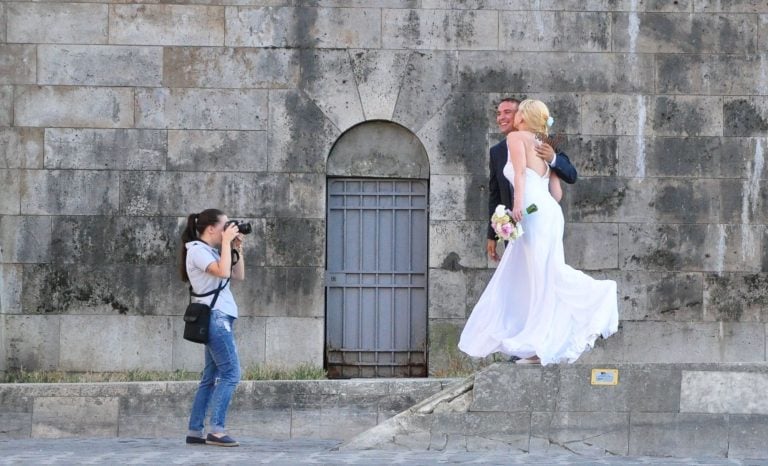
Wedding coverage demands frequent mode changes. Ceremonies use single shot for static moments. Dancing reception requires continuous tracking immediately. Anticipate switches before action starts.
Making Switches Faster
Back button focus separates focusing from shutter release. This technique improves control dramatically. Both AF modes benefit from separation.
Custom buttons enable instant mode switching. Program convenient controls for quick access. Menu diving wastes precious shooting time. Speed matters when moments vanish quickly.
Automatic mode selection exists on some cameras. They choose between single shot AF vs continuous AF. Results vary wildly across camera models. Expensive bodies perform this better overall.
Avoiding Common AF Mistakes
Continuous AF on stationary subjects wastes battery. Motors run completely unnecessarily then. Single shot works better for stillness. Save continuous strictly for actual movement.
Forgetting single shot during action guarantees failures. Your camera simply cannot track properly. Check settings before critical moments arrive. Wrong modes ruin entire shooting sessions.

Watch out for these typical errors:
- Ignoring AF point selection: Center works sometimes only. Zone focusing handles erratic movement better.
- Trusting continuous completely: Not every frame stays sharp. Technology improves but isn’t perfect yet.
- Expecting magic in darkness: Both modes need adequate lighting. Terrible contrast defeats any AF system.
- Never reviewing LCD images: Screen magnification shows sharpness clearly. Catch problems while still shooting actively.
Better cameras track subjects more reliably. Technique matters far more than gear. Master fundamentals before buying expensive upgrades.
Real Photography Scenarios
Different shooting genres require specific AF approaches. Understanding practical applications improves your decision making. Success rates climb when matching modes properly.
Wedding and Event Coverage
Ceremony coverage starts with single shot typically. Couples standing still don’t require tracking. Processional walks need continuous immediately afterward.
First kisses work perfectly with single shot. Cake cutting stays mostly stationary too. Reception dancing absolutely demands continuous tracking. Toggle between modes happens throughout events.
Wildlife and Bird Photography
Wildlife shooters adjust settings based on animal behavior. Perched birds allow single shot initially. Flight requires continuous the instant wings spread.
Bird photography uses wide-area AF zones. Mammals benefit from flexible spot focusing. Background complexity affects these setting choices. Anticipation beats reaction every single time.
Portrait and Studio Work
Studio portraits use single shot almost exclusively. Models hold positions on your command. Lighting stays consistent throughout entire sessions.
Eye focus precision matters more than speed. Recomposing after locking works perfectly fine. Controlled environments remove most shooting variables.
Sports and Action Shooting
Game action requires continuous AF permanently. Athletes move unpredictably across your frame. Tracking sensitivity needs aggressive adjustment settings.
Pre-game warmups might use single shot. Active play switches continuous immediately afterward. Post-game celebrations often return to single shot.
Macro and Close-Up Photography
Macro work demands single shot with magnification. Every millimeter matters at extreme closeness. Continuous hunts constantly at these ranges.
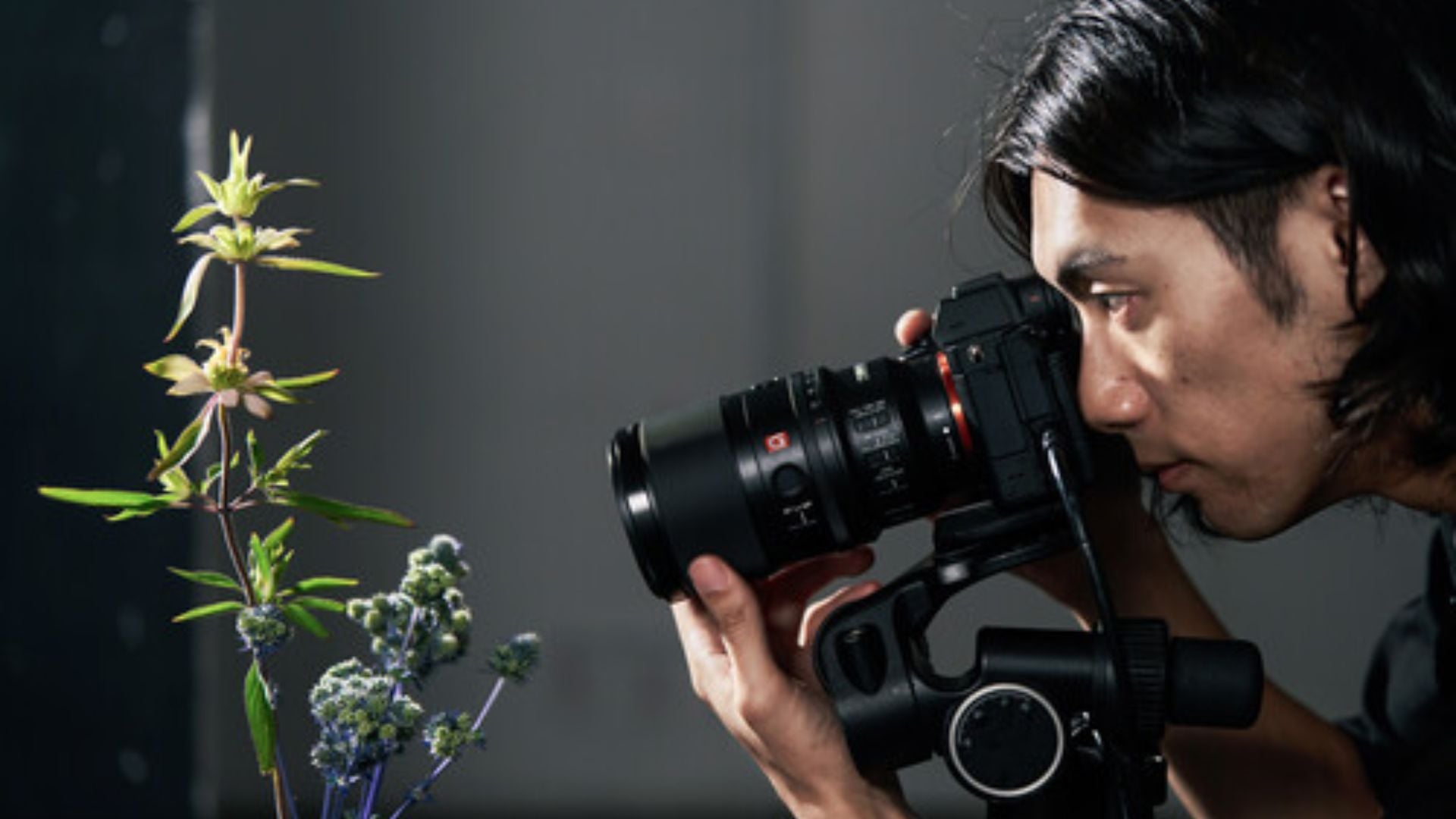
Focus peaking shows sharpness clearly on screen. Flowers on windless days work perfectly. Moving insects require patience and timing. Sometimes manual focus beats both AF modes.
Landscape Photography
Landscapes use single shot for initial focusing. Many photographers switch to manual afterward. Static scenes don’t benefit from tracking. Hyperfocal distance requires manual precision control.
Video Production Work
Video relies on continuous AF with detection. Face tracking keeps subjects sharp constantly. Settings balance speed against smoothness preferences.
Talking heads need reliable face recognition. Product reveals require constant focus adjustments. Modern mirrorless excels at video AF.
Modern Autofocus Technology
Artificial intelligence revolutionized autofocus performance recently. Eyes and faces get recognized automatically. Animals and vehicles receive tracking attention. Both single shot AF vs continuous AF improve.
Eye and Face Detection
Eye AF transformed portrait photography completely forever. Cameras locate eyes across entire frames. Left or right eye selection happens automatically.
Both AF modes benefit from detection equally. Accuracy improved dramatically across all brands. Some cameras detect eyes through sunglasses. Technology advances rapidly each camera generation.
Animal Subject Recognition
Animal eye AF helps wildlife photographers immensely. Birds and mammals track reliably now. Dogs and cats get recognized separately.
Continuous AF particularly benefits from animal detection. Success rates increased substantially over years. Some cameras recognize horses specifically too. AI distinguishes animals from background elements.
Advanced Tracking Systems
Subject tracking locks onto moving targets. Starting focus point matters less now. Cameras follow subjects intelligently across frames.
According to research from MIT, modern systems calculate distance within milliseconds. Phase detection operates fastest overall. Contrast detection provides superior accuracy slower.
Real-time tracking employs constant machine learning. Performance improves through regular firmware updates. The National Press Photographers Association recommends mastering your specific camera thoroughly.
Choosing Your AF Mode
Subject behavior determines which mode works best. Stationary subjects need single shot AF. Moving subjects require continuous AF always.
Your personal shooting style matters equally though. Deliberate photographers prefer single shot control. Fast-paced shooters need continuous tracking constantly.
Decision Factors
Consider these elements when choosing modes:
- Battery life requirements: Long sessions need power efficiency. Single shot conserves batteries significantly better.
- Camera tracking ability: Older bodies have weaker systems. Newer cameras track reliably but cost more.
- Photography genre: Portraits use single shot primarily. Sports rarely leaves continuous mode ever.
- Available lighting: Single shot hunts less when dark. Continuous loses tracking in terrible light.
Building Your AF Skills
Practice builds muscle memory through repetition. Switch modes during varied scenarios regularly. Decisions become automatic with enough experience.
Start practicing in controlled environments first. Your backyard provides excellent practice space. Progress to challenging situations gradually afterward. Confidence develops through successful repetition consistently.
Practice and Improvement
Testing both modes builds understanding fast. Shoot identical subjects with each mode. Compare results honestly without excuses afterward.
Starting with Static Subjects
Practice single shot on stationary objects first. Coffee cups make perfect test subjects. Lock focus then recompose multiple times. Consistency becomes obvious through repeated attempts.

Try different compositions with identical focus. Half-press and move your camera deliberately. Focus remains locked where you set. Confidence builds through predictable reliable results.
Moving to Action Practice
Progress to continuous with moving subjects. Photograph passing cars near your house. Concert photography provides excellent tracking practice opportunities.
Kids playing offer unpredictable movement patterns. Pets running provide challenging tracking scenarios. Start with predictable movements initially first. Graduate to erratic motion gradually over time.
Understanding Camera Indicators
Learn your camera’s focus indicators thoroughly. Green lights typically mean locked focus. Blinking shows active hunting or tracking.
Different brands use different visual cues completely. Canon flashes red during active tracking. Nikon displays green boxes around subjects. Sony highlights detected eyes in real time.
Reviewing Your Results
Check shots immediately after capturing them. Zoom LCD screens to 100% magnification. Verify portrait eyes stay perfectly sharp. Confirm action shots caught peak moments.
Never trust thumbnail previews alone ever. Full magnification reveals actual sharpness clearly. This habit prevents editing disappointments later. Catch focus problems while still shooting.
Single Shot AF vs Continous AF inPhotography
Single shot AF vs continuous AF both serve essential purposes. Neither mode beats the other universally. Successful photographers know exactly when using each.
Static subjects demand single shot precision always. Moving subjects require continuous tracking capability. Event coverage switches between both modes constantly.
Modern cameras simplify switching between modes significantly. Program buttons for instant quick access. Practice until selection becomes completely automatic. Muscle memory develops through consistent repeated use.
Apply this knowledge during your next shoot. Notice when each mode performs best. Learn from every focus failure encountered. Experience teaches better than any article.
Technology improves with each camera generation released. Eye detection helps both modes considerably. Animal tracking expands wildlife photography possibilities. Firmware updates bring new capabilities regularly.
Master both modes through deliberate practice consistently. Your keeper rate climbs as skills develop. Take control of autofocus instead of guessing. That separates confident photographers from confused beginners.
See more from DIYPhotography.net on Google
Add DIYPhotography.net as a trusted source. This makes
our stories more likely to appear in your Google Search results.
 Add as a preferred source on Google

Darlene Lleno
Darlene Lleno brings a unique perspective to DIY Photography as someone who grew up surrounded by camera gear but chose words over lenses. With five years of writing experience, she specializes in photography content that’s both technically informed and genuinely passionate. Growing up with a photographer twin brother meant camera talk was everyday conversation in her household. While he mastered capturing moments, Darlene discovered she preferred being the subject and the storyteller behind the scenes. As a travel enthusiast and mother of two, she understands the importance of preserving life’s precious moments. When not exploring new destinations or writing for DIY Photography, you’ll find her reading or tending to her garden. Her approach to photography writing is refreshingly authentic, she may not be behind the camera, but she knows exactly what it takes to help others capture the shots that matter most.


Join the Discussion
DIYP Comment Policy
Be nice, be on-topic, no personal information or flames.