














Can You Teach Yourself Photography? The Truth About Learning It Alone
Jun 17, 2026
Alysa Gavilan
Alysa Gavilan has spent years exploring photography through photojournalism and street scenes. She enjoys working with both film and mirrorless cameras, and her fascination with the craft has grown over the decades. Inspired by Vivian Maier, she is drawn to capturing everyday moments that often go unnoticed.
Share:
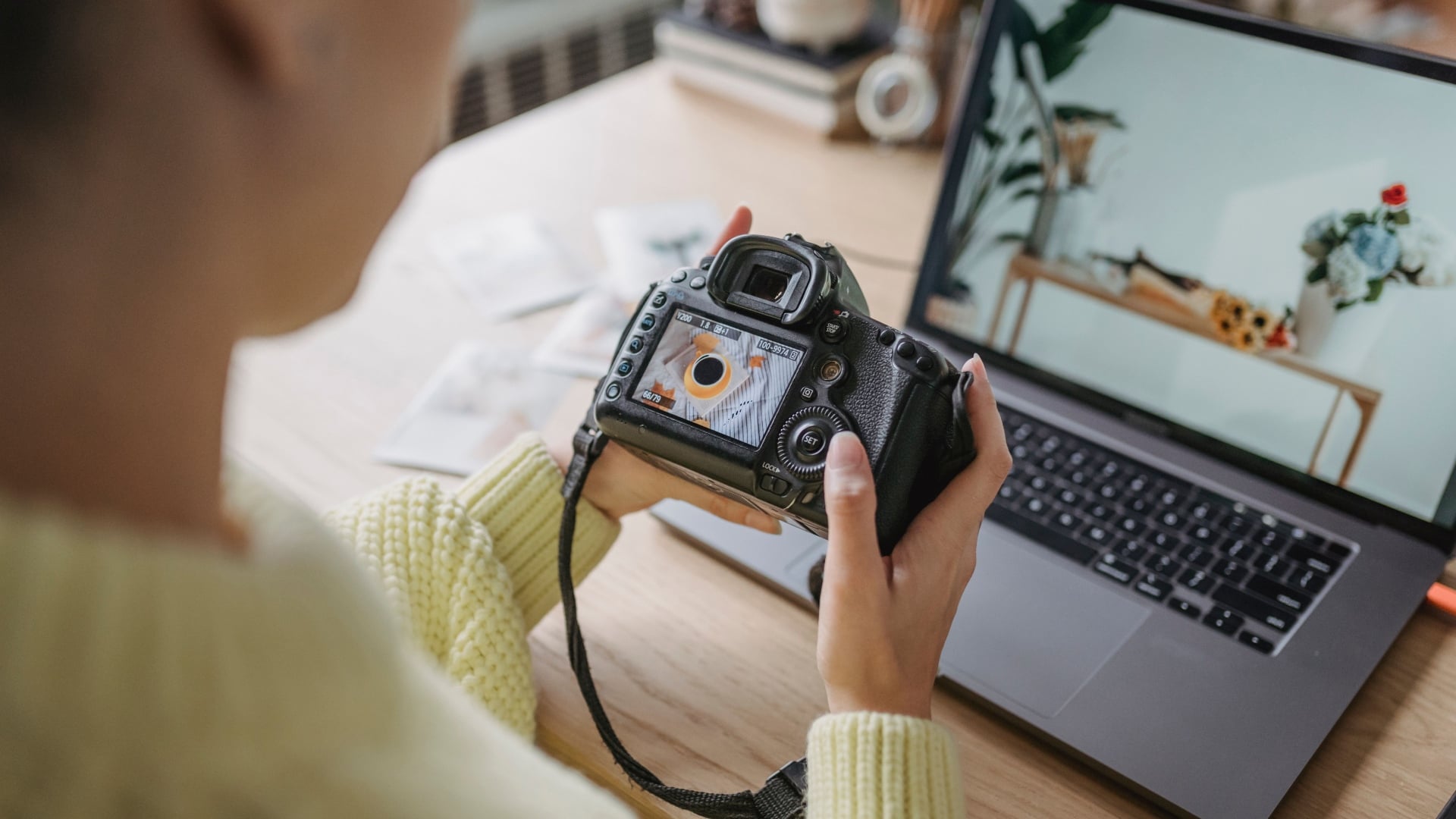
Photography has a way of tricking people into thinking it is either effortless or impossibly technical. One moment you see someone posting a striking image taken on a phone, and the next you are staring at camera settings that look like they require a pilot’s license.
Somewhere between those two extremes sits a simple question many beginners ask: can I teach myself photography. The short answer is yes, but the longer answer says something more important about how learning actually happens when no one is grading you or handing you a syllabus.
Can You Teach Yourself Photography
Yes, photography can be self taught. There is no requirement to attend formal classes or earn a certification to start taking strong images. Many working photographers learned through a combination of experimentation, observation, and practice rather than structured education.
The accessibility of digital cameras and smartphones has made this even more realistic. Immediate feedback allows learners to see what works and what does not without delay. Online resources, tutorials, and community feedback also play a major role in replacing traditional classroom environments.
However, self teaching does not mean learning without structure. Progress still depends on understanding core principles and practicing them consistently.
What You Need To Learn First
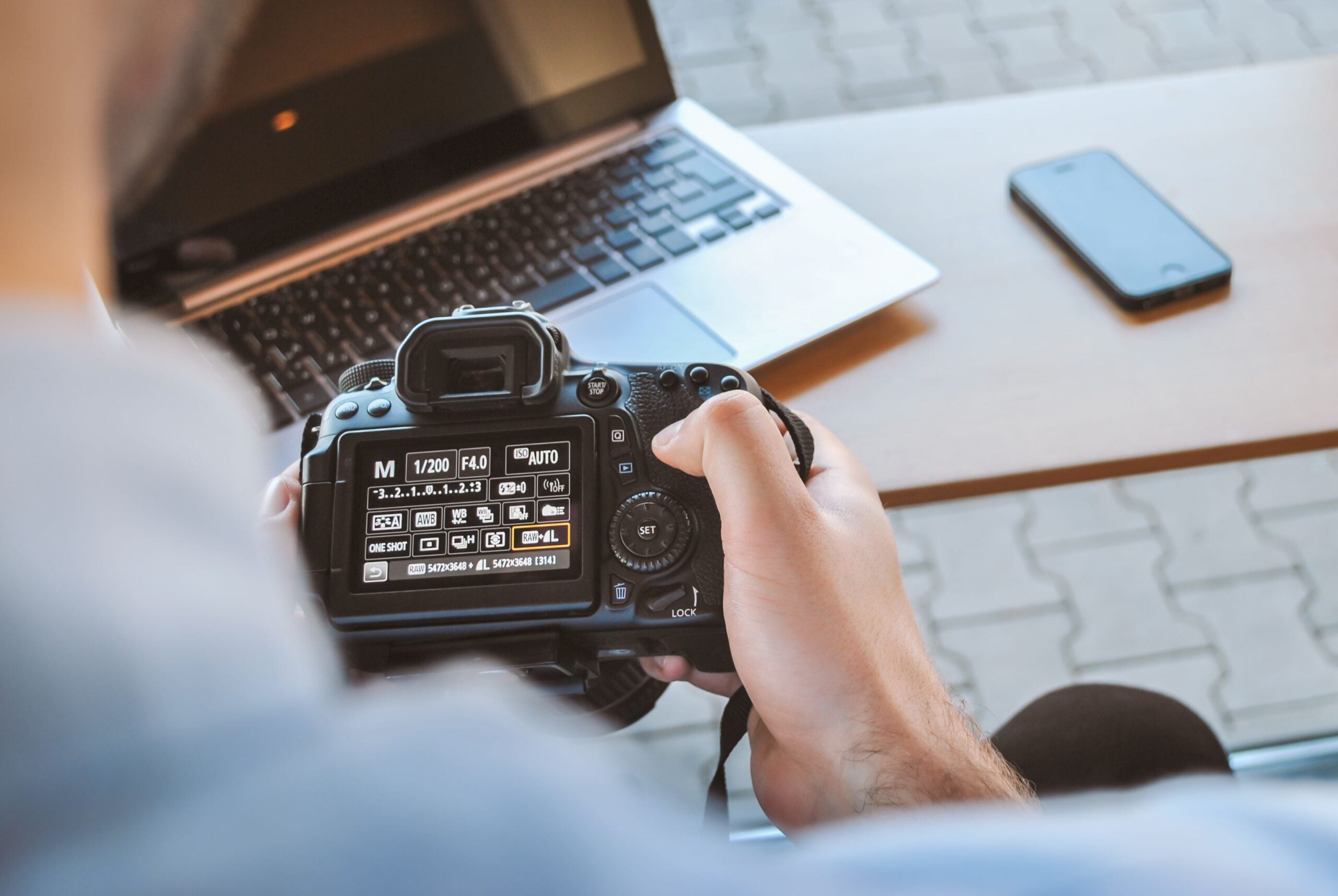
Most self taught photographers begin with exposure basics. This includes aperture, shutter speed, and ISO. These three elements determine how light is captured and how an image appears.
Aperture controls depth of field and how much of the image is in focus. Shutter speed controls motion blur or sharpness in moving subjects. ISO affects the camera’s sensitivity to light and overall image noise.
Once these fundamentals are understood, composition becomes the next major step. This includes framing, subject placement, leading lines, and balance within an image. These concepts influence how viewers interpret a photograph, often more than technical settings do.
How To Actually Teach Yourself
Self teaching works best through repetition and feedback. Taking photos regularly is more effective than reading endlessly without practice. Shooting the same subject under different conditions helps reinforce learning.
Reviewing your own work is equally important. This means not just keeping your best images, but also analyzing mistakes and inconsistencies. Identifying why a photo did not work is often more educational than copying a successful result.
Studying other photographers can also help, but it should go beyond admiration. Looking closely at how light is used, how subjects are placed, and how color interacts within the frame builds visual awareness over time.
Common Challenges When Learning Alone
One of the main challenges is inconsistency. Without structured guidance, beginners often jump between techniques without mastering any of them fully. This can slow progress.
Another challenge is overreliance on gear. It is easy to assume better equipment will solve technical problems, but most early improvements come from understanding light and composition rather than upgrading cameras or lenses.
Motivation can also fluctuate. Without deadlines or assignments, it is easy to stop practicing for long periods. Progress in photography depends heavily on consistency over time.
What Actually Helps You Improve
Improvement comes from focused practice. Setting small goals such as mastering natural light portraits or learning to shoot in manual mode creates direction.
Limiting variables can also help. Using one lens or one focal length for a period of time forces you to understand composition more deeply instead of relying on zooming.
Feedback is another important factor. This can come from online communities, peers, or reviewing professional work with a critical eye.
Finally, patience matters. Photography is a skill that develops gradually. Early frustration is normal and often part of the learning curve.
Where Self Teaching Can Take You
Self taught photographers often develop a personal style more quickly because their learning path is shaped by curiosity rather than curriculum. At the same time, gaps in knowledge can appear if certain technical or conceptual areas are ignored.
The key is balance. Learning independently does not mean learning in isolation from structure or critique. It means choosing your own path while still respecting the fundamentals of the craft.
Photography rewards those who keep practicing even when progress feels slow. Every image becomes part of the learning process, not just the final result.
If you were starting from scratch today, would you focus more on technical control first or creative experimentation from the beginning?
See more from DIYPhotography.net on Google
Add DIYPhotography.net as a trusted source. This makes
our stories more likely to appear in your Google Search results.
 Add as a preferred source on Google

Alysa Gavilan
Alysa Gavilan has spent years exploring photography through photojournalism and street scenes. She enjoys working with both film and mirrorless cameras, and her fascination with the craft has grown over the decades. Inspired by Vivian Maier, she is drawn to capturing everyday moments that often go unnoticed.


Join the Discussion
DIYP Comment Policy
Be nice, be on-topic, no personal information or flames.