

























Earthset, Earthrise, and Eclipse: Photos from Artemis II Lunar Flyby
Apr 7, 2026
Soumyadeep Mukherjee
Soumyadeep Mukherjee is an award-winning astrophotographer from India. He has a doctorate degree in Linguistics. His work extends to the sub-genres of nightscape, deep sky, solar, lunar and optical phenomenon photography. He is also a photography educator and has conducted numerous workshops. His works have appeared in over 40 books & magazines including Astronomy, BBC Sky at Night, Sky & Telescope among others, and in various websites including National Geographic, NASA, Forbes. He was the first Indian to win “Astronomy Photographer of the Year” award in a major category.
Share:
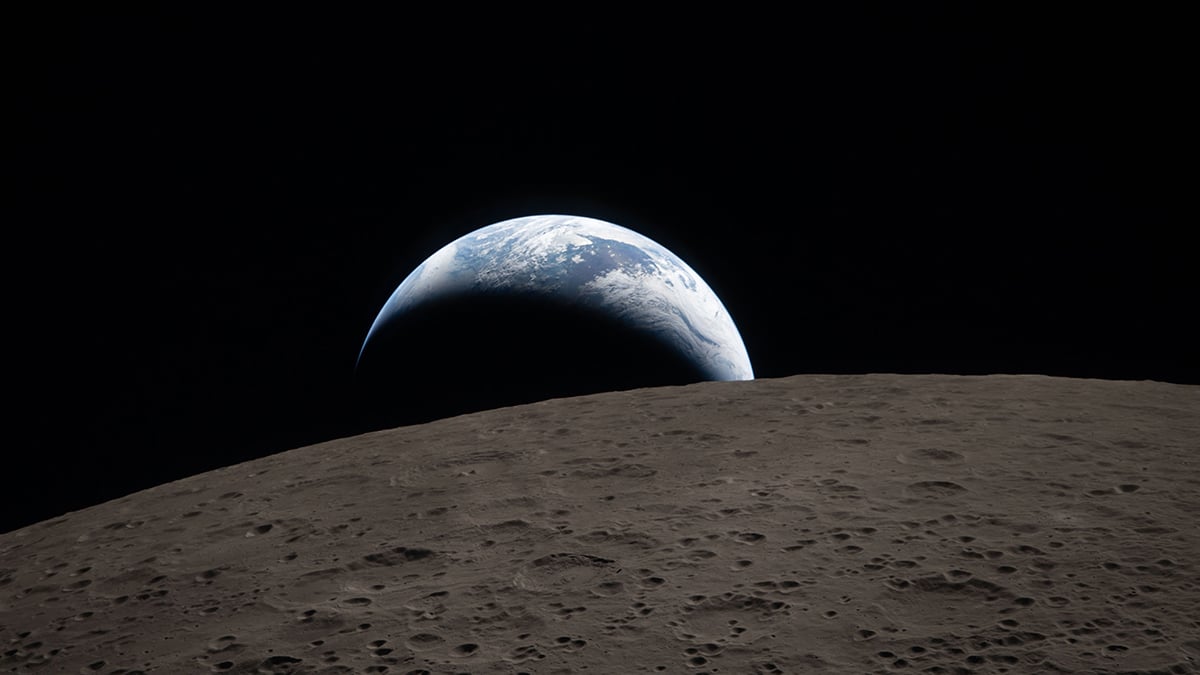
During its close lunar flyby on April 6, 2026, the Artemis II crew carried out one of the most important visual observation campaigns of the modern human-spaceflight era. From an altitude of roughly 4,000 miles above the lunar surface, astronauts aboard the Orion spacecraft photographed the Moon’s far side, recorded Earthrise and Earthset sequences, observed a long-duration solar eclipse from deep space, and witnessed multiple meteoroid impacts striking the lunar surface. These observations yielded the first astronaut-captured close-range lunar imagery since 1972, adding a new human perspective to decades of robotic lunar mapping.
Table of contents
- A crewed lunar flyby after more than five decades
- A seven-hour observation window
- Earthset and Earthrise return to the view
- A long-duration Solar Eclipse observed from deep space
- Meteoroid impact flashes detected on the lunar surface
- A new visual foundation for the Artemis era
- More Earthset and Earthrise photos
- More eclipse photos
- More Lunar close-up photos
A crewed lunar flyby after more than five decades
Artemis II carried four astronauts on a ten-day mission around the Moon and back to Earth. The spacecraft followed a free-return trajectory that carried it deep into lunar space before gravity guided it home. This flight became the first crewed mission to reach lunar distance since the Apollo 17 mission.
During the outbound phase, Orion steadily increased its distance from Earth until it reached more than 250,000 miles from the planet. That distance exceeded the maximum range achieved by earlier human crews. The spacecraft then approached the Moon and passed within roughly 4,000 miles of the surface at closest approach.
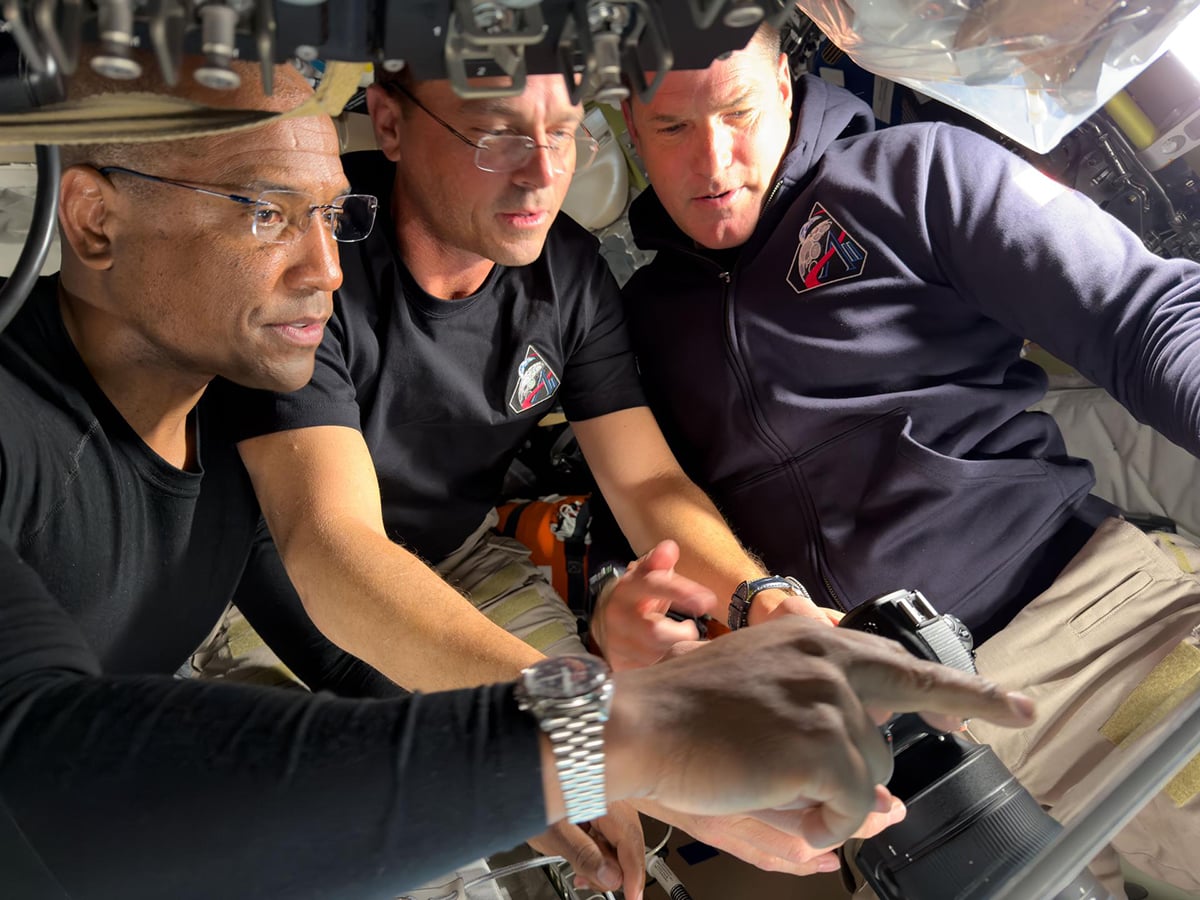
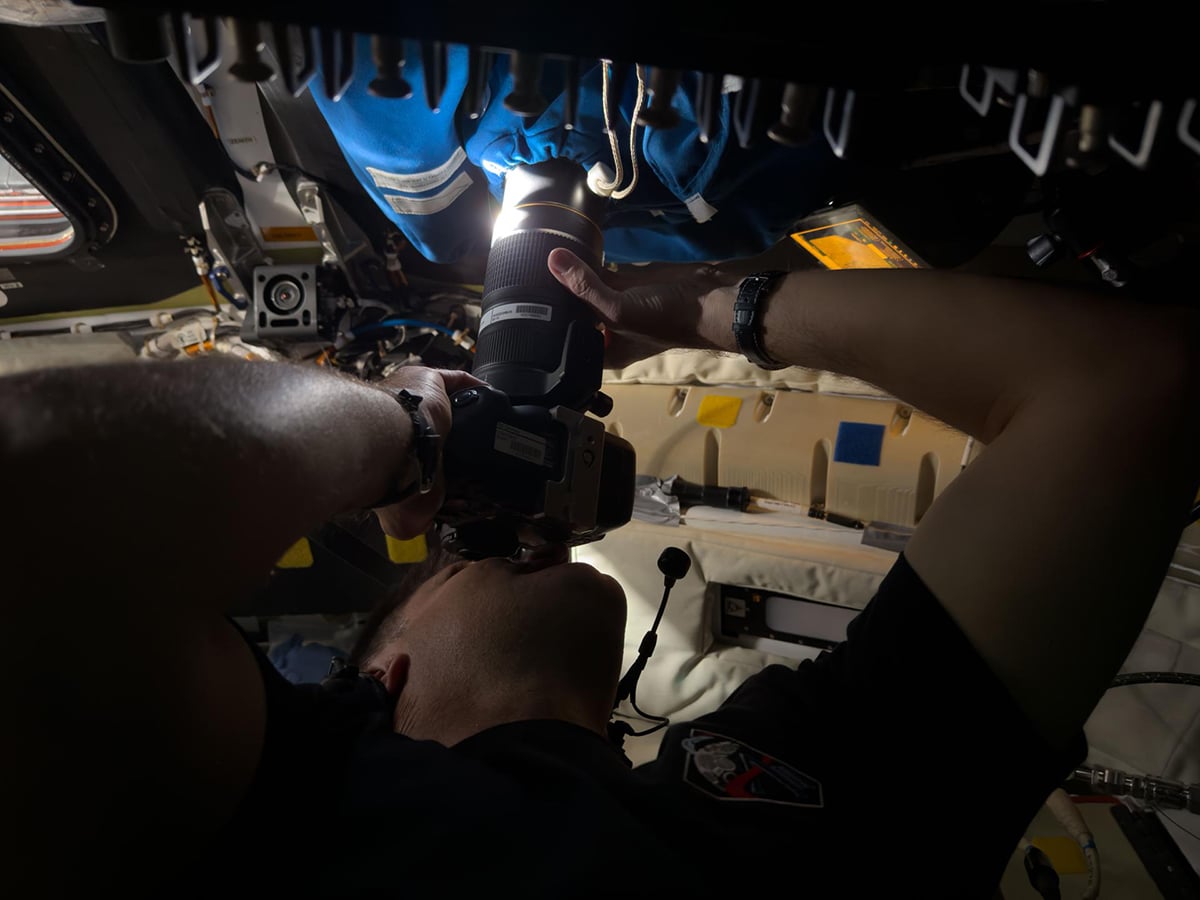
Although the mission did not attempt a landing, it provided an opportunity for astronauts to observe the Moon directly from deep space. The crew prepared carefully for this moment. They configured cameras, adjusted viewing plans, and scheduled observation windows well before the flyby began. As a result, the spacecraft functioned not only as a transport vehicle but also as an active observation platform during the encounter.
A seven-hour observation window
The most productive imaging period began as Orion approached the far side of the Moon. Communication with Earth paused briefly while the spacecraft moved behind the lunar disk. However, the full observation sequence extended across several hours before and after that blackout period.
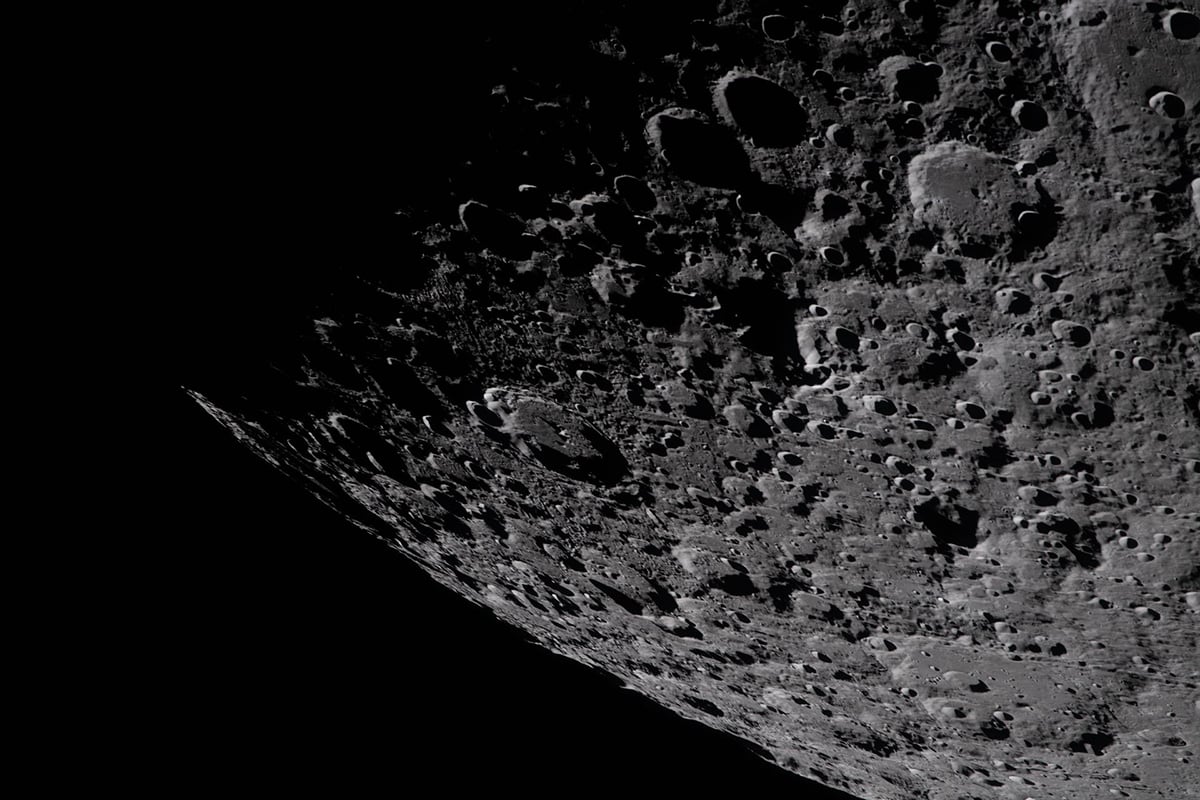
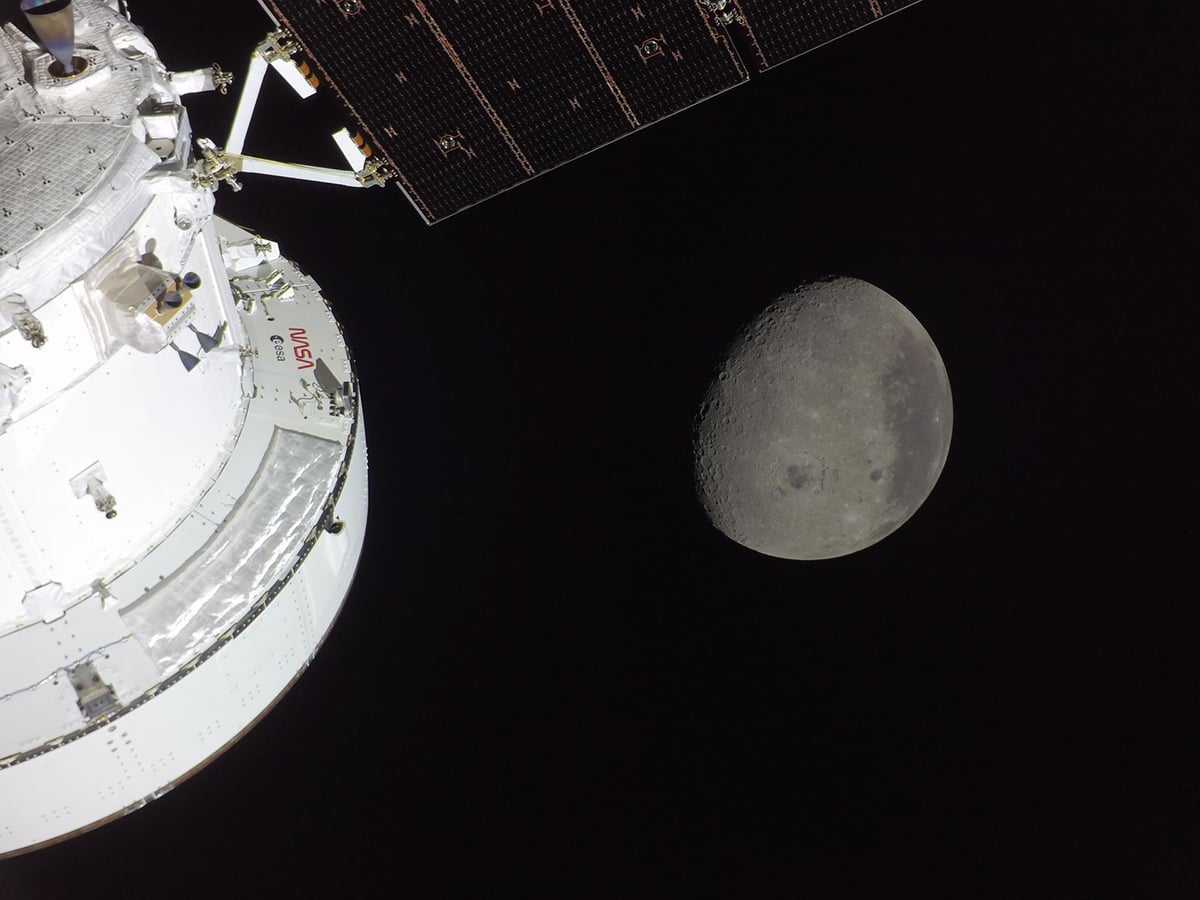
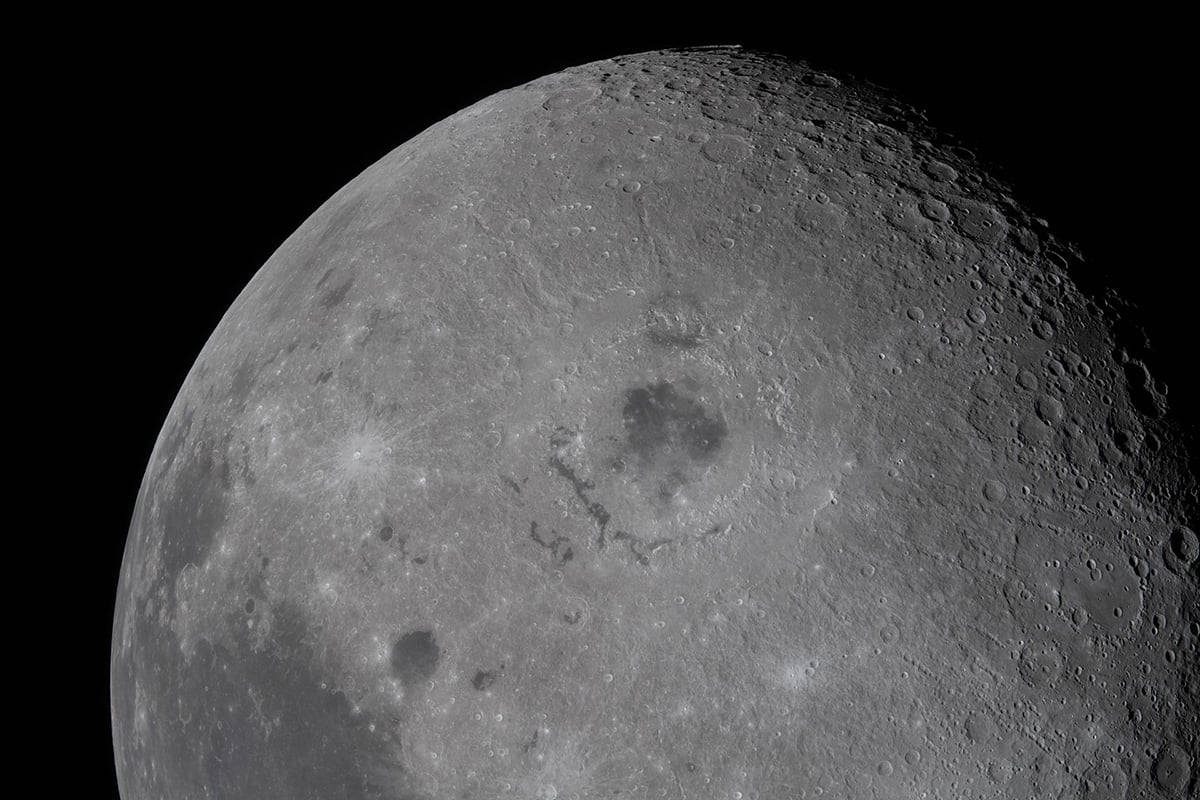
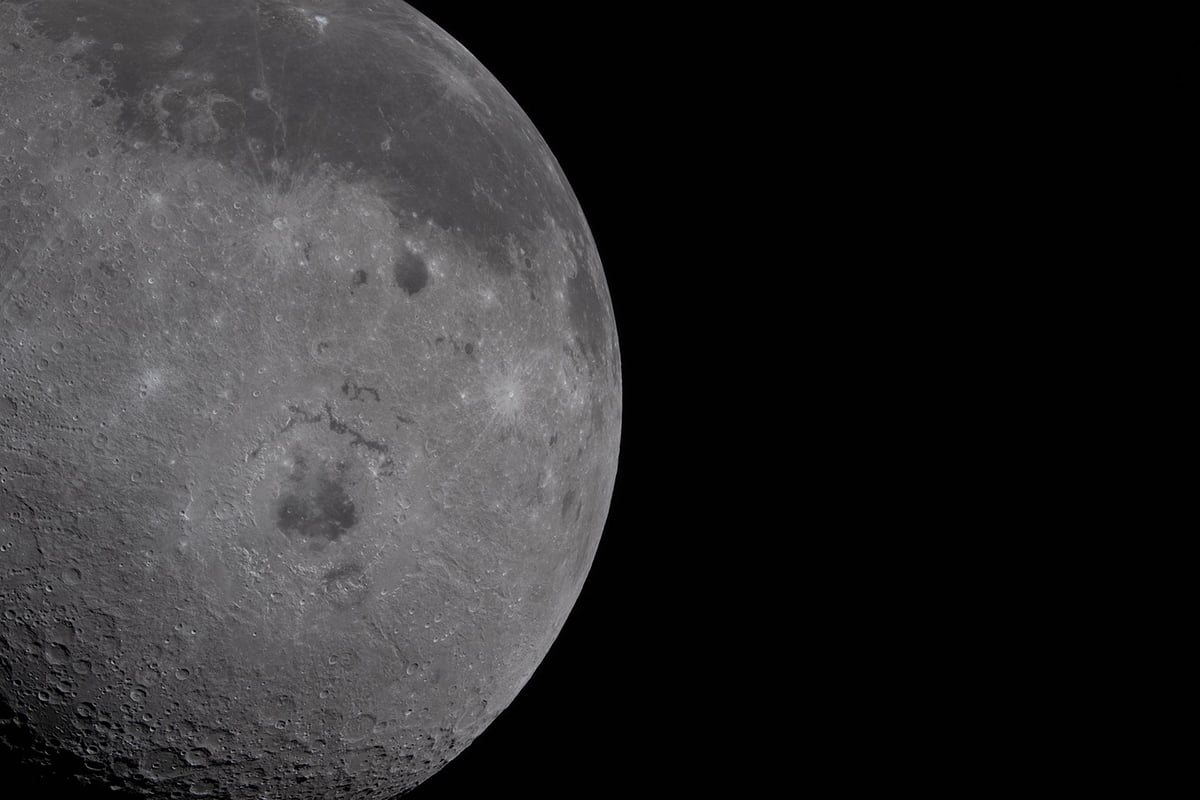
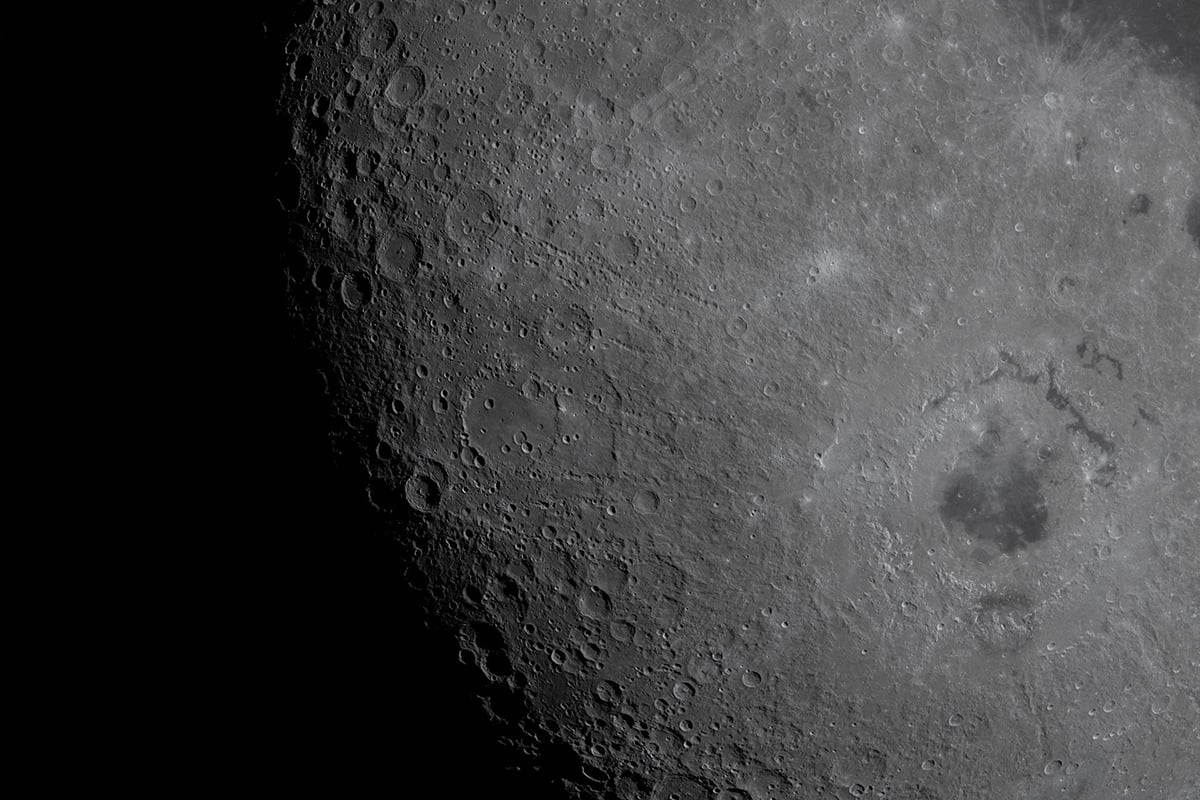
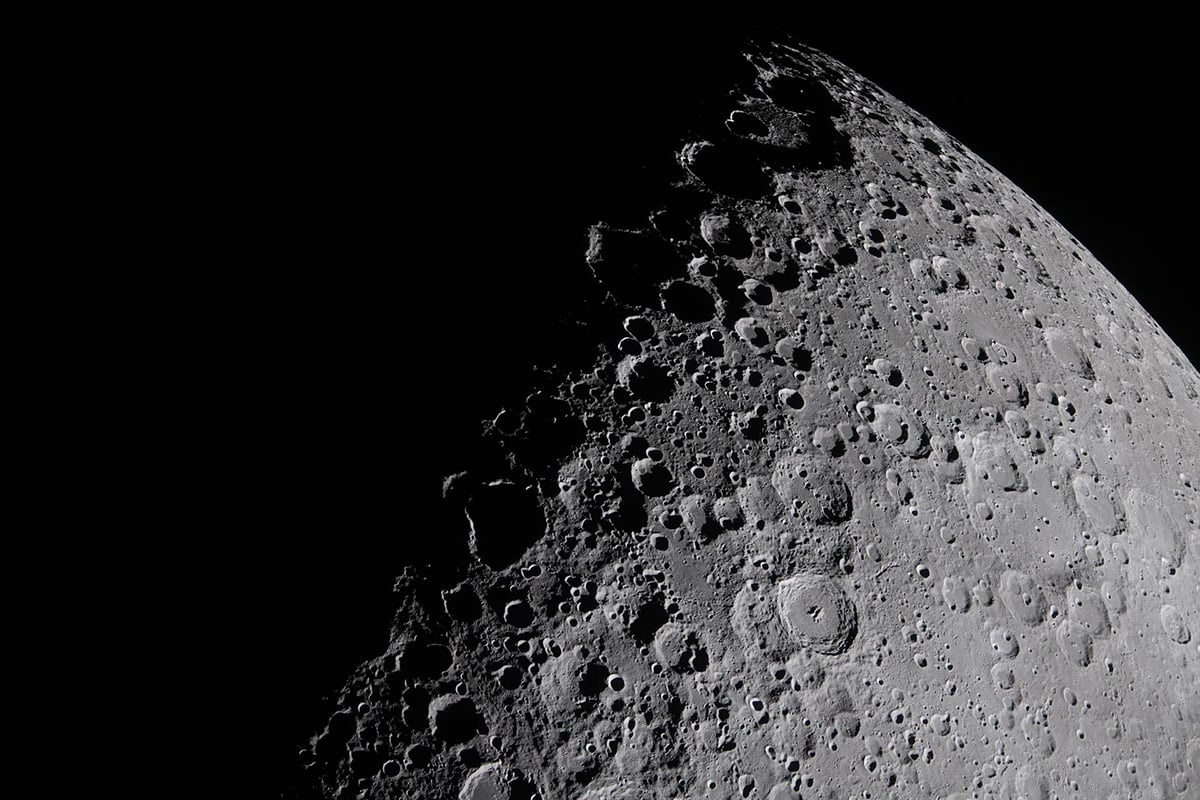
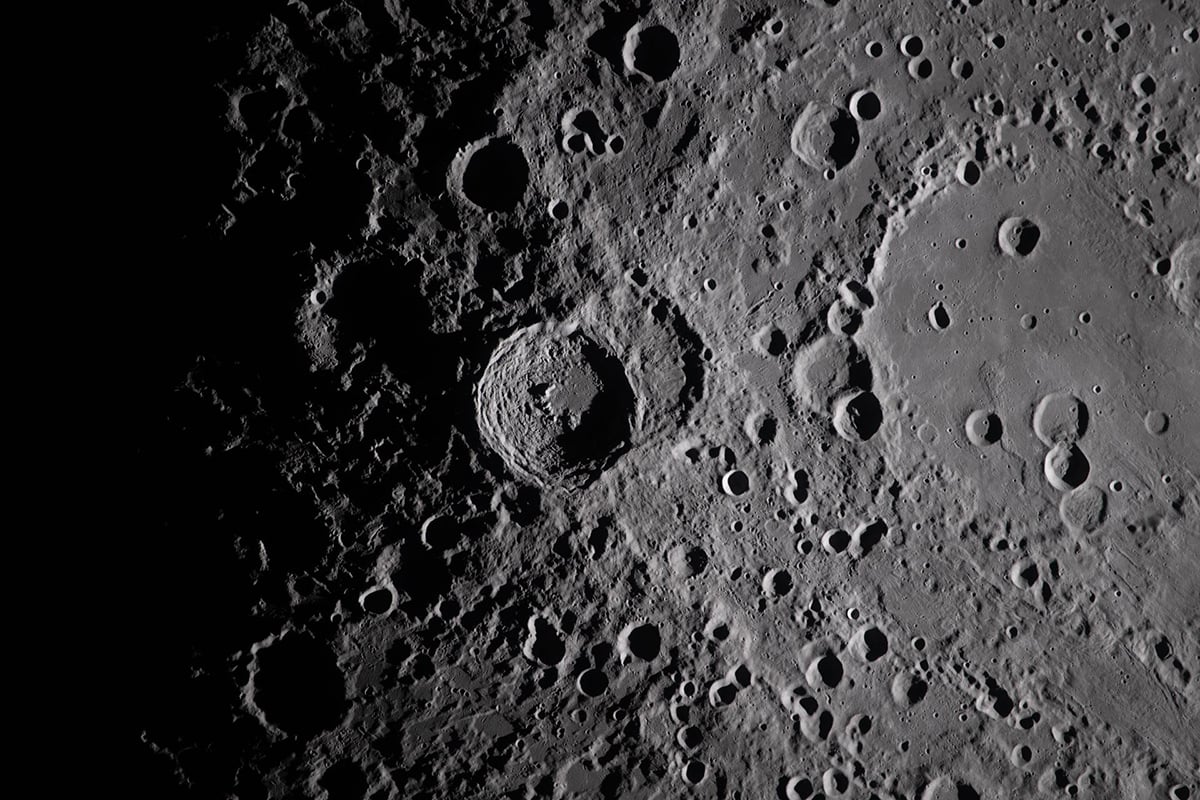
During this window, astronauts photographed extensive crater fields, rugged basin walls, and large highland regions that remain invisible from Earth. The far side differs strongly from the near side in both brightness and structure. Large lava plains dominate the Earth-facing hemisphere. In contrast, the far side shows a dense concentration of ancient highlands with fewer dark maria.
Subtle variations in surface brightness appear across many frames. Scientists study these variations to understand mineral composition and crustal evolution. Even small changes in tone help refine geological maps of the Moon.
Equally important, astronaut-guided imaging often captures features from angles that automated surveys cannot easily reproduce. The Artemis II dataset complements earlier orbital mapping missions and strengthens existing models of lunar terrain.
Earthset and Earthrise return to the view
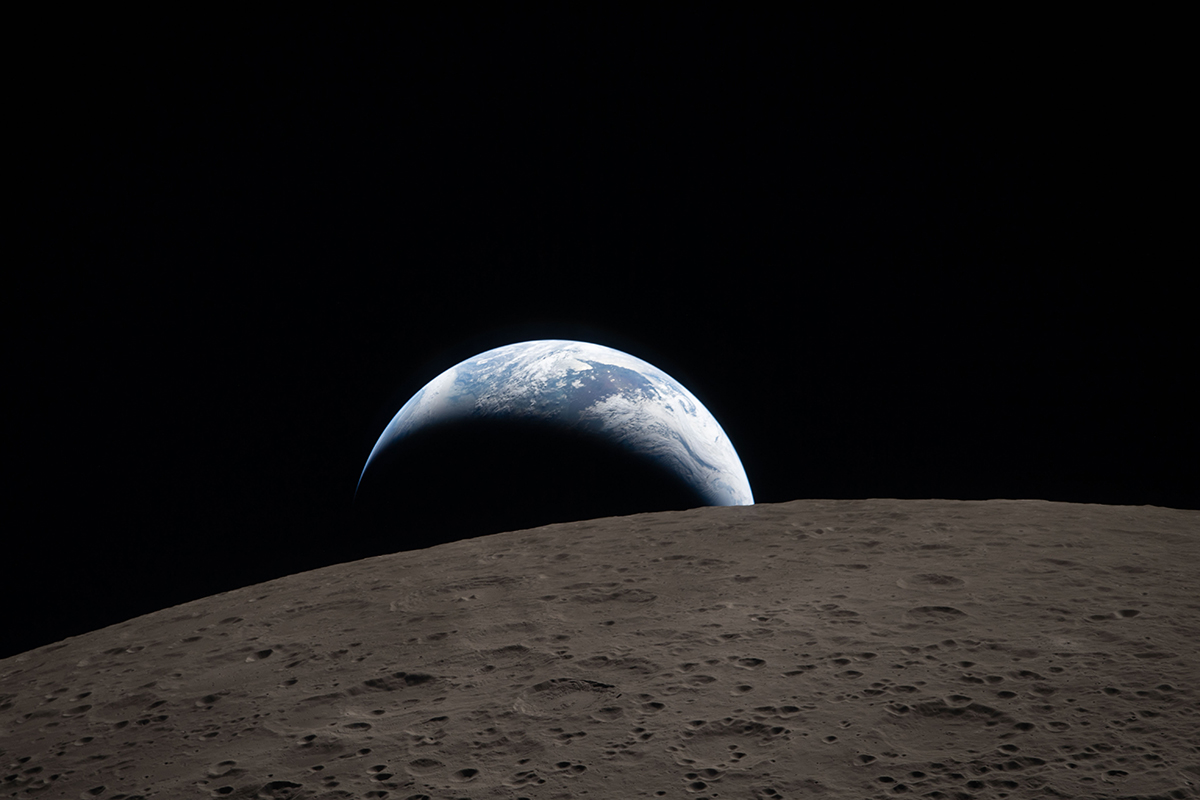
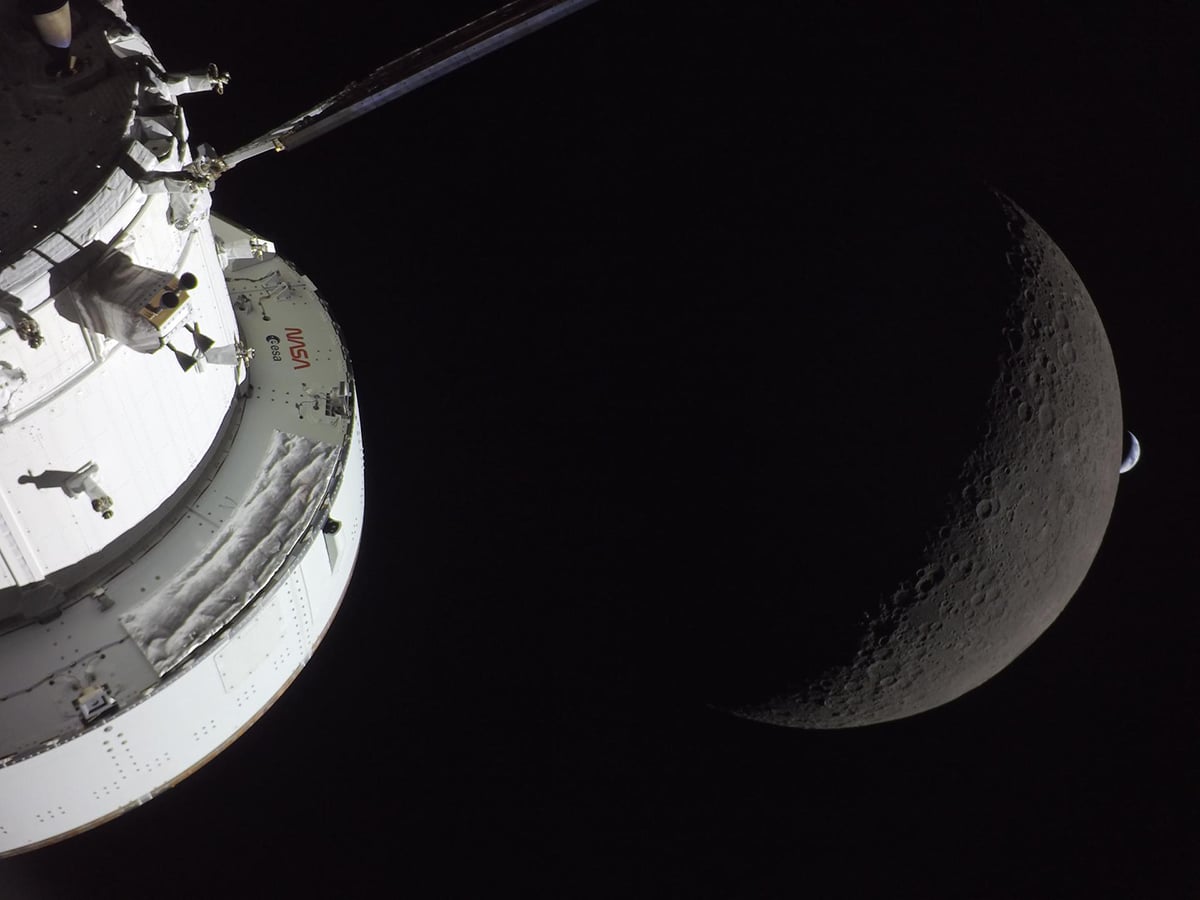
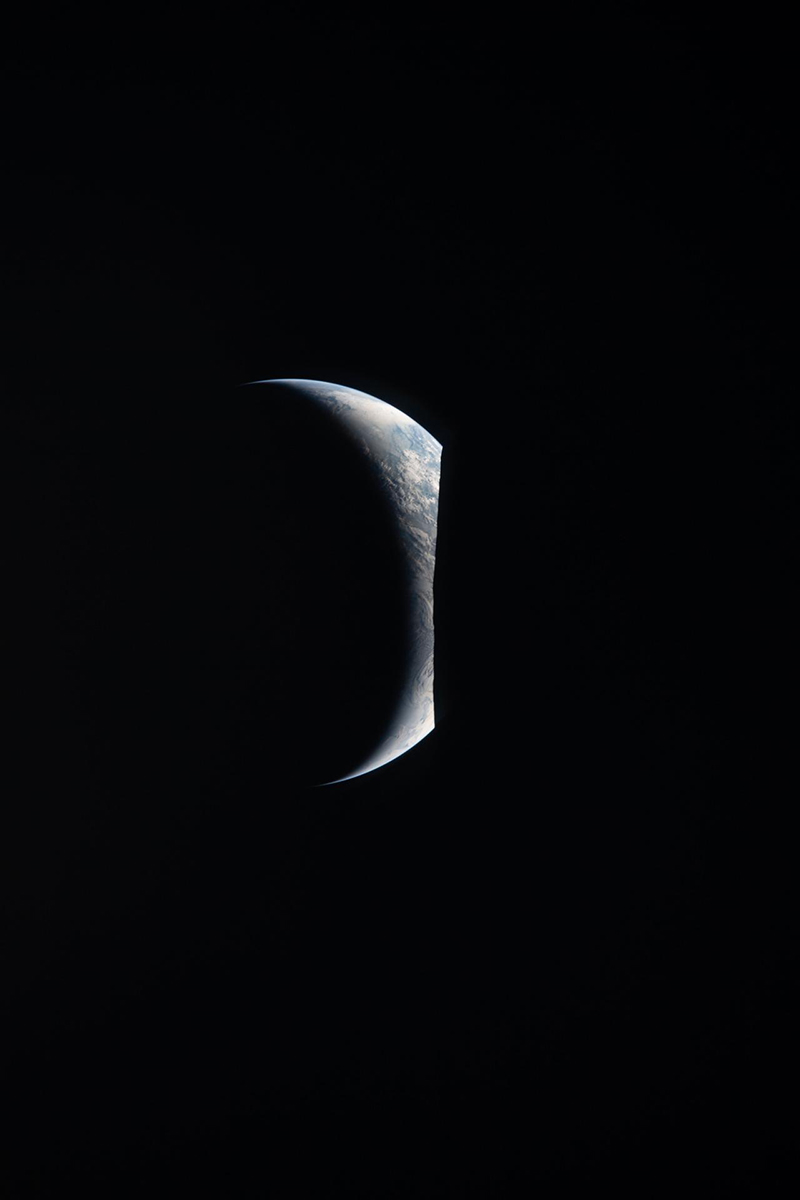
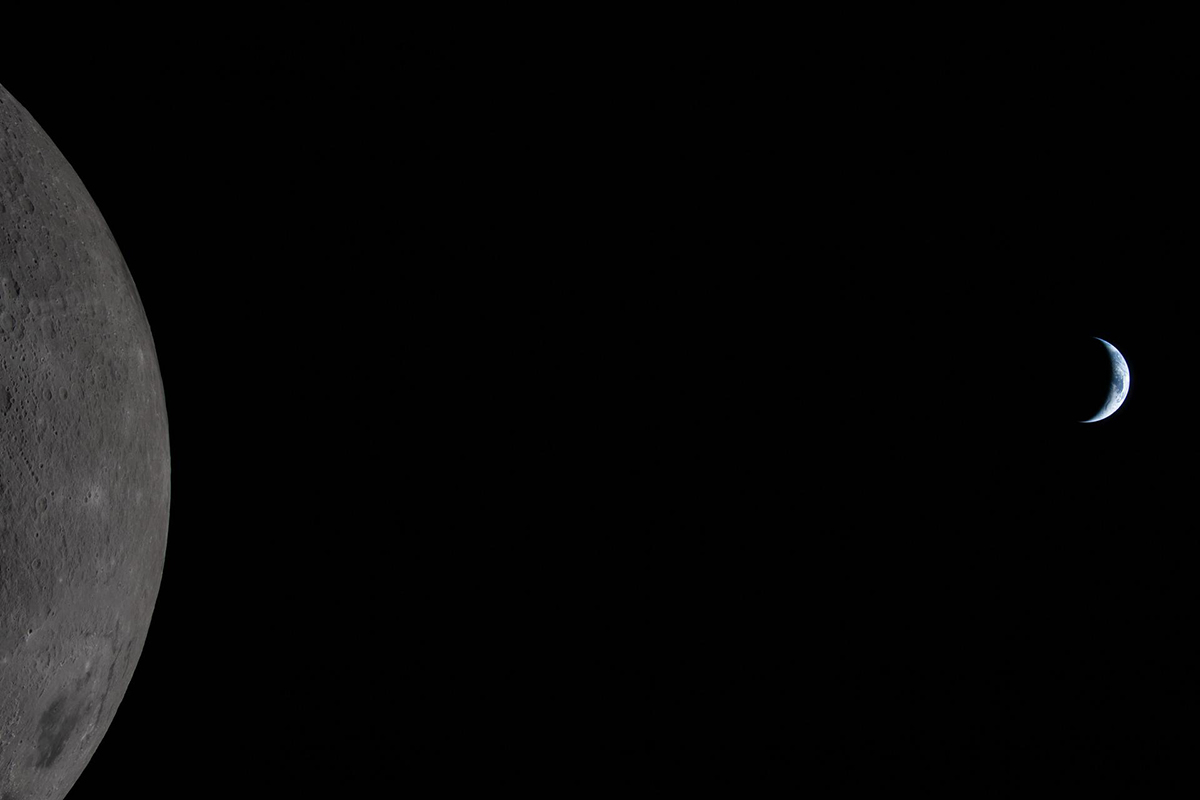
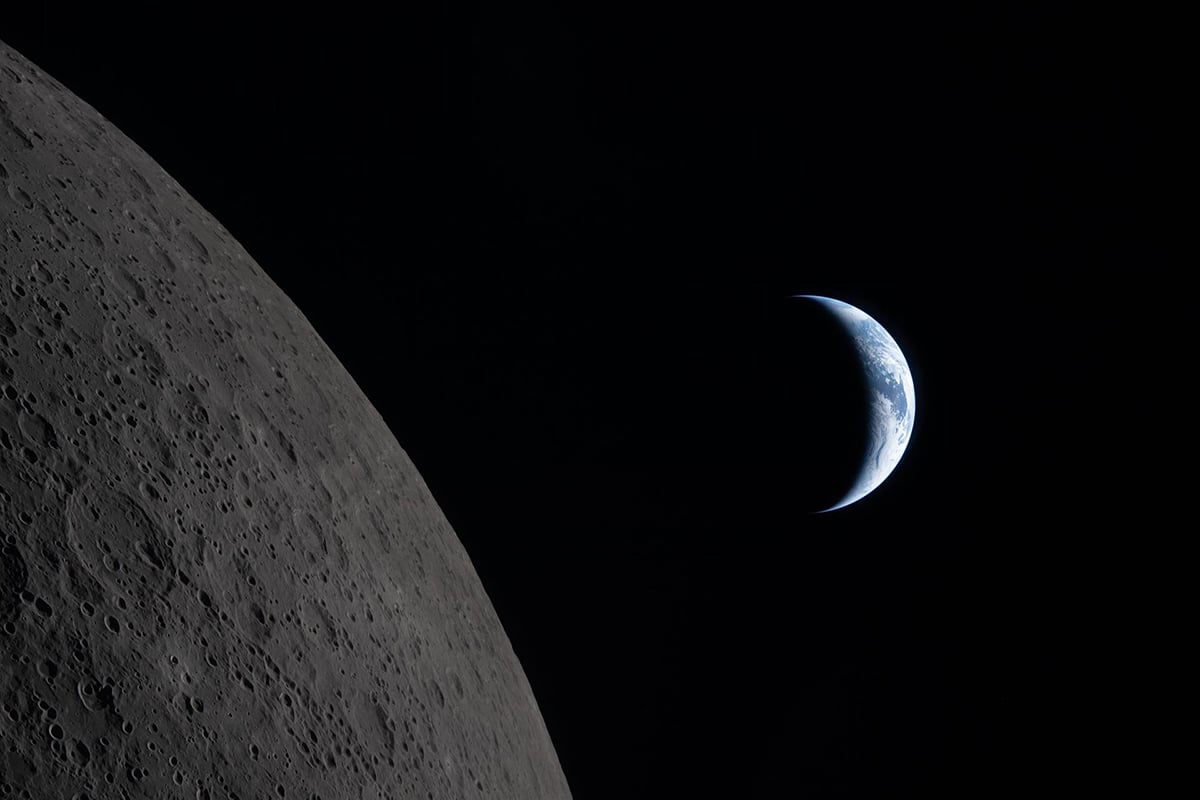
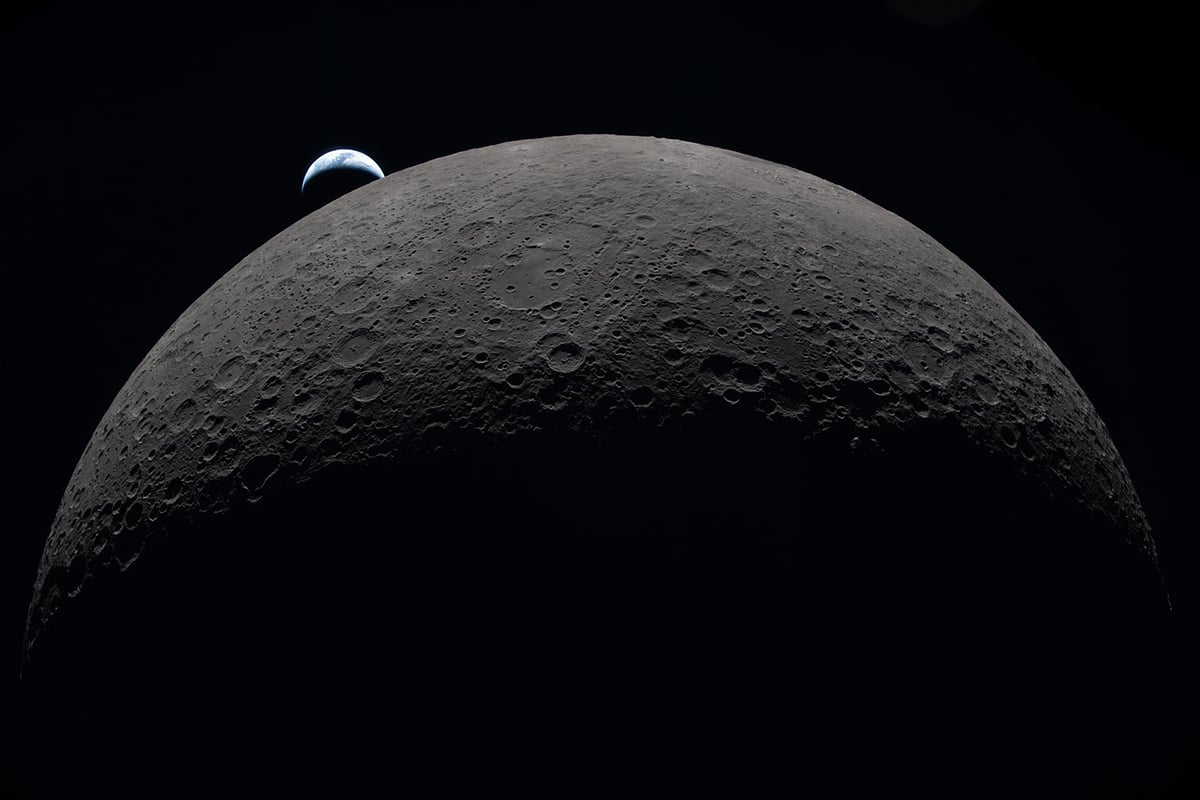
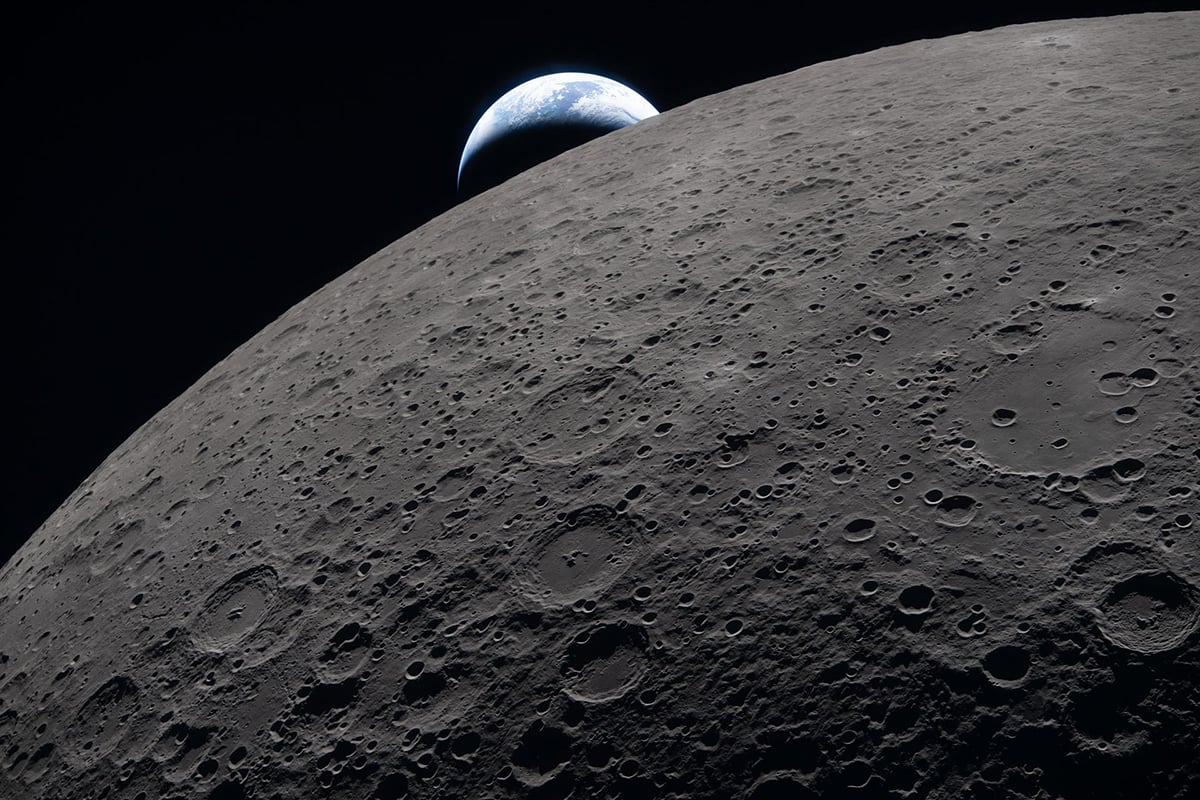
As Orion moved behind the Moon, the astronauts recorded a striking Earthset sequence. The planet slowly slipped below the jagged lunar horizon while the spacecraft entered the far-side region. Later, as Orion continued along its trajectory, the crew captured Earthrise during the return toward Earth-facing space.
These observations carry strong historical meaning because astronauts last photographed comparable scenes during the Apollo era. Modern digital imaging systems now record finer structure in Earth’s cloud patterns and ocean boundaries. Consequently, the new sequences provide both scientific value and visual continuity with earlier human exploration.
From lunar distance, Earth appears small against the dark background of space. The Moon’s surface fills most of the foreground. This perspective highlights the scale of the Earth–Moon system. Researchers also use deep-space Earth images to calibrate imaging systems that support planetary observation programs. The Artemis II Earthrise and Earthset sequences contribute to both public understanding and technical analysis.
A long-duration Solar Eclipse observed from deep space
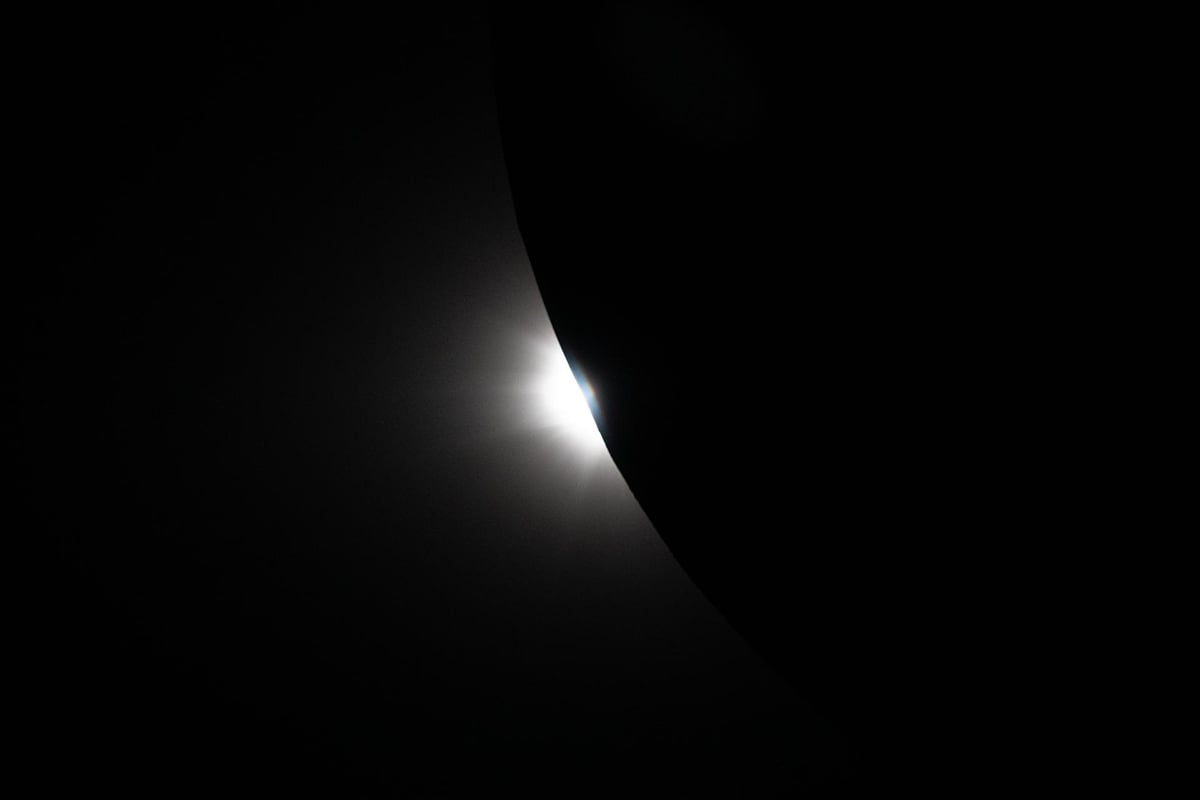
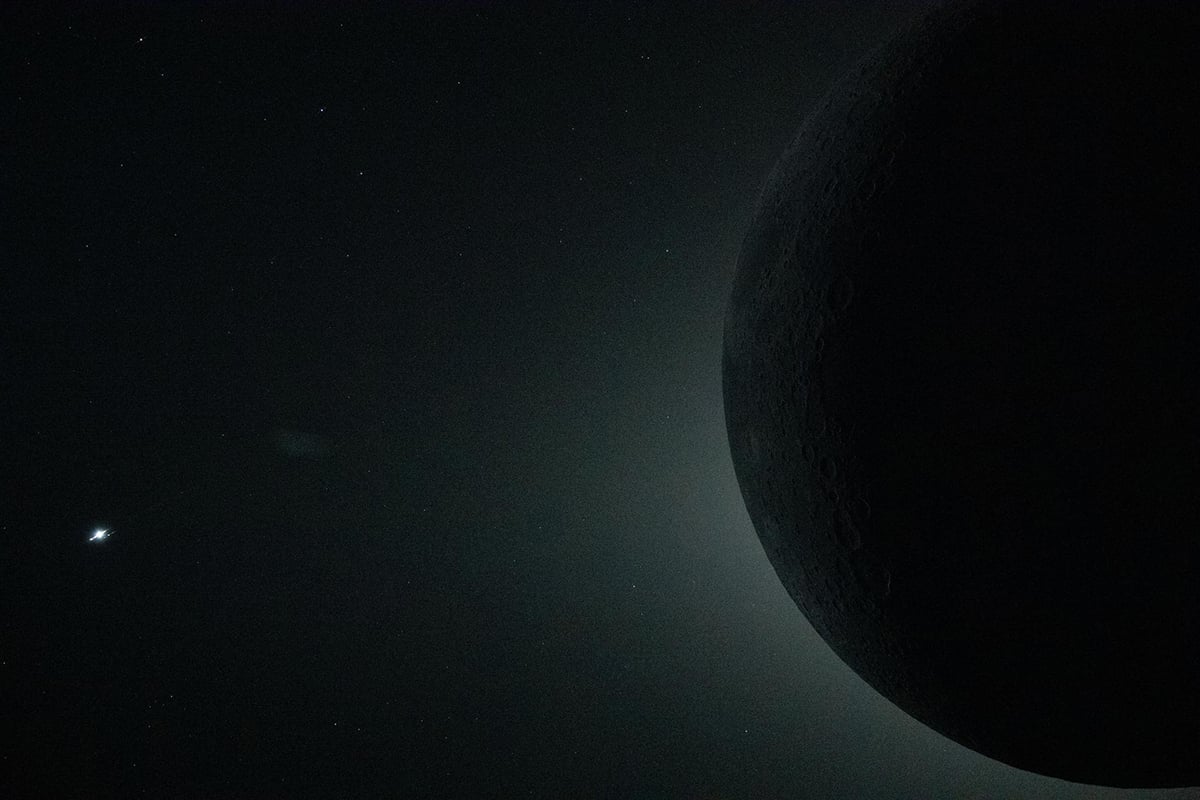
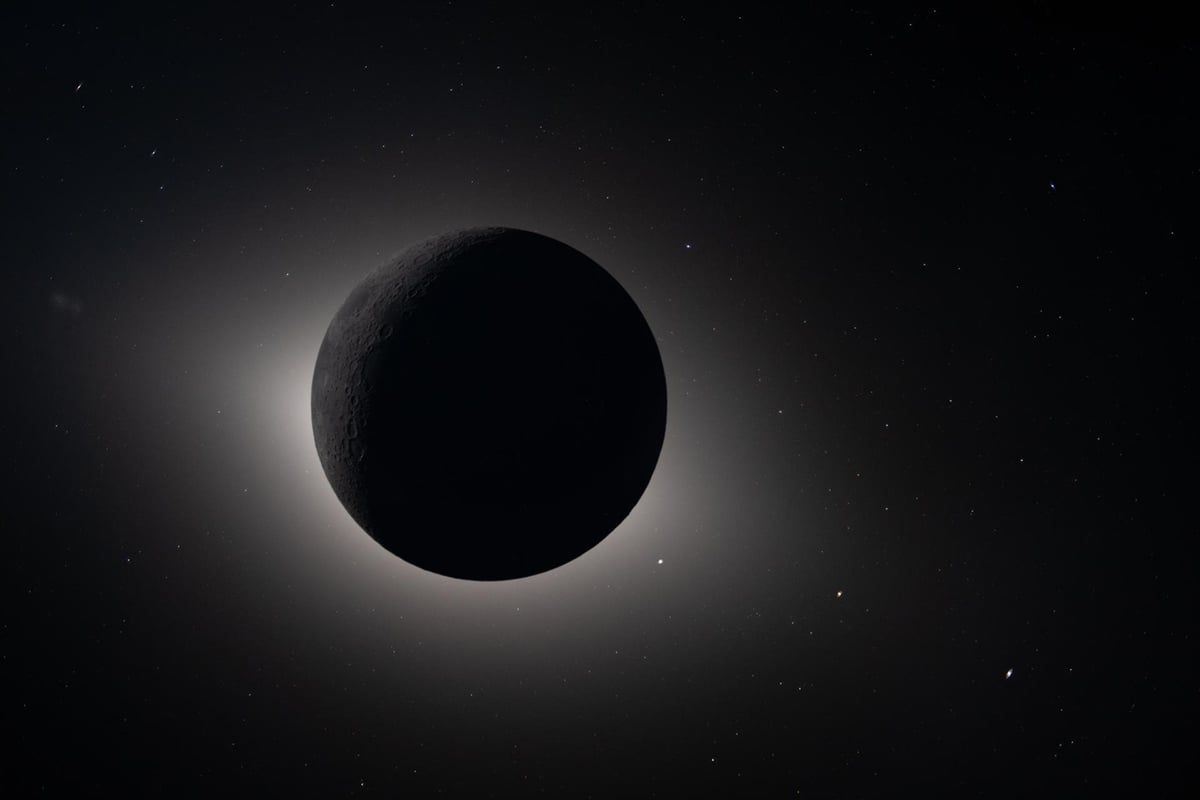
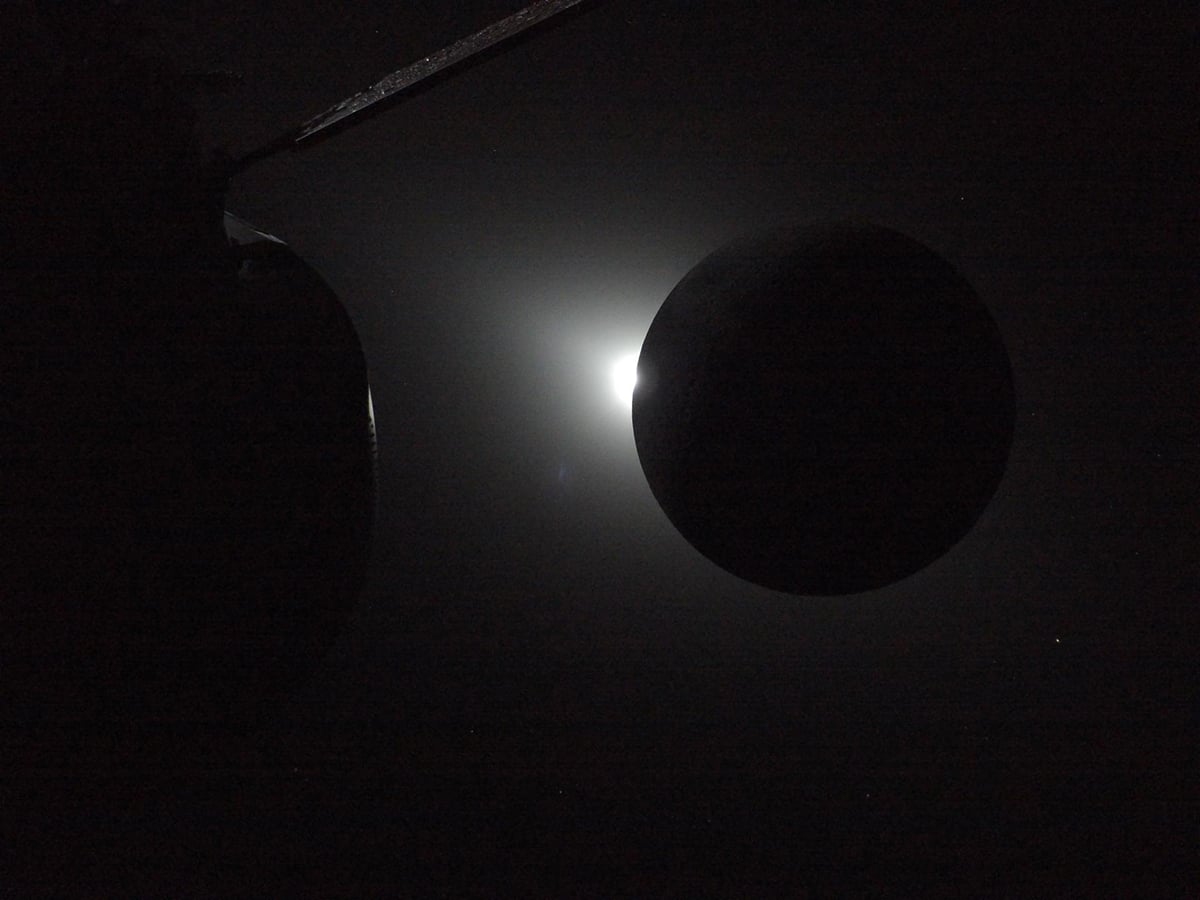
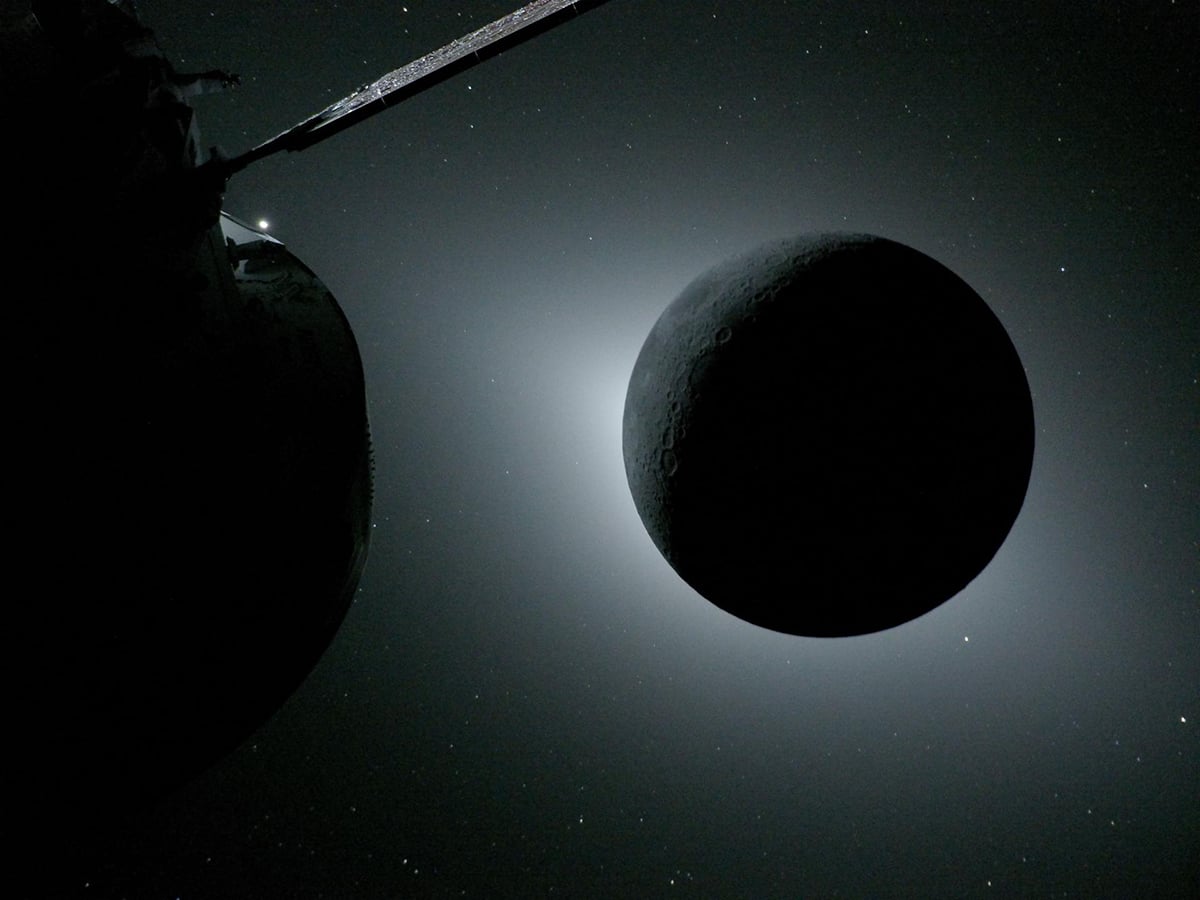
During the flyby phase, the crew also observed a solar eclipse while the Moon blocked the Sun from Orion’s position. Observers on Earth normally experience total solar eclipses for only a few minutes. In contrast, the spacecraft’s geometry allowed astronauts to watch the solar corona for nearly an hour.
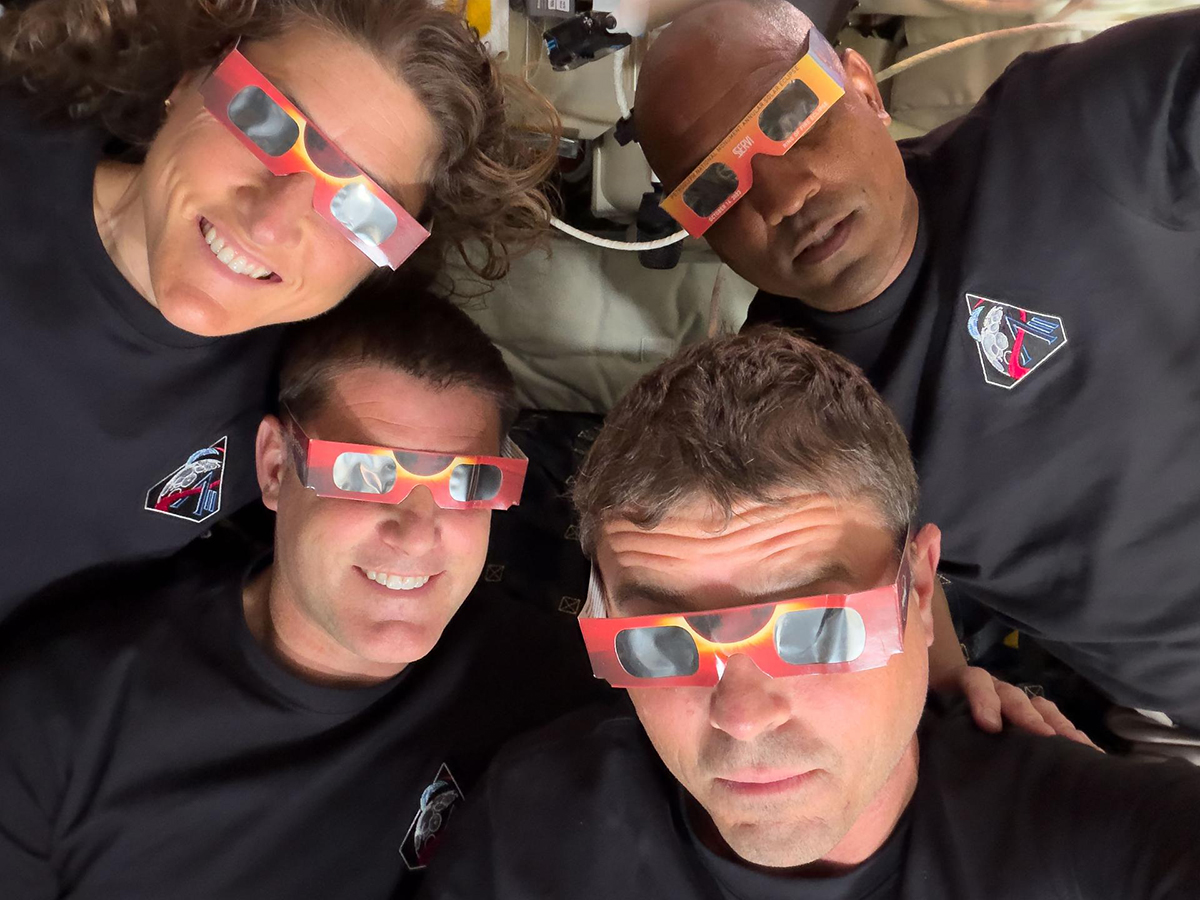
This extended viewing period provided a rare opportunity to examine the structure of the Sun’s outer atmosphere from a unique location in space. The corona changes shape as solar activity varies across the solar cycle. Its streamers trace the movement of charged particles flowing outward through the inner solar system.
Measurements of coronal structure help scientists understand space-weather processes that affect satellites, communication systems, and astronaut safety. Observations made during crewed missions remain especially valuable because astronauts can adjust viewing strategies in real time. The eclipse sequence recorded during Artemis II represents an important addition to modern solar observation records.
Meteoroid impact flashes detected on the lunar surface
While monitoring the dark lunar surface during the eclipse phase, the astronauts observed several brief flashes of light across the terrain. These flashes resulted from small meteoroids striking the Moon at high velocity. The crew reported six such events during the flyby observation period.
Because the Moon lacks an atmosphere, even small particles reach the surface without burning up. Each impact releases a short burst of light that becomes visible under favorable viewing conditions. Scientists track these flashes whenever possible because they help estimate the frequency of small-object impacts within the Earth–Moon system.
Accurate impact-rate measurements support planning for future surface operations. Engineers use these estimates when designing habitats, vehicles, and protective shielding for astronauts who will live and work on the Moon. The Artemis II observations provide direct human confirmation of activity that robotic monitoring systems detect only intermittently.
A new visual foundation for the Artemis era
The Artemis program aims to establish a sustained human presence near and on the Moon later in this decade. Missions that follow Artemis II will test landing systems, deploy surface infrastructure, and prepare astronauts for extended operations beyond Earth orbit.
The photographs captured during the flyby already support this effort. Scientists are comparing the new imagery with earlier spacecraft data to refine regional geological interpretations. In particular, far-side terrain remains less familiar than the near side despite decades of robotic exploration. Human observation continues to provide valuable context for interpreting these regions.
Equally important, the Artemis II image sequence demonstrates that astronauts have returned to operational activity in lunar space. The mission renewed direct human observation of the Moon after a gap of more than fifty years. At the same time, it established a modern reference set of crew-captured images that future missions will expand.
Taken together, the Earthrise and Earthset sequences, the eclipse observations, the far-side terrain photographs, and the recorded meteoroid impacts form a coherent visual record of the mission’s lunar encounter. These images now stand as one of the defining achievements of Artemis II and an essential step toward the next phase of human exploration beyond Earth orbit.
More Earthset and Earthrise photos
More eclipse photos
More Lunar close-up photos
Clear skies!
More from the Artemis II Mission
- NASA Chooses Sony as Official Camera on Artemis Lunar Missions
- NASA’s Artemis II Lifts Off for the Moon: Images of the Launch
- Artemis II Astronauts Capture Historic Earth Images from Space
- Crew Portraits with Earth, and Moon Photos from Artemis II
- Artemis II Completes Historic Lunar Flyby: New Images of the Moon
- Artemis II Lunar Close-Up Images: NASA’s Lunar Science Goals
- Earthset, Earthrise, and Eclipse: Photos from Artemis II Lunar Flyby
- Artemis II Begins Final Return to Earth After Historic Lunar Flyby
- To the Moon and Back: NASA’s Artemis II Returns Safely to Earth
- NASA Releases 12,000 Photos from Artemis II Mission: Top Picks
See more from DIYPhotography.net on Google
Add DIYPhotography.net as a trusted source. This makes
our stories more likely to appear in your Google Search results.
 Add as a preferred source on Google

Soumyadeep Mukherjee
Soumyadeep Mukherjee is an award-winning astrophotographer from India. He has a doctorate degree in Linguistics. His work extends to the sub-genres of nightscape, deep sky, solar, lunar and optical phenomenon photography. He is also a photography educator and has conducted numerous workshops. His works have appeared in over 40 books & magazines including Astronomy, BBC Sky at Night, Sky & Telescope among others, and in various websites including National Geographic, NASA, Forbes. He was the first Indian to win “Astronomy Photographer of the Year” award in a major category.


Join the Discussion
DIYP Comment Policy
Be nice, be on-topic, no personal information or flames.