










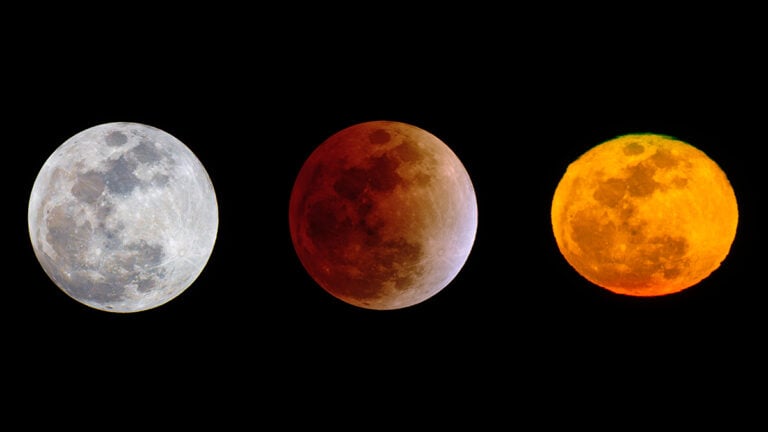













Artemis II Completes Historic Lunar Flyby: New Images of the Moon
Apr 6, 2026
Soumyadeep Mukherjee
Soumyadeep Mukherjee is an award-winning astrophotographer from India. He has a doctorate degree in Linguistics. His work extends to the sub-genres of nightscape, deep sky, solar, lunar and optical phenomenon photography. He is also a photography educator and has conducted numerous workshops. His works have appeared in over 40 books & magazines including Astronomy, BBC Sky at Night, Sky & Telescope among others, and in various websites including National Geographic, NASA, Forbes. He was the first Indian to win “Astronomy Photographer of the Year” award in a major category.
Share:

On Flight Day 6 of the Artemis II mission, NASA’s Orion spacecraft executed its planned lunar flyby and entered the most demanding phase of the mission profile. The maneuver represented the first crewed return to lunar distance since the Apollo program ended in 1972. More importantly, it showed that Orion can support astronauts during sustained operations beyond Earth orbit.
NASA designed Artemis II as a crewed systems validation mission. The spacecraft carries four astronauts on a free-return trajectory around the Moon. This trajectory allows Orion to loop around the Moon and return to Earth without requiring major propulsion burns after the flyby. As a result, engineers can evaluate navigation performance, communications reliability, and crew operations under real deep-space conditions.
Orion enters the Moon’s sphere of gravitational influence
The lunar encounter phase began before the spacecraft reached closest approach. Late on Flight Day 5, Orion crossed into the Moon’s sphere of influence. And from that moment, lunar gravity became stronger than Earth’s pull on the spacecraft. Consequently, the spacecraft began falling toward the Moon rather than moving outward from Earth.
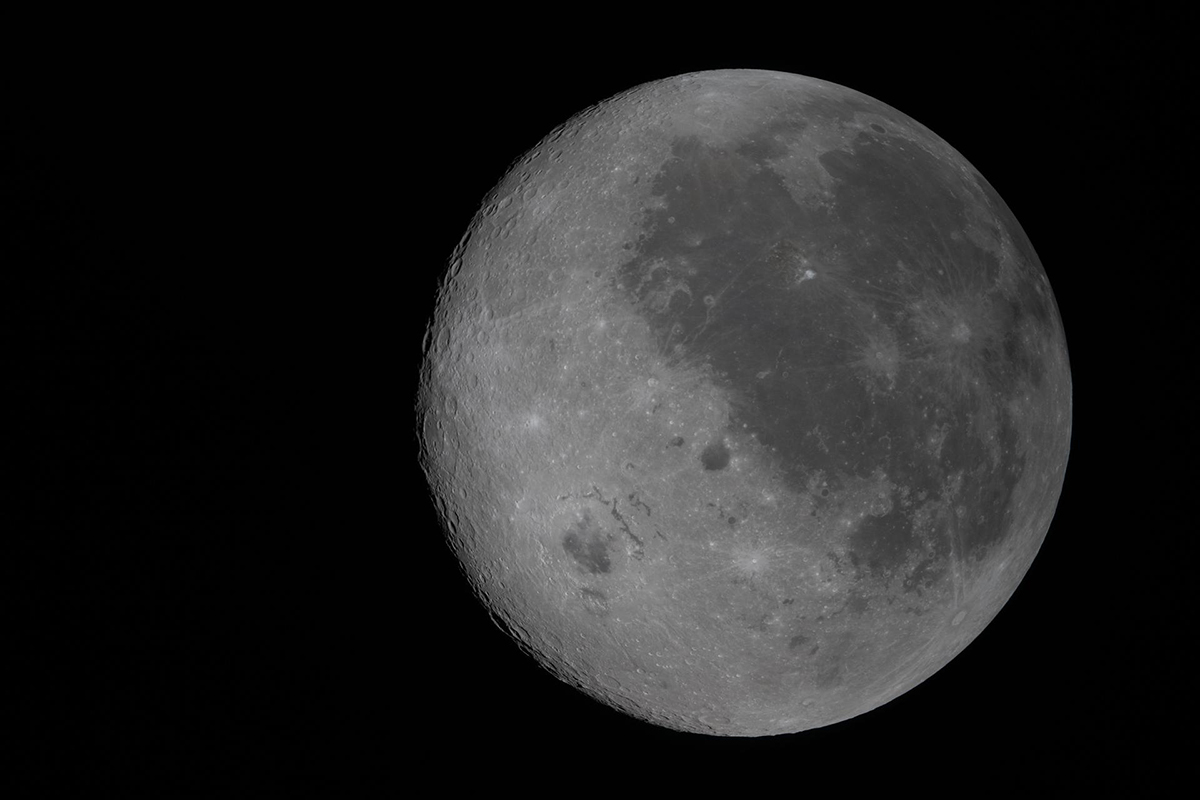
By the start of Flight Day 6, the spacecraft had already moved to within roughly 20,000 miles of the lunar surface. The astronauts then prepared for several hours of structured observation activity. NASA’s science teams had selected about thirty observation targets across both the near side and far side of the Moon.

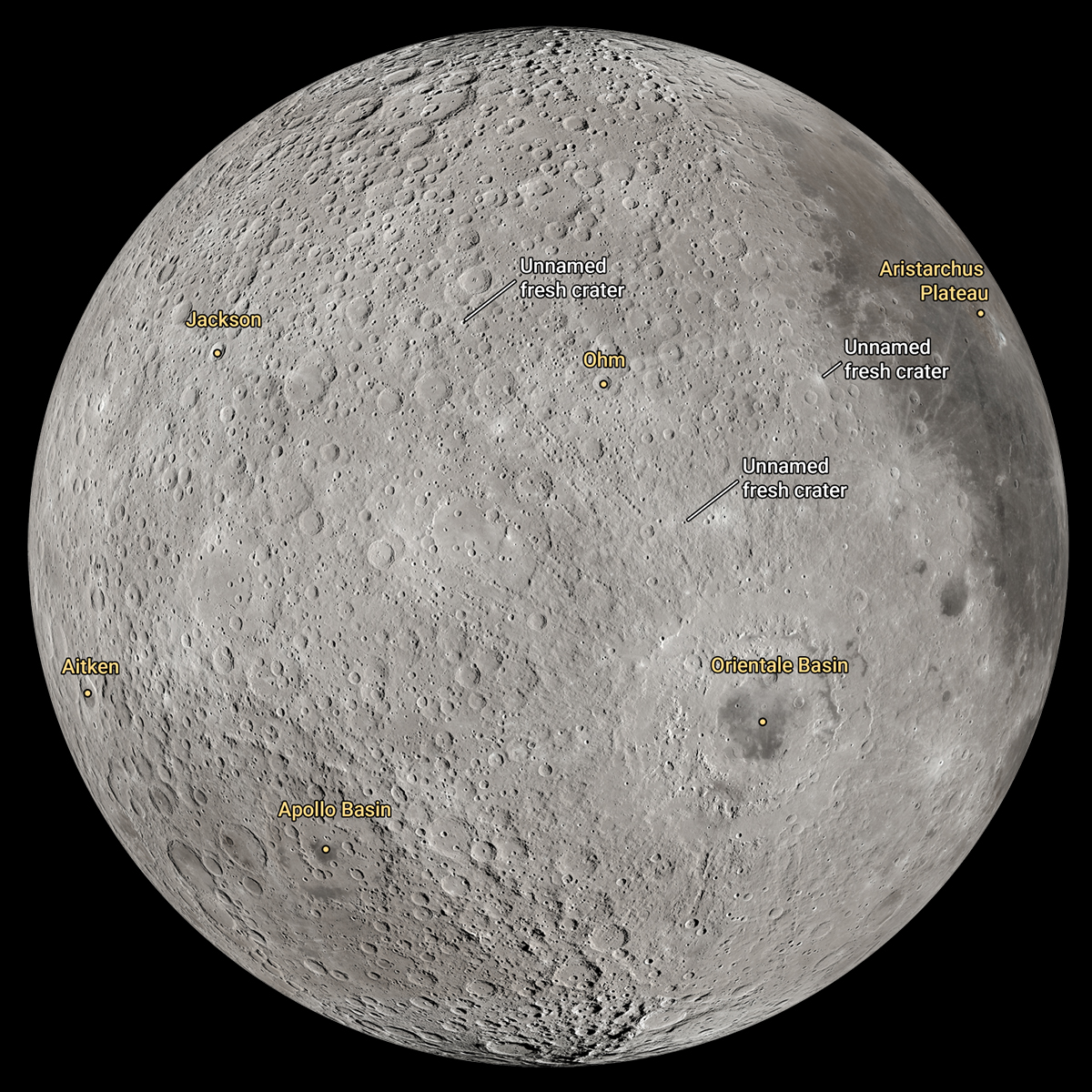
These targets included the Orientale basin and the Hertzsprung basin. Both structures preserve evidence from some of the largest impacts in lunar history. Therefore, direct astronaut observations help scientists interpret the structure of these ancient impact rings more effectively.
During the approach phase, the astronauts reported subtle color variations across the surface. These variations reflect differences in composition and surface age. Such observations continue to support ongoing studies of lunar geological evolution.
Closest approach to the Moon
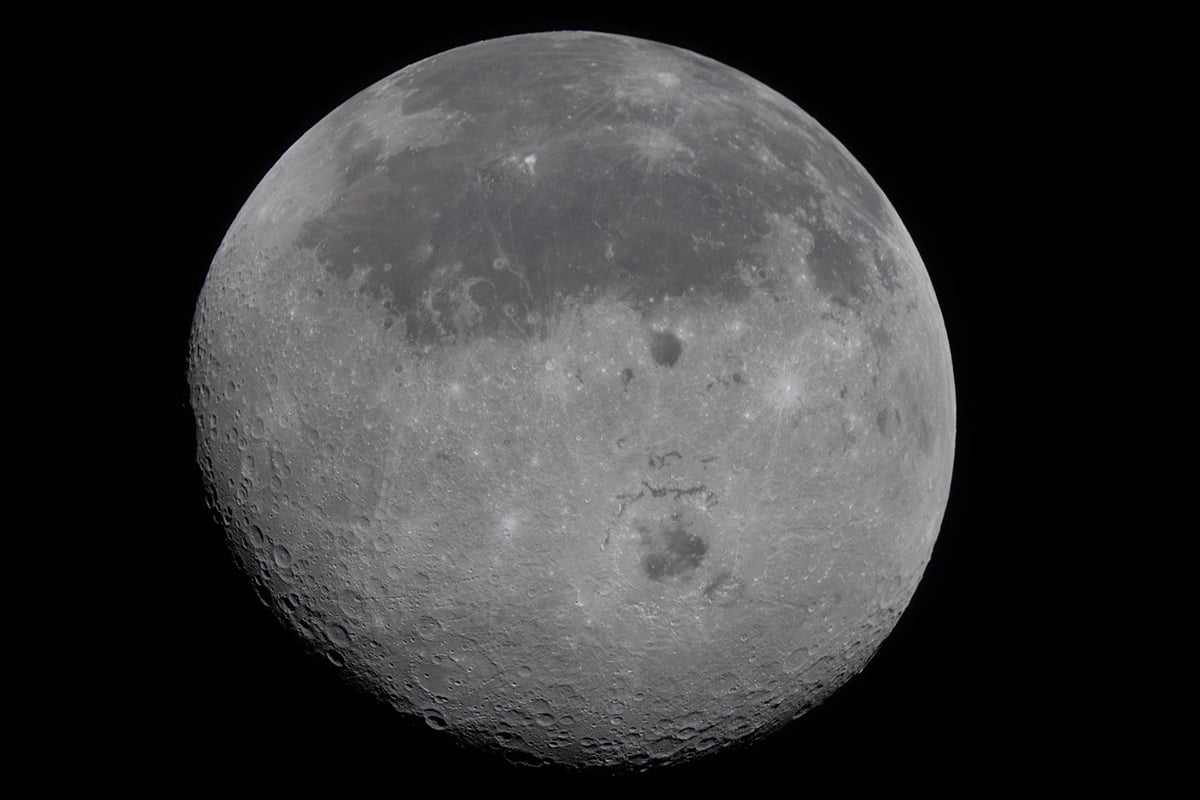
Orion reached its closest distance from the Moon during the evening portion of Flight Day 6. At that moment, the spacecraft passed approximately 4,067 miles above the lunar surface.
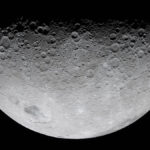
This altitude provided excellent viewing conditions for surface observations. Long shadows stretched across crater rims and basin walls. As a result, the astronauts could clearly identify topographic features across several observation regions.
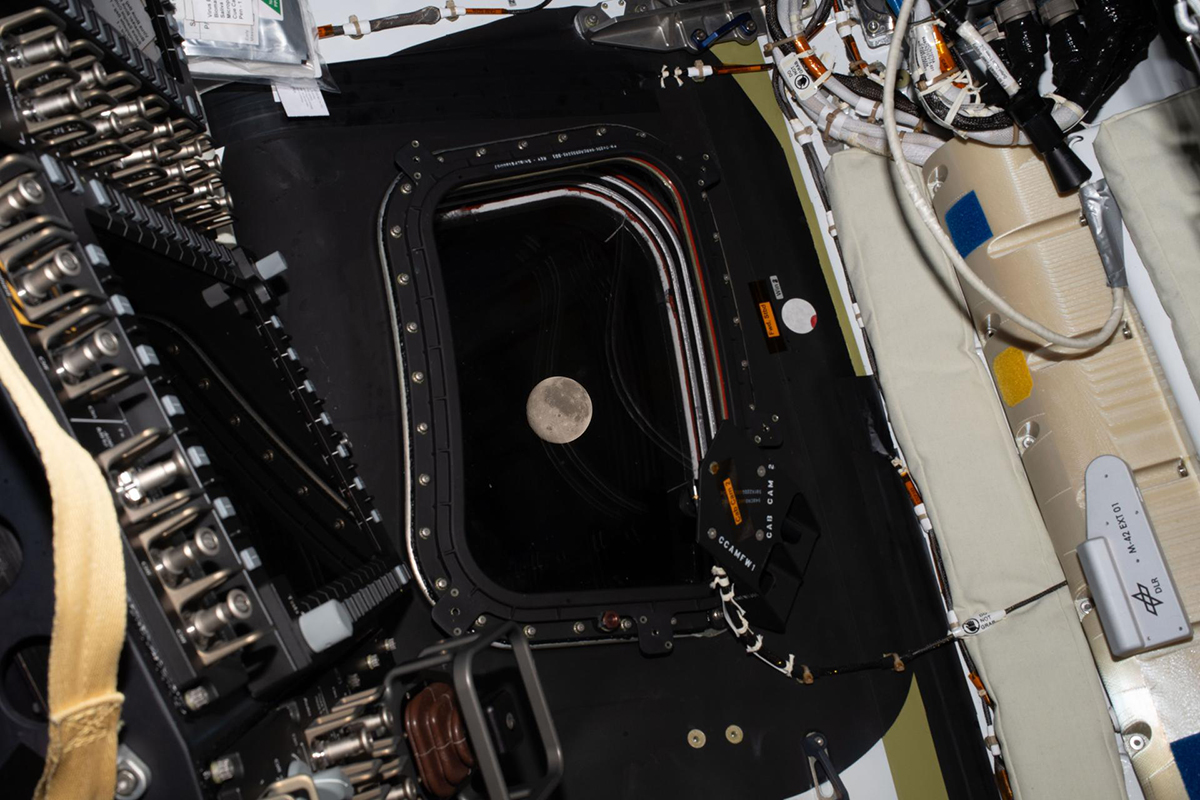
The structured observation window lasted about seven hours. During this time, the astronauts photographed selected geological targets and described surface features to scientists in mission control. Meanwhile, the science team updated observation priorities in real time as the spacecraft continued along its trajectory.
The astronauts also identified two previously unnamed craters during the flyby. They suggested provisional names for these features. One name honored the Orion spacecraft itself. The second name commemorated a family member of the mission commander. Later, the International Astronomical Union will review these proposed names through its standard approval process.
Artemis II sets a new record for human distance from Earth
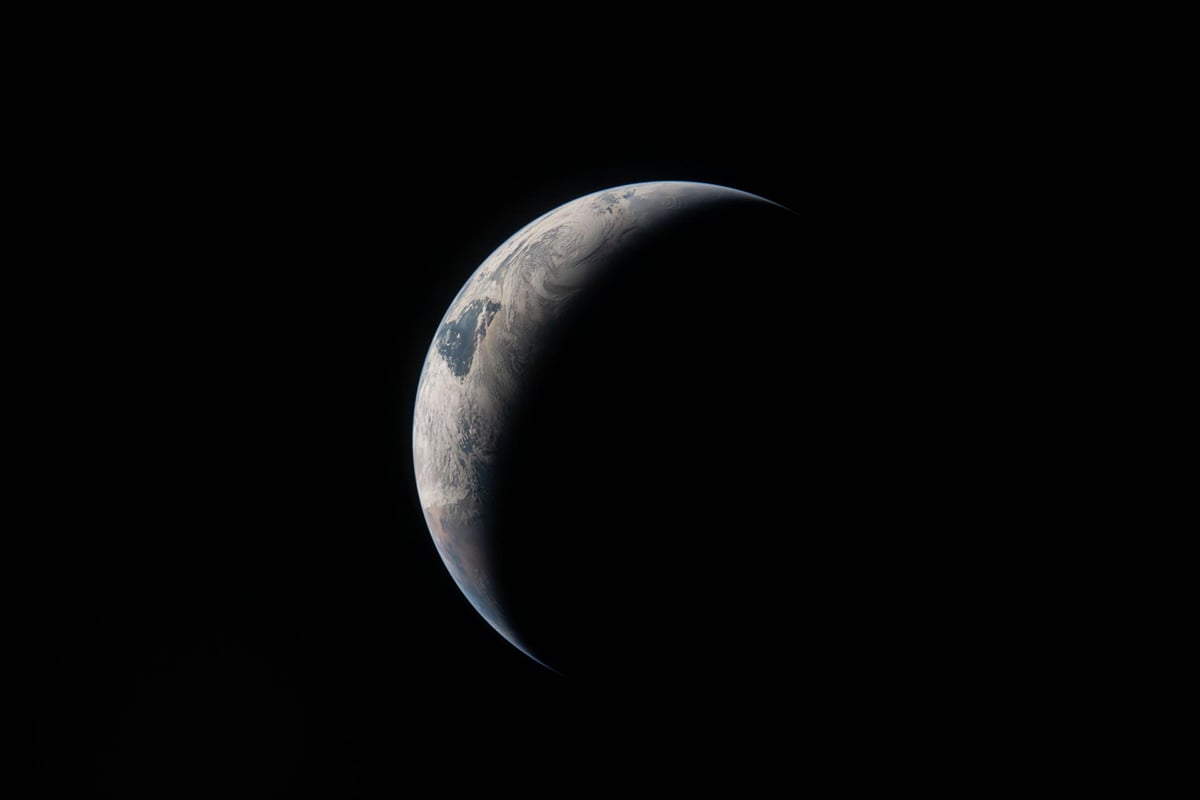
Flight Day 6 also established a new distance record for human spaceflight. During the lunar flyby phase, the Artemis II crew traveled approximately 252,756 miles from Earth.
This distance exceeded the previous record set during the Apollo 13 mission in 1970. Although the record itself was not a mission objective, it confirmed that Orion can safely support astronauts at extreme distances from Earth.
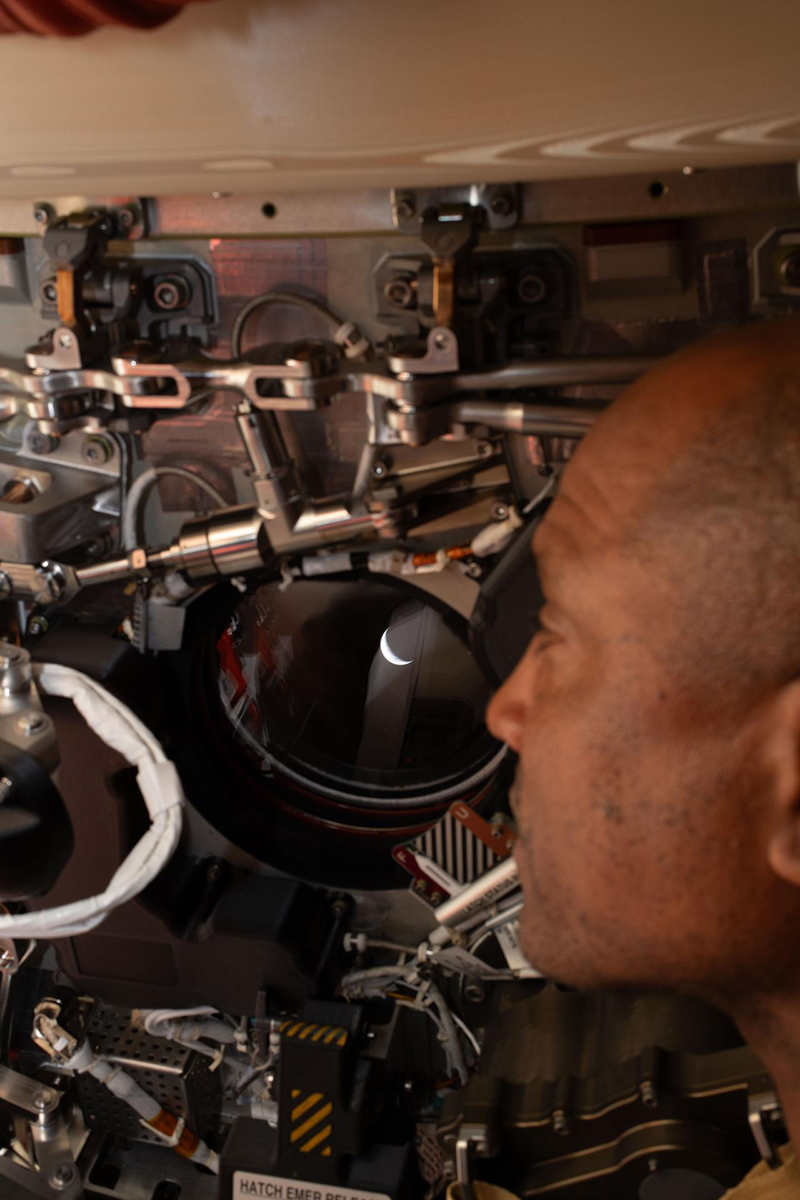
At the same time, the spacecraft followed its planned free-return trajectory around the Moon. This trajectory utilizes lunar gravity to redirect the spacecraft toward Earth, eliminating the need for large propulsion maneuvers after the flyby. Consequently, the trajectory provides an additional safety margin during early crewed deep-space missions.
Engineers designed this trajectory specifically to verify navigation accuracy under realistic exploration conditions. Therefore, the successful execution of the flyby represents a major validation milestone for the Artemis program.
A solar eclipse observed during the lunar encounter phase
Later during the flyby sequence, the astronauts observed another rare event. From Orion’s position near the Moon, the Sun moved behind the lunar disk and produced a solar eclipse that lasted nearly one hour.
During this period, the astronauts observed the solar corona extending around the lunar limb. Scientists continue to study this outer solar atmosphere because it plays an important role in solar activity and space weather behavior.
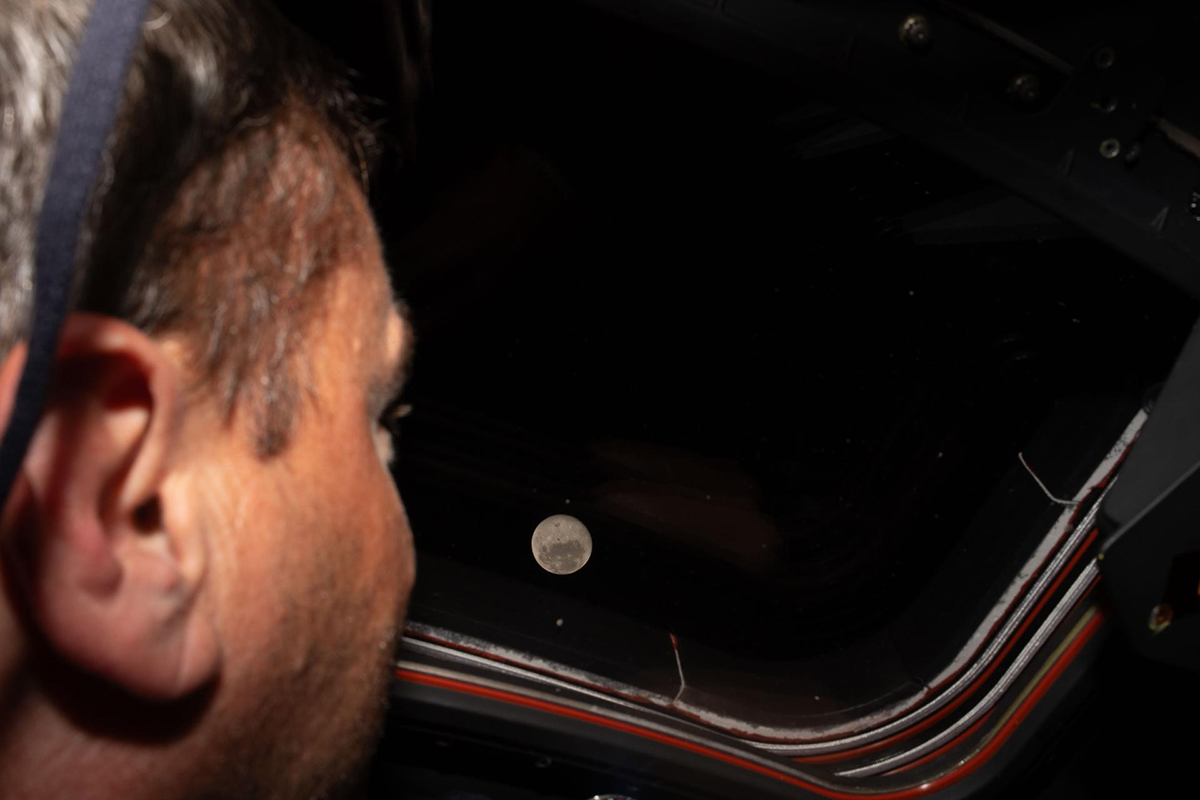
At the same time, the astronauts continued reporting surface observations to mission control. Scientists inside the flight control science support room monitored these descriptions carefully. They adjusted observation priorities whenever necessary during the flyby window.
We will soon be able to see the images of this event and other images captured during the lunar flyby.
More from the Artemis II Mission
- NASA Chooses Sony as Official Camera on Artemis Lunar Missions
- NASA’s Artemis II Lifts Off for the Moon: Images of the Launch
- Artemis II Astronauts Capture Historic Earth Images from Space
- Crew Portraits with Earth, and Moon Photos from Artemis II
- Artemis II Completes Historic Lunar Flyby: New Images of the Moon
- Artemis II Lunar Close-Up Images: NASA’s Lunar Science Goals
- Earthset, Earthrise, and Eclipse: Photos from Artemis II Lunar Flyby
- Artemis II Begins Final Return to Earth After Historic Lunar Flyby
- To the Moon and Back: NASA’s Artemis II Returns Safely to Earth
- NASA Releases 12,000 Photos from Artemis II Mission: Top Picks
Clear skies!
See more from DIYPhotography.net on Google
Add DIYPhotography.net as a trusted source. This makes
our stories more likely to appear in your Google Search results.
 Add as a preferred source on Google

Soumyadeep Mukherjee
Soumyadeep Mukherjee is an award-winning astrophotographer from India. He has a doctorate degree in Linguistics. His work extends to the sub-genres of nightscape, deep sky, solar, lunar and optical phenomenon photography. He is also a photography educator and has conducted numerous workshops. His works have appeared in over 40 books & magazines including Astronomy, BBC Sky at Night, Sky & Telescope among others, and in various websites including National Geographic, NASA, Forbes. He was the first Indian to win “Astronomy Photographer of the Year” award in a major category.

Join the Discussion
DIYP Comment Policy
Be nice, be on-topic, no personal information or flames.