





















Crew Portraits with Earth, and Moon Photos from Artemis II
Apr 5, 2026
Soumyadeep Mukherjee
Soumyadeep Mukherjee is an award-winning astrophotographer from India. He has a doctorate degree in Linguistics. His work extends to the sub-genres of nightscape, deep sky, solar, lunar and optical phenomenon photography. He is also a photography educator and has conducted numerous workshops. His works have appeared in over 40 books & magazines including Astronomy, BBC Sky at Night, Sky & Telescope among others, and in various websites including National Geographic, NASA, Forbes. He was the first Indian to win “Astronomy Photographer of the Year” award in a major category.
Share:
On April 4, 2026, NASA released a new set of photographs from the Artemis II mission. The images showed astronauts inside the Orion spacecraft looking back at Earth and forward toward the Moon while traveling through deep space. These photographs arrived only a few days after launch, and they became some of the defining visuals of the mission.
For the first time since Apollo 17 in 1972, astronauts traveling beyond low-Earth orbit documented their journey with modern cameras inside a modern spacecraft. The new pictures captured something quieter and equally powerful. They showed humans once again moving between Earth and the Moon.
A Mission That Restores the Deep-Space Human View
Artemis II is designed as a test flight, and it does not attempt a lunar landing. It carries four astronauts around the Moon and safely back to Earth. The mission checks spacecraft systems, navigation procedures, communications links, and crew operations far beyond Earth orbit.
During the first few days after launch, Orion steadily increased its distance from Earth. The spacecraft passed far beyond the region where astronauts normally operate today. Crews aboard the International Space Station circle only a few hundred kilometers above Earth. By contrast, the Artemis II astronauts moved hundreds of thousands of kilometers away. As the spacecraft crossed that boundary, its view of the planet changed.
That shift became visible in the photographs released on April 4. These images represent the return of a viewpoint that disappeared after the Apollo era. For more than five decades, no astronauts watched Earth shrink into the distance from deep space.
The window portrait set
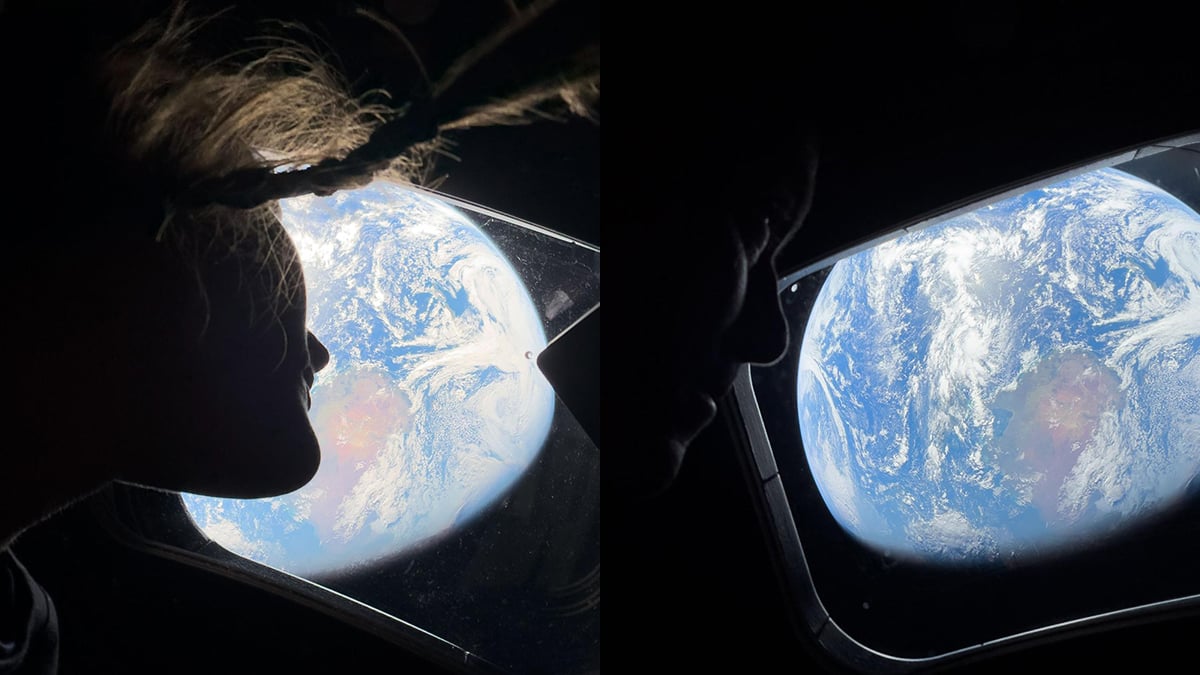
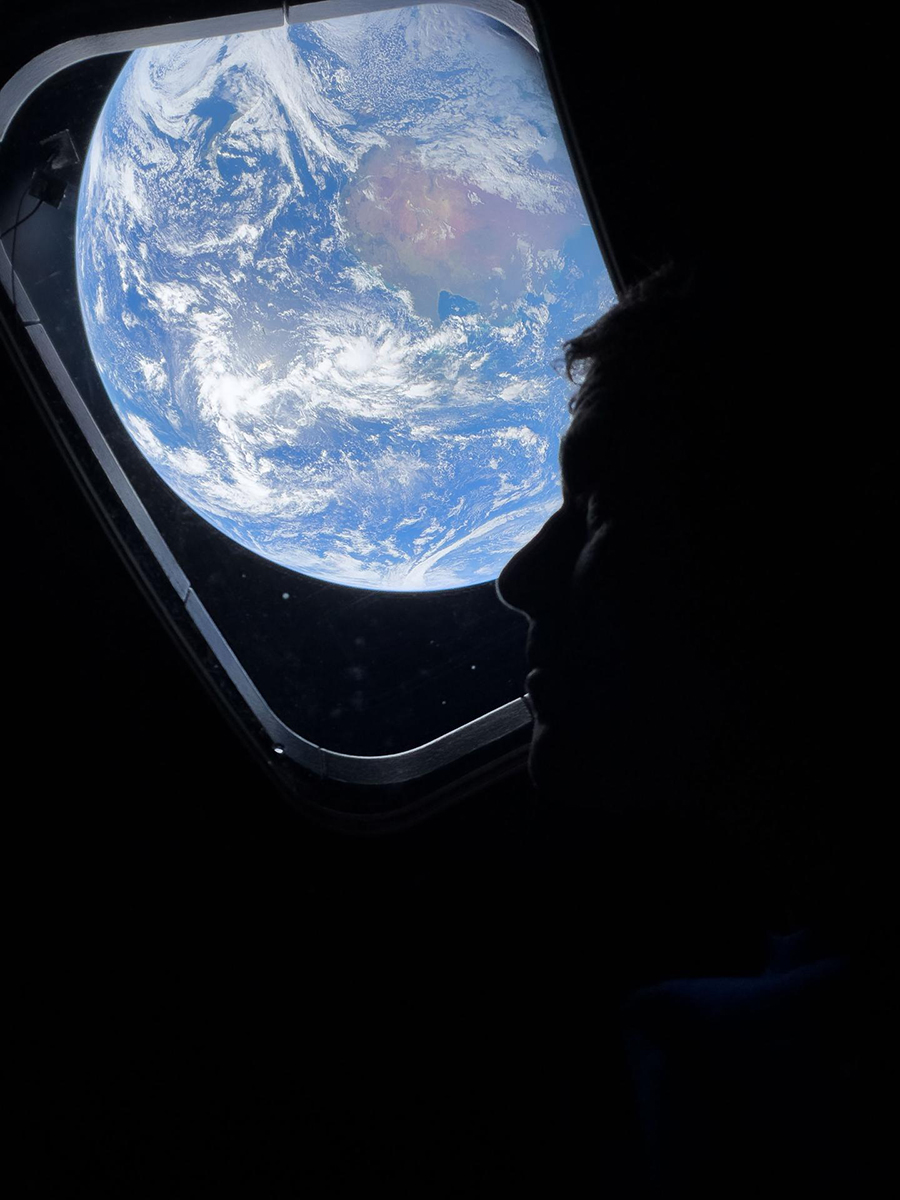
Among all the recently released photographs, one set of images was worth immediate attention. It showed mission commander Reid Wiseman and mission specialist Christina Koch floating beside Orion’s window while Earth appeared outside in the distance. The cabin interior remained dim, while the planet shone brightly beyond the glass.
At the same time, the photograph revealed a technical aspect of the spacecraft itself. Orion’s windows provide a wider field of view than those used during Apollo. Modern digital sensors also record greater detail than the film cameras carried during the 1960s and early 1970s. As a result, the contrast between cabin interior and distant Earth appears sharper and clearer than earlier deep-space portraits.
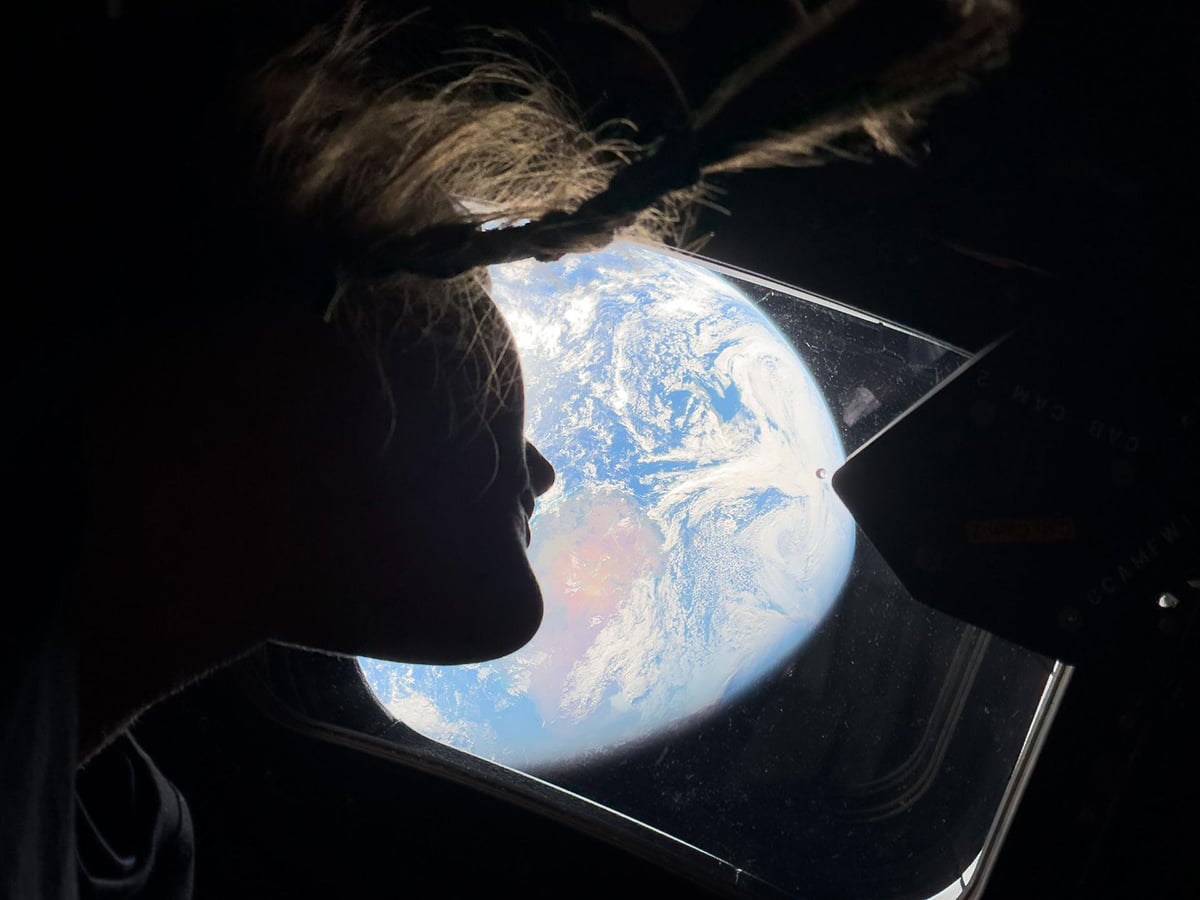
The image also confirmed that astronauts could observe Earth comfortably throughout the outbound journey. That visibility is important during long missions beyond Earth orbit. Astronauts rely on visual awareness in addition to instrument readings, especially during complex flight phases.
For many observers on the ground, this single photograph captured the essence of Artemis II. It showed a human presence moving outward again into deep space.
Watching Earth slowly recede
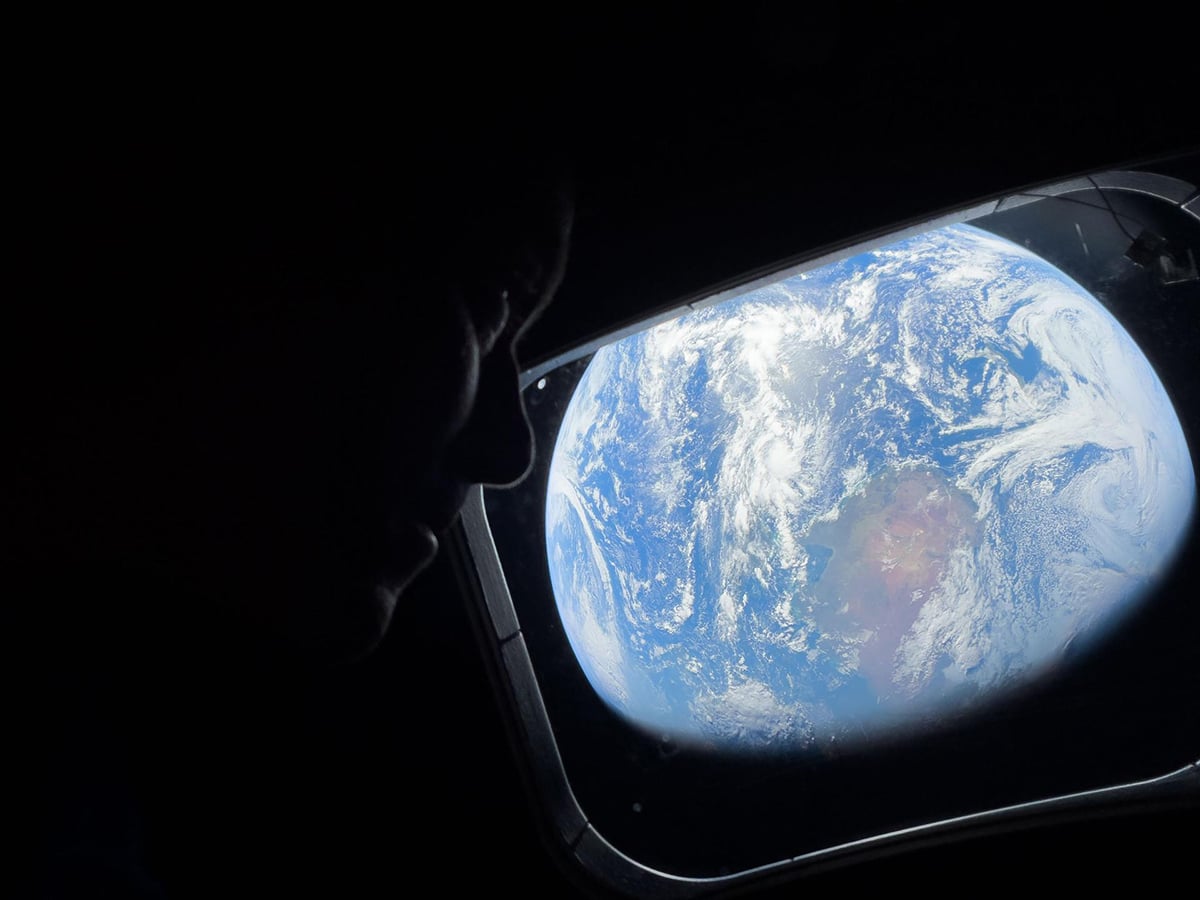
As Orion continued toward the Moon, the crew photographed Earth several more times through the spacecraft windows. Each image showed a slightly different stage of the journey. Together, they formed a visual sequence that explained the mission’s progress more effectively than any diagram.
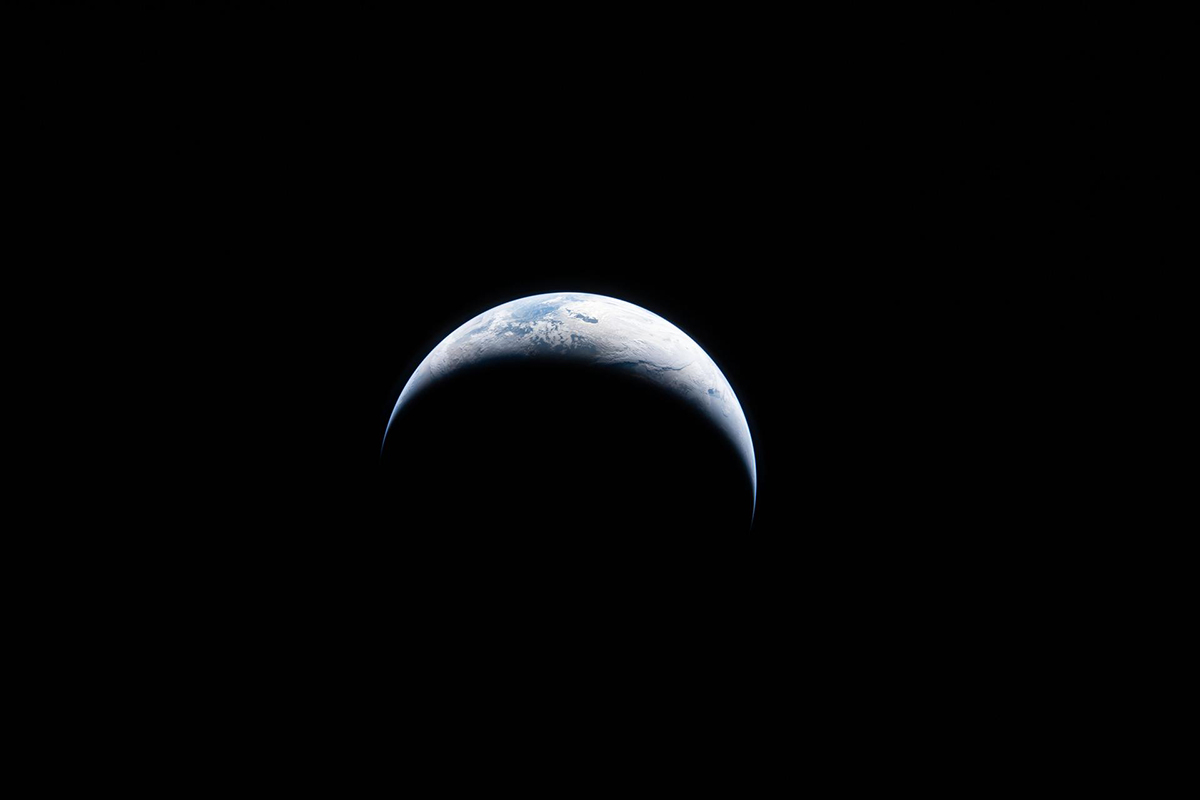
In the earliest photographs from the set, Earth still appeared large and familiar. Continents remained visible. Cloud systems curved across the oceans. Sunlight illuminated most of the visible disk. The planet still looked close.
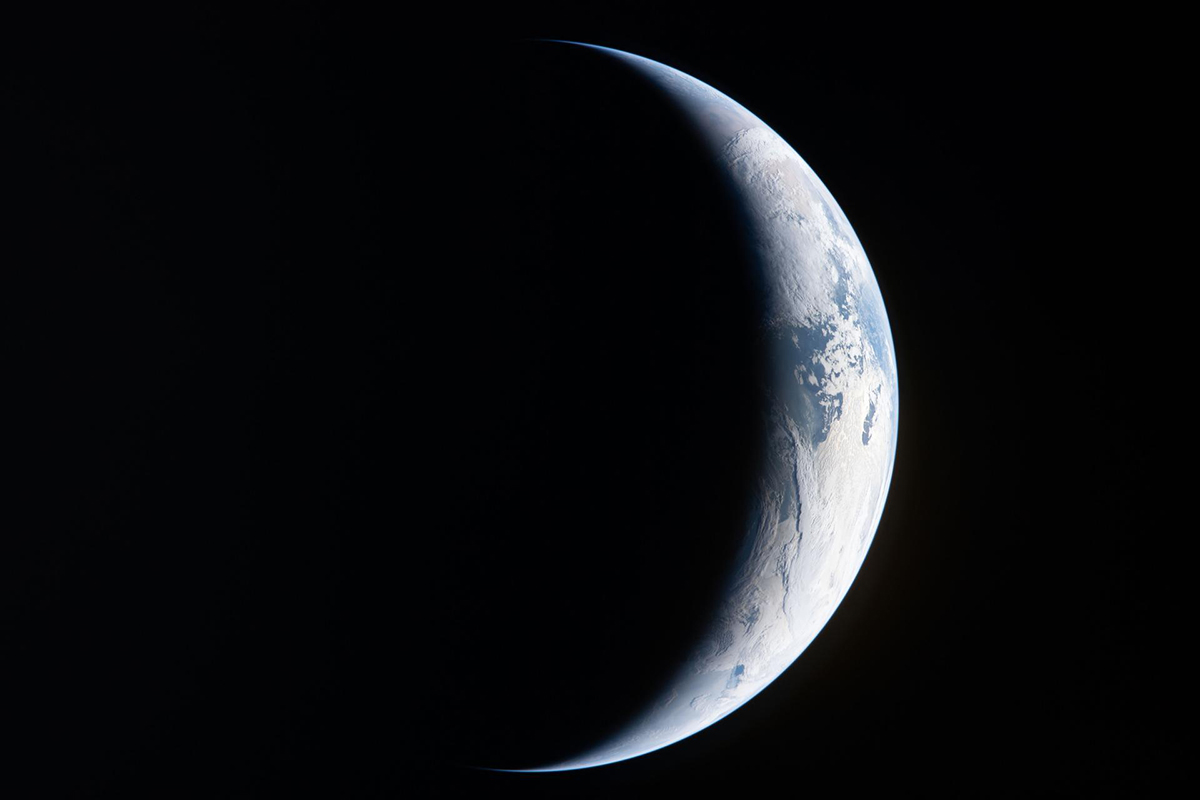
However, later images told a different story. Earth gradually became smaller against the black background of space. The bright disk began to resemble a distant world rather than a nearby home. That change happened faster than many viewers expected. Orion traveled tens of thousands of kilometers per hour, and the geometry between Earth, Moon, and spacecraft shifted constantly. Through these images, the public could follow that transition almost in real time.
The Moon appears ahead
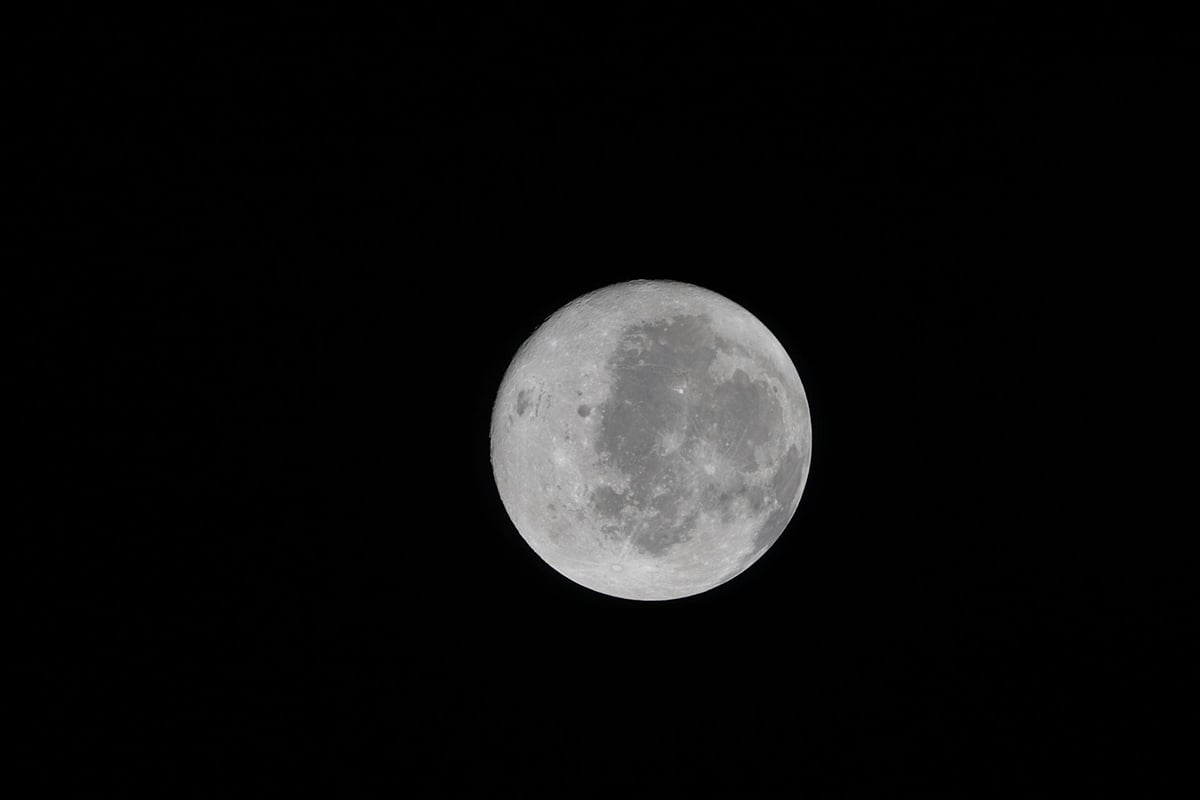
While Earth slowly receded behind the spacecraft, the Moon began to dominate the forward view. The April 4 image set included early approach photographs taken during this stage of the mission. These pictures showed the lunar surface growing steadily larger as Orion moved closer to its target.
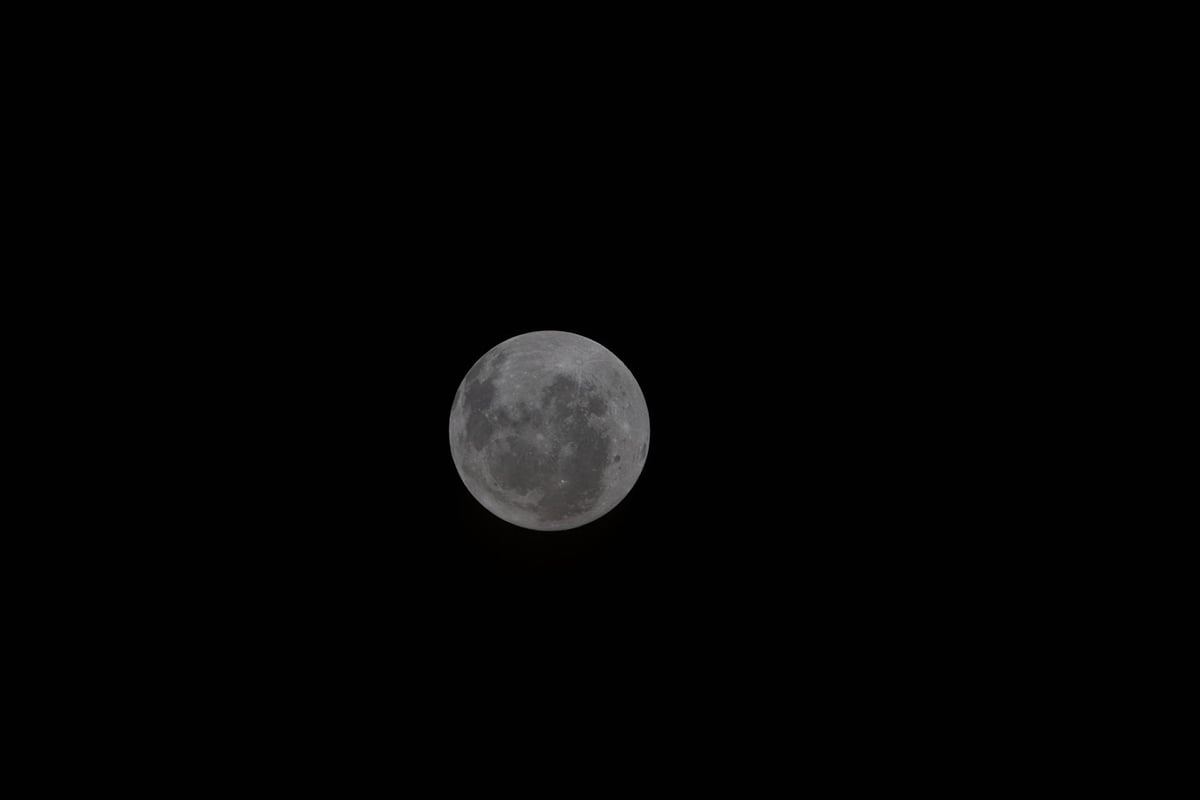
The viewing geometry keeps changing during the flight. Long shadows stretched across impact basins. The curvature of the lunar horizon became more obvious. Bright highlands contrasted with darker plains.
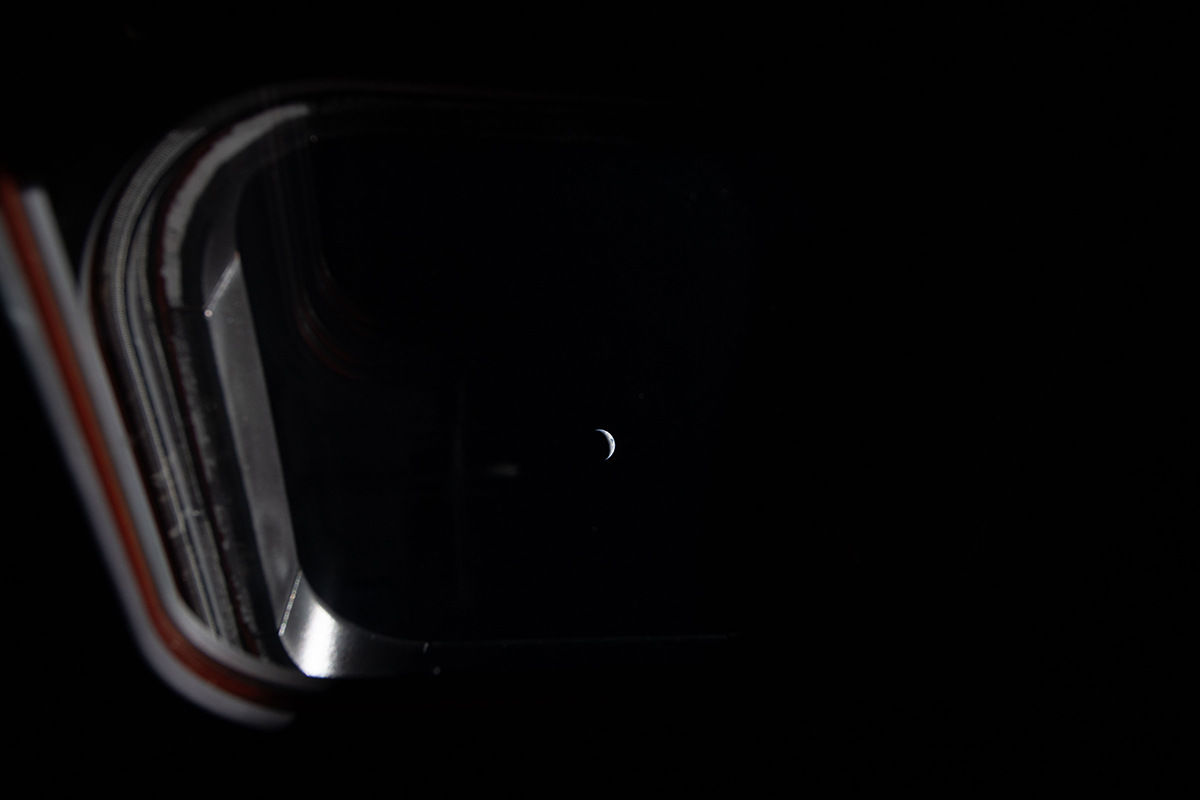
Crew members reported that they could already see the Moon through Orion’s docking hatch during the outbound phase of the journey. That observation confirmed that the spacecraft had entered a favorable orientation for direct viewing well before reaching the closest part of the flyby trajectory.
Further reading
Here at DIY Photography, we are tracking the Artemis II mission and all things photography from the mission. Here are some more related articles:
- NASA Chooses Sony as Official Camera on Artemis Lunar Missions
- NASA’s Artemis II Lifts Off for the Moon: Images of the Launch
- Artemis II Astronauts Capture Historic Earth Images from Space
Clear skies!
See more from DIYPhotography.net on Google
Add DIYPhotography.net as a trusted source. This makes
our stories more likely to appear in your Google Search results.
 Add as a preferred source on Google

Soumyadeep Mukherjee
Soumyadeep Mukherjee is an award-winning astrophotographer from India. He has a doctorate degree in Linguistics. His work extends to the sub-genres of nightscape, deep sky, solar, lunar and optical phenomenon photography. He is also a photography educator and has conducted numerous workshops. His works have appeared in over 40 books & magazines including Astronomy, BBC Sky at Night, Sky & Telescope among others, and in various websites including National Geographic, NASA, Forbes. He was the first Indian to win “Astronomy Photographer of the Year” award in a major category.


Join the Discussion
DIYP Comment Policy
Be nice, be on-topic, no personal information or flames.