





















NASA’s Artemis II Lifts Off for the Moon: Images of the Launch
Apr 2, 2026
Soumyadeep Mukherjee
Soumyadeep Mukherjee is an award-winning astrophotographer from India. He has a doctorate degree in Linguistics. His work extends to the sub-genres of nightscape, deep sky, solar, lunar and optical phenomenon photography. He is also a photography educator and has conducted numerous workshops. His works have appeared in over 40 books & magazines including Astronomy, BBC Sky at Night, Sky & Telescope among others, and in various websites including National Geographic, NASA, Forbes. He was the first Indian to win “Astronomy Photographer of the Year” award in a major category.
Share:

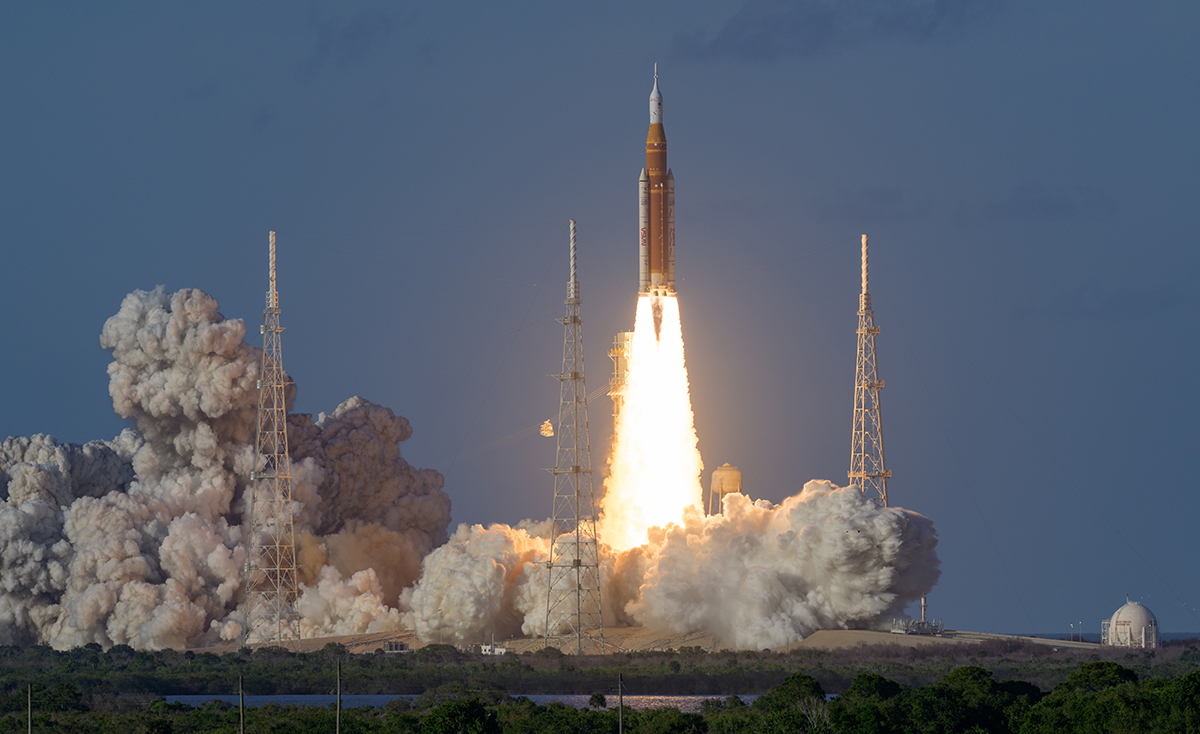
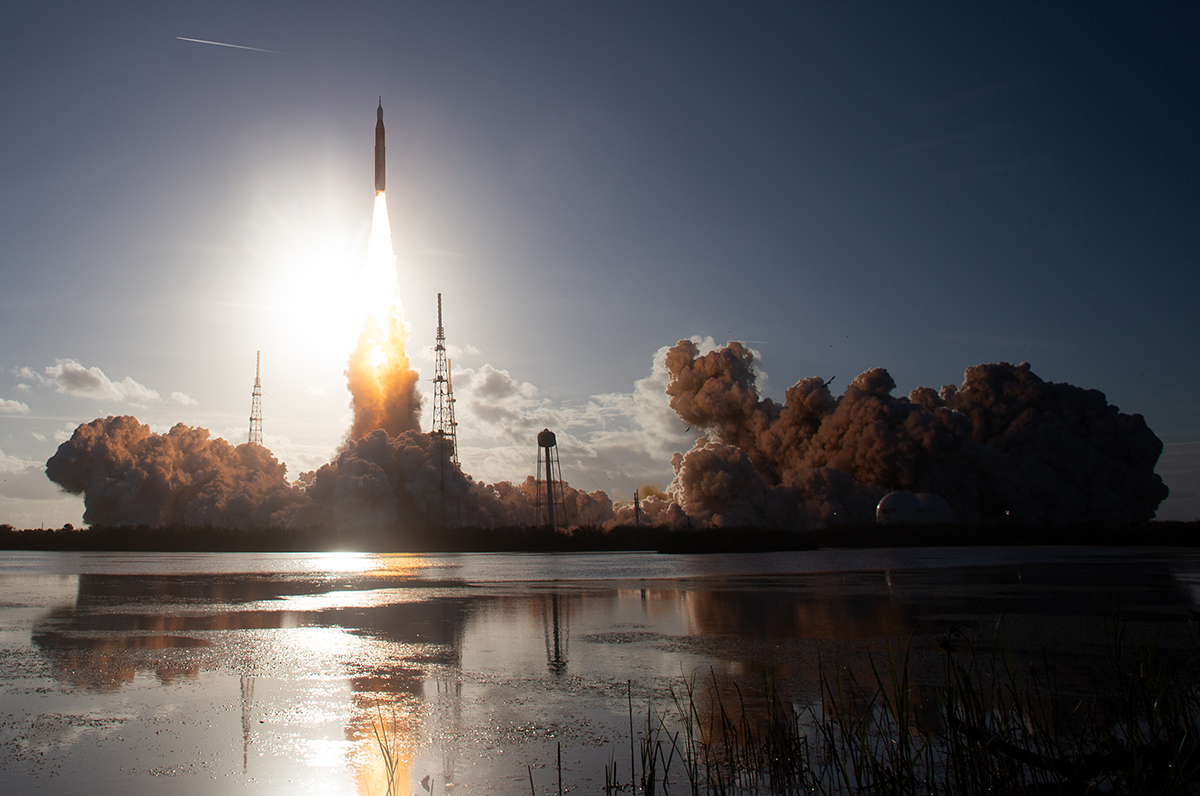
For the first time in more than fifty years, astronauts are again traveling beyond Earth orbit toward the Moon. NASA’s Artemis II mission marks a significant return to deep-space human exploration. With this flight, the Orion spacecraft carries a crew on a lunar trajectory for the first time. At the same time, the Space Launch System rocket shows its capability to support astronauts on missions far beyond low Earth orbit.
This mission follows the earlier Artemis I test flight, which carried no astronauts. Engineers used that flight to examine Orion’s performance in deep space. Now, Artemis II places astronauts inside the spacecraft and tests every major system during real operations. Artemis II does not include a landing attempt. It carries four astronauts around the Moon and safely back to Earth.
A historic return to deep‑space human flight
Soon after launch, Orion entered Earth orbit and began early system checks. Mission controllers confirmed spacecraft health while the crew monitored onboard displays and communications systems. Once these checks were complete, the upper stage performed the translunar injection burn. This maneuver placed Orion on a trajectory toward the Moon and marked the true beginning of the deep‑space portion of the mission.
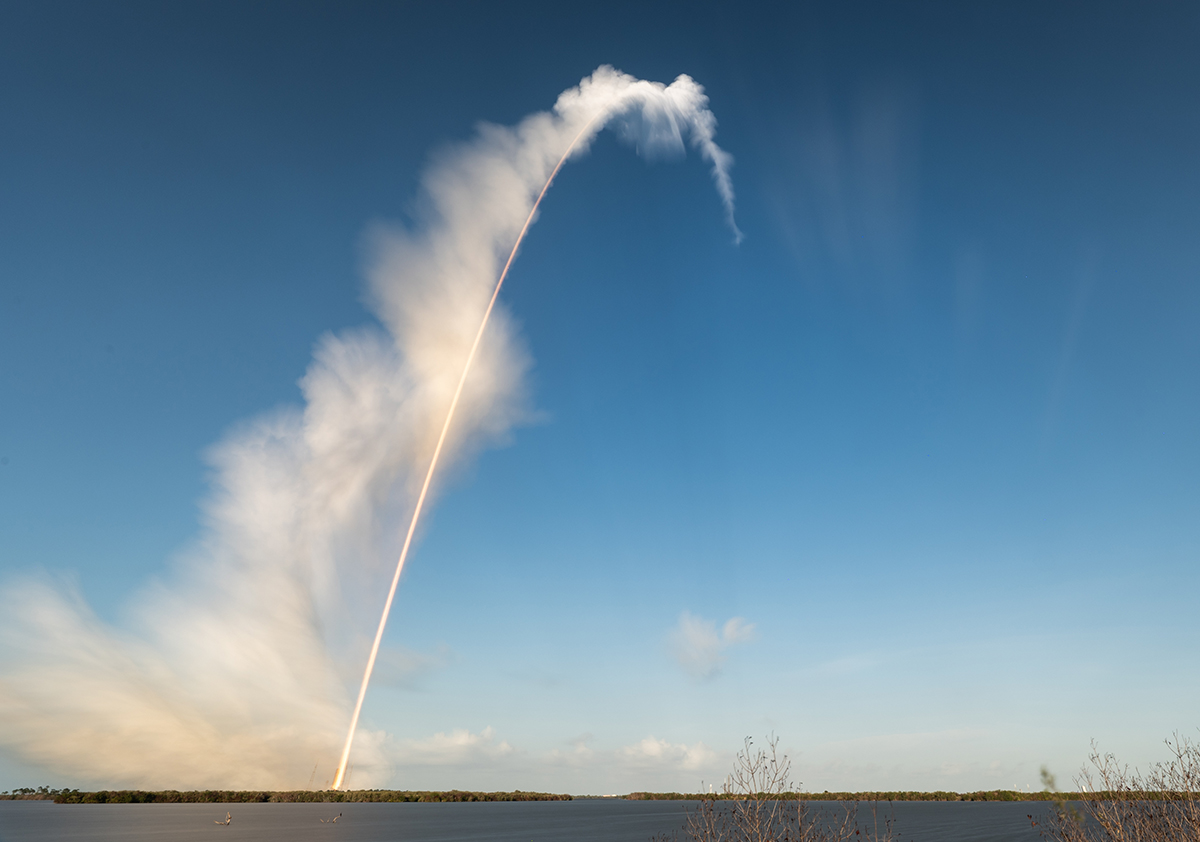
From that point onward, the spacecraft moved steadily away from Earth. As distance increased, communication delays became more noticeable, and mission teams began observing how spacecraft systems behaved far from Earth’s environment. These conditions cannot be reproduced fully in ground testing, so the mission provides essential operational experience.
The flight path carries Orion far beyond the far side of the Moon. At its most distant point, the spacecraft travels farther from Earth than any previous crewed spacecraft. Engineers selected this trajectory because it allows them to study the spacecraft.
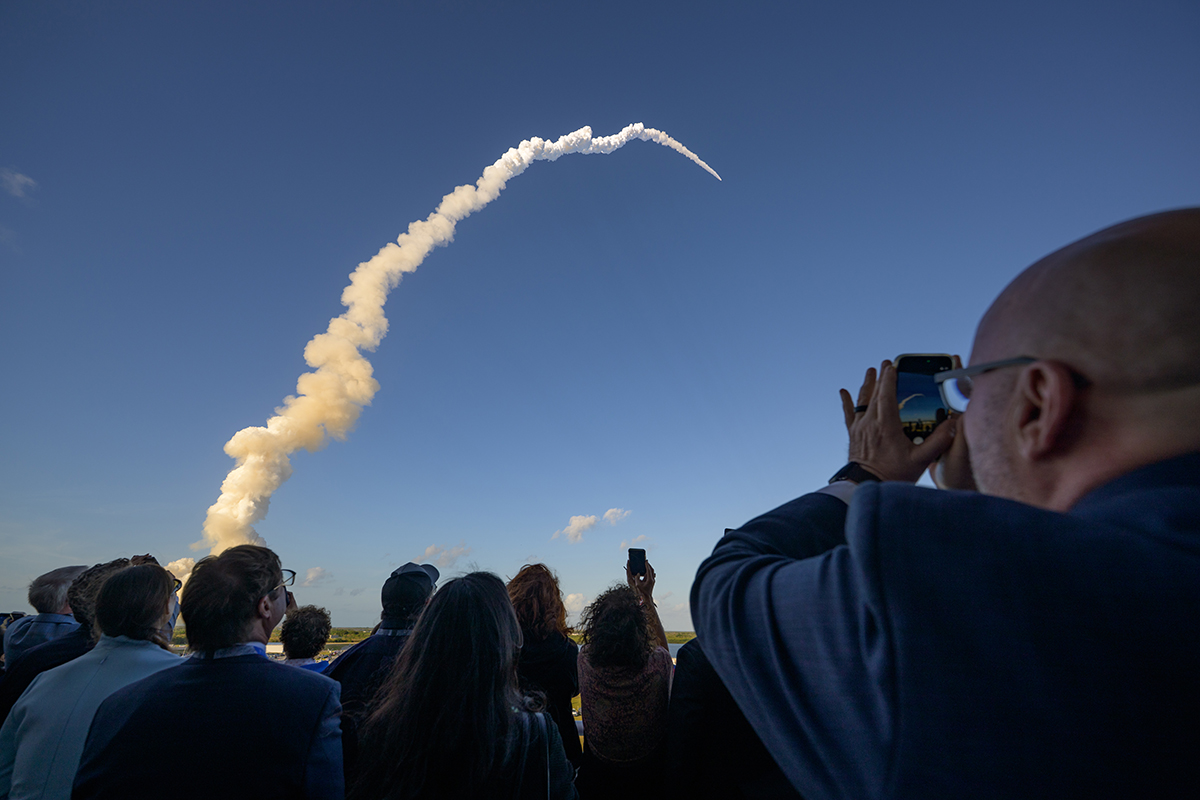
The crew carrying Orion around the moon
Four astronauts fly aboard Artemis II. Reid Wiseman commands the mission. He previously served aboard the International Space Station during Expedition 41 and later became NASA’s chief astronaut. During Artemis II, he leads crew activity and supports coordination between the spacecraft and mission control.
Victor Glover serves as the pilot. He earlier flew aboard the Crew‑1 mission to the space station and completed a long‑duration stay in orbit. On Artemis II, he supports spacecraft guidance operations and assists with navigation monitoring throughout the mission.
Christina Koch serves as the mission specialist. During her earlier space mission, she completed one of the longest single spaceflights by a woman. She also participated in the first all‑female spacewalk. On Artemis II, she supports spacecraft system testing during several phases of the flight.
Jeremy Hansen represents the Canadian Space Agency and serves as a mission specialist. He becomes the first Canadian astronaut assigned to a mission traveling toward the Moon. His participation reflects Canada’s long partnership with NASA in human spaceflight programs.
The space launch system
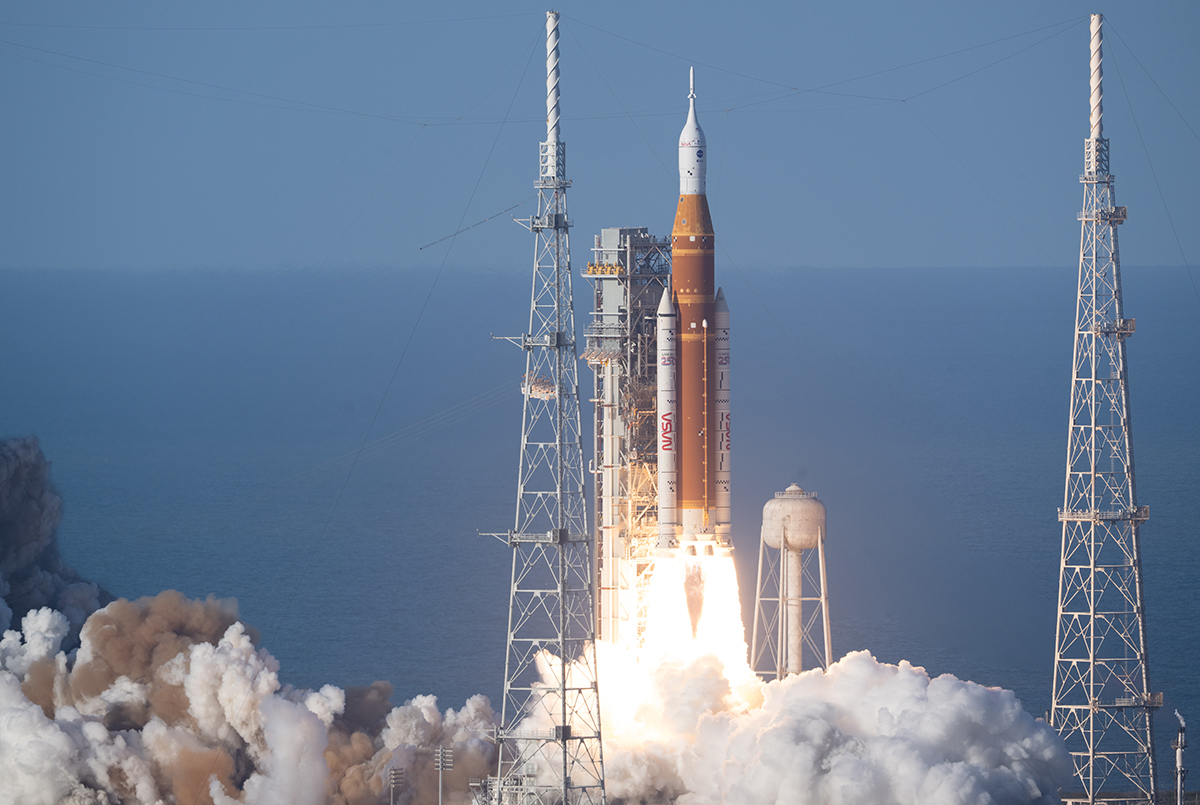
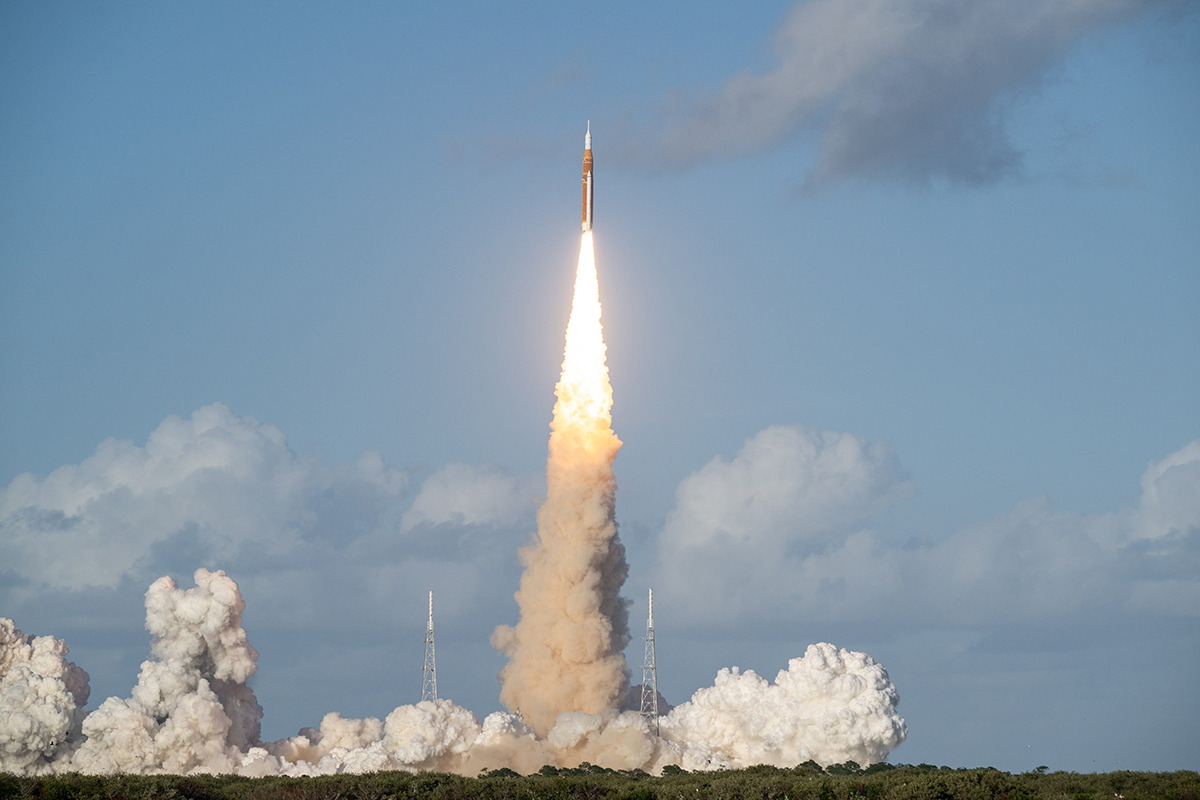
The Space Launch System rocket provides the power needed to send Orion toward the Moon. NASA developed this rocket specifically for missions beyond low Earth orbit. With Artemis II, the vehicle completes its first crewed flight.
Four RS‑25 engines power the rocket’s core stage. At the same time, two solid rocket boosters provide additional thrust during the early phase of ascent. Together, these systems lift Orion safely through the atmosphere and into space.
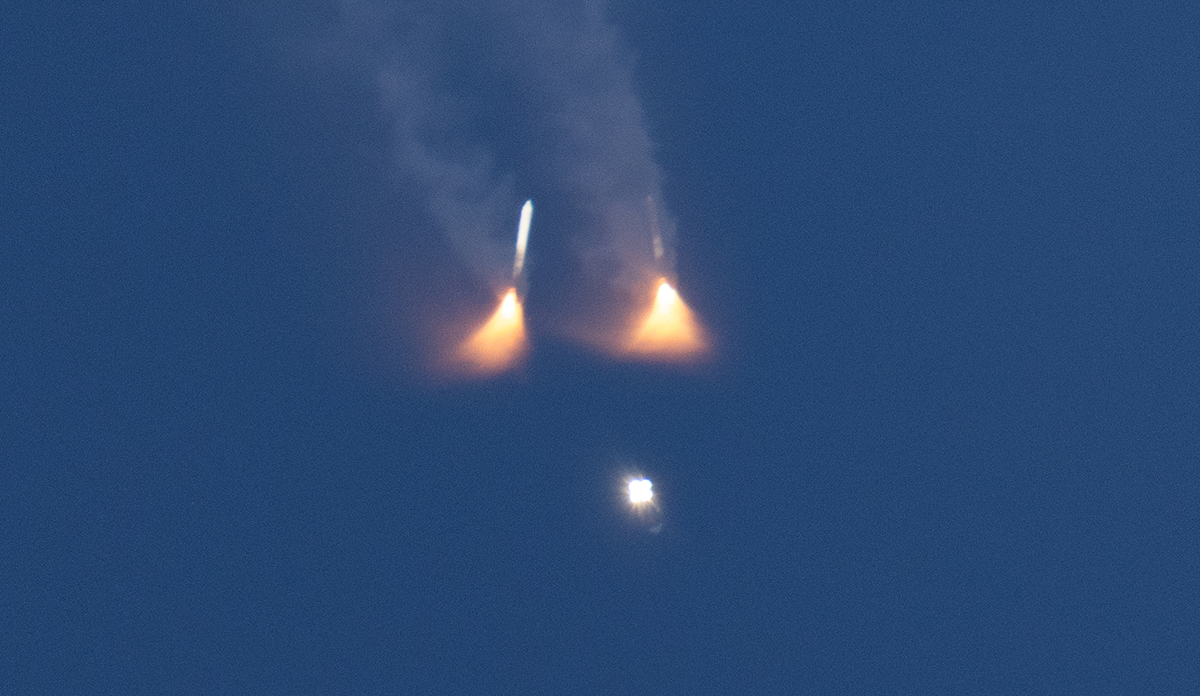
As the rocket climbs, the boosters separate once their fuel is exhausted. The core stage then continues firing until the spacecraft reaches its planned orbital path. After this phase ends, the upper stage prepares for the translunar injection burn.
This burn sends Orion away from Earth orbit and toward the Moon. Once the maneuver is complete, the spacecraft begins its independent journey through deep space.

A flight around the Moon and back to Earth
The Artemis II mission follows a planned trajectory that allows engineers to examine several spacecraft operations during a single flight.
Soon after launch, Orion separates from the rocket and deploys its solar arrays. Mission controllers then confirm spacecraft health while the crew continues onboard system checks. Once these steps are complete, the translunar injection burn sends Orion toward the Moon.
During the outbound journey, astronauts test spacecraft systems while traveling farther from Earth each hour. They verify communications links with mission control and observe spacecraft performance during extended deep‑space travel.
When Orion approaches the Moon, it performs a close lunar flyby. During this maneuver, the spacecraft passes behind the Moon before beginning its return toward Earth. This trajectory allows engineers to study navigation accuracy during a gravity‑assisted path through the lunar environment.
After the flyby, Orion begins its journey home. The spacecraft returns toward Earth at very high speed and prepares for atmospheric entry. During reentry, the heat shield protects the crew module as temperatures rise sharply around the spacecraft.
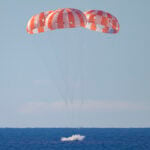
Parachutes deploy during the final descent phase and slow Orion before splashdown in the Pacific Ocean. Recovery teams then retrieve the astronauts and spacecraft, completing the mission.
Clear skies!
More from the Artemis II Mission
- NASA Chooses Sony as Official Camera on Artemis Lunar Missions
- NASA’s Artemis II Lifts Off for the Moon: Images of the Launch
- Artemis II Astronauts Capture Historic Earth Images from Space
- Crew Portraits with Earth, and Moon Photos from Artemis II
- Artemis II Completes Historic Lunar Flyby: New Images of the Moon
- Artemis II Lunar Close-Up Images: NASA’s Lunar Science Goals
- Earthset, Earthrise, and Eclipse: Photos from Artemis II Lunar Flyby
- Artemis II Begins Final Return to Earth After Historic Lunar Flyby
- To the Moon and Back: NASA’s Artemis II Returns Safely to Earth
- NASA Releases 12,000 Photos from Artemis II Mission: Top Picks
See more from DIYPhotography.net on Google
Add DIYPhotography.net as a trusted source. This makes
our stories more likely to appear in your Google Search results.
 Add as a preferred source on Google

Soumyadeep Mukherjee
Soumyadeep Mukherjee is an award-winning astrophotographer from India. He has a doctorate degree in Linguistics. His work extends to the sub-genres of nightscape, deep sky, solar, lunar and optical phenomenon photography. He is also a photography educator and has conducted numerous workshops. His works have appeared in over 40 books & magazines including Astronomy, BBC Sky at Night, Sky & Telescope among others, and in various websites including National Geographic, NASA, Forbes. He was the first Indian to win “Astronomy Photographer of the Year” award in a major category.
Join the Discussion
DIYP Comment Policy
Be nice, be on-topic, no personal information or flames.