

























Artemis II Begins Final Return to Earth After Historic Lunar Flyby
Apr 9, 2026
Soumyadeep Mukherjee
Soumyadeep Mukherjee is an award-winning astrophotographer from India. He has a doctorate degree in Linguistics. His work extends to the sub-genres of nightscape, deep sky, solar, lunar and optical phenomenon photography. He is also a photography educator and has conducted numerous workshops. His works have appeared in over 40 books & magazines including Astronomy, BBC Sky at Night, Sky & Telescope among others, and in various websites including National Geographic, NASA, Forbes. He was the first Indian to win “Astronomy Photographer of the Year” award in a major category.
Share:

NASA’s Artemis II mission has now entered its final operational phase. The Orion spacecraft is returning from its lunar flyby trajectory and is approaching the most demanding portion of the flight sequence. Engineers are closely monitoring navigation performance, spacecraft systems, and crew procedures as the vehicle prepares for atmospheric reentry at lunar-return velocity. This stage represents the first crewed validation of Orion’s deep-space return capability. The outcome will shape mission readiness for the upcoming Artemis III lunar landing attempt.
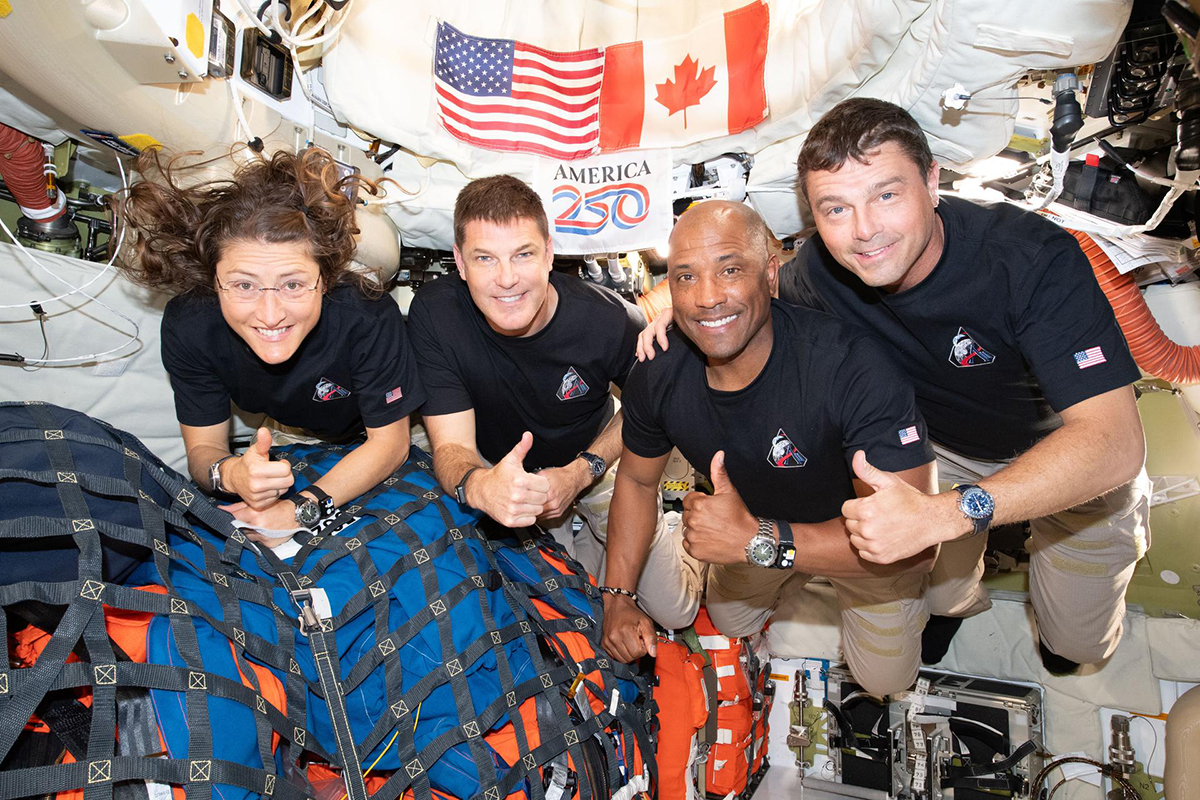
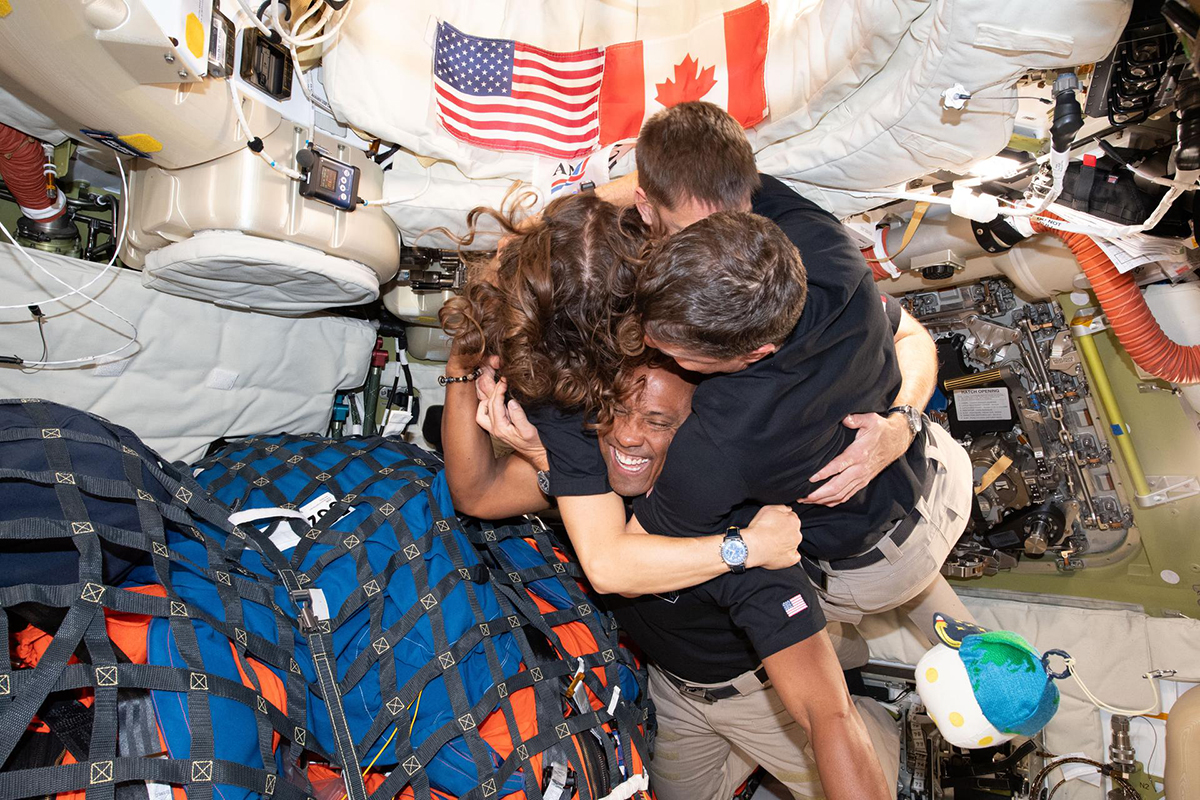
During the past several days, the four-astronaut crew traveled beyond low-Earth orbit for the first time in more than five decades. They executed a controlled lunar flyby and followed a free-return trajectory toward Earth. Now the spacecraft is approaching splashdown operations in the Pacific Ocean, where recovery teams are already in position.
A crewed deep-space flight after more than fifty years
Artemis II launched on April 1, 2026, from Kennedy Space Center aboard the Space Launch System rocket. The mission carried Commander Reid Wiseman, Pilot Victor Glover, Mission Specialist Christina Koch, and Mission Specialist Jeremy Hansen toward the Moon on a ten-day test flight designed to validate Orion under real deep-space conditions.
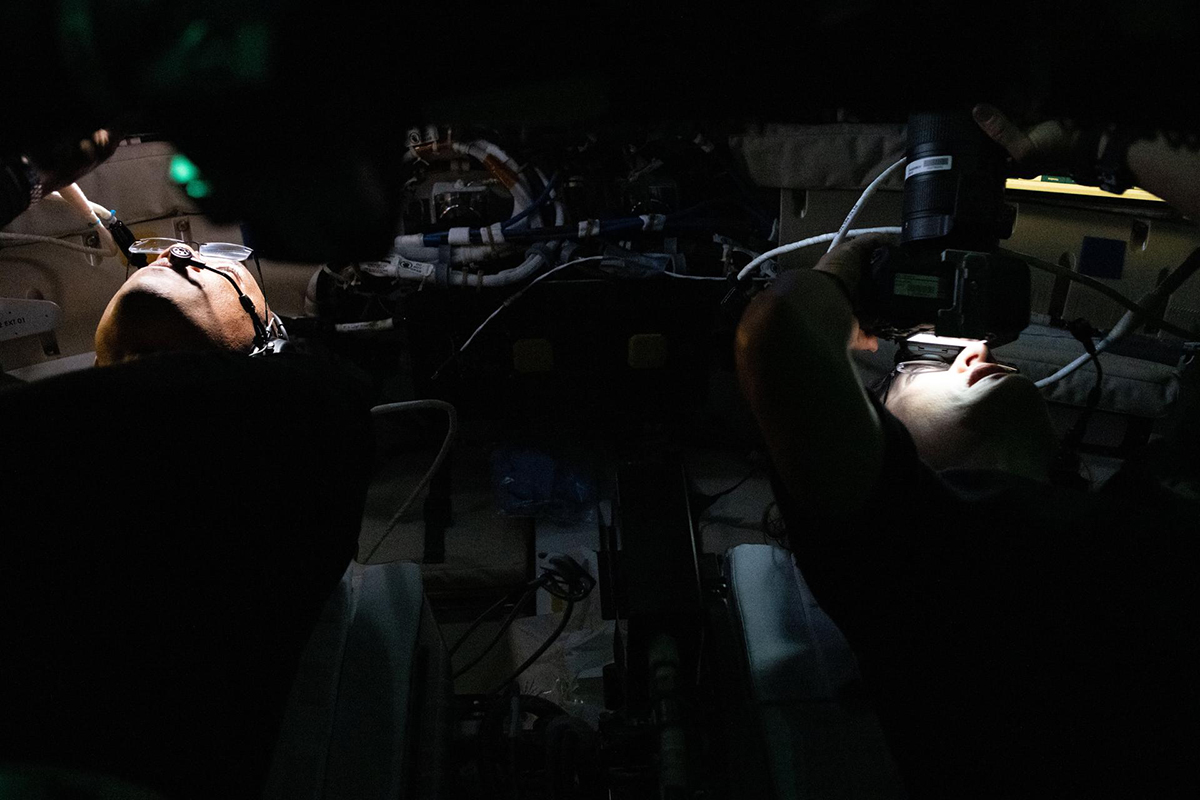
NASA designed this mission as the first crewed step of the Artemis campaign. Unlike Apollo landing missions, Artemis II followed a free-return lunar trajectory. The spacecraft did not enter lunar orbit. It used the Moon’s gravity to bend its path naturally back toward Earth.
This trajectory reduced mission risk while still allowing engineers to evaluate spacecraft performance at lunar distance. At the same time, astronauts tested life-support systems, communications links, navigation capability, and manual spacecraft control during extended operations beyond low-Earth orbit.
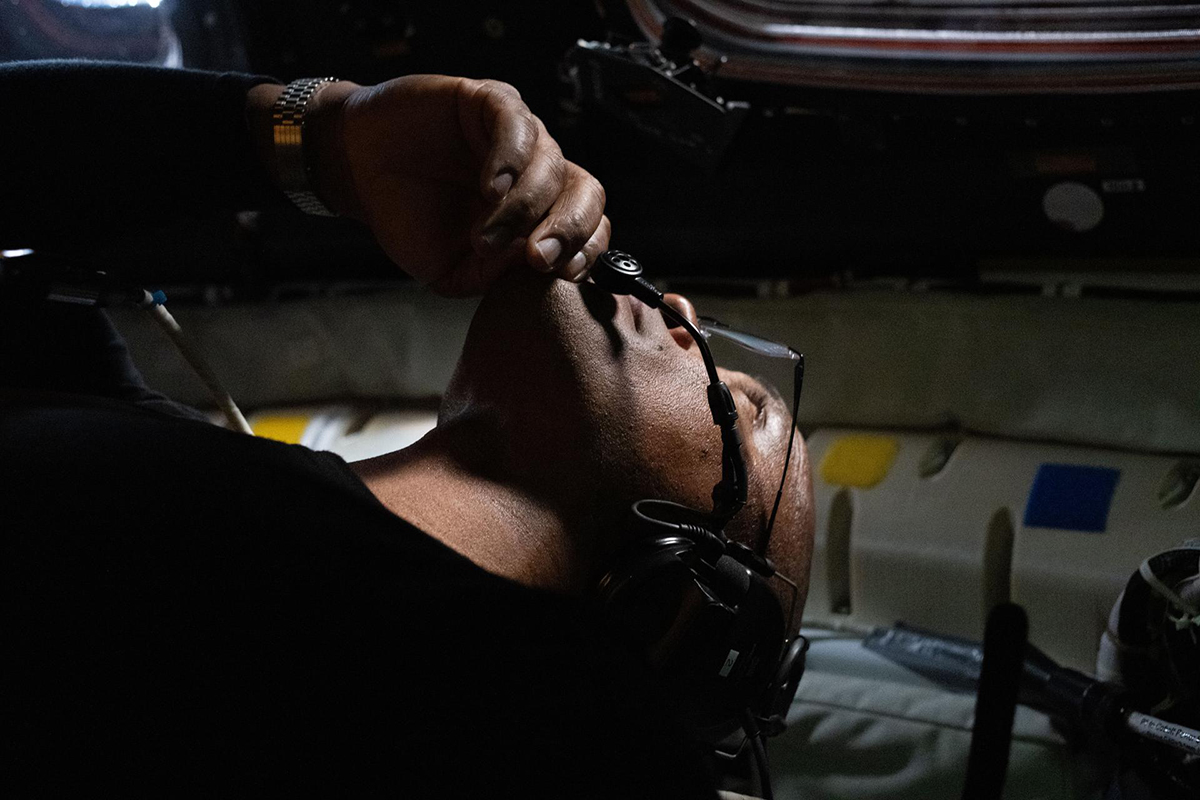
Record distance confirming deep-space capability
The most important milestone of the outbound mission occurred during the lunar flyby on April 6. Orion traveled more than 400,000 kilometres from Earth, setting a new record for the greatest distance reached by humans during spaceflight.
Shortly afterward, the spacecraft moved behind the Moon relative to Earth. Communication stopped for approximately forty minutes as expected. This temporary loss of signal allowed engineers to confirm that onboard systems remained stable without continuous ground contact.
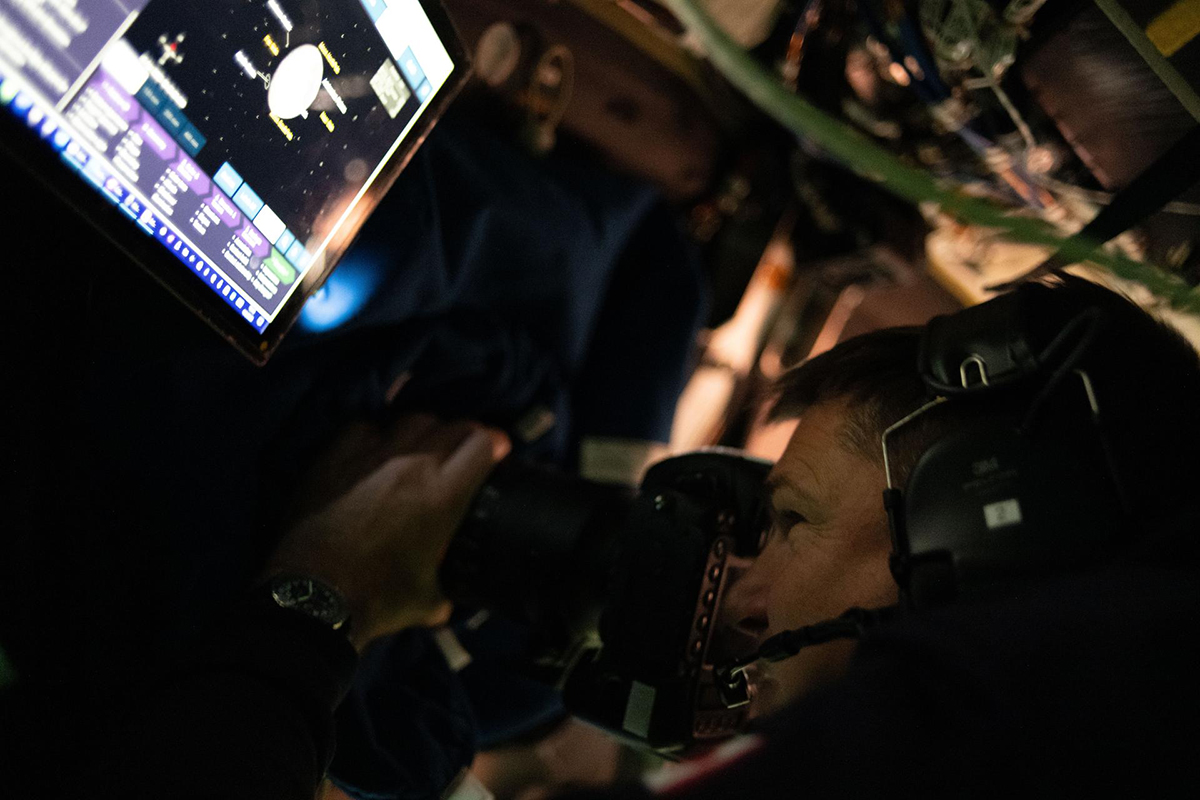
During this phase, astronauts observed the lunar far side from close range. They also documented surface features that will support planning for future Artemis landing operations. After emerging from behind the Moon, Orion resumed communication with mission control and began its return trajectory toward Earth.
This sequence confirmed that Orion can maintain stable operations during long-distance navigation beyond Earth orbit. That capability represents a major requirement for sustained human exploration near the Moon.
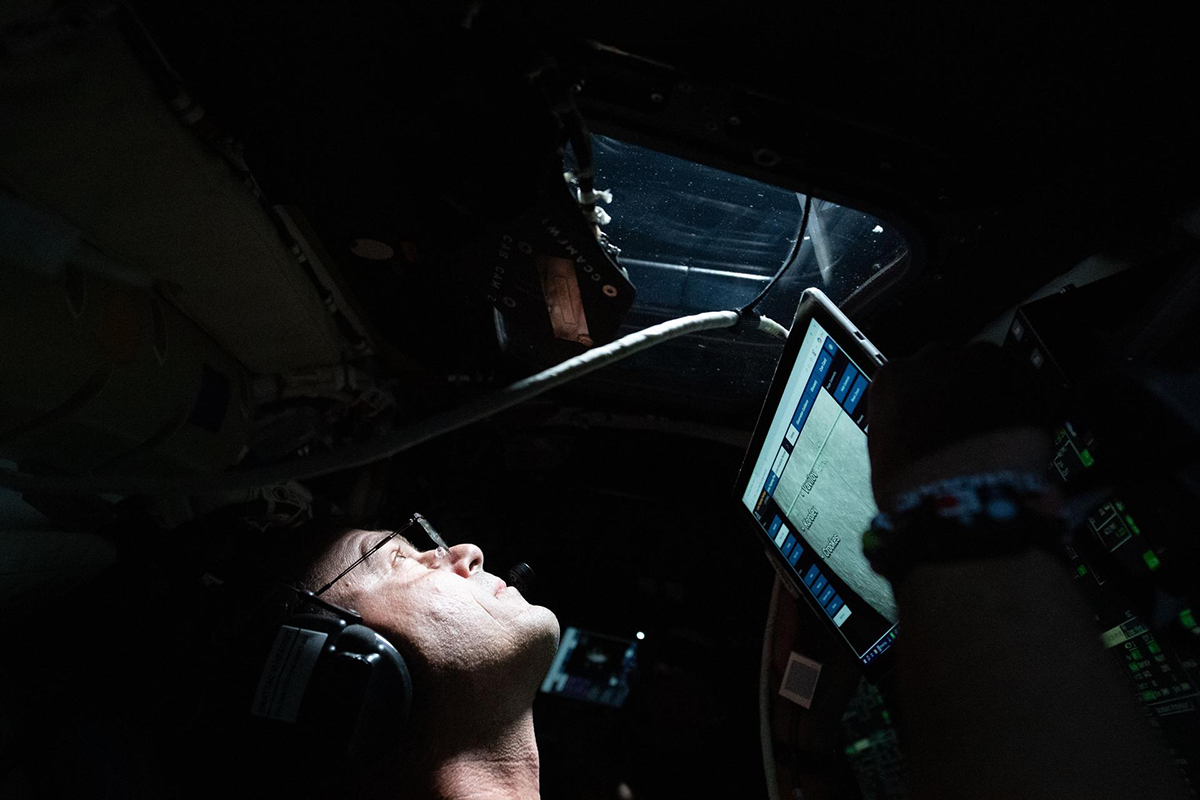
Transition to the return phase of the mission
After completing the flyby sequence, the spacecraft entered the return segment of the free-return trajectory. Since then, mission operations have shifted toward descent preparation and navigation verification.
Astronauts secured loose equipment inside the crew cabin and confirmed configuration settings required for reentry. Meanwhile, flight controllers evaluated trajectory alignment and spacecraft orientation as Orion continued its approach toward Earth.
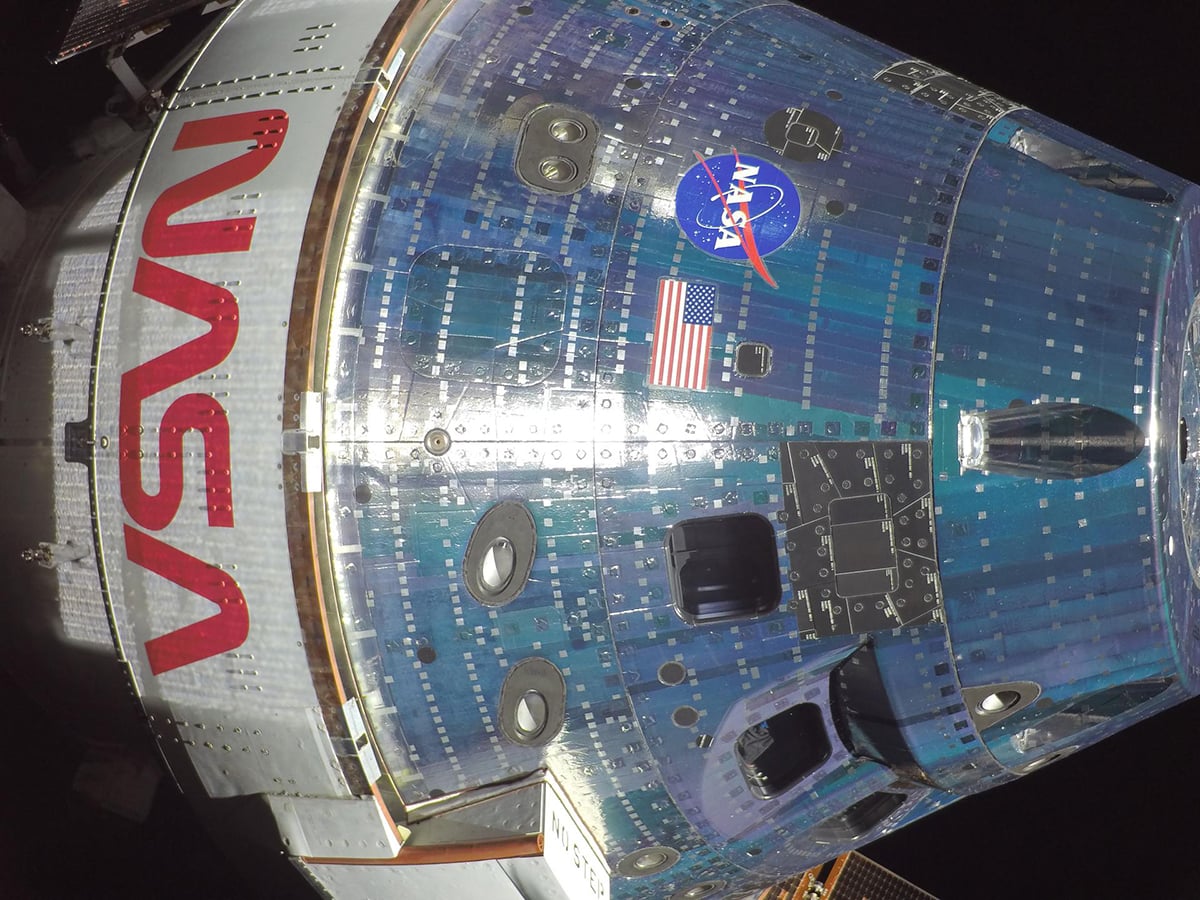
This phase allows engineers to confirm that spacecraft guidance systems remain accurate across the entire mission profile. Even small adjustments during this period provide valuable information for future Artemis flights.
Although the lunar encounter represented the most visible milestone of the mission, the return sequence provides the most important engineering validation.
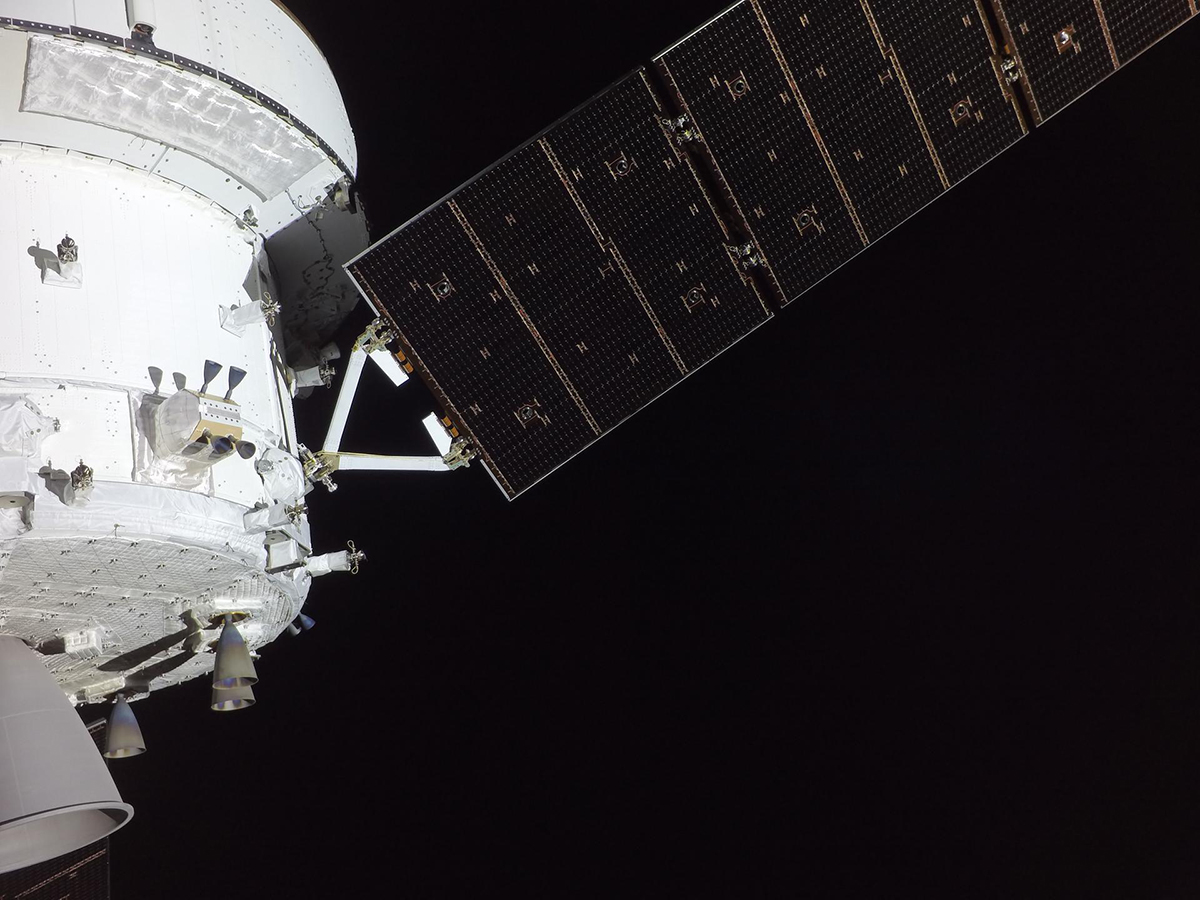
Preparing for high-velocity atmospheric entry
The next major event in the mission timeline is atmospheric reentry. Orion will enter Earth’s atmosphere at approximately 40,000 kilometres per hour. This velocity generates intense aerodynamic heating around the spacecraft structure.
The Orion heat shield must absorb and dissipate this thermal load while maintaining safe cabin conditions for the crew. Engineers tested the heat shield during the uncrewed Artemis I mission. Artemis II now provides the first opportunity to confirm performance during a crewed return from lunar distance.
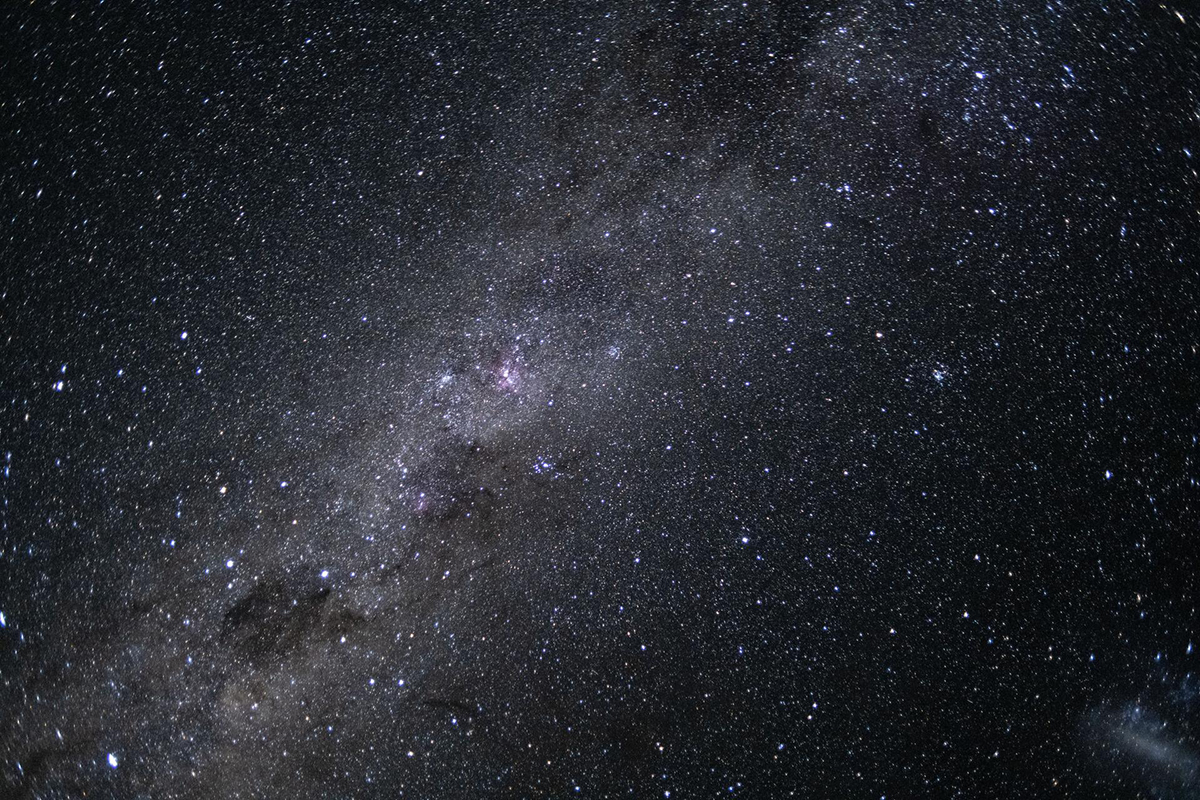
Navigation accuracy remains equally important during this phase. The spacecraft must approach Earth along a narrow entry corridor. A shallow angle could cause the spacecraft to skip off the atmosphere. A steep angle could increase thermal and structural stress.
Mission controllers continue to monitor entry alignment carefully as Orion approaches the upper atmosphere. Following peak heating, Orion will deploy a sequence of drogue and main parachutes. These parachutes will gradually reduce descent speed before splashdown in the Pacific Ocean off the California coast. Recovery operations will begin immediately after landing.
More from the Artemis II Mission
- NASA Chooses Sony as Official Camera on Artemis Lunar Missions
- NASA’s Artemis II Lifts Off for the Moon: Images of the Launch
- Artemis II Astronauts Capture Historic Earth Images from Space
- Crew Portraits with Earth, and Moon Photos from Artemis II
- Artemis II Completes Historic Lunar Flyby: New Images of the Moon
- Artemis II Lunar Close-Up Images: NASA’s Lunar Science Goals
- Earthset, Earthrise, and Eclipse: Photos from Artemis II Lunar Flyby
- Artemis II Begins Final Return to Earth After Historic Lunar Flyby
- To the Moon and Back: NASA’s Artemis II Returns Safely to Earth
- NASA Releases 12,000 Photos from Artemis II Mission: Top Picks
Clear skies!
See more from DIYPhotography.net on Google
Add DIYPhotography.net as a trusted source. This makes
our stories more likely to appear in your Google Search results.
 Add as a preferred source on Google

Soumyadeep Mukherjee
Soumyadeep Mukherjee is an award-winning astrophotographer from India. He has a doctorate degree in Linguistics. His work extends to the sub-genres of nightscape, deep sky, solar, lunar and optical phenomenon photography. He is also a photography educator and has conducted numerous workshops. His works have appeared in over 40 books & magazines including Astronomy, BBC Sky at Night, Sky & Telescope among others, and in various websites including National Geographic, NASA, Forbes. He was the first Indian to win “Astronomy Photographer of the Year” award in a major category.


Join the Discussion
DIYP Comment Policy
Be nice, be on-topic, no personal information or flames.