


















Why Do Photographers Lose Photos? This Study Wants to Learn, and Your Experience Counts
Apr 2, 2026
Dunja Đuđić Kalinin
Dunja Djudjic is a multi-talented artist based in Novi Sad, Serbia. With 15 years of experience as a photographer, she specializes in capturing the beauty of nature, travel, concerts, and fine art. In addition to her photography, Dunja also expresses her creativity through writing, embroidery, and jewelry making.
Share:
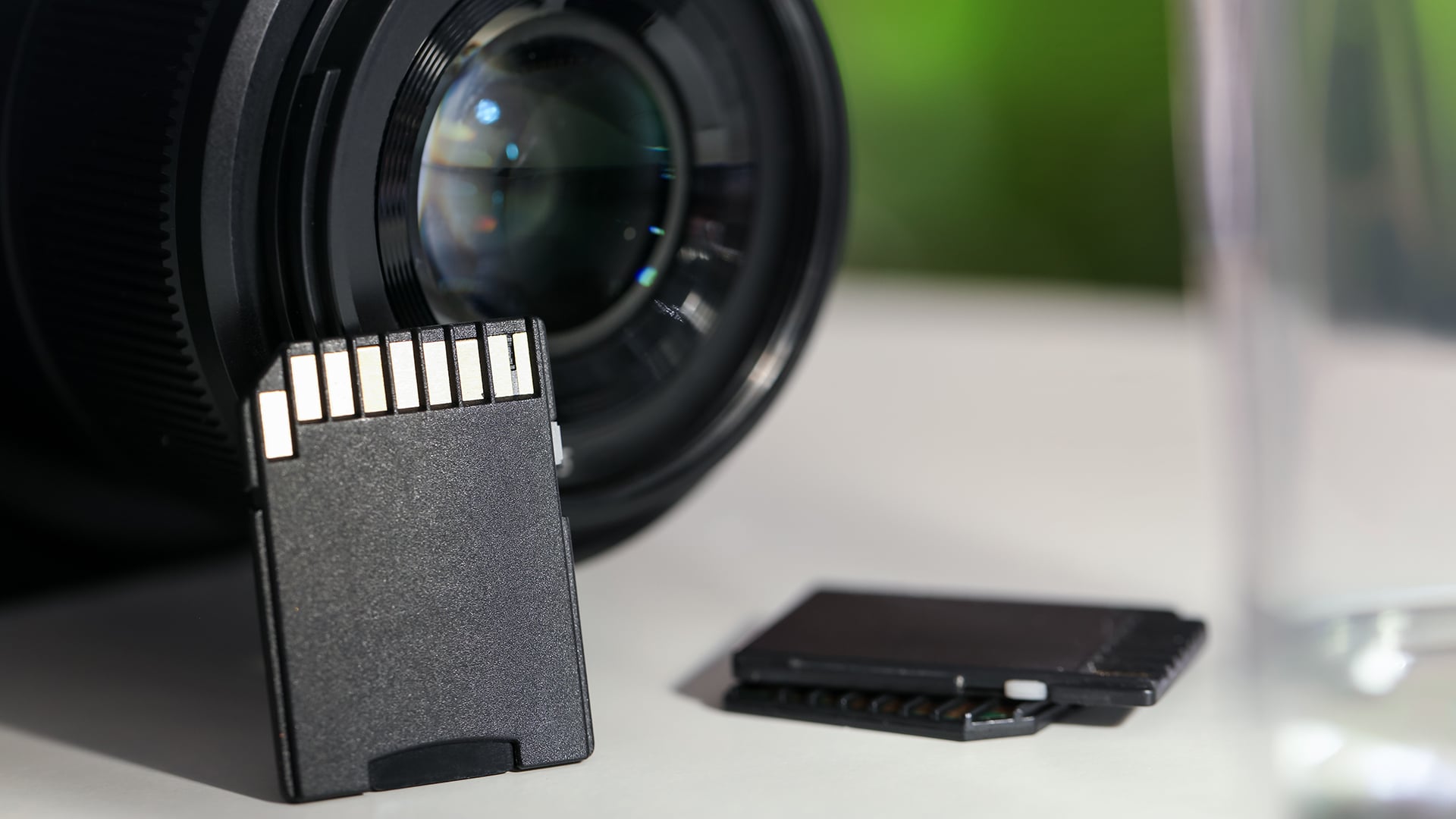
You’ve heard the warnings: retire your cards after X shots, always use mirror mode, run recovery software if disaster strikes… It’s all solid advice, but we don’t actually know why photographers lose photos. None of this advice is backed by data, but there is now ongoing research with a survey to discover the reasons why we lose photos — your experience is the data. Your data counts.
Michel Assenheimer is an independent researcher with a decade of reliability engineering experience. He’s setting out to answer the question of losing data with the first rigorous, community-sourced study of how and why photographers actually lose images in the field.
We all have a friend who had a corrupted card that wiped an entire day of shooting (or maybe you’re that friend). Some of us accidentally formatted a memory card before transferring the photos to the computer (don’t ask). All of these stories are real, and they’re useful cautionary tales, but they’re not data. They’re not useless, of course: we hear about failures and make sure to be more careful with our photos and the gear we use to store them. However, there’s a gap in the data that isn’t purely anecdotal.
Michel’s study wants to fill this gap, and it deliberately collects answers from both groups. If you’ve experienced data loss, your story matters. If you haven’t, your working cards matter equally. Without responses from photographers who’ve never failed, the findings would skew toward failure and give a false picture of actual risk.
What Does the Research Measure?
Michel has created a survey that identifies ten distinct failure causes, each requiring different solutions. “A card wiped by accidental format is a fundamentally different event from a card that got physically damaged,” he tells DIYP, “which is different again from a card that silently corrupted data with no error message.” He adds that “treating them as a single category leads to the wrong solutions.”
Two central questions drive the research. First: how effective is mirror mode (writing simultaneously to two cards) at preventing permanent photo loss? Second: Does failure risk accumulate with use? Is a card that’s shot 200,000 frames meaningfully more likely to fail than one with 20,000 shots? If the data shows failures happen randomly regardless of shot count, that would reshape how we think about card retirement entirely.
The research will also measure real-world recovery software success rates, cost-effectiveness of dual-card protection, and whether conventional wisdom holds up against actual photographer experience.
The Survey
As I mentioned, you can participate in the survey, and I strongly encourage you to do so. I guarantee that it takes less than two minutes; I filled it myself. The questions are straightforward, and it is fully anonymous. High-volume photographers like wildlife, sport, or wedding will likely provide the most valuable input. But don’t let it discourage you – all experience levels are welcome to participate.
Why Is this Important to Photographers?
The findings could change how we actually manage our workflows. Accidental format may turn out to be a more common cause of loss than card wear. Maybe mirror mode prevents far fewer failures than assumed. Recovery software may be more effective than we realize, or less. Or maybe retiring cards based on shot count makes no sense at all.
On the other hand, perhaps the conventional wisdom will hold. The point is we’ll finally know, for sure, based on real community data, not anecdotes and hope.
Michel will publish full findings once he collects and processes your responses, and we’ll hopefully get to share them in a follow-up article that will include concrete best practice recommendations.
So, go ahead and take the survey, I can’t wait to see the results!
See more from DIYPhotography.net on Google
Add DIYPhotography.net as a trusted source. This makes
our stories more likely to appear in your Google Search results.
 Add as a preferred source on Google

Dunja Đuđić Kalinin
Dunja Djudjic is a multi-talented artist based in Novi Sad, Serbia. With 15 years of experience as a photographer, she specializes in capturing the beauty of nature, travel, concerts, and fine art. In addition to her photography, Dunja also expresses her creativity through writing, embroidery, and jewelry making.
Related Posts
 DJI wants people to learn how to fly so they opened a drone school
 75% of photographers said to lose all jobs due to COVID-19
 11 Lessons Photographers Can Learn From Cindy Crawford’s Favorite Photographers
 Video Clip Explores Age Old Conundrum Of Photographers–Do We Really Only Experience Present Time As An Anticipated Memory?
Join the Discussion
DIYP Comment Policy
Be nice, be on-topic, no personal information or flames.