

























Tips for Black and White Photography: How to Master Monochrome
Nov 12, 2025
Alysa Gavilan
Alysa Gavilan has spent years exploring photography through photojournalism and street scenes. She enjoys working with both film and mirrorless cameras, and her fascination with the craft has grown over the decades. Inspired by Vivian Maier, she is drawn to capturing everyday moments that often go unnoticed.
Share:

There’s something timeless about black and white photography. Even in an era of high-resolution color sensors, vivid HDR, and relentlessly saturated social feeds, photographers keep coming back to monochrome for its simplicity and emotional punch – and a few good tips for black and white photography go a long way toward capturing it.
Strip away color and the image starts speaking in contrast, shape, and texture, often revealing a story you’d have missed in full color. But shooting good monochrome isn’t just hitting a desaturate button; it’s a different way of seeing. Below are the techniques that’ll take your work from flat grey conversions to images with real weight.
What Is Black and White Photography?
Black and white photography, at its core, is the art of capturing images without color, relying on the interplay of light, shadow, contrast, and texture.
Historically, it began as the standard before color film became widely available, but its aesthetic value has endured. Modern digital cameras often allow you to shoot in color and convert later, but dedicated monochrome shooters choose black and white to emphasize certain compositional and emotional elements in a scene.
The magic of black and white lies in its ability to simplify an image. Without color competing for attention, you focus on shapes, patterns, lines, and the subtle gradations of light and shadow. Your attention shifts to texture, the curve of a jawline, the weathered grain of wood, or the dramatic ripple of clouds. You begin to see an image not just as a representation of reality but as a visual narrative shaped by contrast and tone.
Photographers like Ansel Adams, Dorothea Lange, and Henri Cartier-Bresson have long celebrated black and white for its storytelling potential. Today, digital tools make achieving a similar impact easier, with control over exposure, contrast, and tonality allowing photographers to push monochrome beyond classic film aesthetics into entirely new realms.
Best Uses of Monochrome Photography
Black and white is particularly effective in scenarios where color might distract from the subject or mood. You can use it to create striking portraits where expressions and emotions dominate the frame. Imagine the wrinkles on an old person’s face, the intensity in someone’s eyes, or the fleeting gesture of a hand. In color, those details might compete with hair, clothing, or background hues. In monochrome, every shadow and highlight tells part of the story.
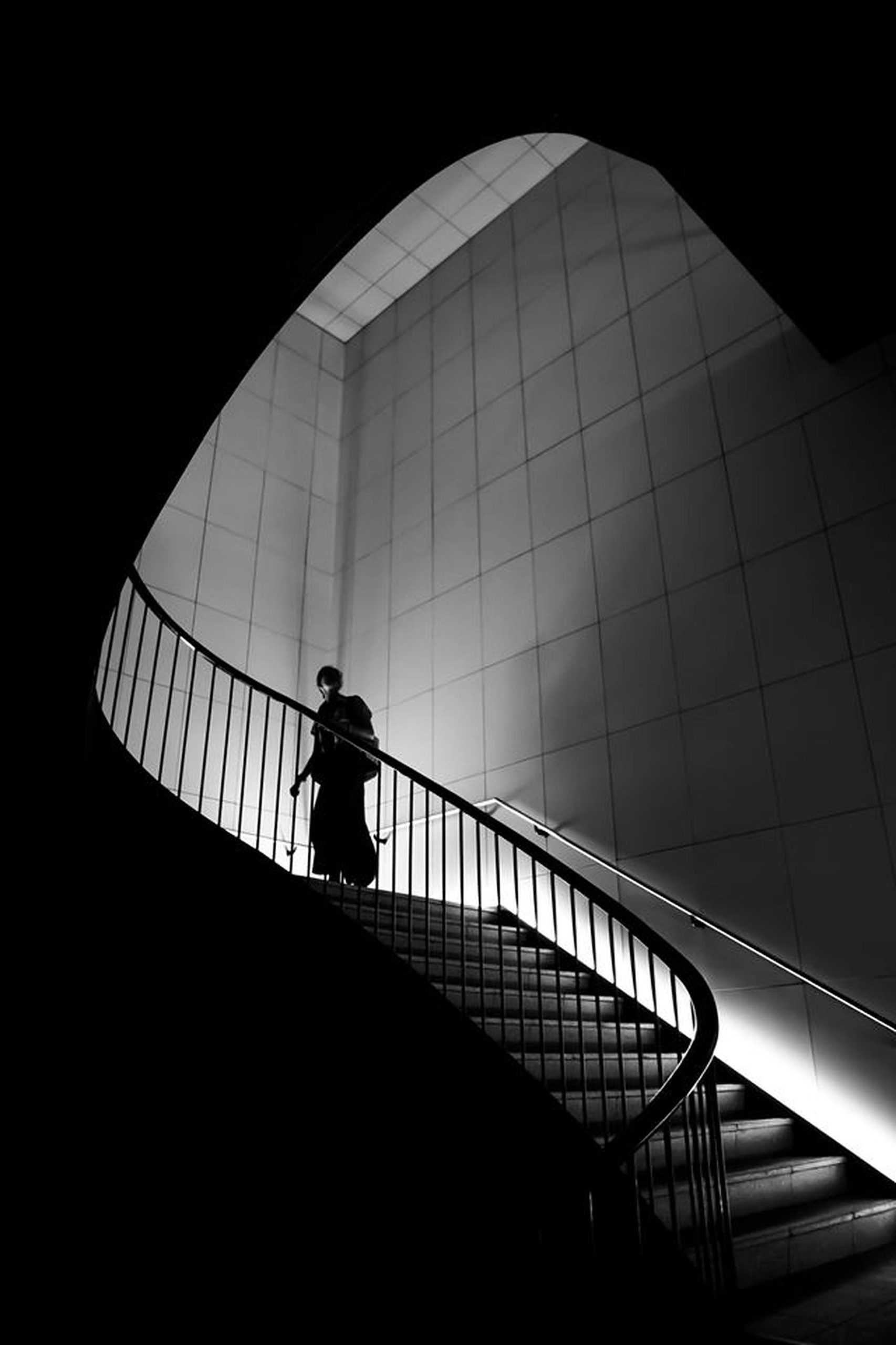
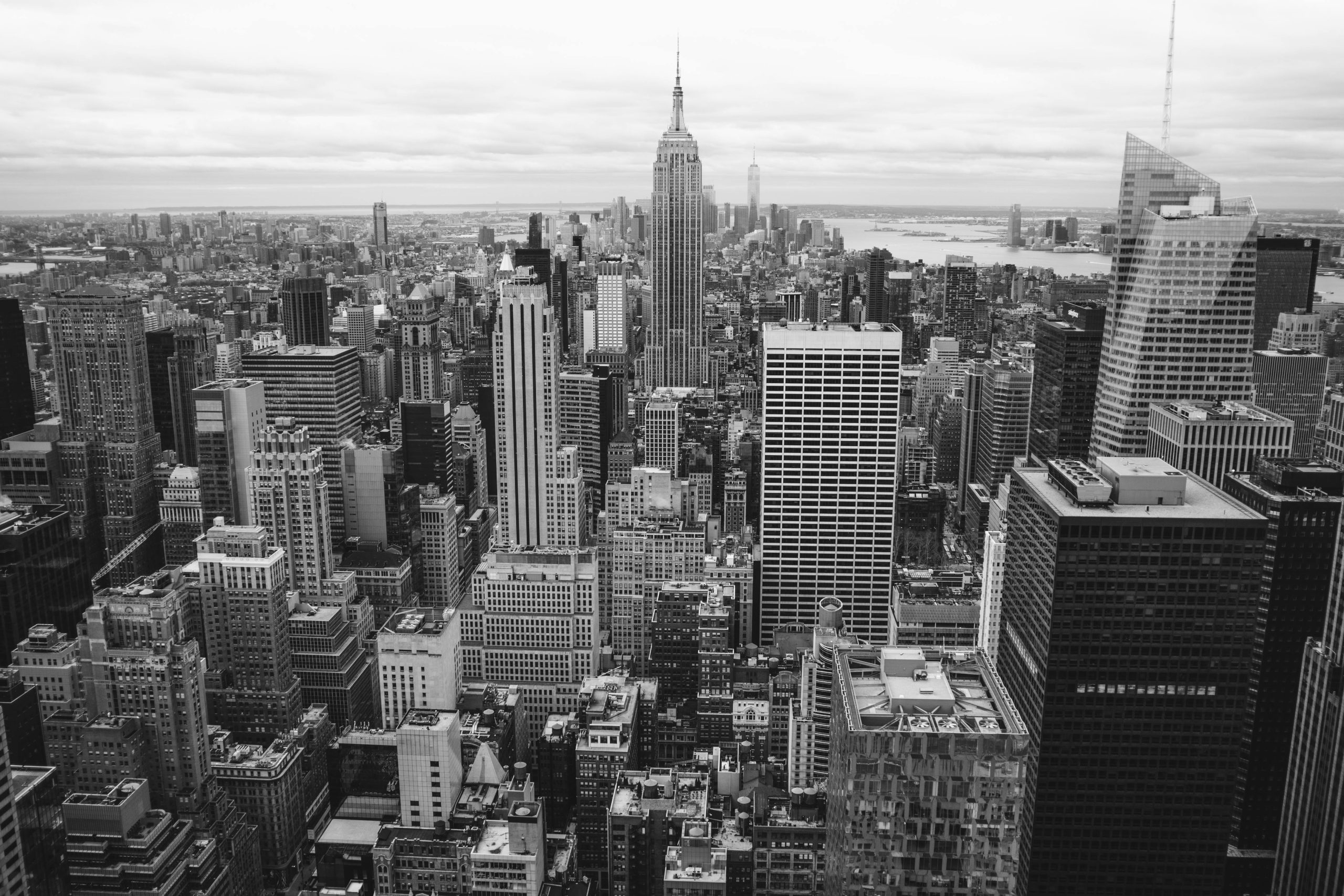
Street photography is another area where black and white excels. Urban environments are often chaotic, full of neon signs, graffiti, and busy pedestrians. By stripping color away, you allow the human moment, movement, or architectural line to take center stage. The photograph becomes about light, timing, and composition, highlighting the narrative over the noise.
Landscape photography benefits from monochrome as well. Dramatic skies, rugged mountains, or misty forests can gain a sculptural quality in black and white. You focus on texture, form, and contrast, like the interplay of dark and light areas, rather than trying to capture every hue. Even modern architectural photography thrives in monochrome, emphasizing geometry, repetition, and light in ways color often softens.
Black and white can also enhance storytelling in documentary or journalistic work. Historical events, social commentary, and emotional human moments can gain weight and gravitas when stripped of color. It can feel timeless which allows viewers to focus on universal themes rather than temporary trends in fashion or environment.
Tips When Doing Black and White Photography
If you want to embrace monochrome in your own work, there are a few techniques to keep in mind.
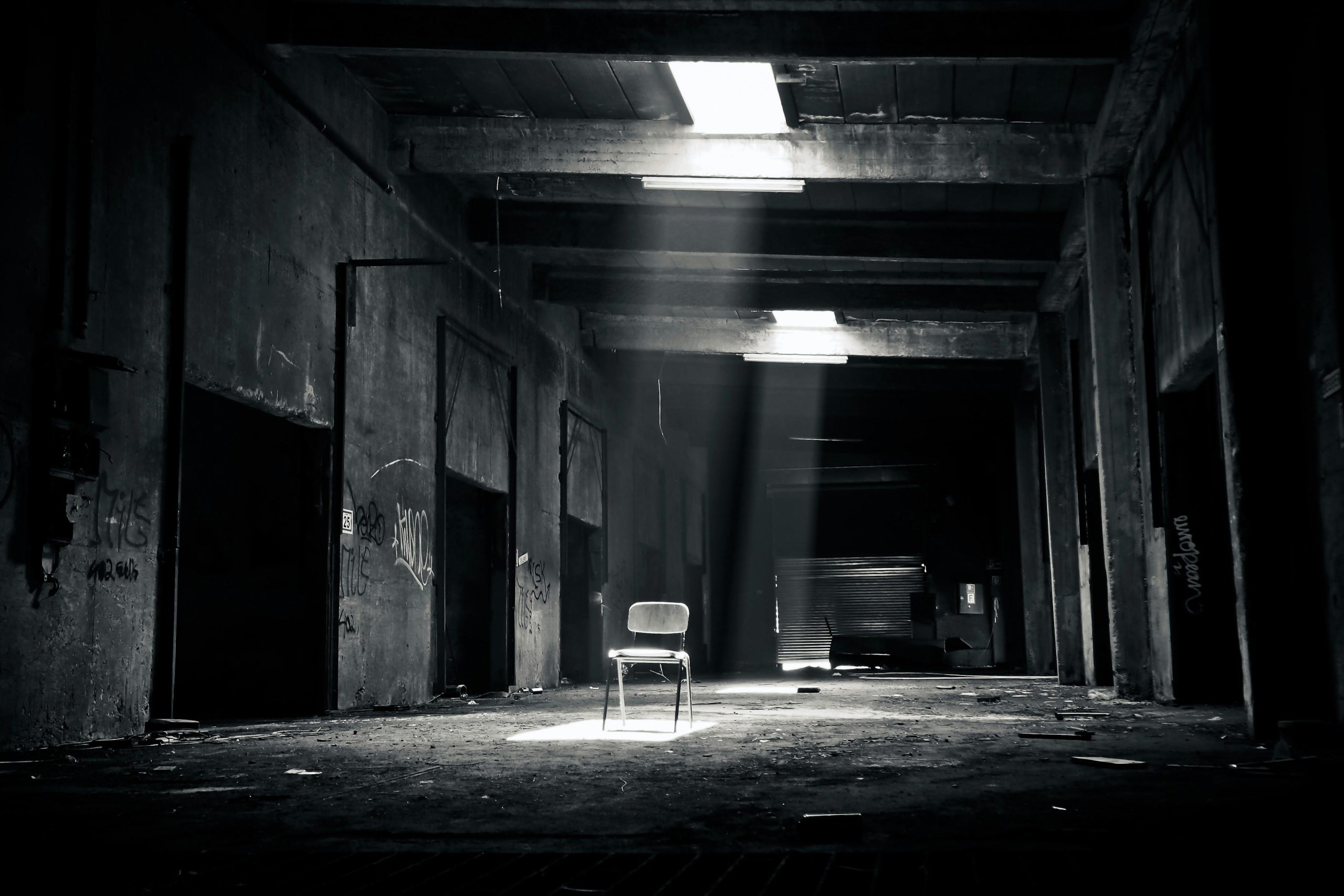
First, pay attention to contrast. Black and white relies heavily on how light interacts with surfaces, textures, and forms. You should look for scenes where shadows create depth or highlights bring attention to key elements. Sometimes overcast days can be perfect for subtle contrast, while harsh sunlight works well for bold, graphic imagery.
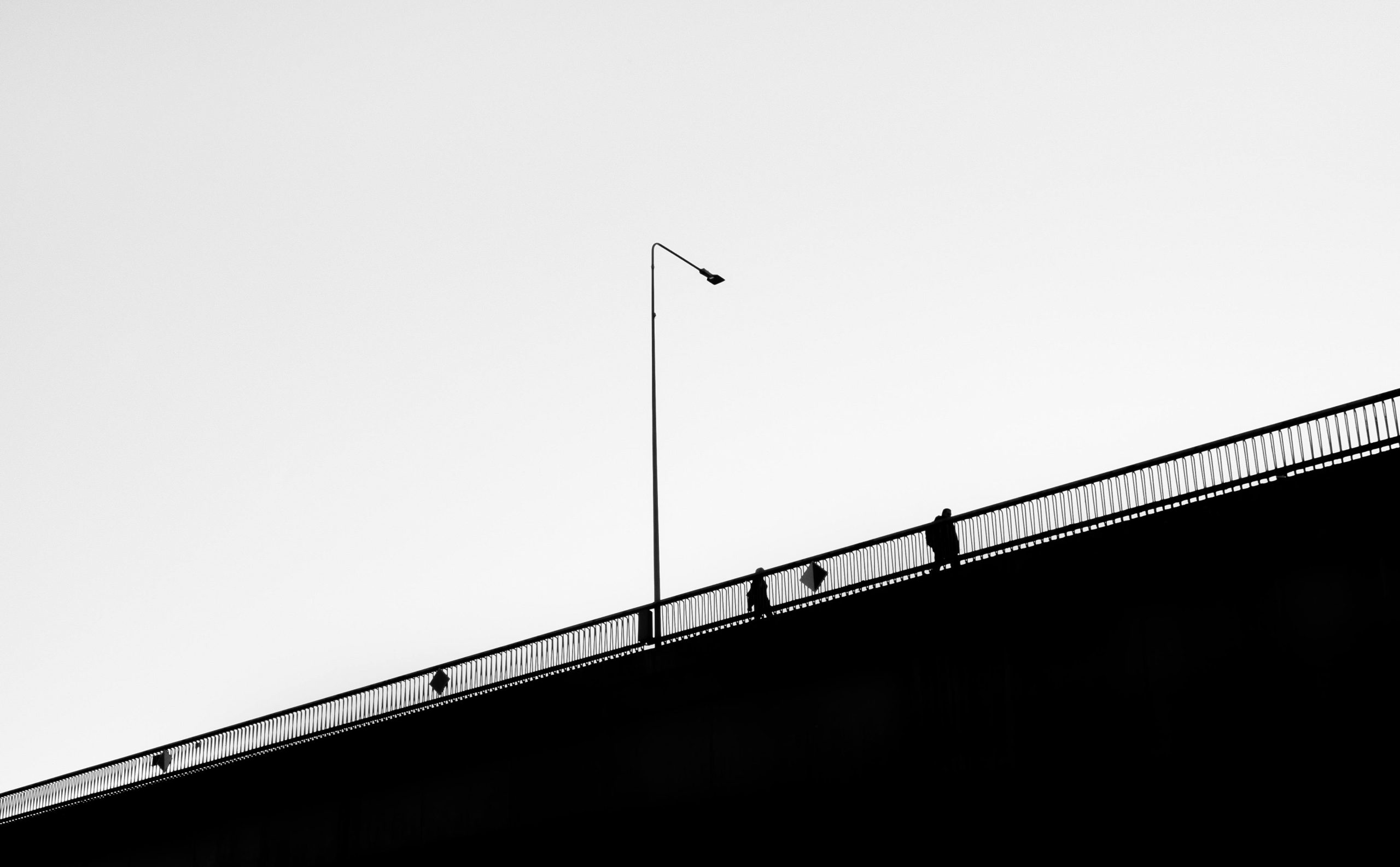
Composition becomes even more critical in monochrome. Lines, curves, symmetry, and geometric shapes take on greater significance without the distraction of color. You can use patterns and repetition to lead the viewer’s eye, and negative space becomes a powerful tool for creating balance or tension in a frame.
You should also focus on texture and detail. Skin, fabric, wood, metal, and foliage all translate beautifully in black and white when the light is right. You want textures to pop, which often means adjusting exposure, sharpening, or using filters either in-camera or in post-processing.
Post-processing is another essential element when it comes to this style. Modern software allows you to control black and white conversions with precision. You can adjust red, blue, and green channels to affect how different colors translate into gray tones, bringing out specific details or emphasizing tonal contrasts. Dodge and burn techniques can further sculpt light and shadow, enhancing drama and focus.
Finally, don’t forget storytelling. Every shot should have a purpose. Black and white magnifies flaws and strengths alike, so intentionality is critical. Consider what emotion, narrative, or atmosphere you want to convey, and let monochrome enhance it.
When Not to Shoot in Black and White
While black and white can be powerful, it is not always the right choice. If your image relies on color as a key part of the message or mood, removing it can weaken impact. For instance, vibrant sunsets, colorful festivals, or wildlife with signature coloration may lose their defining characteristics in monochrome.
Similarly, branding, advertising, or commercial work that depends on accurate color representation may not suit black and white. You may strip away information that is vital for the viewer to understand the product, environment, or context. In these cases, color has a bigger role than just being aesthetic.
Sometimes a scene simply does not have enough contrast or tonal variety to make black and white effective. Flat lighting, muted textures, or low dynamic range can make monochrome images feel dull or lifeless. It is important to evaluate the scene critically and consider whether converting to black and white will enhance or diminish its impact.
Finally, overuse of black and white can desensitize your audience. While it creates a timeless feel, using it for every project can lessen its emotional power. Reserve monochrome for moments where it adds clear artistic or storytelling value.
The Digital Age and the Monochrome Revival
The rise of digital cameras and post-processing software has actually helped renew interest in black and white photography. Tools like Lightroom, Capture One, and Photoshop make it easier than ever to experiment with monochrome conversions and fine-tune contrast, texture, and tonality. You no longer need dedicated monochrome sensors or film; the creative possibilities are now in your hands digitally.
Online communities and social media platforms have also fueled the revival. Photographers sharing striking black and white images inspire others to explore monochrome photography as an expressive medium. Mobile apps with black and white filters and fine-grained control allow creators to experiment instantly, encouraging a hands-on, playful approach.
These tips for black and white photography all come back to one thing: choice. Shoot color and convert later, or commit to monochrome from the first frame – either way, it’s a deliberate aesthetic decision that pulls all your attention onto composition, light, and emotion.
See more from DIYPhotography.net on Google
Add DIYPhotography.net as a trusted source. This makes
our stories more likely to appear in your Google Search results.
 Add as a preferred source on Google

Alysa Gavilan
Alysa Gavilan has spent years exploring photography through photojournalism and street scenes. She enjoys working with both film and mirrorless cameras, and her fascination with the craft has grown over the decades. Inspired by Vivian Maier, she is drawn to capturing everyday moments that often go unnoticed.



Join the Discussion
DIYP Comment Policy
Be nice, be on-topic, no personal information or flames.