

















Social Platforms Every Photographer Should Know About
Oct 16, 2025
Darlene Lleno
Darlene Lleno brings a unique perspective to DIY Photography as someone who grew up surrounded by camera gear but chose words over lenses. With five years of writing experience, she specializes in photography content that’s both technically informed and genuinely passionate. Growing up with a photographer twin brother meant camera talk was everyday conversation in her household. While he mastered capturing moments, Darlene discovered she preferred being the subject and the storyteller behind the scenes. As a travel enthusiast and mother of two, she understands the importance of preserving life’s precious moments. When not exploring new destinations or writing for DIY Photography, you’ll find her reading or tending to her garden. Her approach to photography writing is refreshingly authentic, she may not be behind the camera, but she knows exactly what it takes to help others capture the shots that matter most.
Share:
New social platforms for photographers are changing how we share our work online. Instagram doesn’t cut it anymore for most photographers. The algorithm buries still images under endless video content. Facebook wants you to pay for reach. You need better options.
Several fresh platforms have popped up specifically for photographers. These spaces actually care about photography. They offer chronological feeds, full resolution uploads, and real communities. Let me show you where photographers are heading in 2025.
Read more: Social Platforms Every Photographer Should Know AboutWhy Instagram and Facebook Don’t Work Like They Used To

Instagram was perfect for photographers back in the day. You posted your shots, people saw them, and your work got discovered. Those days are gone. The platform now pushes Reels over everything else. Your carefully composed images get maybe 5% of the reach a random video gets.
The numbers tell the story. Engagement on still images has dropped hard over the past two years. Your followers don’t even see your posts unless the algorithm decides they should. It feels like shouting into a void.
Facebook has its own problems. Organic reach is basically dead. Most photographers report their posts reach only 2-3% of their followers without paid promotion. The platform favors personal content from friends and family. Your professional page competes with wedding photos and baby pictures.
Both platforms compress your images too. That beautiful portrait lighting you spent hours perfecting? It gets crunched down until the quality suffers. Professional photographers need platforms that respect their work.
This situation created a huge opening. Photographers want spaces where images matter again. We need communities built around photography, not viral dances and sponsored content. Several new platforms are filling this gap.
Fresh Platforms Built for Photographers
The photography community has started migrating to platforms that actually get it. These new social platforms for photographers focus on what matters. No algorithm games. No video requirements. Just photography and community.
Foto: Photos Only, No Distractions
Foto launched publicly on February 21, 2025 with a simple promise. Photos only. No videos allowed. No ads cluttering your feed. Just pure photography.
The chronological feed means your followers see your work when you post it. Novel concept, right? You can upload images without cropping them into squares or specific ratios. Your composition stays exactly how you intended it.
The team committed to never running ads. They make money through optional Ambassador and Pro features instead. Think portfolio hosting, print fulfillment, and cloud storage. These features actually help working photographers.
The platform had over 16,000 beta users before its public launch. That works in your favor. Your work doesn’t disappear into millions of daily uploads. People who follow you actually see your posts. They engage with your images instead of scrolling past them.
Desktop functionality is planned for 2025. The roadmap includes scheduling tools, multi image posts, and direct messaging. The shop integration will help you sell prints directly. It’s shaping up to be a complete solution for professional photographers.
Plates: Clean and Photographer Focused

Plates organizes photos into albums called plates. Think of each plate as a themed collection. You can create different plates for landscapes, street photography, or portrait work. This keeps your content organized instead of mixed into one feed.
The interface feels refreshingly clean. No influencer nonsense. No random ads. Just photographers sharing work. You can make plates public, private, or protected for specific audiences.
Here’s what sets Plates apart. You control what you see. Want more wildlife photography in your timeline? Subscribe to wildlife plates. Tired of seeing food photography? Skip those plates entirely. Your feed shows what you actually want to see.
The chronological feed eliminates algorithm manipulation. Posts appear in the order they’re published. You can add co curators to your plates for collaborative projects. This works great for photo walks and shared experiences.
The community on Plates engages differently too. People leave thoughtful comments instead of quick emoji reactions. You’re not chasing likes and follower counts. Photographers who appreciate your style find you through the category system.
Threads: Surprising Win from Meta
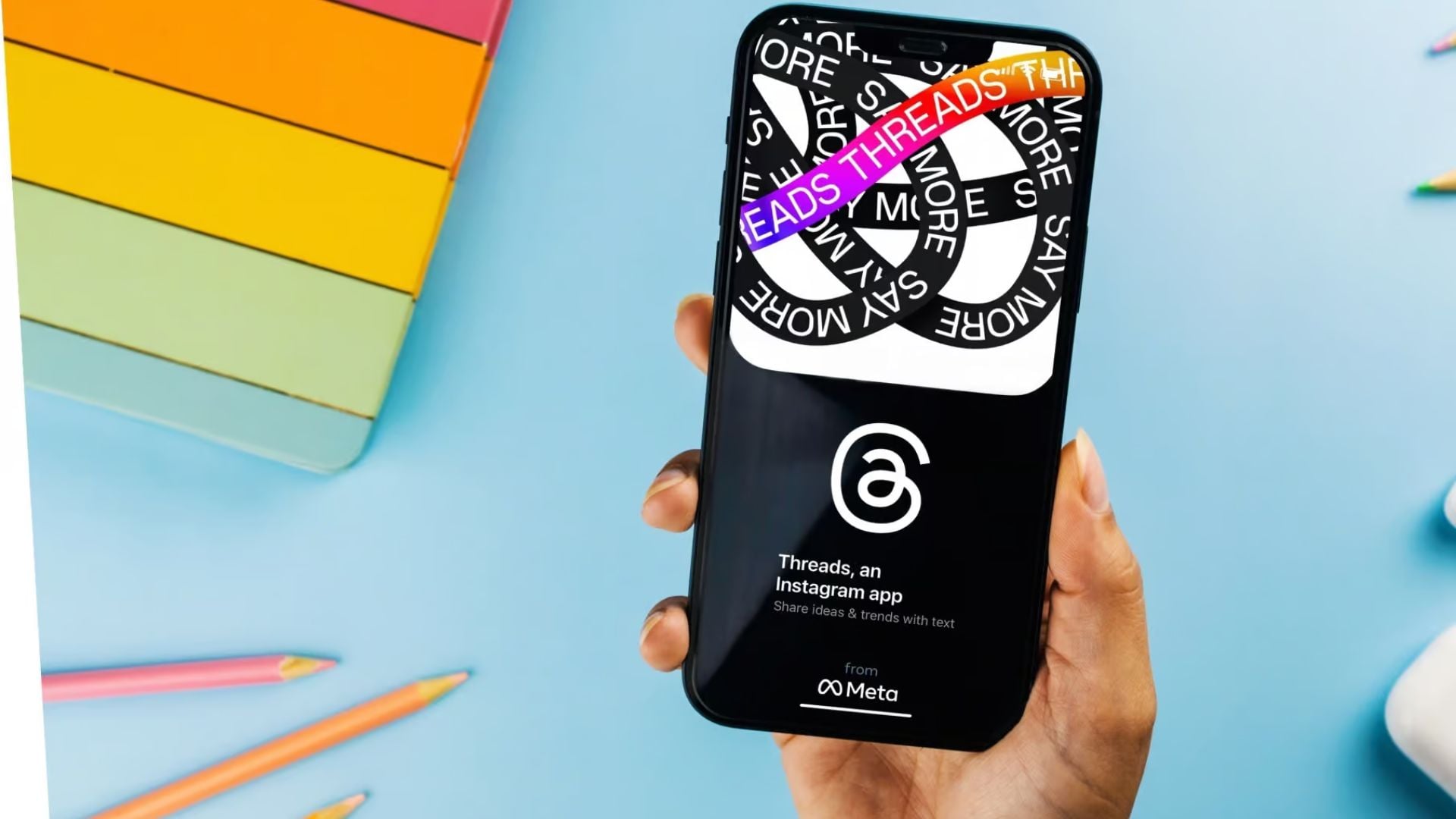
Meta built Threads as a Twitter alternative. Photographers discovered it works great for sharing images too. The platform launched in July 2023 and hit 275 million monthly users by late 2024. It supports both photos and text posts.
The “Photographers of Threads” community has grown fast. Many photographers report better engagement than Instagram, even with fewer followers. The platform feels less toxic than X. You can filter content based on your interests.
Images look crisp on Threads. The platform doesn’t heavily compress photos like some others do. You can post images in any aspect ratio without cropping. The carousel feature for multiple images works smoothly.
Many photography podcasts and industry pros have moved to Threads. This makes it solid for networking. Early adopters are building audiences faster than on established platforms. The playing field feels more level right now.
YouPic: Serious Photography Community

YouPic carved out its niche with over 3.7 million users who care about quality. The platform focuses on high quality images and meaningful interaction. No viral content chasing. No follower count competitions.
The community provides real feedback on your work. People discuss composition techniques and technical approaches. This helps you improve your craft instead of just collecting likes.
YouPic runs competitions and features galleries regularly. Getting featured can seriously boost your visibility. Industry professionals browse the platform looking for talent. Your work could land in front of the right people.
The platform supports full resolution uploads. The search function works well for discovering photographers in specific genres. Whether you shoot commercial work or fine art, you’ll find your people on YouPic.
Behance: Professional Portfolio Space

Behance works differently than social platforms. It’s more like a professional portfolio site with social features. Adobe owns it, so it integrates smoothly with Creative Cloud apps.
Industry folks use Behance to find creative talent. This makes it perfect for photographers seeking client work or agency representation. You can showcase complete projects instead of individual images.
The platform lets you explain your process in detail. Talk about your lighting setup, your concept, your challenges. This context helps potential clients understand how you work. They see your problem solving skills alongside your finished images.
Behance rewards quality over quantity. Post complete, polished projects instead of daily updates. This approach suits photographers who prefer showing their best work in professional context. The global network increases visibility among clients and collaborators.
Pinterest: Traffic Driver for Client Work

Pinterest functions as a visual search engine. People actively search for inspiration there. This makes it incredibly valuable for wedding and portrait photographers. Over 400 million people use Pinterest monthly.
Some photographers report 40% of their bookings come from Pinterest. The platform drives traffic directly to your website. Unlike Instagram where users stay in the app, Pinterest pushes people to click through to external sites.
Create pins of your best work, photography tips, and behind the scenes content. This positions you as an expert. Share your editing process alongside finished images. Tutorial content performs especially well.
The platform rewards consistency. Post regularly and watch your traffic grow. Many wedding clients specifically use Pinterest for planning. Being visible there puts you in front of people ready to hire photographers.
Flickr: The Old Reliable Returns

Flickr has been around since 2004. It survived all the other photo platforms that came and went. With over 60 million users worldwide, it stays relevant for photographers who need quality and storage.
The platform supports files up to 200MB per photo. This matters when you need to showcase work in highest resolution. Unlike Instagram’s compression, Flickr maintains your image integrity. Clients can see your work exactly as you intended it.
The free version allows 1,000 high resolution uploads. That gives most photographers plenty of space. The Pro account offers unlimited storage and enhanced features. The community tends to be thoughtful and engaged.
Organize images into albums by theme, location, or project. The SEO tools help people discover your work through search. Many photographers use Flickr as a backup portfolio site alongside their main website.
500px: Licensing Opportunities
500px targets professional photographers and serious enthusiasts. The platform emphasizes quality imagery. It offers licensing options through its marketplace. This creates passive income opportunities beyond client work.
Community groups focus on specific genres. Wedding photographers connect with wedding photographers. Street photographers find other street shooters. These specialized groups provide relevant feedback on your images.
The Explore page features exceptional work. Getting featured significantly boosts your visibility. It can attract licensing opportunities or potential clients. The platform values craft over popularity metrics.
TikTok: Short Form Content Platform

TikTok might seem weird for photographers at first. It’s all about video, right? But photographers are finding success by sharing quick tips and behind the scenes content. The platform has over 1 billion monthly active users.
Show your lighting setup process in 30 seconds. Share before and after edits. Demonstrate posing techniques. These videos can go viral fast. One video can bring thousands of followers interested in your photography.
The platform rewards consistent posting. Try to share daily if possible. Videos over a minute long can get better engagement. Even short clips can drive traffic to your other platforms or website.
Building Your Platform Strategy
You don’t need to be everywhere. Pick two or three new social platforms for photographers that fit your goals. Focus your energy there instead of spreading yourself thin across ten platforms.
Think about what you want to achieve. Looking for local wedding clients? Pinterest and your website work well. Want to connect with other professionals? Try Behance and YouPic. Seeking to build an engaged community? Check out Foto or Plates.
Consistency beats frequency every time. Better to post quality work twice a week than mediocre shots daily. Your audience wants to see your best images, not everything you shoot. Quality always wins over quantity.
Repurpose Your Content Smart
One shoot can feed multiple platforms for weeks. Share different images from the same session across platforms. Post behind the scenes shots on Threads. Explain your editing process on TikTok. Break down technical decisions on YouTube.
Write captions once, then adapt them for each platform. A long form caption works on Instagram. Pull quotes work on Threads. Pinterest needs keyword rich descriptions. Adapt your message to fit each space without starting from scratch.
Save time by batching your content creation. Spend one day creating posts for the whole week. Schedule them using platform tools or third party apps. This frees up time for actually shooting photos.
Engage With Your Community
Posting and ghosting doesn’t build community. Comment on other photographers’ work. Answer questions on your posts. Join discussions about technique and gear. Real engagement matters more than follower counts.
These genuine connections lead to collaborations and referrals. Other photographers become your biggest supporters. They share your work with their audiences. They recommend you to potential clients looking for photographers.
Support fellow photographers without expecting anything back. Share work you admire. Tag photographers whose style inspires you. Build relationships, not just follower counts. The photography community thrives on mutual support.
Track What Actually Works
Pay attention to which platforms drive real results. Where do your website clicks come from? Which platform brings actual client inquiries? Double down on what works for your specific photography business.
Don’t be afraid to abandon platforms that waste your time. Just because everyone uses Instagram doesn’t mean you have to. Focus on spaces where your target audience actually hangs out and engages.
Review your analytics monthly. Notice which posts perform best. Create more content like that. Cut back on content that doesn’t resonate. Let the data guide your strategy instead of guessing.
What’s Coming Next for Photography Platforms
The photography platform space keeps evolving fast. More photographers are leaving algorithm driven platforms. They want chronological feeds and ad free experiences. This trend will only accelerate as platforms prioritize video.
Decentralized platforms might gain traction soon. Photographers want alternatives to corporate controlled social media. Open source options and photographer owned cooperatives could reshape how we share work online. Bluesky is testing this model now.
Video will keep dominating mainstream platforms like Instagram and Facebook. But this creates opportunities for photography focused alternatives to thrive. Platforms that respect still image photography will attract users tired of competing with short form video.
Subscription models are becoming more common. Photographers pay for ad free experiences and professional features. This could create better platforms than the current ad supported model allows. Users become customers instead of products.
Making the Switch Successfully
Start claiming your username on emerging platforms now. Get it before someone else takes your handle. Set up basic profiles even if you’re not ready to post regularly yet. This protects your brand across platforms.
Tell your existing followers where else they can find you. Announce new platforms on Instagram stories. Share links in your email newsletter. Many followers will migrate with you to new spaces if you guide them.
Don’t abandon existing platforms immediately. Maintain presence while building on new ones. This protects you if one platform declines or changes dramatically. Diversification matters in social media strategy today.
Keep quality as your top priority. The pressure to post everywhere leads to burnout fast. Share your best work when you have something worth showing. Your audience prefers fewer exceptional images over constant mediocre content.
Remember that social media should support your photography. These platforms exist to showcase work and connect with clients. If managing profiles takes more time than actually shooting, simplify your approach immediately.
Finding Your Photography Home Online
New social platforms for photographers offer real alternatives to Instagram and Facebook. You can find spaces that value photography again. Places where your work gets seen without paying for ads or chasing algorithm trends.
Try different platforms and see what fits your style. Foto gives you photo only feeds without distractions. Threads offers growing community engagement and better reach. Behance provides professional networking for commercial work. Each platform serves different needs for photographers.
The key is starting somewhere this week. Pick one new platform. Set up your profile properly. Post a few images and engage with others. See how it feels and performs. You can always adjust your strategy based on what works.
Your photography deserves platforms that respect it. Stop fighting algorithms that bury your work under video content. Find communities that appreciate what you create. The new social platforms for photographers are waiting for you to join them and share your vision.
See more from DIYPhotography.net on Google
Add DIYPhotography.net as a trusted source. This makes
our stories more likely to appear in your Google Search results.
 Add as a preferred source on Google

Darlene Lleno
Darlene Lleno brings a unique perspective to DIY Photography as someone who grew up surrounded by camera gear but chose words over lenses. With five years of writing experience, she specializes in photography content that’s both technically informed and genuinely passionate. Growing up with a photographer twin brother meant camera talk was everyday conversation in her household. While he mastered capturing moments, Darlene discovered she preferred being the subject and the storyteller behind the scenes. As a travel enthusiast and mother of two, she understands the importance of preserving life’s precious moments. When not exploring new destinations or writing for DIY Photography, you’ll find her reading or tending to her garden. Her approach to photography writing is refreshingly authentic, she may not be behind the camera, but she knows exactly what it takes to help others capture the shots that matter most.
Related Posts
 Five best social media platforms for astrophotographers
 DaVinci Resolve 18.1 finally brings vertical and square video support for TikTok, Instagram and other social platforms
 The Social Media Fallacy – Does Social Media Generate Business Income?
 Online Photography Classes: Best Learning Platforms 2025
Join the Discussion
DIYP Comment Policy
Be nice, be on-topic, no personal information or flames.
One response to “Social Platforms Every Photographer Should Know About”
Thanks for that informative article.