


















These Are the Main Differences Between Editorial and Commercial Photography
Jul 15, 2020
Dunja Đuđić Kalinin
Dunja Djudjic is a multi-talented artist based in Novi Sad, Serbia. With 15 years of experience as a photographer, she specializes in capturing the beauty of nature, travel, concerts, and fine art. In addition to her photography, Dunja also expresses her creativity through writing, embroidery, and jewelry making.
Share:

Editorial and commercial photography are two terms that get confused all the time, especially when you’re new to the craft. The short version: editorial photography tells a story for publication, like a magazine article or photo essay. Commercial photography, on the other hand, sells a product or service as part of an advertising campaign. The core difference is the intent behind the image and how it will be used.
That distinction ripples out into budgets, creative freedom, licensing, and whether the shots ever make it into your portfolio. In this article, we’ll cover the main differences to help you figure it out.
What Is Editorial Photography?
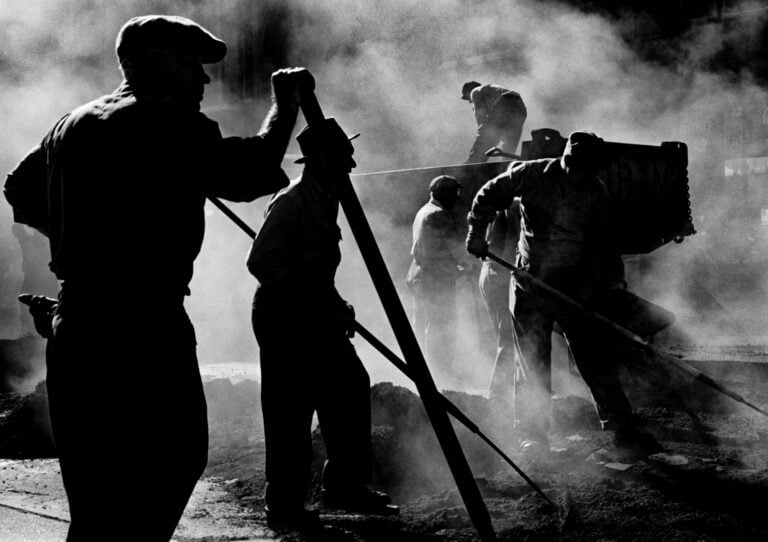
Editorial photography is made to accompany the written word. Think magazine features, newspaper stories, and of course – online articles. It’s usually a multi-image story, closer to a photo essay, where the images work together to illustrate the written narrative. A strong editorial image evokes a feeling and can often stand on its own. However, its main job is to serve the story that it accompanies.
[Related Reading: What Are the Different Types of Photography? A Complete Guide to Photography Genres]
What Is Commercial Photography?
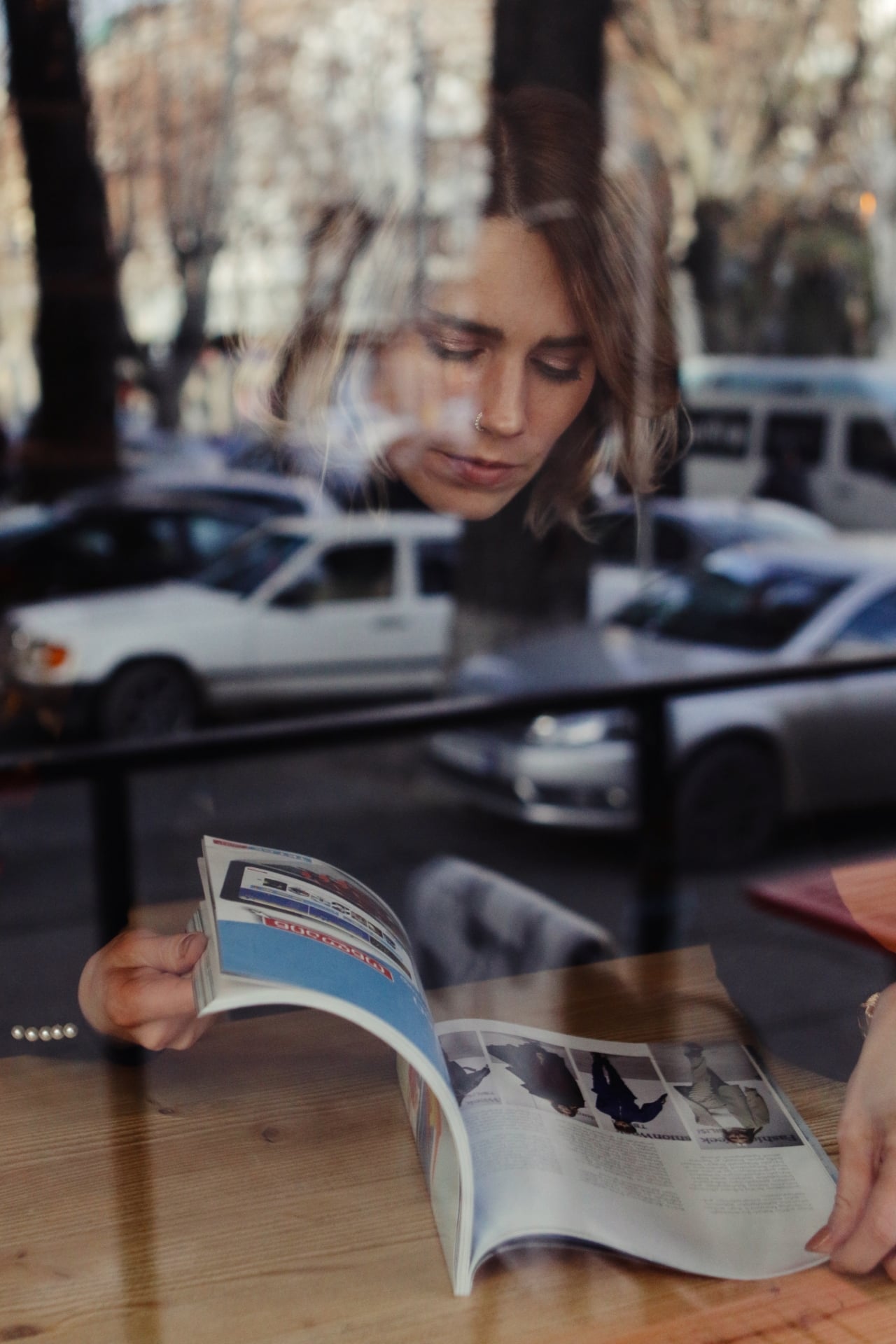
Commercial photography has the main goal of selling a product or service and/or promoting a brand. It can be through an ad campaign, product shots, a brochure, a menu, a billboard, social media content… You name it. Photographers produce it on request for a specific client with a clear commercial goal, and every choice in the frame serves that goal. It’s usually meant to make the advertised thing look as appealing as possible so people buy it.
[Related Reading: Three Actionable Things You Can Do Today to Find Commercial Photography Clients]
The Main Differences Between Editorial and Commercial Photography
If we want to expand this, we can categorize the main differences between editorial and commercial photography to illustrate things a bit more clearly.
Let’s start with the use. Editorial photos usually go to a print or online magazine to accompany a story. Commercial photos are a part of an ad campaign. While they may go to print too, they’ll also gets used across other channels like social media, websites, and billboards. The intended use of the final image is the first and biggest difference.
We can also talk about the number of images. Editorial is almost always a multi-image story, something like a photo essay that tells a narrative through a sequence of photos. Again, commercial work can be a sequence too. However, it doesn’t necessarily tell a story. A single shot of a product can do the whole job. The product or service promoted is the main character in the photo(s).
Scale and budget of the shoot also tells us about the difference between editorial and commercial photography. Editorial shoots more often run on smaller budgets and don’t pay much. Commercial shoots come with far larger budgets, especially if you shoot for bigger brands. They normally involve bigger teams, more prep work, and more people to answer to. Consequently, they also pay considerably better.
Another important distinction is creativity. Editorial shoots usually give you more creative freedom. They give you more room to express yourself and shape the images your way. Commercial shoots tend to be stricter, with tighter requirements, brand guidelines, and a client whose brief you’re there to fulfil.
Also note that editorial work has a shorter life, so to speak. For example, after the article is published, the images that follow it have largely done their job. Contrary to that, a commercial campaign might be in use for years. This is why you need to consider licensing more carefully, and it often pays more.

The Important Licensing Difference
Here’s the practical distinction that isn’t about creativity or budget. If you get it wrong, it could even land you in legal trouble: commercial and editorial use are treated very differently when it comes to permissions.
Because commercial work sells something, it generally requires model releases from any recognizable people and property releases for private property or spaces that have visible trademarks. This is why microstock websites always require you to submit them if you upload your photos there for commercial use. Using someone’s likeness to sell a product without their signed permission is a serious violation.
Since editorial use is tied to storytelling and news rather than selling, it’s usually more permissive. It often doesn’t require the same releases, but it’s always worth checking before you share your images. It’s safe to say that, whenever you’re in doubt, get a release.
When the Two Overlap: The Advertorial
Now that we know all these differences between editorial and commercial photography, it’s time to tell you that, alas, the line between them isn’t always that clean. There’s a hybrid that merges both worlds: the advertorial. It’s an ad for a product presented in the form of an editorial article. It’s styled to read like genuine editorial content while actually promoting something. Photos shot for an advertorial fall into both categories at once: editorial in form, commercial in purpose.
Because an advertorial’s purpose is to promote a product, it’s treated as commercial use for licensing purposes (no matter how editorial it looks). As a photographer, this means that you’ll need the same model and property releases as you would for commercial content. Any image licensed for “editorial use only” can’t be used in an advertorial.

Should You Shoot Commercial or Editorial?
Whichever your heart desires. It depends entirely on what you want out of your work. Commercial work usually pays better and offers bigger productions, but with tighter creative constraints. Editorial normally pays less, but gives you freedom, storytelling, and portfolio-worthy images.
Since I don’t shoot professionally, I’ve never done a serious editorial or commercial shoot. But if I had to choose, I’d go editorial: more creativity even with smaller pay is what I normally prefer. After all, I write for a living, that might be a logical step for me, I guess.
What about you? Do you shoot both types, and which do you prefer? Tell us in the comments.
FAQ
What is the main difference between editorial and commercial photography?
Editorial photography tells a story for publication, like a magazine article. Commercial photography sells a product or service as part of an advertising campaign.
Do I need a model release for editorial photography?
You normally don’t need a model release for editorial photography. Commercial use, however, generally does require model and property releases for recognizable people and places.
Which pays more, editorial or commercial photography?
Commercial photography generally pays more, with larger budgets and longer usage terms. Editorial work typically pays less but offers more creative freedom.
Can a photo be both editorial and commercial?
A photo can be both editorial and commercial. It’s called an advertorial, an advert presented as an editorial article, which falls into both categories at once.
See more from DIYPhotography.net on Google
Add DIYPhotography.net as a trusted source. This makes
our stories more likely to appear in your Google Search results.
 Add as a preferred source on Google

Dunja Đuđić Kalinin
Dunja Djudjic is a multi-talented artist based in Novi Sad, Serbia. With 15 years of experience as a photographer, she specializes in capturing the beauty of nature, travel, concerts, and fine art. In addition to her photography, Dunja also expresses her creativity through writing, embroidery, and jewelry making.
Related Posts
 Photographer Spotlight: Q&A With Magdalena M – Editorial and Commercial Portraiture Photographer
 What are the differences between selfies and self-portraits?
 Panasonic director Yamane goes on record to explain the differences between GH5II and GH6
 Should you use Curves or Levels in Photoshop? Here are the differences
Join the Discussion
DIYP Comment Policy
Be nice, be on-topic, no personal information or flames.