





















How You Can Fly Drones Safely Around Polar Bears
Nov 12, 2025
Alysa Gavilan
Alysa Gavilan has spent years exploring photography through photojournalism and street scenes. She enjoys working with both film and mirrorless cameras, and her fascination with the craft has grown over the decades. Inspired by Vivian Maier, she is drawn to capturing everyday moments that often go unnoticed.
Share:
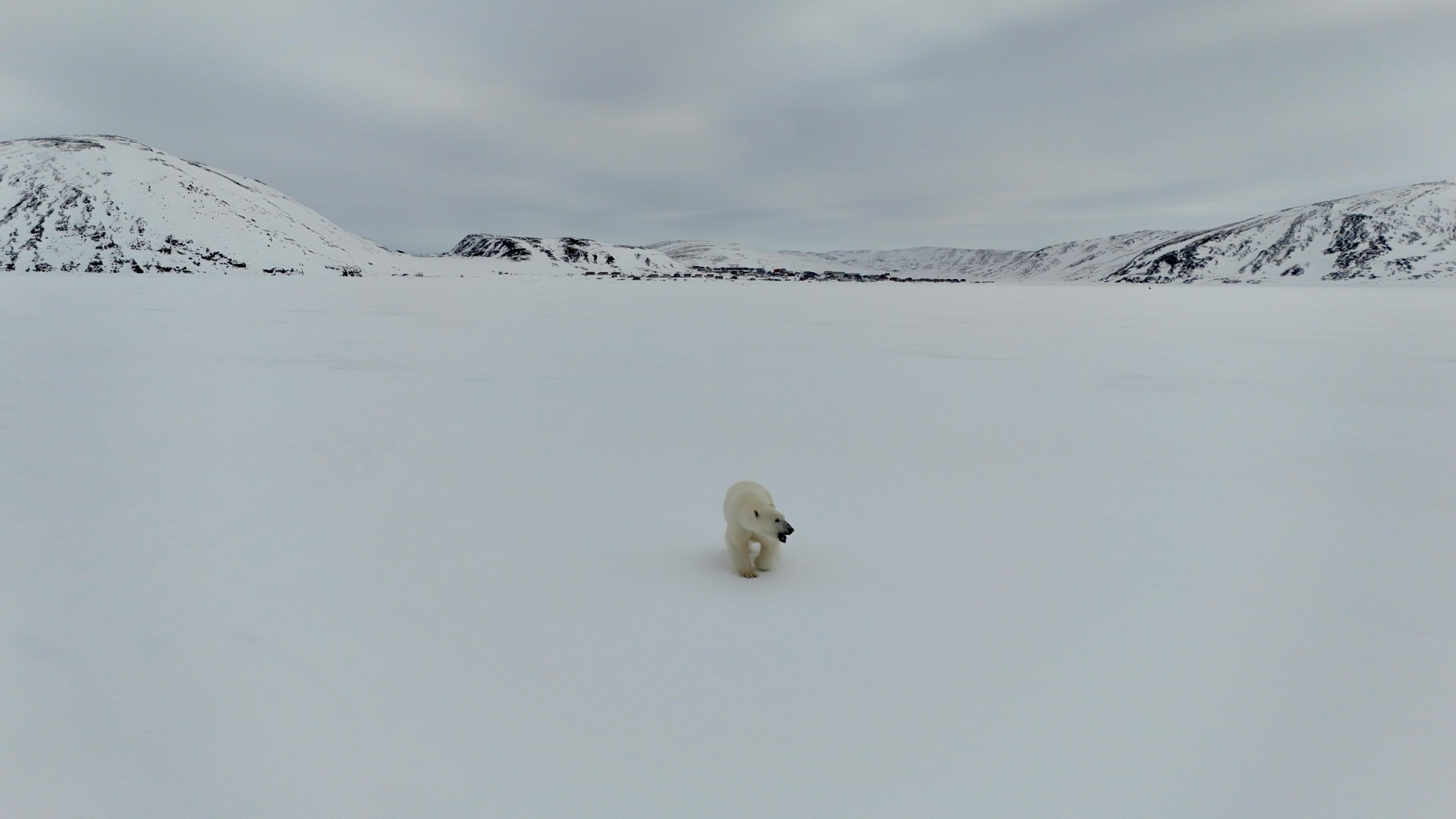
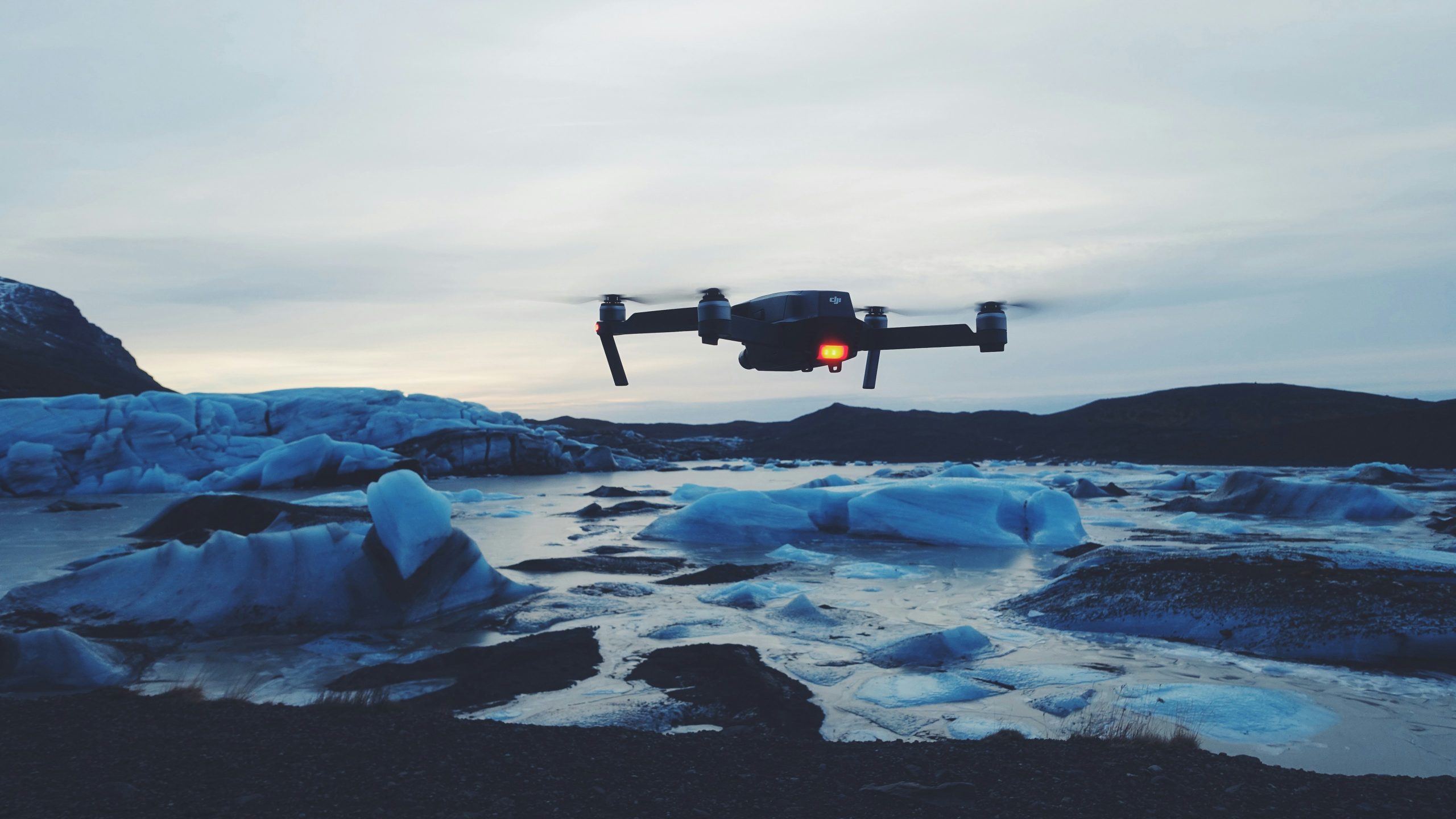
There is something thrilling about flying a drone over the icy Arctic to watch a lone polar bear wander across a glittering expanse of snow. But with that thrill comes responsibility. Responsible drone use around polar bears is more than a technical guideline since it is a promise to protect one of the planet’s most extraordinary species.
You are entering polar bears’ home, not just filming wildlife, when you send your drone into their territory. That’s why the guidance shared by Polar Bears International matters so deeply.
These carefully designed rules help you capture breathtaking footage while keeping both you and the bears safe. What follows are essential insights and step-by-step guidelines for every stage of your shoot, from planning before your arrival to what to do long after your drone has landed.
Why Following Drone Guidelines Matters
Using drones in polar bear habitat is about balance as much as it is about getting a cinematic shot. Drones have revolutionized wildlife filmmaking, giving us perspectives that once required helicopters or expensive equipment. But the convenience comes with risks.
Polar bears are already under intense stress from melting sea ice, shrinking habitats, and declining access to food. Adding new sources of disturbance, even subtle ones like a buzzing drone, can disrupt their natural behaviors.
Polar Bears International stresses that we still don’t fully understand how drones affect bears. The sound of rotors, shadows moving across the snow, or a persistent flying object nearby can easily cause agitation or defensive behavior. A mother with cubs might move to protect them, using up valuable energy, or an exhausted bear might abandon a rest area. All these could happen just because of a drone too close for comfort.
Guidelines for Responsible Drone Use Around Polar Bears
Following these guidelines helps prevent harm while still allowing you to tell the story of the Arctic responsibly. It’s also about safety for you and your team. Polar bears are curious, intelligent, and unpredictable. Respecting safe distances and preparation protocols protects both parties, allowing you to work without putting anyone at risk.
Before You Arrive On Site
The most responsible drone flights begin long before takeoff. Preparation minimizes risks, ensures compliance with laws, and helps you anticipate environmental challenges.
Research Regulations and Permissions
Before anything else, find out what drone laws apply to your destination. Many Arctic regions, such as those in Canada, Greenland, or Svalbard, have strict aviation and wildlife protection regulations. Some areas may require permits, while others prohibit drones entirely during certain seasons. Contact local authorities, Indigenous councils, or park officials to confirm what’s permitted.
You might not just get fines if you choose to ignore these rules. Doing so can also jeopardize future access for other researchers and filmmakers. By flying responsibly, you help maintain trust between conservation groups and the creative community.
Study Bear Behavior and Habitat
Knowing how polar bears behave will make your flight safer and your footage better. Research where bears are likely to be at different times of year. For example, females den in early winter, emerging in spring with cubs. During those times, disturbance can be particularly harmful.
Look for maps, scientific papers, or data shared by Polar Bears International or regional research teams. Planning your flights in areas with low bear activity, or at times when they’re less vulnerable, reduces your chance of causing disruption.

Prepare and Test Your Equipment
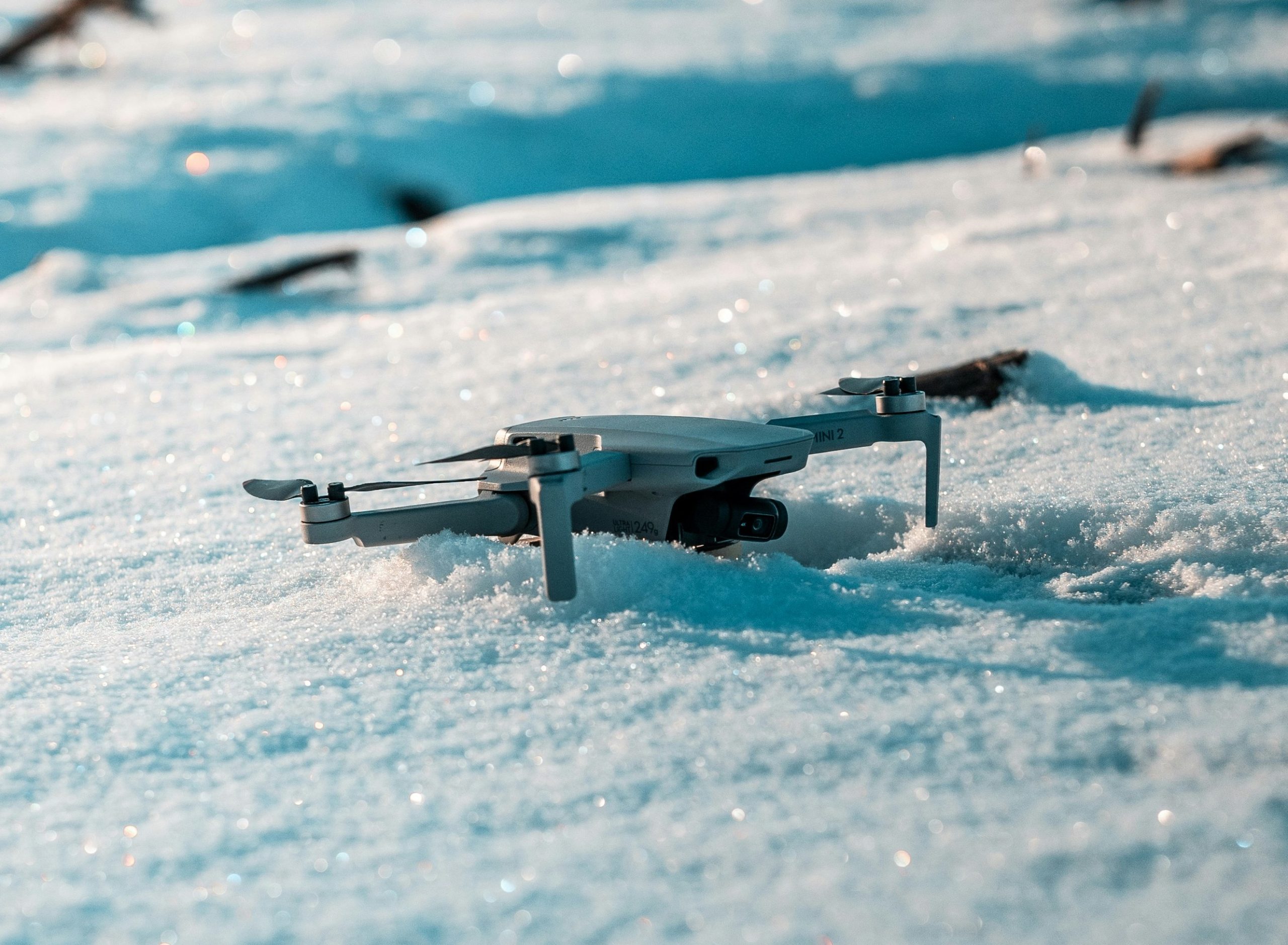
Cold weather and Arctic conditions can be brutal on drones. Test your drone before the trip, inspect propellers, and ensure batteries are in peak condition. Cold temperatures drain batteries quickly, so bring extras and keep them insulated until needed.
Use quiet propellers and reliable flight controls. If your drone offers high-quality optical zoom, rely on that instead of flying too close for detail shots. The more advanced your setup, the less you need to intrude into a bear’s comfort zone.
Plan for Safety and Support
Never go alone. Have a second person act as a spotter whose sole job is to scan for wildlife while you pilot. This partner can help identify a bear’s presence before you notice it on camera and can help guide emergency responses if something goes wrong.
Create a checklist for all the safety gear you’ll need. These may include satellite communication devices, emergency shelters, bear deterrents, and protective clothing. A well-prepared team is a respectful and safe one.
When You Arrive On Site
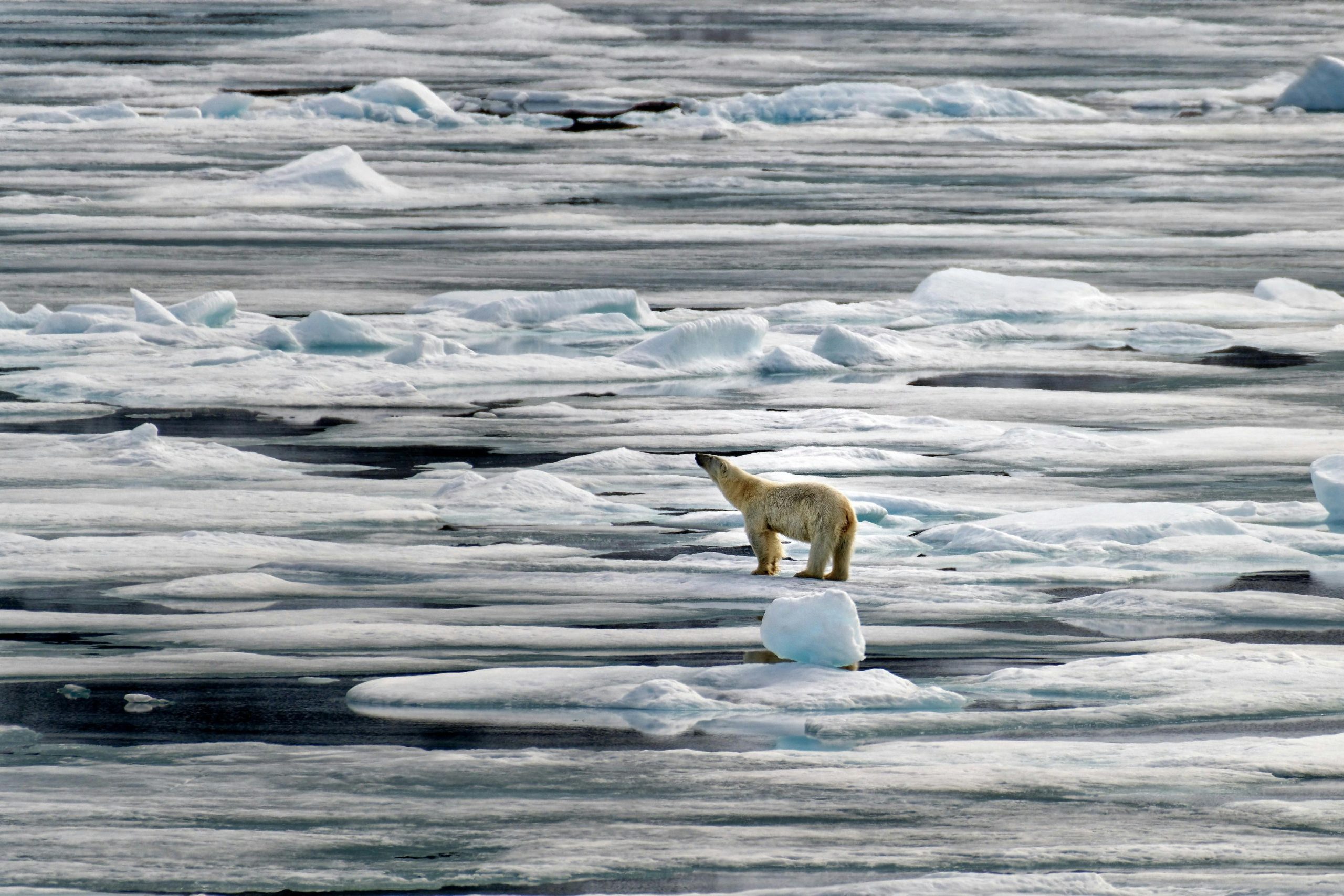
Arriving in polar bear territory requires patience and mindfulness. The Arctic, after all, is a living, unpredictable environment and not just a backdrop for your photos.
Observe Before You Fly
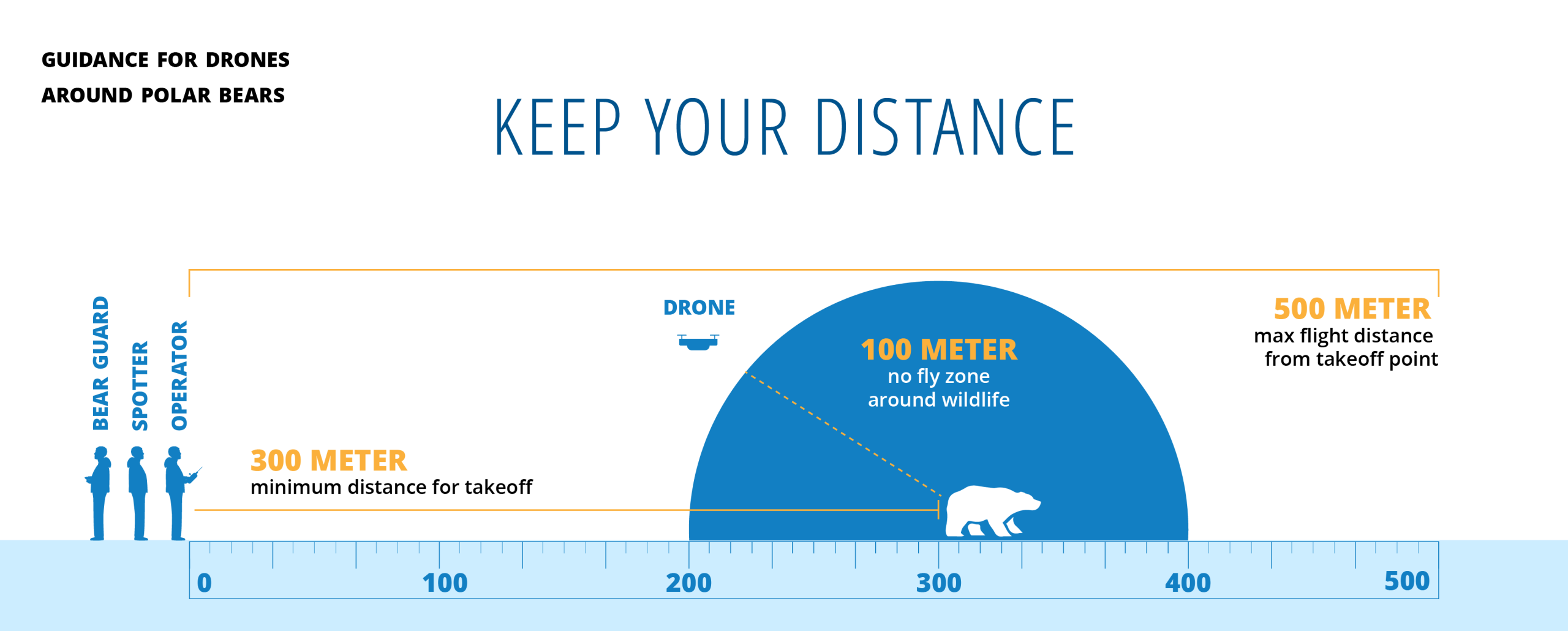
Spend at least 15 to 30 minutes observing your surroundings before setting up. Look for bear tracks, resting spots, or movement in the distance. If you see a bear nearby, stay quiet and wait until it moves away naturally. Never initiate flight when a bear is within a few hundred meters.
Use binoculars or a telephoto lens to survey the area before launching. Remember that polar bears blend easily into the snow, and what looks like a lump of ice could be a sleeping bear.
Choose Takeoff and Landing Zones Wisely
Pick stable, open ground far from known bear routes, dens, or feeding areas. Snow can shift unexpectedly, and wind can gust across open ice. A clear and secure launch area ensures you can land quickly if needed.
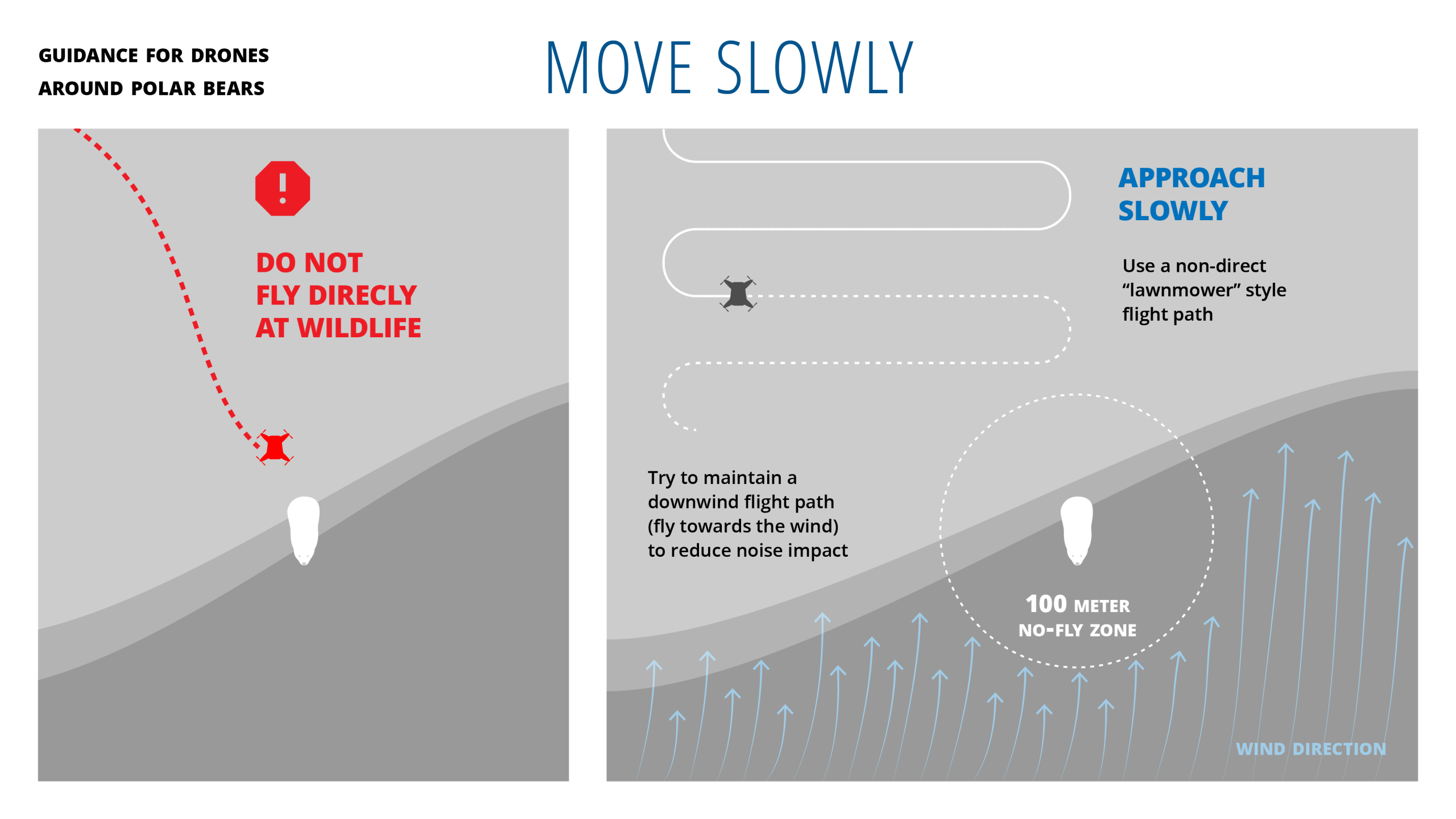
If possible, face your drone into the wind at takeoff to stabilize its ascent. Keep your hands free of gloves only for short moments as frostbite can happen fast. Practice efficient preflight routines before arriving so setup is swift and safe.
Respect Local Wildlife and People
You may encounter more than polar bears: seals, Arctic foxes, and seabirds also inhabit these areas. Drones can disturb them, too. Maintain distance from all wildlife, and avoid flying near nesting birds or feeding zones.
Also, acknowledge that many Arctic regions are home to Indigenous communities. Drones can raise privacy and cultural concerns. Always seek permission and communicate your intentions clearly.
While Flying the Drone
When your drone lifts into the Arctic air, every movement counts. This is where responsibility meets artistry.
Maintain Distance and Altitude
Keep your drone at least several hundred meters away from any bear. If the bear looks up, flattens its ears, or starts moving away, increase your distance immediately. Those are clear signs of disturbance. Never follow or chase a bear for a shot. Just let it move freely.
Fly laterally rather than directly overhead, as hovering directly above a bear may feel predatory to the animal. Maintain consistent altitude and avoid sudden changes in position that might trigger a startle response.
Monitor Noise and Flight Time
Drone noise carries far in open Arctic landscapes. Limit your flight time to short, necessary bursts. Instead of long hovering sequences, plan your shots and execute them efficiently. Short flights reduce the risk of battery failure and disturbance.
Use quieter propeller designs when available. The newer generation of drones often allows for low-noise operation modes so be sure to use them.
Observe and Adjust Based on Behavior
Your spotter should watch for subtle cues in the bear’s posture or movement. If the bear suddenly looks alert, changes direction, or starts pacing, it’s time to stop. Land immediately and retreat. Even minimal signs of agitation should be treated seriously.
This attentiveness defines ethical wildlife drone use. Your awareness becomes the difference between responsible documentation and harmful interference.
After Flying the Drone
Landing your drone doesn’t end your responsibility. What happens next is just as important.
Review and Reflect
Take time to review your footage carefully. Did you notice any reaction from the bears? Did your distance feel safe and your flight path controlled? Reflecting on these moments helps improve future practices and ensures that your next flight aligns even more closely with ethical standards.
If your drone captured behavior that seems abnormal or concerning, consider sharing it with wildlife researchers or organizations like Polar Bears International. Your footage might contribute to understanding bear responses to technology.
Clean Up and Leave No Trace
Pack up your gear carefully, ensuring you leave nothing behind. The Arctic is pristine, and even small items can pose risks to animals. Avoid leaving footprints near denning areas or open leads. The principle of “leave no trace” is vital here as it’s about preserving both the landscape and its inhabitants.
Share Responsibly
If you plan to share or publish your work, use your platform to educate others. Add captions or context explaining that your shoot followed ethical and conservation-minded practices. This transparency promotes awareness and encourages others to adopt similar standards.
Polar Bear International encourages drone pilots to be ambassadors for responsible visual storytelling. By showing respect in your methods, you inspire others to do the same.
The Bigger Picture: Technology, Art, and Stewardship
Drones have given filmmakers and photographers unprecedented access to the natural world. But with that power comes responsibility. In polar bear country, your creativity must work hand in hand with caution. These majestic creatures live in a rapidly changing environment. They face challenges related to melting sea ice, shifting migration patterns, and declining prey. Every unnecessary disturbance makes survival harder.
Filming or photographing polar bears is a privilege few experience. When you see one through your lens, standing solitary on the ice, you’re witnessing resilience and fragility in perfect balance. Your drone allows others to see that story, but how you tell it matters most.
By following the Polar Bears International guidelines, you ensure your work contributes to awareness, not harm. You become part of a global community of creators who understand that great storytelling begins with respect for wildlife, for the land, and for the science that protects it.
Responsible drone use around polar bears is an act of respect and a pledge to preserve a world that still feels untouched. So when you next take your drone into the white silence of the Arctic, remember: your most powerful shot is the one that leaves nothing disturbed but the air itself.
See more from DIYPhotography.net on Google
Add DIYPhotography.net as a trusted source. This makes
our stories more likely to appear in your Google Search results.
 Add as a preferred source on Google

Alysa Gavilan
Alysa Gavilan has spent years exploring photography through photojournalism and street scenes. She enjoys working with both film and mirrorless cameras, and her fascination with the craft has grown over the decades. Inspired by Vivian Maier, she is drawn to capturing everyday moments that often go unnoticed.



Join the Discussion
DIYP Comment Policy
Be nice, be on-topic, no personal information or flames.