









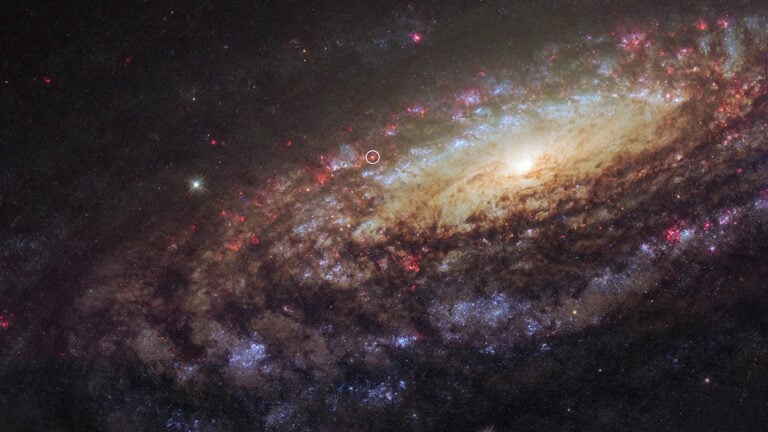














Lunt 60 mm Universal Telescope: A Modular Solar and Night Refractor
Feb 16, 2026
Soumyadeep Mukherjee
Soumyadeep Mukherjee is an award-winning astrophotographer from India. He has a doctorate degree in Linguistics. His work extends to the sub-genres of nightscape, deep sky, solar, lunar and optical phenomenon photography. He is also a photography educator and has conducted numerous workshops. His works have appeared in over 40 books & magazines including Astronomy, BBC Sky at Night, Sky & Telescope among others, and in various websites including National Geographic, NASA, Forbes. He was the first Indian to win “Astronomy Photographer of the Year” award in a major category.
Share:

Hydrogen-alpha solar telescopes have traditionally served a single purpose. Most instruments in this category focus exclusively on daytime chromospheric work. As a result, observers often maintain separate optical systems for solar and nighttime astronomy. The Lunt 60 mm Universal Telescope, widely known as the LS60MT, combines a pressure-tuned H-alpha system with a removable solar module inside a compact ED refractor platform.
Lunt Solar Systems developed the LS60MT to function as a convertible optical system rather than a fixed solar tube. The telescope operates as a dedicated hydrogen-alpha instrument when configured for solar work. However, it transforms into a conventional ED refractor once the solar components are removed. That dual-mode capability defines the instrument’s position in the current amateur solar market. The LS60MT occupies the mid-aperture segment of Lunt’s universal series. It balances portability, optical quality, and modular expansion. Consequently, it appeals to observers who want serious solar capability without committing to a large, single-purpose system.
Optical design
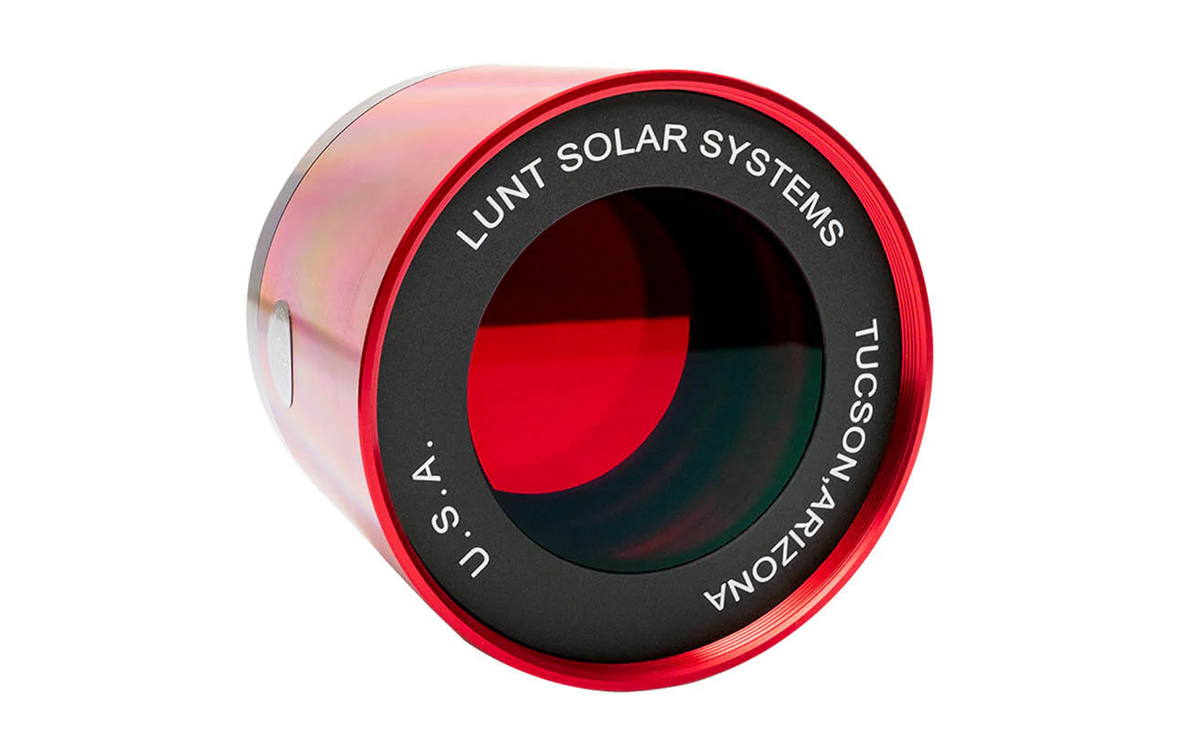
The LS60MT is built around a 70 mm ED doublet objective. Lunt specifies FPL-51 class glass for the primary element. This choice reduces chromatic aberration and preserves contrast across the visible spectrum. The telescope has a focal length of 420 mm and a focal ratio of f/7. These parameters place it firmly in the short refractor category.
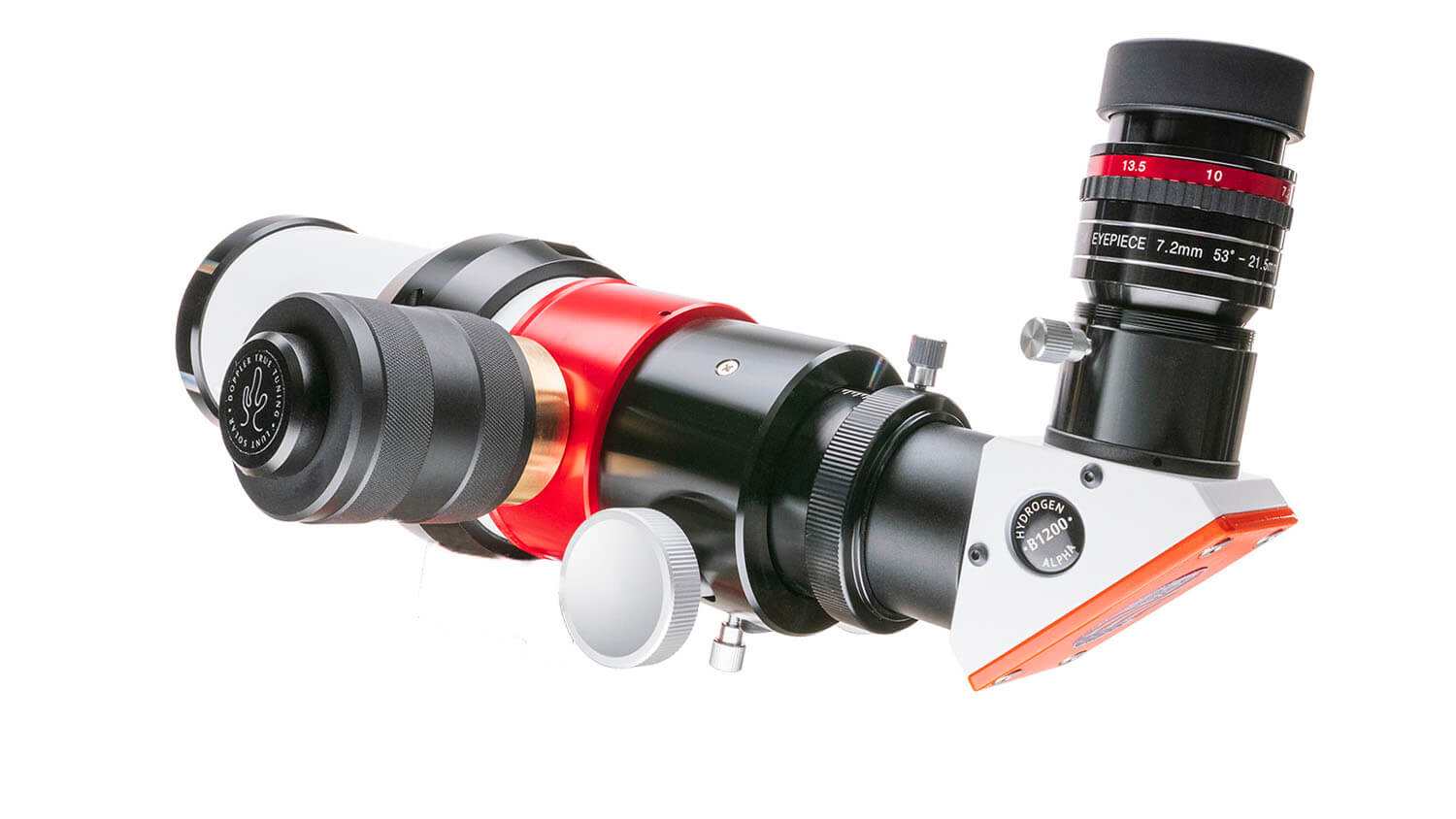
In nighttime configuration, the telescope uses the full 70 mm aperture. When configured for hydrogen-alpha work, the effective working aperture becomes 60 mm. This reduction results from the internal solar module geometry and energy rejection system.
Lunt applies ion-assisted broadband anti-reflection coatings to the objective surfaces. These coatings improve transmission efficiency and suppress stray reflections. As a result, the optical path remains clean in both solar and nighttime modes.
The internal etalon is tuned precisely to the hydrogen-alpha wavelength of 656.28 nm. In single-stack configuration, the system achieves a bandpass below 0.65 Å. With the optional double-stack module installed, the bandpass tightens to below 0.45 Å. These figures place the LS60MT firmly within the serious amateur solar imaging class. The telescope’s recommended maximum magnification is approximately 100×.
Universal configuration and multi-mode operation
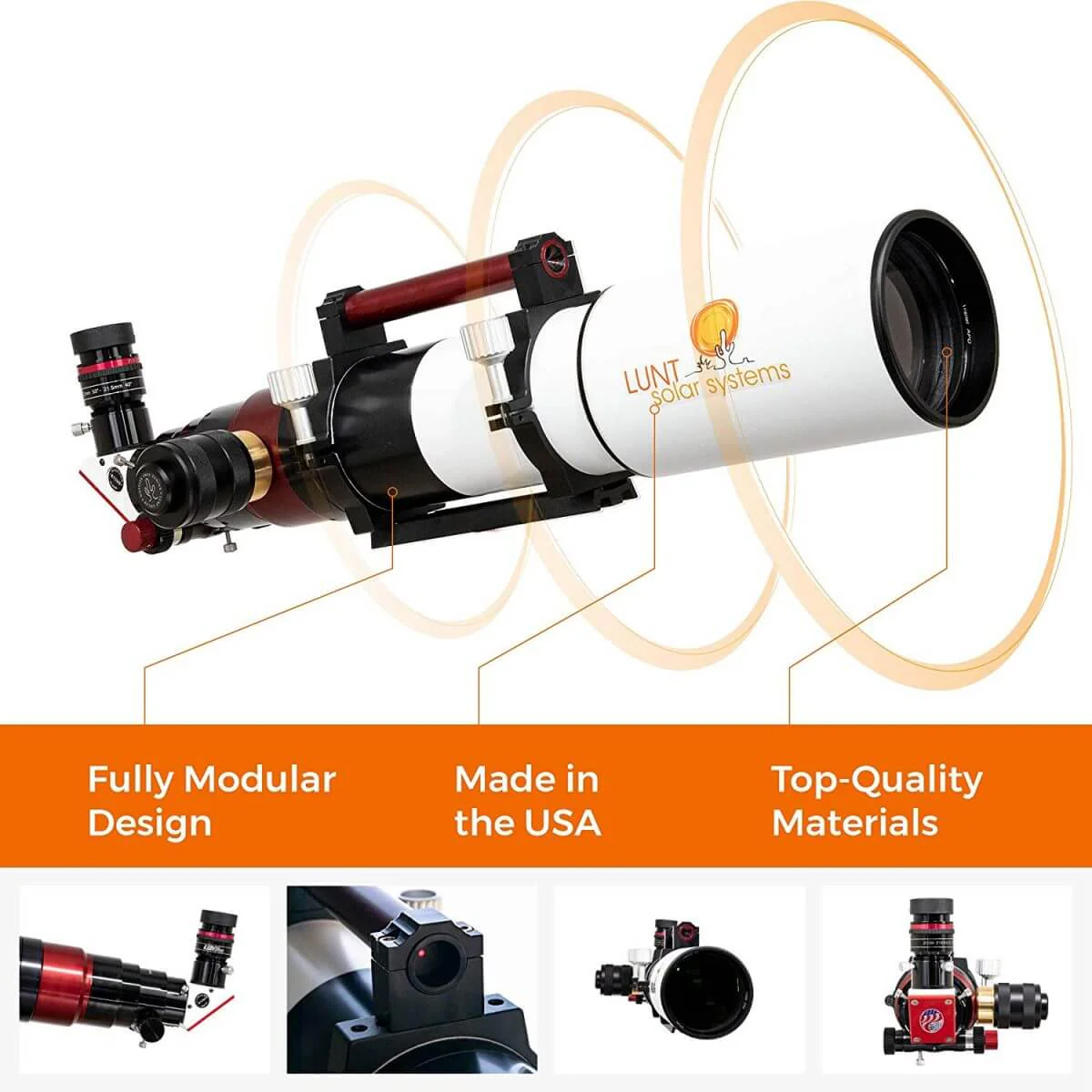
The defining characteristic of the LS60MT is its universal observing capability. Lunt designed the telescope as a modular platform that supports solar and nighttime modes. The transition between modes occurs through the removal or installation of dedicated optical modules.
In the hydrogen-alpha configuration, the telescope functions as a dedicated solar instrument. The internal etalon and blocking filter isolate the narrow H-alpha bandpass. This allows observers to examine prominences, filaments, plages, and chromospheric surface detail with high contrast.
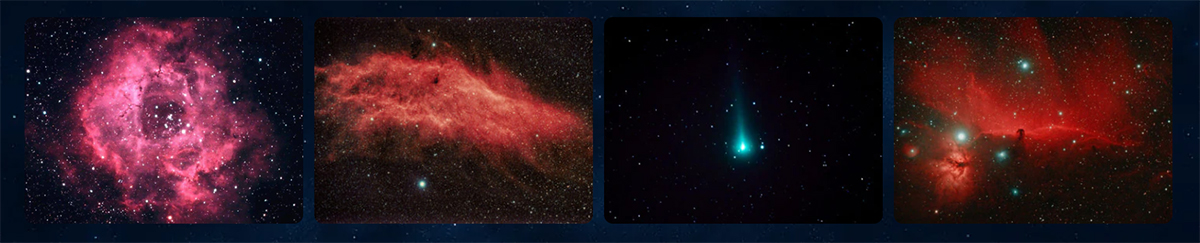
Once the solar module is removed, the optical tube behaves like a conventional ED refractor. At that stage, the telescope supports lunar observation, planetary viewing, and wide-field deep-sky imaging. The 420 mm focal length makes it particularly suitable for large nebulae and star fields.
The LS60MT also supports Calcium-K solar observing at 393.4 nm with an approximate 2.2 Å bandpass. This wavelength probes a different solar layer than hydrogen-alpha. As a result, users can study complementary solar structures. White-light solar observation remains another supported mode. Observers can use either a front-mounted solar film filter or a white-light wedge to monitor sunspots and photospheric detail. This multi-mode capability transforms the LS60MT into a genuinely flexible solar platform.
Pressure tuning and etalon control
A major technical feature of the LS60MT is Lunt’s Doppler True pressure tuning system. Instead of tilting the etalon to shift the wavelength, the telescope adjusts the internal air pressure surrounding the etalon cavity. This method provides more uniform spectral performance across the field.
Tilt-tuned systems often produce a sweet spot where contrast peaks in one region of the field. Pressure tuning reduces this effect. Consequently, the solar disk appears more evenly illuminated during both visual observation and imaging.
The tuning mechanism allows precise adjustment around the hydrogen-alpha line center. Observers can slightly offset the tuning to emphasize either prominences or surface contrast. The pressure system responds immediately to adjustments, which makes fine-tuning straightforward in the field.
The etalon itself uses UV-grade fused silica. This material offers excellent thermal stability under sustained solar exposure. Stability matters because even small thermal shifts can affect bandpass accuracy. Lunt’s material choice helps maintain consistent performance during extended solar sessions.
Blocking filters and system configurability
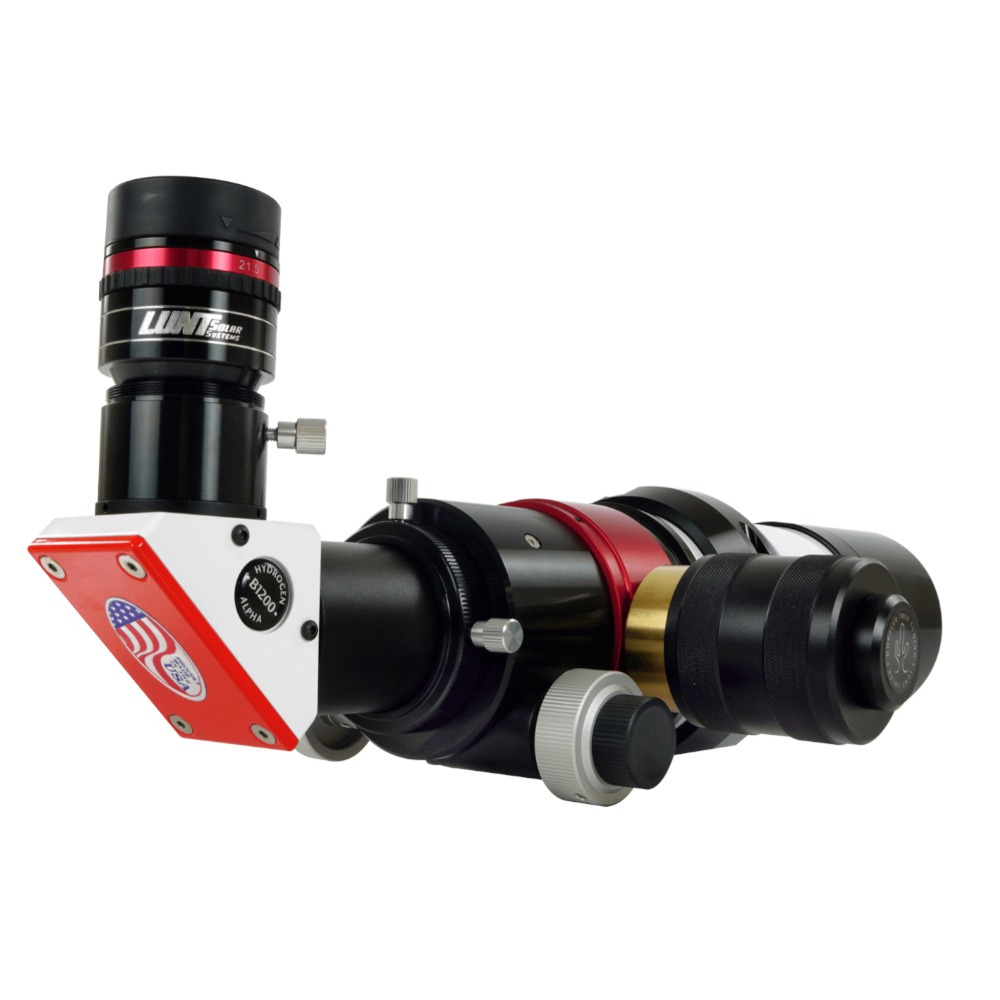
Lunt designed the LS60MT as a configurable system. Buyers can select among several blocking filter sizes, typically 6 mm, 12 mm, or 18 mm. The blocking filter determines the fully illuminated field at the focal plane. Smaller blocking filters work well for visual observing. Larger filters benefit imaging applications and wide-field eyepieces. For example, a 12 mm or 18 mm blocking filter reduces vignetting when paired with modern solar cameras.
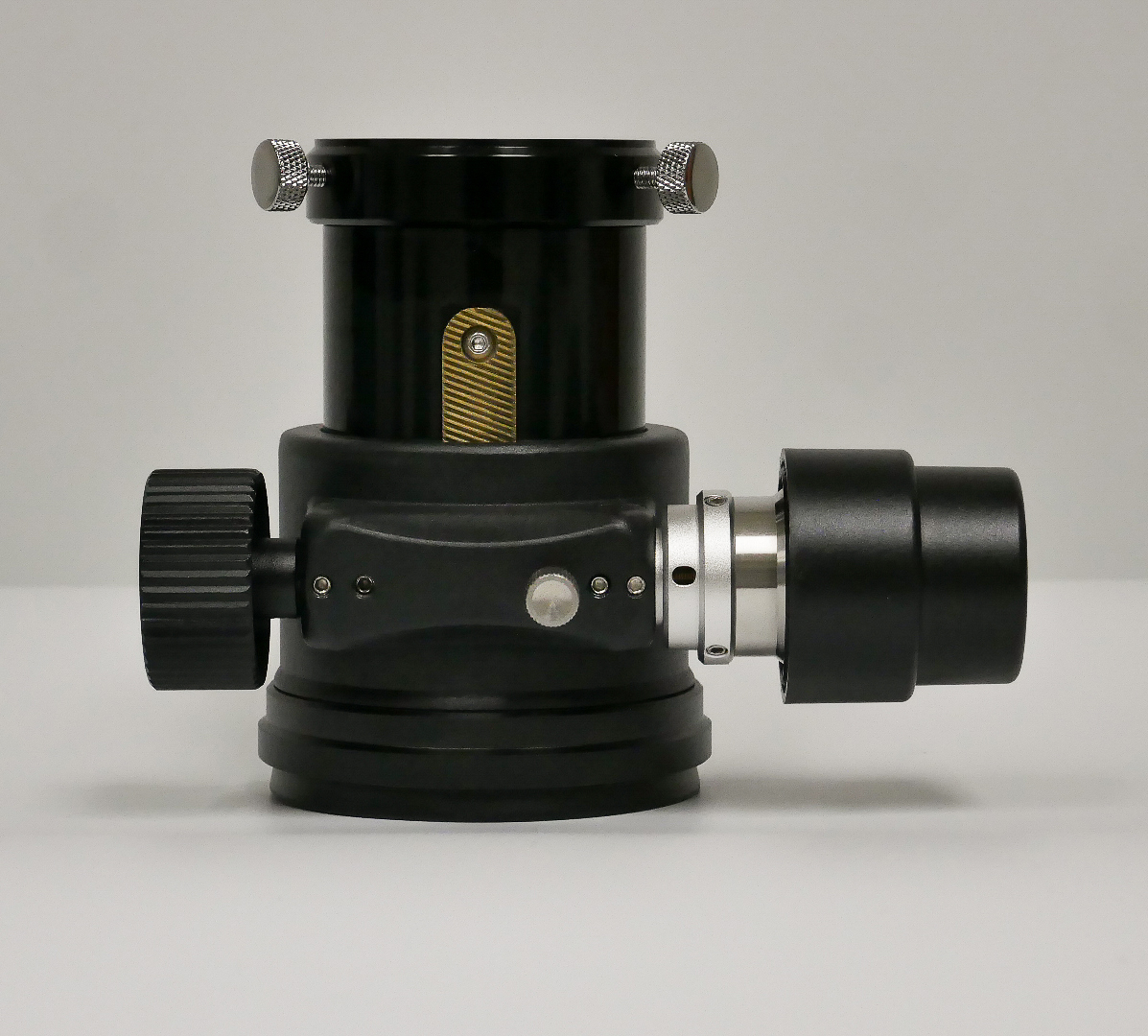
The focuser assembly is also configurable. Lunt offers dual-speed rack-and-pinion and Feather Touch options. Each version includes fine-focus reduction, typically around 10:1. This level of control becomes critical during high-resolution solar imaging.
Another important upgrade path involves double-stacking. Adding a second etalon narrows the bandpass below 0.45 Å. This significantly increases chromospheric contrast and suppresses continuum leakage. Many experienced solar observers eventually adopt this configuration to extract finer surface detail.
The telescope ships with a CNC-machined clamshell and a Vixen-style dovetail plate. This arrangement ensures compatibility with most modern mounts without requiring custom hardware.
Key specifications, price, and availability
Here are some of the key specifications of the Lunt LS60MT:
| Telescope Type | Universal Day and Night |
| Universal Capabilities | H-alpha, CaK, White Light, Lunar, Planetary, Deep Space, Terrestrial |
| Aperture | 70 mm Native, 60 mm H-alpha |
| Objective Type | Professional Grade ED Doublet |
| Objective Material | FLP51 |
| Objective Coating | Ion Assist Broadband AR |
| Focal Ratio | F/7 |
| Focal Length | 420 mm |
| H-alpha Etalon Type | Modular |
| Etalon Wavelength | 656.28 nm |
| Etalon Bandpass | <0.65 Å Single Stack, <0.45 Å Double Stack |
| Telescope Weight | ~7lbs |
| Theoretical Max Magnification | 100 x |
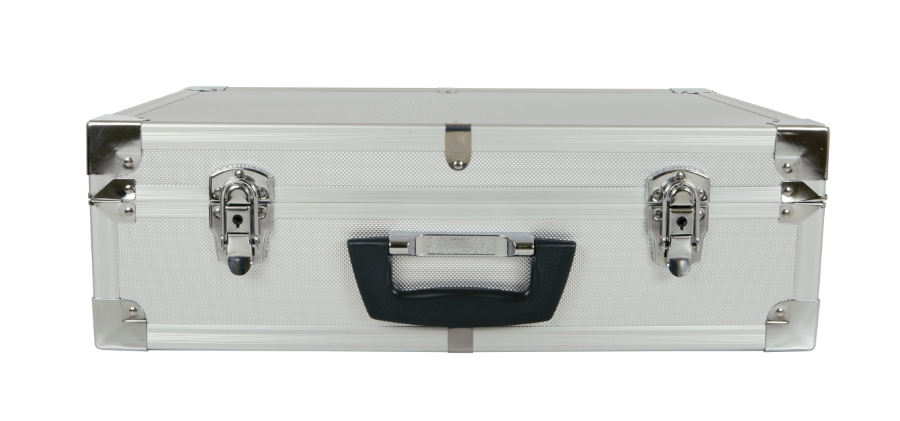
Lunt supplies the instrument in a fitted aluminum hard case. The foam interior protects the etalon and optical components during transport. Given the precision nature of hydrogen-alpha systems, proper storage remains essential.
The Lunt LS60MT is priced at $1,998 (OTA only). It is available with a B600 Blocking Filter ($2,393 for OTA + Blocking Filter) and with a B1200 Blocking Filter ($2,543 for OTA + Blocking Filter).
Order Lunt 60mm Universal Telescope at High Point Scientific
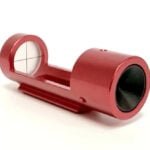
Lunt also offers multiple accessories, including double-stack units, white light solar wedges, Calcium K module, Sun Finders, eyepieces, and Feather Touch focuser, all of which can be bought separately or together with the telescope.
Within Lunt’s broader lineup, the LS60MT occupies a middle position in the universal telescope series. It offers more capability than entry-level solar scopes while remaining far more portable than larger dedicated instruments. The telescope targets observers seeking serious hydrogen-alpha performance in a travel-friendly format. Its modular architecture also appeals to users who prefer incremental system upgrades.
Clear skies!
See more from DIYPhotography.net on Google
Add DIYPhotography.net as a trusted source. This makes
our stories more likely to appear in your Google Search results.
 Add as a preferred source on Google

Soumyadeep Mukherjee
Soumyadeep Mukherjee is an award-winning astrophotographer from India. He has a doctorate degree in Linguistics. His work extends to the sub-genres of nightscape, deep sky, solar, lunar and optical phenomenon photography. He is also a photography educator and has conducted numerous workshops. His works have appeared in over 40 books & magazines including Astronomy, BBC Sky at Night, Sky & Telescope among others, and in various websites including National Geographic, NASA, Forbes. He was the first Indian to win “Astronomy Photographer of the Year” award in a major category.


Join the Discussion
DIYP Comment Policy
Be nice, be on-topic, no personal information or flames.