














Venus Will Disappear Behind the Moon: Here’s How to Photograph It
Sep 2, 2026
Soumyadeep Mukherjee
Soumyadeep Mukherjee is an award-winning astrophotographer from India. He has a doctorate degree in Linguistics. His work extends to the sub-genres of nightscape, deep sky, solar, lunar and optical phenomenon photography. He is also a photography educator and has conducted numerous workshops. His works have appeared in over 40 books & magazines including Astronomy, BBC Sky at Night, Sky & Telescope among others, and in various websites including National Geographic, NASA, Forbes. He was the first Indian to win “Astronomy Photographer of the Year” award in a major category.
Share:
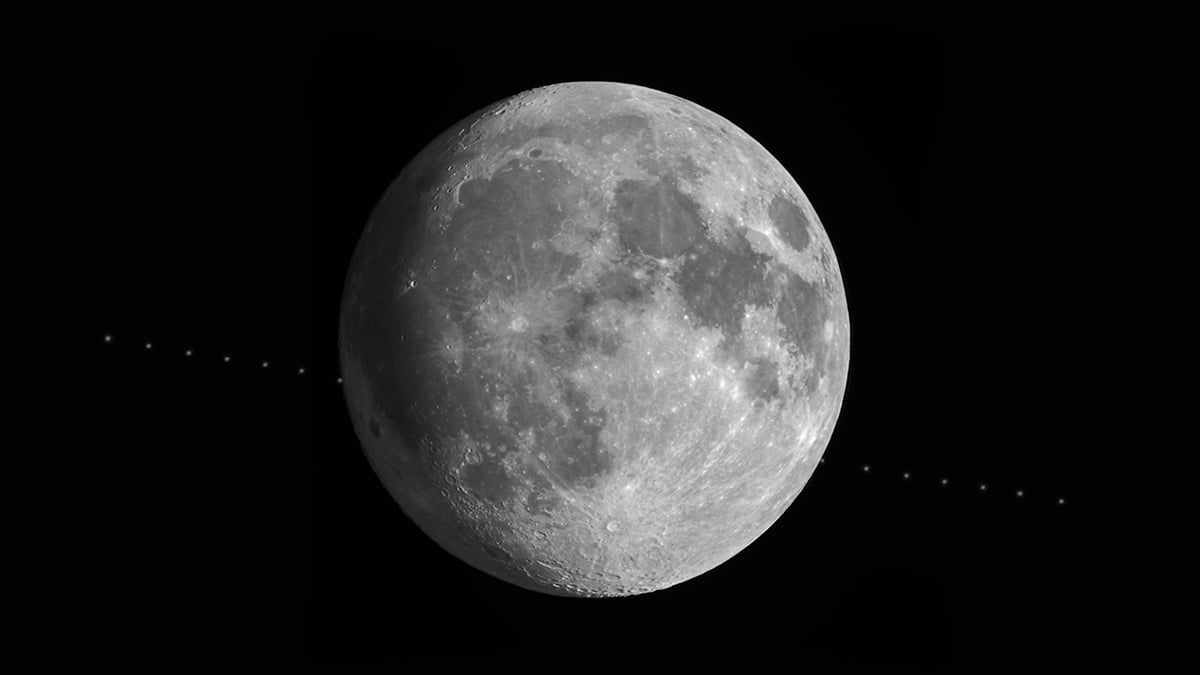
On September 14, 2026, Venus will disappear behind the Moon in one of the year’s most anticipated celestial events. Also known as the lunar occultation of Venus, it will be visible across parts of Europe, Africa, the Middle East, and Asia. The event is particularly interesting and challenging for photographers because it takes place while the Sun is still above the horizon for much of the observing region. That makes it much harder to observe and photograph than a typical lunar occultation.
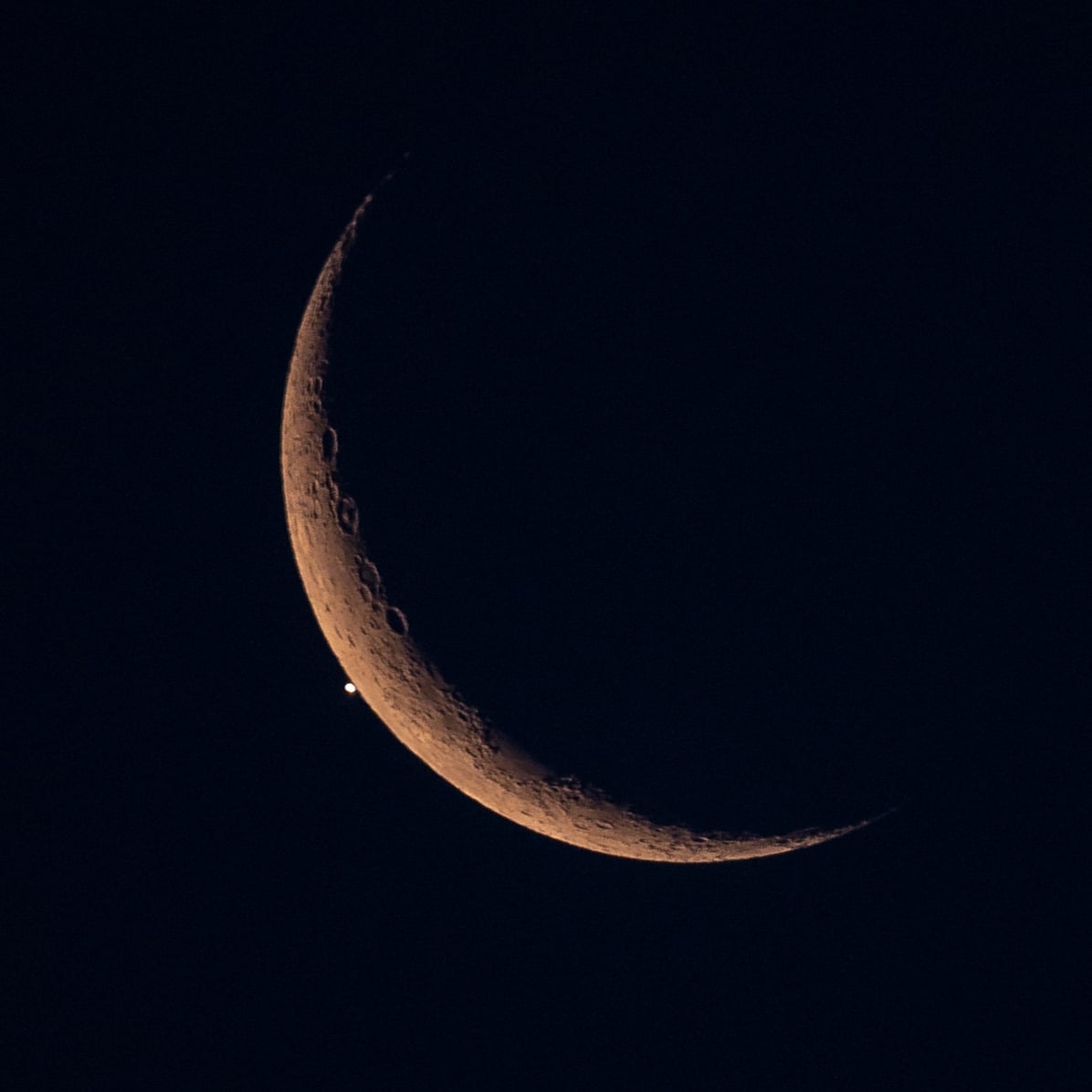
The Moon and Venus will remain relatively easy targets for a telescope or long lens. The Moon will be a young waxing crescent, with only about 15 percent of its disk illuminated. Venus will be exceptionally bright at about magnitude -4.5.
What happens during the Venus occultation?
A lunar occultation occurs when the Moon passes in front of a more distant object. It looks similar to a small eclipse, although the geometry is slightly different. The Moon does not block the Sun here. It will cover Venus as both objects move across the sky.
The occultation begins globally at about 09:26 UTC on September 14 and ends at about 13:42 UTC. The Moon will be a thin waxing crescent. Venus will also show a crescent phase when viewed through a telescope.
That makes this more interesting through a telescope than it might appear to the naked eye. Venus will look like a small crescent planet while the Moon presents a much larger crescent in the same field. The planet then reaches the lunar limb and vanishes. And after some time, Venus will reappear from behind the Moon.
The disappearance will not look the same from every location. The Moon is close enough to Earth for its apparent position against the background stars to change noticeably with observing location. This effect, known as lunar parallax, creates a broad geographical zone where the occultation can be seen.
Where can you see the occultation?
The visibility zone crosses a large section of the Eastern Hemisphere. The visibility map shows the path extending from northwestern Africa and Europe across the Mediterranean and Middle East, through South Asia and Southeast Asia, and into the western Pacific.
That includes parts of countries such as Spain, France, Italy, Germany, Greece, Turkey, and other parts of Europe. The path continues through North Africa and the Middle East before crossing areas of the Indian subcontinent and Southeast Asia. Parts of the western Pacific also fall within the occultation zone.
The northern and southern edges of the path are also interesting. Near the boundary, the Moon may only graze Venus. Places outside the occultation path can still see Venus and the Moon close together. They will not see the Moon cover the planet, but only a close conjunction between the two.
Check the map here to see if you will be able to see the occultation or a close approach.
The challenges
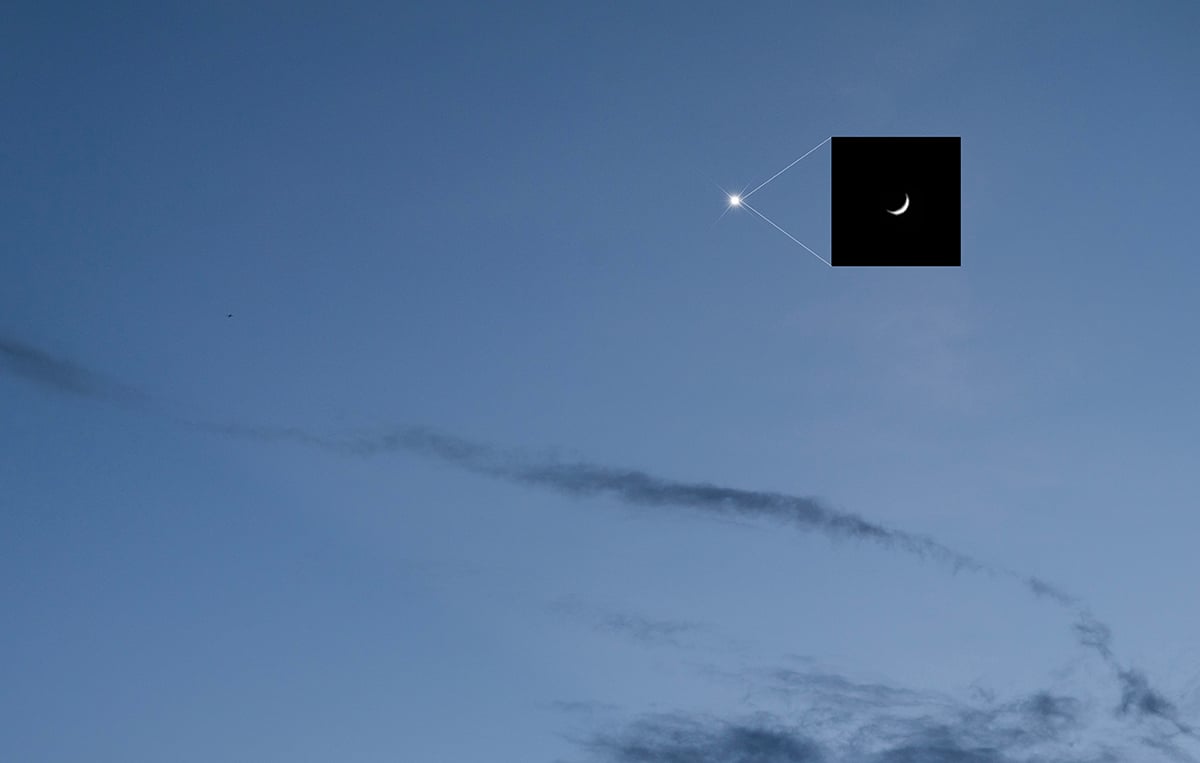
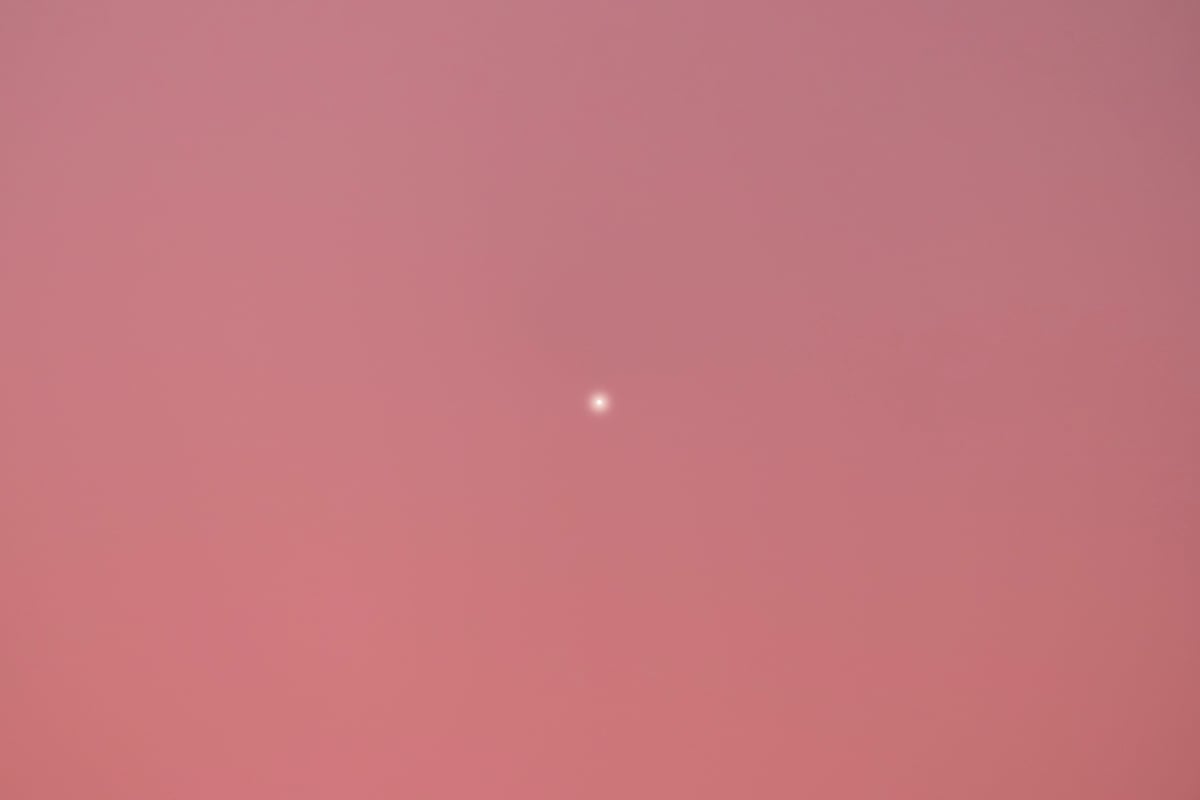
The first challenge is finding the targets. Venus is bright, but the daytime sky reduces its contrast. The Moon is easier to locate, but a thin crescent can be surprisingly difficult to pick out against a blue sky.
Do not wait until a few minutes before the occultation to point the camera at the sky. Find the Moon and Venus well ahead of the predicted disappearance. Once you have them, lock the focus and test the exposure.
The atmosphere can present another challenge. Daytime heating creates turbulent air, especially when the line of sight passes over buildings, roads, or rooftops. At low magnification, this may not be visible. But with a telescope, it can make Venus shimmer and soften the lunar edge.
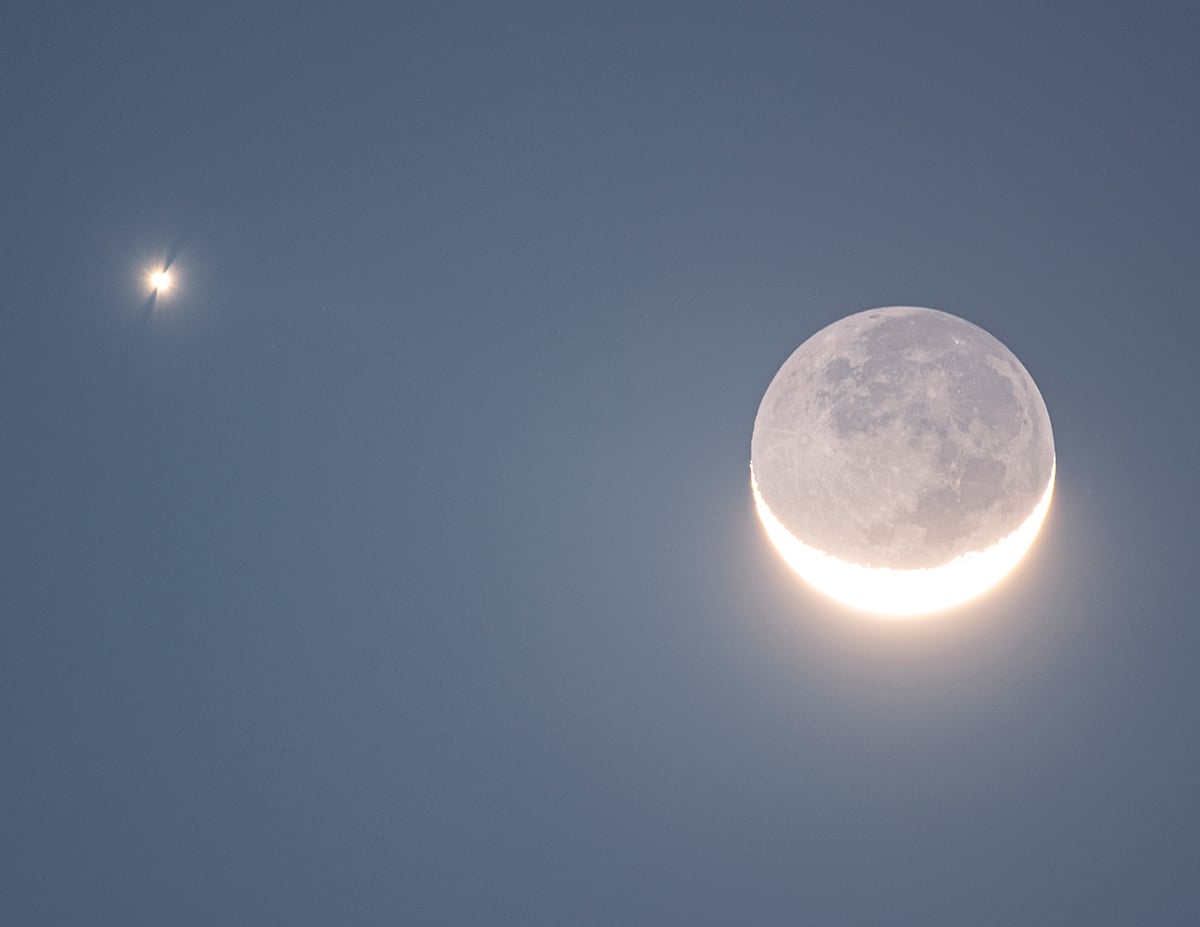
Even with a clear sky, haze and thin clouds can also reduce contrast. A location with a clear view and minimal local heat sources will give you a better chance of resolving the planet and lunar limb.
The brightness difference between the two objects creates another photographic problem. Venus can be recorded quite easily, but the illuminated part of the Moon may require a different exposure. If you expose for the planet, lunar detail can become too bright. If you expose for the Moon, Venus can become saturated. So, your exposure might depend on the final image you are aiming for. Alternatively, you can take separate exposures for the two celestial objects and blend them in post-processing.
How to photograph it
A long telephoto lens is enough to attempt the event. Something in the 300mm to 600mm range can frame the Moon and Venus well while still giving you enough field of view to locate them. A small refractor telescope will provide more magnification and can produce a much larger image of Venus. Of course, the higher the focal length, the better the view will be.
Use a sturdy tripod with a camera and lens. A tracking mount can make things easier, particularly with a telescope, but tracking is not essential for short exposures. The main requirement is a stable setup that allows you to keep the two objects centered.
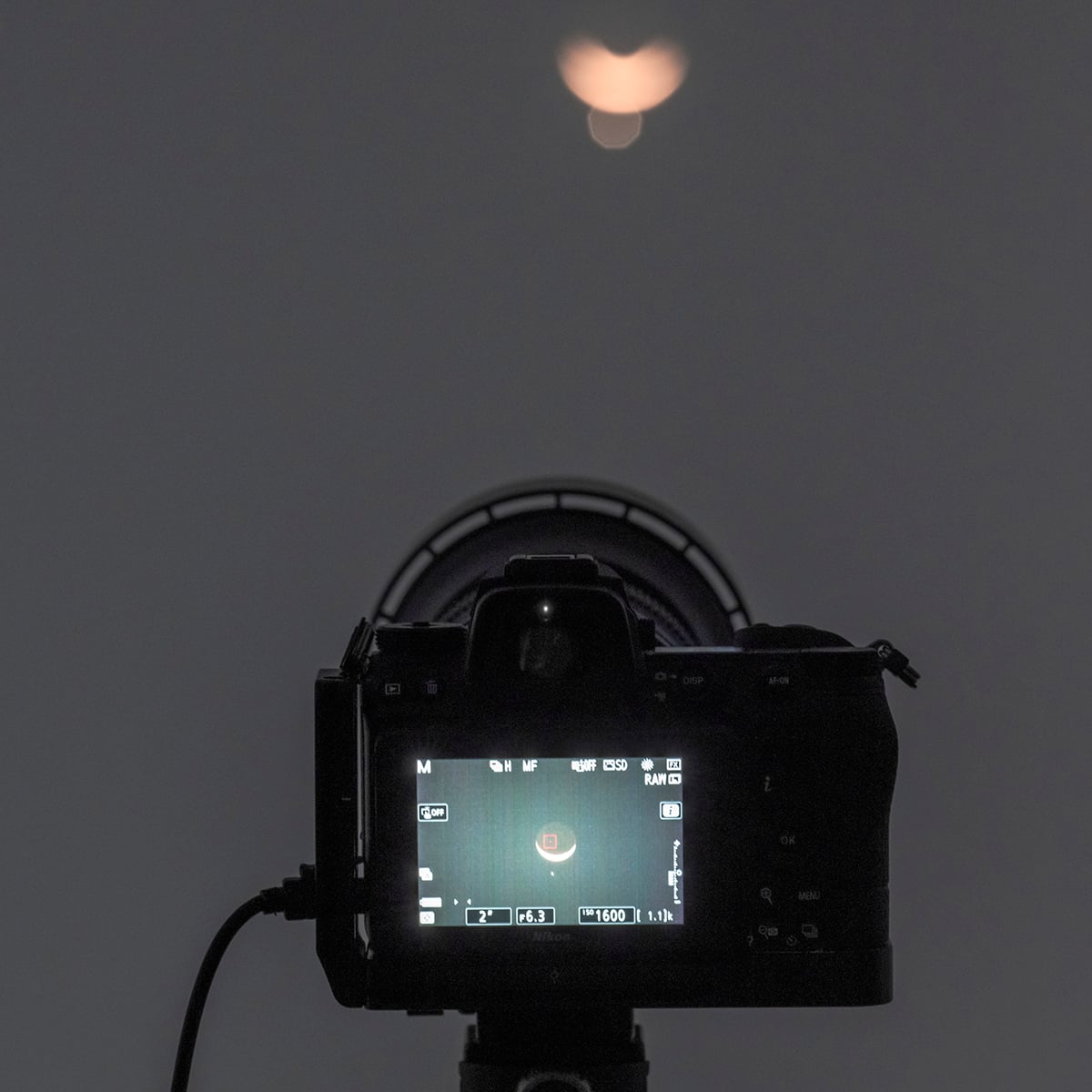
For a DSLR or mirrorless camera, begin around ISO 100 to 400. A shutter speed somewhere between 1/250 and 1/1000 second is a reasonable starting point. Use the widest aperture that gives your lens good optical performance, then adjust the shutter speed after checking the histogram.
But remember that these are only starting points and not fixed settings. The actual exposure will depend on the lens, telescope, aperture, sensor and brightness of the sky. Venus is bright enough that there is little reason to push the ISO high.
Shoot RAW if your camera supports it. You will have more flexibility when balancing the bright planet, crescent Moon, and blue sky during processing.
Manual focus is also preferable. Autofocus can hunt against the low-contrast daytime sky. Magnify the live-view image and focus carefully on Venus or the sharpest visible edge of the Moon.
Clear skies!
See more from DIYPhotography.net on Google
Add DIYPhotography.net as a trusted source. This makes
our stories more likely to appear in your Google Search results.
 Add as a preferred source on Google

Soumyadeep Mukherjee
Soumyadeep Mukherjee is an award-winning astrophotographer from India. He has a doctorate degree in Linguistics. His work extends to the sub-genres of nightscape, deep sky, solar, lunar and optical phenomenon photography. He is also a photography educator and has conducted numerous workshops. His works have appeared in over 40 books & magazines including Astronomy, BBC Sky at Night, Sky & Telescope among others, and in various websites including National Geographic, NASA, Forbes. He was the first Indian to win “Astronomy Photographer of the Year” award in a major category.
Related Posts
 How To Make Your Body Disappear In A Photograph
 Where Was the First Photograph Taken? The Story Behind the World’s Oldest Photograph
 Astrophotographers: The Moon, Venus and Jupiter will form a smiley face in the sky next month
 This photographer is documenting the American Midwest’s small towns before they disappear forever
Join the Discussion
DIYP Comment Policy
Be nice, be on-topic, no personal information or flames.