


















DJI Osmo Action 6 Gets Strapped to a Rocket: Records Footage from Space
Sep 1, 2026
Soumyadeep Mukherjee
Soumyadeep Mukherjee is an award-winning astrophotographer from India. He has a doctorate degree in Linguistics. His work extends to the sub-genres of nightscape, deep sky, solar, lunar and optical phenomenon photography. He is also a photography educator and has conducted numerous workshops. His works have appeared in over 40 books & magazines including Astronomy, BBC Sky at Night, Sky & Telescope among others, and in various websites including National Geographic, NASA, Forbes. He was the first Indian to win “Astronomy Photographer of the Year” award in a major category.
Share:
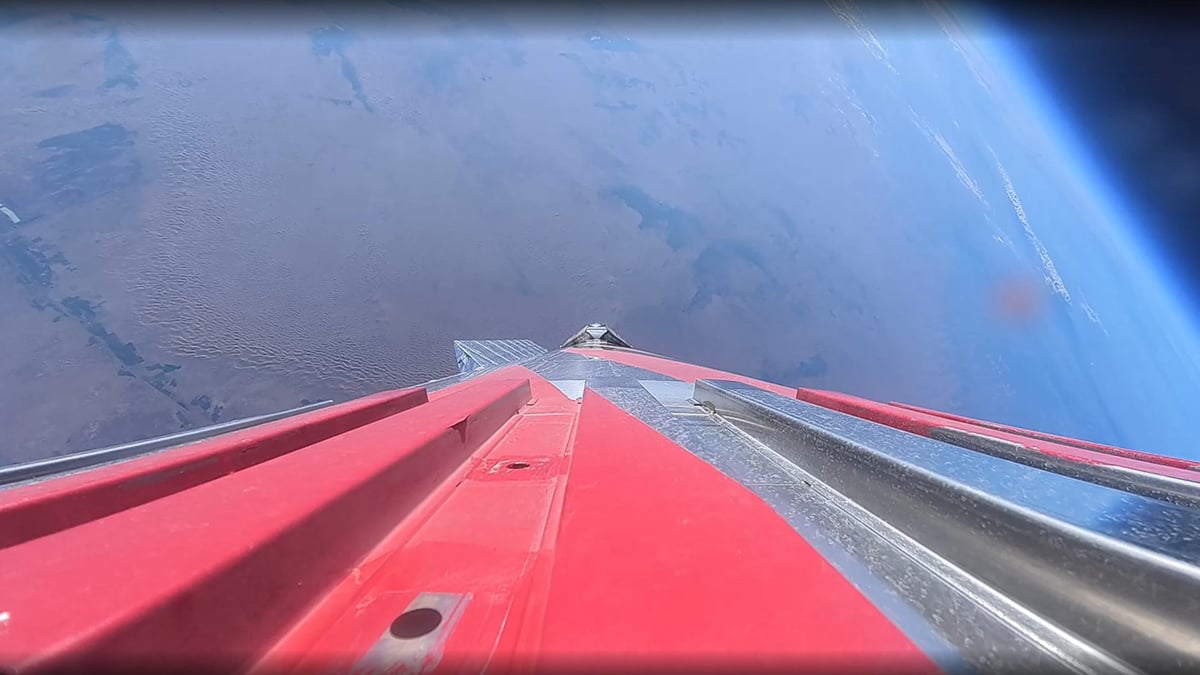
DJI Osmo Action 6 has now filmed something few consumer cameras ever will: a complete rocket flight from liftoff to landing. The cameras were mounted on LandSpace’s Zhuque-3 reusable rocket during its second flight on August 19, 2026. The rocket launched from China and sent the Honghu-03 satellite into orbit.
Twelve DJI Osmo Action 6 cameras recorded the flight from the rocket itself. The cameras captured a continuous view through launch, ascent, descent, and landing. The footage shows the rocket climbing away from the launch site, reaching high altitude and then returning for a vertical touchdown. During the flight, the cameras faced conditions far beyond normal action-camera use. DJI says parts of the rocket’s surface reached about 400°C to 500°C during flight.
The DJI Action 6 survived extreme conditions
The thermal environment was one of the biggest challenges for the cameras. DJI says aerodynamic heating pushed the rocket body’s surface temperature to roughly 400°C to 500°C during ascent and return. At the same time, the rocket and its engines generated continuous high-frequency, high-intensity vibration. The cameras had to keep operating while attached to the vehicle throughout those flight phases.
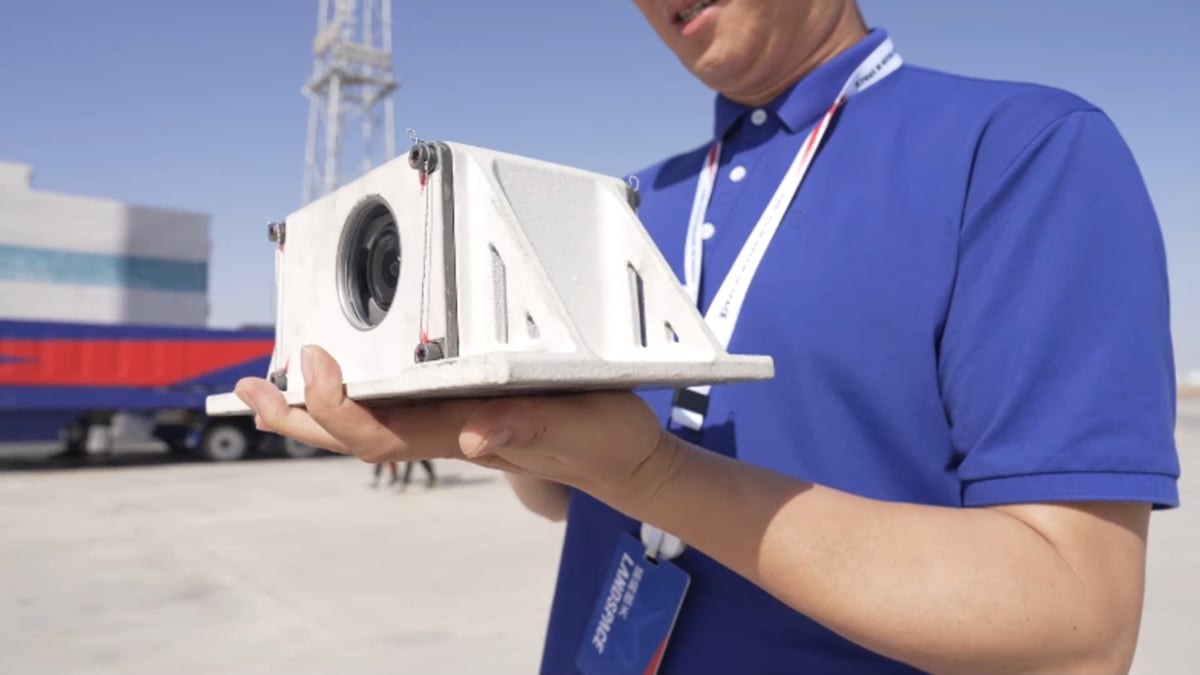
DJI describes the 12 cameras as consumer-grade Osmo Action 6 units. The company says they were not specially modified for the mission. Their installation included protective housings, while the cameras themselves remained mass-produced units.
The Action 6 is a compact action camera measuring 72.8 × 47.2 × 33.1 mm and weighing 149 grams. DJI’s standard specifications include 20-metre waterproofing without the waterproof case and 60-metre protection with it. The camera also has 50GB of built-in storage and supports microSD cards up to 1TB.
The cameras had to continue recording while the vehicle experienced the vibration and heating associated with powered flight and atmospheric return. The footage shows that they did so successfully. DJI says the cameras remained operational throughout the journey and returned the recorded material intact.
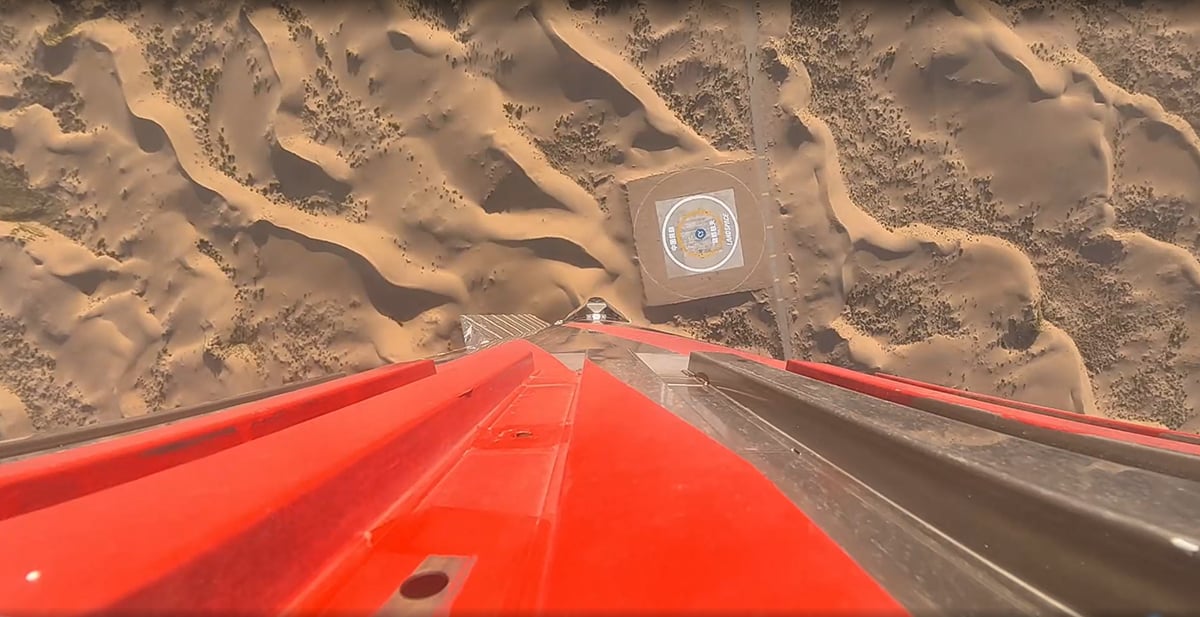
Stabilized footage from a moving rocket
When you strap a camera to a rocket, Vibration would be your next problem. A rocket does not produce the kind of movement that an action camera normally encounters on a bicycle or motorcycle.
During launch, the engines create strong vibration throughout the vehicle. The first stage also experiences high acceleration. Later in the flight, the booster changes its altitude during its return manoeuvres.
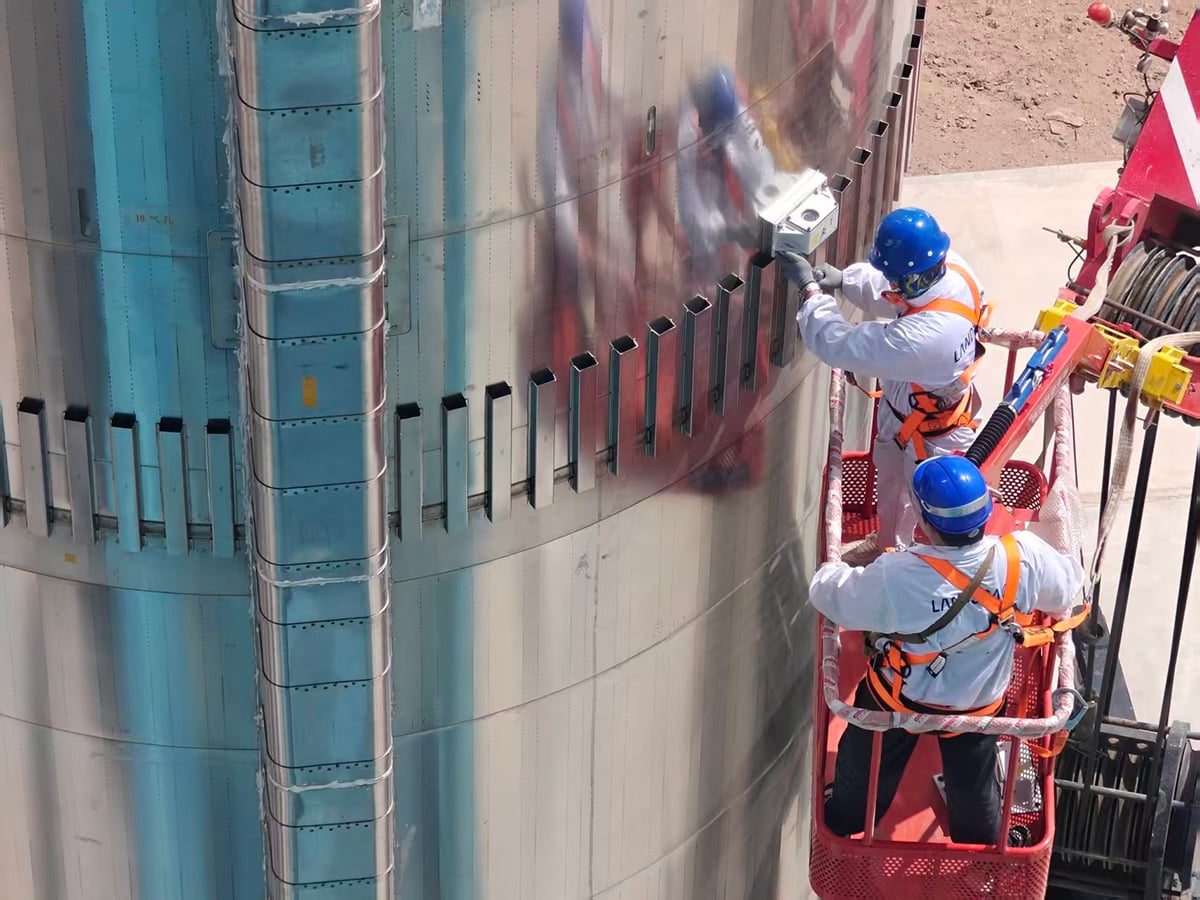
DJI says its new-generation stabilization algorithm adapted to the changing motion and kept the footage smooth during launch, first-stage attitude adjustments and landing.
The Action 6 includes RockSteady 3.0 and RockSteady 3.0+ electronic image stabilization. It also offers HorizonBalancing and HorizonSteady for controlling unwanted rotation and keeping the horizon level. DJI lists these systems among the camera’s stabilization features.
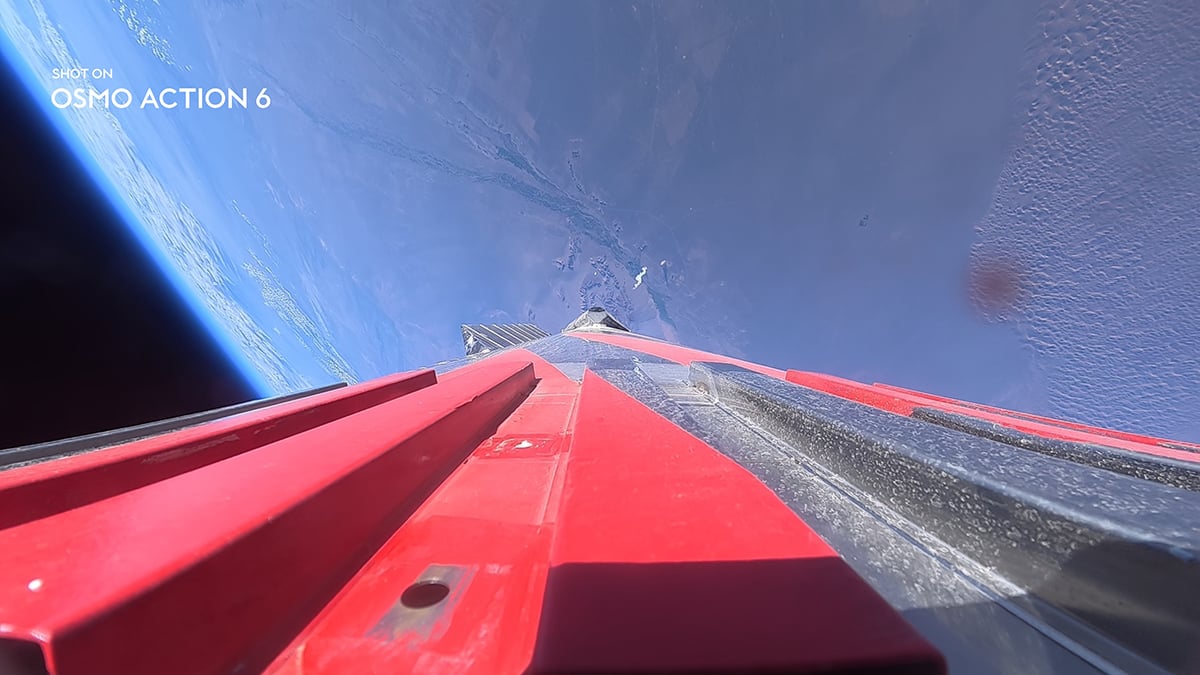
Working through the blackout
Travelling through the atmosphere, Zhuque-3 entered a communications blackout zone. During high-speed atmospheric flight, the air surrounding a vehicle can become highly ionized. This creates a plasma layer around the vehicle that can interfere with radio communication. For a camera mounted on the rocket, that means a live connection with the ground can temporarily disappear.
However, a live connection was not required for the Osmo Action 6 to keep recording. Its footage is stored onboard, so the camera could continue capturing images while the rocket passed through the blackout region. DJI says this onboard direct-recording capability ensured that the high-definition footage remained intact despite the loss of external communication.
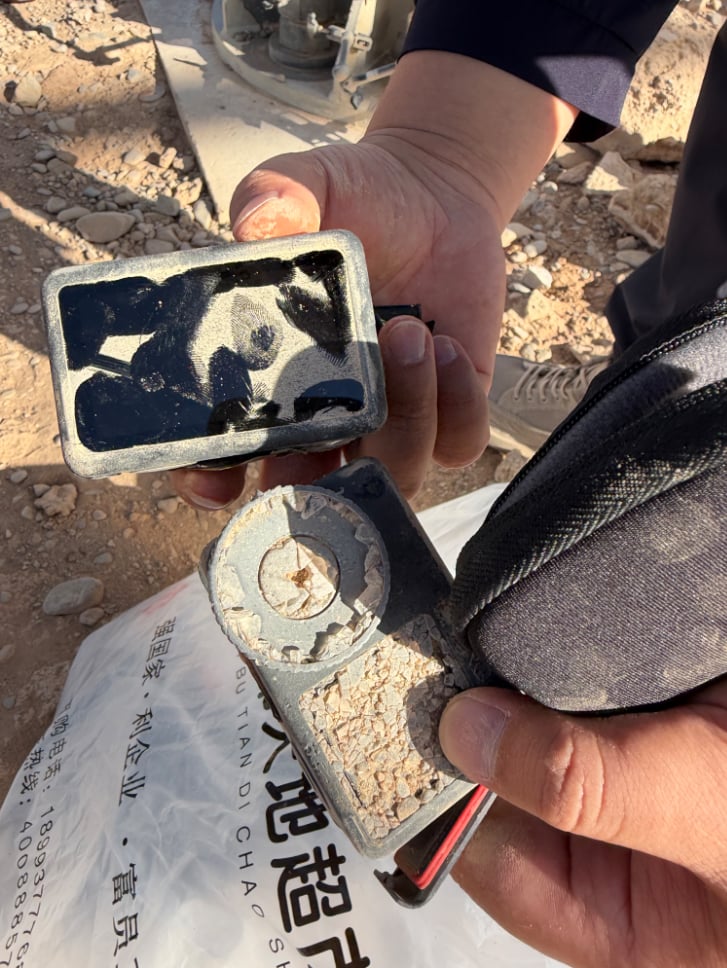
Capturing through changing scenes
The camera also had to deal with changing illumination throughout the flight. The camera went through strong sunlight at high altitude, the Earth’s surface below, and areas of deep shadow around the vehicle. During the descent, the lighting conditions changed again as the rocket moved back into denser parts of the atmosphere.
The Osmo Action 6 uses DJI’s custom 1/1.1-inch square CMOS sensor. The sensor has 2.4-micrometre pixels, and DJI rates the camera for up to 13.5 stops of dynamic range.
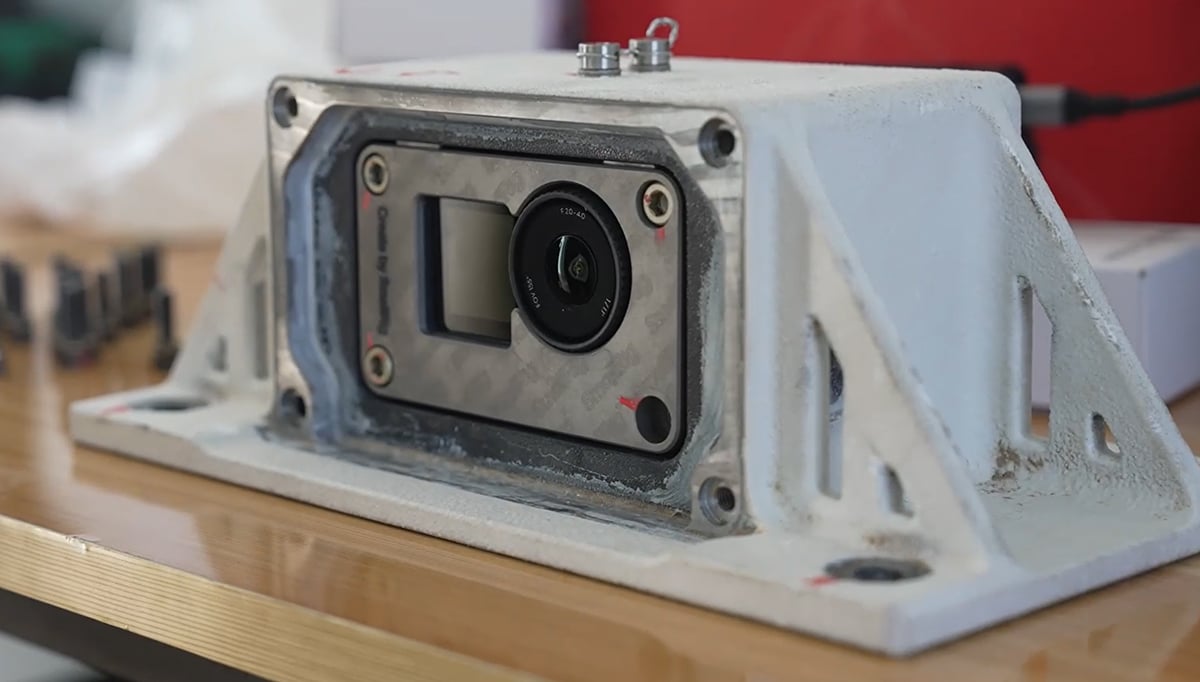
DJI says the Action 6 retained highlight and shadow detail during the flight. The footage also captured events such as engine ignition, grid-fin attitude adjustments and the landing cushioning.
Check out the complete footage from launch to return here:
Clear skies!
See more from DIYPhotography.net on Google
Add DIYPhotography.net as a trusted source. This makes
our stories more likely to appear in your Google Search results.
 Add as a preferred source on Google

Soumyadeep Mukherjee
Soumyadeep Mukherjee is an award-winning astrophotographer from India. He has a doctorate degree in Linguistics. His work extends to the sub-genres of nightscape, deep sky, solar, lunar and optical phenomenon photography. He is also a photography educator and has conducted numerous workshops. His works have appeared in over 40 books & magazines including Astronomy, BBC Sky at Night, Sky & Telescope among others, and in various websites including National Geographic, NASA, Forbes. He was the first Indian to win “Astronomy Photographer of the Year” award in a major category.


Join the Discussion
DIYP Comment Policy
Be nice, be on-topic, no personal information or flames.