
















Why Boredom Might Be Your Best Street Photography Tool
Oct 15, 2026
Alysa Gavilan
Alysa Gavilan has spent years exploring photography through photojournalism and street scenes. She enjoys working with both film and mirrorless cameras, and her fascination with the craft has grown over the decades. Inspired by Vivian Maier, she is drawn to capturing everyday moments that often go unnoticed.
Share:
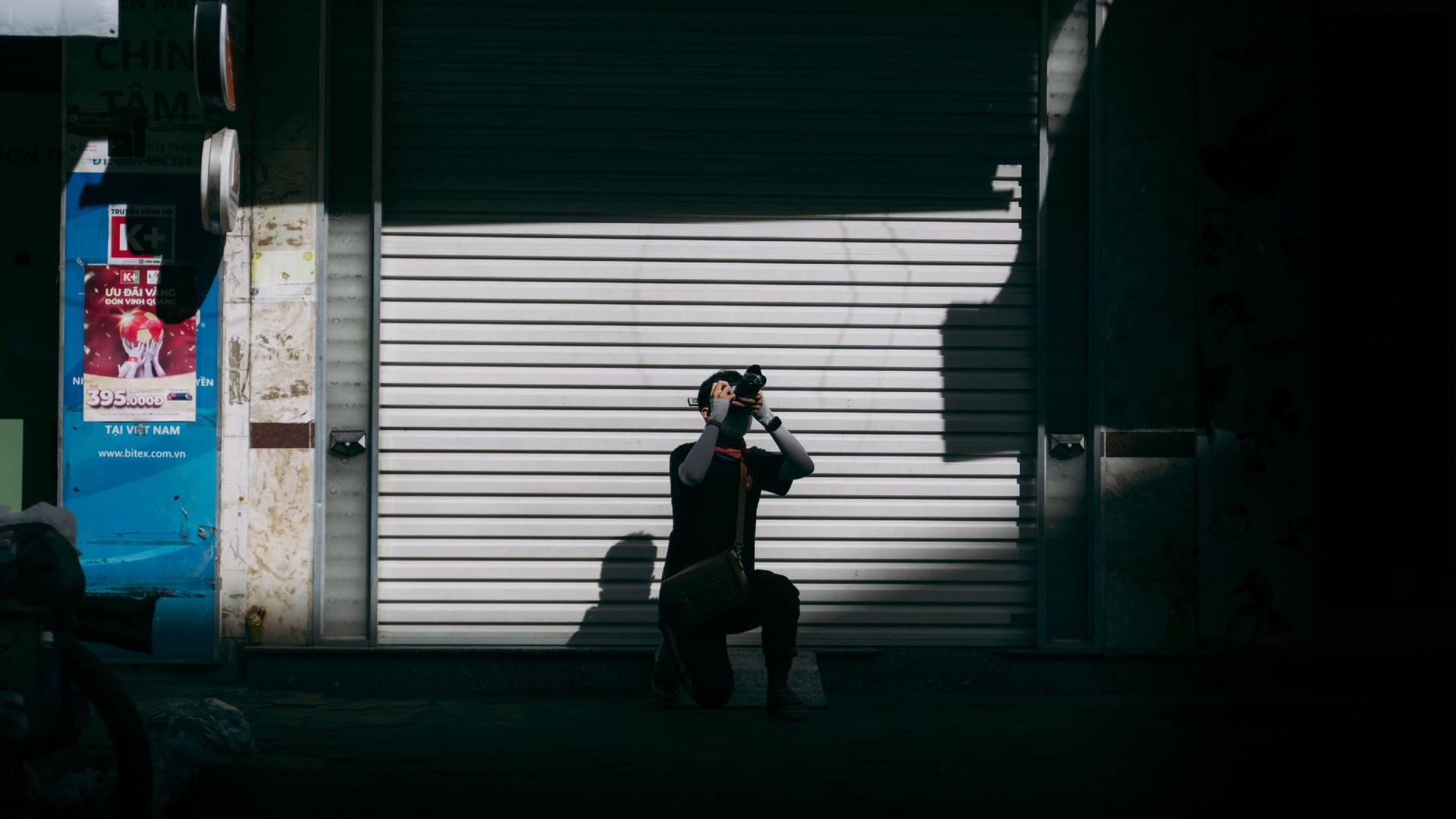
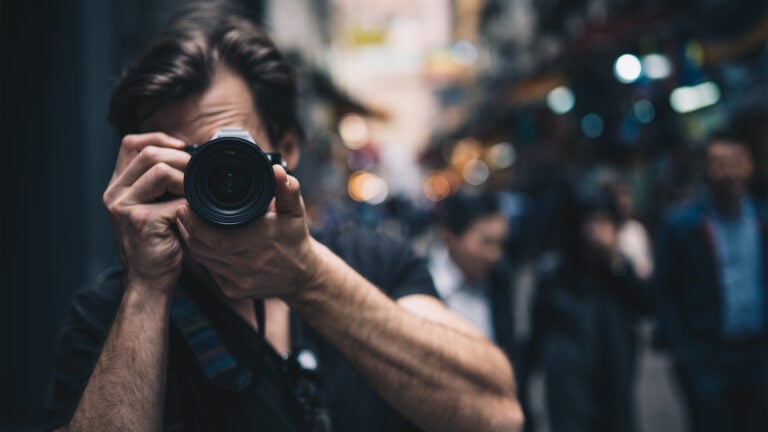
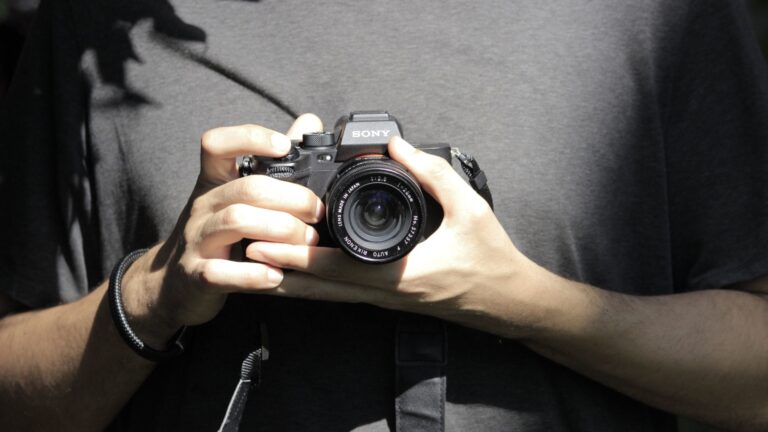
Street photography looks glamorous on Instagram. You walk around, spot a perfectly timed moment, click the shutter, and voilà, another masterpiece. In reality, you might spend an hour wandering around wondering why you even brought your camera.
Photographer Peter Forsgård says that is perfectly normal. In fact, he argues in a YouTube video that street photography is about 95% boredom, and learning to embrace it could help you take better pictures.
The part of street photography you rarely see
Social media tends to show the keepers, not the hours spent looking for them. Forsgård points out that an exhibition featuring 50 photographs might represent thousands of images that never made the final cut.
Those unsuccessful shots are part of the process. Photographers need time to observe their surroundings, recognize patterns, and learn which moments deserve their attention.
Forsgård puts this into practice in Helsinki, where he has been photographing electrical switch boxes decorated with graffiti. The city has around 700 of these boxes, giving him an ongoing project to explore during his walks.
Even so, many stretches of a photo walk produce little worth keeping. For Forsgård, those quiet periods help him stay alert to details he might otherwise overlook.
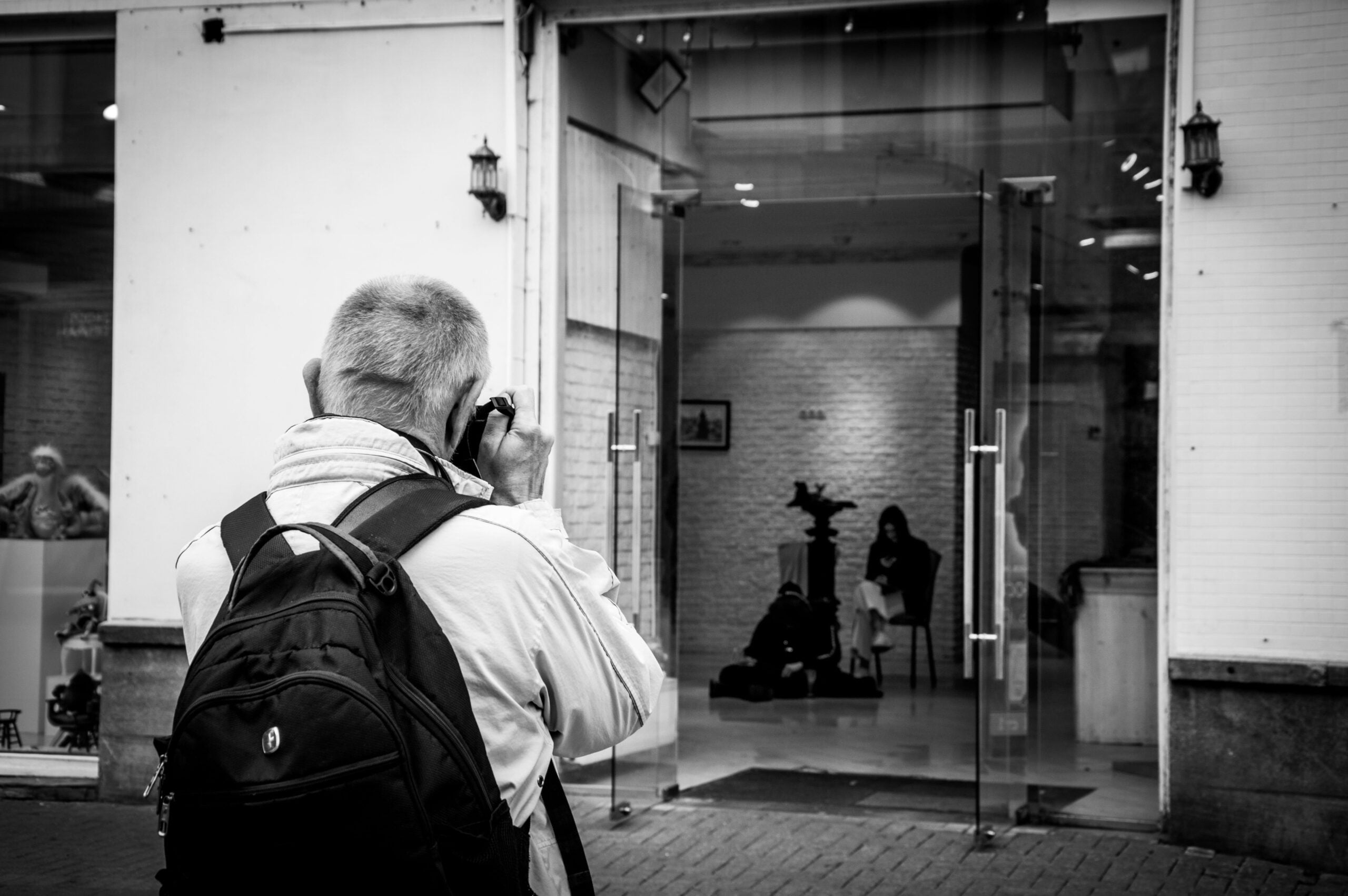
Boredom beats the urge to keep shooting
Forsgård says the first hour of a photo walk often serves as a warm-up. He might take photographs simply to get started before settling into a more focused rhythm.
The trouble begins when boredom turns into restlessness. Feeling pressure to come home with photographs can lead to taking pictures for the sake of taking them, rather than because something meaningful is happening.
He distinguishes these panic shots from warm-up images. The former come from anxiety about not producing enough, while the latter help establish a rhythm.
His advice is to slow down instead of chasing activity. Taking a coffee break, observing people in a cafe, or concentrating on one street corner can help reset attention and make it easier to notice interesting moments.
Look beyond people walking past
Forsgård has been trying to photograph gestures, emotions, and interactions between people. These moments can be harder to capture than someone simply walking through a patch of light or passing an interesting building.
A strong street photograph needs something that makes the scene meaningful, he argues. That could be a person’s expression, an interaction, or a background detail that gives the image another layer.
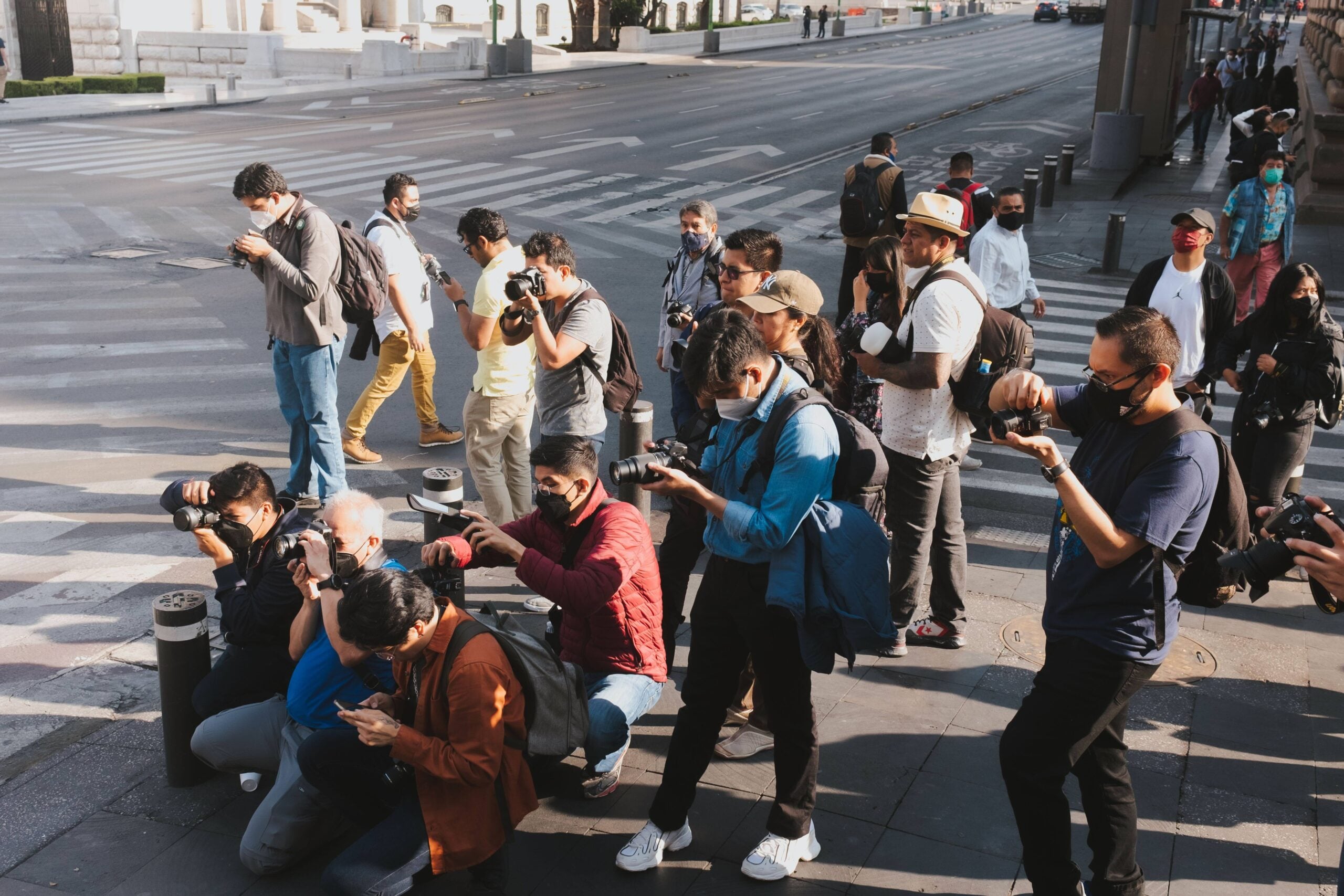
Busy streets and events offer plenty of opportunities, but a high number of shots does not guarantee strong photographs.
Can you learn to love the quiet?
For Forsgård, a successful photo walk does not require a memory card full of keepers. Sometimes, returning home with only a couple of photographs is enough, especially if the walk revealed places or moments worth revisiting.
What do you do when a photo walk produces nothing? Do you keep shooting, change locations, or give yourself time to simply look?
See more from DIYPhotography.net on Google
Add DIYPhotography.net as a trusted source. This makes
our stories more likely to appear in your Google Search results.
 Add as a preferred source on Google

Alysa Gavilan
Alysa Gavilan has spent years exploring photography through photojournalism and street scenes. She enjoys working with both film and mirrorless cameras, and her fascination with the craft has grown over the decades. Inspired by Vivian Maier, she is drawn to capturing everyday moments that often go unnoticed.
Related Posts
 How street photography changed my lifestreet photography changed my lifeHow street photography changed my life
 The Intersect tool in Lightroom: the ‘secret’ masking tool you definitely need to start using
 Why you shouldn’t do street photography: the problem of ethics and representation
 Why Modern Street Photography No Longer Captures Real Emotion
Join the Discussion
DIYP Comment Policy
Be nice, be on-topic, no personal information or flames.