

















A Giant Mirror in Space Could Ruin Your Night Sky Photos and Hurt Your Eyes
Aug 12, 2026
Alysa Gavilan
Alysa Gavilan has spent years exploring photography through photojournalism and street scenes. She enjoys working with both film and mirrorless cameras, and her fascination with the craft has grown over the decades. Inspired by Vivian Maier, she is drawn to capturing everyday moments that often go unnoticed.
Share:
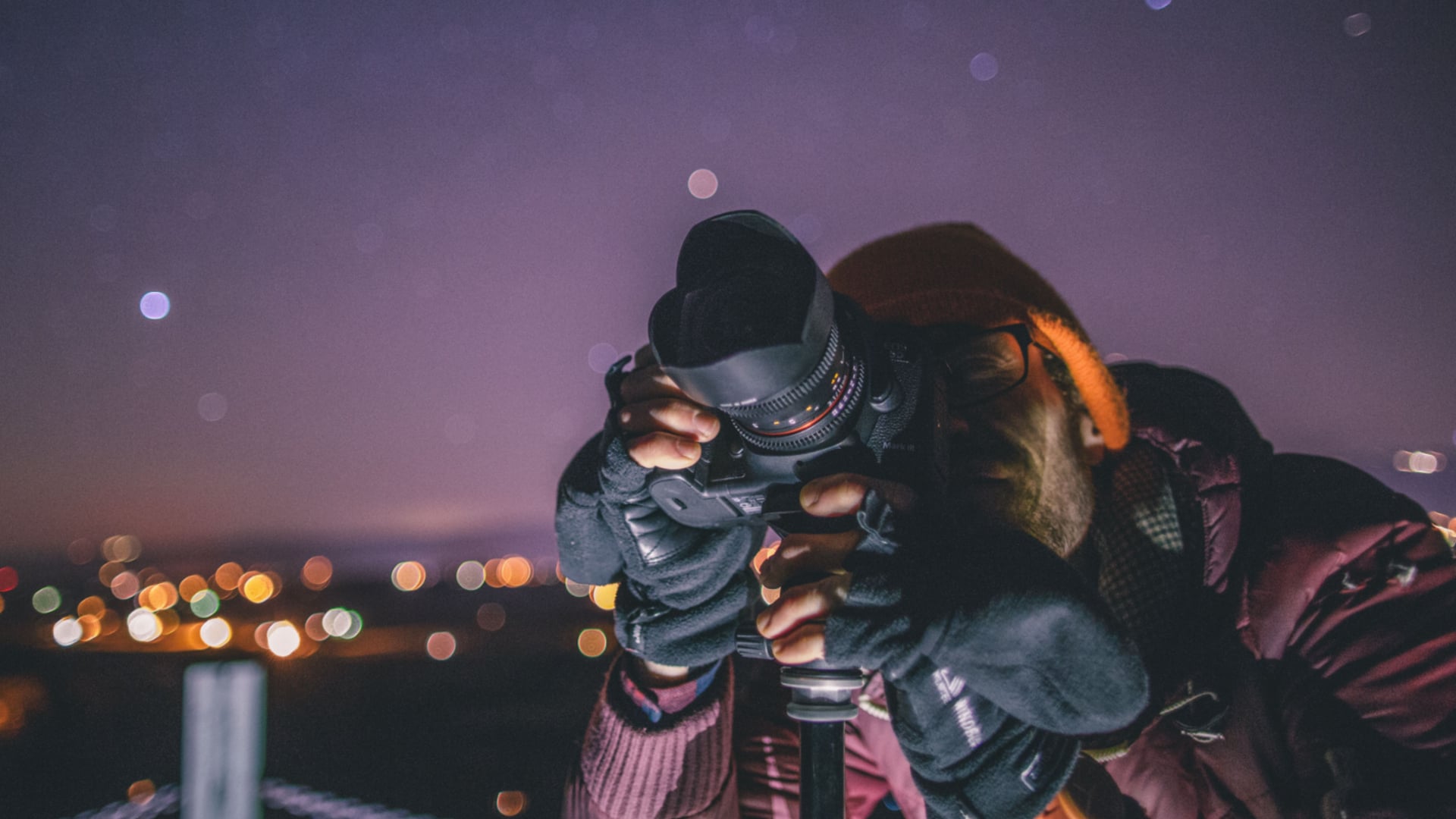
Astrophotographers spend hours chasing dark skies, carefully planning around the Moon, and waiting for the right conditions to capture faint galaxies and nebulae. Now, a company wants to put giant mirrors in orbit that could send sunlight back to Earth at night.
According to a report by The Verge, astronomers are warning that the technology could create serious problems for anyone trying to photograph the night sky.
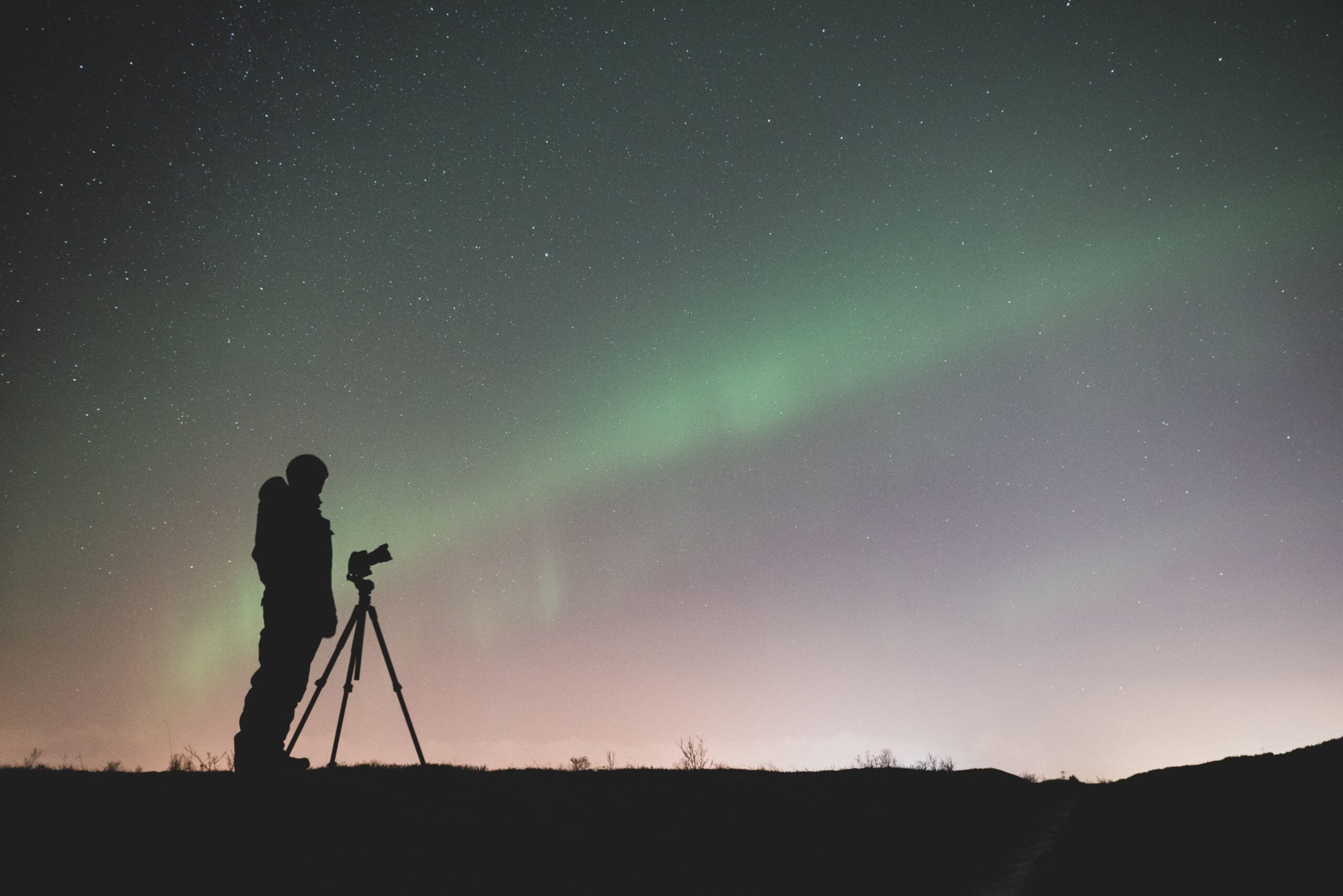
California based Reflect Orbital has received approval from the US Federal Communications Commission to launch Eärendil 1, a demonstration satellite equipped with an 18 square meter mirror. The satellite is intended to test a system that could eventually provide sunlight on demand, with the company envisioning a much larger fleet of up to 50,000 space mirrors.
For astrophotographers, that prospect raises an obvious question: what happens when the night sky is no longer quite so dark?
A New Source of Light Pollution
Reflect Orbital’s idea is relatively simple. A mirror in low Earth orbit would reflect sunlight toward selected locations after sunset, potentially helping solar farms generate electricity, supporting nighttime agriculture, or providing illumination during emergencies. Eärendil 1 is expected to create a beam around 5 kilometers wide on the ground.
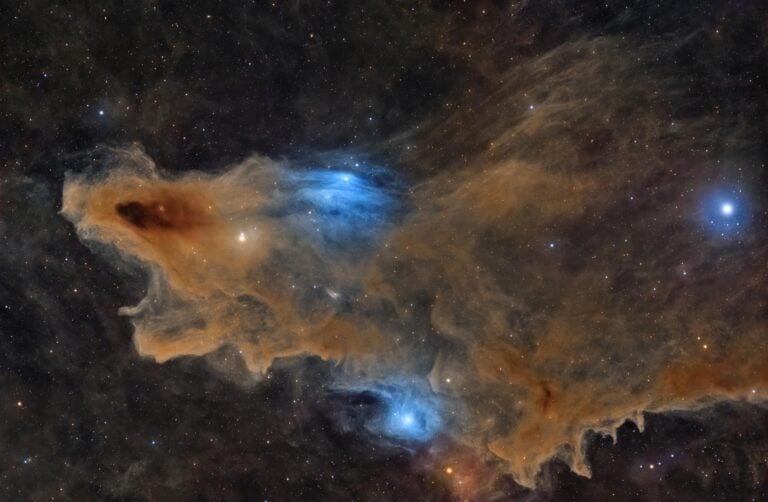
The problem is that astrophotography depends heavily on darkness. Long exposures can capture extremely faint objects that are invisible to the naked eye, but even relatively small amounts of additional light can brighten the sky background and reduce contrast.
The Verge reports that the satellite could appear as bright as Venus outside the reflected beam and potentially four times brighter than the Moon from within it. That is a very different problem from the occasional satellite trail appearing across a photograph.
What It Could Mean for Astrophotographers
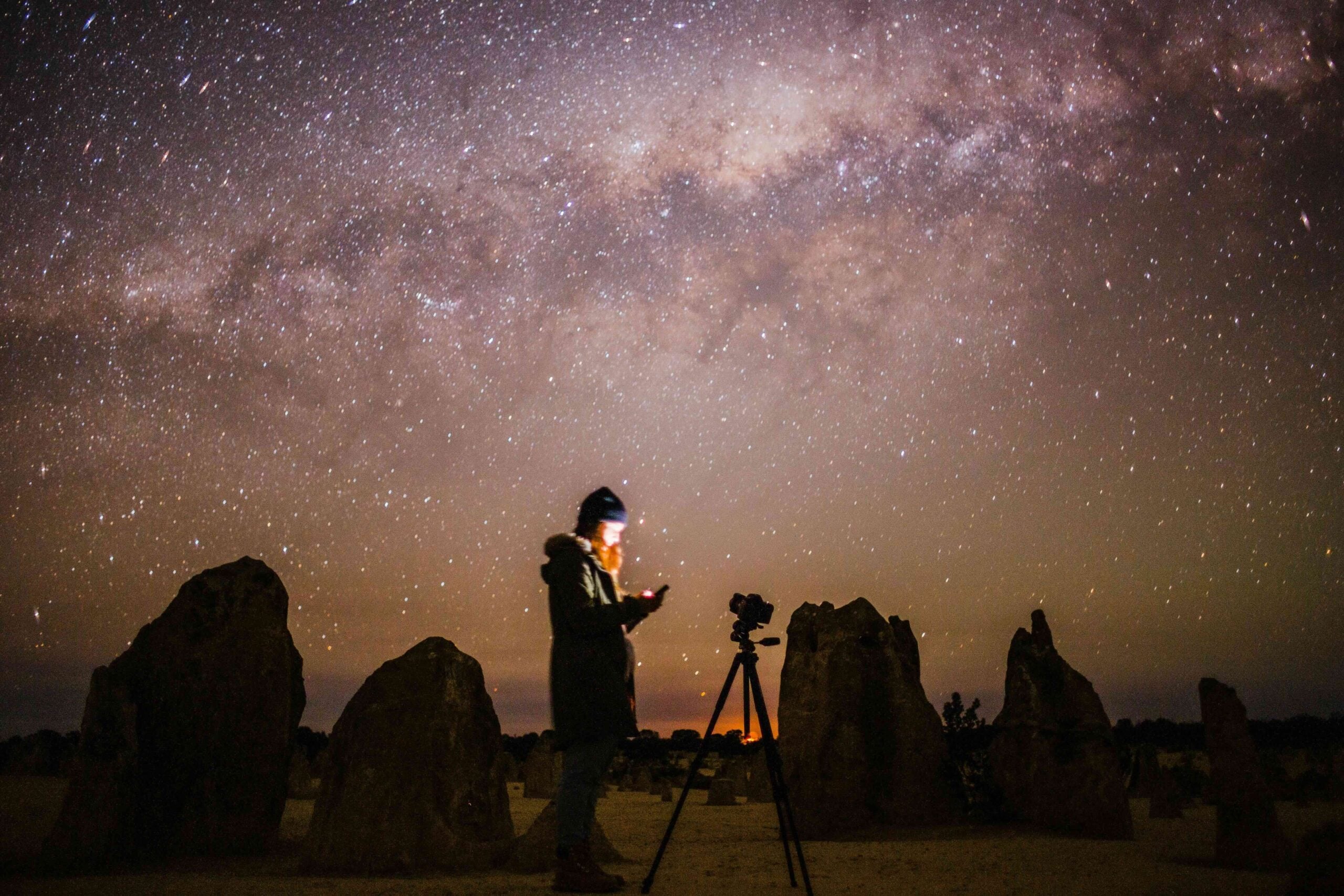
Anyone who has photographed the Milky Way knows how quickly artificial light can wash out detail. A brighter sky makes it harder to capture faint stars, nebulae and distant galaxies, particularly for photographers working with wide field cameras and long exposures.
Bright satellites can also leave streaks across astrophotographs. This is already a familiar problem for professional astronomers and amateur photographers dealing with satellite constellations. A highly reflective satellite adds another potential source of unwanted light to the frame.
The larger concern is the proposed scale. Reflect Orbital has discussed eventually deploying up to 50,000 mirrors. Astronomers quoted by The Verge warn that thousands of highly reflective objects could increase the overall brightness of the night sky through atmospheric scattering, making observations of faint objects considerably more difficult.
Amateur Photographers Face Concerns Too
This is not only a problem for major observatories.
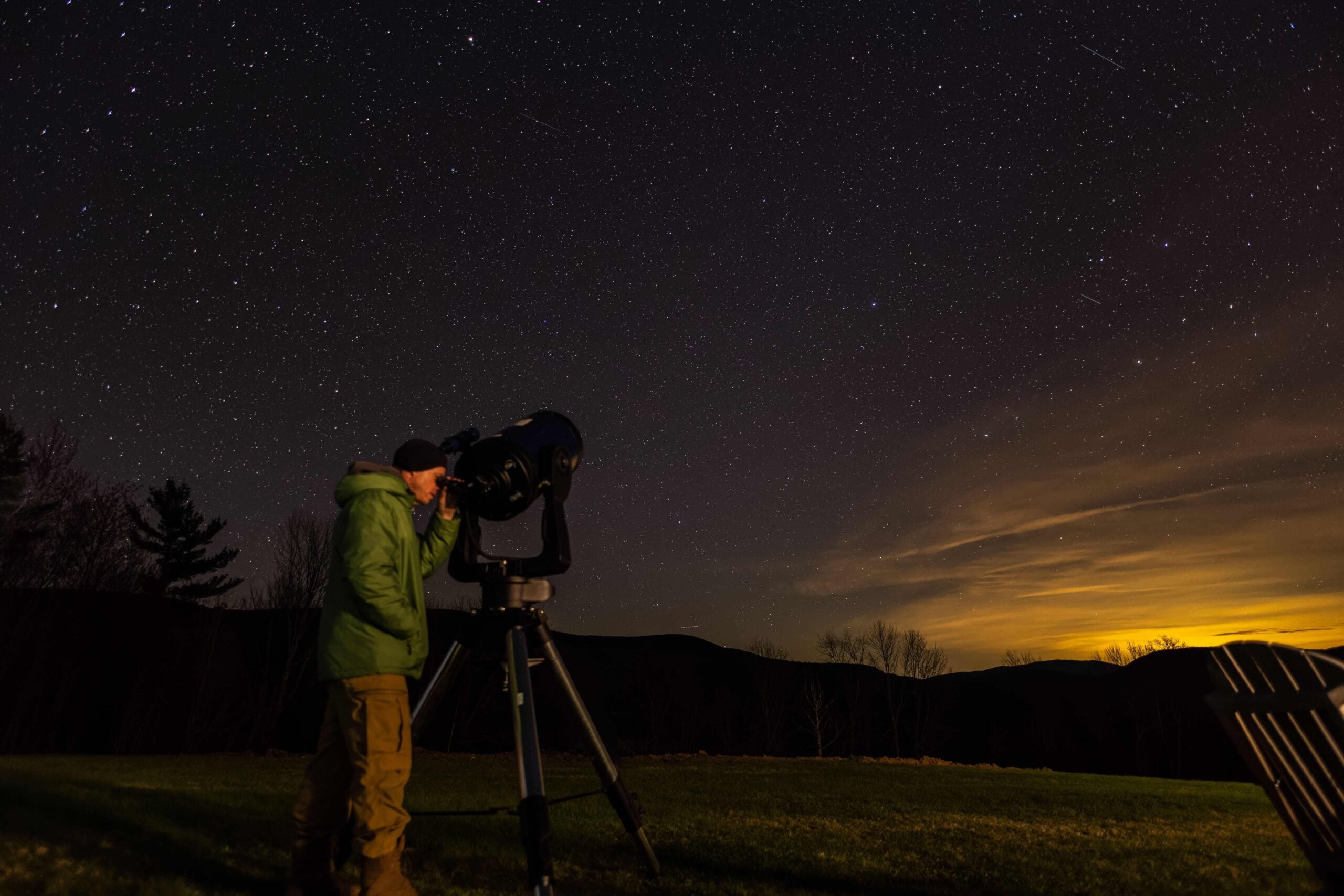
Amateur astrophotographers often work with large backyard telescopes, sensitive cameras and long exposures. The Verge reports that Reflect Orbital acknowledged in an FCC filing that accidentally viewing a satellite through a 12 inch telescope could potentially cause permanent eye damage. The American Astronomical Society has raised concerns about this risk.
There are also concerns about pilots, drivers, wildlife and ecosystems exposed to sudden or intense artificial light.
Reflect Orbital says its first satellite will be used to test safeguards and determine how the system can be operated safely. The company has also said it plans to work with scientists and other stakeholders as it develops the technology.
The Night Sky Is Part of the Photograph
For photographers, the debate goes beyond one bright satellite appearing in a frame. Dark skies are part of the environment that makes astrophotography possible in the first place.
Eärendil 1 is still a demonstration mission, not the 50,000 satellite constellation Reflect Orbital ultimately envisions. But its approval has already opened a much bigger conversation about who gets to use the night sky and how much artificial light it can absorb.
For astrophotographers, the question is simple: how much brighter can we make the night before there is simply not enough darkness left to photograph?
See more from DIYPhotography.net on Google
Add DIYPhotography.net as a trusted source. This makes
our stories more likely to appear in your Google Search results.
 Add as a preferred source on Google

Alysa Gavilan
Alysa Gavilan has spent years exploring photography through photojournalism and street scenes. She enjoys working with both film and mirrorless cameras, and her fascination with the craft has grown over the decades. Inspired by Vivian Maier, she is drawn to capturing everyday moments that often go unnoticed.


Join the Discussion
DIYP Comment Policy
Be nice, be on-topic, no personal information or flames.