



















Askar launches 131F Refractor: Large-Aperture Flat-Field Imaging
May 20, 2026
Soumyadeep Mukherjee
Soumyadeep Mukherjee is an award-winning astrophotographer from India. He has a doctorate degree in Linguistics. His work extends to the sub-genres of nightscape, deep sky, solar, lunar and optical phenomenon photography. He is also a photography educator and has conducted numerous workshops. His works have appeared in over 40 books & magazines including Astronomy, BBC Sky at Night, Sky & Telescope among others, and in various websites including National Geographic, NASA, Forbes. He was the first Indian to win “Astronomy Photographer of the Year” award in a major category.
Share:
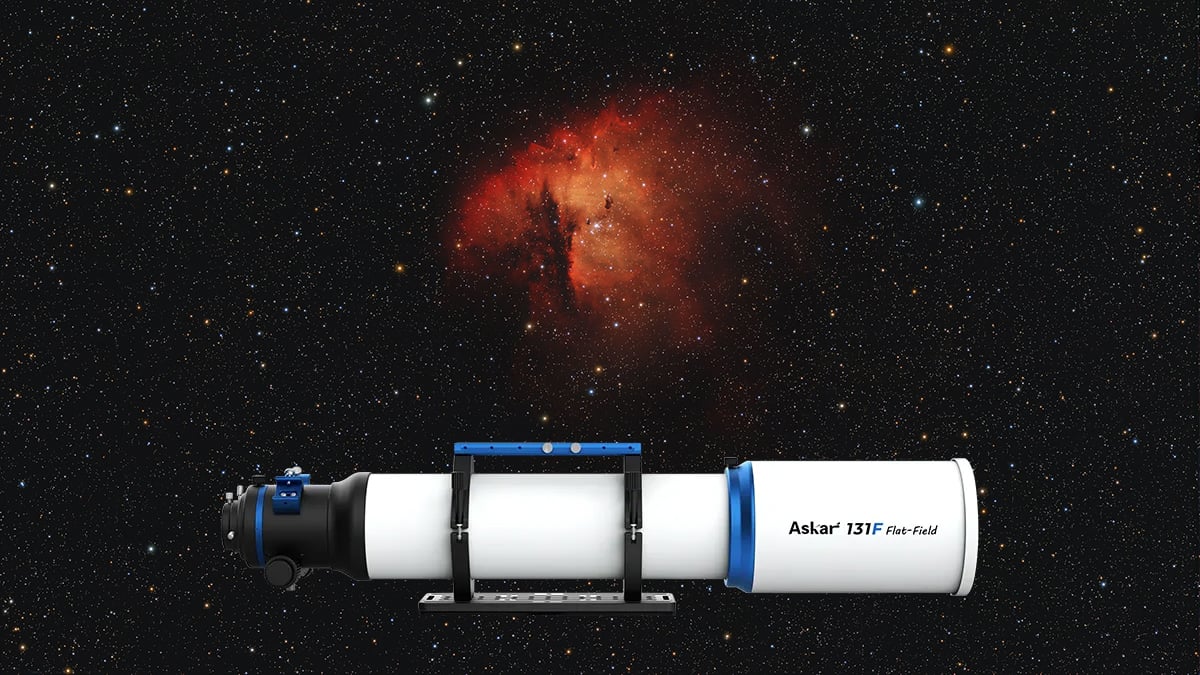
The release of the Askar 111F earlier this month showed where Askar wanted to take its flat-field refractor lineup. That telescope combined a quadruplet optical design, integrated field correction, and full-frame imaging support inside a relatively compact package. Users now prefer simplified imaging systems that eliminate the need for external flatteners and complicated spacing adjustments.
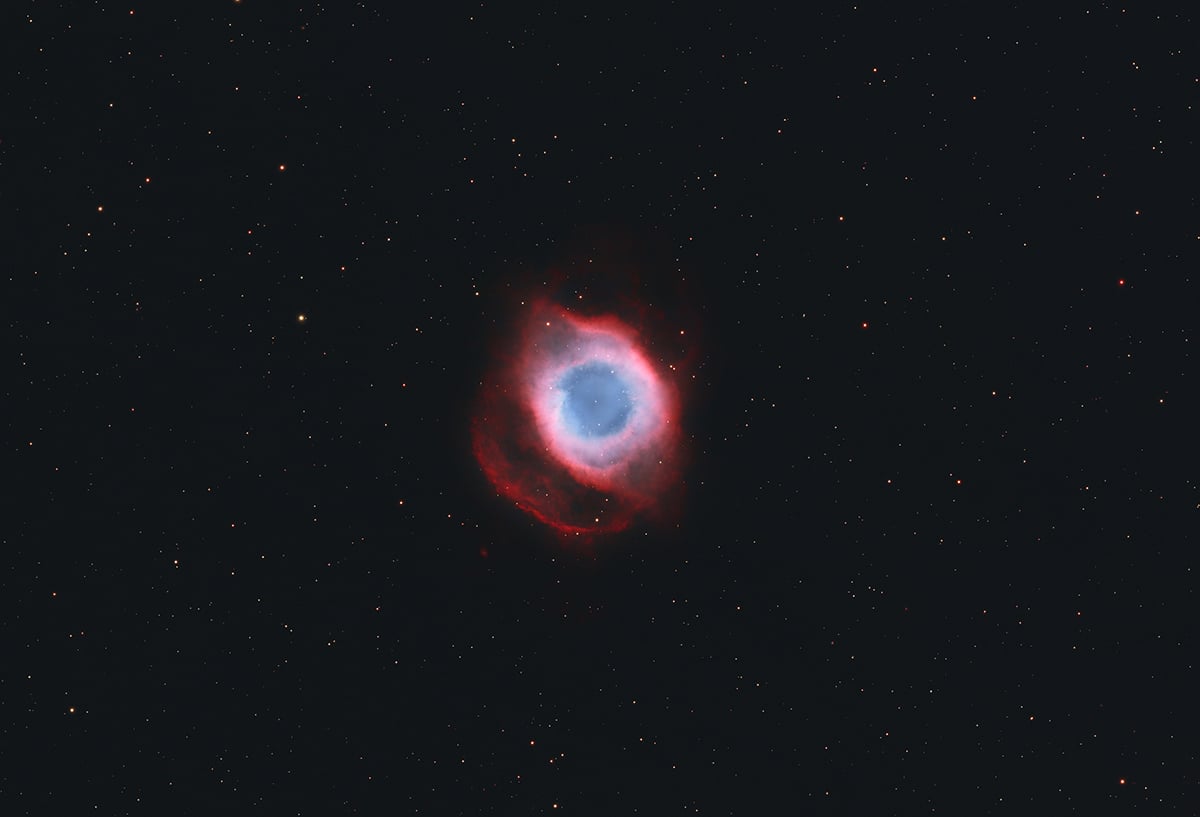
Another new launch from the brand, the Askar 131F, builds upon that same idea in a much larger and more demanding category. While the 111F focused on portability and mid-range focal length imaging, the 131F moves toward higher resolution deep-sky work with a 131mm aperture and a 983mm focal length. It is, to simply put, the elder brother of Askar 111F.
The optical design: Field correction and resolution
One of the most important parts of the Askar 131F is its optical layout. Askar uses a quadruplet apochromatic design with one ED element and a built-in rear correcting group. Unlike traditional triplet refractors that require external flatteners, the 131F integrates field correction into the telescope itself. This changes both the user experience and the optical behavior of the system.
A native flat-field design reduces the variables of backfocus calculation with a separate flattener. Users no longer need to calculate the spacing between the telescope and a separate flattener. The optical train becomes shorter, cleaner, and more stable.
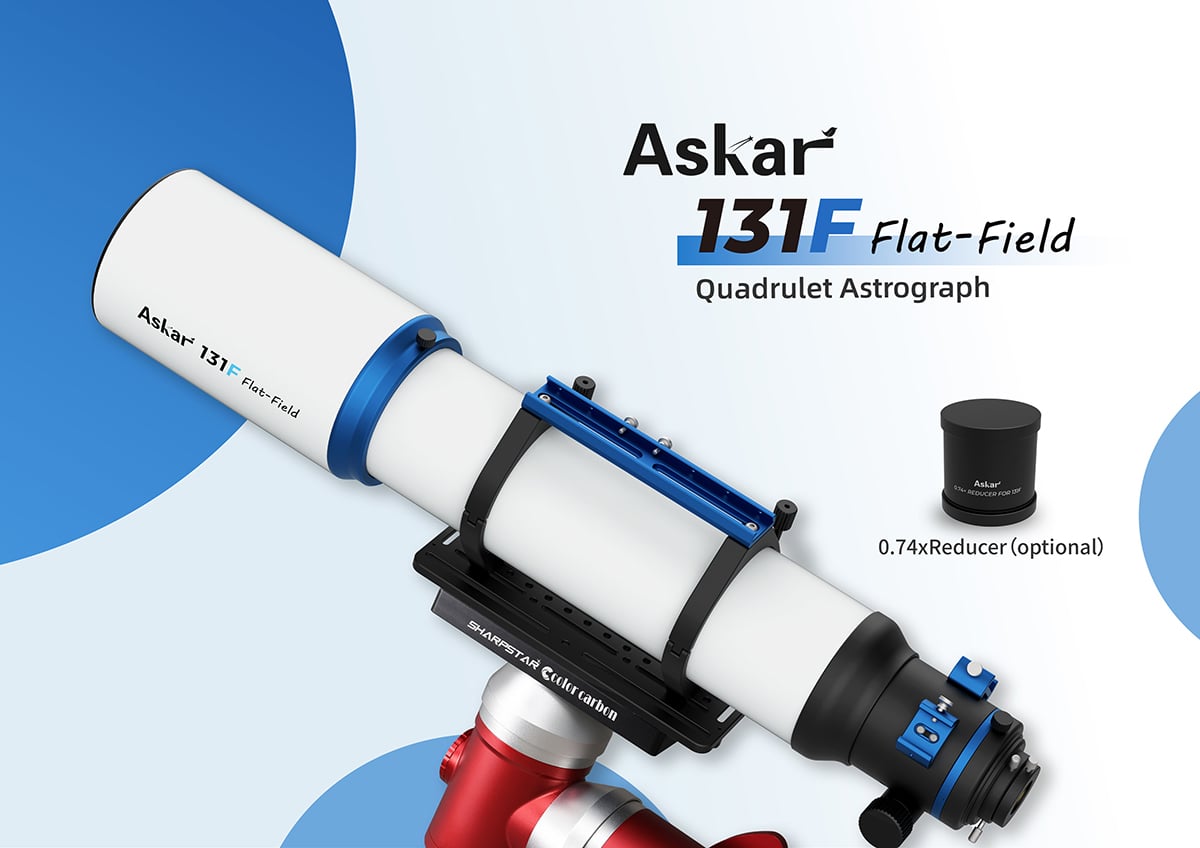
At a focal length of 983mm, the 131F sits far away from the ultra-wide-field refractors that dominate much of the current market. Many recent astrographs prioritize portability and speed, often staying between 300mm and 600mm focal lengths. Those systems work extremely well for large nebulae and wide Milky Way fields, but they struggle with smaller deep-sky targets. The 131F moves into a different imaging scale. Galaxies, compact nebulae, globular clusters, and detailed regions inside larger nebulae become much more accessible around 1000mm.
The telescope’s f/7.5 focal ratio also deserves attention. Many recent refractors push toward faster optical systems because astrophotographers want shorter exposure times. However, fast refractors become much harder to correct optically, especially near the edges of large sensors. Designers often face difficult compromises between speed and correction. The slower focal ratio of 131F allows the optical system to maintain tighter correction across the frame.
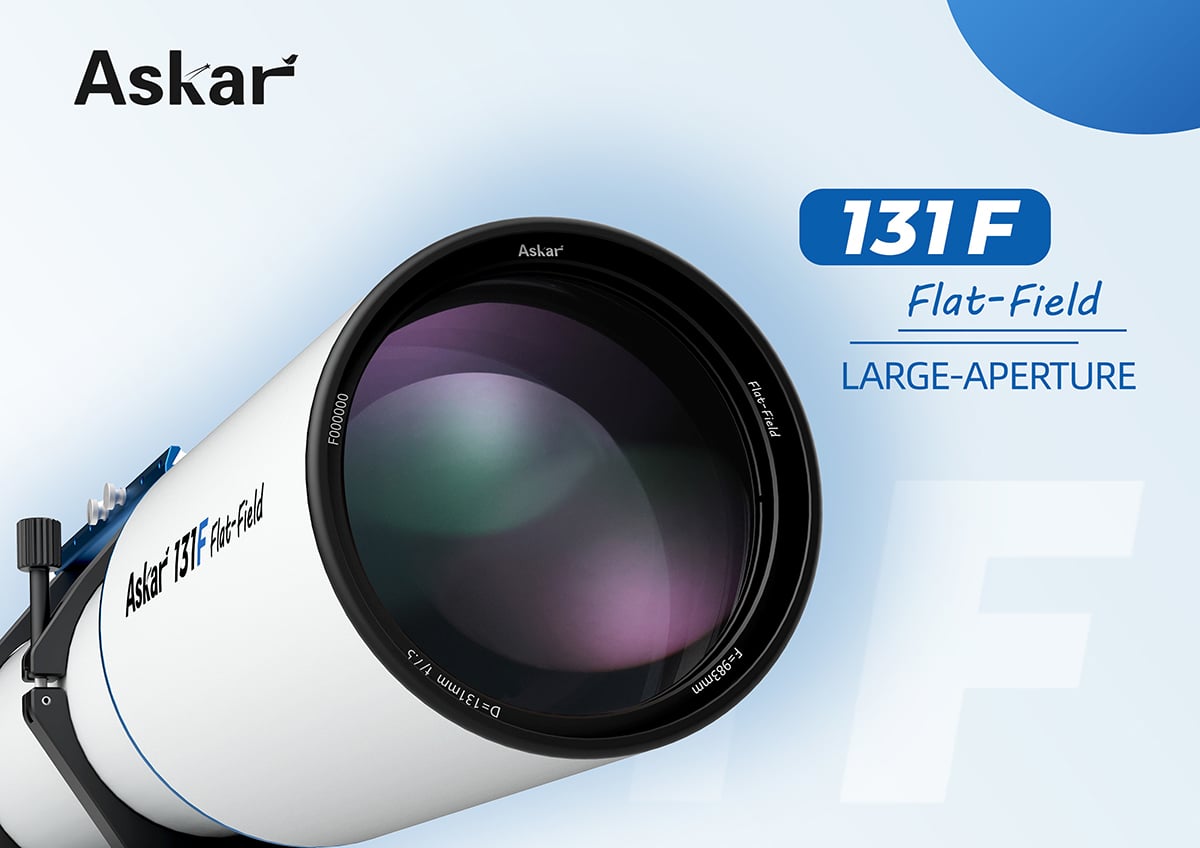
Mechanical Construction of Askar 131F
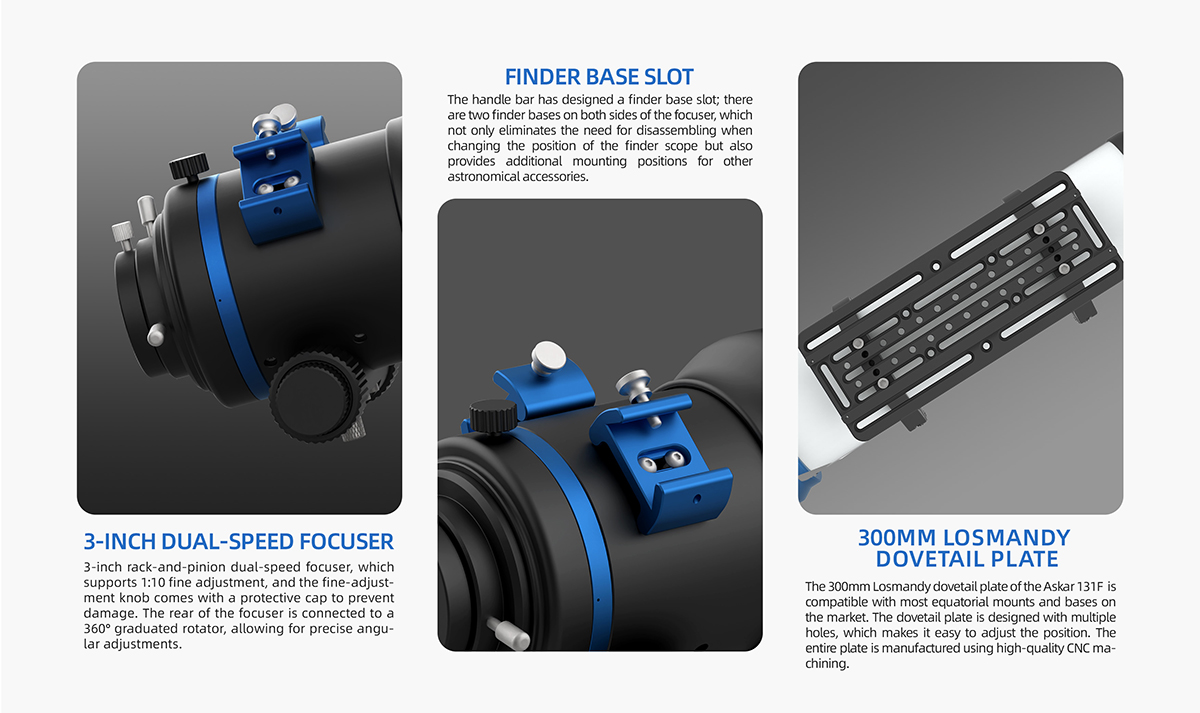
The telescope uses a 3-inch rack-and-pinion focuser with dual-speed adjustment. The large focuser size serves an important function. It improves rigidity under heavy imaging loads. Smaller focusers sometimes flex slightly when large cameras hang from the back of the telescope. Even tiny amounts of movement can affect star quality during long exposures.
The focuser assembly also includes a built-in rotator. This allows astrophotographers to frame targets more easily without disturbing focus or spacing. Rotators have become increasingly important because imaging compositions require orientation adjustments. Reinforced locking mechanisms help prevent movement once framing is complete.
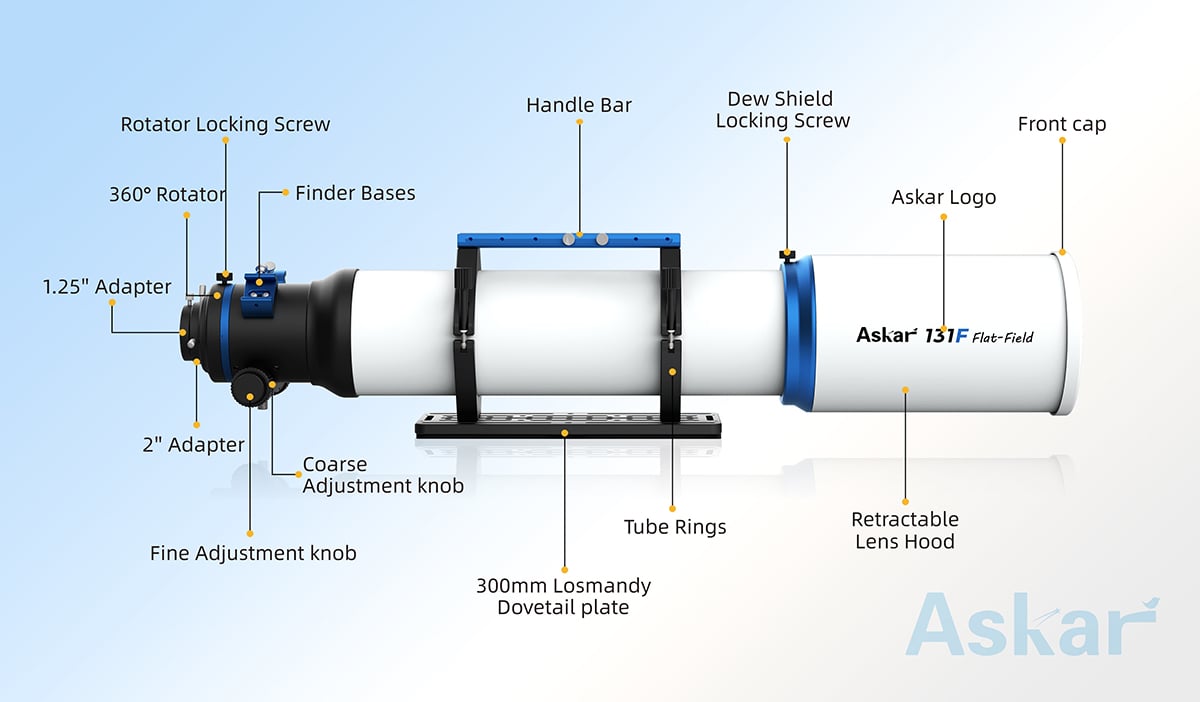
This is not a lightweight travel refractor. The optical tube weighs around 7.9kg before adding cameras or accessories. Once users install a cooled camera, filter wheel, guider, and electronic focuser, the total payload rises significantly. The weight places the telescope into a more serious mount category. Mid-range equatorial mounts may still handle it, but users will achieve better performance with stronger systems.
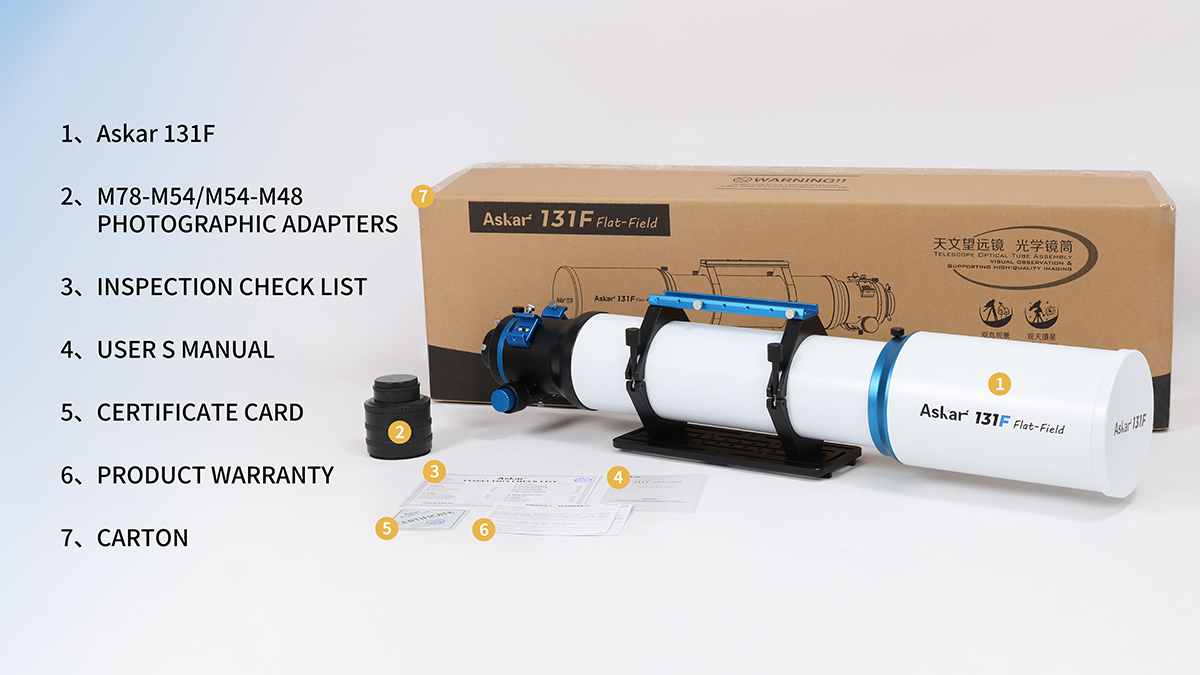
The tube assembly itself looks robust in official product images. Large CNC tube rings, a wide dovetail plate, and a carrying handle are included with the telescope. Those components suggest that Askar expects users to operate the 131F with relatively heavy imaging trains.
A telescope for experienced deep-sky imagers
The Askar 131F occupies an interesting position in the refractor market. Many users begin with short refractors because they are forgiving and relatively easy to guide. Eventually, though, those same users start wanting higher image scale and more detail in smaller objects.
The 131F fits into that role. It offers enough focal length for serious galaxy imaging and retains the operational advantages that make refractors attractive in the first place. Users avoid regular mirror alignment, while the integrated flat-field system removes another layer of setup complexity.
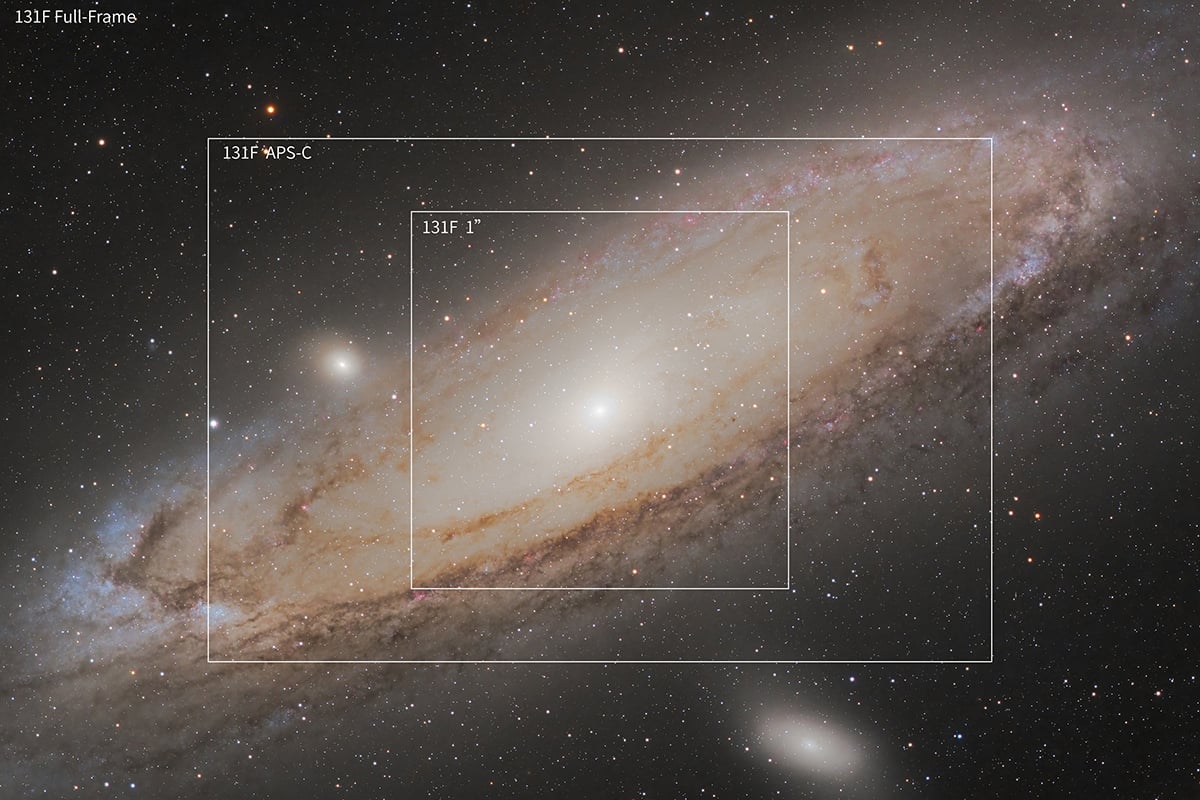
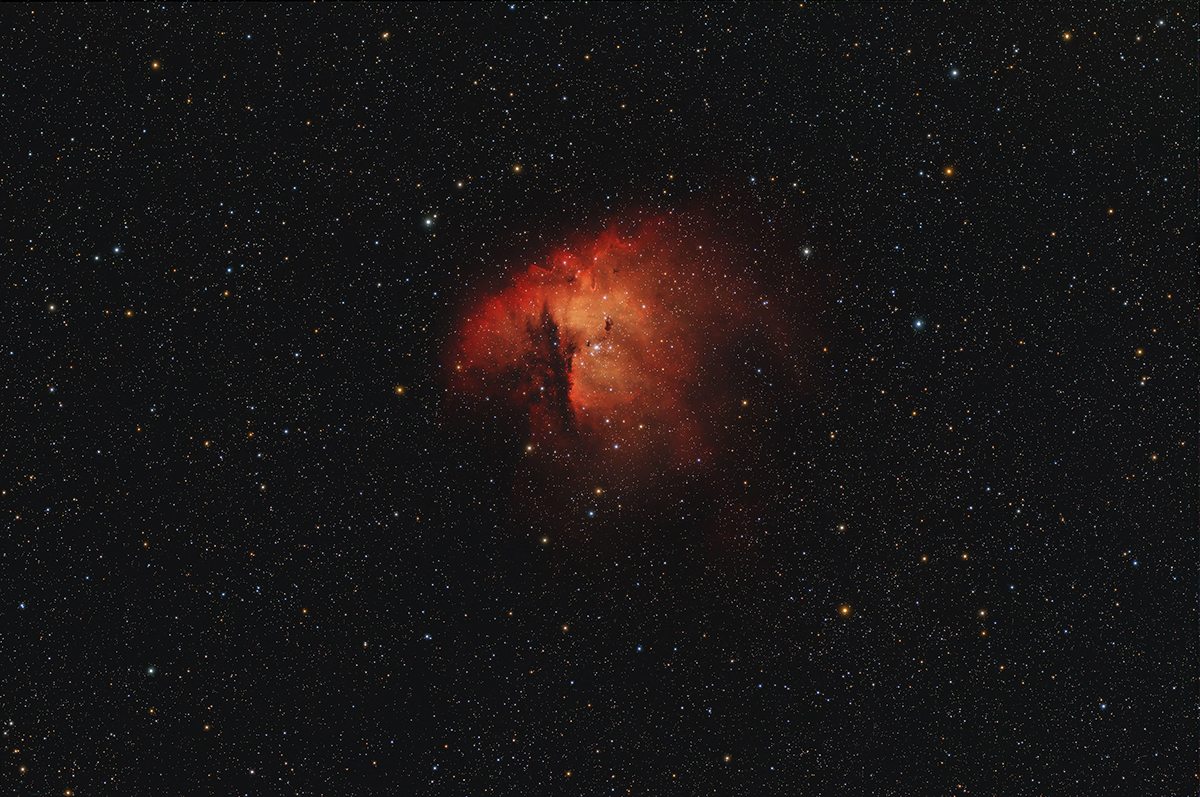
Field testing and real-world user images will eventually determine how the telescope performs under demanding conditions. Star shapes, tilt sensitivity, and mechanical stability are more than specifications alone. Still, the overall design of the 131F shows an understanding of what deep-sky astrophotographers now expect from a premium refractor astrograph.
Key specifications, price, and availability
Here are some of the key specifications of Askar 131F:
| Aperture size | 131mm |
| Focal length | 983mm |
| Focal ratio | f/7.5 |
| Objective lens | Quadruplet air-spaced APO(including one ED glass) |
| Image circle | 44mm |
| Total length | 941mm(including the photographic adapter and dew shield contracted) 1026mm(including the photographic adapter and dew shield fully stretched) |
| Focuser travel length | 30mm |
| Net weight | 7.9kg |
| Gross weight | 9.4kg |
Askar 131F Flat-Field is priced at $1,999. The telescope is yet to be available for ordering via the official website and is currently listed as back-ordered.
Clear skies!
See more from DIYPhotography.net on Google
Add DIYPhotography.net as a trusted source. This makes
our stories more likely to appear in your Google Search results.
 Add as a preferred source on Google

Soumyadeep Mukherjee
Soumyadeep Mukherjee is an award-winning astrophotographer from India. He has a doctorate degree in Linguistics. His work extends to the sub-genres of nightscape, deep sky, solar, lunar and optical phenomenon photography. He is also a photography educator and has conducted numerous workshops. His works have appeared in over 40 books & magazines including Astronomy, BBC Sky at Night, Sky & Telescope among others, and in various websites including National Geographic, NASA, Forbes. He was the first Indian to win “Astronomy Photographer of the Year” award in a major category.


Join the Discussion
DIYP Comment Policy
Be nice, be on-topic, no personal information or flames.