

















How to Shoot Indoor vs. Outdoor Concerts: A Complete Guide
Aug 23, 2025
Dunja Đuđić Kalinin
Dunja Djudjic is a multi-talented artist based in Novi Sad, Serbia. With 15 years of experience as a photographer, she specializes in capturing the beauty of nature, travel, concerts, and fine art. In addition to her photography, Dunja also expresses her creativity through writing, embroidery, and jewelry making.
Share:
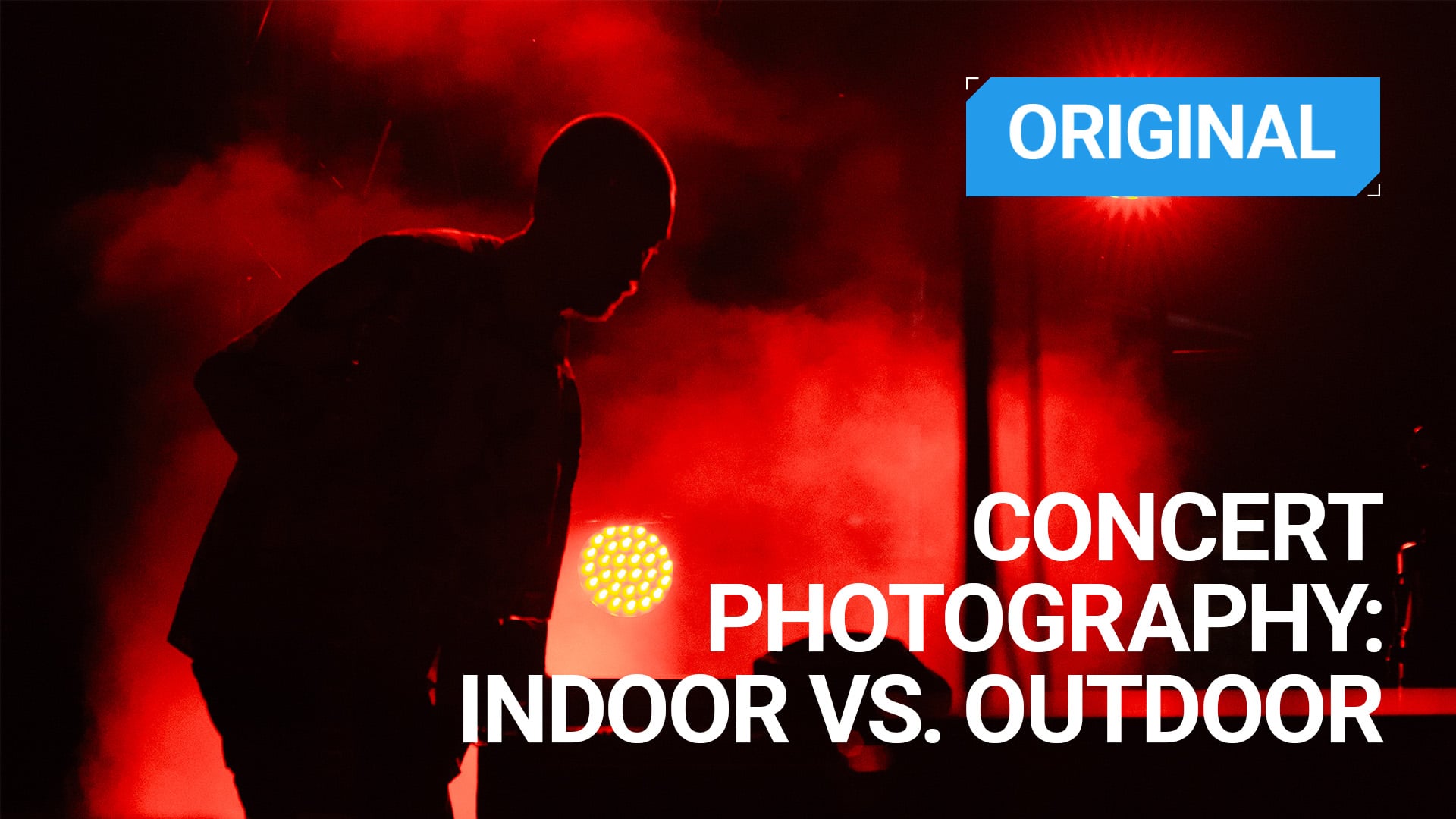
Indoor vs. outdoor concerts: which ones do you prefer? Whichever is the case, you need to be prepared for both types if you want your concert photos to shine. Shooting indoor concerts is a completely different experience from shooting outdoor ones, and in this guide, we’ll break down both of them. Let’s go through the unique lighting, space, and storytelling opportunities of each setting to help you make the best of your shots regardless of where the live performance takes place.
[Related Reading: The Ultimate Guide to Concert Photography: Gear, Settings, Techniques & More]
Lighting Differences Between Indoor and Outdoor Concerts
The contrast between indoor vs. outdoor concerts is most obvious when it comes to lighting. So, let’s cover this first.
Shooting Indoor Concerts
Potential Challenges
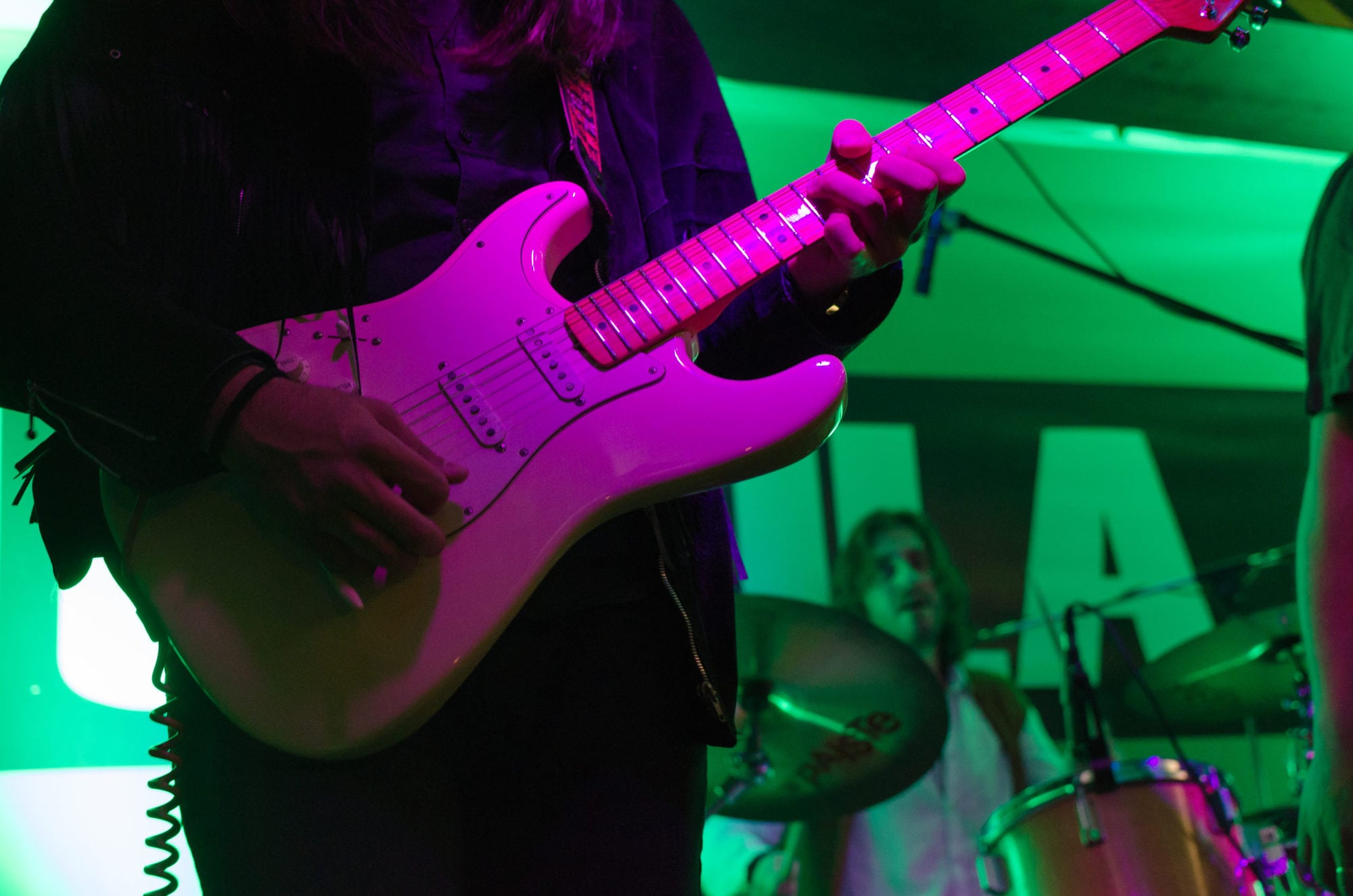
Indoor concerts rely entirely on artificial stage lights. That means spotlights, LED panels, strobes, and sometimes lasers (be very mindful of these, by the way!). One of the biggest challenges here is harsh colored lights in deep reds and blues, which can wash out skin tones and facial features. It’s dramatic but quite unpredictable. You might nail a shot under one light cue and then miss the next because the color cast destroys the details.
On the other hand, small, indie venues often have terrible and very weak lighting. In cases like this, you’ll need to adjust your shutter speed just to keep the subjects sharp, open up your aperture, and most importantly, crank up the ISO.
Shooting Tips and Tricks
If the light tech knows what they’re doing, you’ll get plenty of splendid photo opportunities. For shooting indoor concerts, you need to know your gear and settings inside and out. Push ISO as far as you need to, open your aperture wide, and keep your shutter fast enough to freeze movement. Shoot RAW, as it gives you more flexibility to fix tricky color casts, shadows and highlights in post. I also like to set my camera to burst mode so I can take several shots in a row, as the light changes fast. This way, you’ll capture almost the same scene, but under a bit different light – which can sometimes make or break the shot.
Shooting Outdoor Concerts
Potential Challenges
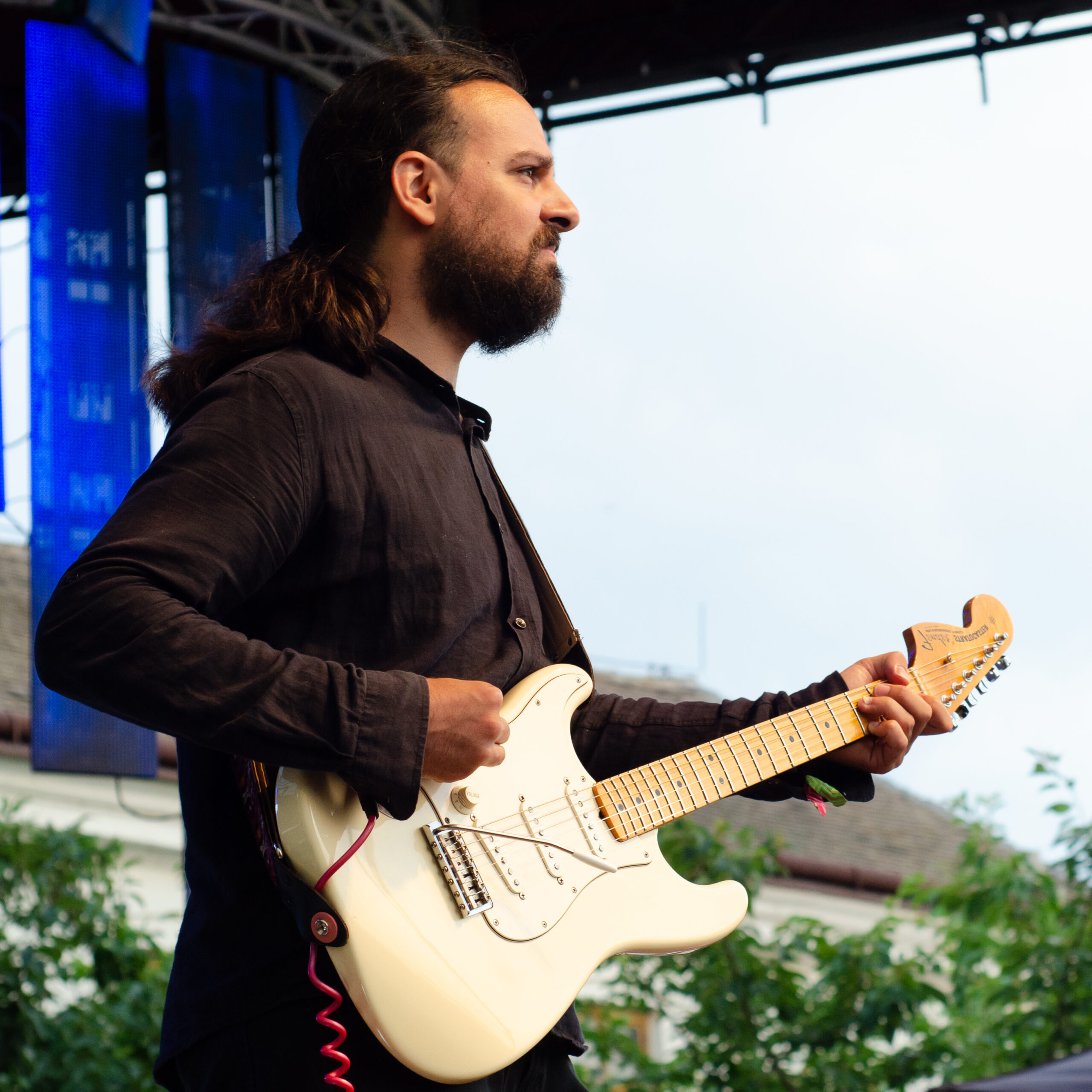
Outdoor concerts shift dramatically depending on the time of day. In the afternoon, you may deal with harsh overhead sun that creates unflattering shadows. During golden hour, you get warm, soft light that flatters everything in the frame. Once the sun goes down, you’ll work with stage lights just like you do indoors.
You’ll mainly work with daylight when shooting festivals, where the program usually starts in the late afternoon and ends in the middle of the night, or, more often, early in the morning. This means you’ll go through pretty much all lighting scenarios.
Outdoor Shooting Tips
For both indoor and outdoor concerts, try to anticipate lighting changes. Change your camera settings as the day goes by and the lighting changes. Watch the stage cues, see where the spotlights fall, and get ready before the action happens.
I personally don’t like doing daylight concert photography, as I think stage lights are what gives the atmosphere to concert photography. However, it’s not impossible to get good shots. In these conditions, I like chasing unusual compositions and focusing on the details. So, if you find daylight uninspiring like I do, maybe this is something to try before the night falls.
[Related Reading: Concert Photography Composition Tips]
Space and Movement at Indoor vs. Outdoor Shows
Comparing indoor vs. outdoor concerts, we also need to mention the physical layout of the venue. It changes the gear you bring as well as your movement, so let’s go through this next.
Moving and Shooting at Outdoor Concerts
At outdoor concerts, especially festivals, the space is much larger. Stages are elevated, photo pits are wider, and the crowds are huge (especially during headliners performing). That means more room to move and plenty of vantage points. On the other hand, it also means more distance from the performers.
So, don’t forget your longer lenses. These are not only essential for close-up shots, but they’ll help you get the artists in shot when you move from the photo pit back into the crowd. Of course, you need a wider lens as well so you can capture the energy of the crowd and the full stage. Shooting outdoor concerts gives you the chance to show the scale and atmosphere, but it’s easy to feel overwhelmed by the sheer size of the event.
Moving and Shooting at Indoor Concerts
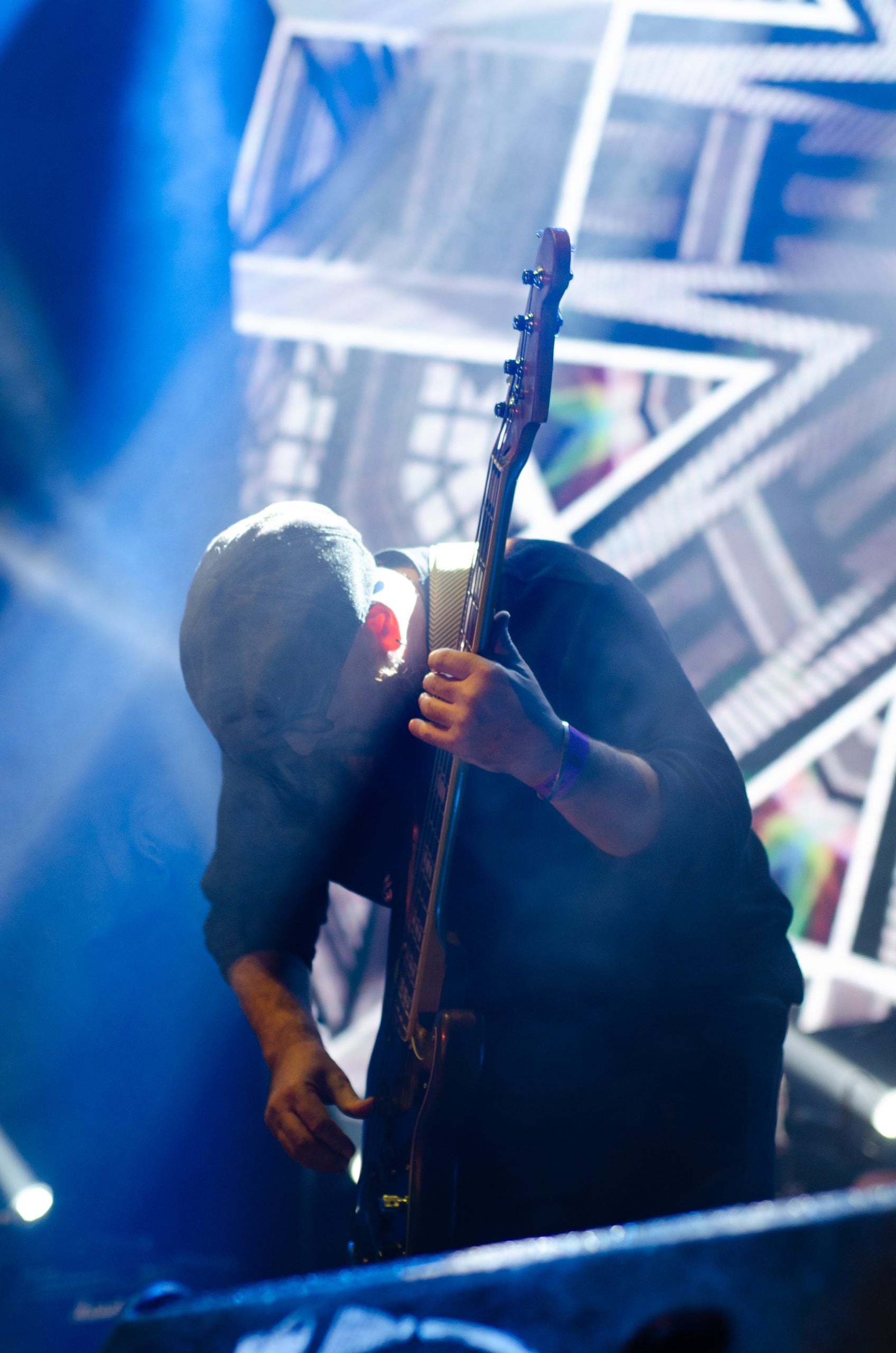
At indoor concerts, the space can be tighter. It’s not the case at large arenas, but at smaller venues, and especially local clubs, the photo pit can be small or even nonexistent. This means you’ll be shoulder-to-shoulder with other photographers, or you’ll simply be a part of the crowd.
The advantage? Indoor venues often feel more intimate. You’re closer to the performers, and you can capture details like facial expressions, sweat, and subtle interactions between band members. Not to mention that taking photos of the crowd, from the crowd, is a whole new level of chaos. A wonderful chaos. Just make sure your camera can handle some spilled beer. And in case of really small venues, rely on wider lenses so you can capture the whole mood. You probably won’t need a longer zoom lens like 100 or 200mm, so those can safely stay at home.

Adjusting Camera Settings for Indoor and Outdoor Concerts
The settings you use for indoor vs outdoor concerts will also differ, especially regarding the times of day.
Settings for Shooting Outdoor Concerts
When shooting outdoor concerts, your settings will change throughout the day. During bright daylight, you can keep ISO low and shutter speeds fast, but you may need to stop down your aperture a bit to avoid overexposure. As the light fades, gradually open your aperture, raise ISO, and prepare to rely on stage lights. Outdoor concerts demand flexibility, and you need to anticipate and follow the lighting changes. Near the day’s end, you may even go through multiple exposure adjustments in a single set.
Settings for Shooting Indoor Concerts
When shooting indoor concerts, expect to push your camera harder. High ISO performance matters most here. A fast lens with a wide aperture like f/1.4, f/1.8, or f/2.8 is almost a must. Shutter speed should be fast enough to freeze motion. A good rule of thumb here is double your focal length, but in concerts, the faster the better due to fast movements on stage and in the crowd. White balance can be tricky because of colored lights, so set it manually if possible or plan to adjust in post.
In both settings, I’d remind you once again to shoot RAW. It’s the only way to save details when the lighting gets unpredictable.
[Related Reading: Low-Light Concert Photography: How to Use Speedlights when Shooting Live Music]
Gear Choices for Indoor and Outdoor Concerts
I briefly mentioned the gear above, but let’s keep it here in one place, too. The gear you bring can make or break your concert photography experience, and it’s especially important to bring the right lenses.
[Related Reading: How to Choose Best Lenses for Concert Photography]
Outdoor Concerts Gear
For outdoor concerts at large venues or festivals, versatility is key. As I mentioned, having a longer zoom and a wide lens is the safest bet. A lens like 70-200mm will get you close to performers even from a distance. On the other hand, a wide-angle zoom like 18-35mm helps capture crowd and stage energy.
Outdoors also means environmental challenges – dust, rain, and direct sun. So, pack your lens hoods, weather covers, microfiber cloths, and a UV filter if you use one.
Indoor Concerts Gear
For indoor concerts in general, think of lens speed and prioritize fast lenses. I love bringing my 50mm f/1.8 prime to indoor concerts as it thrives in low light, it’s sharp, and gives me gorgeous, intimate shots. However, prime lenses come with the focal length limitation that you may find frustrating. So, I’d suggest a 24-70mm f/2.8 as a versatile enough lens for most smaller venues. Depending on the venue size, you may also need a longer zoom (think stadiums and large arenas), or an even wider zoom like 16-35mm for small clubs.
Gear for YOU
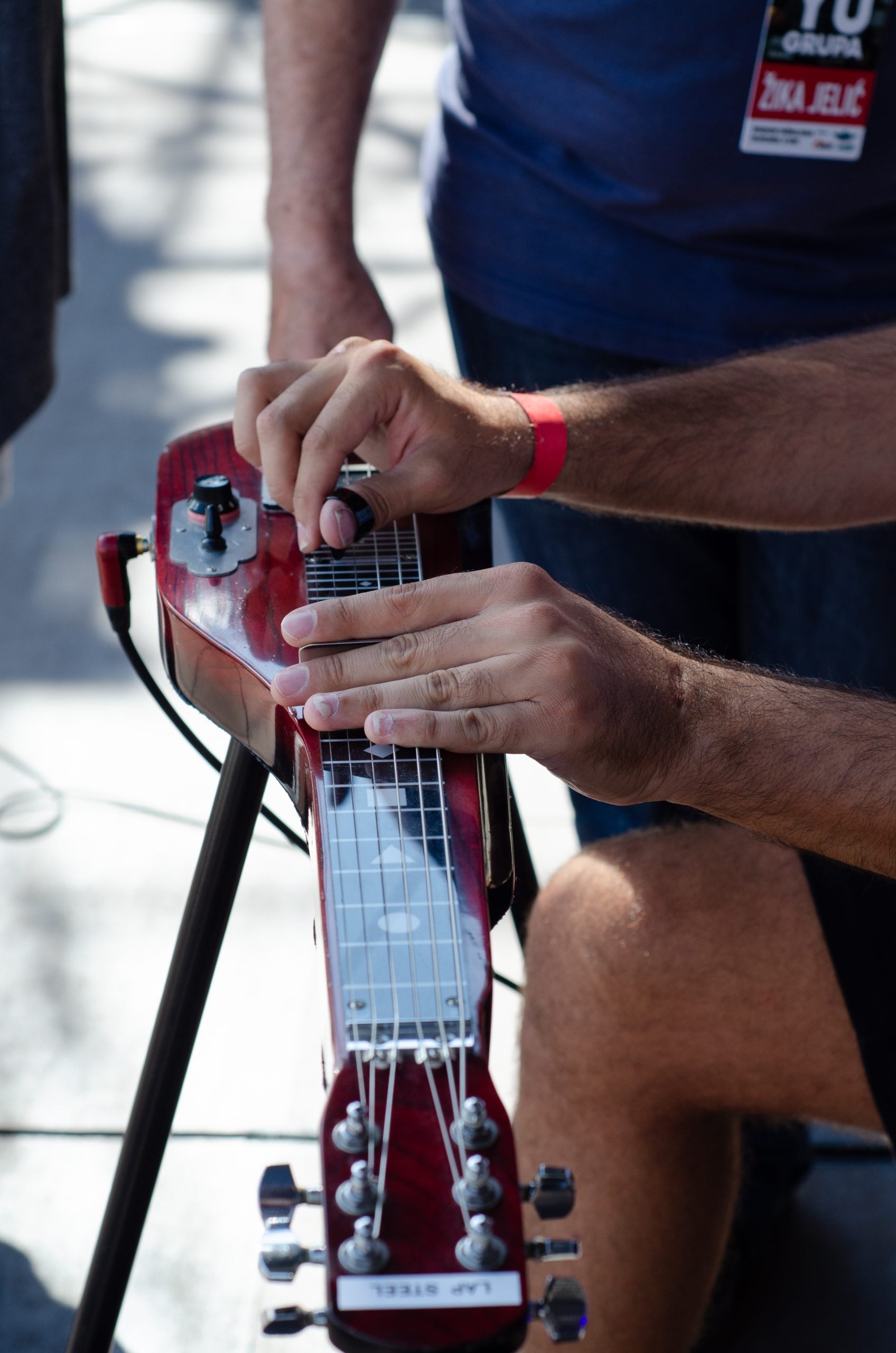
In both cases, don’t forget to gear yourself up, too. Bring snacks, water, and earplugs. Earplugs are a must! For outdoor venues, check the weather before you pack and leave. You may need to bring a raincoat, sun protection, a hat, and something warm to wear in the evening. Remember, protecting yourself is just as important as protecting your gear. Actually, even more important!
[Related Reading: Best Cameras for Concert Photography: Features to Look for and Cameras to Pick]
Tips That Work Anywhere
Whether you’re shooting indoor or outdoor concerts, there are a few universal rules I’ll outline here.
- Stay respectful: Respect the crowd, the performers, the security, and of course, your fellow photographers. Don’t block anyone’s view for long, or if possible, at all.
- Stay alert and aware: Keep moving to find new angles, but be aware of the surroundings. It’s easy to get immersed in the moment, but you need to stay aware of what and who is around you so you don’t hurt yourself or others.
- Stay observant: Anticipate the moment and keep shooting. Don’t chimp and spend time going through the photos on your camera. Watch through that viewfinder or screen and stay present!
Conclusion
Learning how to shoot indoor vs. outdoor concerts is all about preparation and adaptability, in both cases. Indoor concerts push your camera’s low-light limits and sometimes test your patience too. Outdoor concerts challenge you with changing light and scale, but they give you opportunities to work in all lighting conditions and hone your skills to the max.
I personally love both indoor and outdoor concerts, and I think we need to master both. This way, we will build a versatile portfolio, but also develop the ability to handle whatever surprises the stage throws our way.
See more from DIYPhotography.net on Google
Add DIYPhotography.net as a trusted source. This makes
our stories more likely to appear in your Google Search results.
 Add as a preferred source on Google

Dunja Đuđić Kalinin
Dunja Djudjic is a multi-talented artist based in Novi Sad, Serbia. With 15 years of experience as a photographer, she specializes in capturing the beauty of nature, travel, concerts, and fine art. In addition to her photography, Dunja also expresses her creativity through writing, embroidery, and jewelry making.



Join the Discussion
DIYP Comment Policy
Be nice, be on-topic, no personal information or flames.