

















Low-Light Concert Photography: How to Use Speedlights when Shooting Live Music
Jul 9, 2025
John Aldred
John Aldred is a photographer with over 25 years of experience in the portrait and commercial worlds. He is based in Scotland and has been an early adopter – and occasional beta tester – of almost every digital imaging technology in that time. As well as his creative visual work, John uses 3D printing, electronics and programming to create his own photography and filmmaking tools and consults for a number of brands across the industry.
Share:
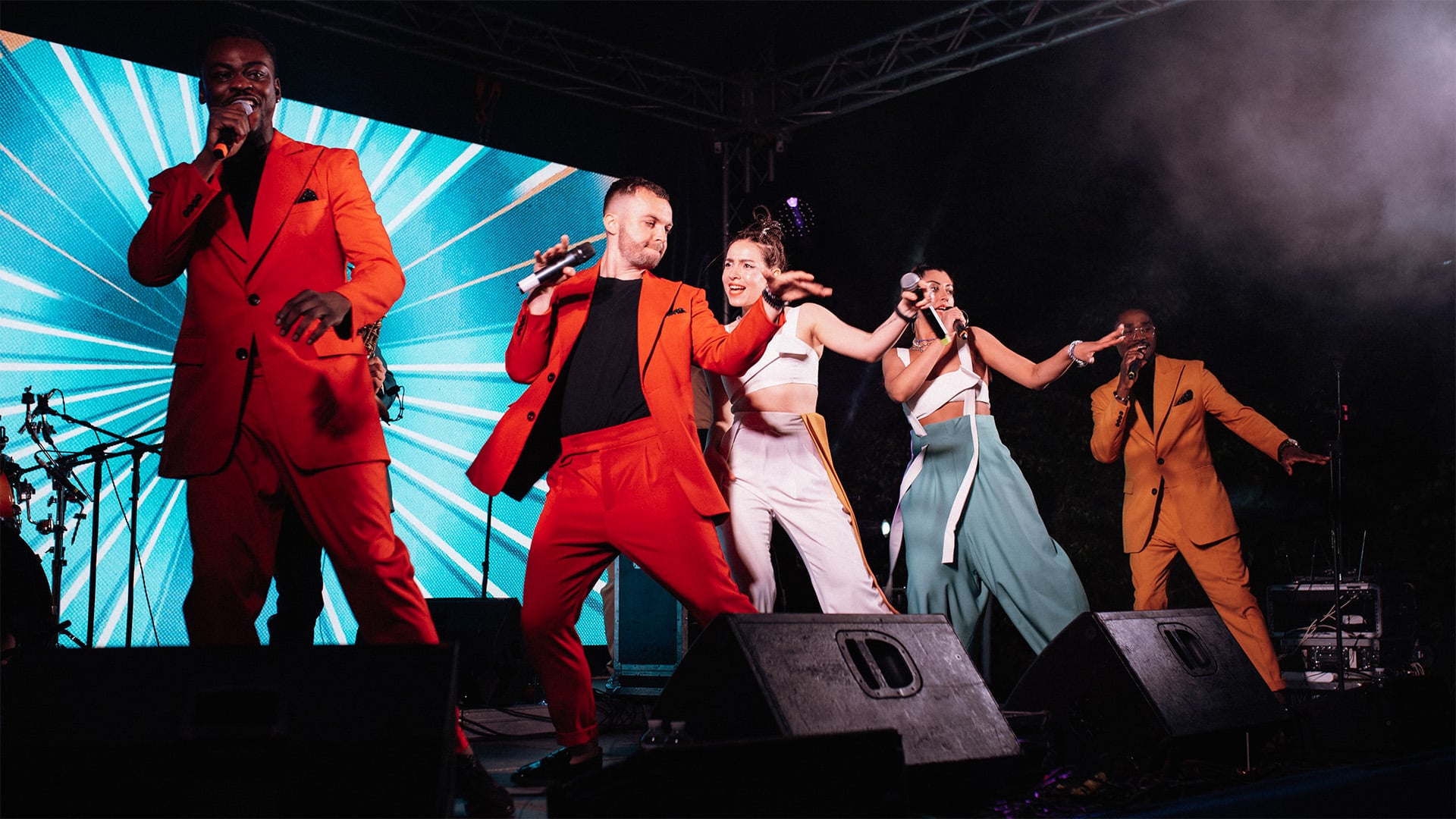
There’s a popular belief that flash has no place in concert photography. While it’s generally polite to avoid it during performances, especially as an audience member, the rules can shift when you’re officially photographing a band. In low-light concert photography, flash, when used thoughtfully, can produce stunning results you simply can’t get otherwise.
Like, if you’re there specifically to photograph the band. But how do you use the lights? How do you know where to put them for a live event when you don’t know what your subject’s going to do and where they’re going to do it? Well, this video from professional music photographer Todd Owyoung via Creative Live is going to tell and show you how.
[Related Reading: The Ultimate Guide to Concert Photography: Gear, Settings, Techniques & More]
When Is Flash Allowed in Concert Photography?
In most general-admission scenarios, using flash is frowned upon. It disrupts the audience and distracts performers. However, if you’re hired to photograph the event, and have all-access credentials, you can often set up off-camera flashes. These speedlights can supplement or even replace stage lighting – especially in poorly lit venues or DIY spaces.
Speedlights give you control, allowing you to create the exact lighting mood you want. You’re no longer at the mercy of whatever the house setup offers. This is particularly helpful in small venues with minimal or nonexistent stage lights.
Two Proven Flash Strategies for Low Light Concert Photography
1. Mimic the Venue’s Lighting Setup
One effective approach is replicating house lighting. That means positioning your speedlights where existing lights already sit, such as:
- Overhead racks at front-of-house
- Lighting trusses
- Behind the drum kit or stage rear
This creates a natural-looking effect that enhances existing lighting cues without clashing. For example, in a Dillinger Escape Plan shoot, Todd placed a flash just off-camera to the right to balance warm stage tones with added contrast on the subject’s face and guitar.
2. Create Your Own Dynamic Lighting
When the venue’s lighting simply doesn’t cut it, it’s time to design your own. One favorite trick? Placing a flash under the drum kit to give it a glowing, atmospheric look. This simple move creates drama and depth, especially when combined with haze or fog on stage.
In one instance at Pops in Sauget, IL, Todd lit a performance entirely with three strategically placed speedlights – stage right, behind the drum kit, and stage left – because no stage lights were on at all. The speedlights not only made the performance visible but also helped freeze motion thanks to the flash’s ultra-short duration.
[Related Reading: Camera Settings and Tips for Concert Photography Beginners]
Lighting for Mood and Motion in Poorly Lit Venues
In low light concert photography, it’s not just about visibility – it’s about impact. In a Brooklyn show for Red Bull, Todd balanced a rear-placed speedlight with the venue’s hazy atmosphere, letting light “bloom” in the haze to create stunning beams and dimension.
Balancing light becomes especially critical when venues include ambient lighting elements like LED walls or neon fixtures. In one performance at Baby’s All Right, Todd carefully dialed in the flash exposure to match a vibrant LED wall, ensuring both the background and subject were well-exposed without washing out the scene.
How to Place Speedlights Without Distracting or Ruining the Shot
Creative placement matters. Shooting straight into a flash might cause lens flare or ghosting. But by hiding flashes behind cymbals or amplifiers, you can get all the benefit of extra lighting without visual distractions.
In one set, Todd used a flash behind a cymbal to backlight a subject subtly. Another tip: use lights from opposing directions (stage left and right) to create edge lighting and separate the subject from a cluttered or dark background.
Speedlights + Haze = Magic in Low Light Concert Photography
Many music venues use haze or fog for ambiance – and it’s a blessing for flash photography. The haze catches the light, forming glowing beams that add energy and depth. In a Red Bull event held in a barely lit basement venue, the haze combined with three speedlights created a dreamy, high-contrast aesthetic that would have been impossible with ambient light alone.
This approach saved the shoot. Without flash, there would have been almost no usable photos from the performance.
The idea of photographing bands performing live always intrigued me and it looks like a whole heck of a lot of fun. And as unlikely as it may be, if I ever get the opportunity to do so, I’ll definitely be taking a few speedlights along!
Do you shoot bands performing with flash?
See more from DIYPhotography.net on Google
Add DIYPhotography.net as a trusted source. This makes
our stories more likely to appear in your Google Search results.
 Add as a preferred source on Google

John Aldred
John Aldred is a photographer with over 25 years of experience in the portrait and commercial worlds. He is based in Scotland and has been an early adopter – and occasional beta tester – of almost every digital imaging technology in that time. As well as his creative visual work, John uses 3D printing, electronics and programming to create his own photography and filmmaking tools and consults for a number of brands across the industry.
Related Posts
 Mastering live music photography: Insights from a concert photographer
 Concert photography jobs: how you can make more money by shooting music
 How Not to Be an Ass: Music & Concert Photography Etiquette
 Concert Photographer: Where Did Your Integrity Go? (Or How Concert Photographers Handle Contracts In Norway)
Join the Discussion
DIYP Comment Policy
Be nice, be on-topic, no personal information or flames.
2 responses to “Low-Light Concert Photography: How to Use Speedlights when Shooting Live Music”
I’ve been shooting live shows for many many years!!! You! Shouldn’t ever use a strobe or speed light… ever
Except when you should :)