














85mm Portrait Photography: Why This Focal Length Flatters Faces
Dec 12, 2025
Darlene Lleno
Darlene Lleno brings a unique perspective to DIY Photography as someone who grew up surrounded by camera gear but chose words over lenses. With five years of writing experience, she specializes in photography content that’s both technically informed and genuinely passionate. Growing up with a photographer twin brother meant camera talk was everyday conversation in her household. While he mastered capturing moments, Darlene discovered she preferred being the subject and the storyteller behind the scenes. As a travel enthusiast and mother of two, she understands the importance of preserving life’s precious moments. When not exploring new destinations or writing for DIY Photography, you’ll find her reading or tending to her garden. Her approach to photography writing is refreshingly authentic, she may not be behind the camera, but she knows exactly what it takes to help others capture the shots that matter most.
Share:
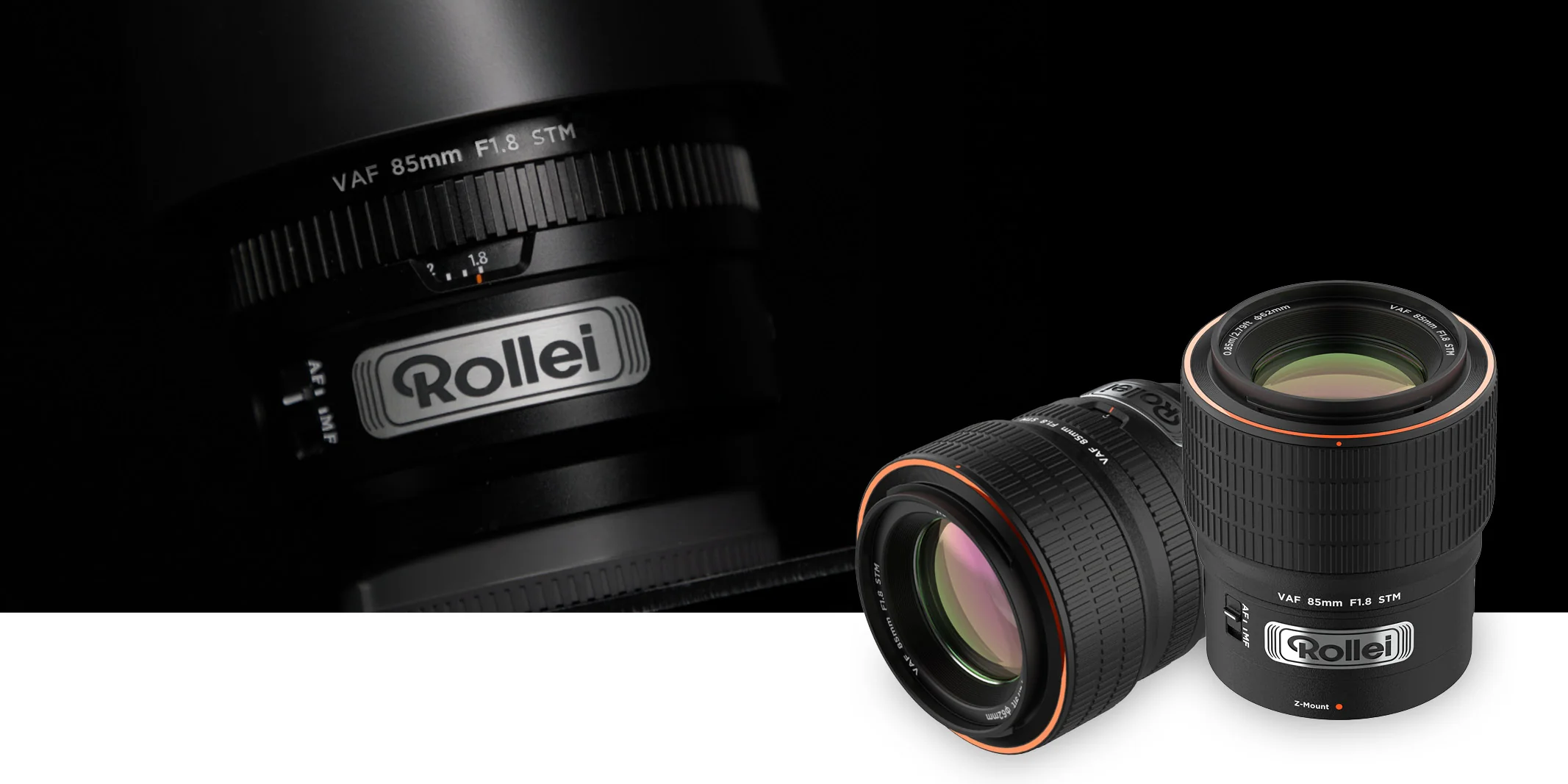
An 85mm portrait lens creates naturally flattering images of your subject’s face. This focal length sits in every professional portrait photographer’s camera bag. The technical reasons behind this choice are solid and practical.
The magic starts with how the 85mm lens renders facial features. You stand farther back from your subject compared to wider lenses. This shooting distance eliminates unflattering distortion. Noses don’t look too large. Faces don’t look stretched. Professional photographers call this the “portrait sweet spot” for good reason.
Why 85mm Works So Well for Portraits
The 85mm focal length delivers three specific benefits. These advantages transform ordinary portraits into stunning images. Understanding these benefits helps you get better results.
Natural Facial Proportions Without Distortion
Your subject’s face appears most accurate with an 85mm lens. Wide-angle lenses force you close to your subject. This creates perspective distortion that exaggerates features. A 24mm or 35mm lens makes noses appear too large.
The 85mm requires comfortable working distance from your subject. This separation maintains accurate facial proportions. Your model’s eyes, nose, and cheeks render in true relationship. The perspective matches what the human eye sees at moderate distance.
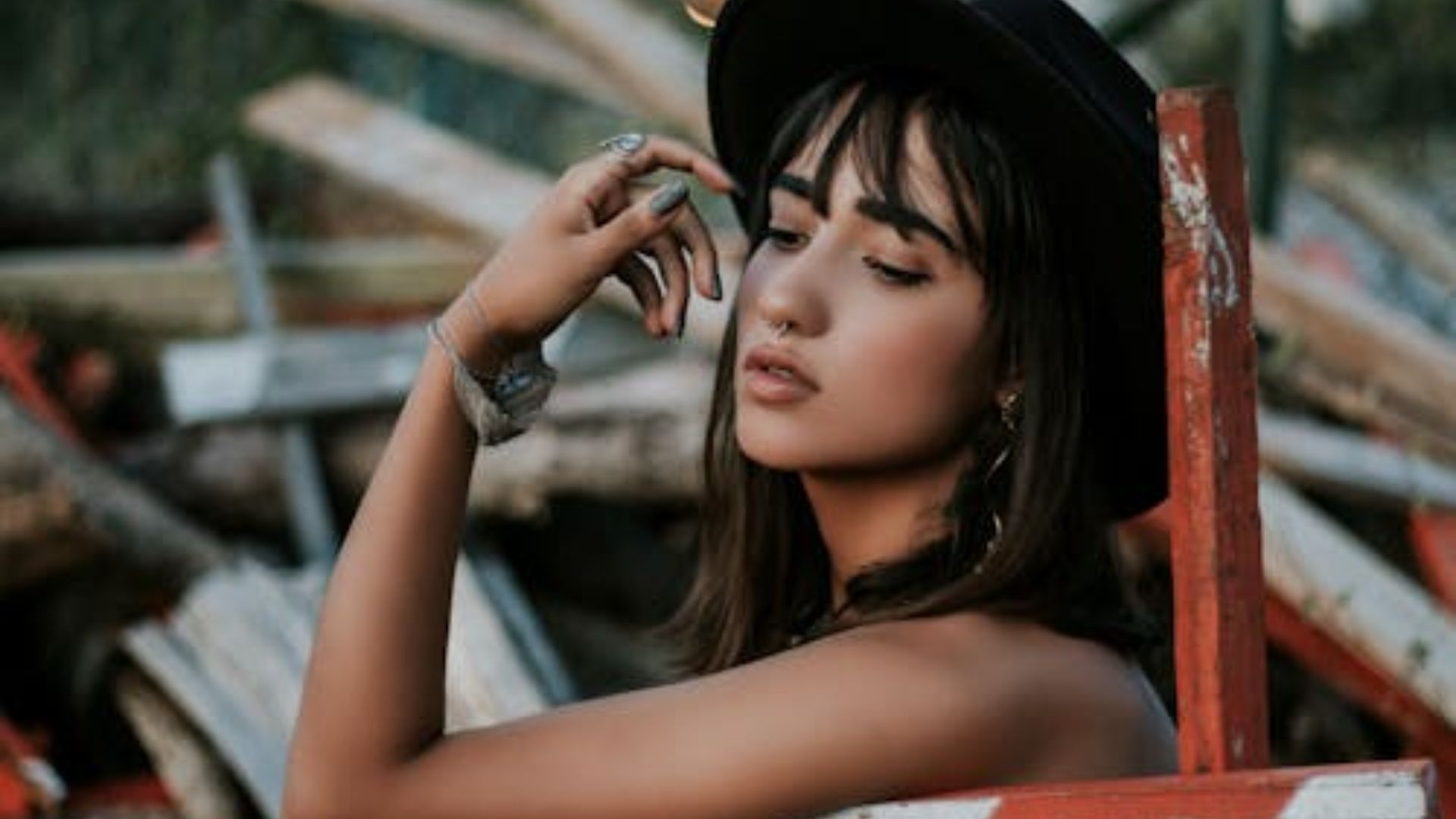
Clients love this natural rendering. Images show them as they truly appear. You can shoot headshots with confidence knowing results will be flattering.
Exceptional Background Separation Through Bokeh
The 85mm portrait lens creates stunning background blur. Most 85mm prime lenses feature very wide maximum apertures. You’ll find options at f/1.8, f/1.4, or f/1.2 on professional models.
Wide aperture combines with focal length to produce shallow depth of field. The result is beautiful bokeh that isolates your subject. Distracting background elements melt into smooth, creamy blur.
You can shoot in less-than-perfect locations and still get professional results. A parking lot or cluttered room transforms into a clean backdrop. The 85mm lens turns everyday environments into workable portrait settings.
Shallow depth of field draws viewer attention directly to your subject. Their eyes become the natural focal point. Background context remains visible but doesn’t compete for attention.
Flattering Compression for Pleasing Portraits
The 85mm focal length exhibits telephoto compression. This optical effect changes how backgrounds relate to your subject. Background elements appear closer and slightly larger than with wider lenses.
This compression serves several creative purposes:
- Fill the frame with background elements in a controlled way
- Add visual interest without cluttering the composition
- Create depth while maintaining clean, professional aesthetics
- Control the relationship between subject and environment
The working distance provides another major advantage. You stand far enough away to let your model relax. They don’t feel crowded or uncomfortable. This space allows natural expressions and body language. You can easily communicate direction without invading personal space.
Comparing 85mm Lens Options for Every Budget
The 85mm focal length comes almost exclusively as a prime lens. Manufacturers optimize these fixed focal length designs for sharpness and wide apertures. Understanding different portrait approaches helps you choose the right lens.
Budget-Friendly f/1.8 Lenses Deliver Professional Quality
Entry-level 85mm f/1.8 lenses offer exceptional value. These lenses cost significantly less than professional versions. You get excellent sharpness that rivals more expensive options. Build quality features lightweight materials that make these lenses easy to carry.
The f/1.8 aperture provides plenty of background blur for stunning portraits. Most photographers find this aperture more than adequate for professional work. You can shoot in moderately low light without problems.
These lenses represent the best balance for most photographers. You get 90% of professional lens quality at 30% of the price. Optical performance satisfies demanding standards while remaining budget-friendly.
Professional f/1.4 and f/1.2 Lenses for Ultimate Performance
High-end 85mm lenses push optical performance to extremes. The f/1.4 and f/1.2 versions create even shallower depth of field. Background blur reaches maximum creaminess with these ultra-wide apertures.
Professional lenses maintain critical sharpness even when shooting wide open. You don’t need to stop down for sharp results. Build quality features weather sealing, metal construction, and smoother focus mechanisms.
These lenses cost considerably more and weigh significantly more than budget versions. Professional portrait photographers find the investment worthwhile. Optical quality and build durability justify the premium price for working professionals.
Making the Most of Your 85mm Portrait Lens
Getting excellent results requires understanding its characteristics. The focal length offers specific advantages for portrait photography. You need to work within certain constraints.
Working Distance Considerations for Different Spaces
Space requirements change dramatically with an 85mm lens. You need more room between you and your subject compared to shorter lenses. Full-body portraits require stepping back quite far. Head-and-shoulders shots work well in moderate spaces.
Tight indoor spaces can create challenges. Smaller rooms may not provide enough distance for certain compositions. You might need to switch to a shorter focal length in cramped conditions.

The required distance actually helps your portrait sessions:
- Your subject has room to move naturally
- They can shift poses without worrying about getting too close
- This freedom results in more relaxed, authentic expressions
- Communication becomes easier at comfortable distance
Planning your shooting space becomes more important with longer lenses. Scout locations ahead of time. Ensure you have adequate distance for your intended shots.
Mastering Shallow Depth of Field and Focus
Extremely shallow depth of field requires precise focus technique. Your focus point becomes absolutely critical. Missing focus by even a small amount becomes immediately obvious.
Eye focus takes on paramount importance. The eyes must be tack-sharp in portrait work. Modern cameras with eye autofocus make this easier. Most 2024 and 2025 cameras include reliable eye detection for both people and animals. Manual focus requires careful attention and practice.
Aperture selection balances sharpness and blur. Shooting at f/1.2 or f/1.4 creates stunning bokeh but leaves minimal focus depth. Sometimes you need to close down to f/2 or f/2.8. This ensures both eyes stay sharp, especially with angled faces.
Low Light Performance and ISO Settings
Wide apertures make 85mm lenses excellent for low-light portrait work. The f/1.8, f/1.4, or f/1.2 maximum aperture gathers substantial light. You can shoot in challenging conditions that would stop other lenses.
Understanding exposure compensation helps balance ambient light with your subject. Wide aperture allows faster shutter speeds in dim conditions. You can freeze motion and avoid camera shake without cranking up ISO.
Lower ISO settings mean cleaner images with less noise. You maintain image quality even in difficult lighting. The combination produces professional results in available light situations.
Crop Sensor Cameras and 85mm Equivalent Focal Lengths
Camera sensor size dramatically changes how an 85mm lens performs. Understanding crop factors helps you choose the right lens for your system.
How Sensor Size Affects Field of View
An 85mm lens behaves differently on crop sensor cameras. APS-C sensors create a crop factor of approximately 1.5x or 1.6x. Your 85mm lens provides field of view equivalent to roughly 127mm on full-frame.
Micro Four Thirds cameras have a 2x crop factor. An 85mm lens on these cameras gives you a 170mm equivalent field of view. This extreme narrowing makes the lens less practical for many portrait situations.
The narrower field of view requires significantly more distance. You need much more space to capture the same framing. Full-body portraits become impractical in many locations.
Choosing the Right Focal Length for Crop Sensors
Crop sensor users often prefer shorter focal lengths for portraits. A 50mm or 56mm lens on APS-C delivers field of view similar to 85mm on full-frame. These options maintain flattering perspective at more manageable working distances.

The 56mm focal length has become popular specifically for APS-C portrait work. Manufacturers like Sigma, Viltrox, and Fujifilm offer excellent options at various price points. Viltrox’s AF 85mm f/2 EVO works great for Nikon Z and other systems. These lenses provide the classic 85mm look without extreme working distances.
Creative Applications Beyond Traditional Portraits
The 85mm focal length serves multiple creative purposes. Many photographers think of it solely as a portrait lens. The focal length offers versatility for other subjects too.
Event and Street Photography Opportunities
Street photography benefits from the 85mm perspective. The longer focal length lets you capture candid moments from a distance. Your subjects remain unaware of your presence. Natural expressions and authentic moments become easier to capture.
Event photography works well with 85mm lenses. You can photograph speakers, performers, or participants from the audience. The compression effect creates intimate-feeling images even from a distance.
Wedding photographers frequently use 85mm lenses during ceremonies. You can capture emotion-filled moments without being intrusive. Shallow depth of field creates dreamy, romantic images that clients love.
Detail and Product Photography Possibilities
Product photography gains from the 85mm perspective. The focal length provides comfortable working distance for detailed shots. You can light products effectively without the lens casting shadows.
Shallow depth of field helps isolate products from backgrounds. Attention focuses on important details. Background elements provide context without distraction. Food photographers sometimes choose 85mm lenses for detail shots.
Comparing 85mm to Other Popular Portrait Focal Lengths
Understanding how 85mm compares to alternatives helps inform your lens choices. Each focal length offers distinct characteristics and trade-offs.
The Versatile 50mm Alternative
The 50mm lens provides more flexibility in tight spaces. You can shoot full-body portraits in smaller rooms. The wider field of view makes it easier to include environmental context.
However, 50mm requires getting closer to your subject. This proximity can create slight perspective distortion. Facial features don’t appear quite as flattering as with 85mm. The effect is subtle but noticeable in careful comparisons.
Many photographers own both focal lengths. The 50mm handles situations where space is limited. The 85mm delivers superior facial rendering when you have room to work. Consider both options for maximum versatility.
The Dramatic 135mm Option
Longer focal lengths like 135mm push compression and isolation even further. Background blur becomes even more extreme. The perspective flattens facial features for a distinctive look.
The 135mm requires substantial working distance. Outdoor locations work best. Indoor shooting becomes impractical except in very large spaces.
Technical Tips for Sharp 85mm Portraits
Getting consistently sharp results requires attention to several technical factors. The combination of long focal length and wide aperture creates unique challenges.
Camera Settings for Optimal Results
Shutter speed becomes more critical with longer focal lengths. Camera shake affects longer lenses more noticeably. Use minimum 1/85 second or faster as your baseline.
Image stabilization helps when available. Many modern lenses include optical stabilization. Some camera bodies feature in-body stabilization that works with any lens. This technology allows slower shutter speeds in static portrait situations. Movement in your subject still requires faster speeds.

Camera settings for portraits should prioritize correct exposure and sharp focus. Aperture priority mode works well for portraits. You control depth of field while the camera handles shutter speed.
Single-point autofocus gives you precise control. Place your focus point on your subject’s nearest eye. This ensures critical sharpness where it matters most.
Handling and Stabilization Techniques
Proper handholding technique reduces camera shake. Tuck your elbows against your body. Use your left hand to support the lens from below. Your right hand should grip the camera body.
Breathing technique matters more than many photographers realize:
- Exhale gently and pause before releasing the shutter
- This momentary stillness improves sharpness
- Take multiple breaths if needed for complex compositions
- Stay relaxed to avoid muscle tension affecting stability
Tripods eliminate camera shake entirely. They work well for formal portraits with precise composition. The trade-off is reduced mobility and spontaneity. Many portrait photographers prefer handholding for creative flexibility.
Continuous shooting mode helps ensure sharp results. Take multiple frames of each pose. You increase odds of catching a moment with perfect sharpness and expression.
Investing in Your First 85mm Portrait Lens
Choosing your first 85mm lens requires balancing budget, features, and future needs. The right choice depends on your specific situation and goals.
Determining If 85mm Fits Your Style
Consider your typical shooting locations before buying. Do you have adequate space most of the time? Small studios or tight indoor spaces might not accommodate an 85mm lens well.
Think about your preferred portrait style. Headshots and close-up portraits work beautifully with 85mm. Full-body portraits and environmental portraits might benefit from shorter focal lengths.
Test an 85mm lens if possible. Many camera stores offer rentals according to the Photography Life rental guide. Spend a weekend shooting with the focal length. Hands-on experience reveals whether it fits your workflow.
Your camera sensor size matters significantly. Full-frame users gain the most from native 85mm lenses. Crop sensor shooters might find 50mm or 56mm options more practical.
Budget Options for Getting Started
Start with an f/1.8 version if you’re unsure about the focal length. These lenses deliver professional results at accessible prices. You can always upgrade later if you use the focal length constantly.
Third-party manufacturers offer excellent alternatives to brand-name lenses. Companies like Sigma, Tamron, and Viltrox produce high-quality 85mm options. Viltrox recently released their AF 85mm f/2 EVO for around $275. These lenses often cost less while delivering comparable performance.
Used lenses provide another budget-friendly path. 85mm lenses hold their value well but can be found used at good prices. Buy from reputable dealers who offer return policies. Inspect used lenses carefully for optical issues and mechanical problems.
Consider the total system cost beyond just the lens. Wide aperture lenses might push your camera’s autofocus system. Older camera bodies may struggle with accuracy at f/1.2 or f/1.4. Your camera’s capabilities should match your lens performance. Modern mirrorless cameras from 2023 onwards handle fast apertures better than older models.
According to B&H Photo’s lens buying guide, matching lens quality to camera capabilities prevents wasted money on features you can’t fully utilize.
Next Steps with Your 85mm Portrait Lens
The 85mm portrait lens earns its reputation through solid technical advantages. The focal length creates naturally flattering facial proportions without distortion. Wide apertures produce beautiful background separation. Compression effects add visual interest while maintaining clean compositions.
Budget f/1.8 versions serve most photographers excellently. Professional f/1.4 and f/1.2 options push performance further for demanding work. Your choice depends on budget and specific needs.
Success with 85mm lenses requires adequate working space and precise focus technique. The focal length rewards photographers who master these requirements with stunning portrait results. Consider your shooting style and typical locations before investing.
Test the focal length through rental or borrowing before committing. Hands-on experience reveals whether 85mm matches your creative vision and practical needs.
See more from DIYPhotography.net on Google
Add DIYPhotography.net as a trusted source. This makes
our stories more likely to appear in your Google Search results.
 Add as a preferred source on Google

Darlene Lleno
Darlene Lleno brings a unique perspective to DIY Photography as someone who grew up surrounded by camera gear but chose words over lenses. With five years of writing experience, she specializes in photography content that’s both technically informed and genuinely passionate. Growing up with a photographer twin brother meant camera talk was everyday conversation in her household. While he mastered capturing moments, Darlene discovered she preferred being the subject and the storyteller behind the scenes. As a travel enthusiast and mother of two, she understands the importance of preserving life’s precious moments. When not exploring new destinations or writing for DIY Photography, you’ll find her reading or tending to her garden. Her approach to photography writing is refreshingly authentic, she may not be behind the camera, but she knows exactly what it takes to help others capture the shots that matter most.


Join the Discussion
DIYP Comment Policy
Be nice, be on-topic, no personal information or flames.