




















How Do You Photograph Loss? Inside Lou Bopp’s Haunting Documentary Project
Dec 12, 2025
Alex Baker
Alex Baker is a portrait and lifestyle driven photographer based in Valencia, Spain. She works on a range of projects from commercial to fine art and has had work featured in publications such as The Daily Mail, Conde Nast Traveller and El Mundo, and has exhibited work across Europe
Share:

How do you photograph something that’s missing? That’s the question that photographer Lou Bopp has spent seven years answering with devastating clarity. Travelling across the United States with veteran CBS correspondent Steve Hartman, they created All the Empty Rooms, the Netflix documentary and still-photo project that turns its lens toward absence itself: the bedrooms left untouched after children were killed in school shootings. Bopp’s stills stare into spaces frozen in time: unmade beds, abandoned toys, walls once plastered with life. Through his lens, we’re invited to both see and feel what was lost.
The context of Bopp’s work is grimly significant. Gunfire on U.S. school grounds continues at alarmingly high levels, with data showing that annual school shooting incidents have climbed sharply over the last decade. Firearm violence remains a leading cause of death among children and teens. In confronting this reality through the stillness of empty rooms, Bopp’s work asks not only what these shootings take from us, but what we owe back in remembrance and action. DIYP was lucky enough to talk to Lou about this difficult subject and find out more about the project.
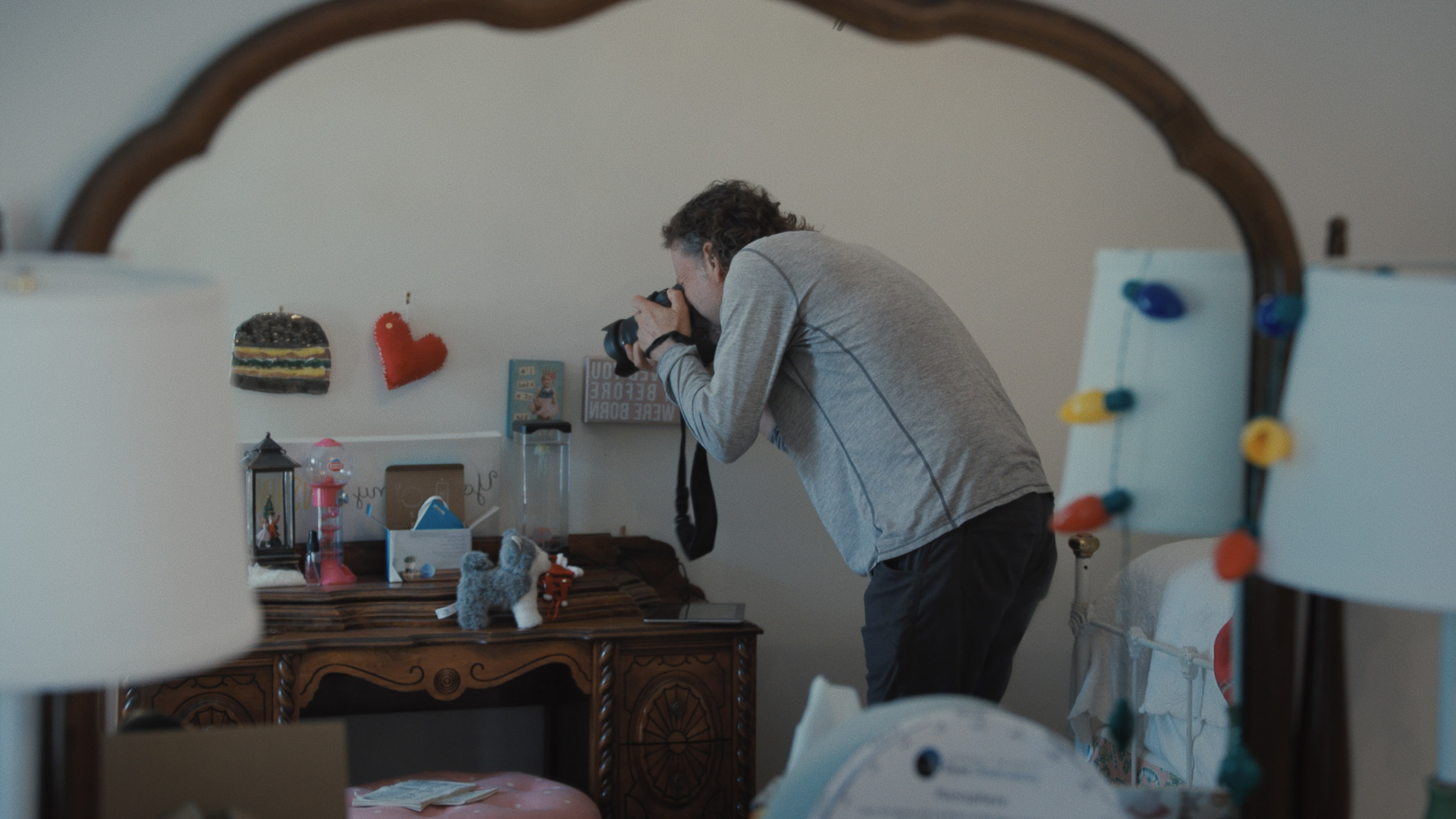
DIYP: What first drew you to the project All the Empty Rooms, and how did you approach the challenge of photographing such intimate and heartbreaking spaces?
Lou: What first drew me to the project was my trust in my longtime friend Steve Hartman and the idea he brought to me. Once I said yes, and I said it immediately, I knew I wanted the rooms themselves to guide the photographs, rather than imposing anything of my own onto them. There’s a profound responsibility in documenting spaces this intimate. I treated each room with dignity and the utmost respect. I took off my shoes every time. I didn’t touch a single thing, even when doing so might have made for a “better” photo.
I had to make a portrait of a person who was no longer physically there. In every room, I could feel that a child had just been there, as if they were expected to walk back in at any moment. My goal was to capture the essence of that child, the presence that still lived in the space they left behind.
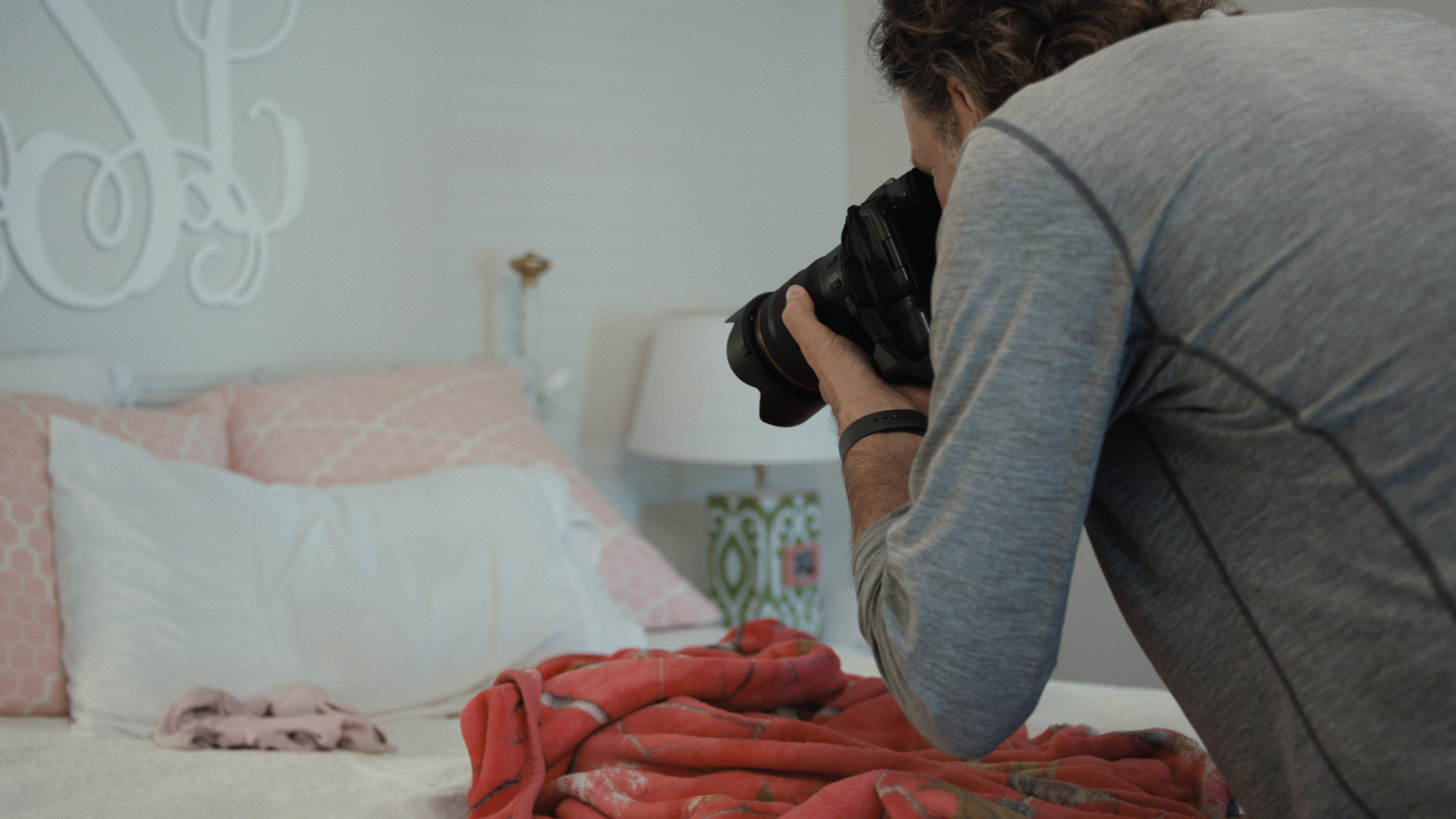
DIYP: The scope of the project was fairly large, with both a journalist and documentary crew, over the course of 7 years – did it develop as you went along and did your approach to the project change over the course of those years?
Lou: My longtime friend Steve Hartman called me one day and shared the idea with me. There was simply no way I could say no. I’m a commercial advertising photographer by trade, I photograph people and pets on location, happy, positive, selling products, etc., so this was far outside my comfort zone. But from the moment Steve told me about it, the project became deeply important to me.
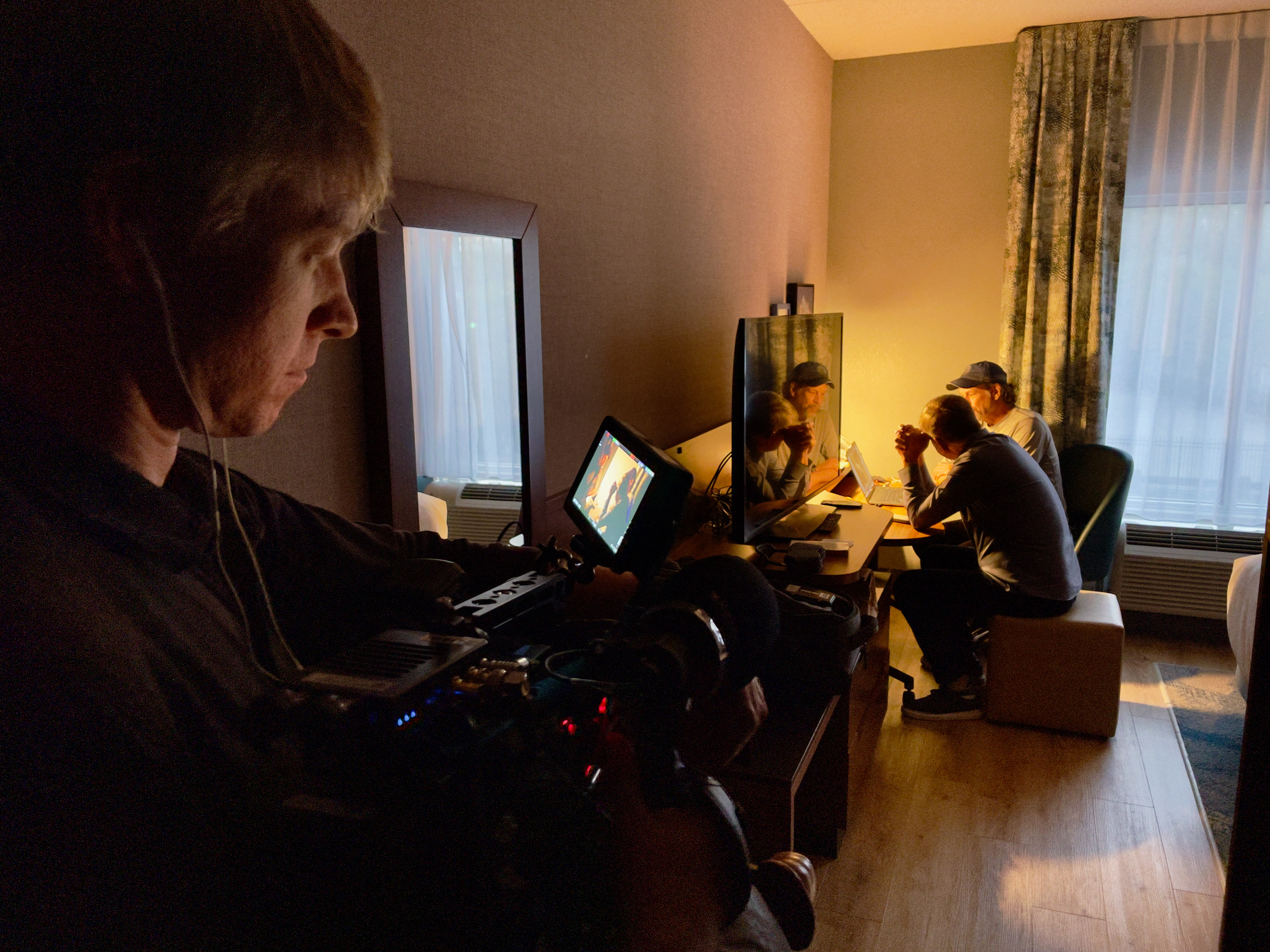
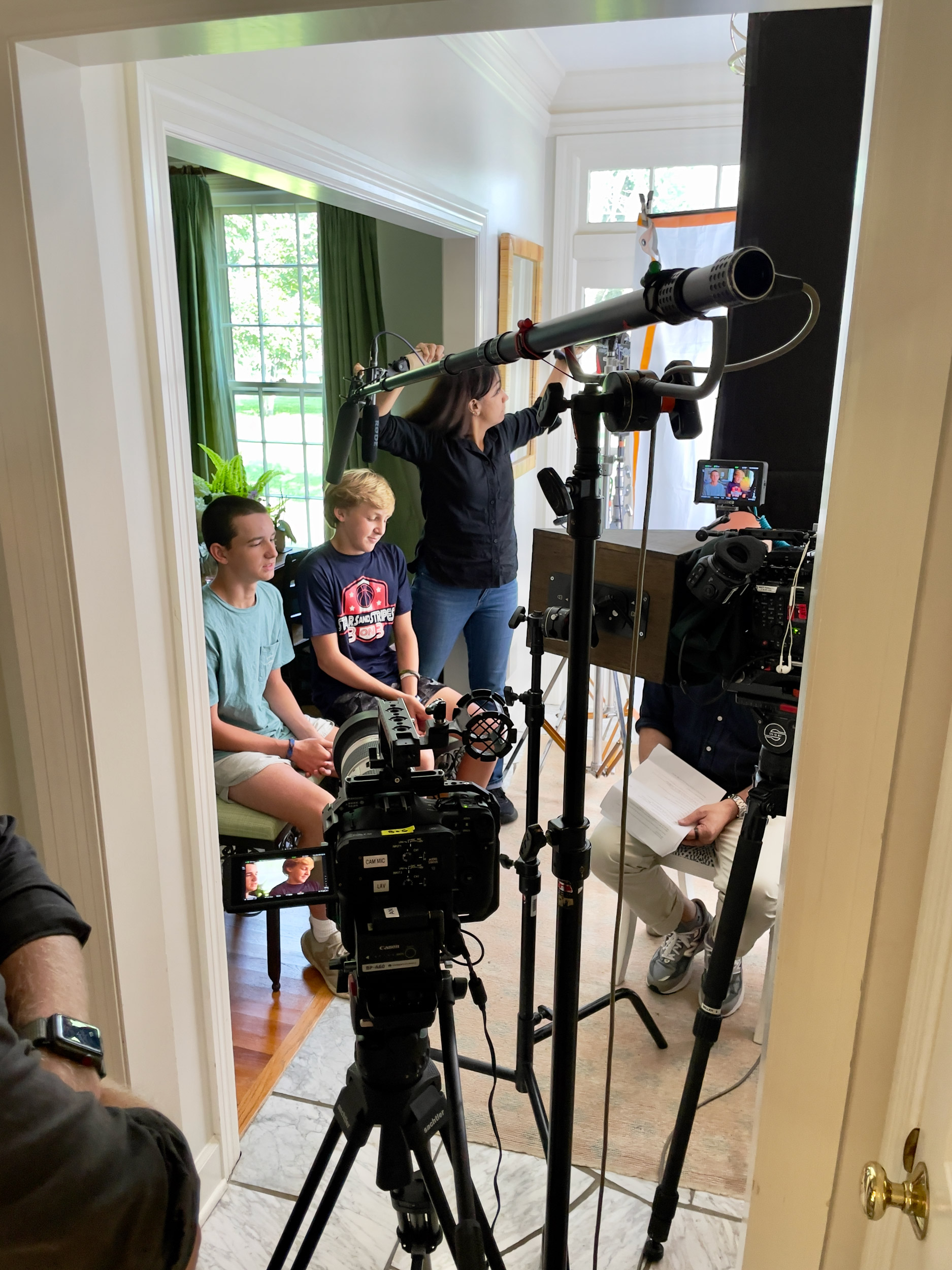
The scope never really shifted over those seven years; the heart of it stayed the same. I knew what I had to do. I photographed the first three rooms on my own. Steve joined me for the fourth, and by the fifth through eighth, the documentary crew was with us. Honestly, having everyone there helped. I appreciated their presence, it took some of the weight and focus off of me. It was, without question, the most difficult project I’ve ever taken on.
DIYP: Can you walk us through your process when photographing these rooms? How do you decide what to frame, what to leave out, and how to tell a story in still images?
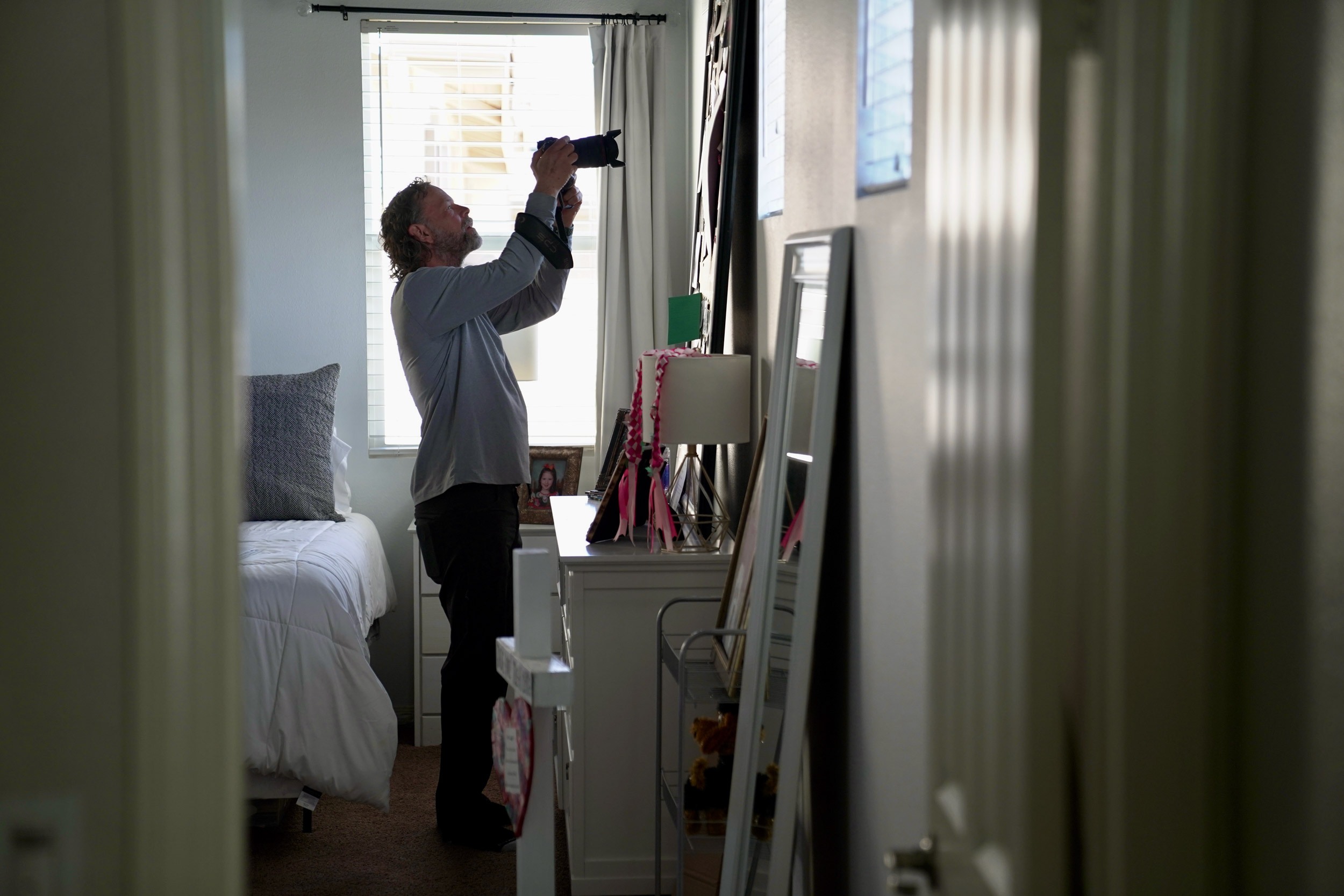
Lou: My process stayed the same from the first room to the last. I travelled light. I started with a Canon EOS 5D Mark IV DSLR, and as the years went on, I moved to mirrorless cameras, first the EOS R5 and later the R5 Mark II. My lens of choice was always the 24–70mm f/2.8, first the EF and then the RF. Often, I knew what to frame the moment I saw it. I study a room from every angle. I get on my knees, I lie down and look up, I photograph what is on the floor or tucked under the bed, and I even photograph the contents of trash cans.
I am endlessly curious and always searching for clues, for angles, for perspectives. I probably walked five thousand steps in every room because I was constantly in motion, both physically and mentally. I never brought lights, flashes, or tripods. That felt like too much for these sacred spaces. I trusted my cameras completely and knew exactly what they could do, especially in low light, which allowed me to move freely without thinking about technical components, those are all pretty much baked in my mind.
The ISO latitude and image stabilisation are exceptional, and gave me the freedom to focus entirely on the story the room wanted to tell. I was after images that had some grain and texture, using ambient light, some shot in a cinéma vérité-ish sort of way. Horizons often were off kilter, imperfect images often can be pretty perfect.
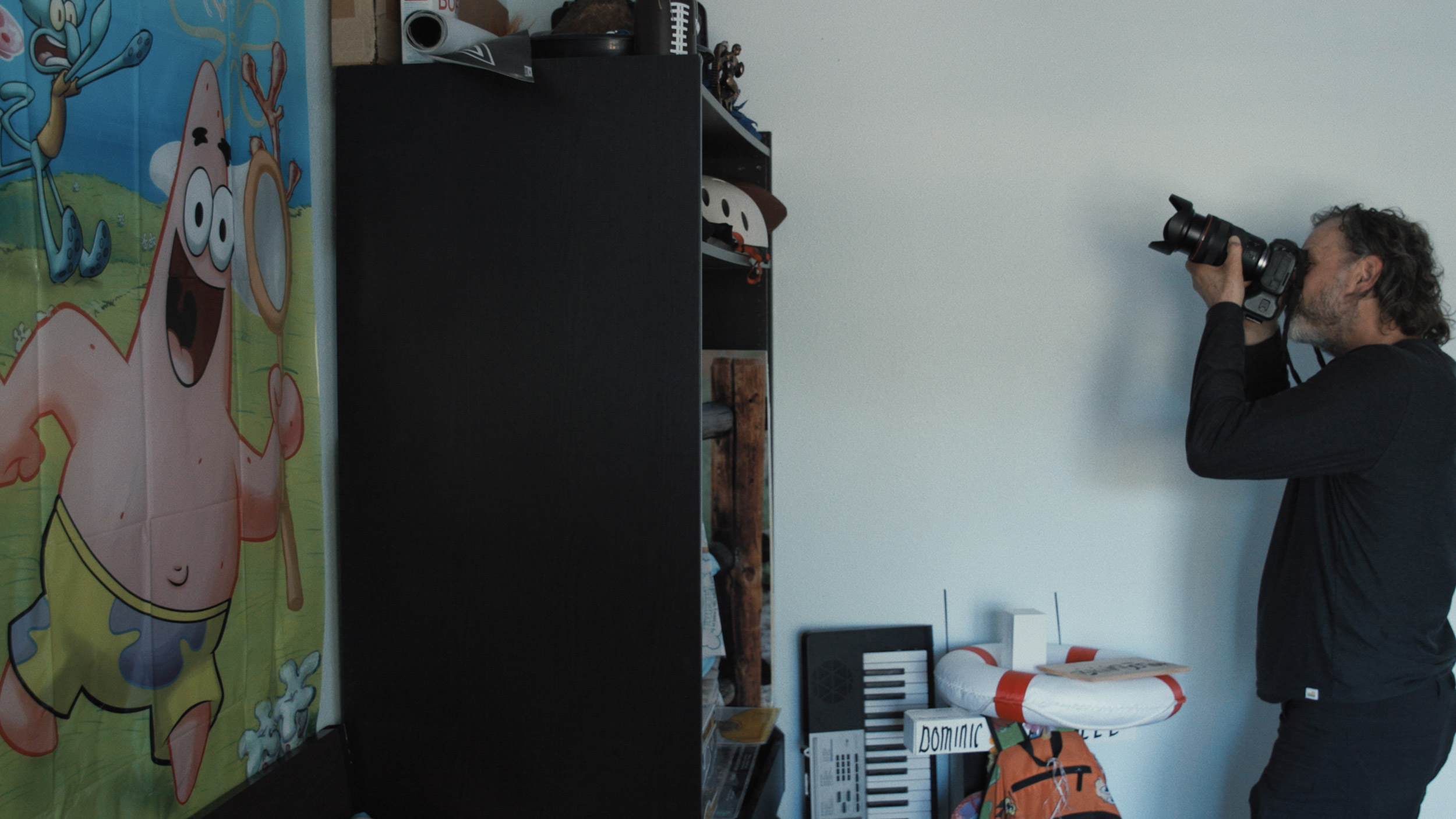
DIYP: Were there particular objects or details that spoke to you more than others, and why?
Lou: Each child had their own unmistakable touches in their room. Kids’ bedrooms are extensions of themselves, and they express who they are through that safe space. It is their place, their universe. With that in mind, I was always looking for those signs of expression, some subtle and some not. It could be hair ties on a doorknob, a used ticket stub pinned to a bulletin board, photos of their friends, overdue library books, or the indentation on a chaise lounge that shows exactly where someone always sat. These details spoke to me because they held the presence and personality of the child in a way nothing else could.
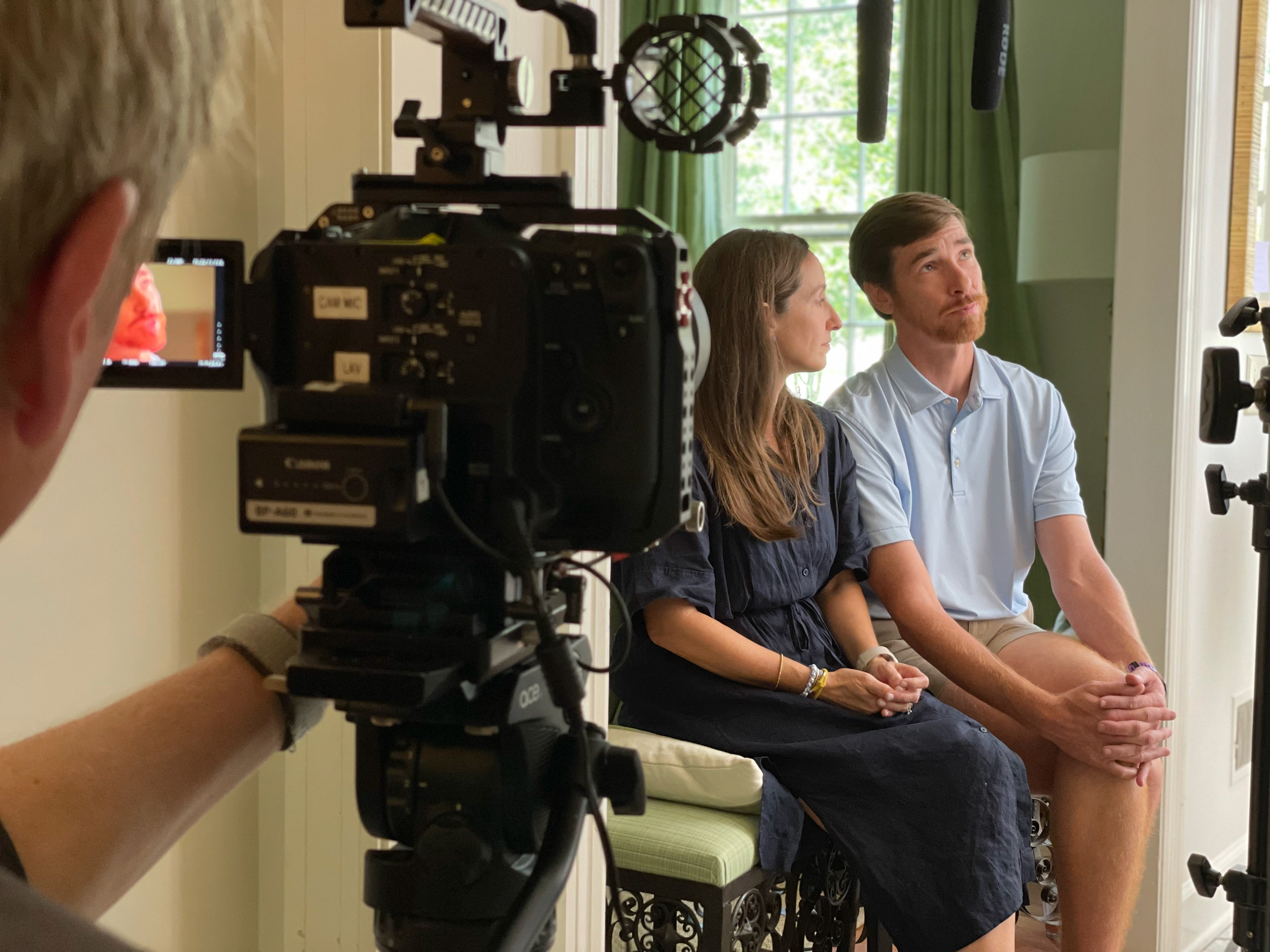
DIYP: Were there any particular moments or rooms that affected you more deeply than others or that have stuck with you? Can you tell us a little about it, if so?
Lou: Each room was equally impactful in its own way. In one room, I could see the outline and indentation in the unmade bedcovers, pushed aside as if someone had just flung them off and hurried out. There was a cap from a tube of toothpaste that she hadn’t had time to put back on. There were things under the bed that I photographed, items the mother didn’t even know were there.
There were overdue library books and school assignments. There was a desk calendar, and every day the young man would run a pencil diagonally, from left to right and cross through that day. And then on February 14th, the crossed-out days stopped. Even writing this gets me, takes my breath away. Every room held something like that, some small but powerful detail that stopped me cold. Those moments were deeply poignant, and I will never forget them.
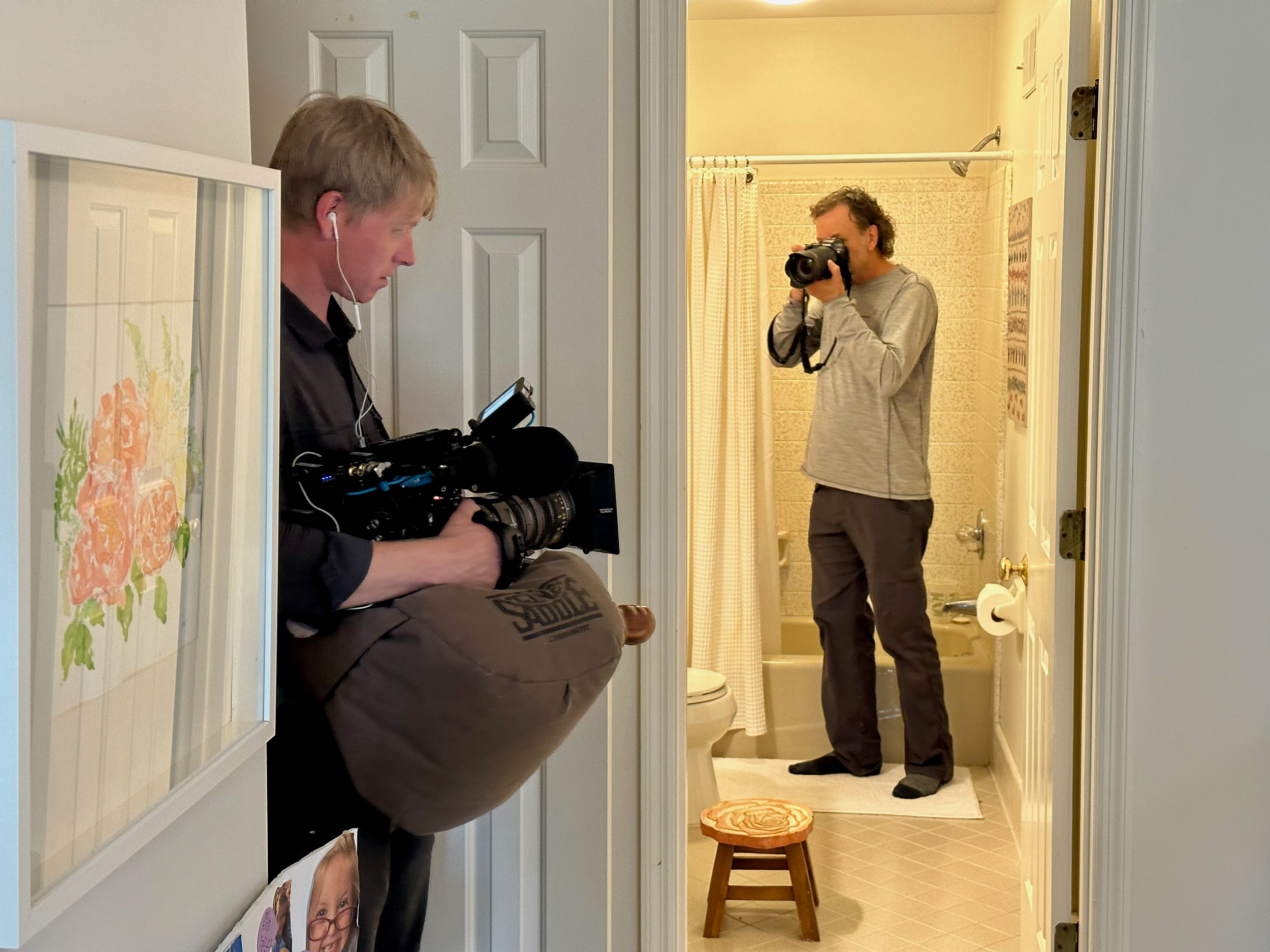
DIYP: Did you ever struggle with the emotional weight of the project, and how did you navigate that while continuing your work?
Lou: I struggled with the emotional weight immediately, right after I said yes to Steve. Quietly, I kept thinking the project might never happen, and in an even quieter place inside myself, I almost hoped it wouldn’t, because I had no idea how I was going to carry the responsibility of it. I am used to working on large, six-figure advertising projects, and while there is plenty of pressure in that world, this was entirely different.
There was, and still is, an emotional intensity to photographing these rooms that is hard to put into words. I have a seventeen-year-old daughter. She was ten when I started this project. It was impossible not to think about her throughout, impossible not to think about how this could happen to anyone. No matter what project I take on, I put my heart and soul into it, but this one crushed my soul in ways I could not have prepared for. And I saw it coming!
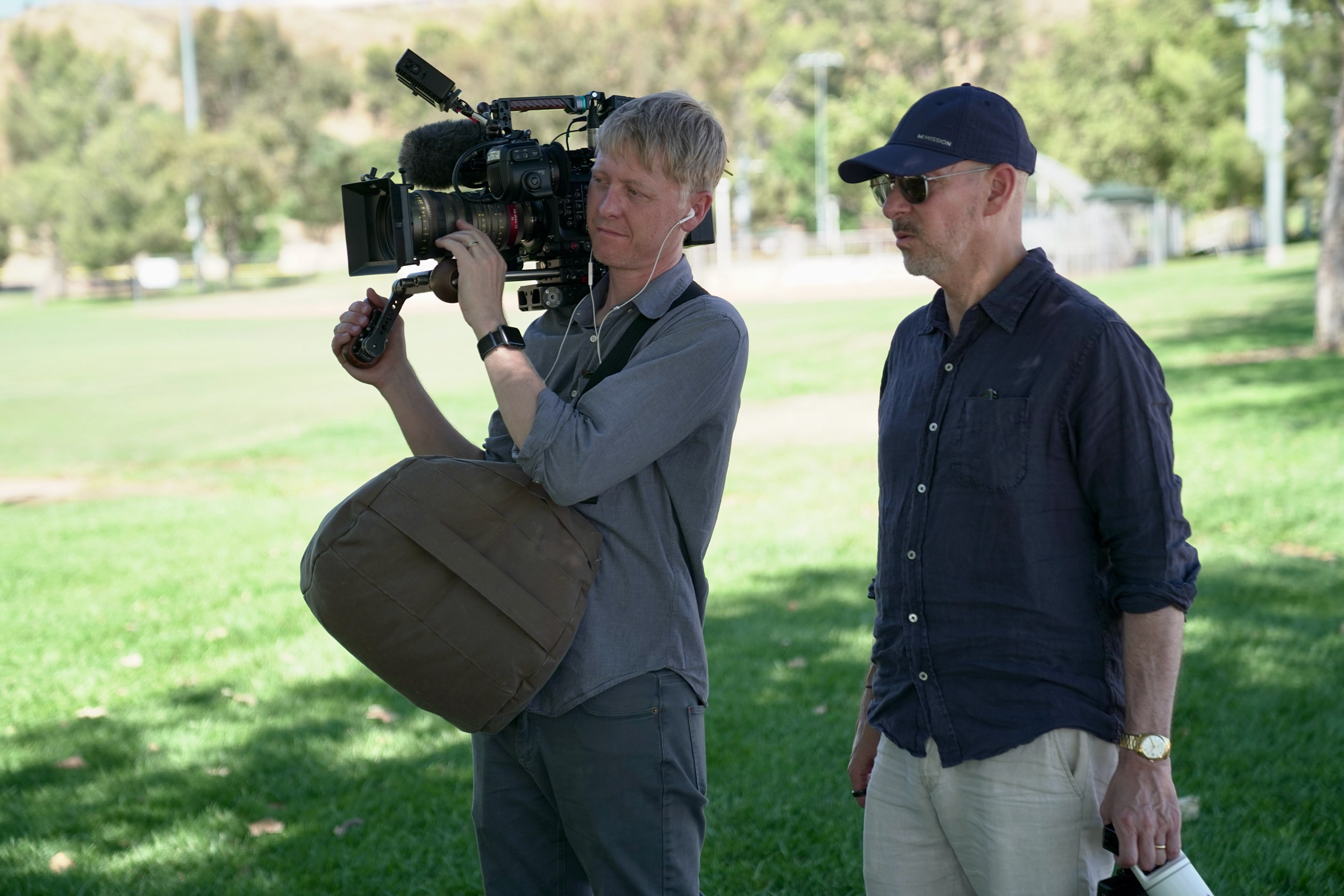
DIYP: Seeing so many untouched rooms of children lost to school shootings, what insights did you gain about the scope of this crisis in the U.S.?
Lou: Seeing so many untouched rooms of children murdered in school shootings was a profoundly moving experience. I have always been aware of the scale of this crisis, but my goal in this project was not to take a stance. Rather, I wanted to reveal a side of it that is unseen.
My purpose as a photographer has always been to create images that carry emotional weight, images that evoke feelings people might not have experienced otherwise. Whether the work is focused on this tragic topic or part of an advertising campaign, my aim remains the same: to craft images that convey emotion, whether it is the heaviness of loss or the uplifting energy of positivity in an advertising campaign.
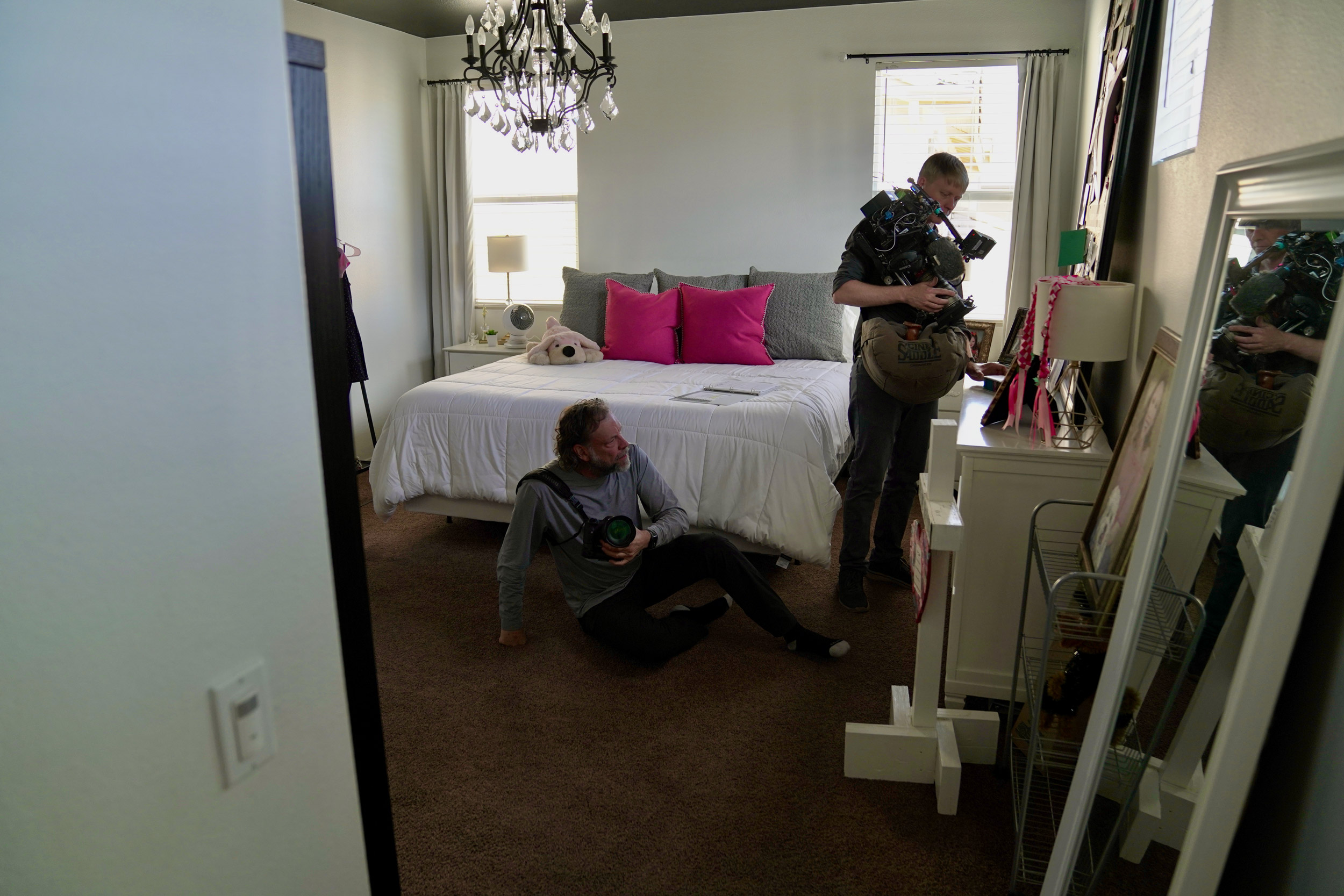
DIYP: What role do you think still photography can play in raising awareness or sparking conversation about issues like gun violence?
Lou: I think still photography can play a huge role, just as this film does. A picture is worth a thousand words, right? Will significant change happen? I am sceptical. But I felt I had to do something, and working alongside Steve made all the difference. There is no one better to deliver this message.
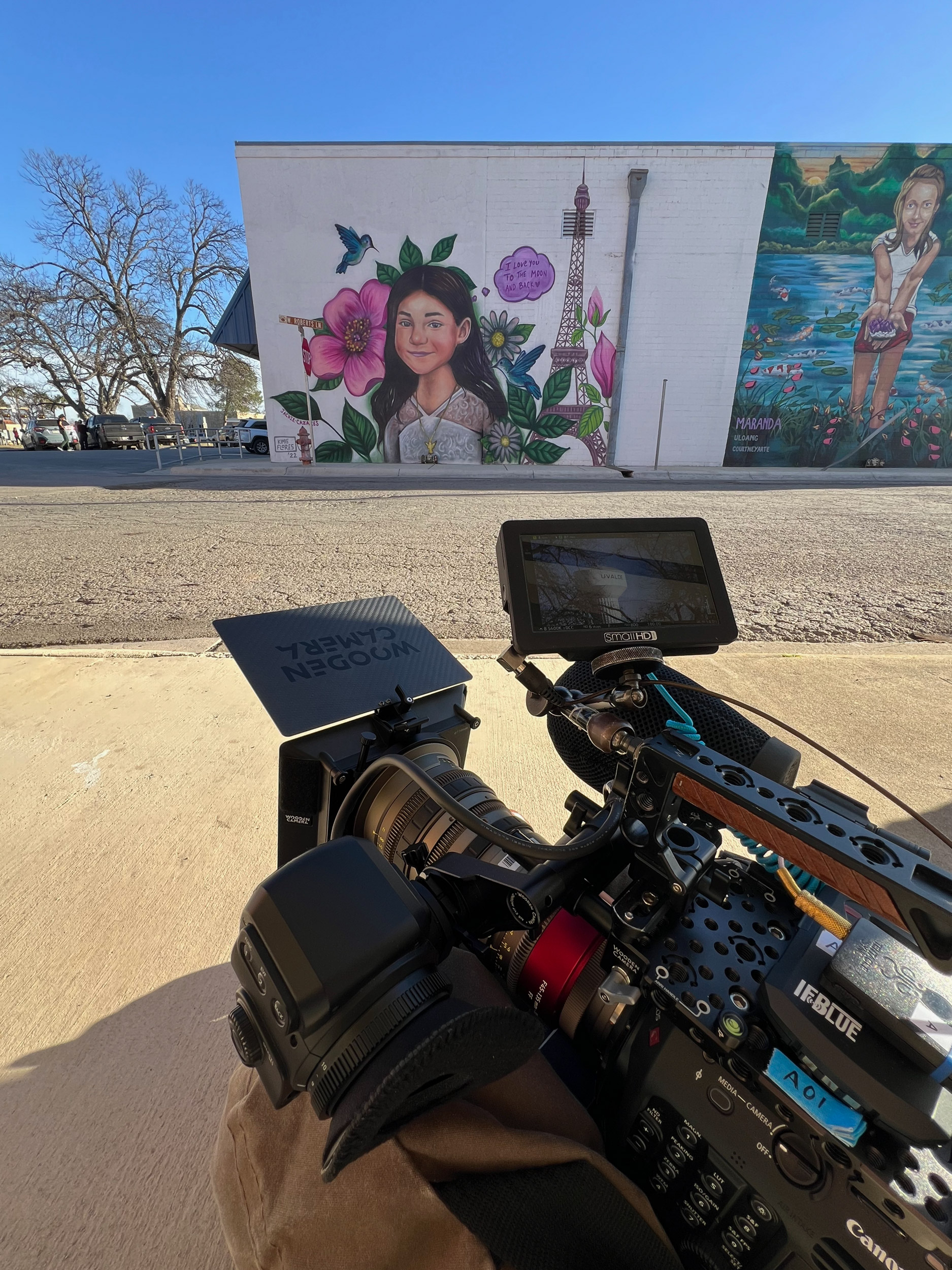
The film is incredibly strong, and it complements the photographs beautifully, staying true to Steve’s original vision and giving the images even greater depth. Oscar-nominated Director Josh Seftel and his production company Smartypants did an amazing job capturing the true essence of our original mission.
DIYP: What do you hope viewers take away from seeing your photographs in All the Empty Rooms?
Lou: I hope viewers feel something, have an emotive reaction. I have watched people stand in front of these images and just stare, sometimes through tears. If the photographs stir emotion, then I have done my job. I also hope that people, especially lawmakers, could one day stand in these rooms themselves and take in the enormity of what they represent. And figure out how to address the problem.
DIYP: How has this project shaped you personally or professionally, both as a photographer and as a witness to these stories?
Lou: Working on this has been deeply shaping, both personally and professionally. As a photographer and a father, the project pushed me to convey emotion through absence and silence, capturing the weight of what remains.
Personally, it has left a lasting impact. Being in these spaces and seeing the tangible reminders of lives lost has deepened my awareness of life’s fragility and the effects of violence. It strengthened my belief that photography can provoke empathy, spark reflection, and give voice to experiences that might otherwise go unseen.
All The Empty Rooms is currently available to watch on Netflix. You can follow Lou on Instagram or see his work on his website.
See more from DIYPhotography.net on Google
Add DIYPhotography.net as a trusted source. This makes
our stories more likely to appear in your Google Search results.
 Add as a preferred source on Google
Alex Baker
Alex Baker is a portrait and lifestyle driven photographer based in Valencia, Spain. She works on a range of projects from commercial to fine art and has had work featured in publications such as The Daily Mail, Conde Nast Traveller and El Mundo, and has exhibited work across Europe
Related Posts
 Photographer sneaks inside wrecked Costa Concordia to shoot these haunting photos of the ghost ship
 This short documentary shows what it’s like to photograph a 24-hour sports car endurance race
 Photographer uses a 19th-century technique to capture haunting portraits of children
 These haunting photos of abandoned places across Europe show the beauty of decay
Join the Discussion
DIYP Comment Policy
Be nice, be on-topic, no personal information or flames.