






















NASA’s Chandra and IXPE Reveal Hidden Magnetic Fields in the Lighthouse Nebula
Jul 10, 2026
Soumyadeep Mukherjee
Soumyadeep Mukherjee is an award-winning astrophotographer from India. He has a doctorate degree in Linguistics. His work extends to the sub-genres of nightscape, deep sky, solar, lunar and optical phenomenon photography. He is also a photography educator and has conducted numerous workshops. His works have appeared in over 40 books & magazines including Astronomy, BBC Sky at Night, Sky & Telescope among others, and in various websites including National Geographic, NASA, Forbes. He was the first Indian to win “Astronomy Photographer of the Year” award in a major category.
Share:

Magnetic fields influence almost every energetic process in the universe. Despite their importance, magnetic fields remain difficult to observe directly. However, in a recent observation, combining observations from NASA‘s Chandra X-ray Observatory and the Imaging X-ray Polarimetry Explorer (IXPE), astronomers have produced one of the clearest views yet of the magnetic field inside the Lighthouse Nebula.
Chandra captured the intricate structure of this remarkable object, while IXPE measured the polarization of its X-rays to reveal how the magnetic field is arranged. Known officially as IGR J11014–6103, the Lighthouse Nebula lies thousands of light-years from Earth. At its heart is a rapidly spinning neutron star that is tearing through the Milky Way at more than 1,000 kilometers per second.
A stellar explosion and a cosmic traveller
The story of the Lighthouse Nebula began with the death of a massive star. After millions of years of burning nuclear fuel, the star could no longer support its own weight. Its core collapsed in a fraction of a second, triggering a powerful supernova explosion. The blast scattered the star’s outer layers into space and left behind an incredibly dense neutron star.
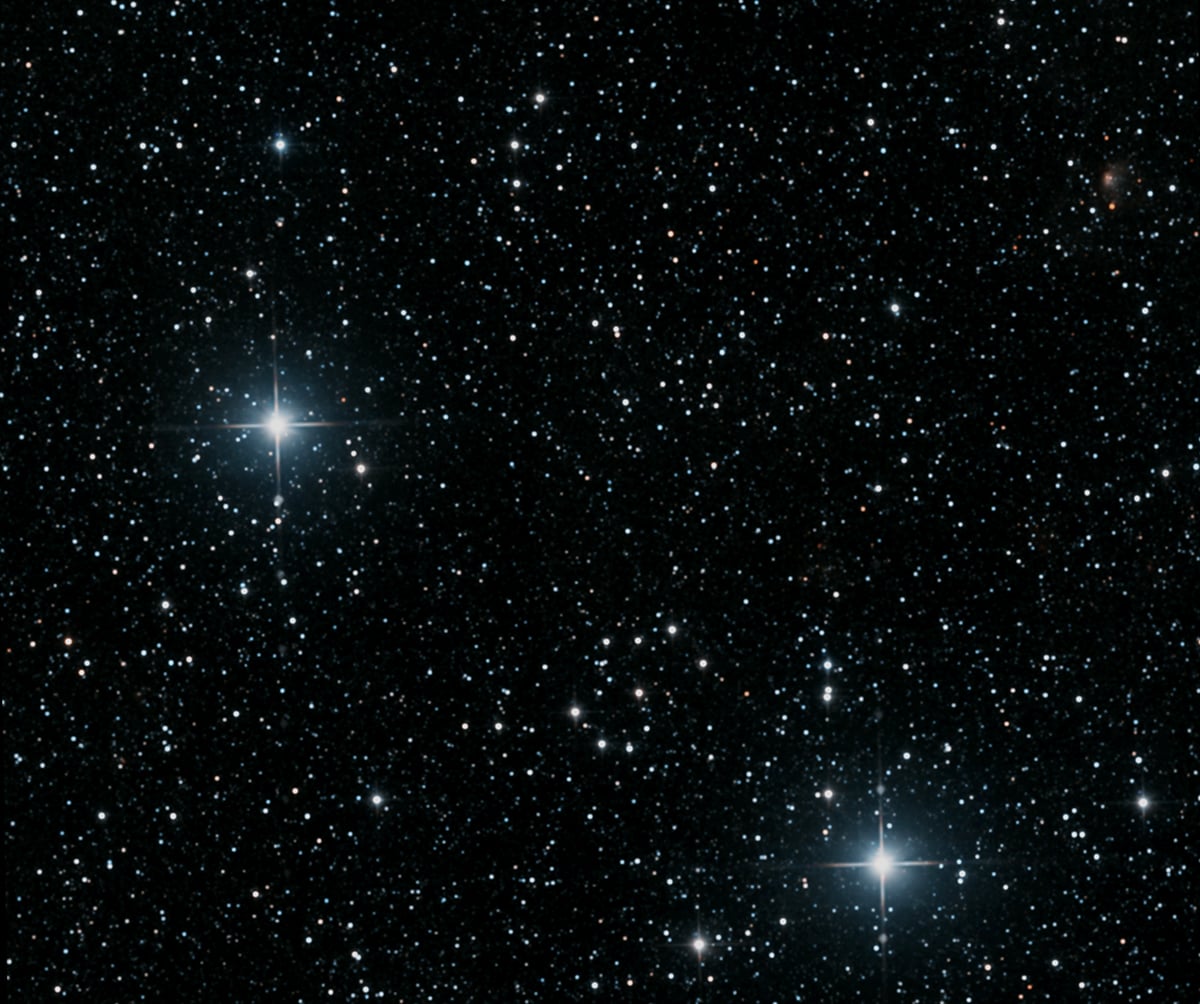
Although this stellar remnant is only about 20 kilometers wide, it contains more mass than the Sun. It also spins rapidly and possesses an exceptionally strong magnetic field. These properties make it a pulsar, a type of neutron star that continuously emits beams of radiation and a wind of highly energetic particles.
The supernova did more than create the pulsar. It also launched the compact object across the galaxy at an extraordinary speed. Today, the neutron star races through space at well over 1,000 kilometers per second, making it one of the fastest known runaway pulsars.
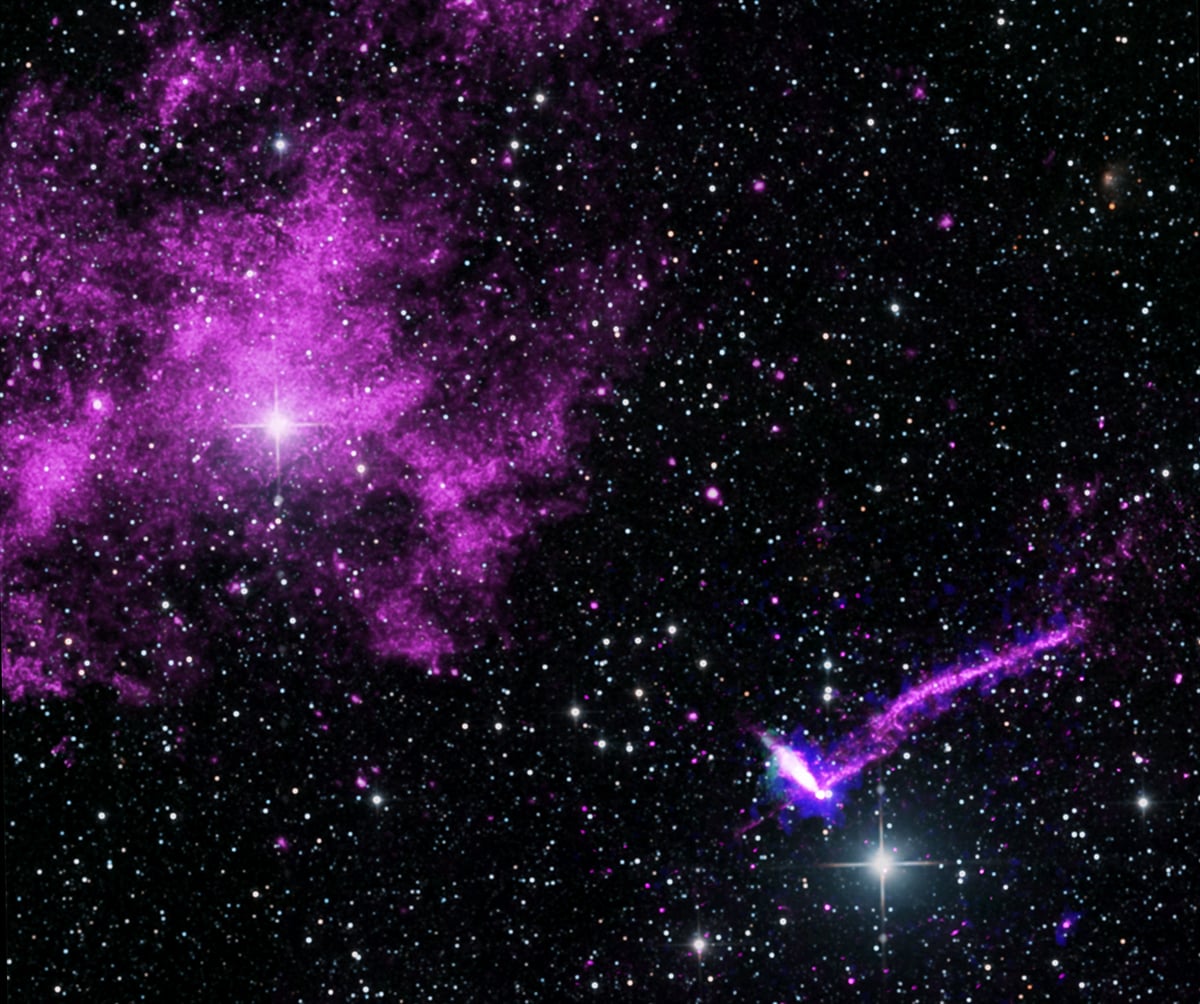
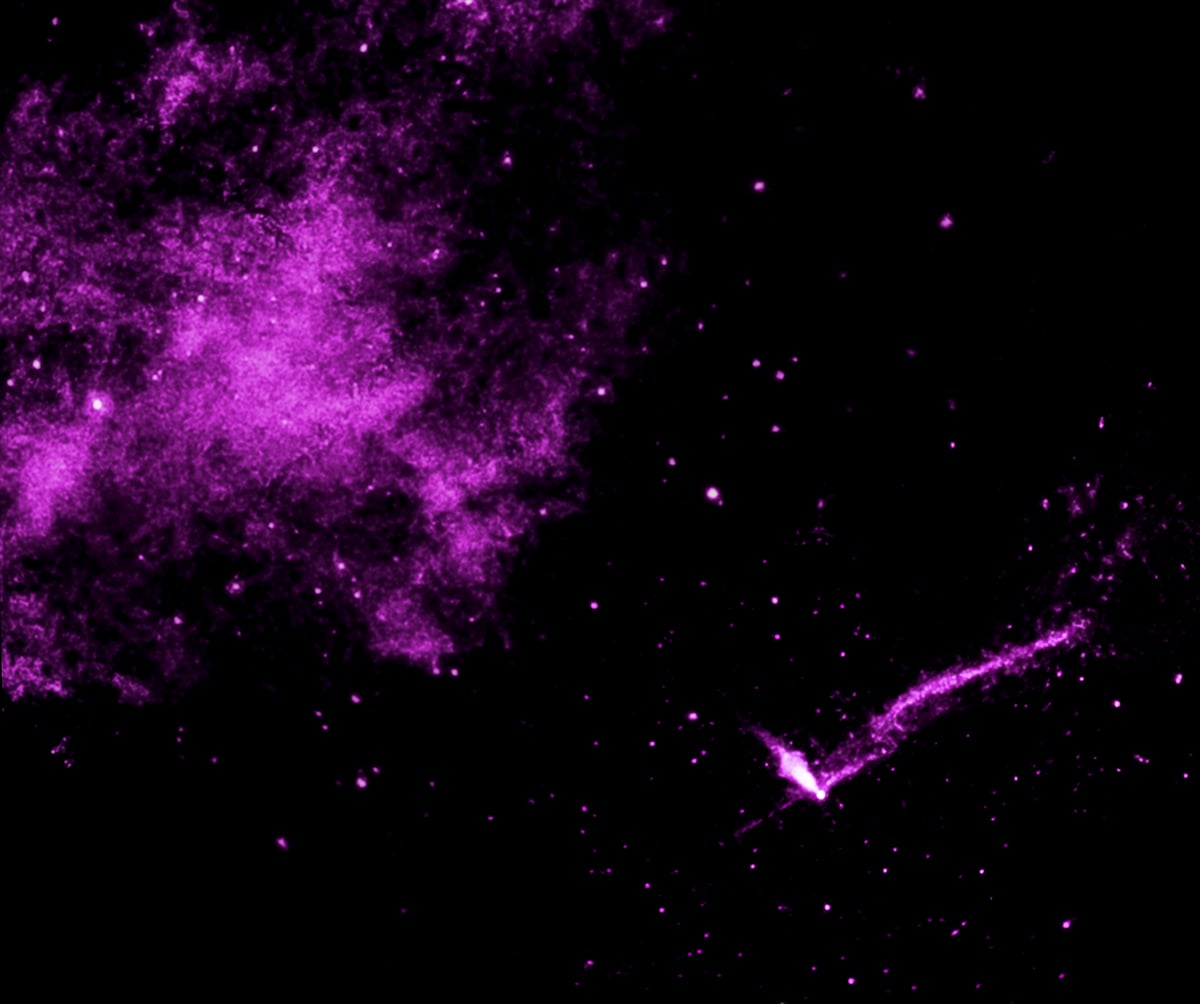
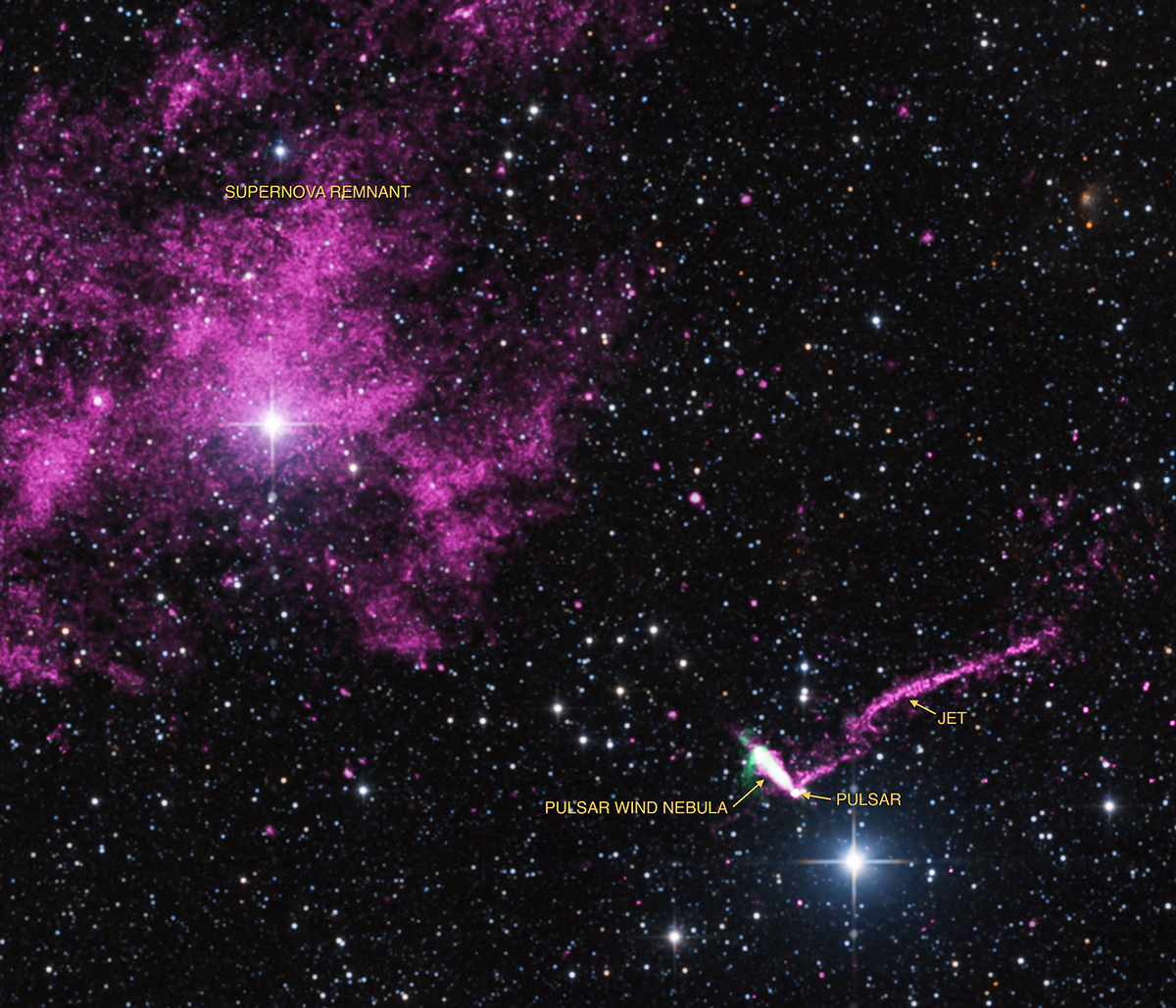
As the pulsar plows through the interstellar medium, it compresses the gas in front of it and generates a bow shock similar to the wave produced by a speeding boat. Behind the pulsar, energetic particles stream outward to form a long pulsar wind nebula. Chandra detects these particles because they emit powerful X-rays as they spiral around magnetic field lines.
Chandra reveals the structure, IXPE exposes the invisible
The Chandra X-Ray Observatory is designed to capture X-ray images with exceptional clarity. Its observations reveal the detailed shape of the Lighthouse Nebula, including the runaway pulsar, the bright pulsar wind nebula, and the famous jet extending far into space. These images show where the most energetic particles are concentrated and how they spread through the surrounding environment.
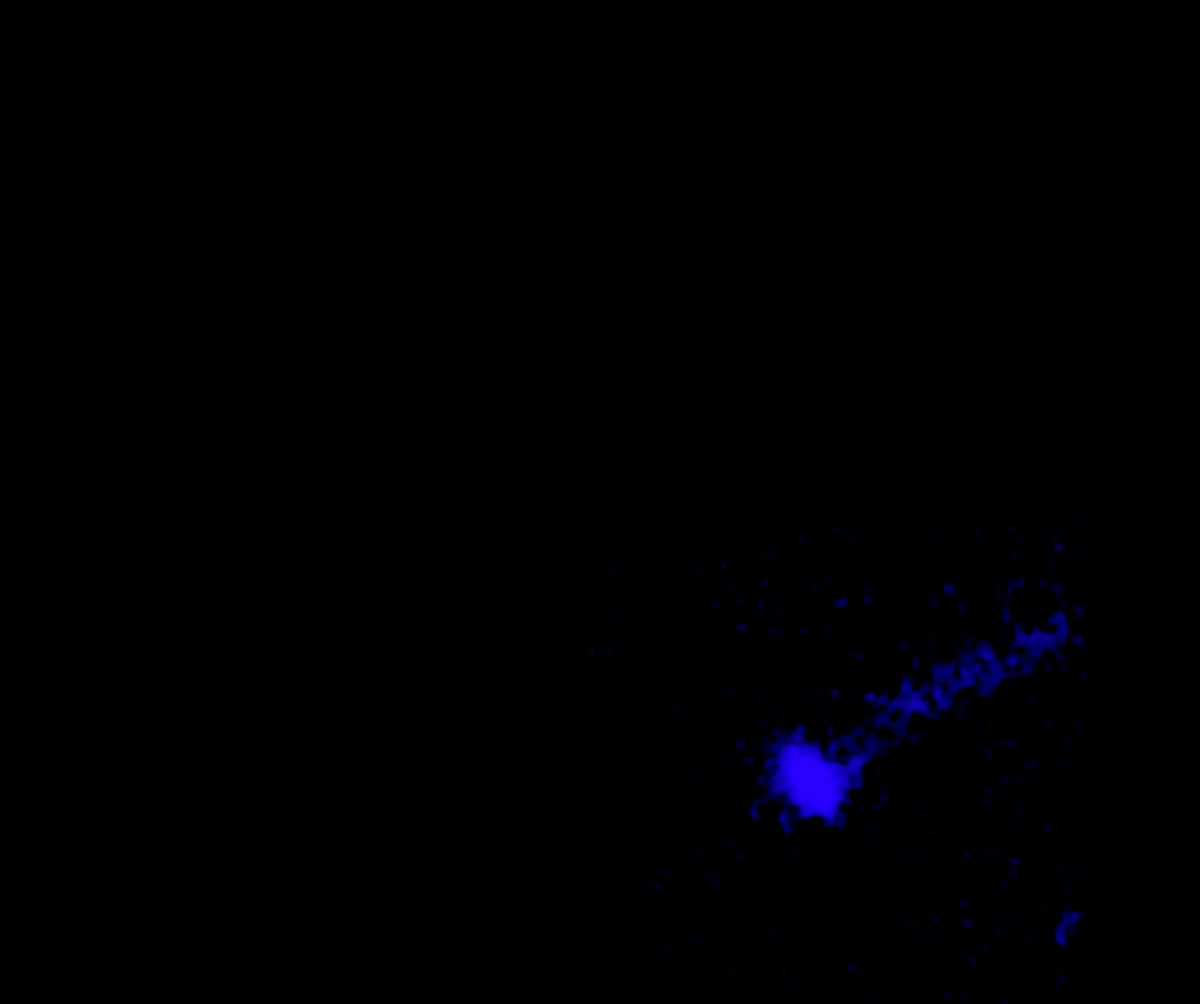
IXPE contributes a different kind of measurement. Instead of producing sharper images, it measures the polarization of incoming X-rays. Polarization describes the preferred direction in which X-ray waves vibrate. That information carries a direct signature of the magnetic field that influenced the particles before the radiation reached the telescope.
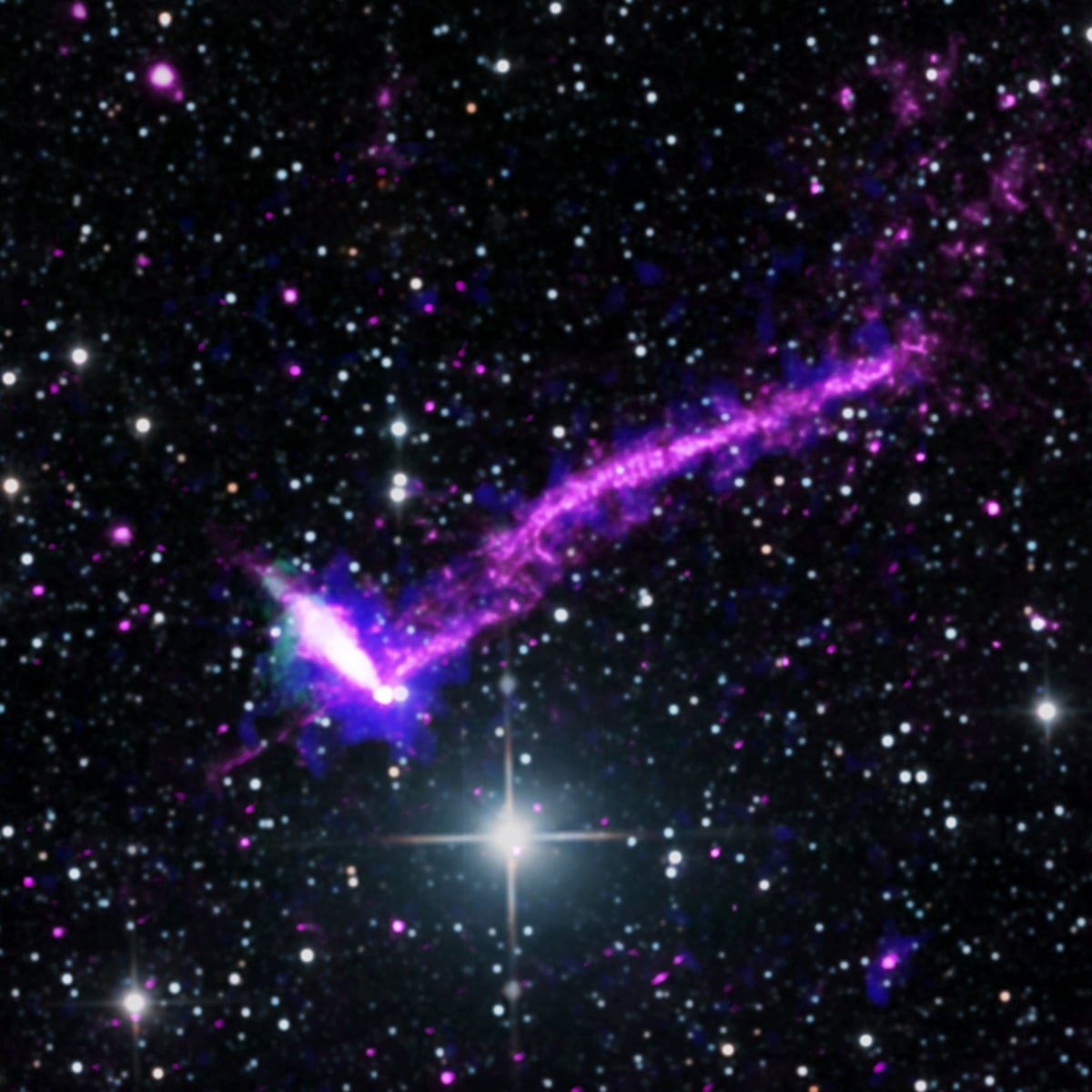
Without polarization measurements, astronomers could only estimate the magnetic field by comparing observations with computer models. IXPE allows them to investigate the field much more directly. When researchers combined IXPE’s polarization data with Chandra’s high-resolution images, they could compare the visible structure of the nebula with the magnetic field hidden inside it.
A hidden magnetic field
The new observations improve our understanding of particle acceleration near neutron stars. This process begins close to the pulsar, where its rapid rotation and intense magnetic field generate enormous amounts of energy. Electrons are accelerated to velocities approaching the speed of light before escaping into the surrounding nebula.
As these particles travel through the magnetic field, they lose energy by emitting synchrotron radiation. This radiation spans a broad range of wavelengths, but the highest-energy particles shine brightest in X-rays.
The organized field also appears to guide the motion of the particles over vast distances. Rather than spreading randomly through space, many electrons continue to follow well-defined magnetic pathways. This behavior helps preserve the nebula’s overall structure even as the pulsar races through the galaxy.
These findings extend beyond a single object. Similar physical processes occur around many pulsars, supernova remnants, and even supermassive black holes. The Lighthouse Nebula, therefore, offers an exceptional opportunity to investigate how magnetic fields regulate some of the most energetic phenomena in the universe.
Clear skies!
See more from DIYPhotography.net on Google
Add DIYPhotography.net as a trusted source. This makes
our stories more likely to appear in your Google Search results.
 Add as a preferred source on Google

Soumyadeep Mukherjee
Soumyadeep Mukherjee is an award-winning astrophotographer from India. He has a doctorate degree in Linguistics. His work extends to the sub-genres of nightscape, deep sky, solar, lunar and optical phenomenon photography. He is also a photography educator and has conducted numerous workshops. His works have appeared in over 40 books & magazines including Astronomy, BBC Sky at Night, Sky & Telescope among others, and in various websites including National Geographic, NASA, Forbes. He was the first Indian to win “Astronomy Photographer of the Year” award in a major category.


Join the Discussion
DIYP Comment Policy
Be nice, be on-topic, no personal information or flames.