




















Manfrotto ONE Photo – A Fast, Solid Tripod For All Photographers
Jul 10, 2026
DeeJay Neilson
DeeJay Neilson is a Glasgow-based photographer with nearly a decade of professional experience shooting portrait, event and commercial photography and video. When not photographing people or helping to build a brand, you’ll usually find him wandering the wilderness, doing some lightpainting.
Share:

Tripods are one of those essential pieces of kit that most photographers know they need, but not everyone actually enjoys using them – especially if you’re more on the move. A decent tripod gives you sharper images, better framing, long exposures, and more control over your composition. But the most common tripod trade-off is speed.
By the time you open the 3 or 4 latches on each leg lock, level the camera, adjust the head, change the height, and finally frame the shot, the moment could potentially already be gone. That is where the Manfrotto ONE Photo Tripod steps in.
The follow-up to the recently released Manfrotto ONE Hybrid, the main idea behind the ONE Photo is simple: make a full-size, solid photo tripod faster to carry, faster to set up, and easier to work with in real shooting situations. And – spoiler time! – it doesn’t disappoint. Let’s take a look at the specs, and then I’ll give you my thoughts.
Key Specifications
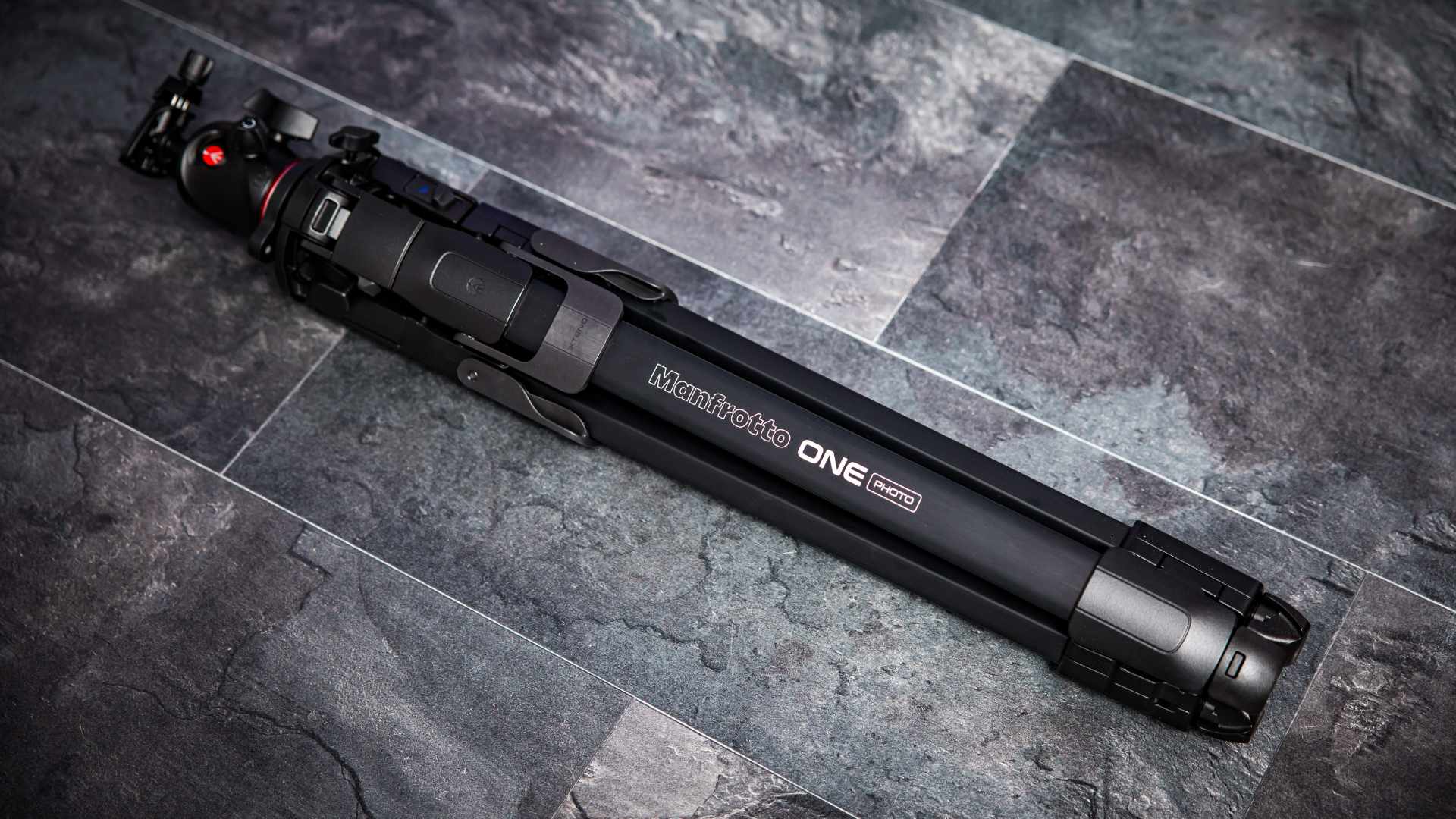
| Feature | Specification |
|---|---|
| Material | Aluminium |
| Folded length | 65.5cm / 25.8in |
| Maximum operating height | 164cm / 64.6in |
| Minimum operating height | 10cm / 3.9in |
| Weight | 3.1kg / 6.9lb |
| Maximum load rating | 12kg / 26.5lb |
| Leg sections | 3 |
| Centre column | Q90 pivoting horizontal centre column |
| Leg angles | 3 locking positions |
| Feet | Interchangeable rubber feet / optional spikes |
| Accessory mount | Manfrotto Easy Link socket |
| Weight hook | Yes |
| Bubble level | Yes |
Design and Carrying Comfort
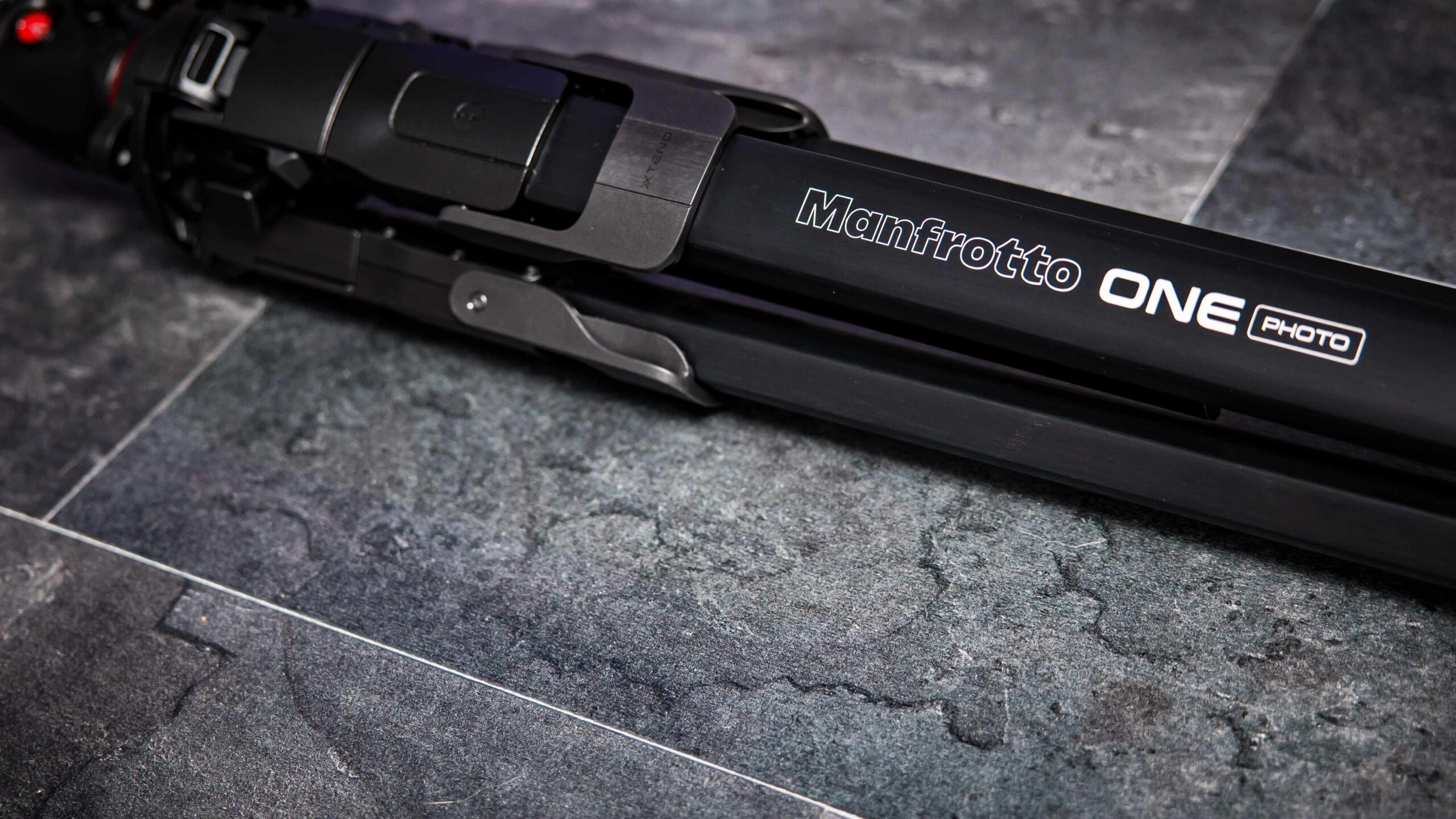
The first thing that stands out to me is the shape.
Most tripods use three round tube-style legs. When they are folded down, they can feel quite awkward to carry. The separate legs can dig into your hand, shoulder, or bag, especially when you are moving between locations.
The Manfrotto ONE has a different feel. The legs are not just three circular tubes sitting beside each other. They have a more elongated, rounded profile, and when the tripod is folded, the whole body feels smoother and more comfortable to hold.
It is not a perfect cylinder, but it is much closer to that shape than a traditional tripod. That makes it feel easier to carry, especially when you are walking around with other camera gear.
This might sound like a small detail, but in real-world use, small comfort improvements matter. A tripod is only useful if you actually want to bring it with you.
The elongated design also helps the rigidity of the tripod, making it a lot more sturdy, even at full reach.
The XTEND Leg System
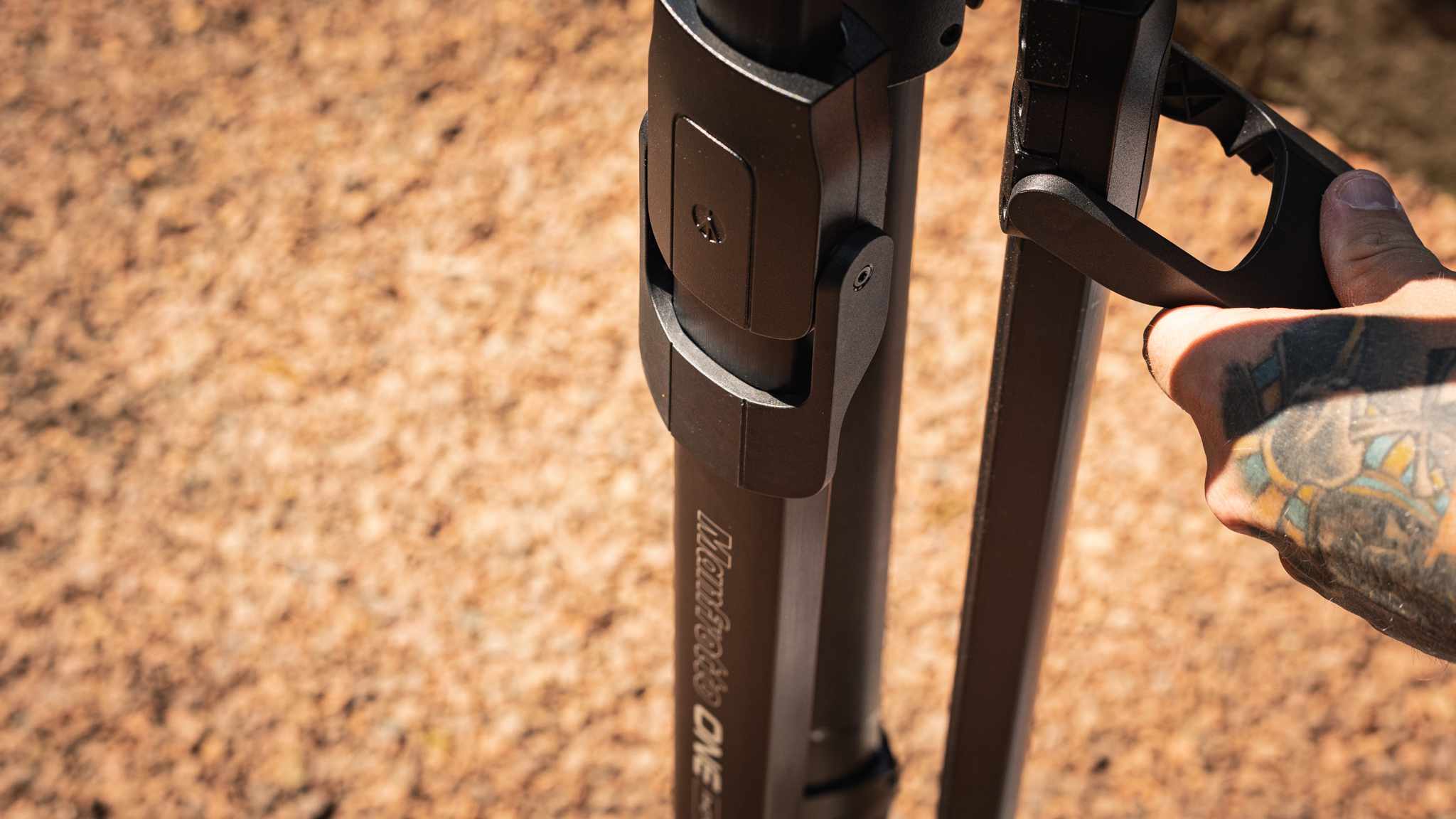
The biggest feature of the Manfrotto ONE Photo Tripod is the XTEND leg system.
On a normal three-section tripod, you usually need to open and close multiple locks on each leg. That can mean up to 9 separate locks just to fully extend the tripod. On a four-section tripod, it’s 12!
With the ONE Photo, each leg has one large latch. Open the latch, and the sections in that leg can extend together freely; no need to grab the bottom and pull it out. Close it, and everything locks securely into place.
That makes setup much quicker.
Instead of opening lock after lock, you can pop open the three latches, raise the tripod to the height you want, and clamp everything down. It feels much more direct and much less fiddly.
For me, this is one of the biggest practical advantages of the tripod. The faster you can set up, the better your chance of actually catching the shot.
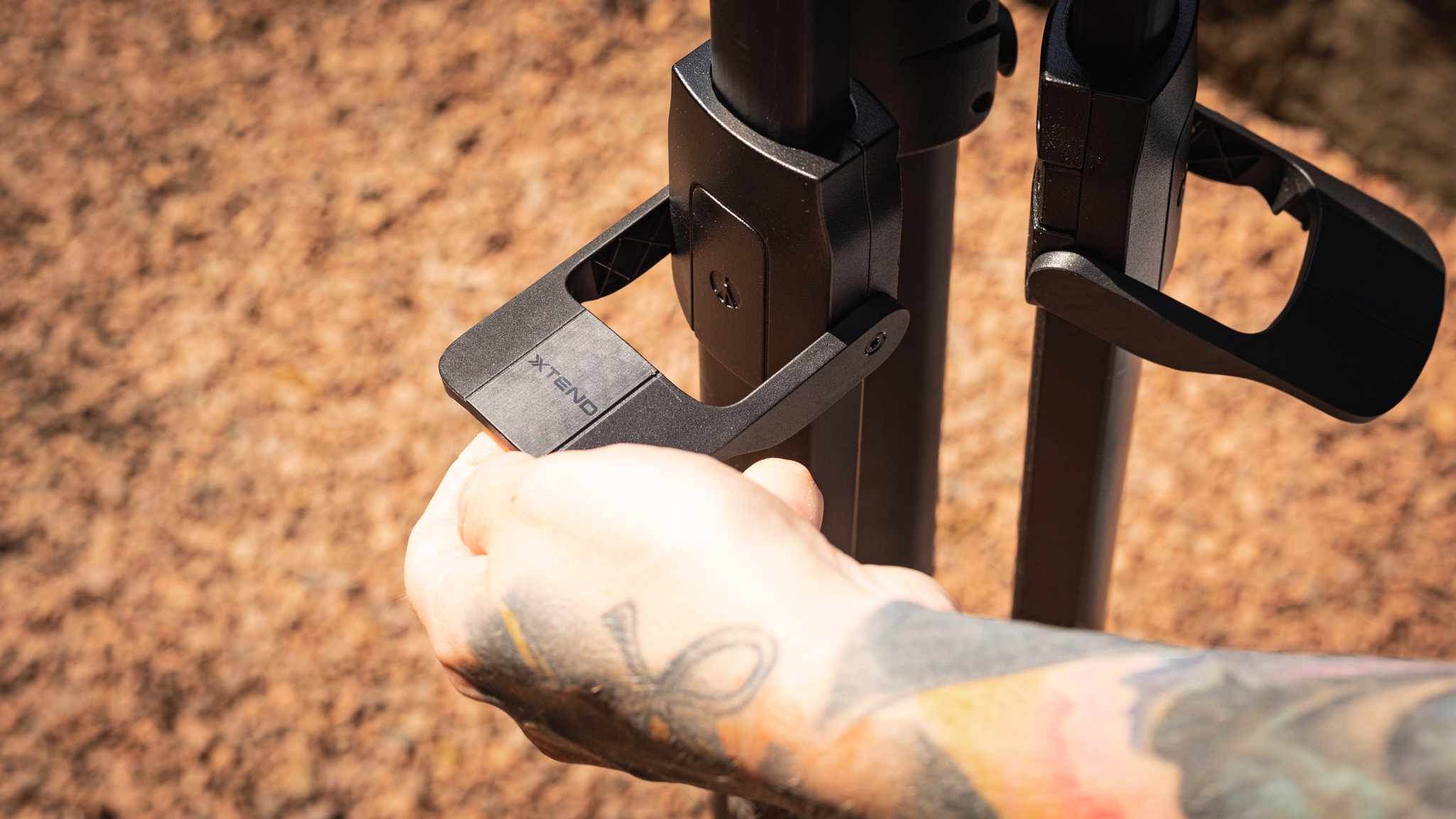
The latches are also large enough to use with gloves on. That is a really useful design choice if you shoot outdoors in cold weather. You don’t need to take your gloves off and fight with tiny twist locks or small clips. You can keep your hands protected at all times.
Stability and Rigidity
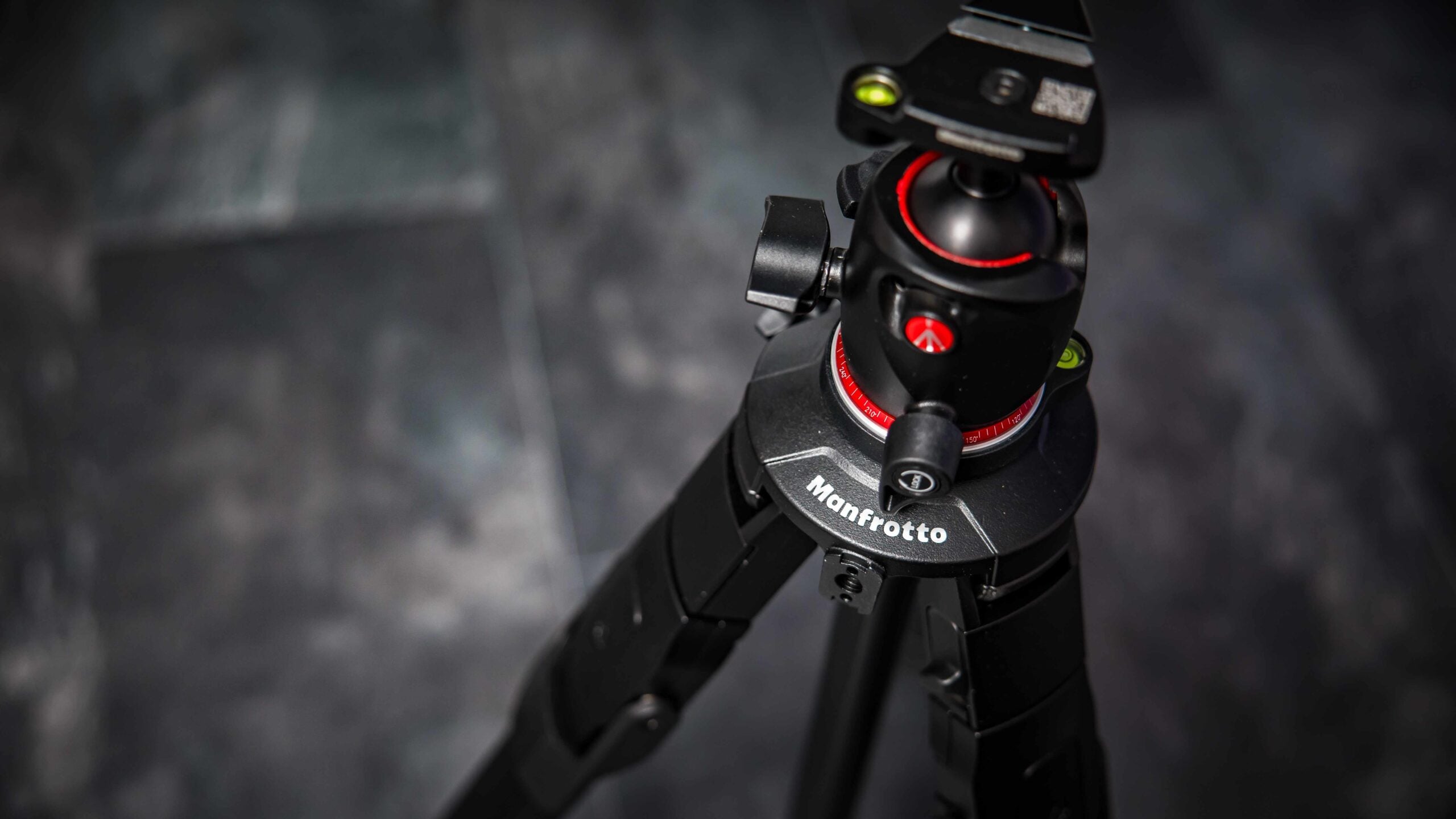
Speed would not matter if the tripod did not feel stable.
Thankfully, the Manfrotto ONE Photo feels very solid.
Even before fully extending the legs, it has a strong, planted feel. It does not feel flimsy, lightweight, or uncertain. Once the legs are locked, the tripod feels secure at different heights.
Even though one latch controls all of the sections in each leg, I did not feel it compromised stability. Once the latch is closed, the leg stays where you set it.
As I mentioned earlier, the shape of the legs helps here too. The ONE Photo uses a rounded rectangular/oval leg profile rather than the standard circular tubes. That design is intended to reduce flex and increase resistance to vibration.
For heavier setups, there is also a hook underneath the centre area of the tripod. This allows you to hang a camera bag or extra weight from the tripod for added stability.
That can be very handy when it comes to working in wind or using a longer lens or attachments.
Horizontal Centre Column
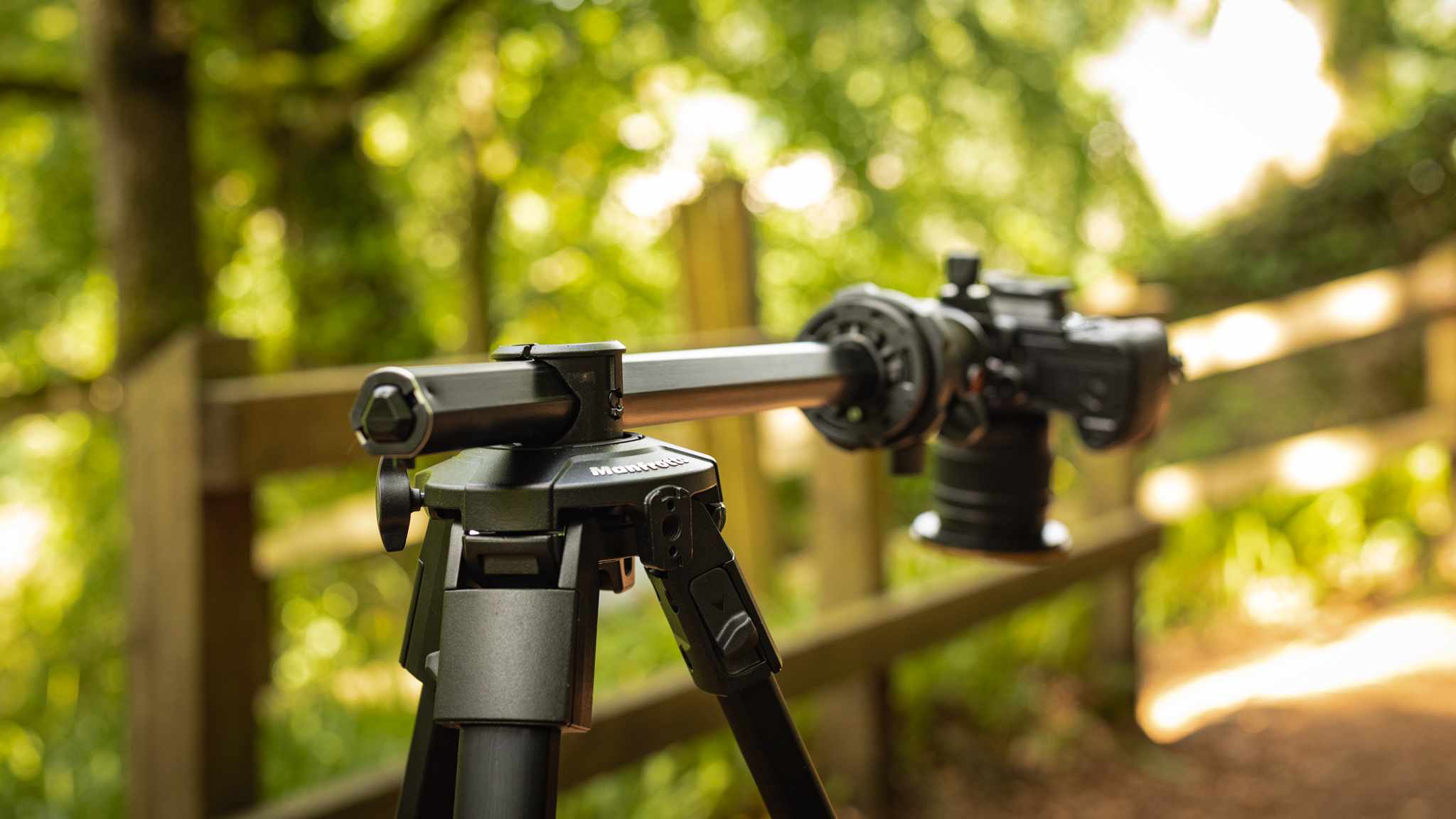
One of the biggest upgrades for me personally is the horizontal centre column.
The Manfrotto ONE Photo uses Manfrotto’s Q90 pivoting centre column system, which allows the column to rotate into a horizontal position. This is particularly for macro work, product photography, overhead shots, flat lays, food photography, detail shots, and awkward low-angle compositions.
I have never used a tripod with a centre column that goes horizontal before the Manfrotto ONE Photo. This feature allows you to easily get overhead shots or very close to macro photography subjects. And if you regularly shoot either of those things and don’t have a tripod that can do this, you’ll appreciate the upgrade.
The process is very simple. You undo the centre column lock, lift the column up, press the small release button underneath, and then rotate or reposition the column into the horizontal position.
It is quick, simple, and very easy to set up.
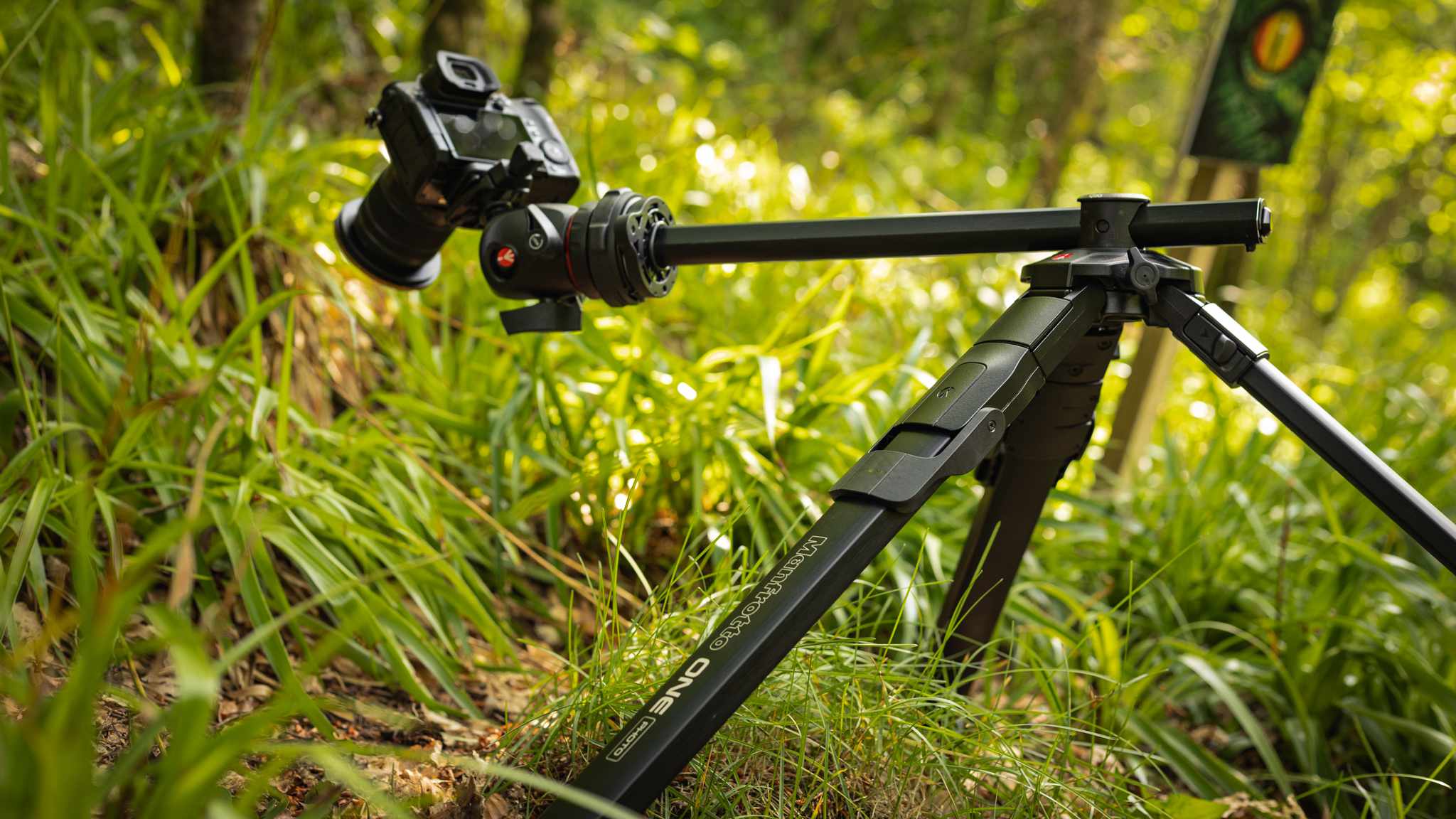
For anyone shooting product content, this is a big feature. Instead of needing a separate overhead rig or awkward setup, you can turn the tripod itself into a top-down shooting tool.
For my kind of work, where I might be shooting products, behind-the-scenes content, gear, social posts, or detail shots, this opens up far more creative options. And as with the legs from the Manfrotto ONE Hybrid, with the centre column removed, you can go so low that your camera’s right at ground level.
XPRO Ball Head
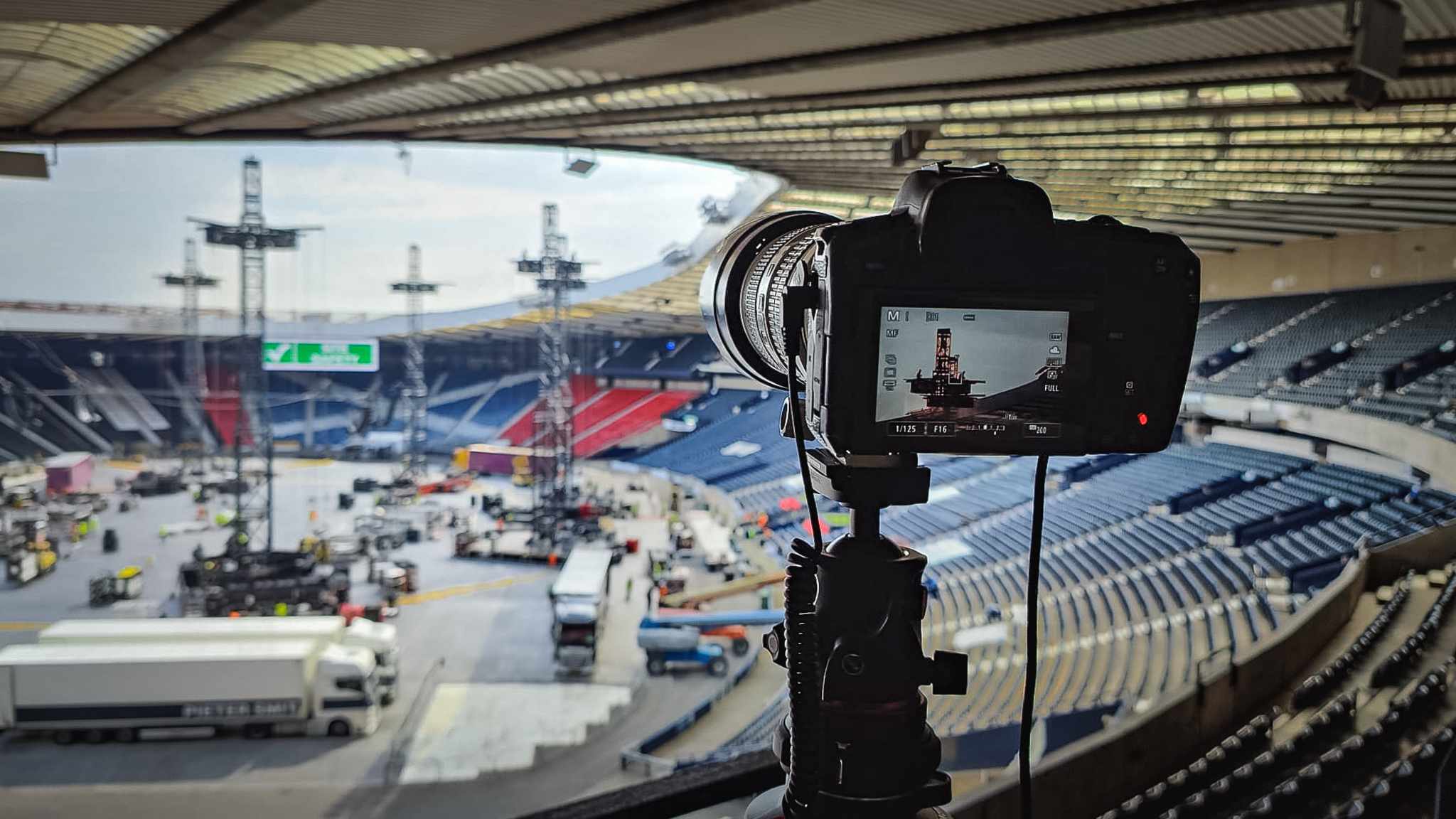
The version I have came with the XPRO Ball Head, and this pairs really well with the tripod.
The ball head feels solid and gives a good amount of control. One of the things I like most is the ability to adjust the tension. You do not have to choose between completely loose or fully locked. You can set resistance in the ball so that small adjustments are easier to make.
That means you can move the camera slightly, refine your framing, and if you let go, the camera does not suddenly drop or flop around.
The feedback from the head feels very good. It gives confidence when you are making small changes to the composition.
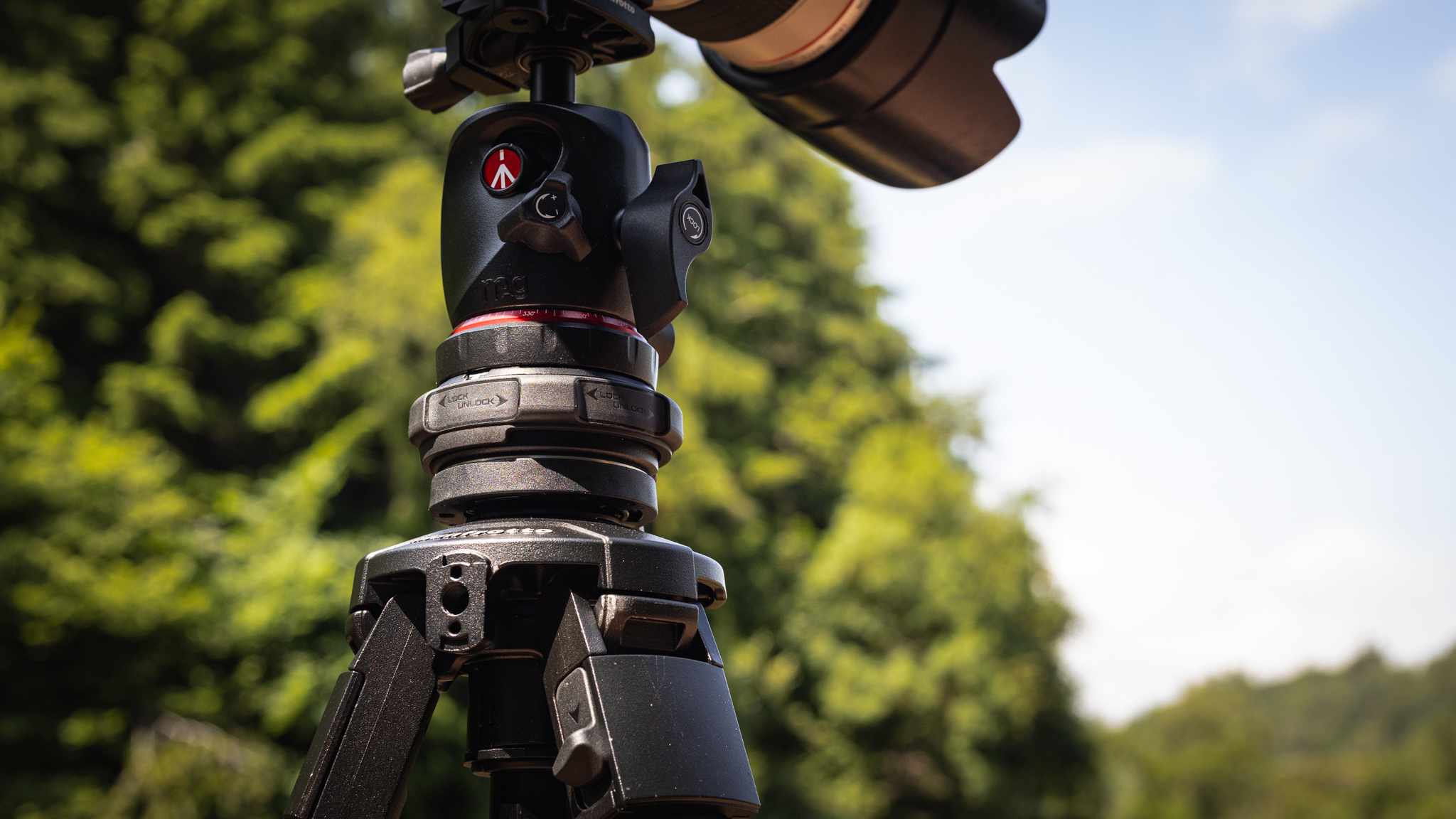
The XPRO Ball Head is also a good match for people who want speed. Compared with a three-way head, a ball head lets you move more freely and frame faster. It is ideal for general photography, portraits, events, landscapes, social content, and fast location work.
The XPRO Ball Head is commonly listed with a 10kg load rating, magnesium construction, friction control, independent panning, and versions with Arca-Swiss compatible Top Lock plates.
The Arca-Swiss compatibility is a big benefit for me because it means I do not need to keep swapping base plates between different camera setups.
XPRO 3-Way Head
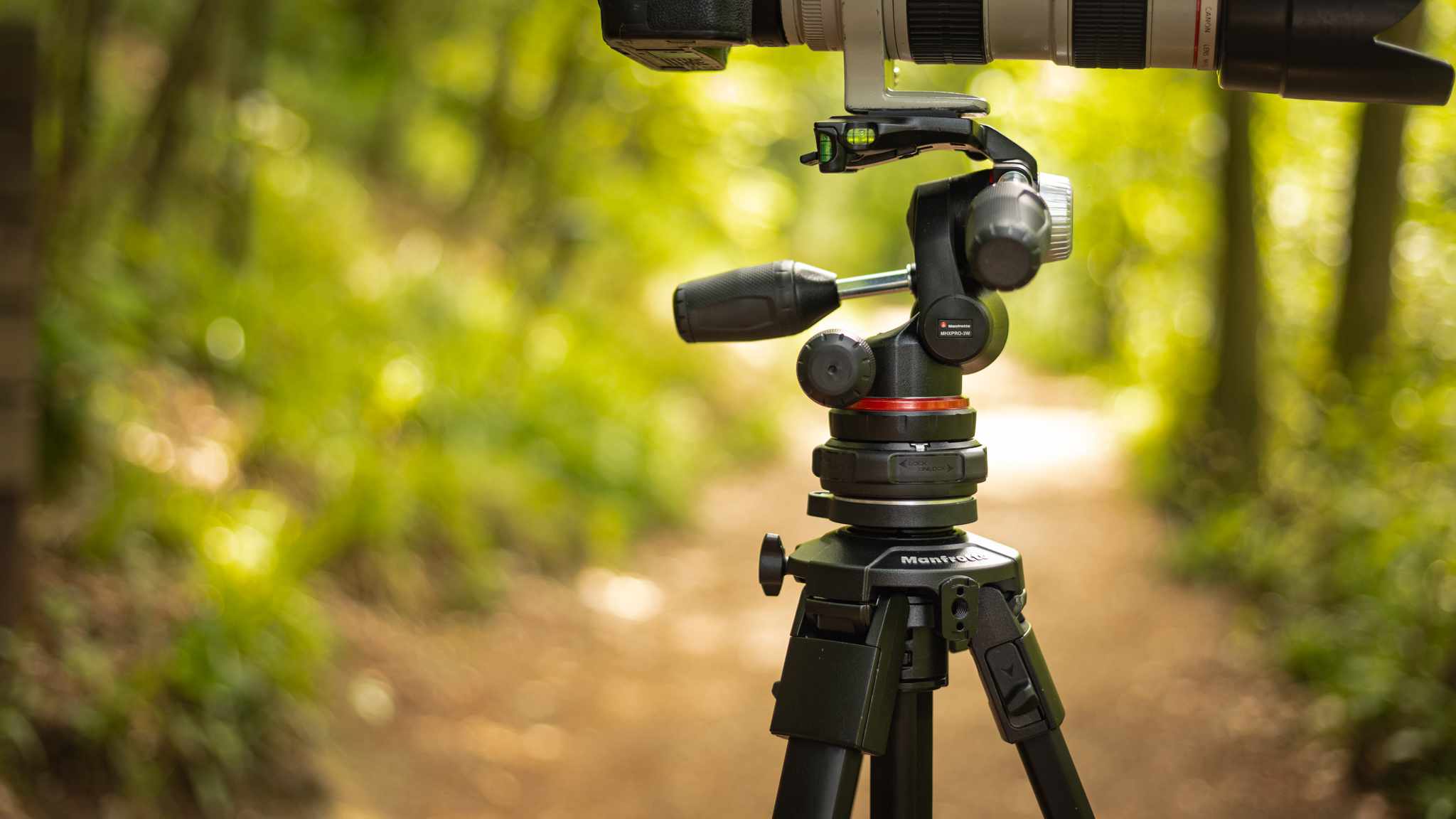
Manfrotto also sent me the XPRO 3-Way Head separately, though you can get this as a combo with the One Photo rather than the ball head. But the 3-Way Head gives the tripod a completely different feel.
The ball head is for your more common and everyday use and is more about speed and versatility. The 3-Way is all about precision and is able to dial in exactly what you need.
You have independent control over each axis, so you can make really small adjustments without disturbing everything else. That is really useful for product photography, architecture, focus shifts, and any situation where the framing needs to be exact or requires precise movements.
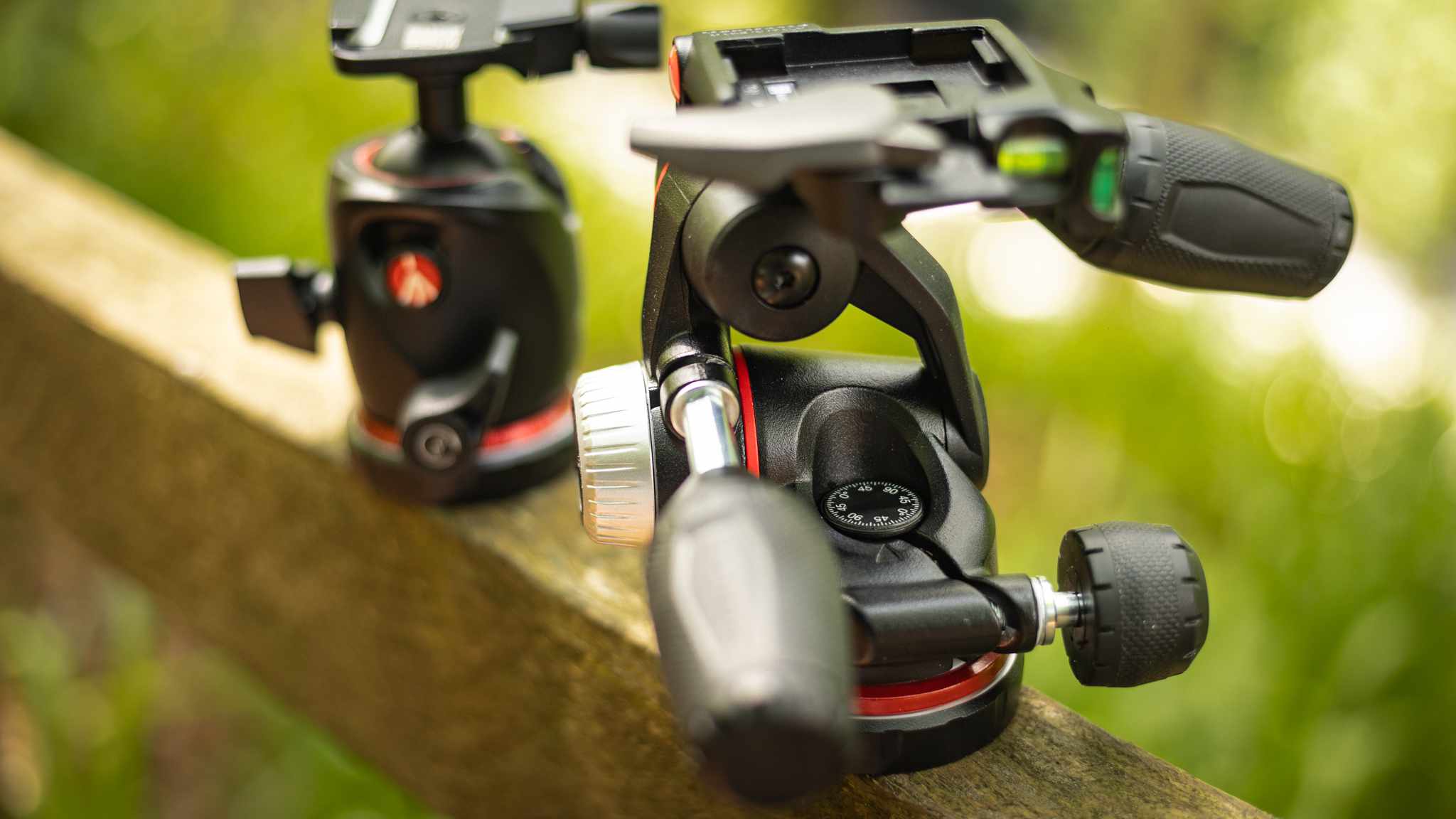
The XPRO 3-Way Head also uses a Manfrotto-style quick-release plate, which feels solid once locked in. I can see why someone would choose this over the ball head. The ball head is faster to set up and get going, but the three-way head is more controlled, allowing for finer adjustments for product or architecture work. Having both gives the tripod a lot of flexibility, depending on how you like to shoot. Which leads to the next plus: using them both with the XCHANGE quick-release system.
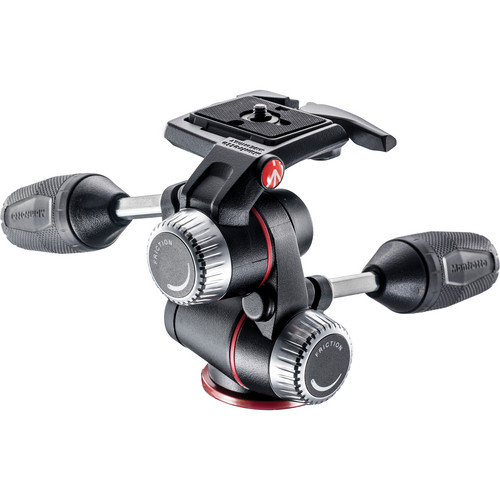
The PRO 3-Way can be purchased separately as a standalone head.
XCHANGE Quick Release System
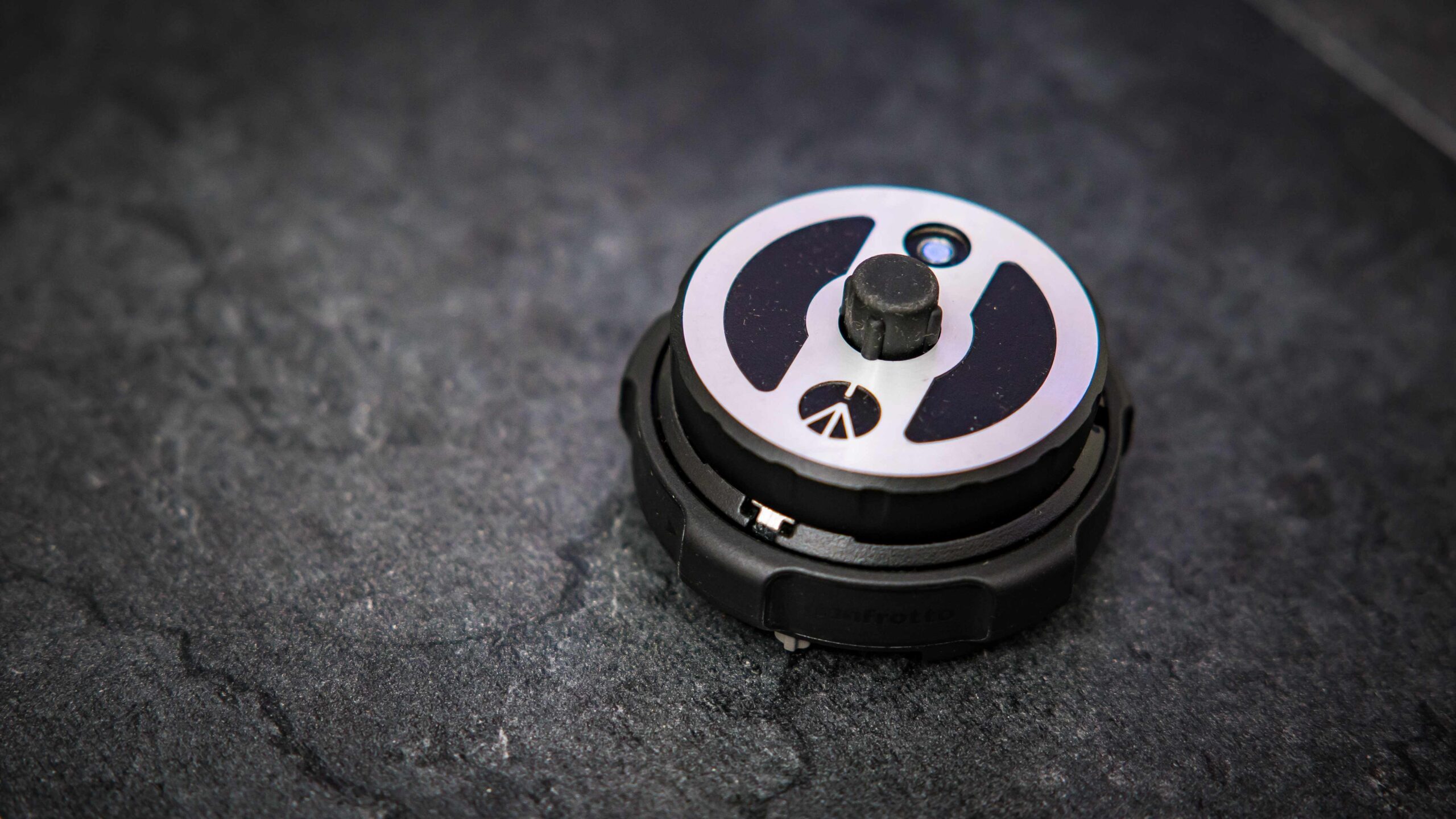
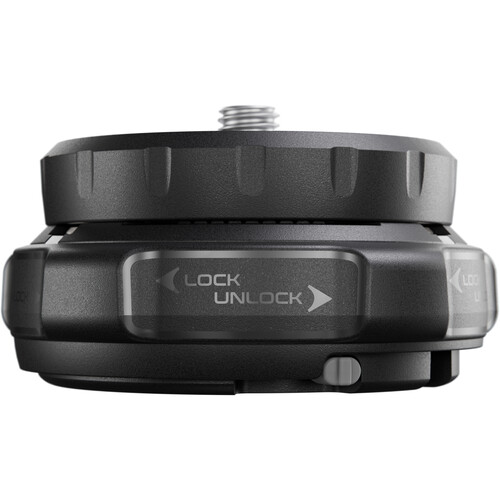
The XCHANGE quick-release system is different from the common top-plate camera detachment from the head. You can still do that, too, of course. But you can also release it lower down, below the head. This lets you remove the entire head from the tripod itself. So instead of unscrewing the ball head or the three-way head every time you want to change setup, you can release the head and move it across much quicker.
For me, this makes the whole system feel more modular. You could have the XPRO Ball Head set up for faster shooting, then swap over to the XPRO 3-Way Head when you need more precise adjustments. Once you get used to how the release works, it becomes a lot quicker than manually unscrewing a head or plate every time.
The other big thing is that it is not just useful between tripods. You could take the head off the ONE tripod and mount it somewhere else entirely, like onto a fixed mount in the studio, so you can move your working head across without rebuilding the whole setup, or maybe a camera slider.
Extra Features
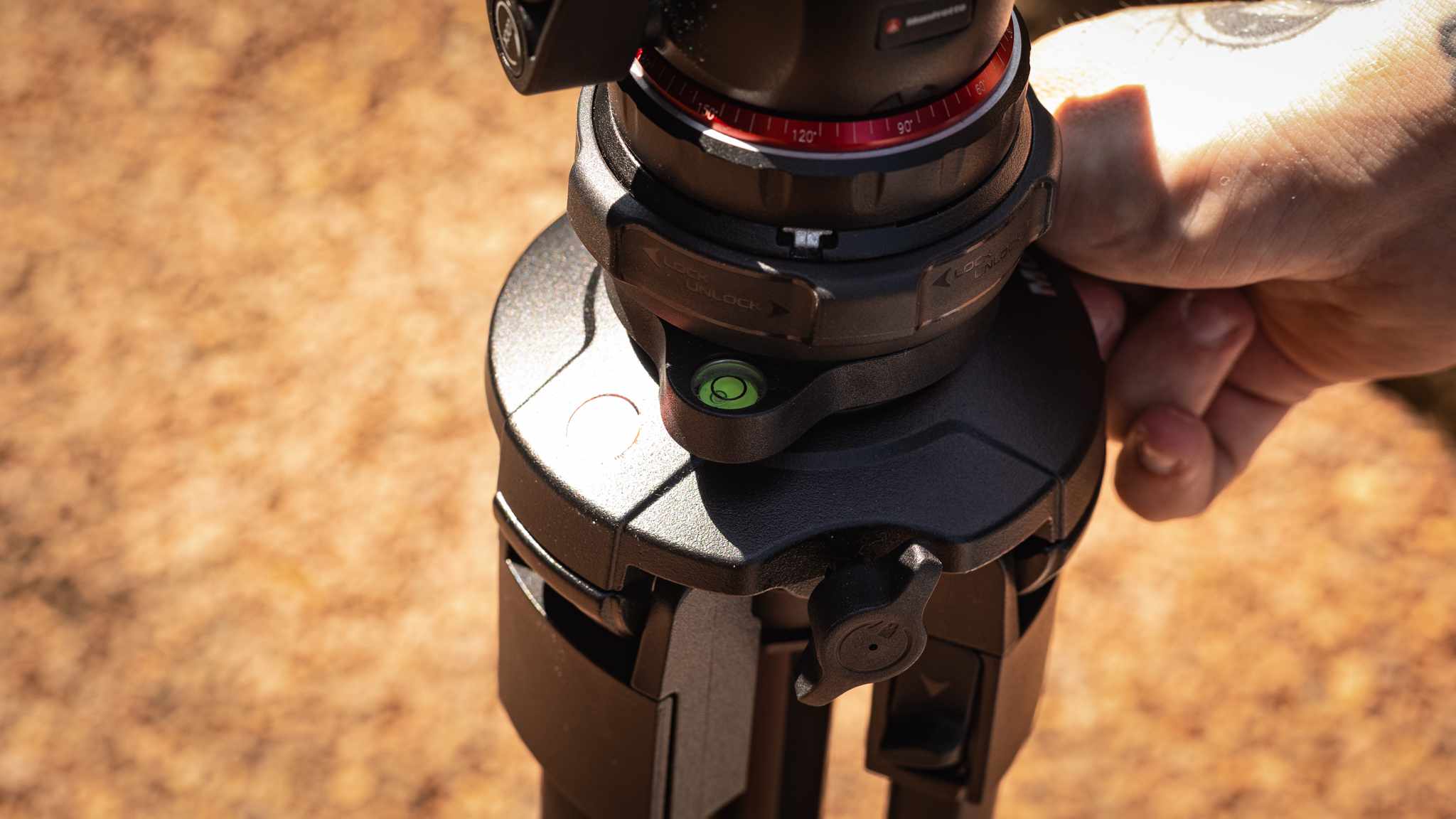
The Manfrotto ONE Photo also includes a few smaller features that make it more useful as a working photography tripod.
There is an Easy Link socket, which allows accessories such as lights, monitors, microphones, or arms to be attached to it. That is useful for content creators, product photographers, and anyone building a small shooting setup around the tripod.
There is also a built-in bubble level to help with setup, and the feet can be changed depending on the surface you are working on.
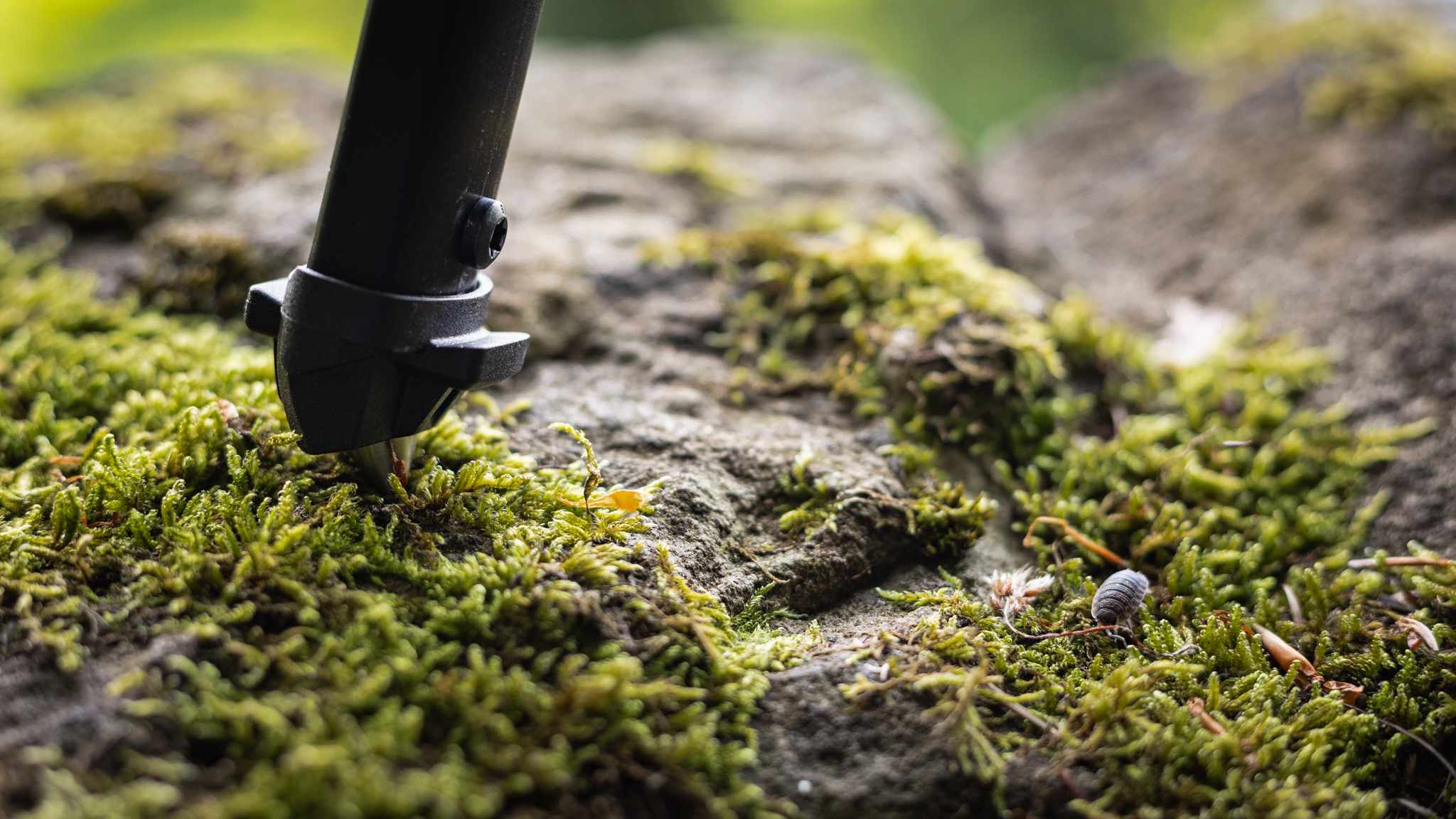
Rubber feet are ideal for indoor floors, concrete, and general use. Spikes are better for grass, mud, or softer outdoor ground, so it’s handy that they include both.
Who Is It For?
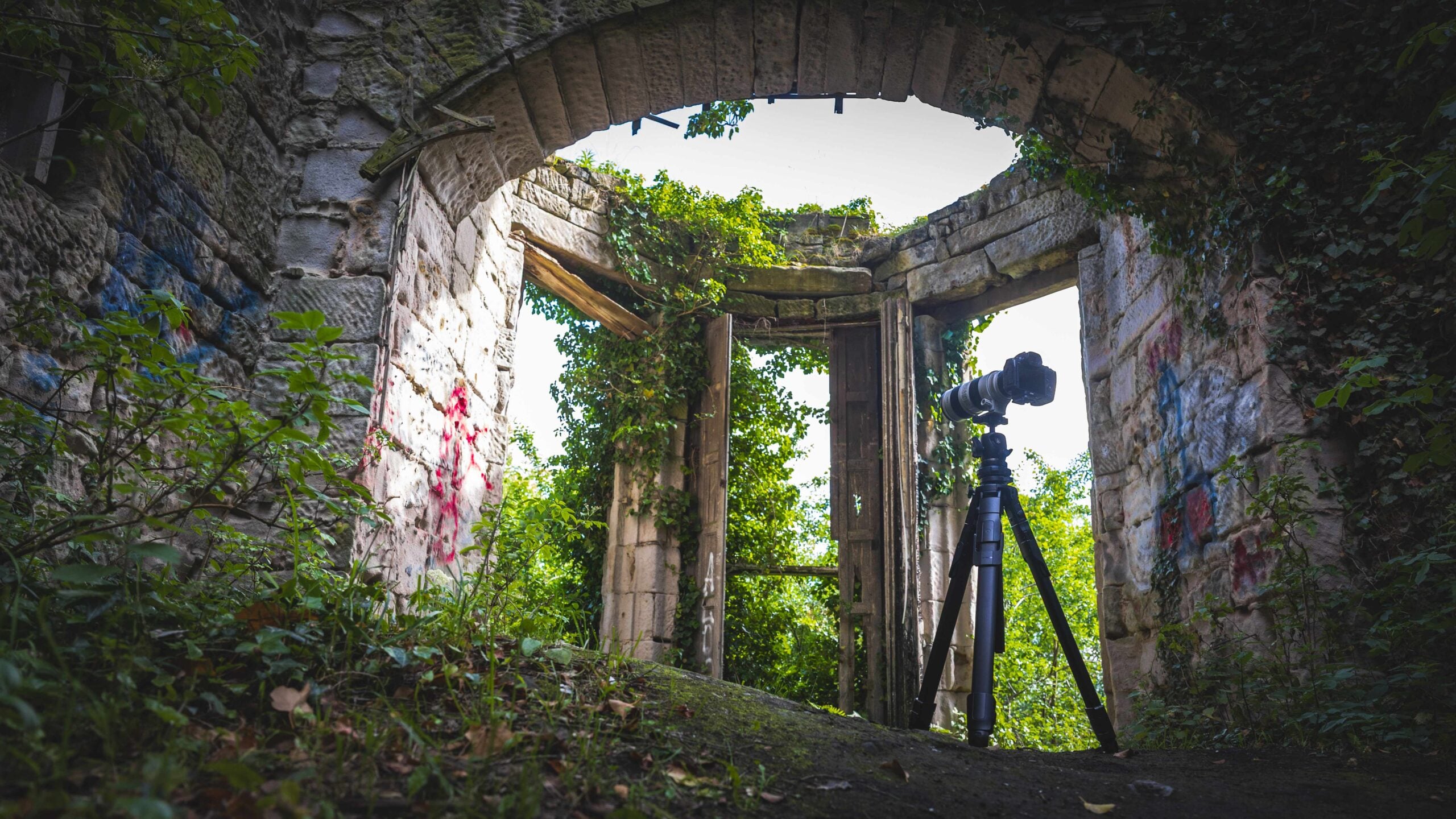
The Manfrotto ONE Photo Tripod is not really trying to be an ultra-light travel tripod.
At 3.1kg, it is not the smallest or lightest option you could carry. If your priority is hiking for miles up mountains with the lightest possible kit, this may not be the tripod you choose. Though if you’re a strapping young fit photographer and want to ensure you have the best shot, by all means.
But that is not really the point of it.
This tripod feels designed for photographers who actually use a tripod properly and want something fast, stable, and practical.
It makes sense for:
- Product photographers
- Studio photographers
- Landscape photographers
- Macro photographers
- Content creators
- Commercial shooters
- Photographers who need fast setup on location
- Anyone who wants overhead shooting without a separate rig
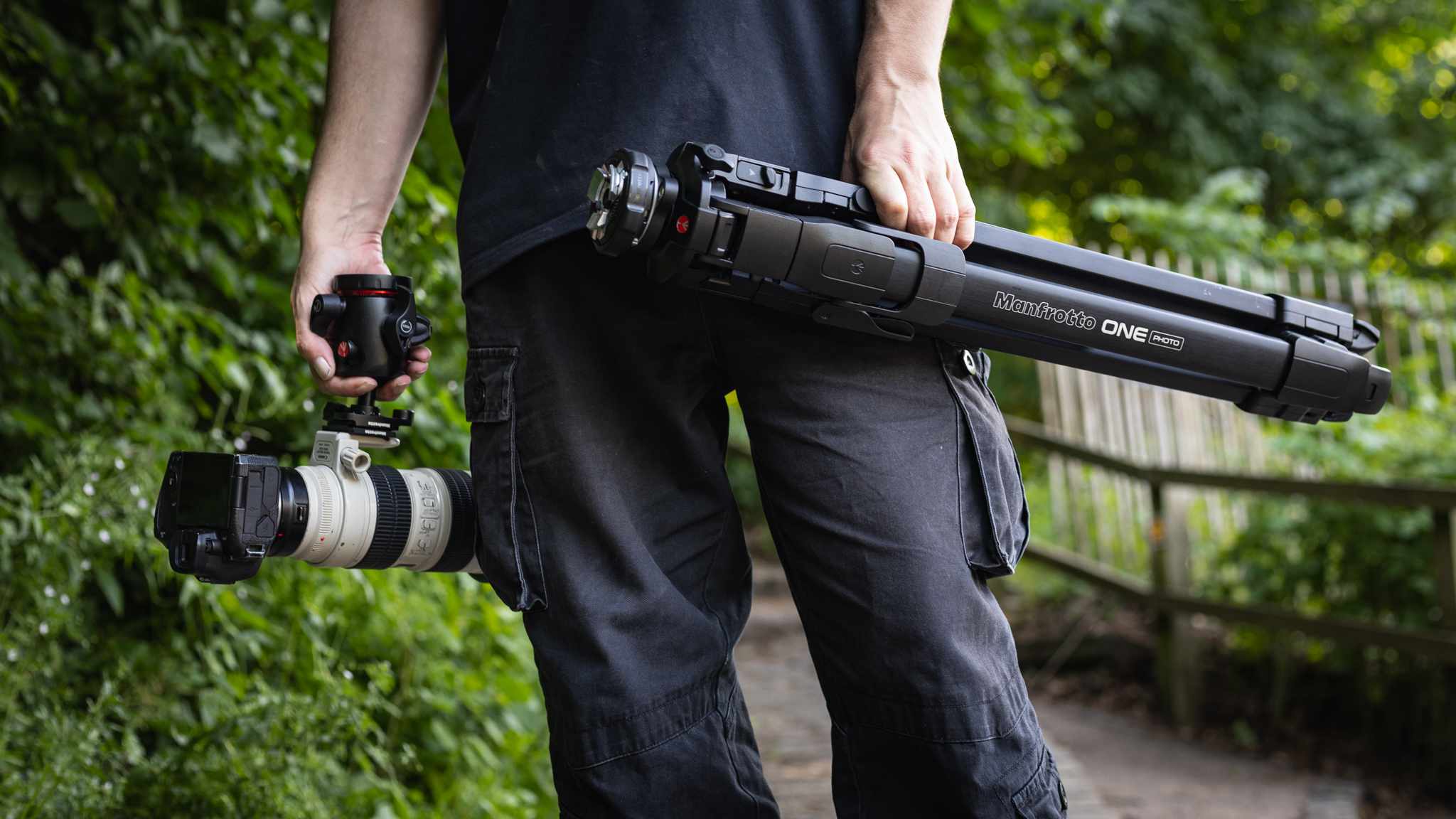
The biggest selling point is not that it disappears into a tiny bag. The biggest selling point is that it gets ready quickly and feels secure once it is set up.
Ball Head vs 3-Way Head
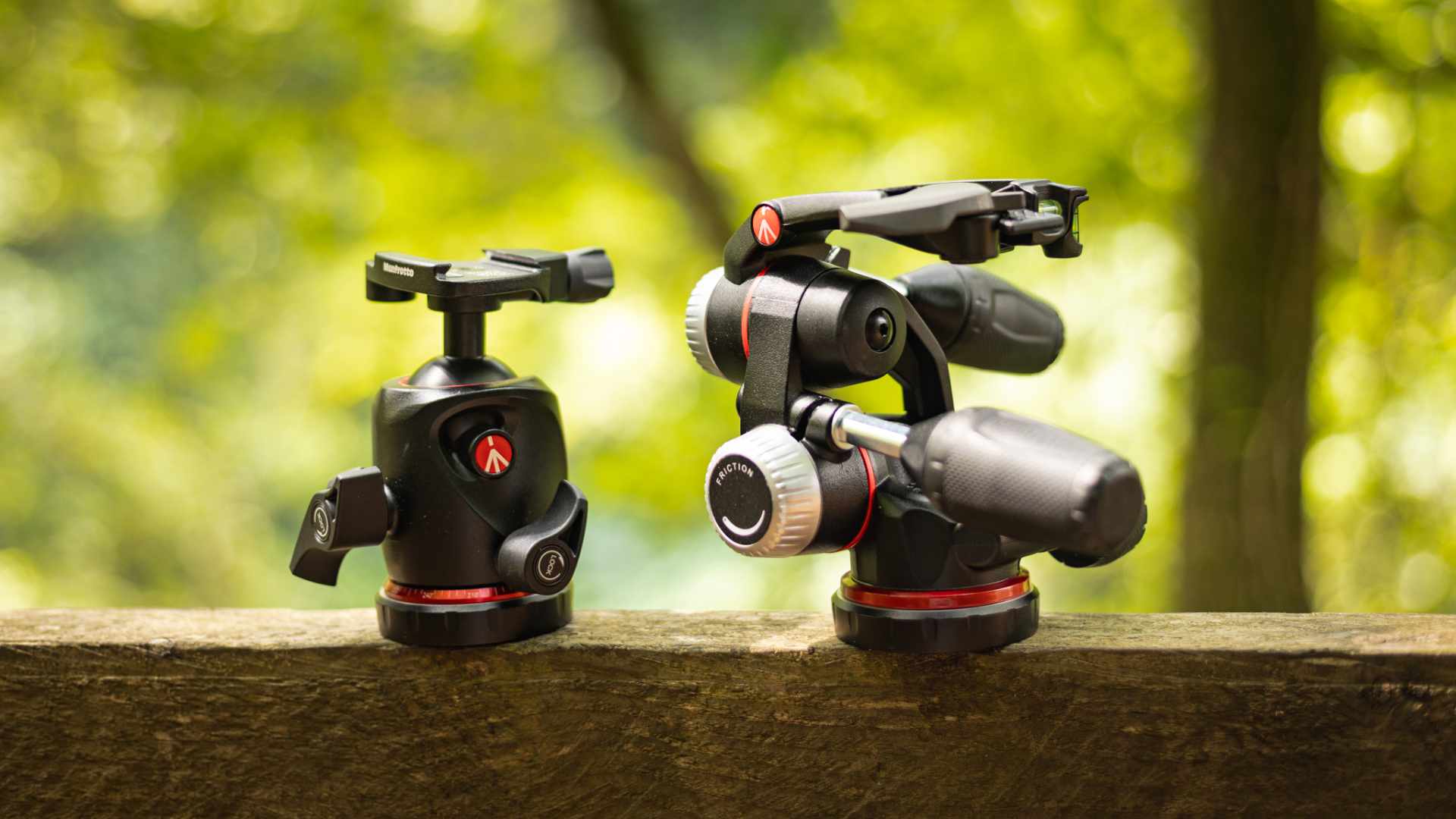
If I had to simplify the difference between the two heads, I would say this:
- The XPRO Ball Head is best for speed and flexibility.
- The XPRO 3-Way Head is best for precision and control.
The ball head is the one I would use for faster-moving situations, general photography, portraits, events, and quick compositions.
The three-way head is the one I would use in the studio for product work, focus stacking, overhead shots, maybe architecture at a push, and anything where small framing changes matter.
Having both gives the tripod a lot more range.
Final Thoughts
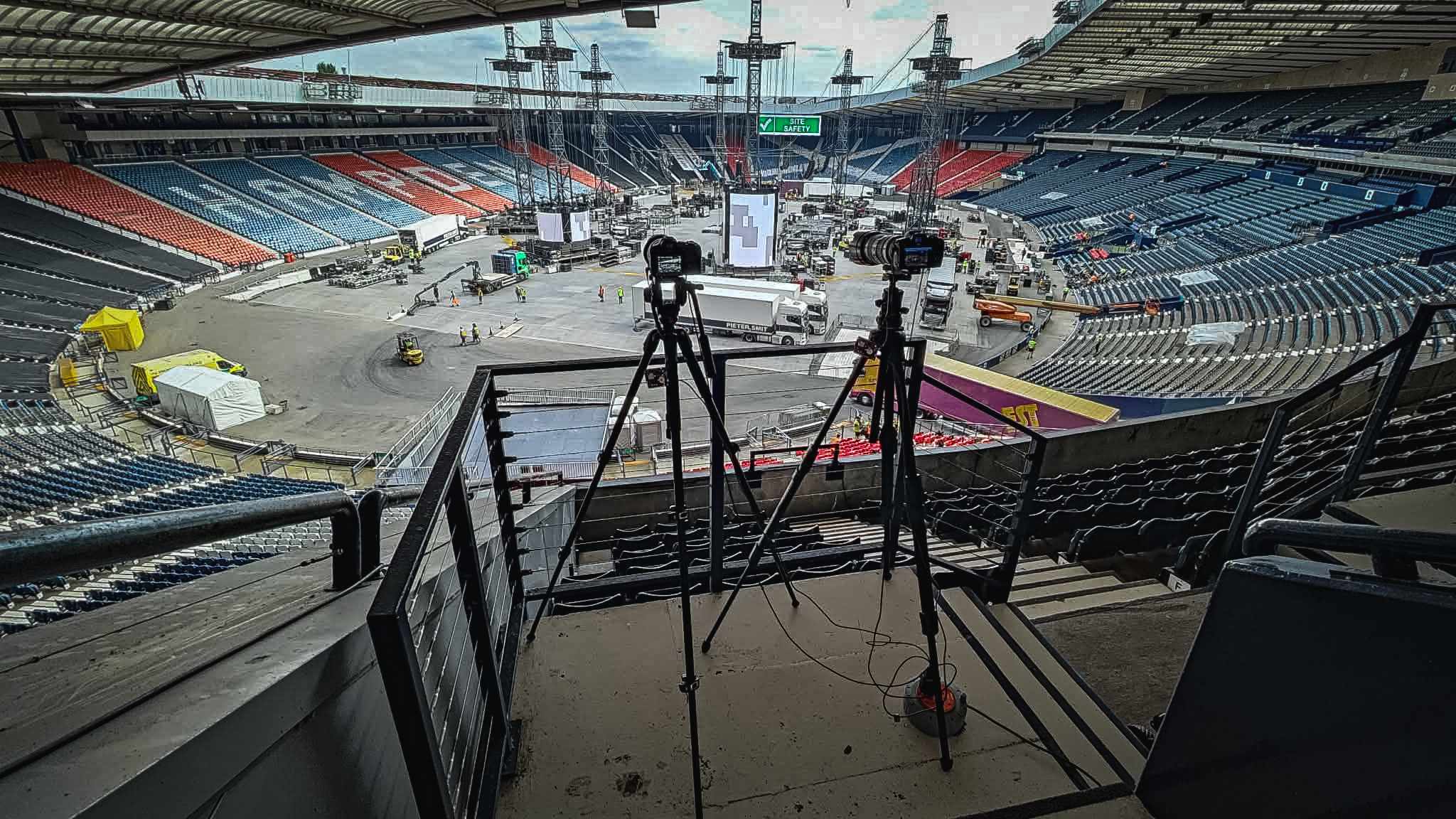
The Manfrotto ONE Photo Tripod feels like a tripod designed around real-world quick usability. The shape makes it more comfortable to carry than the common full-size tripods. The XTEND system makes it faster to set up, and the oval leg design helps it feel very rigid. Every detail has been carefully thought out, and the design isn’t just about looks.
It makes the tripod feel less like a slow, awkward support tool and more like something that actually helps you work faster.
Overall, the Manfrotto ONE Photo Tripod is a strong option for photographers who want a full-size tripod that is quick, stable, comfortable to carry, and versatile enough to use across different shooting styles. Hats off to Manfrotto, they’ve set a new standard for innovation
Price and Availability
The Manfrotto ONE Photo Aluminium Tripod is available to buy now in three packages. You can get legs-only for $329.95, with the XPRO 3-Way Pan/Tilt Head for $514.95, or with the XPRO Ball Head for $514.95.
See more from DIYPhotography.net on Google
Add DIYPhotography.net as a trusted source. This makes
our stories more likely to appear in your Google Search results.
 Add as a preferred source on Google
DeeJay Neilson
DeeJay Neilson is a Glasgow-based photographer with nearly a decade of professional experience shooting portrait, event and commercial photography and video. When not photographing people or helping to build a brand, you’ll usually find him wandering the wilderness, doing some lightpainting.
Related Posts
 Manfrotto ONE Tripod: The Ultimate Tripod for Hybrid Photo and Video Shooters?
 DIYP reviews the Manfrotto Befree Live Twist travel tripod – A great travel companion for video
 First real life review of the new Manfrotto 504x head and 645 fast video legs
 Fixing the base of the Manfrotto RC2 tripod quick release system with 3D printing
Join the Discussion
DIYP Comment Policy
Be nice, be on-topic, no personal information or flames.