


















Best Camera for Food Photography: Professional vs Budget Options Compared
Sep 24, 2025
Darlene Lleno
Darlene Lleno brings a unique perspective to DIY Photography as someone who grew up surrounded by camera gear but chose words over lenses. With five years of writing experience, she specializes in photography content that’s both technically informed and genuinely passionate. Growing up with a photographer twin brother meant camera talk was everyday conversation in her household. While he mastered capturing moments, Darlene discovered she preferred being the subject and the storyteller behind the scenes. As a travel enthusiast and mother of two, she understands the importance of preserving life’s precious moments. When not exploring new destinations or writing for DIY Photography, you’ll find her reading or tending to her garden. Her approach to photography writing is refreshingly authentic, she may not be behind the camera, but she knows exactly what it takes to help others capture the shots that matter most.
Share:
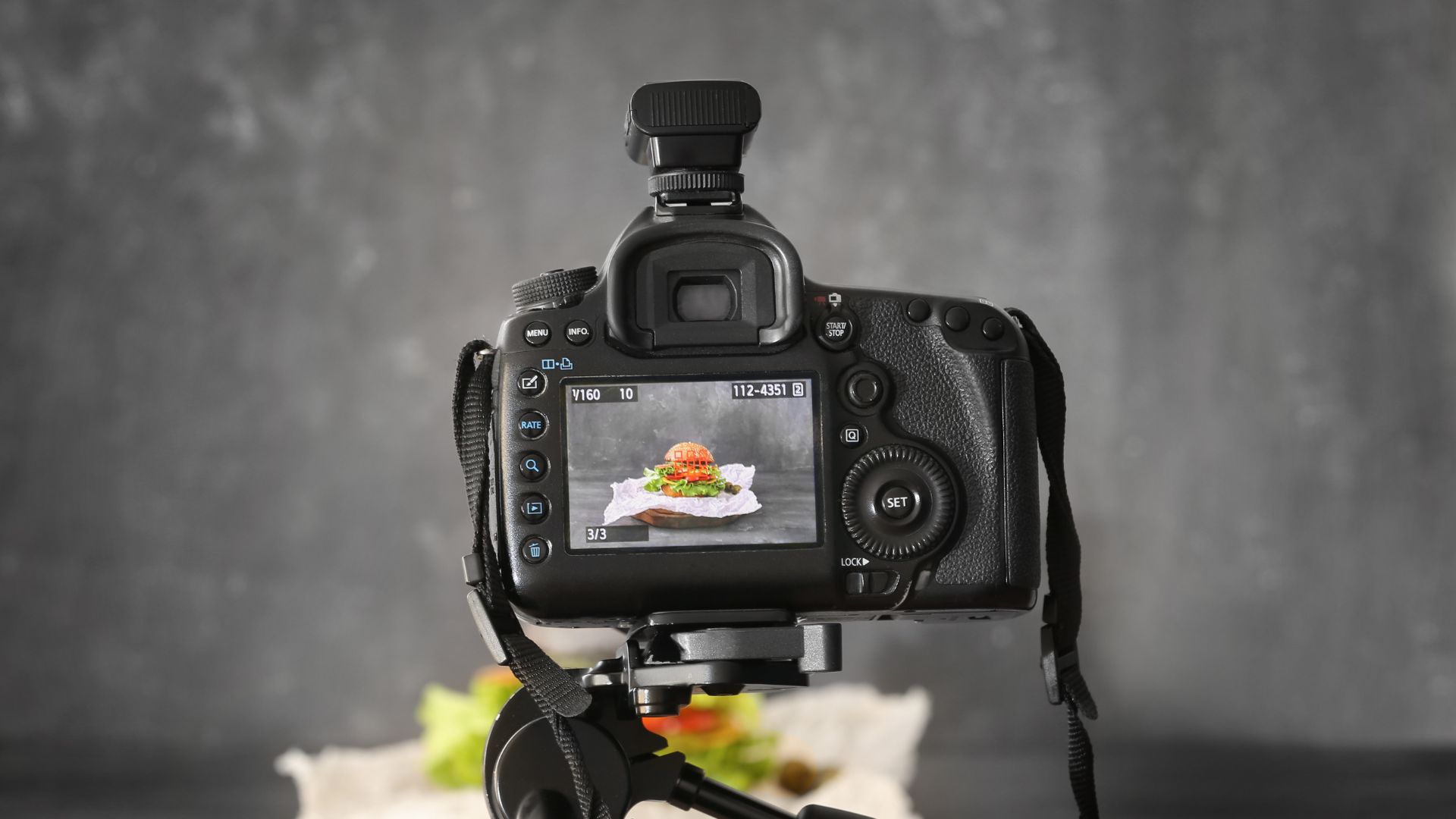
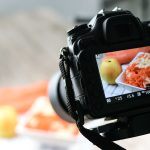
The best camera for food photography can turn your ordinary food shots into images that make people’s mouths water. Food photography isn’t just about pointing and shooting. You need a camera that can capture those tiny details, handle tricky lighting, and let you get creative with your angles.
The camera world changes fast. What was considered high-end tech last year is now standard in mid-range cameras. But here’s the thing: more features don’t always mean better food photos. You need to know which specs actually matter for food work and which ones are just marketing fluff.
Read more: Best Camera for Food Photography: Professional vs Budget Options ComparedWhat Makes a Camera Great for Food Photography
Food photography has its own set of rules. Your subjects don’t run around like kids or pets, but you need cameras that excel in other areas. Sharp details matter more than lightning-fast autofocus. Color accuracy beats high ISO performance. Screen flexibility trumps weather sealing.
Think about what you’re actually shooting. Food has incredible textures that need to show up in your photos. The flaky layers of a croissant, the bubbles in a fresh beer, the way sauce clings to pasta. These details separate good food photos from great ones.
Studio Work Reduces Screen Dependency
Here’s something most photographers don’t realize until they try it: a flip-out screen will change how you shoot food. Overhead shots are huge in food photography. Without a tilting or articulating screen, you’ll spend half your time hunched over your camera or standing on chairs trying to see your composition.
Fixed screens work fine for eye-level photography, but food photography often means weird angles. You might be shooting straight down at a table full of dishes or getting low for that perfect depth of field shot. A flexible screen makes these shots comfortable instead of a wrestling match with your camera.
The difference between tilting and fully articulating screens matters too. Tilting screens work great for high and low angles. Fully articulating screens flip out to the side and rotate, giving you complete freedom for any shooting position.
Better Resolution Means Better Results
Everyone talks about megapixels, but here’s what that means for food photography: more pixels equal more detail and more cropping flexibility. A 40-megapixel camera captures way more texture detail than a 24-megapixel one.
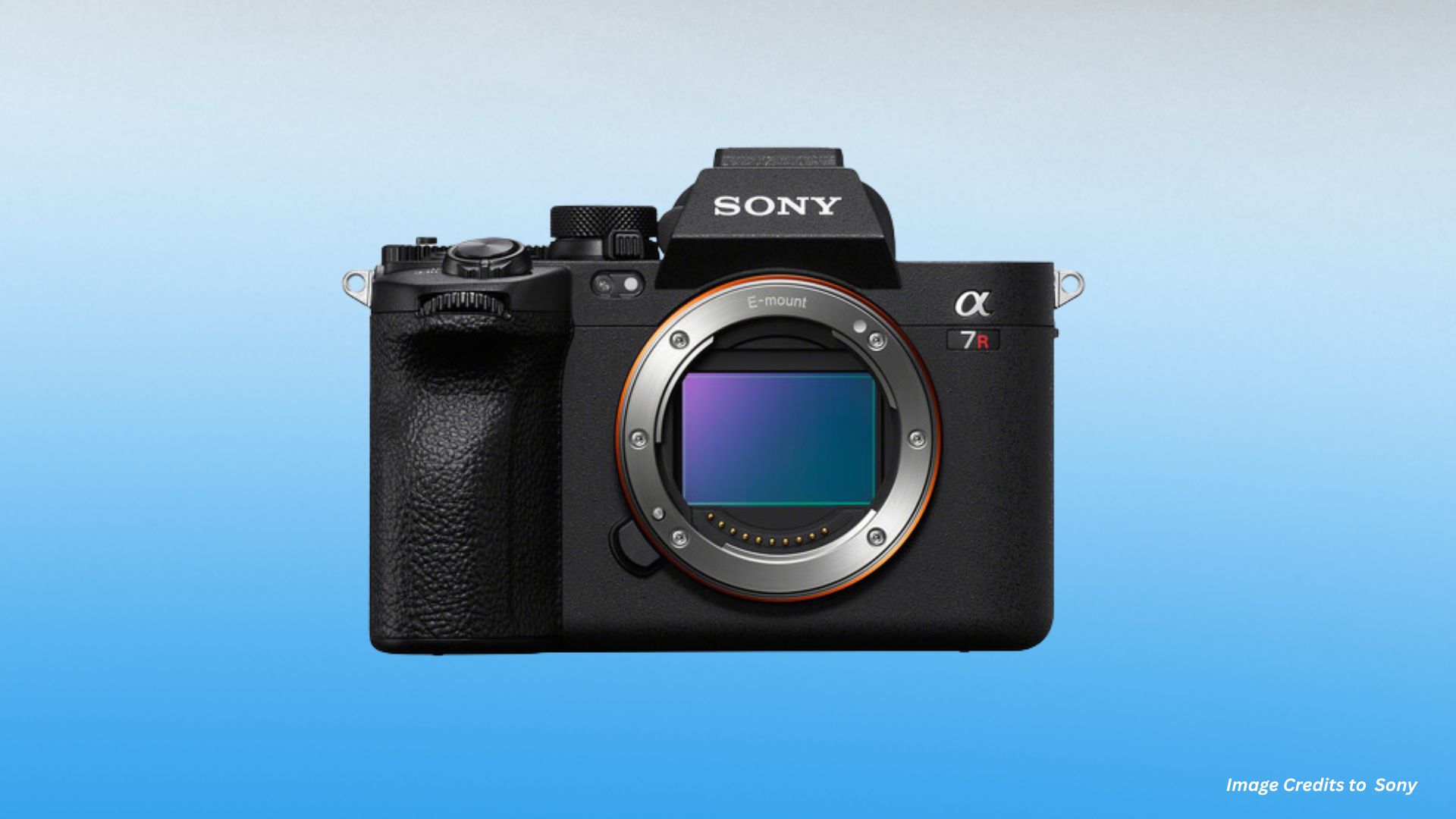
The Sony A7R V leads the pack with 61 megapixels. Professional food photographer Pablo Gil uses this camera and says its “ability to find every last detail in food makes a big difference.” That level of detail lets you see individual salt crystals or the tiny air bubbles in bread dough.
But you don’t need 61 megapixels to take great food photos. The Fujifilm X-T5‘s 40-megapixel sensor delivers excellent results and costs significantly less. Even cameras with 24 megapixels can produce stunning food photography if you nail the other important factors.
Fast Autofocus With In-Camera Focus Stacking
Modern autofocus systems use artificial intelligence to recognize subjects. For food photographers, this tech helps maintain focus on the most important part of your dish. The Canon EOS R6 Mark II has over 6,000 autofocus points covering the entire frame. That means you can place your subject anywhere in the frame and still get sharp focus.
Subject tracking might seem overkill for stationary food, but it’s helpful for those action shots. Pouring honey, steam rising from soup, or someone taking a bite all benefit from smart autofocus tracking.
Image Stabilization Benefits
In-body image stabilization (IBIS) helps with handheld shooting, especially in lower light. Food photographers often work with natural window light that can be challenging. IBIS lets you use slower shutter speeds without camera shake.
Lens-based stabilization works well too, especially with longer focal lengths. Many macro lenses include stabilization that helps with close-up work where even tiny movements get magnified. Some cameras combine both in-body and lens stabilization for maximum shake reduction.
Don’t rely on stabilization as a cure-all though. It helps with camera shake but won’t freeze subject movement. For action shots like pouring liquids, you still need fast shutter speeds regardless of how good your stabilization is.
Best Camera for Food Photography by Budget
Let’s break down the best options based on what you can actually spend. The good news is that great food photography is possible at every price level. The bad news is that more expensive cameras do offer real advantages for serious food work.
Camera prices have gone up across the board in 2025. What used to cost $1,000 now costs $1,400 or more. But the technology has improved too. Today’s entry-level cameras have features that were premium just a few years ago.
Professional Cameras for Serious Work
1. The Sony A7R V sits at the top for professional food photographers who need the absolute best image quality. Its 61-megapixel sensor captures detail that was impossible just a few years ago. The camera’s AI-powered autofocus recognizes subjects and tracks them accurately.
2. Canon’s EOS R5 Mark II brings the latest technology with its stacked sensor design. This new sensor reads data faster and reduces rolling shutter effects. The camera shoots 30 frames per second at full resolution, perfect for capturing action shots like liquids pouring or steam effects.

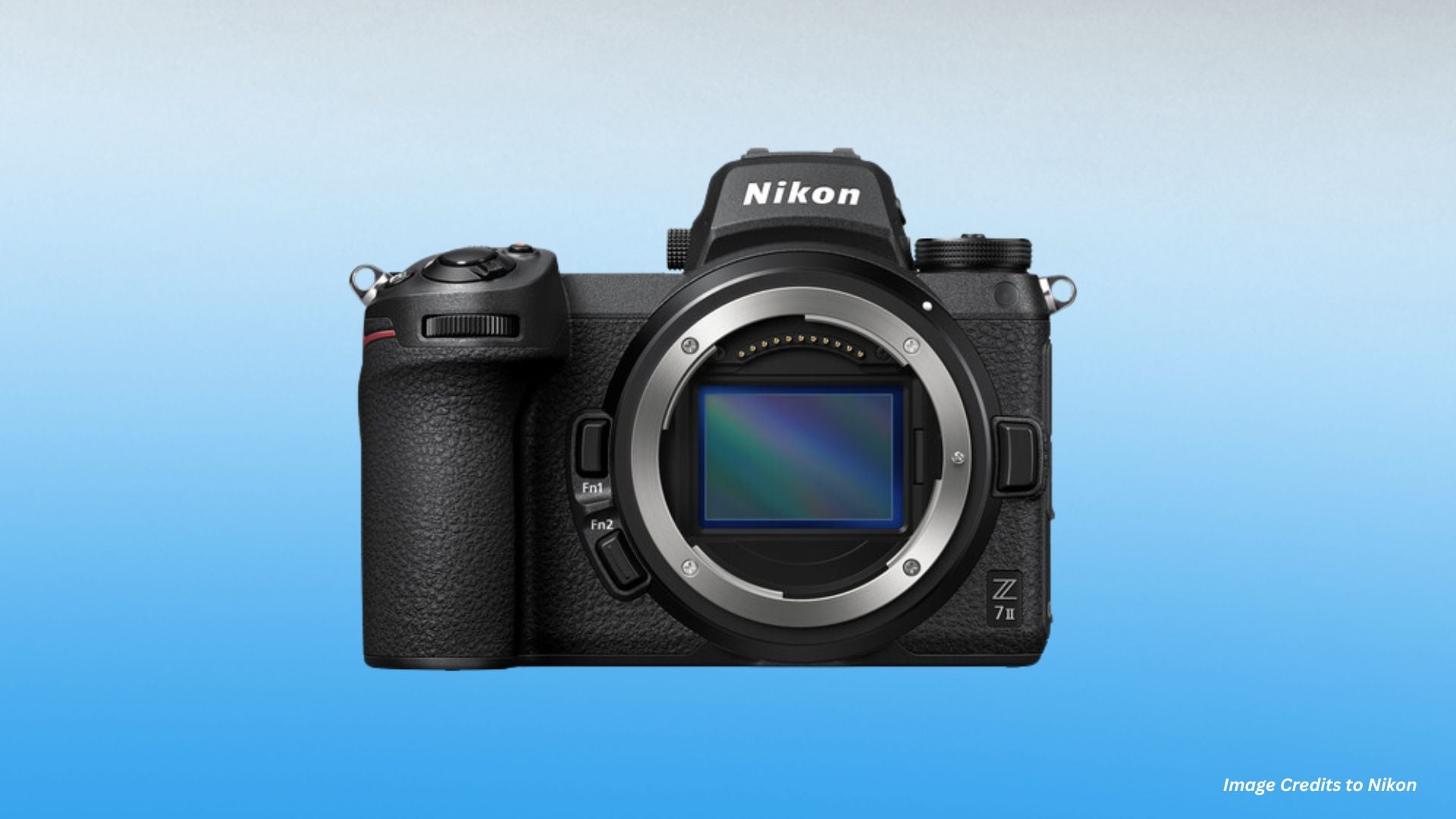
3. The Nikon Z7 II offers 45.7 megapixels and works with both new Z-mount lenses and older F-mount lenses through an adapter. This flexibility gives you access to decades of excellent Nikon glass, including some legendary macro lenses.
Mid-range Cameras That Deliver
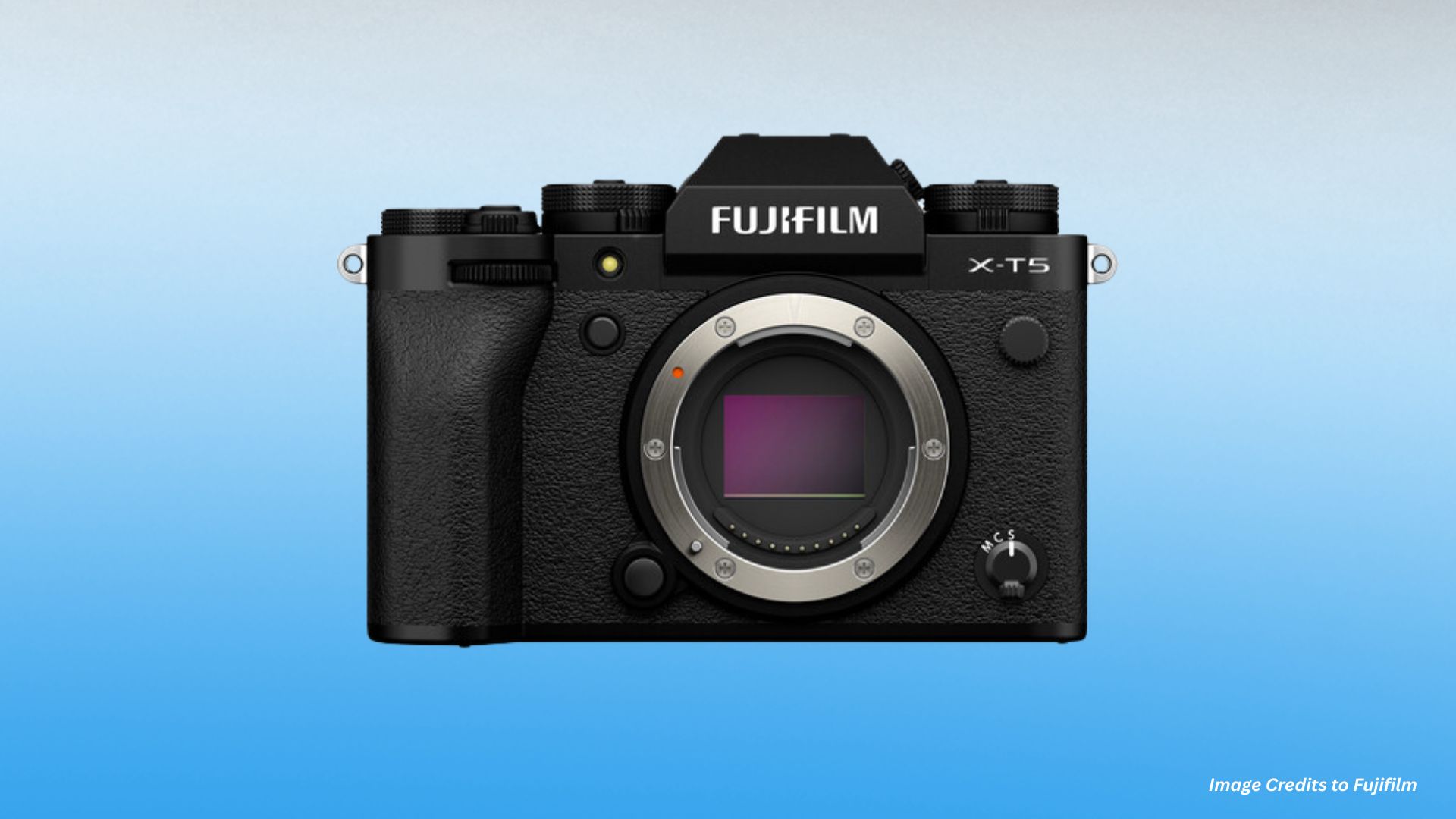
4. The best camera for food photography in this range is the Fujifilm X-T5. Its 40-megapixel APS-C sensor delivers image quality that rivals full-frame cameras. Fujifilm’s color science produces beautiful images straight out of camera, saving you hours of post-processing time.
5. The X-T5’s Film Simulation modes give your images distinct looks without complex editing. Professional photographers love this feature because it speeds up their workflow significantly. The camera also brings back the three-way tilting screen that food photographers prefer over fully articulating designs.
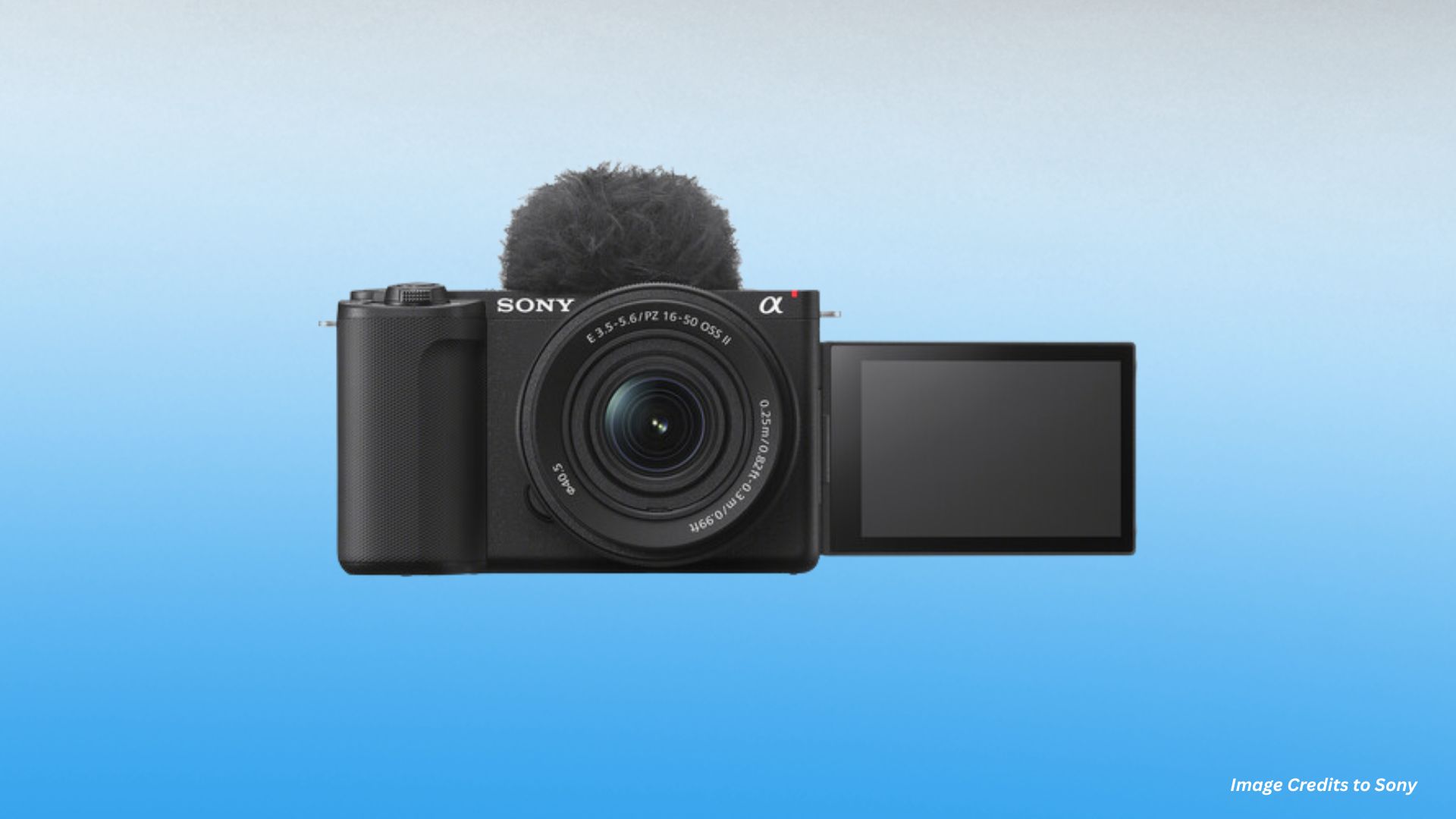
6. Sony’s ZV-E10 II targets content creators who need both photos and video. Its “Product Showcase” mode automatically focuses on products held up in front of the camera. This feature works great for food photography where you want to highlight specific dishes or ingredients.
7. The Canon EOS R6 Mark II excels at autofocus performance with its 6,072 autofocus points. Its fully articulating screen makes overhead shots comfortable, and the camera handles low light situations well.
Budget Options Under $1,000
Finding a good camera under $1,000 has gotten tougher in 2025. Many manufacturers have discontinued their entry-level models or raised prices significantly. But there are still solid options for photographers just starting out.
8. The Nikon Z50 II stands out in this price range. Photography expert Alex Armitage bought one himself even though he didn’t need it, calling it the “first entry level camera I’ve ever purchased in over 15 years of photography.” That’s a strong endorsement from someone who tests cameras professionally.
9. The Canon R50 offers excellent value with its 24.2-megapixel APS-C sensor and modern autofocus system. It shoots 4K video and has a flip-out screen that helps with overhead food shots. The camera feels solid and produces good image quality for the price.
10. For photographers willing to buy used, the Sony A7 III remains an excellent choice. Its full-frame sensor delivers professional image quality, and you can find good copies for around $800. Just budget extra for lenses since Sony glass tends to be expensive.
Lenses That Make Your Food Photos Shine
Your lens choice actually impacts your food photography results more than your camera body. The best camera for food photography needs to work well with lenses that excel at close focusing and deliver sharp results across the frame.
Understanding which lenses work best for food photography helps you build a complete system instead of just buying a camera body and hoping for the best. Different lenses create different looks and solve different problems in food photography.
The Magic of Macro Lenses
Macro lenses open up creative possibilities that regular lenses can’t match. These specialized lenses let you get incredibly close to your subject, revealing details invisible to the naked eye. You can capture the crystalline structure of salt, tiny water droplets on fruit, or the delicate layers in pastry.
True macro lenses provide 1:1 magnification, meaning they reproduce subjects life-size on your camera’s sensor. For food photography, you don’t always need full 1:1 capability, but having close-focusing ability dramatically expands your creative options.
Working distance matters more than you might think. A 90mm or 100mm macro lens keeps you further from your subject than a 50mm macro. This extra distance makes it easier to position lights and reflectors without casting shadows on your food.
The best macro lenses for food photography include:
- Canon RF 35mm f/1.8 Macro IS STM: Wide angle with macro capability
- Sony FE 90mm f/2.8 Macro G OSS: Professional quality with image stabilization
- Tamron 90mm f/2.8 Di III VXD: Excellent value alternative to Sony
- Nikon AF-S VR Micro 105mm f/2.8G: Classic macro lens for Nikon systems
The Versatile 50mm lens
Most food photographers start with a 50mm lens, and for good reason. This focal length provides natural perspective that matches human vision. Food appears exactly as you’d see it in person, without the distortion that can make dishes look weird.
The “nifty fifty” works great for overhead shots, table scenes, and individual dish portraits. Its natural perspective makes it perfect for flat lay photography where you want to include props and context around your main subject.
On crop sensor cameras, a 35mm lens behaves more like a 50mm on full frame. This crop factor actually works in your favor for food photography since 35mm lenses often cost less than 50mm ones and are more compact.
Fast apertures like f/1.8 or f/2.8 give you creative control over depth of field. You can isolate your main subject from the background or keep everything sharp depending on your creative vision.
Zoom Lenses for Flexibility
While prime lenses often deliver better image quality, zoom lenses offer convenience that some food photographers prefer. A 24-70mm f/2.8 lens covers most focal lengths you’ll need for food work in one package.
Modern zoom lenses have gotten much better at close focusing. Many can focus close enough for food detail shots, though they won’t match dedicated macro lenses for extreme close-ups.
The trade-off with zoom lenses is usually size, weight, and cost. A high-quality 24-70mm f/2.8 lens weighs more and costs more than several prime lenses combined. But if you value convenience and speed over ultimate image quality, a good zoom might be the right choice.
Key Camera Features for Food Photography
Not all camera features are created equal for food photography. Some specs that sound impressive in marketing materials don’t help much with food work. Other features that seem minor can make a huge difference in your daily shooting experience.
Understanding which features to prioritize helps you choose cameras that excel at food photography instead of just cameras with impressive spec sheets. Focus on features that directly impact your ability to create compelling food images.
Screen Quality and Flexibility
Screen technology has improved dramatically in recent years. High-resolution screens show more detail, making it easier to confirm critical focus on small details like herb garnishes or sauce textures.
Touchscreen controls let you select focus points by tapping the screen. This feature speeds up your workflow significantly compared to using buttons and joysticks to move focus points around. Many photographers find touchscreen focusing more intuitive and faster than traditional controls.
Screen brightness matters when shooting outdoors or in bright kitchens. Some cameras have screens that are impossible to see in bright light, forcing you to rely on the viewfinder for all your compositions. Look for cameras with bright, high-resolution screens if you plan to shoot in various lighting conditions.
Color Accuracy and Dynamic Range
Food photography demands accurate colors. People know what food should look like, so color casts or weird tones are immediately obvious. Cameras with good color science produce more natural-looking food images with less color correction needed in post-processing.
Dynamic range determines how much detail you can capture in highlights and shadows simultaneously. Food photography often involves challenging lighting with bright highlights and deep shadows. Cameras with good dynamic range preserve detail in both areas, giving you more flexibility in editing.
Fujifilm cameras are famous for their color science and Film Simulation modes. These built-in color profiles can save hours of editing time by delivering beautiful colors straight out of camera. Canon and Sony have also improved their color science significantly in recent years.
Finding Your Perfect Food Photography Setup
The best camera for food photography in 2025 offers a combination of high resolution, flexible screen, good color science, and compatibility with excellent lenses. Whether you choose a professional model like the Sony A7R V or a more affordable option like the Fujifilm X-T5, success comes from understanding your specific needs and choosing features that support your creative vision.
Your camera setup extends beyond just the body and lens. Camera supports and boom arms make top-down shooting much easier and more consistent. Props and food styling often make a bigger difference than expensive gear. You can create stunning food photos with a basic camera, good lens, and natural light from a window. The key lies in understanding composition, lighting, and styling rather than having the most expensive equipment.For photographers serious about improving their skills, the Professional Photographers of America offers educational resources and networking opportunities. The Photography Society of America also provides learning materials for photographers specializing in different areas including food photography. These organizations can help accelerate your learning beyond what camera gear alone can provide.
See more from DIYPhotography.net on Google
Add DIYPhotography.net as a trusted source. This makes
our stories more likely to appear in your Google Search results.
 Add as a preferred source on Google

Darlene Lleno
Darlene Lleno brings a unique perspective to DIY Photography as someone who grew up surrounded by camera gear but chose words over lenses. With five years of writing experience, she specializes in photography content that’s both technically informed and genuinely passionate. Growing up with a photographer twin brother meant camera talk was everyday conversation in her household. While he mastered capturing moments, Darlene discovered she preferred being the subject and the storyteller behind the scenes. As a travel enthusiast and mother of two, she understands the importance of preserving life’s precious moments. When not exploring new destinations or writing for DIY Photography, you’ll find her reading or tending to her garden. Her approach to photography writing is refreshingly authentic, she may not be behind the camera, but she knows exactly what it takes to help others capture the shots that matter most.


Join the Discussion
DIYP Comment Policy
Be nice, be on-topic, no personal information or flames.