



















How many megapixels do you actually need?
May 7, 2024
Dunja Đuđić Kalinin
Dunja Djudjic is a multi-talented artist based in Novi Sad, Serbia. With 15 years of experience as a photographer, she specializes in capturing the beauty of nature, travel, concerts, and fine art. In addition to her photography, Dunja also expresses her creativity through writing, embroidery, and jewelry making.
Share:

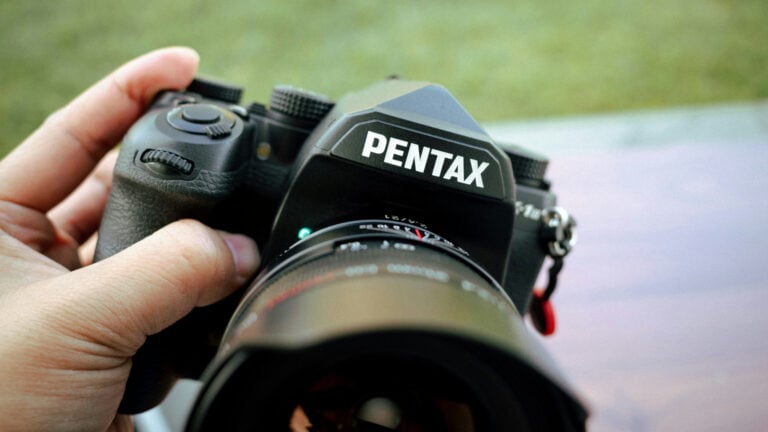
I thought that the megapixel debate was a thing of the past. But I recently discussed it with a few friends, and it looks like it’s time for a reminder. David Bergman and Adorama TV’s recent video came at the perfect time to explain the whole megapixel story to new photographers, and he does it in an incredibly clear and informative way.
Camera and smartphone companies constantly advertise ever-increasing megapixel counts. However, megapixels are just one piece of the image quality puzzle, and more megapixels aren’t always better. So, let’s delve into what megapixels are and what to consider when choosing a camera.
Understanding megapixels
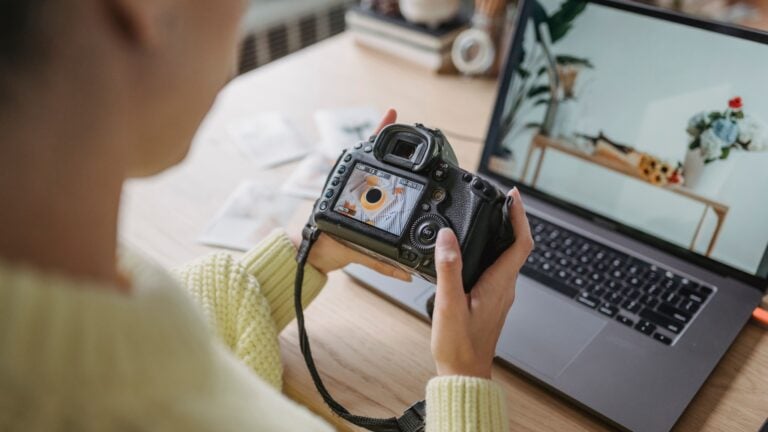
Imagine your camera sensor as a canvas covered in millions of tiny light receptors called photosites. The number of megapixels on your camera simply refers to the total number of these photosites. Generally, more megapixels translate to more image detail. But how many megapixels are too many? Yes, there is such a thing as too many megapixels. Let’s jump right in.
How many megapixels are too many?
Unfortunately, there’s no one-size-fits-all answer. Here’s a breakdown of the pros and cons of megapixels to help you decide:
Image quality
While more megapixels from the same-size sensor can provide more detail, they can also come at a cost. Smaller photosites, crammed in to fit a higher megapixel count, capture less light. This was often the case with earlier smartphones and compact cameras (for those of you who remember them). This can lead to reduced image quality, especially in low-light situations where you need high ISO. Remember, other factors like lens quality and sensor size play a significant role in overall image quality.
Display and printing
Let’s start by briefly discussing DPI (dots per inch) and PPI (pixels per inch). They are both used in relation to image resolution and size. DPI is important for printers and refers to the number of color dots a printer uses to recreate an image’s colors. PPI applies to digital images, indicating the density of pixels in an image. You can read more about it in this article.
Most photos today are viewed on screens with far fewer megapixels than your camera has. For example, David mentions that Instagram uses around 1920 pixels on the longest side. So, even a basic 2 MP camera (around 1600×1200 pixels) would comfortably meet this minimum requirement. Even high-resolution displays won’t utilize the full potential of a super high-megapixel image.
When it comes to printing, the number of megapixels you need depends on the desired print size, but also viewing distance. For example, a 4×6 print needs only 2 MP. A larger 11×14 print would need roughly 13.8 megapixels at 300 PPI (pixels per inch).
And what about huge billboards? A larger size means more pixels, right? If you printed them at 300 PPI, you’d need nearly 9,000 MP, as David calculates. However, the pixel count isn’t as crucial when printing billboards as we view them from a much greater distance than we do with photos. Usually, a lower PPI (between 10 and 40) is perfectly acceptable.
Cropping and file size
When you crop your photos, you take away some of those precious megapixels. But this comes in handy for event and concert photography where you have to act fast. We normally capture a bit more of what’s going on so we can crop the photo later. If you heavily crop your photos to zoom in on specific details, you’ll need more megapixels to maintain enough image detail in the final image.
Finally, David mentions that you need to be prepared for larger file sizes with higher-megapixel cameras. This automatically means that you’ll need more storage space on your memory cards and hard drives. This isn’t necessarily bad, but it’s just something to keep in mind.
So, how many megapixels do you really need?
The good news is that, for most photographers, a camera in the 20 to 24-megapixel range offers more than enough. You’ll get excellent image quality suitable for both displaying and printing your photos.
But David mentions a few scenarios where a high-megapixel camera might be the better choice:
- You heavily crop your photos and need the extra detail
- You’re future-proofing for potential advancements in printing technology
- You shoot professional portraits or fine art photography where capturing maximum detail is crucial
The best megapixel count for you depends on your individual needs. Consider how you plan to use your photos, what image quality is most important to you and why, and how much storage space you have available. Don’t get caught up in the megapixel hype; focus on finding a camera that meets your specific photography goals.
[How Many Megapixels Do You Need? | Ask David Bergman | Adorama TV]
See more from DIYPhotography.net on Google
Add DIYPhotography.net as a trusted source. This makes
our stories more likely to appear in your Google Search results.
 Add as a preferred source on Google

Dunja Đuđić Kalinin
Dunja Djudjic is a multi-talented artist based in Novi Sad, Serbia. With 15 years of experience as a photographer, she specializes in capturing the beauty of nature, travel, concerts, and fine art. In addition to her photography, Dunja also expresses her creativity through writing, embroidery, and jewelry making.


Join the Discussion
DIYP Comment Policy
Be nice, be on-topic, no personal information or flames.
22 responses to “How many megapixels do you actually need?”
Considering I still get great results with my trusty Nikon D40, the answer is clearly six.
Howardo Mansfieldio how big do you print though?
Clay William admittedly it’s rare that I need to print bigger than 8×10.
24mpix for amateur, 64mpix (mid size) for profi photography
Eight; my D70 did fine for photos uploaded to social media.
Adrian J Nyaoi my old 2MP Fuji compact (that was the size of half a brick) was fine for social media and 6×4 prints.
I worked it out once, based on the interaction between viewing distance and visual acuity. The answer is basically 8MP: for prints bigger than that offers obviously, you’re standing further back.
Tunes Firwood if you want to be on the safe side: roughly 4000px on the long side and you can print most of the stuff when you can maintain a proper viewing distance.
Paul Santek Which would put your image on par with a 4K monitor or TV, which is considered quite adequate for viewing
Tunes Firwood I created a calculator a few years ago to calculate needed resolution and sharpening settings and put that up on a webpage to have it available (mostly done for myself, so it’s only available in German at the moment).
Tunes Firwood what size is the print?
Clay William Doesn’t matter: you look at bigger prints from further away. That’s the point.
8 for prints. 2 for FB.
Peter John eight is not big enough for my prints. I like to print 24×36 and 8 megapixels cannot do that and have it look decent at any close distance.
Let’s just remove the word “mega” from your article wherever no number is following. It does not convey any useful information. And of course more is always better, right? No matter the effort we take explaining technicalities.
Is this a serious question in 2024?
Stefan Teufelsbauer if you have a look at mobile phone datasheets it is.
All of them :D
I’m just a hobbyist so my 1D mk IV is fine for me 😁 (16mp)
Both of them
How many times a year are you going to redo this article?
Doesn’t that really depend upon the size of the sensor and how big planning on printing in relation to the viewing distance.