




















Is a Smartphone Better Than a Camera? Here’s the Real Answer
Jul 16, 2026
Alysa Gavilan
Alysa Gavilan has spent years exploring photography through photojournalism and street scenes. She enjoys working with both film and mirrorless cameras, and her fascination with the craft has grown over the decades. Inspired by Vivian Maier, she is drawn to capturing everyday moments that often go unnoticed.
Share:
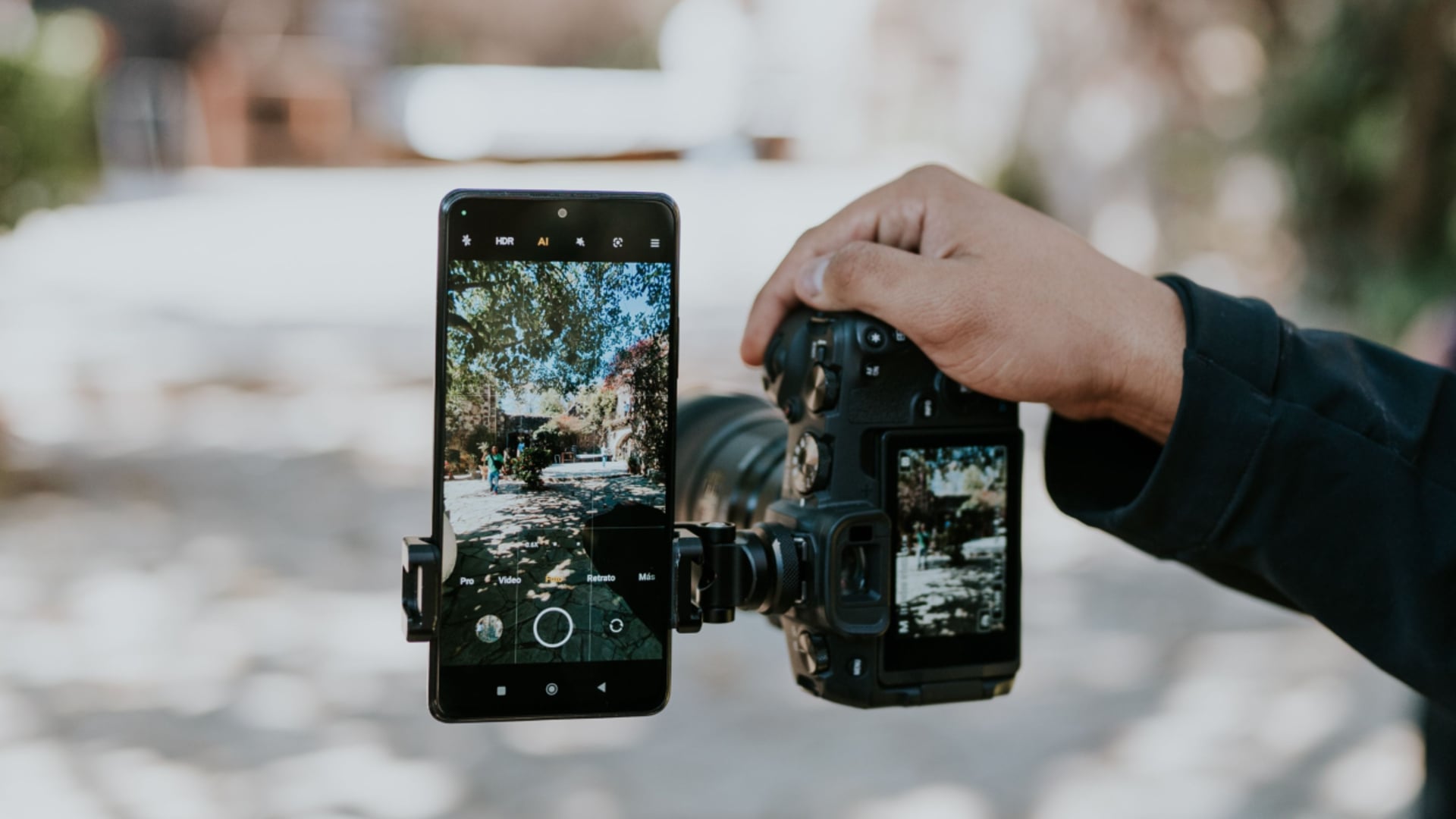
The best camera is the one you have with you. You’ve probably heard that line before, usually right after someone takes an impressive sunset photo on their phone. Then someone else pulls out a mirrorless camera with a lens the size of a coffee mug, and suddenly the debate starts all over again.
So, is a smartphone better than a camera?
The short answer is no, but it is also not that simple. Modern smartphones have become remarkably capable, producing excellent images in many situations through advanced software and computational photography. Dedicated cameras still have clear advantages in image quality, creative control, and versatility. The better choice depends on what you want to photograph and how you plan to use the images.

Smartphones Have Become Surprisingly Good
Phone cameras have improved dramatically over the past decade. Larger sensors, brighter lenses, image stabilization, and AI powered processing allow today’s smartphones to produce sharp, colorful images with very little effort.
For everyday photography, that convenience is hard to beat. A smartphone is almost always within reach, starts up instantly, and lets you edit and share photos within seconds.
Computational photography also helps compensate for the physical limits of a small camera. Features such as Night Mode, HDR processing, Portrait Mode, and automatic scene optimization combine multiple images into a single photograph that often looks better than what a tiny sensor could capture on its own.
For social media, travel snapshots, family moments, and casual photography, many people may never feel limited by their phone.
Cameras Still Deliver Better Image Quality
Despite impressive software, physics still matters.
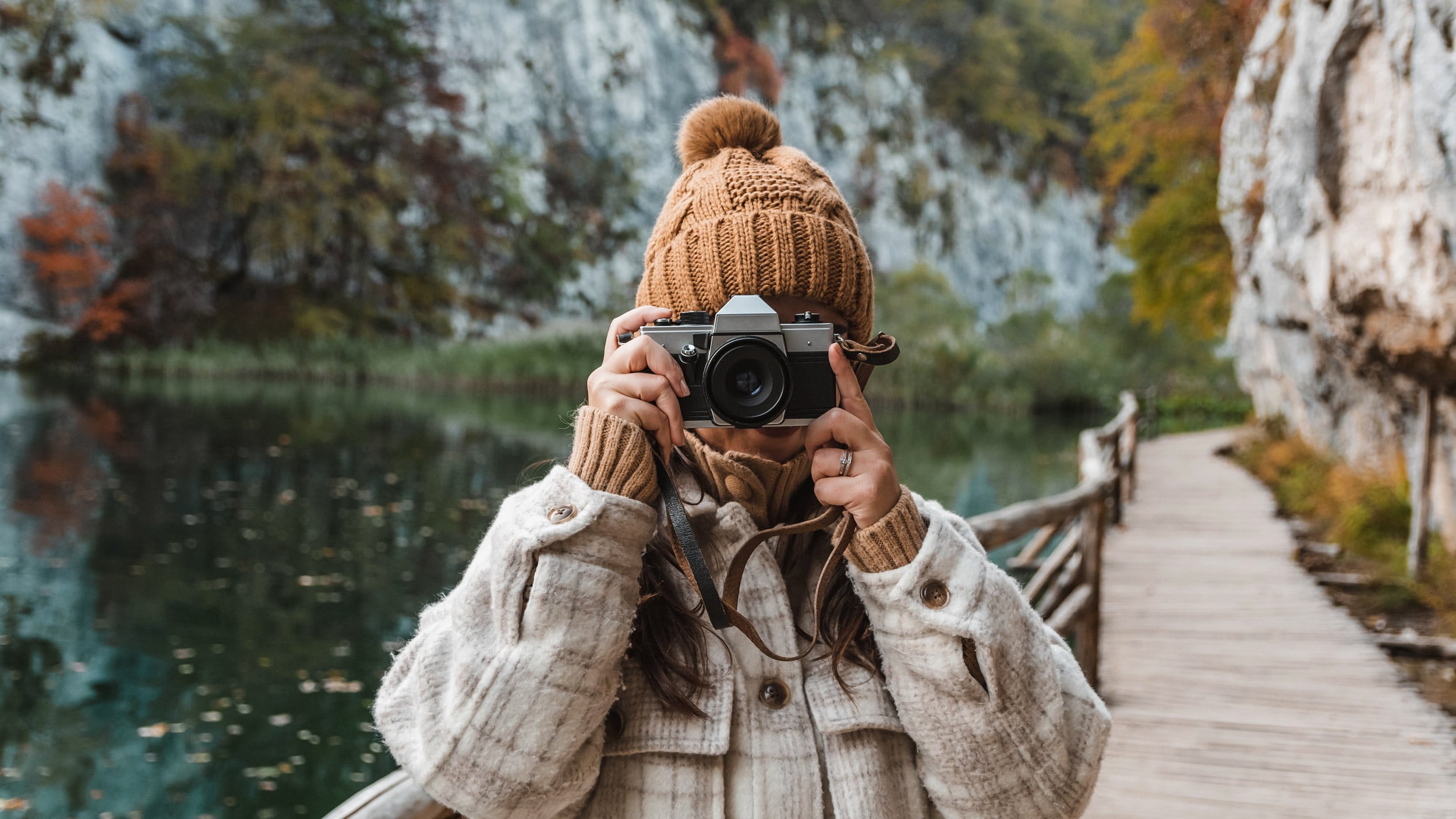
Dedicated cameras generally have much larger sensors than smartphones. Larger sensors collect more light, which improves image quality, especially in challenging lighting conditions.
That means cleaner images with less digital noise, greater dynamic range, and more flexibility when editing RAW files.
Interchangeable lens cameras also allow photographers to choose lenses designed for specific purposes. A wide angle landscape lens, a fast portrait lens, or a telephoto lens for wildlife all produce results that smartphones still struggle to match.
If you regularly print large photographs or need maximum image quality for professional work, a dedicated camera remains the stronger choice.

Creative Control Makes a Difference
Smartphones are designed to make photography simple. Cameras are designed to give photographers more control.
With a dedicated camera, you can manually adjust shutter speed, aperture, ISO, focus, and white balance with greater precision. Those controls become especially important when photographing sports, wildlife, concerts, long exposures, or studio portraits.
Changing lenses also expands creative possibilities. A macro lens reveals tiny details invisible to the naked eye. A fast prime lens creates natural background blur without relying on software. A long telephoto lens brings distant subjects much closer.
For photographers who enjoy experimenting and learning, that flexibility is one of the biggest reasons to use a camera.

Smartphones Win for Convenience
A camera may produce better files, but it is also another piece of equipment to carry.
A smartphone fits in your pocket, requires no lens changes, and can upload photos instantly. Many people value convenience more than absolute image quality, especially when traveling or documenting everyday life.
Phone manufacturers have also made shooting incredibly simple. Automatic settings handle most situations without requiring technical knowledge, making photography more accessible for beginners.
That ease of use is one reason smartphone photography has become so popular around the world.
Which Is Better for Different Types of Photography?
For everyday moments, vacations, food photography, casual portraits, and social media content, a smartphone is often more than capable.
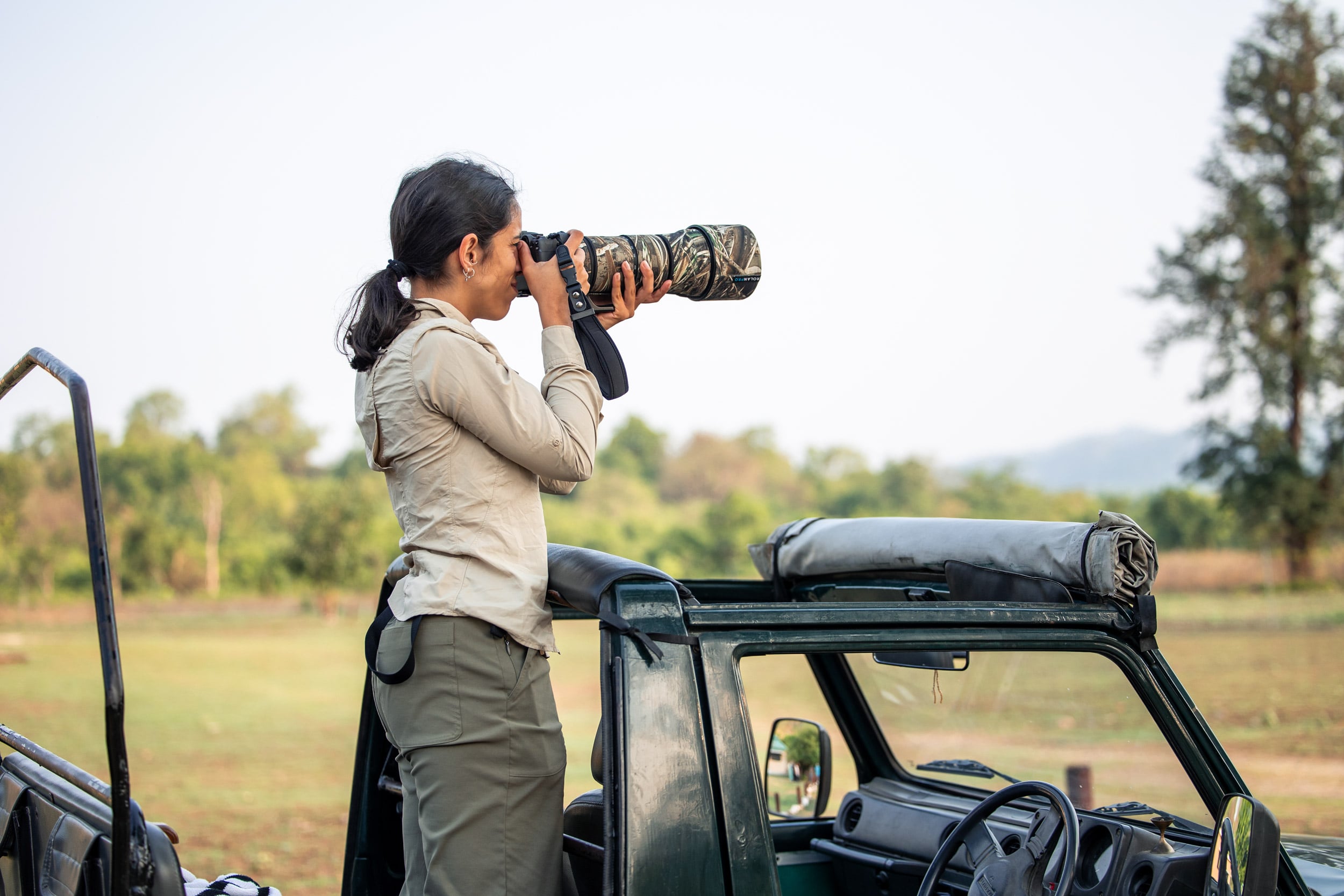
For weddings, commercial work, sports, wildlife, landscapes, and professional portraits, dedicated cameras still offer advantages that smartphones cannot consistently match. Better low light performance, longer battery life, interchangeable lenses, faster autofocus, and larger sensors all become important in demanding situations.
Many professional photographers also carry smartphones because they complement, rather than replace, their main cameras.
The Real Answer Is Not One or the Other
The debate often assumes you have to choose a side. In reality, many photographers use both.
A smartphone is excellent for spontaneous moments, behind the scenes content, location scouting, and quick sharing. A dedicated camera comes out when image quality, creative flexibility, or specialized equipment matters more.
Instead of asking which device is universally better, it is more useful to ask which one is better for the photograph you want to make.
The good news is that photography has never offered more choices. The most important part is not the device in your hands, but the story you decide to capture with it. And who knows? Your next favorite photo might come from the camera you least expected to use.
See more from DIYPhotography.net on Google
Add DIYPhotography.net as a trusted source. This makes
our stories more likely to appear in your Google Search results.
 Add as a preferred source on Google

Alysa Gavilan
Alysa Gavilan has spent years exploring photography through photojournalism and street scenes. She enjoys working with both film and mirrorless cameras, and her fascination with the craft has grown over the decades. Inspired by Vivian Maier, she is drawn to capturing everyday moments that often go unnoticed.




Join the Discussion
DIYP Comment Policy
Be nice, be on-topic, no personal information or flames.
One response to “Is a Smartphone Better Than a Camera? Here’s the Real Answer”
Something the article did not mention. The ergonomics of a phone are terrible. Phone is terrible to handle and shoot. Camera is superior.