













How to Photograph Indoor Sports in Low Light Without Flash
Sep 30, 2025
Darlene Lleno
Darlene Lleno brings a unique perspective to DIY Photography as someone who grew up surrounded by camera gear but chose words over lenses. With five years of writing experience, she specializes in photography content that’s both technically informed and genuinely passionate. Growing up with a photographer twin brother meant camera talk was everyday conversation in her household. While he mastered capturing moments, Darlene discovered she preferred being the subject and the storyteller behind the scenes. As a travel enthusiast and mother of two, she understands the importance of preserving life’s precious moments. When not exploring new destinations or writing for DIY Photography, you’ll find her reading or tending to her garden. Her approach to photography writing is refreshingly authentic, she may not be behind the camera, but she knows exactly what it takes to help others capture the shots that matter most.
Share:

Photographing indoor sports in low light creates real challenges for photographers. Most gyms have bad lighting and strict no-flash rules. Players move fast and the lighting changes constantly.
You need to work with what light you have. Pro photographers use specific tricks to get great shots in terrible conditions. School gyms and community centers often have the worst lighting of all.
Indoor venues are different from outdoor shoots. You deal with artificial lights that create weird shadows. The overhead fixtures cast dark areas under player faces and make colors look wrong.
Read more: How to Photograph Indoor Sports in Low Light Without FlashCamera Settings for Low Light Indoor Sports Photography
Your camera settings make or break low light sports photos. Three main controls work together to capture enough light while keeping moving subjects sharp.
ISO controls how sensitive your camera is to light. 2025 cameras handle high ISO remarkably well. Current bodies like Canon R5 Mark II and Sony A7R V produce clean images at ISO 12800. Push your ISO to 6400 or even 12800 without worry. Some noise is better than blurry photos from slow shutter speeds.
Use the widest aperture your lens offers. Most sports lenses open to f/2.8 or f/4. Wide apertures let in more light and blur busy backgrounds behind your subjects.
Shutter Speed Considerations for Fast Action
Shutter speed stops motion blur. Low light makes camera shake show up more. Indoor sports need faster speeds than you might think.
Use at least 1/500 second for most sports. Basketball needs 1/800 second or faster for jumping players. Wrestling requires 1/1000 second to freeze quick movements.
Some sports photographers use slower speeds like 1/250 second on purpose. This creates motion blur that shows energy and movement.
Focusing Modes for Moving Subjects in Low Light
Your autofocus system becomes critical in low light. Current autofocus technology in 2025 cameras tracks subjects down to -6 EV or lower. Continuous autofocus (Servo on Canon, AF-C on Nikon/Sony) tracks moving subjects reliably even in very dim conditions.
Single-point autofocus gives you exact control over focus placement. Low light makes cameras struggle to tell subjects from backgrounds. Focus on the player’s jersey number instead of their face.
Back-button focus separates focus from the shutter button. This gives you faster reaction times during peak action moments.
Essential Equipment for Low Light Sports Photography
The right gear makes a huge difference in low light photography. You don’t need expensive equipment for good photos. But certain tools make the job much easier.
Fast lenses with wide apertures collect more light than kit lenses. A 70-200mm f/2.8 remains the standard for indoor sports in 2025. Current versions like Canon RF 70-200mm f/2.8L IS and Sony FE 70-200mm f/2.8 GM OSS II offer better image stabilization and faster autofocus than previous generations.
Lens Selection for Indoor Venues
Prime lenses often beat zoom lenses in low light. They have wider maximum apertures. An 85mm f/1.8 or 135mm f/2 costs less than pro zooms. These lenses work great in gym lighting.
Your focal length depends on where you shoot from. Basketball from baseline needs 24-70mm. Shooting from stands might need 70-200mm or longer to fill your frame.
Portrait photography lenses like 85mm work well for individual player shots. These capture emotions during timeouts and between plays.
Camera Body Features That Matter
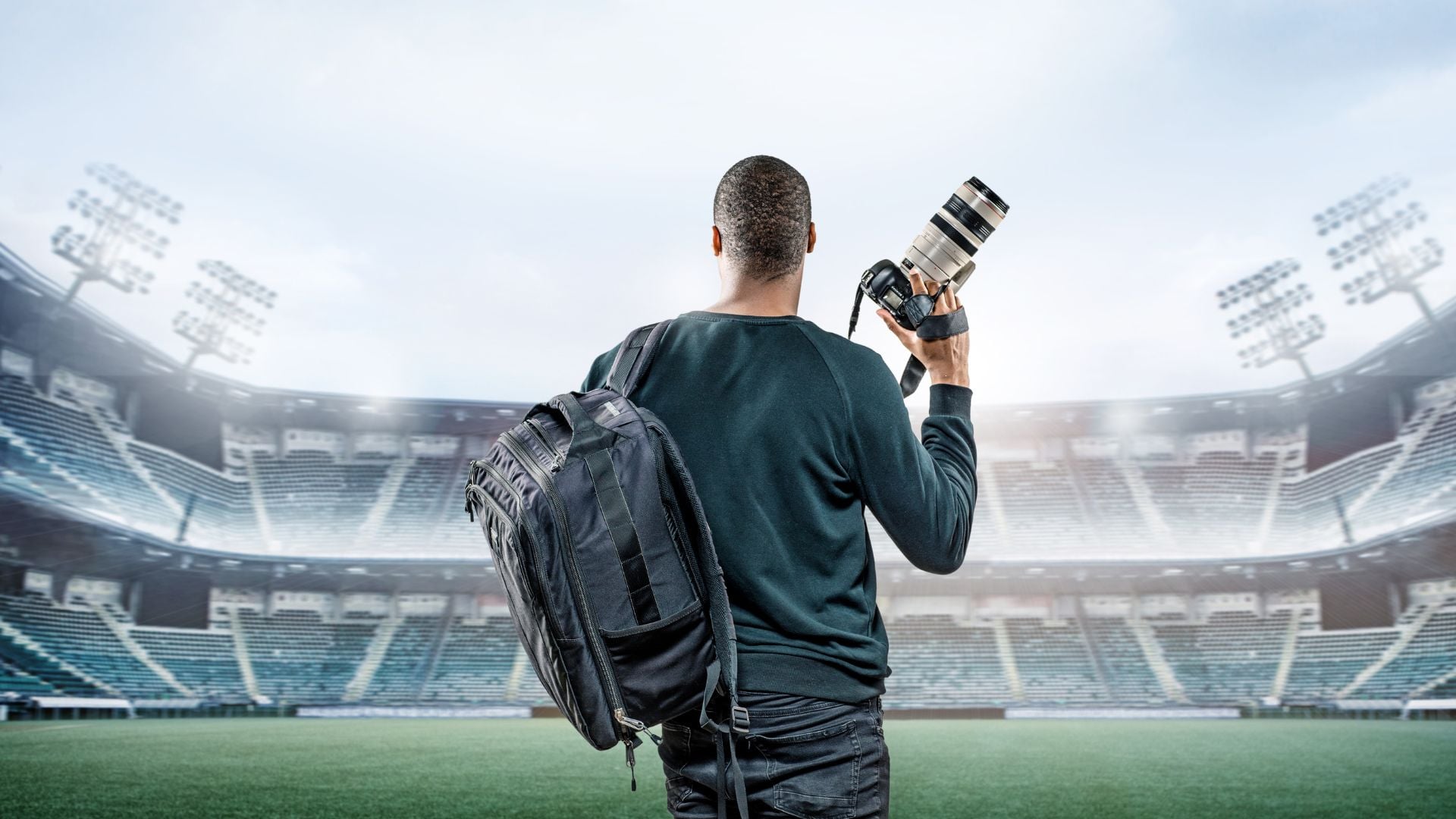
Modern cameras have features designed specifically for low light work. Full-frame sensors handle high ISO better than APS-C sensors. Current models like Sony A7S III and Canon R6 Mark II produce exceptional results at ISO 25600 and above. These cameras cost less in 2025 than similar models did in 2023.
Image stabilization helps reduce camera shake at slower speeds. Current in-body stabilization systems like those in Sony A7 IV and Canon R8 provide 7-8 stops of compensation. This might let you drop your ISO by two to three stops. The feature helps when shooting handheld from awkward positions.
Buffer depth affects your ability to capture peak moments. Indoor sports happen quickly. Current cameras like Canon R3 and Sony A1 shoot 30 frames per second with full autofocus tracking. Even budget models now offer 10-15 fps burst rates that help you catch critical plays.
Mastering Low Light Exposure Techniques
Understanding exposure becomes more important in challenging light. Indoor venues create unique problems that need advanced techniques.
Spot metering gives you exact control over exposure. It measures light from your main subject instead of the whole scene. This ensures good skin tone exposure even with bright or dark backgrounds.
Reading Your Camera’s Display
Learning to read your histogram helps you adjust exposure during games. Indoor lighting creates extreme contrast that fools your camera’s meter.
Good sports photos show data across the full tonal range. But avoid clipping highlights in white uniforms or bright skin tones. White jerseys under gym lights blow out easily.
Shoot RAW format for extra flexibility when editing. RAW files have more image data than JPEGs. You can recover detail from shadows or slightly blown highlights.
Custom White Balance for Mixed Lighting
Most gyms use mixed lighting that creates color problems. Fluorescent lights might light the court while warm bulbs light the stands. This creates weird color casts.
Set custom white balance from a white surface on the court. Take a photo of a white towel before the game starts. Use this to set your white balance.
RAW format lets you adjust white balance during editing. But getting close in-camera saves time and produces better results.
Composition Strategies for Low Light Indoor Sports
Strong composition matters more in low light conditions. Technical limits might prevent perfect shots every time. Focus on positioning and timing that create compelling images.
Overhead lights create shadows under faces and caps. Look for moments when players move into better light. Side lighting from doors or windows often looks more natural.
Background Management in Dim Venues
Busy backgrounds become more distracting in low light. Your wide aperture creates less separation between subject and background. Choose shooting positions with cleaner backgrounds.
Empty bleacher sections or plain walls work better than busy crowds. Moving closer to your subjects increases background blur at the same aperture setting.
Frame-filling techniques work well in low light photography. Getting closer eliminates distracting elements. It creates more personal images that show player emotions.
Anticipating Peak Action Moments
Great sports photos depend more on timing than expensive gear. Learn each sport’s rhythm so you can predict peak moments. This knowledge helps when your autofocus lags in dim light.
Basketball has predictable moments like jump balls and free throws. You can position yourself and prepare settings ahead of time. Wrestling has setup periods and explosive movement phases.
Different sports create different photo opportunities. Each has its own timing and best shooting angles.
Post-Processing Tips for Low Light Sports Images
Post-processing becomes especially important for low light sports photos. You’re often pushing your equipment to its limits. Modern editing software provides powerful tools for common problems.
Noise reduction has improved dramatically with AI processing in 2025. Tools like DxO PureRAW 4 and Topaz DeNoise AI can clean up ISO 25600 images while keeping fine details. Adobe Lightroom’s AI denoise feature now rivals dedicated software. Start with moderate settings and increase gradually.
Color Correction for Mixed Lighting
Indoor venues often have lights that create color casts. These affect skin tones and uniform colors. Color correction techniques help fix these issues.
Split-toning adjustments let you correct highlights and shadows separately. This works great for mixed lighting situations. You can cool warm highlights while keeping natural skin tones in shadows.
Local adjustments using masks help correct exposure in specific areas. This technique brightens faces in shadow without affecting the whole photo.

Sharpening Techniques for High ISO Images
High ISO images often need careful sharpening during post-processing. Use capture sharpening to optimize the base image first. Then apply output sharpening for your final use.
Here are key sharpening techniques for high ISO work:
- Apply sharpening only to important details
- Avoid sharpening smooth areas like backgrounds
- Use masking to prevent noise amplification
- Apply structure and clarity selectively
This approach produces cleaner final images with better apparent sharpness.
Common Mistakes in Low Light Indoor Sports Photography
Many photographers make the same mistakes when moving to indoor sports. Understanding these errors helps you avoid frustration and improve faster.
Auto ISO settings often produce inconsistent exposures as lighting changes. Manual ISO control gives more predictable results. You might need occasional adjustments during gameplay.
Underestimating Shutter Speed Requirements
New sports photographers often use shutter speeds that are too slow. Motion blur shows up more when overall images are darker. You need faster speeds than in bright conditions.
Camera shake gets magnified in low light photography. Use the reciprocal rule as a starting point. Shutter speed should equal 1/focal length. But increase speeds further to compensate for low light emphasis.
Focus hunting happens when autofocus struggles with low contrast subjects. Learn to recognize when your camera hunts for focus. Use manual focus or tracking techniques instead.
Ignoring Available Light Direction
Many photographers try to overpower poor lighting with camera settings alone. Working with existing light direction produces more natural results. You get better shadow and highlight detail.
Position yourself to use the best available light. Don’t fight against bad conditions. Side lighting from windows often looks better than harsh overhead fixtures.
Natural light principles apply even with artificial lighting. Look for soft directional light sources that improve image quality without flash.
Budget-Friendly Approaches to Low Light Sports Photography
Professional results don’t require professional budgets. Several strategies help you get better results with current equipment before buying expensive upgrades.
Lens selection makes the biggest impact on low light performance. A used 85mm f/1.8 prime often beats expensive zooms in low light. Budget options like Sony FE 85mm f/1.8 or Canon RF 85mm f/2 Macro cost under $600 in 2025. These lenses provide excellent image quality for indoor sports.
Maximizing Your Current Equipment
Understanding your camera’s ISO performance helps set realistic expectations. Test your camera at different ISO settings under similar lighting. This shows your personal quality limits.
Shooting technique improvements can make up for equipment limits. Here are key techniques that help:
- Proper handheld technique reduces camera shake
- Breathing control helps at slower shutter speeds
- Follow-through keeps shots sharper
- Good positioning uses available light better
These skills often matter more than having the latest camera body.
When to Consider Equipment Upgrades
Equipment upgrades make sense when your current gear prevents the images you want. Missing shots due to autofocus problems or high ISO noise means targeted upgrades might help.
Fast aperture lenses provide the biggest improvement for most photographers. A single f/2.8 zoom or f/1.8 prime transforms your results more than any camera upgrade.
Camera upgrades become valuable after you’ve maximized lens performance. 2025 cameras offer significant improvements in low light over models from 2020. Current entry-level bodies like Canon R50 and Sony A7 IV perform better than flagship cameras from five years ago.
Building Your Skills Through Practice
Getting good at low light sports photography takes dedicated practice. Each venue has unique challenges. Every sport has different timing that you learn through experience.
Attend multiple games of the same sport to understand player patterns. Basketball games provide great practice because they combine fast action with predictable timing.
Learning from Failed Shots
Look at your unsuccessful images to find patterns in mistakes. Blurry photos might mean shutter speed problems. Dark faces could suggest metering issues. This analysis helps you improve faster.
Keep notes about camera settings and lighting for different venues. This information helps you prepare for return visits. You learn which techniques work best in specific places.
Join photography communities focused on sports photography. Online forums and local clubs provide valuable feedback. They share techniques that speed up your learning.
Developing Your Photographic Eye
Technical skills are only part of creating compelling sports images. You need to develop your eye for decisive moments and emotional expressions. This separates good technical photos from engaging sports imagery.
Study professional sports photographers’ work. Notice how they use available light and compose frames. See how they capture emotions that tell the story of competition.
Practice regularly in different sports and venues. Each new challenge teaches you about light or timing. You can apply these lessons to future situations.
Ready to Capture Amazing Indoor Sports Photos
Mastering low light indoor sports photography takes time and consistent practice. The technical challenges might seem overwhelming at first. But understanding fundamental principles gives you a solid foundation.
Focus on developing technical skills while learning different sports. Each venue teaches you something new about working with available light. You learn to anticipate action better with experience.
Remember that compelling sports photography combines technical skills with storytelling. The most technically perfect image falls flat without emotional content. Athletic drama engages viewers and tells the competition story.
Start with your current camera and lenses. Gradually upgrade equipment as your skills develop. Many outstanding low light sports photos were created with modest equipment by photographers who understood their tools.
See more from DIYPhotography.net on Google
Add DIYPhotography.net as a trusted source. This makes
our stories more likely to appear in your Google Search results.
 Add as a preferred source on Google

Darlene Lleno
Darlene Lleno brings a unique perspective to DIY Photography as someone who grew up surrounded by camera gear but chose words over lenses. With five years of writing experience, she specializes in photography content that’s both technically informed and genuinely passionate. Growing up with a photographer twin brother meant camera talk was everyday conversation in her household. While he mastered capturing moments, Darlene discovered she preferred being the subject and the storyteller behind the scenes. As a travel enthusiast and mother of two, she understands the importance of preserving life’s precious moments. When not exploring new destinations or writing for DIY Photography, you’ll find her reading or tending to her garden. Her approach to photography writing is refreshingly authentic, she may not be behind the camera, but she knows exactly what it takes to help others capture the shots that matter most.


Join the Discussion
DIYP Comment Policy
Be nice, be on-topic, no personal information or flames.