
























How to Create Stunning Black & White Landscapes Every Time?
Jul 15, 2025
Anzalna Siddiqui
A psychology major in her third year of Bachelor’s, Anzalna Siddiqui has endless curiosity for the human mind and a deep love for storytelling – both through words and visuals. Though she hasn’t taken up photography as a profession, her Instagram is where her passion finds its home. In addition to this, she’s a travel enthusiast who never travels without her camera because every place has a story waiting to be captured.
Share:
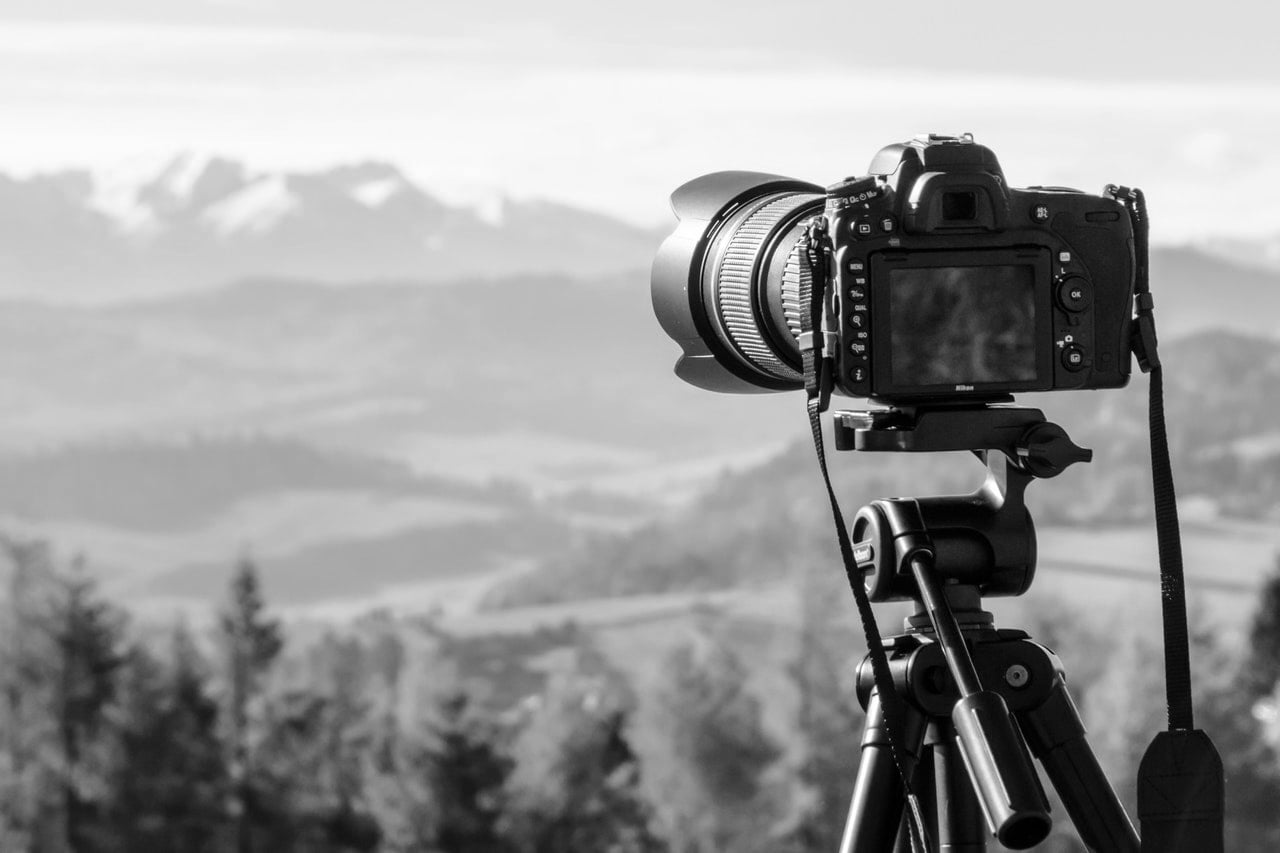
Black and white photography has a unique charm that many people love. It removes the colors, allowing you to focus on shapes, textures, and, most importantly, different tones. I have
Converting a color photo into black-and-white isn’t as simple as clicking a button. It’s an art form that begins well before you start editing. In a recent video, landscape photographer William Patino explains the key elements for creating amazing black-and-white landscapes and highlights some essential ideas that could change your thoughts about your next black-and-white landscapes.
Tonal Range: The Unsung Hero of Black & White
When I think about creating a black-and-white photo, the first thing that comes to my mind is contrast. But William says there’s more to it than just having strong contrasts. The key is in the tonal range, meaning you must spread contrast throughout the image.
For example, the sky might be very bright in a typical sunrise or sunset photo while the foreground is very dark. This looks great, but those colorful and dark areas can seem uninteresting in black and white. William emphasizes that a perfect black-and-white landscape has tones covering the entire range, from deep shadows to bright highlights, with many mid-tones in between. You want a smooth transition of light and dark rather than just two extremes.
This struck a chord with me. I’ve often tried to fix poorly lit photos by turning them into black and white, only to be disappointed. Good lighting and a balanced tonal range are essential, even when color isn’t involved.
When to Shoot: Ditching Golden Hour for Monochrome Magic
The next part might seem controversial, especially if you love golden hour photography. William says the best time to capture wide tonal ranges in landscapes isn’t during sunrise or sunset. Sounds strange, right? He explains that when the sun is higher in the sky, about two hours after sunrise or well before sunset, it can produce the continuous tonal variation that’s great for black and white photography.
While golden hour light looks nice, it often creates clear areas of bright highlights and dark shadows. For black and white images, you want light that surrounds your subject and shows off textures and shapes through gentle changes in tone. This effect is more likely when the sun is higher, providing more even lighting across the landscape while still casting interesting shadows.
That doesn’t mean you should avoid taking black and white landscapes during golden hour. But this idea encourages you to rethink your usual approach. I’m looking forward to trying this out. It seems like a new way to explore monochrome photography.
Composition: Your Guiding Light (Without the Color)
When you remove color, arranging things in your frame becomes essential. William points out that the shapes, lines, and textures take center stage without bright colors to catch the eye. He emphasizes that strong composition is essential in black and white landscapes.
He encourages us to think about balance in our shots, like a seesaw. Your main subject serves as the “fulcrum,” while you balance other elements around it. This approach moves away from the traditional “rule of thirds” that many of us learned first, and I find it quite liberating. It encourages you to feel the weight of different elements in your frame and arrange them accordingly.
Another essential idea he shares is about negative space. In color photos, a large area of clear sky or calm water can look peaceful. However, these significant, plain areas can be very distracting in black and white. William advises either to avoid them or, if they can’t be avoided, to add more tonal variation to make them less flat. This is a great tip that I hadn’t thought about before.
The Art of the Edit: Shaping Light and Tone
This is the point where everything comes together, and William shares some valuable tips for editing your black and white landscape photos. William shows a process that begins by brightening the image and then carefully lowering the highlights. This technique helps to break up large bright spots, like fog or clear skies, and adds more contrast.
He also mentions using the “dehaze” tool to improve mid-tone contrast, particularly in the sky, and reducing the blacks to boost the overall tonal range. A central point to remember is to consider how light interacts with your scene and adjust your edits to guide the viewer’s attention.
One key point he discusses is atmospheric perspective. Do you know how mountains in the distance appear lighter and blurrier? He suggests keeping this effect in your black-and-white photos by making the foreground dark and gradually lightening the tones as they move back into the distance. You might even need to brighten the shadows and dark areas in the background to keep that feeling of depth.
William mentions that you can be bolder with your edits in black and white than in color. Because you don’t have to worry about ruining color saturation, you can create a more artistic and dreamy look, like making a sky much darker to set a mood. However, he warns against being too precise with tools like “select object.” He explains that light in landscapes naturally spreads, and overly sharp selections can make your image look fake or overly edited. This small but important detail can significantly affect the final image.
Final Thoughts
This video by William helped me understand the subtleties of black-and-white landscape photography. It goes beyond just removing color. It’s about viewing and capturing the world in a new and fulfilling way. I suggest you take your camera, go outside, and start searching for those lovely shades. You may be amazed at the beautiful black-and-white landscapes you can take.
[The Formula For GREAT Black & White Landscapes | William Patino]
See more from DIYPhotography.net on Google
Add DIYPhotography.net as a trusted source. This makes
our stories more likely to appear in your Google Search results.
 Add as a preferred source on Google

Anzalna Siddiqui
A psychology major in her third year of Bachelor’s, Anzalna Siddiqui has endless curiosity for the human mind and a deep love for storytelling – both through words and visuals. Though she hasn’t taken up photography as a profession, her Instagram is where her passion finds its home. In addition to this, she’s a travel enthusiast who never travels without her camera because every place has a story waiting to be captured.




Join the Discussion
DIYP Comment Policy
Be nice, be on-topic, no personal information or flames.