



















What Using an Old iPhone Camera Taught Me About Photography
Jan 23, 2026
Alysa Gavilan
Alysa Gavilan has spent years exploring photography through photojournalism and street scenes. She enjoys working with both film and mirrorless cameras, and her fascination with the craft has grown over the decades. Inspired by Vivian Maier, she is drawn to capturing everyday moments that often go unnoticed.
Share:
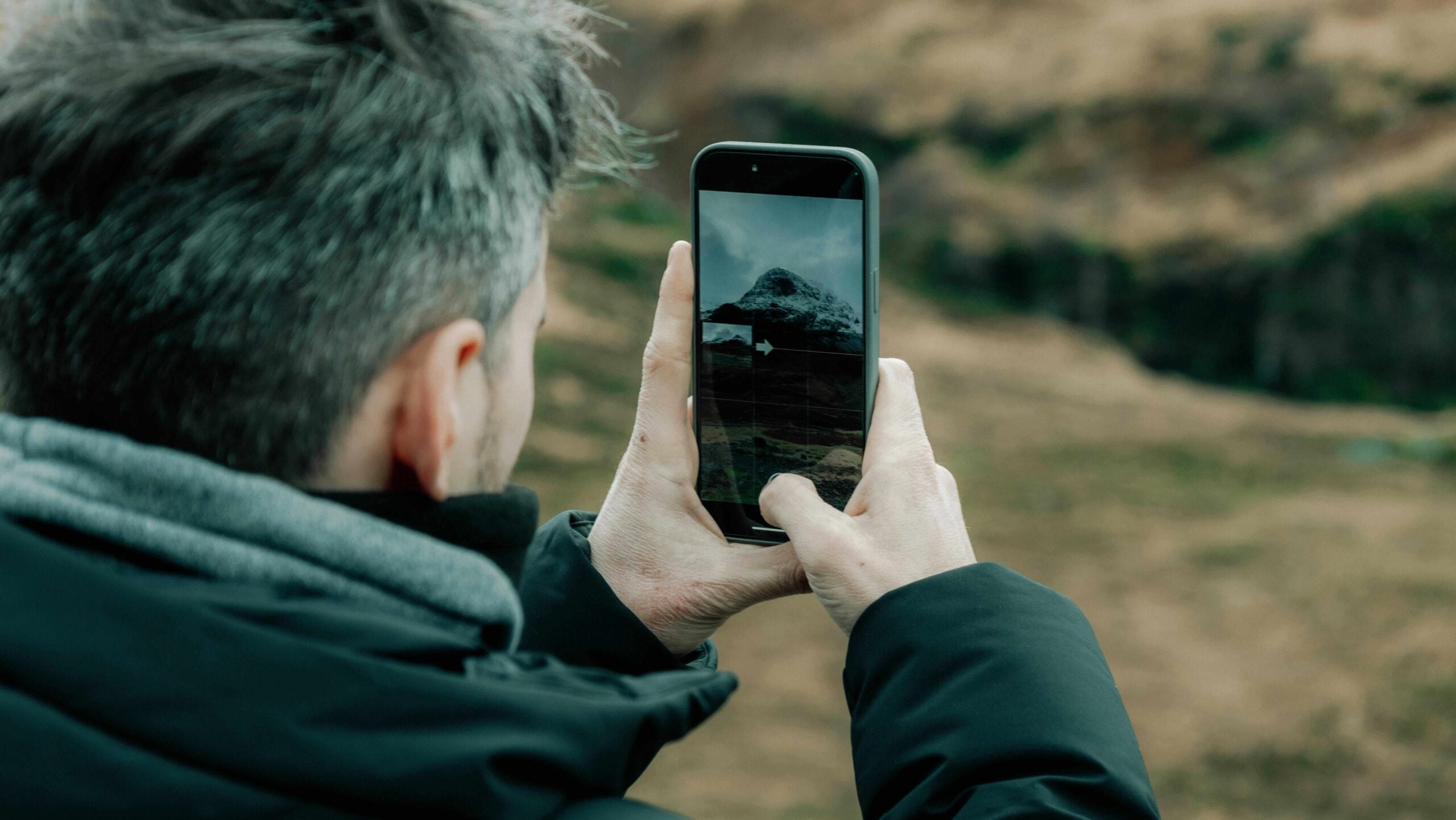
Picking up an old iPhone camera again felt like stepping back in time. The sensor was smaller, the dynamic range noticeably tighter, and the computational tricks that newer phones rely on were barely there.
Yet using that aging device ended up teaching me more about photography than I expected. Stripped of modern shortcuts, it forced me to slow down, pay attention, and reconnect with fundamentals that often fade into the background when technology does too much of the work for you.
I hadn’t planned it as a learning exercise. The phone was simply sitting in a drawer that I decided to declutter one day. I saw that the phone was fully functional but forgotten. Once I started shooting with it, I quickly realized how much modern cameras hide your habits. Every mistake stood out. Every successful decision felt intentional.
The device demanded awareness, and it revealed what I had taken for granted with newer gear.
Living With Real Limitations
The first thing you notice with an old iPhone camera is how unforgiving it can be. Highlights clip fast. Shadows collapse. Low-light performance is almost nonexistent. At first, this feels like a step backward. But soon, it becomes a productive constraint.
You start reading light more carefully. Instead of relying on the camera to balance everything, you look for softer light, cleaner contrast, and simpler compositions. You wait for the right moment rather than forcing it. You stop pointing the camera at situations it cannot handle and start adapting yourself instead.
And these habits don’t vanish when you switch back to more capable gear. Learning to respect light in difficult conditions carries over into every shoot. You begin noticing subtleties you would have otherwise ignored.

Composition Becomes Essential
With fewer technical tricks at your disposal, composition is no longer optional. It becomes the main creative tool. There’s no meaningful background blur to separate subjects. Cropping options are limited. Every frame must be intentional.
Using the old phone made me pay closer attention to the edges of the frame. Distracting elements could no longer be ignored. Balance, symmetry, and negative space suddenly mattered in a very tangible way.
Waiting for gestures, alignment, and decisive moments replaced the habit of firing off multiple frames and hoping one worked. That patience led to stronger images than sheer volume ever could.
Exposure Discipline Returns
Modern cameras encourage a “fix it later” approach. Older devices leave no room for that. Push exposure too far, and noise takes over. Attempt to recover blown highlights, and they’re simply gone.
Shooting under these constraints forces care and intention. You prioritize highlights, accept shadows, and understand that exposure decisions happen at the moment of capture and not in post-processing. That discipline remains valuable, no matter the camera in your hands.
Editing with Restraint
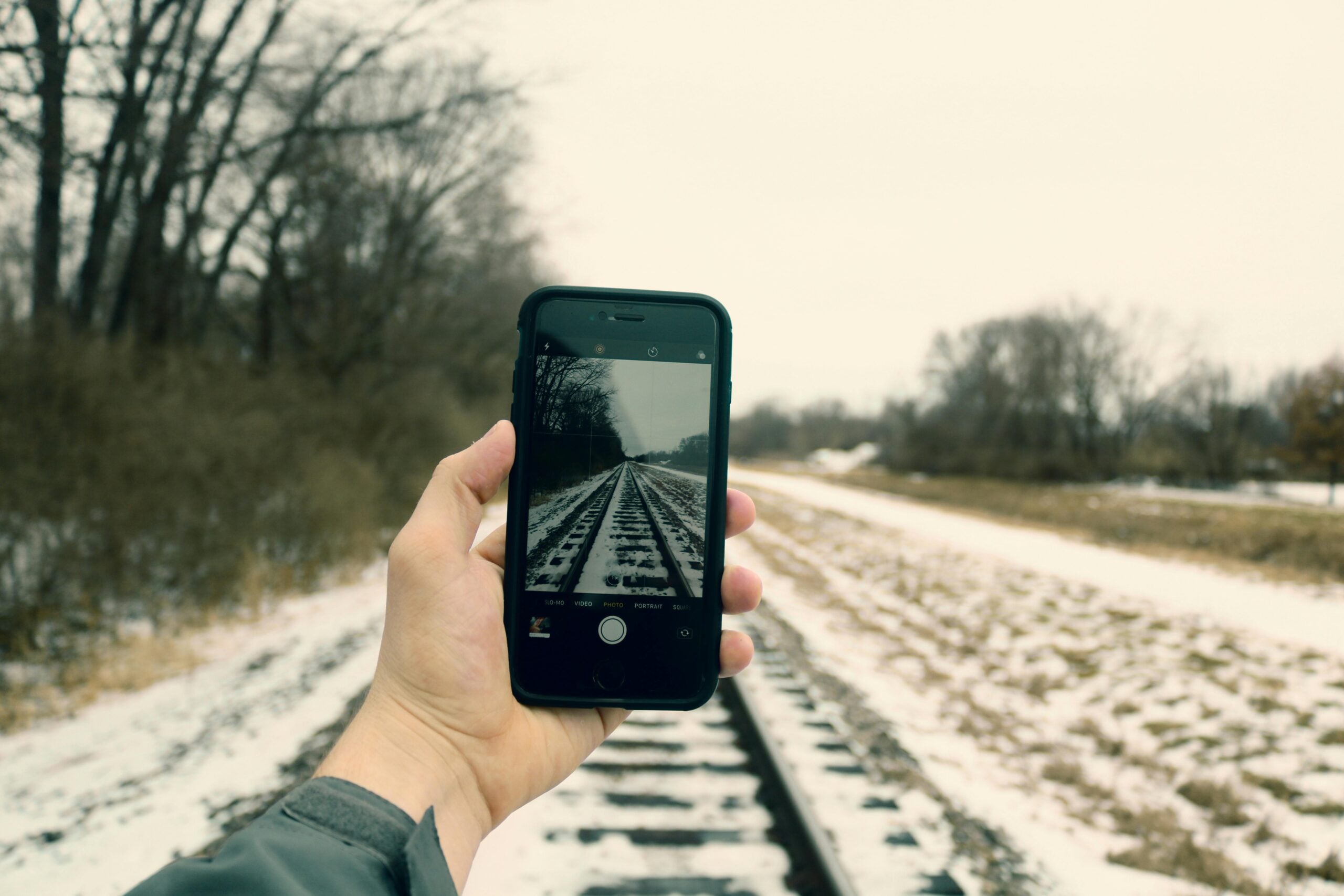
Editing files from an older phone also teaches restraint. Heavy-handed adjustments punish you immediately. Small tweaks, on the other hand, make a real difference.
This approach refined my editing across the board. I became aware of how little an image actually needs. Contrast adjustments became intentional. Color corrections are subtle. Editing stopped being a solution to weak images and became the finishing touch on images already strong at capture.
Convenience and Observation
Despite its limitations, the old iPhone excelled in one key area: convenience. It was always with me. No bag, setup, or deliberations about lenses or settings.
That accessibility encouraged spontaneous shooting. I noticed everyday light, reflections, fleeting shadows. These are moments that rarely justify pulling out a larger camera. You realize how many potential images are missed simply because using a camera feels like a commitment. When the barrier disappears, observation becomes effortless.

Confidence Comes From Skill
Perhaps the most important lesson was confidence. Shooting with an old phone strips away the illusion that better gear guarantees better images. When a photo works, it’s because of your choices.
That confidence carries over to everything else you shoot. You stop blaming equipment. You trust your instincts more. You focus on light, timing, and composition instead of specs and megapixels.
Using an old iPhone camera didn’t really just make me nostalgic. It actually made me more aware of the fact that photography isn’t about chasing upgrades. Taking photos is about learning to see, adapting to limitations, and making the most of what you already have. Sometimes, stepping back technologically is the clearest way to move forward creatively.
See more from DIYPhotography.net on Google
Add DIYPhotography.net as a trusted source. This makes
our stories more likely to appear in your Google Search results.
 Add as a preferred source on Google

Alysa Gavilan
Alysa Gavilan has spent years exploring photography through photojournalism and street scenes. She enjoys working with both film and mirrorless cameras, and her fascination with the craft has grown over the decades. Inspired by Vivian Maier, she is drawn to capturing everyday moments that often go unnoticed.
Related Posts
 30 lessons Leonardo da Vinci has taught me about photography, art, and life
 Latest industry survey shows growth of niche photography, self-taught photographers, and more
 Photographer Takes an iPhone 5s, iPhone 6, & iphone 6+ to Iceland: This Is How They Compared
 What shooting film taught me about black and white images
Join the Discussion
DIYP Comment Policy
Be nice, be on-topic, no personal information or flames.