





















Quick Guide to Soft Lighting: How to Get Dreamy, Flattering Shots Anywhere
Aug 19, 2025
Darlene Lleno
Darlene Lleno brings a unique perspective to DIY Photography as someone who grew up surrounded by camera gear but chose words over lenses. With five years of writing experience, she specializes in photography content that’s both technically informed and genuinely passionate. Growing up with a photographer twin brother meant camera talk was everyday conversation in her household. While he mastered capturing moments, Darlene discovered she preferred being the subject and the storyteller behind the scenes. As a travel enthusiast and mother of two, she understands the importance of preserving life’s precious moments. When not exploring new destinations or writing for DIY Photography, you’ll find her reading or tending to her garden. Her approach to photography writing is refreshingly authentic, she may not be behind the camera, but she knows exactly what it takes to help others capture the shots that matter most.
Share:
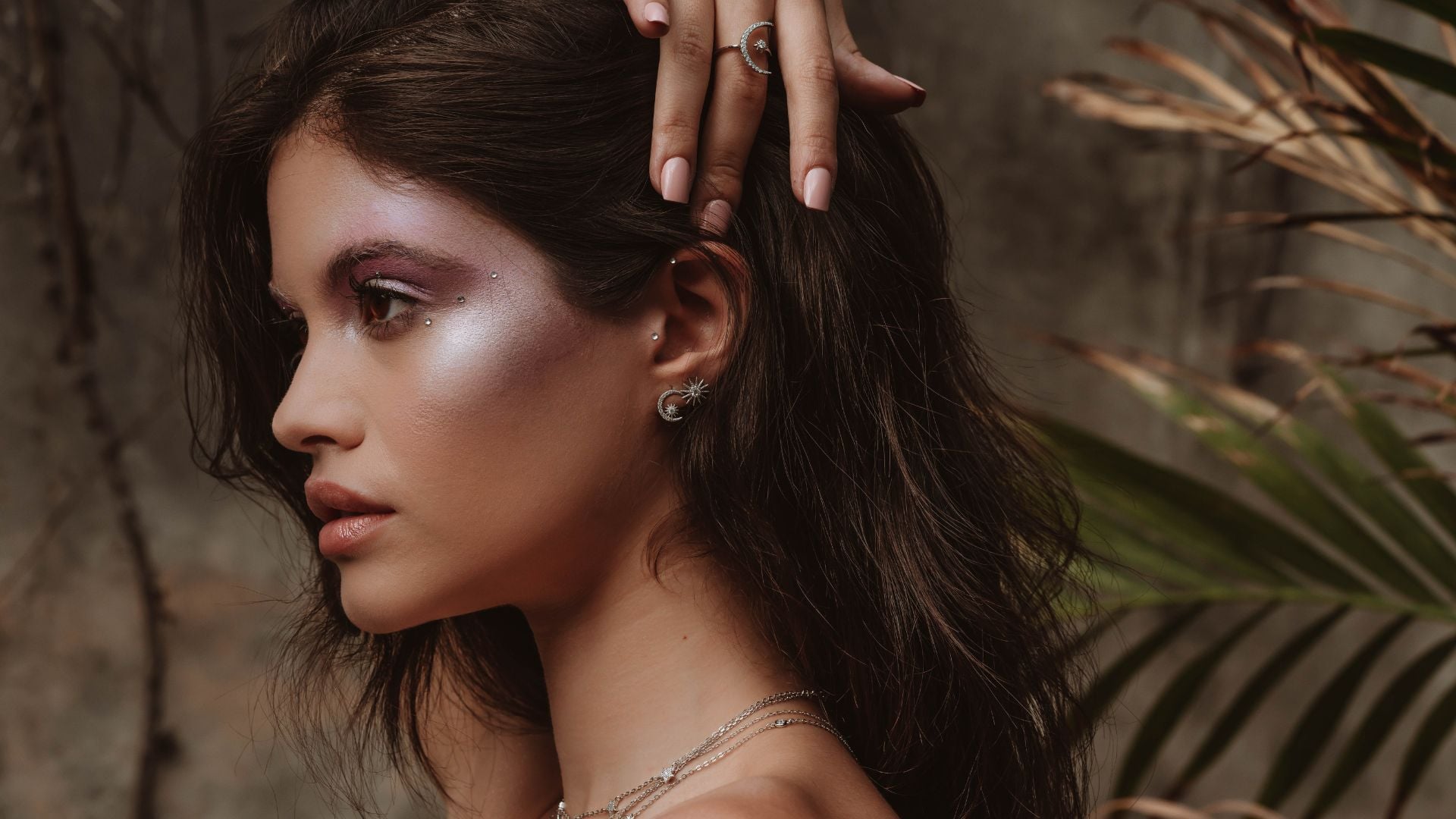
Getting great soft lighting doesn’t require a fancy studio or expensive gear. This technique flatters everyone by gently wrapping light around your subject like a warm hug. No more harsh shadows or squinting faces in your photos!
Ever wonder why some portraits just look effortlessly perfect? The secret is soft lighting. It smooths wrinkles, softens blemishes, and creates that dreamy glow we all love. Best of all, you can achieve it anywhere using simple items you already have at home.
The Science Behind Effective Soft Lighting
When it comes to soft light, the size of your light source matters far more than its power. A big window will always give you softer light than a tiny flash. Think of the sun: it’s massive, but from Earth it appears small, which is why it creates hard shadows. On cloudy days, the clouds act like a giant diffuser, scattering the light and making everything look softer.
Here’s what soft lighting does:
- Shadows blend gradually instead of forming sharp edges.
- Faces are evenly lit without distracting dark spots.
- Skin looks smoother and more flattering.
- Colors appear richer and more natural.
Distance plays a role too. Move your light source closer to your subject and the light gets softer. Pull it farther away and the shadows become harsher.
DIY Soft Lighting Techniques for Professional-Looking Indoor Photography
Your house probably has everything you need to create professional-quality soft lighting. These simple techniques turn everyday household items into powerful lighting tools—no extra spending required.
- Window Light as Natural Softbox
That large window in your living room is basically a free softbox. North-facing windows give you consistent light all day long. No direct sun means no harsh shadows. - Sheer Curtain Diffusers
Hanging a sheer curtain instantly transforms any window into a soft, even light source that flatters your subject. - Bedsheet Light Modifiers
A plain white bedsheet works just like an expensive diffusion panel. Hang it between your subject and the window for smooth, even illumination. - Mirror Fill Lighting
Your bathroom mirror can be a secret weapon for soft lighting. Position someone near a full-length mirror and watch how it bounces light back onto your subject, naturally filling in shadows and creating a balanced look.
How to Use Natural Soft Lighting in Outdoor Photography

Mother Nature provides some of the best soft lighting conditions when you know how to work with them. Here are the key outdoor scenarios that create naturally beautiful, flattering light for your portraits.
- Cloudy Days: Those clouds turn the entire sky into one massive softbox. The result is soft, even illumination that’s incredibly flattering for portraits.
- Open Shade: Find some open shade for instant soft lighting. Park your subject under a tree, building overhang, or any structure that blocks direct sunlight. You still get bright light from the sky, but without harsh shadows.
- Golden Hour Magic: About an hour before sunset, the sun sits lower and passes through more atmosphere.
- Backlit Portraits: Position your subject between you and the sun for gorgeous backlit portraits. The soft lighting wraps around them naturally.
Essential Equipment for Soft Lighting Photography
While you can achieve amazing results with natural light and DIY solutions, investing in proper equipment gives you more control and consistency. Here’s what makes the biggest difference for soft lighting setups.
- Softboxes: These attach to any flash and instantly improve your photos. They come in different sizes, and bigger ones create softer light. A 24-inch softbox handles headshots perfectly.
- Ring Lights: These create that unique, shadowless look you see in beauty photos. The circular design produces even lighting with cool catchlights in people’s eyes.
- LED Panels: These with diffusion covers give you continuous soft lighting. Unlike flash, you see exactly how the light hits your subject before taking the shot.
Common Soft Lighting Errors to Avoid
Even with the best setup, it’s easy to make soft lighting mistakes that flatten or distort your photos. Here are the most common issues photographers face and how to prevent them:
- Over-Softening the Light: Too much softness can make images look flat and lifeless. You need some contrast to create depth and visual interest. Try combining soft key lighting with a slightly harder fill or accent light for balance.
- Ignoring Background Lighting: Your beautifully lit subject might disappear into a dark background if you’re not careful. Coloring backgrounds with light creates the separation you need between subject and background.
- Color Temperature Conflicts: Mixing daylight from windows with warm indoor lights creates weird color casts. Stick to one type of light source or use gels to match them up.
Advanced Soft Lighting Techniques for Professional Results

Once you’ve mastered the basics, these advanced techniques will help you create more sophisticated and professional-looking soft lighting setups that stand out from the crowd.
- Light Flagging and Control: Flag your lights to control where the soft lighting goes. Black cards or fabric blocks unwanted light from hitting certain areas. Professional photographers rely on flagging and feathering techniques to shape light exactly where they want it.
- Multiple Light Sources: Use several soft light sources to create more complex and interesting lighting patterns. Set one as your main light and another for fill to add depth and dimension.
- Color Temperature Creative Effects: Add colored gels over your soft lights for mood and atmosphere in portraits. Warm gels create cozy, romantic feelings while cool gels suggest modern, clean environments. You can even recreate golden hour in a studio using the right combination of gels and positioning.
Achieving Professional Soft Lighting Results
Soft lighting transforms ordinary photos into professional-looking masterpieces. You don’t need expensive equipment to get started. Windows, bedsheets, and poster board can create stunning results when used correctly.
Start simple with window light and DIY diffusers. As you build confidence, experiment with multiple light sources and modifiers. Remember that soft lighting works best when balanced with some contrast.
Practice these techniques regularly and you’ll develop an eye for quality light. Soon you’ll instinctively know how to position your subject and modify your light sources for the most flattering results.
See more from DIYPhotography.net on Google
Add DIYPhotography.net as a trusted source. This makes
our stories more likely to appear in your Google Search results.
 Add as a preferred source on Google

Darlene Lleno
Darlene Lleno brings a unique perspective to DIY Photography as someone who grew up surrounded by camera gear but chose words over lenses. With five years of writing experience, she specializes in photography content that’s both technically informed and genuinely passionate. Growing up with a photographer twin brother meant camera talk was everyday conversation in her household. While he mastered capturing moments, Darlene discovered she preferred being the subject and the storyteller behind the scenes. As a travel enthusiast and mother of two, she understands the importance of preserving life’s precious moments. When not exploring new destinations or writing for DIY Photography, you’ll find her reading or tending to her garden. Her approach to photography writing is refreshingly authentic, she may not be behind the camera, but she knows exactly what it takes to help others capture the shots that matter most.
Related Posts
 Lightroom & Photoshop quick tip: how to pick a color from anywhere on your computer
 Loop Lighting Tutorial: Flattering Light for Any Face Shape
 The secret to those dreamy shallow depth of field shots in Army of the Dead was a 60-year-old Canon lens
 Five simple tricks to turn harsh sunlight into a nice, flattering light
Join the Discussion
DIYP Comment Policy
Be nice, be on-topic, no personal information or flames.
One response to “Quick Guide to Soft Lighting: How to Get Dreamy, Flattering Shots Anywhere”
Can you explain #2 & #4 in your list of what soft light does in more depth. Thanks.