





















The iPhone 18 Pro Is Finally Starting to Feel Like a Real Camera
Sep 14, 2026
Alysa Gavilan
Alysa Gavilan has spent years exploring photography through photojournalism and street scenes. She enjoys working with both film and mirrorless cameras, and her fascination with the craft has grown over the decades. Inspired by Vivian Maier, she is drawn to capturing everyday moments that often go unnoticed.
Share:
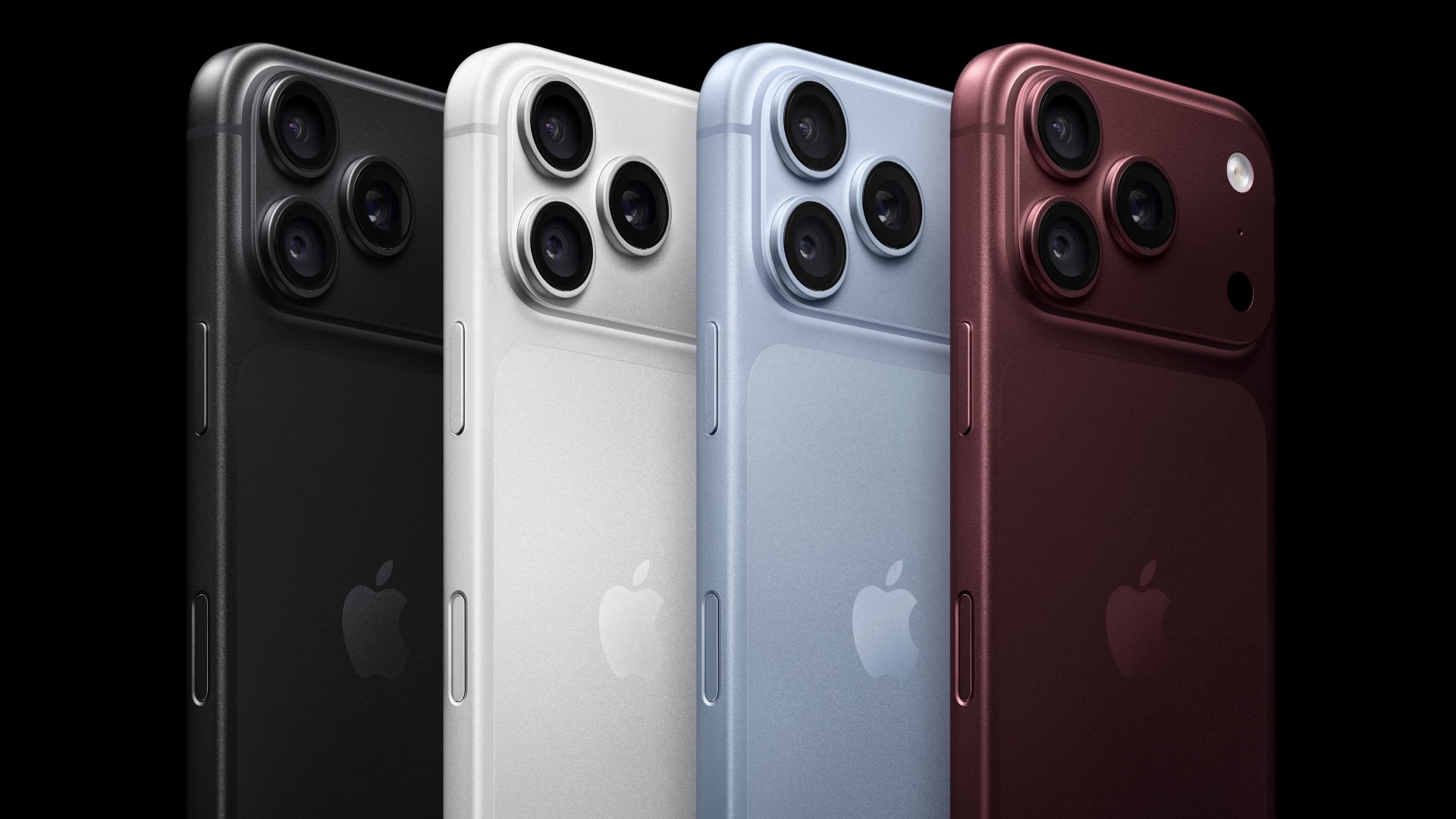
The iPhone 18 Pro arrives with the usual promises of better photos, faster performance, and longer battery life, but one camera upgrade deserves more attention than the rest. Apple has finally added variable aperture to the iPhone, alongside manual controls for aperture, shutter speed, white balance, and exposure.
For photographers, that makes the iPhone 18 Pro feel less like a point and shoot camera and more like a camera that is willing to get out of the way.
Apple announced the iPhone 18 Pro and iPhone 18 Pro Max earlier this month, with both models receiving the new camera system. The biggest change is the 48MP Fusion Main camera, which combines a new sensor with an adjustable aperture.
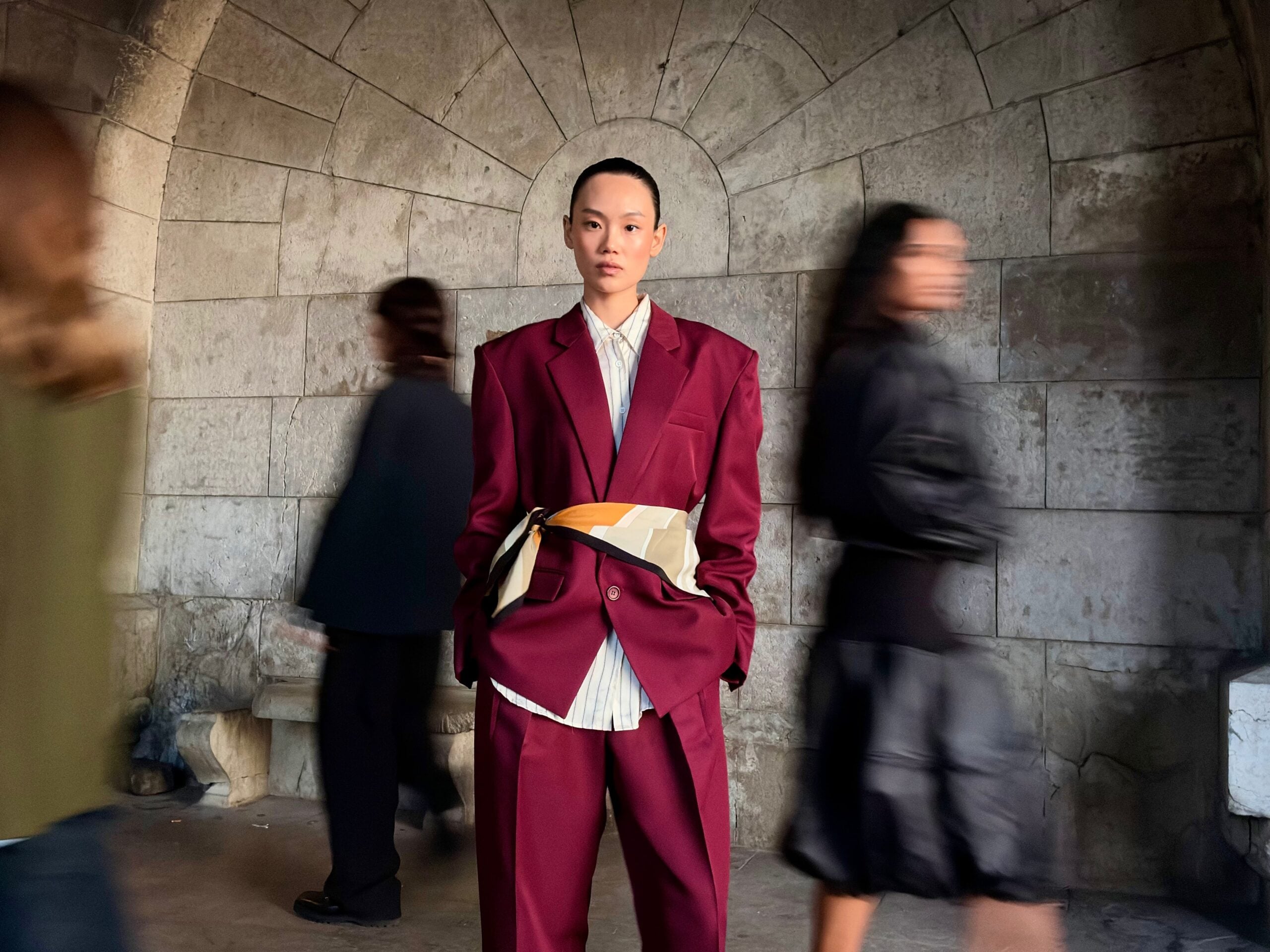
Variable aperture comes to the iPhone
Six laser cut blades inside the Main camera can move between four aperture settings. Apple says the system can automatically adjust aperture based on lighting and depth of field, but photographers can also select the aperture manually in the Camera app.
That gives the iPhone a creative control it has largely lacked compared with dedicated cameras.
Aperture affects more than exposure. It can change how much of a scene appears in focus and how the background is rendered. Having four settings means iPhone 18 Pro users can make that decision themselves instead of relying entirely on computational photography to determine the look.
Apple also says the new sensor improves image quality, including low light performance and detail toward the back of group photographs.
A new computational imaging pipeline is designed to produce sharper, more detailed images. Photographic Styles have also been expanded with controls for texture and grain, giving users more ways to change the appearance of an image after capture.
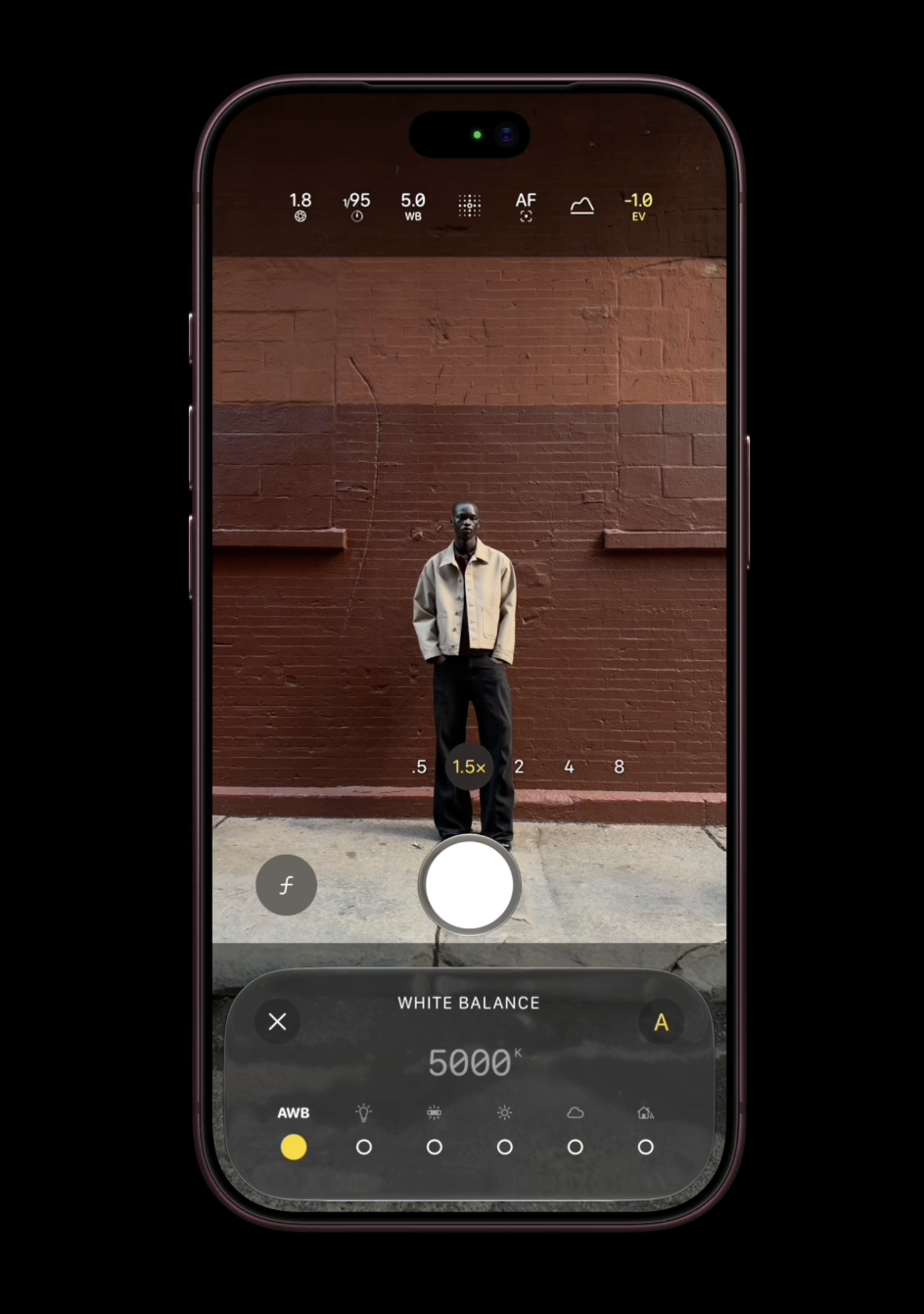
Apple adds real camera controls
The new Pro controls may be just as interesting for photographers who already shoot manually.
Users can adjust aperture, shutter speed and white balance directly in the Camera app. A histogram is also available to help assess exposure across a scene.
These are familiar tools on dedicated cameras, but putting them directly into Apple’s default camera interface could make manual shooting considerably more approachable for iPhone users.
Video gets some useful additions too. Cinematic effects can now be applied after recording to video captured at up to 60 frames per second. Time lapse recording can reach 4K with Dolby Vision HDR, while Audio Mix receives new algorithms designed to improve voices and isolate music.
The result is not simply another collection of automatic shooting features. Apple is giving users more opportunities to decide how an image or video should look.
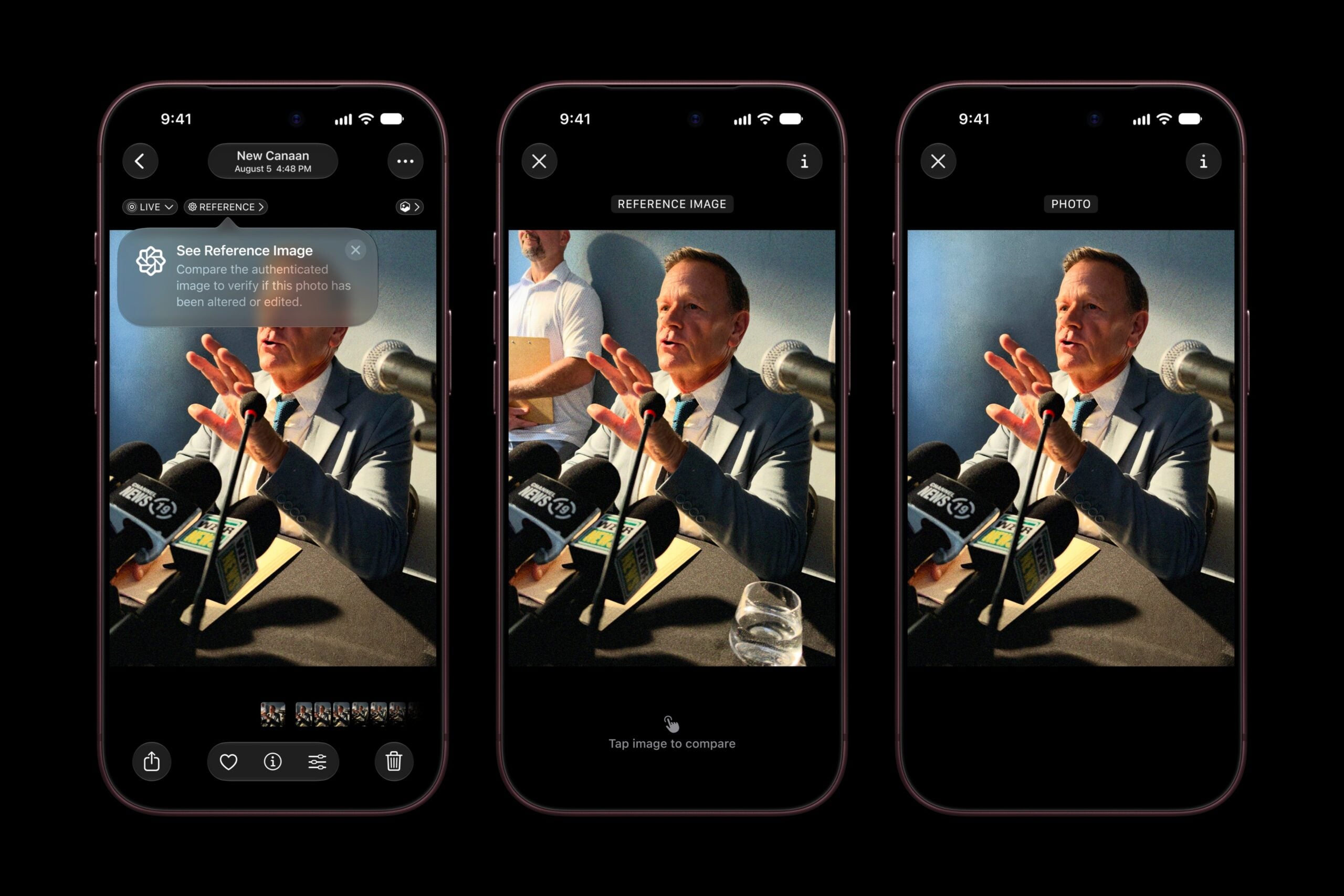
A camera designed to prove what it captured
Apple is also tackling a problem that has become increasingly important for photographers: knowing what is real.
The iPhone 18 Pro introduces Apple Reference Image, which uses the new Main camera sensor to sign the sensor data captured for a photograph. A reference image is then created through Private Cloud Compute and stored alongside the main photograph.
Apple describes it as a digital negative that can be used to compare the original reference with the edited image. The reference image is designed to remain unaltered, allowing viewers to identify changes made to the photograph.
Apple is also adding APIs for developers across iOS, iPadOS and macOS, while metadata and planned support for the SynthID standard will provide additional ways to identify images generated or altered using AI.
For photographers and photojournalists, that could ultimately prove more significant than another boost in resolution.
The iPhone 18 Pro is still a smartphone, but Apple is clearly pushing its camera closer to the territory occupied by dedicated cameras. And now that photographers have more control over what happens before they press the shutter, it will be interesting to see what they do with it.
See more from DIYPhotography.net on Google
Add DIYPhotography.net as a trusted source. This makes
our stories more likely to appear in your Google Search results.
 Add as a preferred source on Google

Alysa Gavilan
Alysa Gavilan has spent years exploring photography through photojournalism and street scenes. She enjoys working with both film and mirrorless cameras, and her fascination with the craft has grown over the decades. Inspired by Vivian Maier, she is drawn to capturing everyday moments that often go unnoticed.




Join the Discussion
DIYP Comment Policy
Be nice, be on-topic, no personal information or flames.