



















Easily Make Your Photos More Cinematic with These 7 Hacks (No Blue/Teal Presets Required!)
Aug 5, 2025
Alex Baker
Alex Baker is a portrait and lifestyle driven photographer based in Valencia, Spain. She works on a range of projects from commercial to fine art and has had work featured in publications such as The Daily Mail, Conde Nast Traveller and El Mundo, and has exhibited work across Europe
Share:
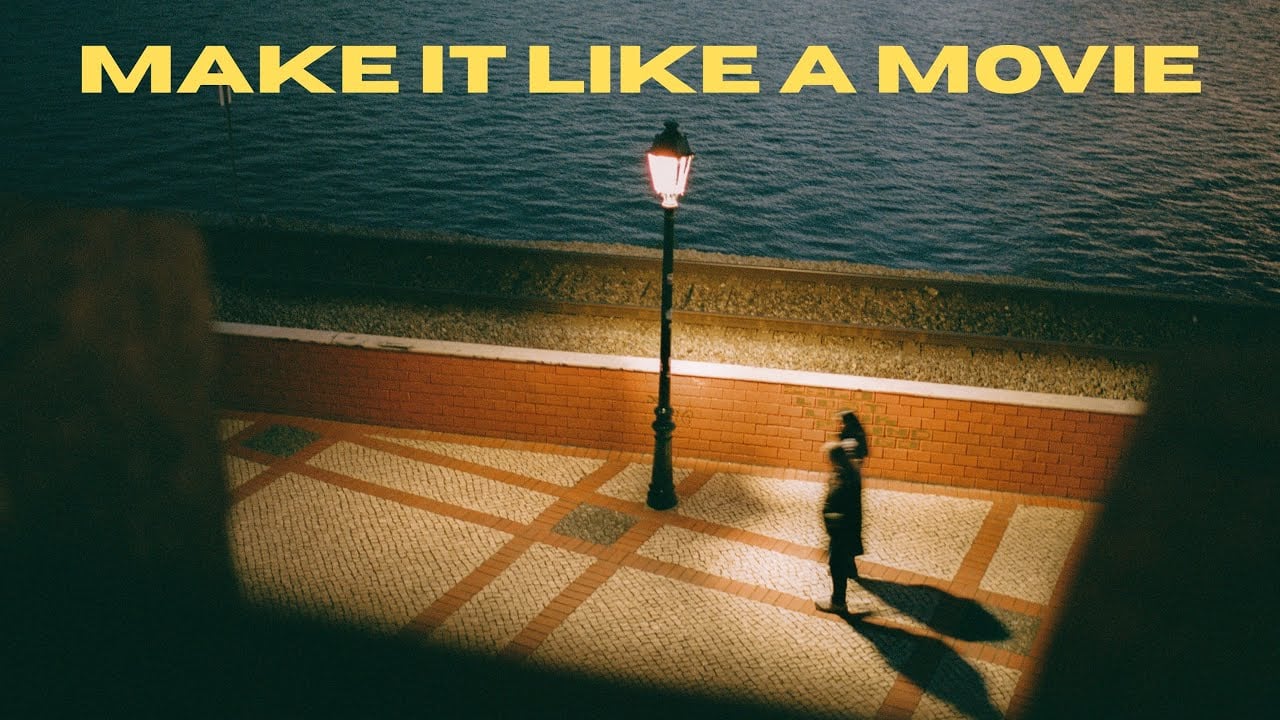
If you’ve ever wanted your photos to look like stills from a movie, you’re not alone. The word cinematic gets thrown around a lot and has become a bit of a catchword. But what does ‘cinematic’ actually mean anyway?
According to photographer and filmmaker Max Kent, cinematic photography is more than just about teal-and-orange presets or shooting with a shallow depth of field. True cinematic photography comes from understanding how cinematographers craft their shots by using light, depth, and storytelling to create striking, three-dimensional images. Here are Max’s essential tips for shooting more cinematically.
1. Don’t Obsess Over Shallow Depth of Field
When photographers first get their hands on a fast lens, they often shoot everything wide open, creating that dreamy, blurred-background look. However, while shallow depth of field can be effective, Max argues that it’s the least interesting way to create depth.
“Depth is about making an image feel three-dimensional, like you could step into it. That’s the difference between watching a movie and watching the news.”
How to Create Depth Without Relying on Blur
Cinematographers use layers of light and shadow to build depth. A classic technique is lighting a subject so that one side of their face is illuminated while the other falls into shadow, creating dimension. The background might then alternate between light and dark areas, reinforcing the sense of space.
Practical Tip:
- Avoid shooting in harsh midday sun, it tends to flatten everything.
- Shoot during golden hour or blue hour (just after sunrise or before sunset) when the light is softer and comes from a lower angle.
- If indoors, position your subject near a window to create natural contrast.
- A good rule of thumb: shoot from the shadow side of your subject, with light hitting them from behind or the side.
2. Soft Light Is Your Best Friend
Cinematic images often have a soft, diffused quality, think of the dreamy glow in a Wes Anderson film or the moody ambience of a noir thriller. Harsh, direct light rarely looks cinematic unless it’s used deliberately for dramatic effect.
“Not all light is created equal. Soft light gives photos that beautiful, ethereal vibe.
How to Find (or Create) Soft Light
- Golden hour & blue hour provide naturally diffused light.
- Overcast days act like a giant softbox, eliminating harsh shadows.
- If shooting indoors, use window light or diffuse artificial light with a white sheet or a reflector.
- For portraits, position your subject so the light wraps around them gently.
Pro Tip: Mist and fog can add texture and atmosphere, making even simple scenes feel cinematic.
3. Tell a Story With Your Subject
The most cinematic shots (whether in photography or film) make the viewer ask questions. Who is this person? Where are they going? What’s happening just outside the frame?
“Cinema is about story. You can have the most beautiful lighting in the world, but if there’s no story, it’s just a pretty picture.”
4. How to Add Narrative to Your Photos
- Focus on a compelling subject—a person, an object, or even a small detail that hints at a larger scene.
- Use composition to create intrigue—shoot through doorways, include leading lines, or leave negative space to suggest something unseen.
- Capture emotion or movement—a fleeting glance, a hand reaching for something, a figure walking into the distance.
5. Don’t Overvalue Color Grading
Max points out the common misconception that cinematic equals teal and orange color grading. In reality, cinematography colours vary wildly depending on the story and style. The colour grade can enhance, but it won’t suddenly make a flat, uninteresting shot cinematic. It’s actually the subject, depth, and lighting that matter most.
“Shooting cinematically doesn’t automatically mean your photos will be amazing, but it’s a powerful tool to have. And when you combine it with your own creativity, that’s when the magic happens,” says Max. It’s all about light, depth, and storytelling. By mastering these three elements, you’ll start seeing your photos transform from flat snapshots into images that feel alive.
Watch the whole video below:
See more from DIYPhotography.net on Google
Add DIYPhotography.net as a trusted source. This makes
our stories more likely to appear in your Google Search results.
 Add as a preferred source on Google

Alex Baker
Alex Baker is a portrait and lifestyle driven photographer based in Valencia, Spain. She works on a range of projects from commercial to fine art and has had work featured in publications such as The Daily Mail, Conde Nast Traveller and El Mundo, and has exhibited work across Europe
Related Posts
 The moon landing couldn’t have been faked because the required lighting gear simply didn’t exist
 Canon’s new SPAD sensor shoots high quality colour images using 1/10th the light required by a CMOS sensor
 No card reader required – The X-Driver is a CFexpress card with a built-in Type-C USB plug
 Make Digital Film Box Reminder Tabs – No Batteries Required – Using E-Paper Displays
Join the Discussion
DIYP Comment Policy
Be nice, be on-topic, no personal information or flames.