


















Hubble Completes 200,000 Orbits Around Earth After 36 Years in Space
Oct 1, 2026
Soumyadeep Mukherjee
Soumyadeep Mukherjee is an award-winning astrophotographer from India. He has a doctorate degree in Linguistics. His work extends to the sub-genres of nightscape, deep sky, solar, lunar and optical phenomenon photography. He is also a photography educator and has conducted numerous workshops. His works have appeared in over 40 books & magazines including Astronomy, BBC Sky at Night, Sky & Telescope among others, and in various websites including National Geographic, NASA, Forbes. He was the first Indian to win “Astronomy Photographer of the Year” award in a major category.
Share:
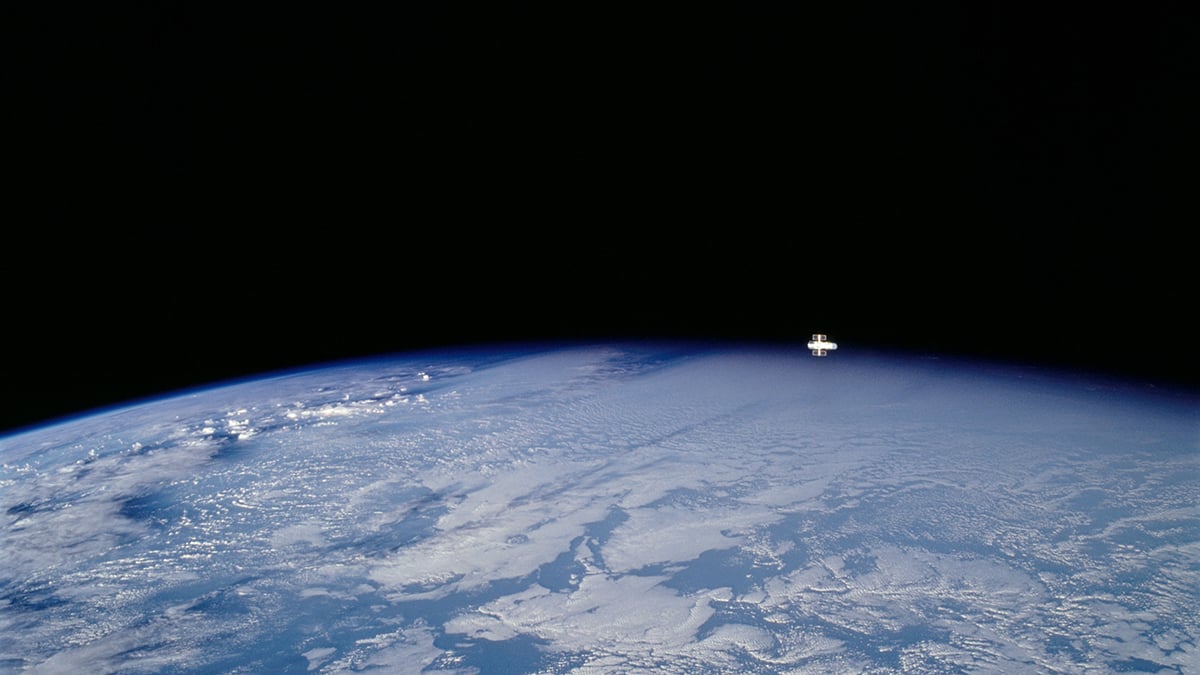
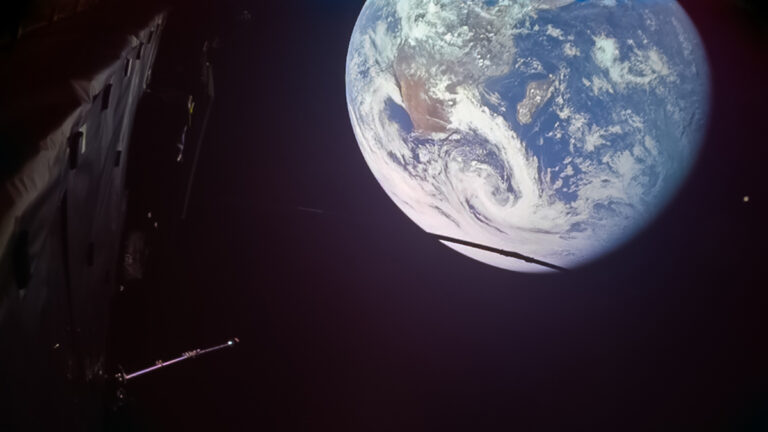
On September 19, 2026, NASA’s Hubble Space Telescope completed a trip around Earth. This one was really special. Hubble completed its 200,000th orbit around Earth after more than 36 years in space. During this long period, the telescope has travelled more than 5 billion miles (8 billion kilometers) and made more than 1.7 million observations of the universe.
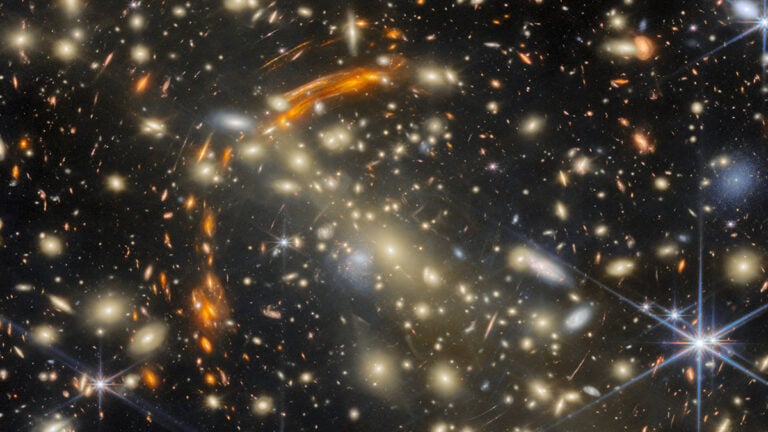
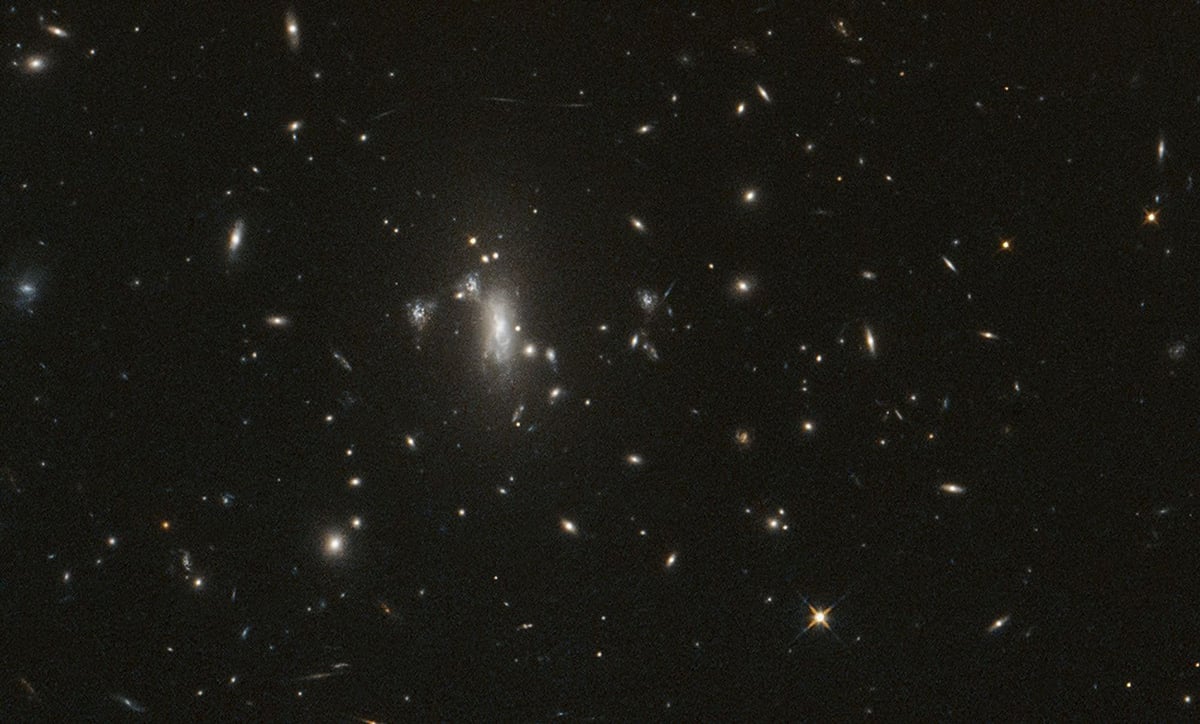
The milestone was achieved during a working observation. Hubble was studying the galaxy cluster MACS J0417, where astronomers are watching for another appearance of a distant supernova called Athena.
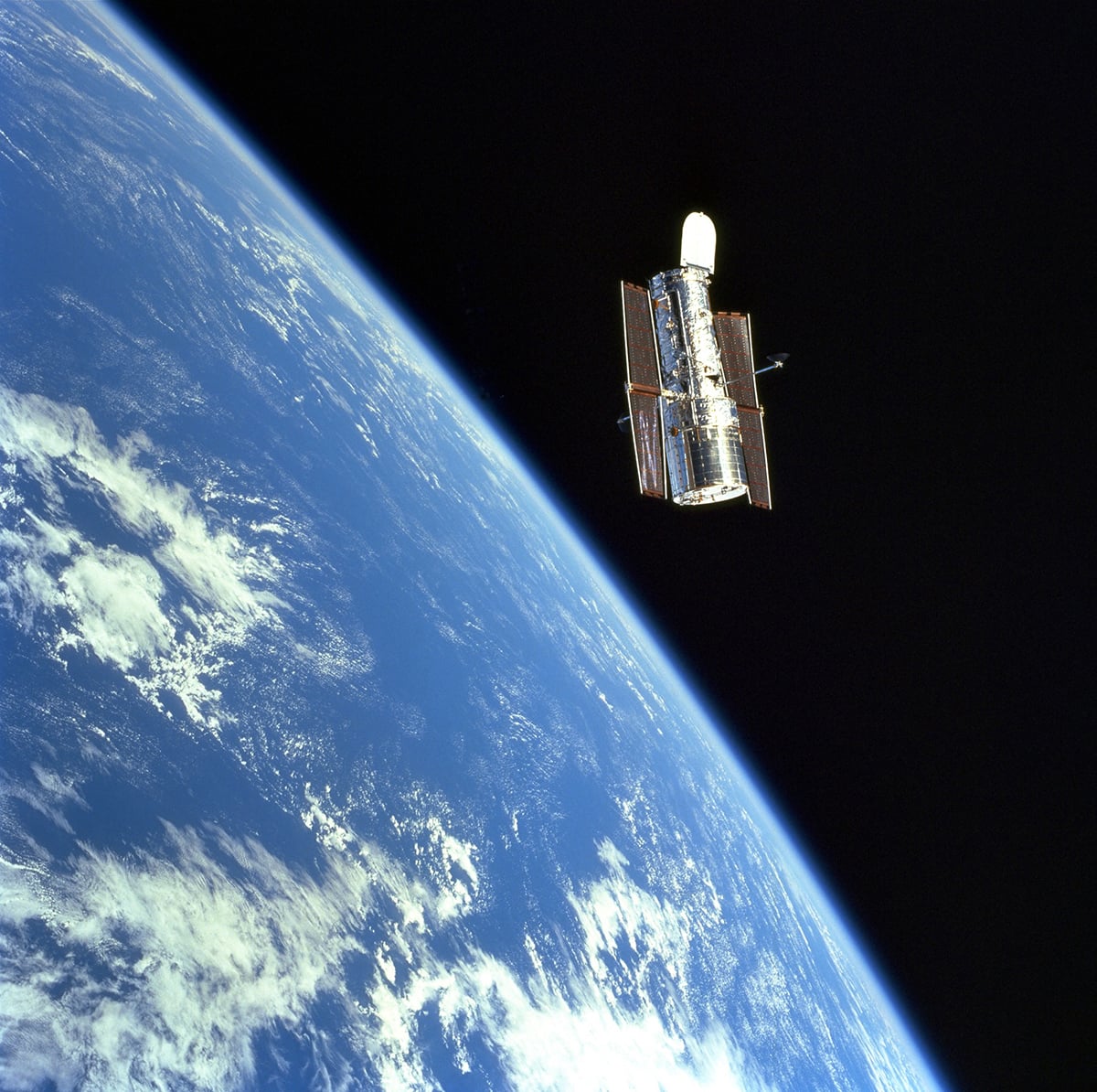
The telescope has spent 36 years circling Earth
Hubble operates in low Earth orbit, about 300 miles (483 kilometers) above the surface. It travels at around 17,000 miles per hour (27,000 kilometers per hour), completing one orbit in about 95 minutes. This speed gives the telescope roughly 15 trips around Earth every day.
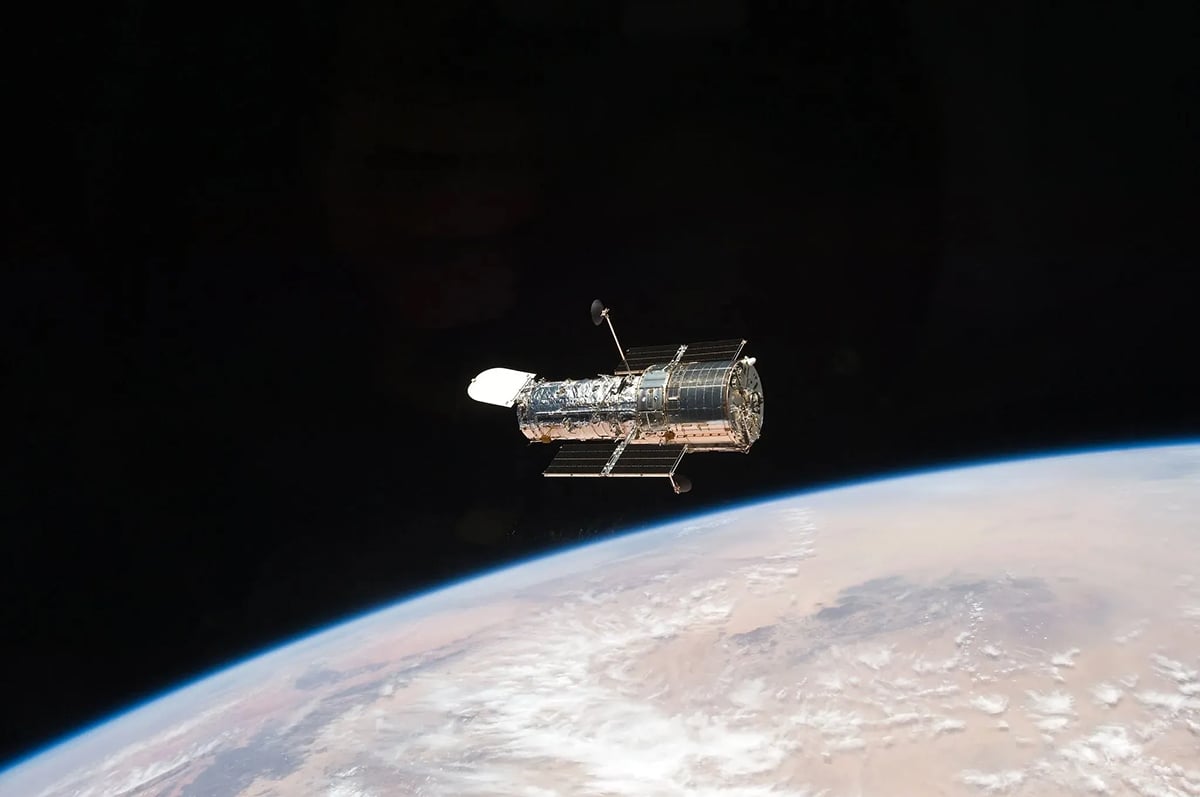
The telescope’s location above the atmosphere is one of its biggest advantages. Earth’s atmosphere absorbs some wavelengths of light and distorts the light that reaches the ground. Hubble avoids that turbulence and can observe ultraviolet, visible, and near-infrared light.
Its 2.4-metre primary mirror gathers far more light than the human eye can collect. Hubble also needs to keep itself extremely steady while it observes faint objects. NASA‘s current figures put Hubble’s total distance travelled at more than 5 billion miles.
Hubble’s initial years were not easy
NASA launched the Hubble Space Telescope aboard Space Shuttle Discovery on April 24, 1990. Engineers expected Hubble to provide sharp images from above the atmosphere. Its first images, however, revealed a serious optical problem.
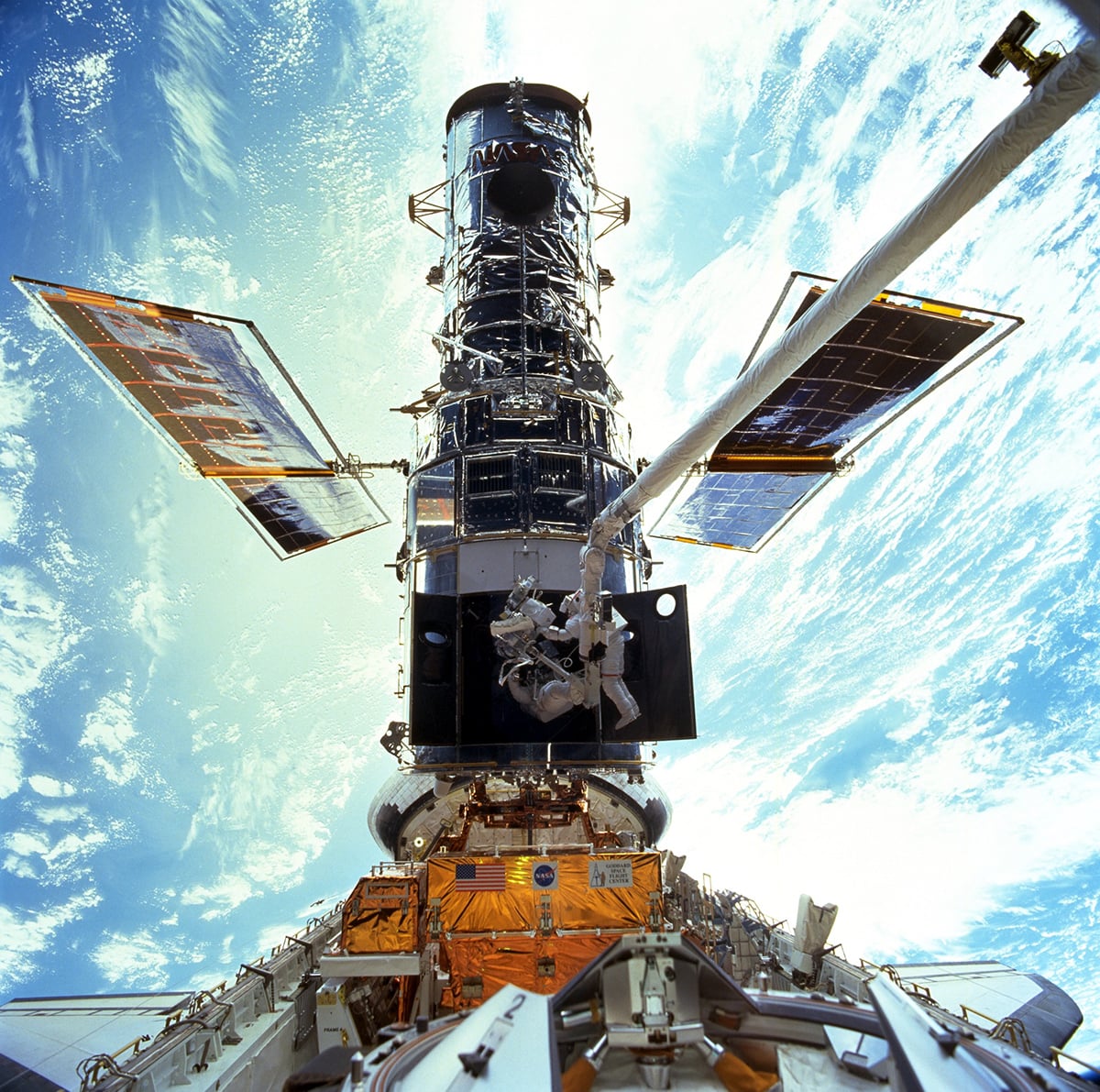
The primary mirror had the wrong shape. The error was tiny by everyday standards, but it became enormous for a telescope designed to resolve distant objects. NASA and its partners prepared a repair mission, and astronauts reached Hubble in December 1993. They installed corrective optics and replaced several other components during the mission.
Across five servicing missions, crews replaced ageing hardware and installed newer scientific instruments. The upgrades included the Wide Field Camera 3, installed during the final servicing mission in 2009, which became one of the observatory’s major imaging instruments. Astronauts also installed the Cosmic Origins Spectrograph during the mission.
Hubble has made more than 1.7 million observations
According to NASA, Hubble has made more than 1.7 million scientific observations. Those observations cover a huge range of astronomical targets, from objects in our Solar System to galaxies seen as they existed billions of years ago.
Hubble has watched planets and moons in our own Solar System. It has examined stars as they form and die. It has studied galaxies at different stages of their evolution and helped astronomers investigate the expansion of the universe.
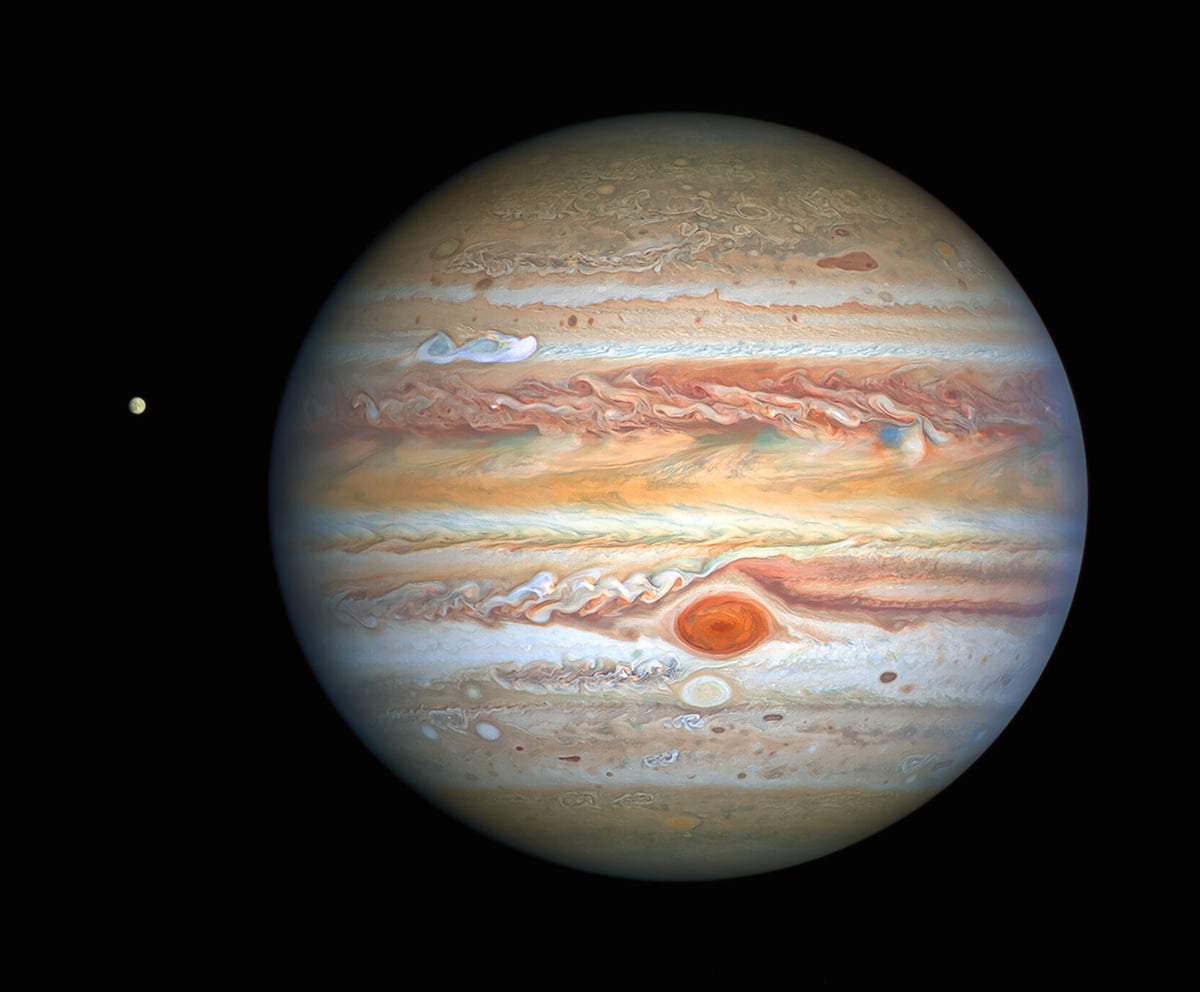
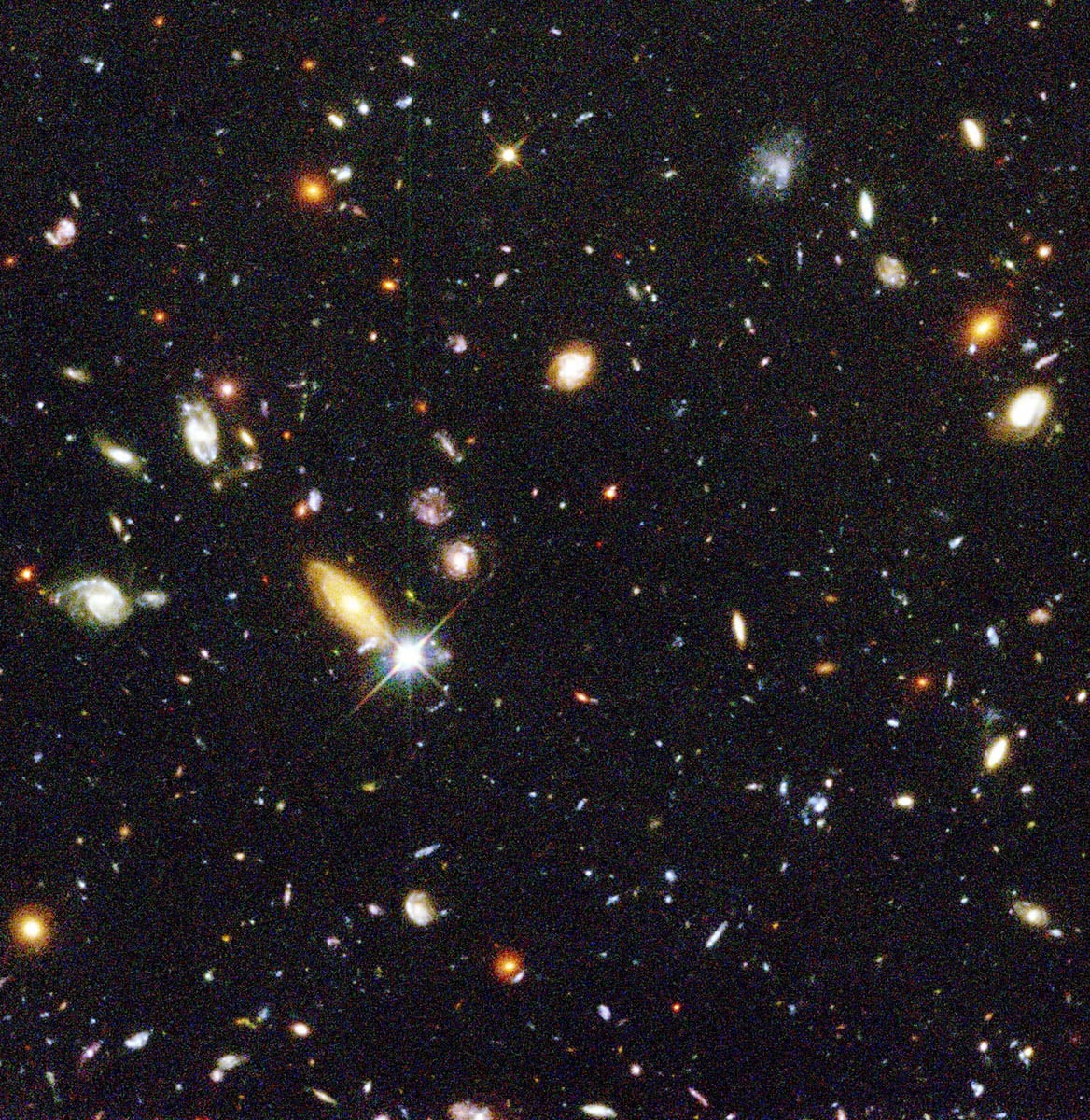
Some observations became famous because of their images. The Hubble Deep Field, for example, pointed the telescope at a small region of the sky and revealed thousands of distant galaxies. Other Hubble images showed enormous clouds of gas and dust where new stars are forming.
More than 23,000 peer-reviewed science papers have used Hubble data. Through 2024, those papers had accumulated around 1.4 million citations. About 29,000 astronomers have contributed to papers based on Hubble observations.
Hubble is watching for a reappearing supernova
Hubble reached its milestone while observing MACS J0417, a massive galaxy cluster that sits in the foreground of a much more distant region of space. The cluster’s enormous mass bends light travelling behind it. Astronomers call this gravitational lensing.
NASA’s James Webb Space Telescope discovered a supernova called Athena in 2025. The explosion occurred in a distant galaxy behind MACS J0417. The cluster bends Athena’s light along different paths, so the same supernova can appear at different times.
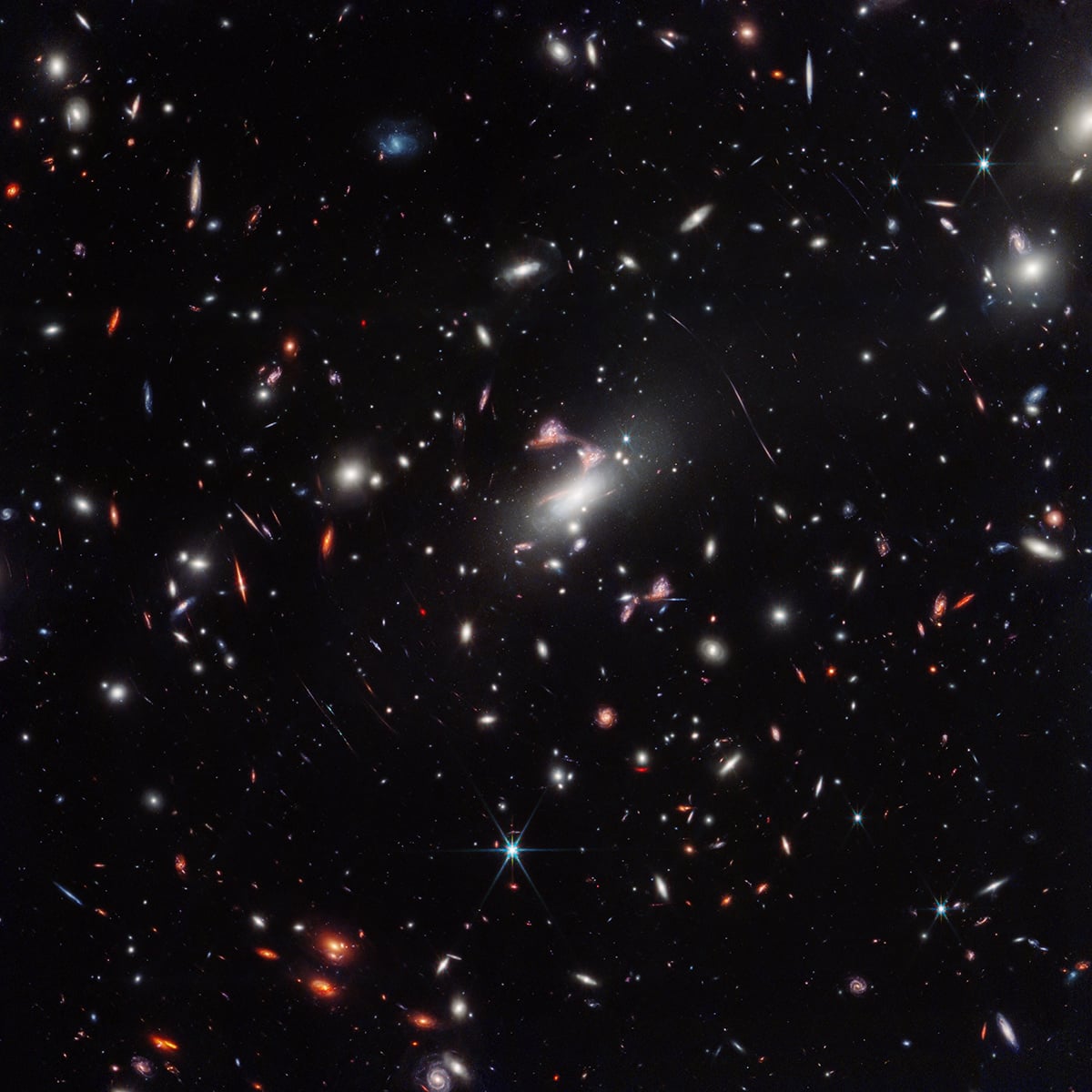
NASA expects Athena to reappear sometime between now and early March 2027. The exact timing depends on the different paths the light takes through the cluster’s gravitational field.
If Hubble catches the next appearance, astronomers can compare its timing with earlier observations. That information can help them build a better picture of how mass is distributed inside MACS J0417.
Clear skies!
See more from DIYPhotography.net on Google
Add DIYPhotography.net as a trusted source. This makes
our stories more likely to appear in your Google Search results.
 Add as a preferred source on Google

Soumyadeep Mukherjee
Soumyadeep Mukherjee is an award-winning astrophotographer from India. He has a doctorate degree in Linguistics. His work extends to the sub-genres of nightscape, deep sky, solar, lunar and optical phenomenon photography. He is also a photography educator and has conducted numerous workshops. His works have appeared in over 40 books & magazines including Astronomy, BBC Sky at Night, Sky & Telescope among others, and in various websites including National Geographic, NASA, Forbes. He was the first Indian to win “Astronomy Photographer of the Year” award in a major category.



Join the Discussion
DIYP Comment Policy
Be nice, be on-topic, no personal information or flames.