



















Historic Photographs That Shaped Photography and Sold for Millions
Jan 22, 2026
Alysa Gavilan
Alysa Gavilan has spent years exploring photography through photojournalism and street scenes. She enjoys working with both film and mirrorless cameras, and her fascination with the craft has grown over the decades. Inspired by Vivian Maier, she is drawn to capturing everyday moments that often go unnoticed.
Share:
I have been reading lately a lot about historic photographs being auctioned left and right, from rare prints of Oscar Wilde to iconic space photos that quietly reshaped visual history. That sent me down a familiar rabbit hole. Historic photographs, after all, have a way of capturing moments, moods, and personalities that feel timeless.
Some of these prints, created decades or even over a century ago, have found their way to the auction block and sold for eye-popping sums. The fascinating part is that these images were made by photographers whose work shaped the very language of photography.
Their stories, techniques, and influence are part of why collectors value original prints so highly.
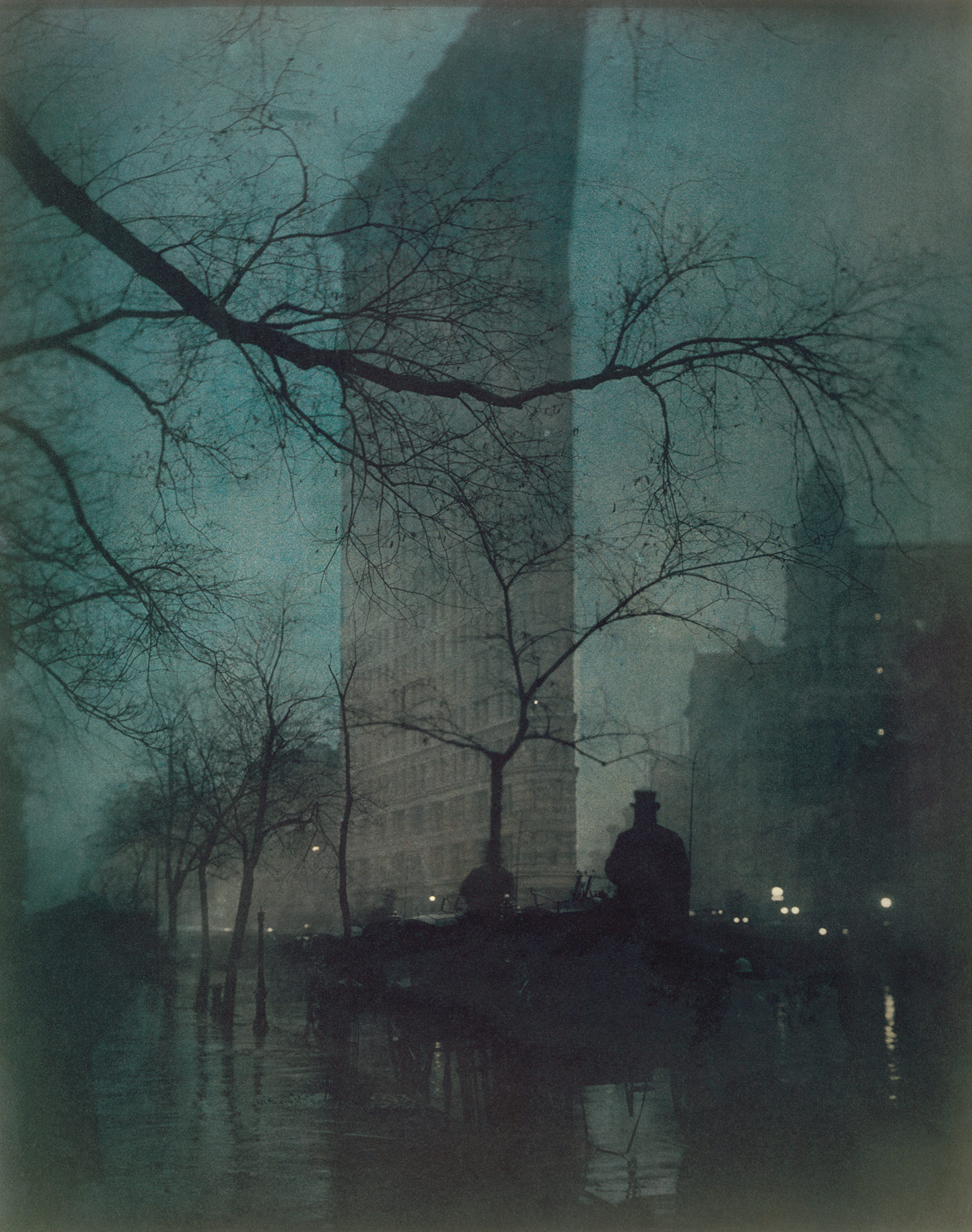
Edward Steichen, The Flatiron (1904)
Edward Steichen was already experimenting with photography as an art form when he captured The Flatiron, one of the most iconic images of New York City.
Using the gum bichromate process, he created a soft, almost painterly effect that emphasized atmosphere over sharp detail. The photograph shows the Flatiron Building emerging through mist and evening light, a testament to Steichen’s interest in capturing mood and structure simultaneously.
In 2022, one of the only known vintage prints sold at Christie’s for around $11.8 million, demonstrating how early photographic experiments became highly prized.
Steichen’s career spanned fashion, portraiture, and modernist photography, and he later became the director of photography at MoMA, cementing his influence on generations of photographers.
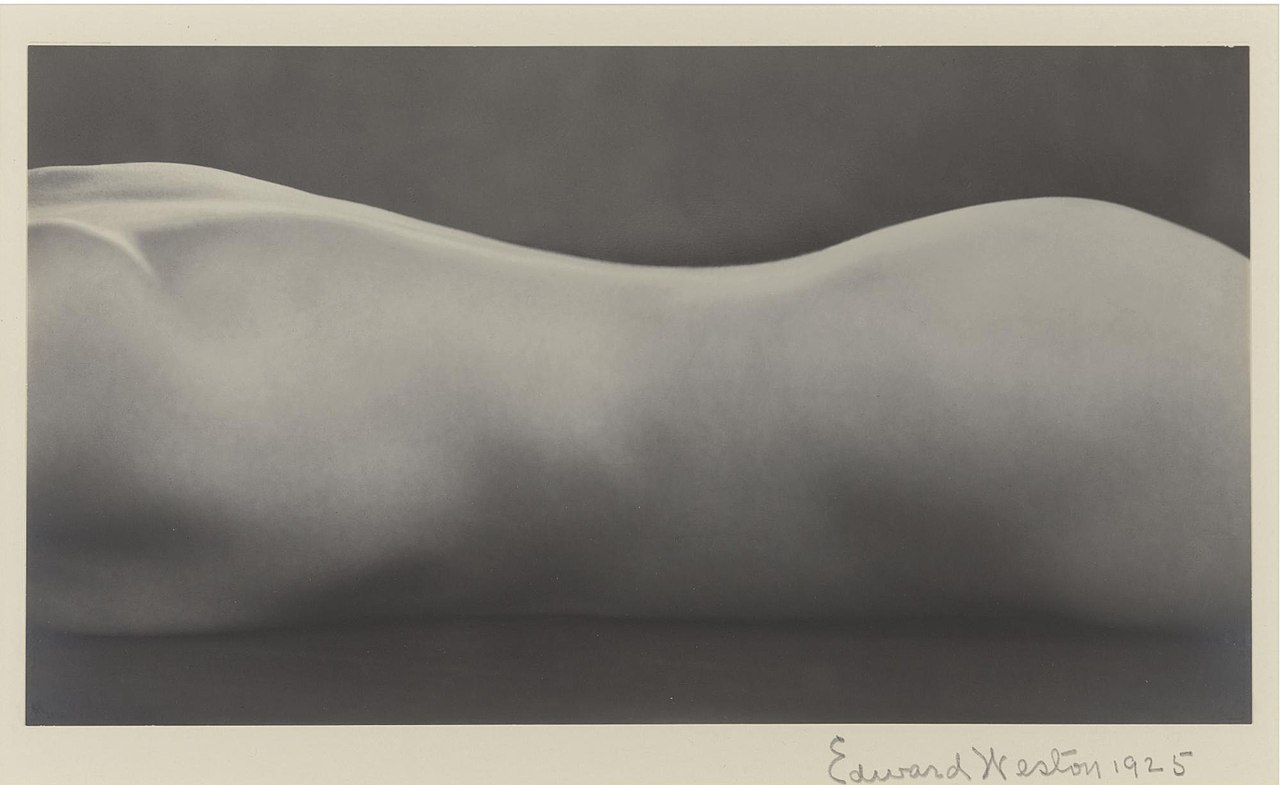
Edward Weston, Nude (1925)
Edward Weston’s work is celebrated for its precision and exploration of natural forms.
In this 1925 nude, the human body is abstracted into a study of curves and shadows, emphasizing form rather than identity. Weston’s sharp contrasts and careful composition demonstrate his mastery of light and texture.
A vintage print sold at Sotheby’s in 2008 for about $1.6 million. Weston’s influence on modernist photography was immense, particularly in shaping the American approach to fine art nudes and still life. His work shows how simplicity and clarity can carry immense visual and emotional impact.
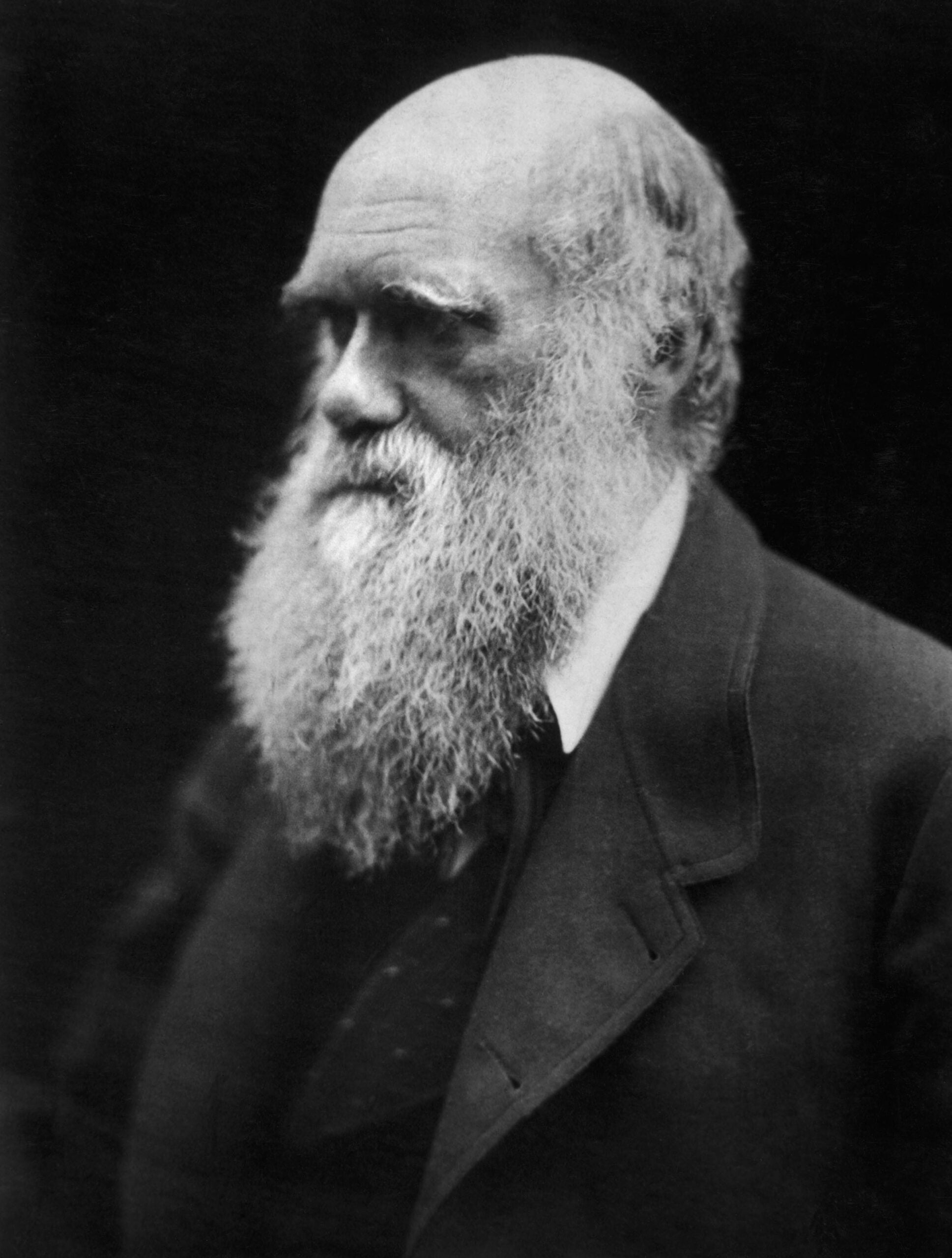
Julia Margaret Cameron, Portrait of Charles Darwin (1868)
Cameron’s soft-focus portraits were considered unconventional at the time, emphasizing emotion and character over strict realism.
Her portrait of Charles Darwin shows a scientist in contemplative repose, lit dramatically to highlight expression and texture. Cameron often worked with friends and notable figures, creating images that felt deeply personal yet formally ambitious.
Sotheby’s recorded a sale of a vintage print for over $400,000. Cameron’s legacy is her ability to infuse photography with artistry and empathy, influencing portrait photography for decades.
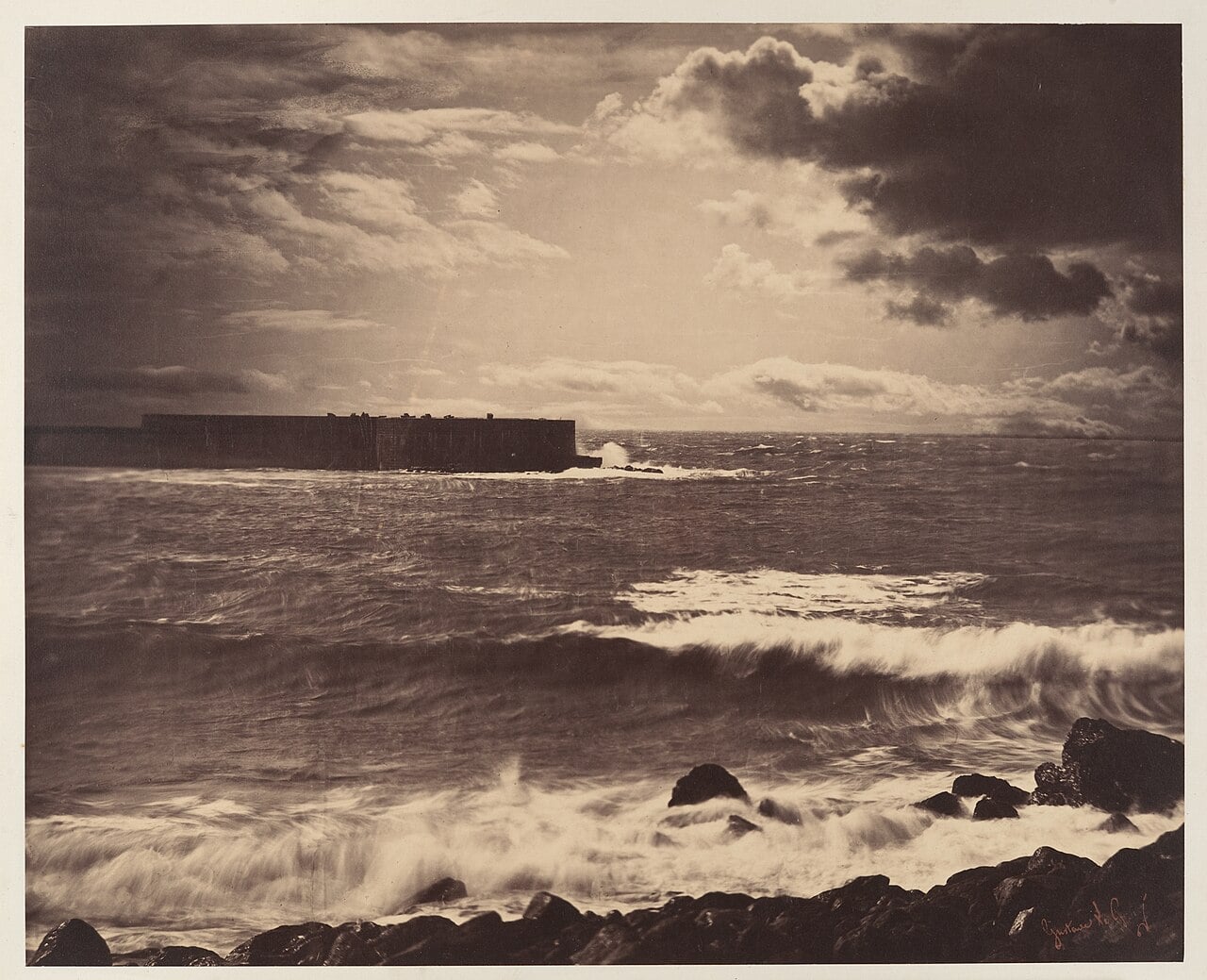
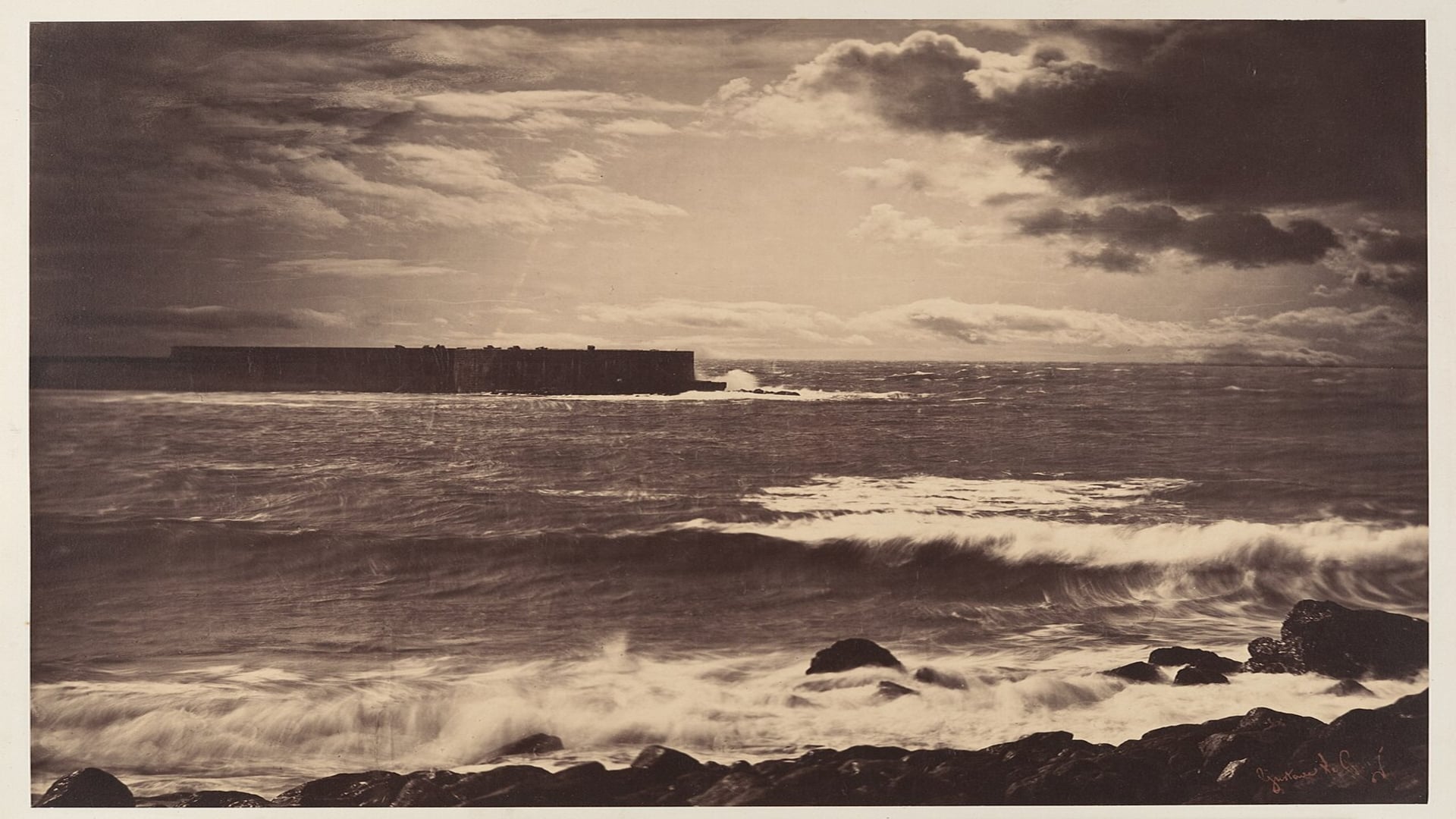
Gustave Le Gray, The Great Wave, Sète (1857)
Le Gray was a technical innovator, experimenting with combination printing to handle the extremes of sky and water in a single image.
The Great Wave demonstrates his mastery of detail, contrast, and the motion of water, creating one of the nineteenth century’s most remarkable seascapes.
A vintage print sold for more than $800,000 at auction in 1999. Le Gray’s work laid the groundwork for photographic innovation, combining aesthetics and technical problem-solving in ways that remain instructive to photographers today.
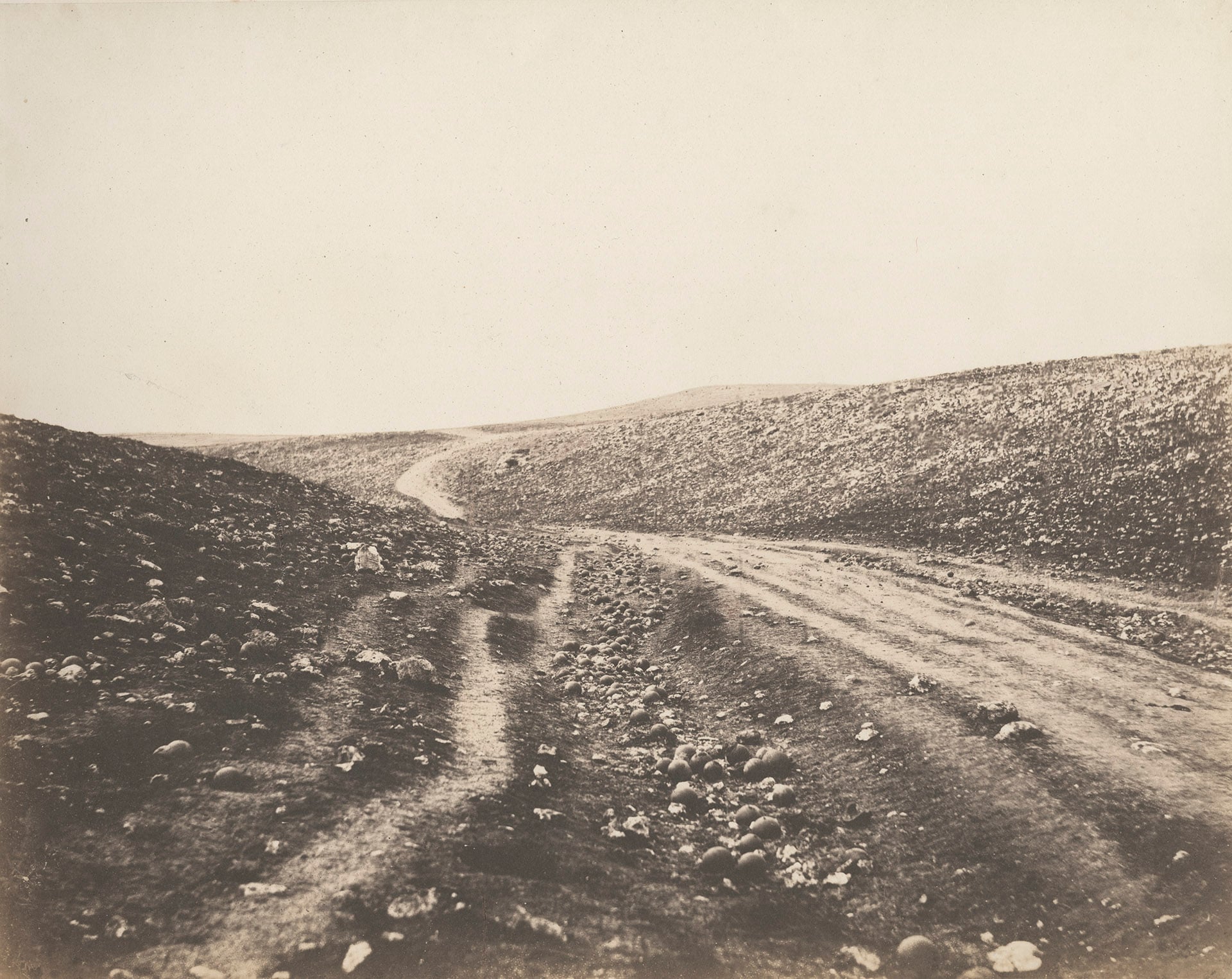
Roger Fenton, Valley of the Shadow of Death (1855)
Fenton’s Crimean War images were among the first to document conflict using photography.
This haunting photograph of a road littered with cannonballs conveys absence and menace without showing soldiers, relying entirely on composition and context.
At auction, one of Fenton’s prints sold for over $100,000. He played a pioneering role in war photography, balancing the documentary impulse with compositional care, demonstrating that even early reportage could be visually compelling.
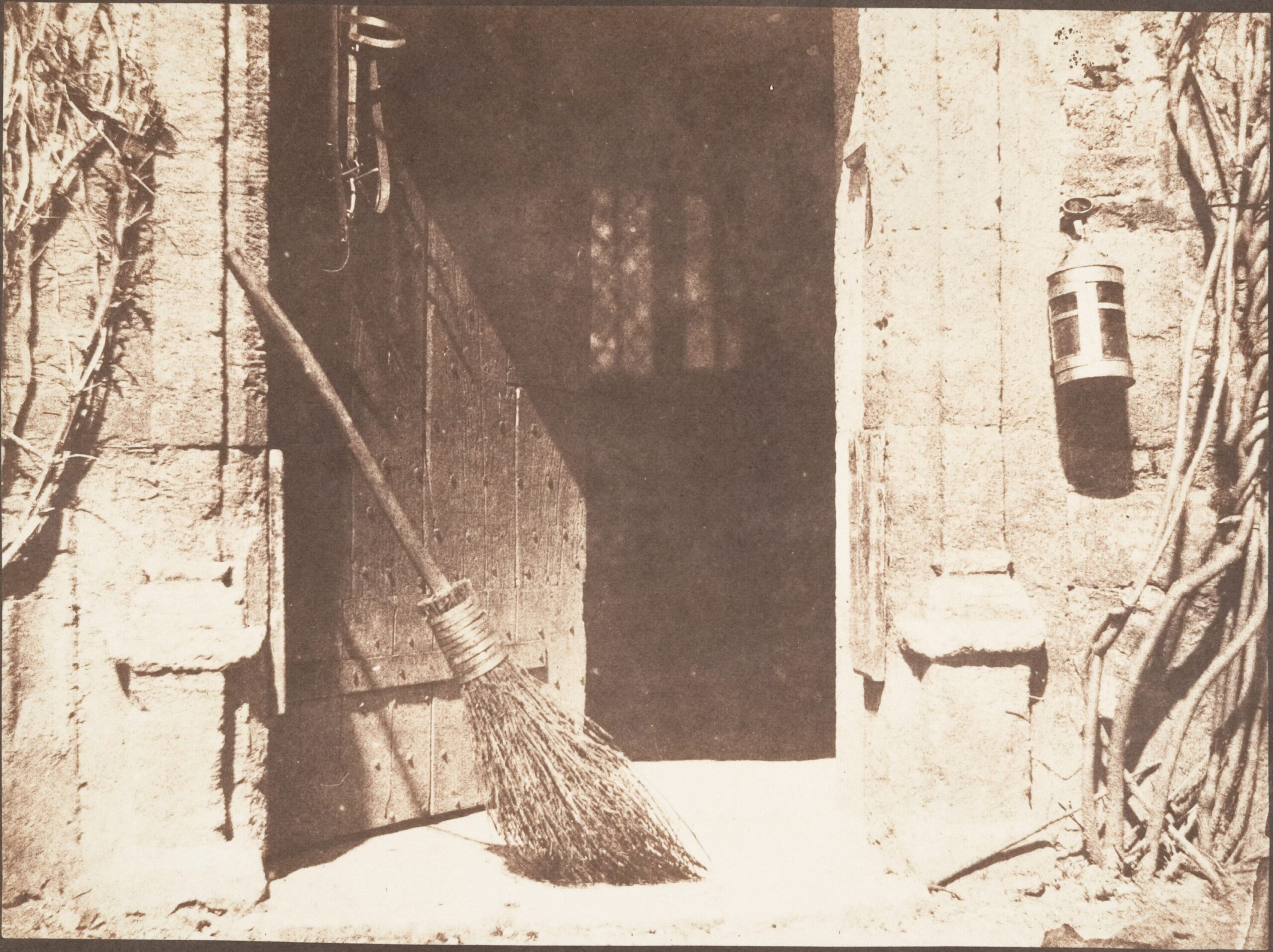
William Henry Fox Talbot, The Open Door (1844)
Talbot, inventor of the calotype, created images that were both technically innovative and artistically composed.
The Open Door uses light and shadow to transform a simple doorway into a study of form and contrast, illustrating Talbot’s dual role as scientist and artist.
Early prints of this photograph have sold for over $500,000. Talbot’s work reminds photographers of the medium’s roots in experimentation, showing that visual creativity has always been entwined with technical exploration.
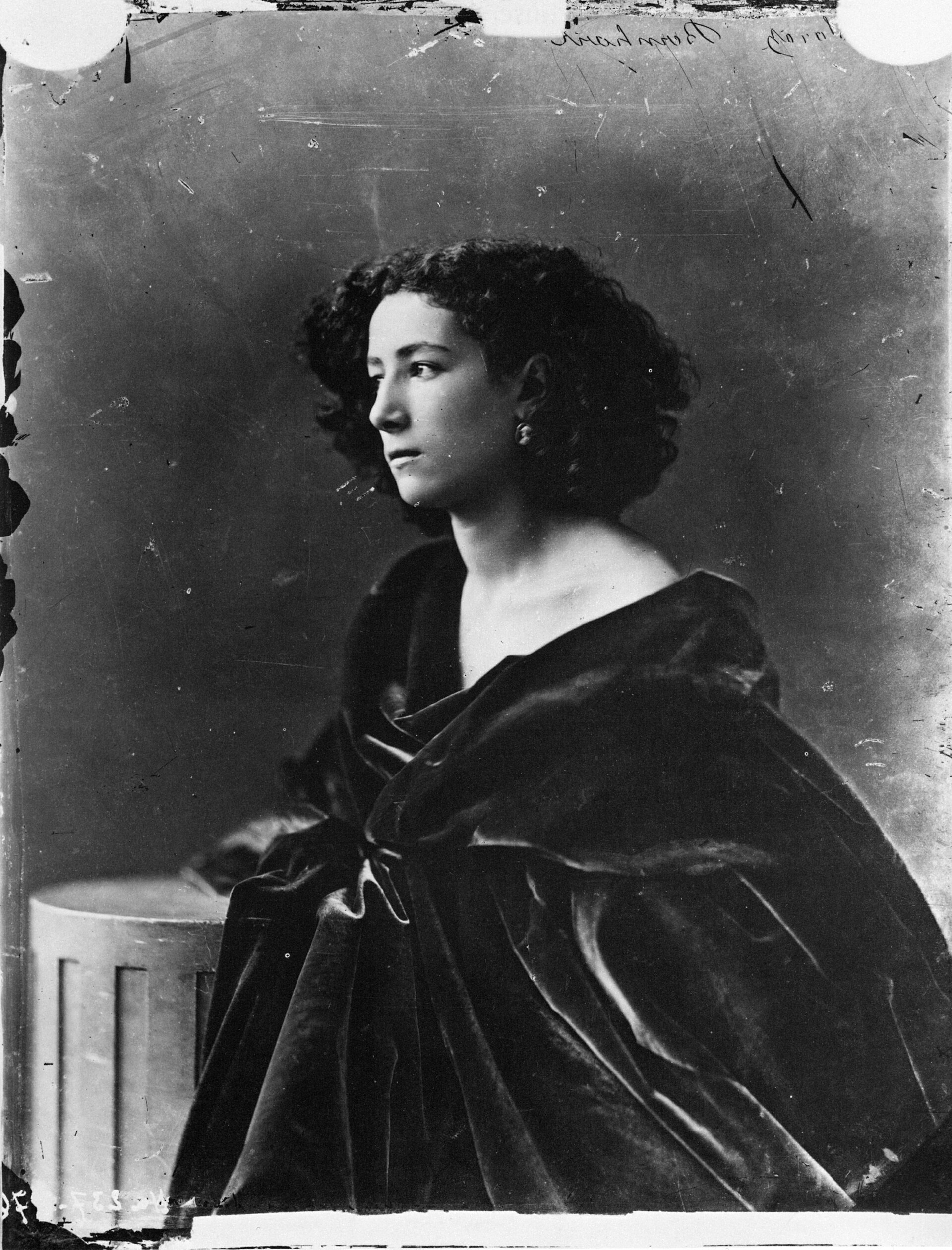
Nadar, Sarah Bernhardt (circa 1864)
Nadar, a master of studio portraiture, photographed many of Paris’s leading figures, including the actress Sarah Bernhardt.
His portraits combine careful lighting with expressive posing, conveying personality and presence in a single frame.
Prints of Bernhardt by Nadar have sold for several hundred thousand dollars. His approach to portraiture influenced how photographers capture expression and individuality, creating an enduring standard for studio work.
Alfred Stieglitz, Georgia O’Keeffe Hands (1920)
Stieglitz, often called the father of American modernist photography, created intimate and expressive portraits that highlighted form and gesture.
In this photograph, the focus is on O’Keeffe’s hands, a subtle yet deeply personal portrayal that communicates character without showing the subject’s face.
When it sold at Christie’s for $398,500 in 1993, collectors were responding to Stieglitz’s meticulous composition and emotional resonance. He was a key promoter of photography as art, running the influential Camera Work journal and supporting many artists of his era.
This print exemplifies his ability to make everyday objects and gestures carry profound visual weight.
Man Ray, Le Violon d’Ingres (1924)
Man Ray, a central figure in the Dada and Surrealist movements, fused photography with inventive visual concepts.
Le Violon d’Ingres features Kiki de Montparnasse posed so that painted f-holes on her back transform her body into a violin. The photograph blends portraiture, surrealism, and humor, reflecting Man Ray’s fascination with visual puns and experimentation.
Christie’s auctioned a vintage print of this image in 2022 for $12.4 million.
Beyond the price, the photograph demonstrates Man Ray’s influence in expanding what photography could express, which is melding the human figure, abstraction, and conceptual play in a single frame.
See more from DIYPhotography.net on Google
Add DIYPhotography.net as a trusted source. This makes
our stories more likely to appear in your Google Search results.
 Add as a preferred source on Google

Alysa Gavilan
Alysa Gavilan has spent years exploring photography through photojournalism and street scenes. She enjoys working with both film and mirrorless cameras, and her fascination with the craft has grown over the decades. Inspired by Vivian Maier, she is drawn to capturing everyday moments that often go unnoticed.



Join the Discussion
DIYP Comment Policy
Be nice, be on-topic, no personal information or flames.