
















What Photography Judges Look for When Choosing Winning Images
Jan 22, 2026
Anzalna Siddiqui
A psychology major in her third year of Bachelor’s, Anzalna Siddiqui has endless curiosity for the human mind and a deep love for storytelling – both through words and visuals. Though she hasn’t taken up photography as a profession, her Instagram is where her passion finds its home. In addition to this, she’s a travel enthusiast who never travels without her camera because every place has a story waiting to be captured.
Share:
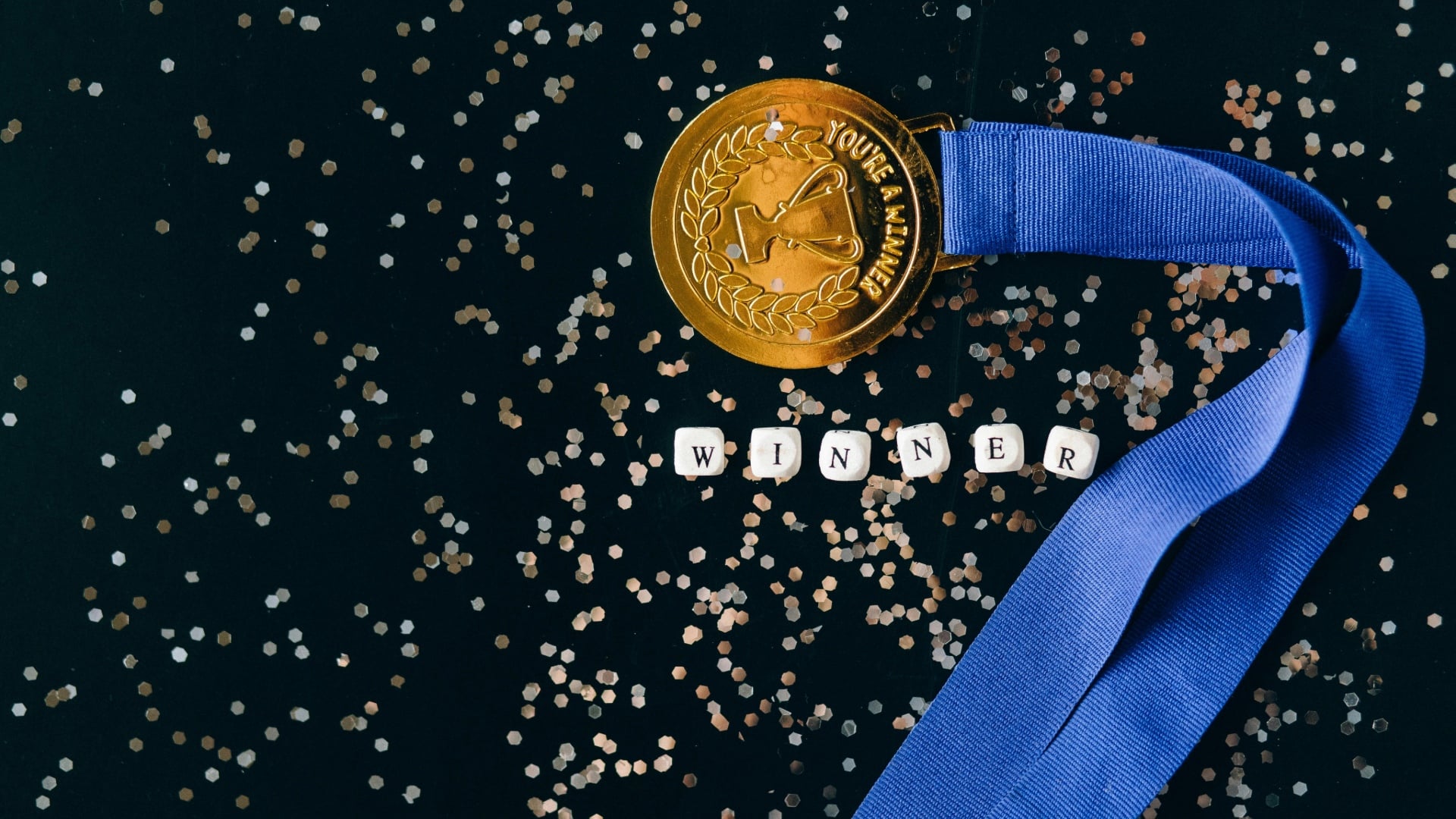
Many of us have been led to think that sharpness is everything. However, landscape photographer and experienced judge Mads Peter Iversen highlights in his recent video that focusing solely on technical aspects could be why you haven’t made it to the winners’ list. He breaks down what photography judges look for in his analysis of common mistakes.
In his exploration of what it takes to win photography contests, particularly the prestigious Hasselblad Masters 2026, Mads reveals what really happens during judging.
The Golden Rule: Read the Manual
It may seem simple, but Mads points out that many photographers don’t make it past the initial review because they overlook important rules. For example, you’ve created a stunning black-and-white landscape, but it turns out the category is for color photos only. This kind of mistake happens more often than you’d think.
You need to do some research. Does the competition permit focus stacking? Is mixing images allowed, or do they want just one shot? Mads warns that if you skip these details, your entry is likely to be discarded before the judges even see it. Also, he advises steering clear of AI-generated images. A reputable contest will usually ask for your RAW files to verify that you actually captured the photo. Before you submit your work, carefully review the requirements.
Master Your Craft to Avoid the “Quick Cut”
We often hear about the emotional depth of a photo, but technical skill is fundamental. Mads points out that judges look for basic techniques to differentiate true art from mere mistakes. If your subject is blurry or out of focus, you’re giving the judges a simple reason to dismiss your work. Understanding what photography judges look for in terms of focus and clarity will help prevent such errors.
That said, you can definitely use blur or special effects purposefully for artistic reasons. However, Mads mentions that, as a judge, he can usually spot the difference between a deliberate choice and a technical error. The key takeaway is that you don’t need the latest high-end camera. It’s more important to be skilled with the equipment you already own. You want your audience to appreciate your vision, not notice your errors. Additionally, asking mentors about what photography judges look for can be a valuable learning step.
Compositional Mastery: Clean Up Your Frame
When you’re out taking pictures, it’s easy to get mesmerized by a stunning sunset and overlook what’s happening at the edges of your shot. Mads points out that your composition should enhance the story you’re telling. He offers a quick list of common mistakes to avoid: don’t let a microphone block a singer’s face, and make sure a random bush isn’t hiding part of a pretty building.
He clearly values having clean edges. Always check your frame for things that might distract from your main subject. Whether you’re using leading lines or following the rule of space, every part of your photo should serve a purpose. If it doesn’t help the story, it’s a distraction. Personally, I find that taking an extra ten seconds to examine the border of my viewfinder saves me a lot of time later trying to fix things.
Originality vs. The “Best Version Ever”
This is where things get interesting. We all have that one must-visit place on our list, like Kirkjufell in Iceland. Can you win a big contest with a photo of a well-known spot? Mads believes you can, but there’s a twist. It needs to be the best version of that mountain he’s ever seen.
When faced with a good photo of a famous landmark versus a good photo of a unique, original place, Mads admits he favors the original one. But here’s a reality check: he doesn’t care how difficult it was to get the shot. You could have hiked up Mount Everest in terrible weather, but if the photo isn’t great, it won’t top a perfect image taken from a parking lot. It’s all about how the final picture looks, not the effort it took.
Editing Secrets and the Dreaded “Red Flags”
Mads dedicates a lot of time to discussing post-processing techniques, and he is very clear about it. He uses a RAW file to show how easily a great photo can be ruined with overly harsh editing. One of his main frustrations is Illogical luminosity. This occurs when the ground is brighter than the sky. Unless there’s a giant flashlight hidden nearby, that just doesn’t happen in reality.
He also warns about halos, those bright white outlines that appear around trees or mountains when you overdo clarity or shadows. Mads seems to promote a philosophy of respect for the light. Your edits should look natural and make sense. If your photo appears overly processed, judges are likely to pass it by, because one of the main things what photography judges look for is a natural and believable light.
Searching for the Elusive X-Factor
Lastly, there’s the “X-Factor.” This is the intriguing aspect of judging that’s hard to pin down. Mads describes it as that special something that catches a judge’s eye, making them stop and think, “I get it”. It might be a fresh angle, a distinct look, or a smart way of presenting something that really stands out among many entries.
Though he can’t provide a specific recipe for the X-Factor, he recommends checking out previous winners for ideas. For example, he talks about the 2023 Hasselblad Masters winner, who captured unique photos taken from inside a room looking out. This approach wasn’t his usual style, but its originality impressed him.
Mads is encouraging everyone to give it a try. You can enter the Hasselblad Masters 2026 for free, and you don’t even need to own a Hasselblad camera to join in. It’s a great chance to showcase your skills alongside photographers from around the world.
What I find most important is that winning isn’t just about having the fanciest equipment or going on the biggest adventures. It’s really about combining good technique with creative storytelling. So, the next time you’re taking photos, try to think like a judge. Pay attention to your edges, make the most of the light, and look for a unique angle. Equally important, remember what photography judges look for so you can maximize your chances. You never know, you might be the one everyone is discussing next year.
[How to Win? – Photography Competition Judge Shares the Secrets! (Hasselblad Masters 2026) I Mads Peter Iversen; Image credits: Pexels]
See more from DIYPhotography.net on Google
Add DIYPhotography.net as a trusted source. This makes
our stories more likely to appear in your Google Search results.
 Add as a preferred source on Google

Anzalna Siddiqui
A psychology major in her third year of Bachelor’s, Anzalna Siddiqui has endless curiosity for the human mind and a deep love for storytelling – both through words and visuals. Though she hasn’t taken up photography as a profession, her Instagram is where her passion finds its home. In addition to this, she’s a travel enthusiast who never travels without her camera because every place has a story waiting to be captured.
Related Posts
 All About Photo Awards 2023 winning shot is literally a winning shot
 These are the winning images from the 2021 Dog Photography Awards
 From Moonlit Streets to Central Park Arches: These are the Winning Images of the 2025 iPhone Photography Awards
 This Year’s International Photography Awards Winning Images Will Change How You See The World
Join the Discussion
DIYP Comment Policy
Be nice, be on-topic, no personal information or flames.