


















10 Stunningly Old Photos That Reveal Photography’s Origins
Nov 10, 2025
Alysa Gavilan
Alysa Gavilan has spent years exploring photography through photojournalism and street scenes. She enjoys working with both film and mirrorless cameras, and her fascination with the craft has grown over the decades. Inspired by Vivian Maier, she is drawn to capturing everyday moments that often go unnoticed.
Share:
Photography has always been about halting time, regardless of the format or device you use. But long before selfies, digital sensors, and high-speed shutters, a handful of visionaries were experimenting with light, metal, and chemistry to preserve reality itself. And these techniques can be seen in the oldest surviving photographs, making them more than just fascinating artifacts but also fragile windows into a world when capturing an image felt like unlocking a new kind of magic.
Each of these early images tells a story that reaches across centuries. They speak to the curiosity and persistence of the people who made them. To look at them today is to experience both awe and intimacy. You are, after all, witnessing the moment humankind discovered how to turn light into memory.
Most of these photos are daguerreotypes, an early type of photograph created on a polished silver-plated copper sheet. This process produces a highly detailed, one-of-a-kind image that appears almost like a mirror, reflecting light in a way that makes shadows, textures, and tiny details remarkably vivid.
This list of the ten oldest living photographs offers a journey into the growing pains and triumphs of a new art form that would go on to reshape how we see ourselves and the world.
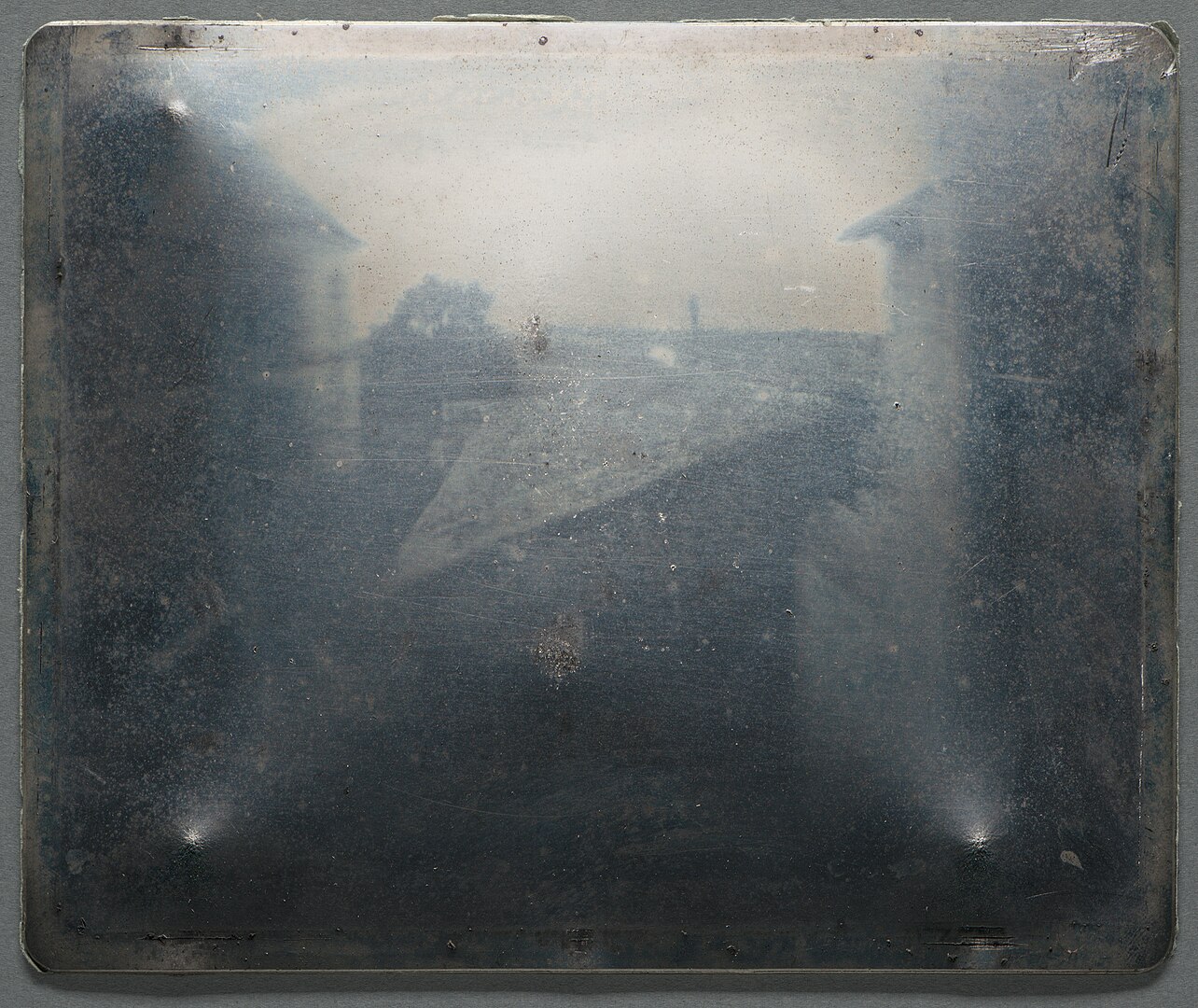
1. “View from the Window at Le Gras” (1826)
This grainy, silent picture was made by Joseph Nicéphore Niépce in France and is widely regarded as the oldest known surviving camera photograph.
It shows rooftops, a tree, and a distant horizon seen from a window of his estate at Le Gras. The textures of the rooftops appear almost etched, the faint shadows of the building edges creating depth despite the grainy surface. The exposure reportedly lasted at least eight hours, maybe even several days, and the uneven light gives the image a hauntingly painterly quality.
It is less about the scene and more about what the scene represents: a moment when photography became possible. You can almost feel the slow patience required to make this image, as though the light itself was coaxed into leaving a trace.
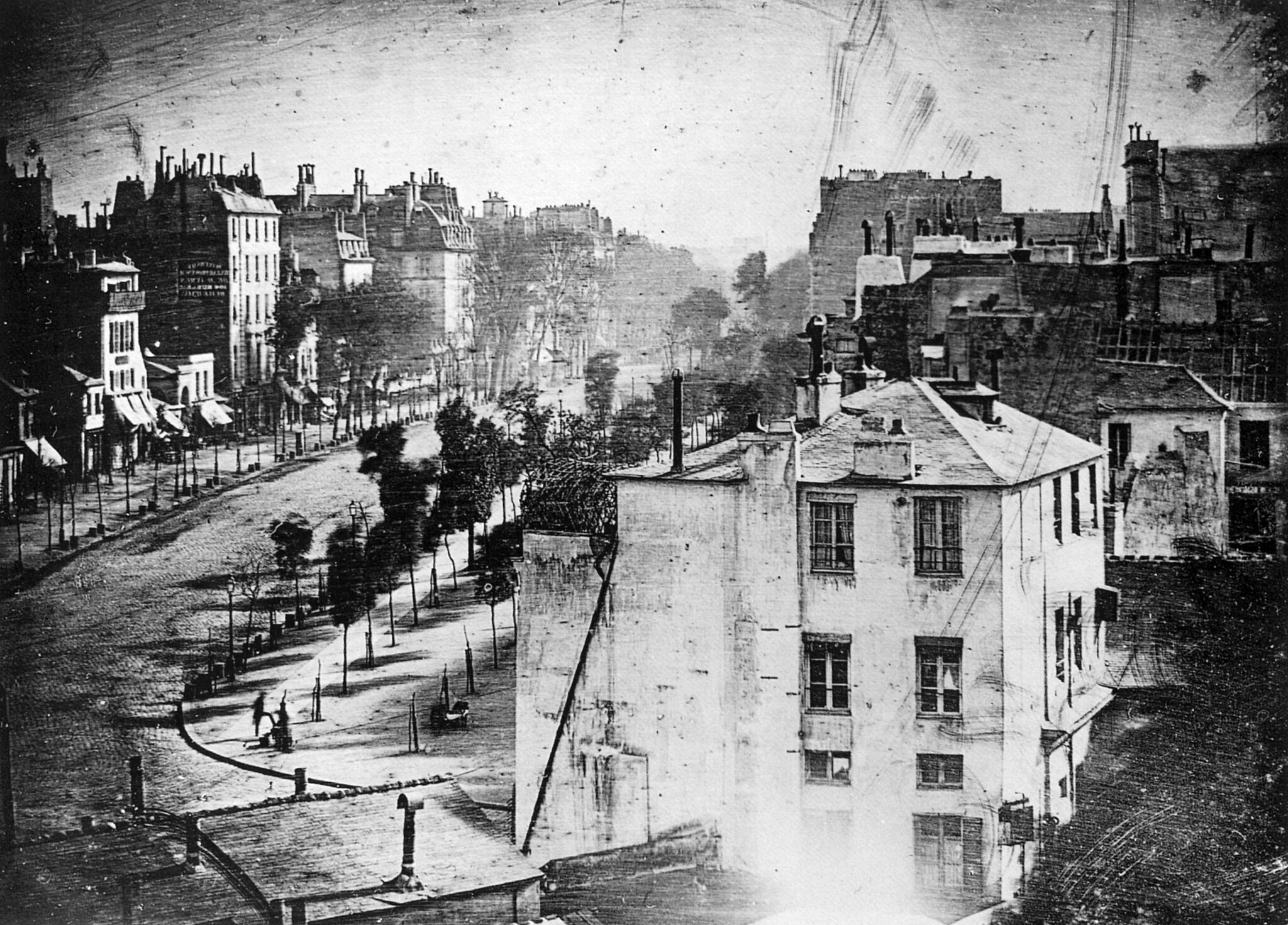
2. “Boulevard du Temple” (1838)
This daguerreotype by Louis Jacques Mandé Daguerre captures a street in Paris and is one of the earliest photographs to include people, albeit almost invisibly.
A figure getting his boots polished can just be made out in the lower corner. The stone pavement gleams faintly under the long exposure, while the façades of the buildings rise with astonishing clarity. Only still objects are sharply defined, so the bustling city seems suspended in time, a ghostly stillness overlaying the energy of daily life.
When you look at this image, you are not just seeing the street but the limits of very early photographic technology and the way that technology turned motion into absence.
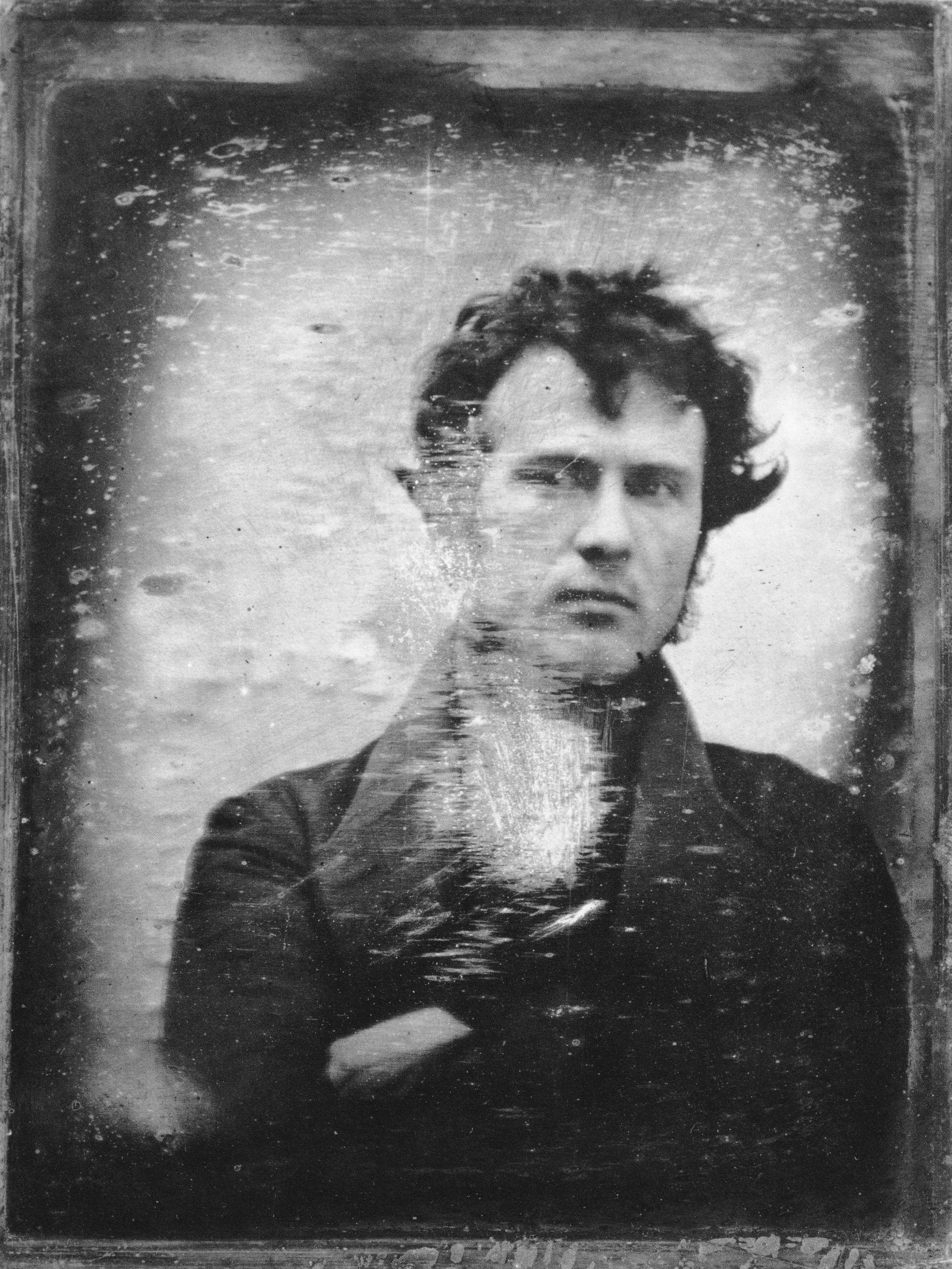
3. Self‑Portrait by Robert Cornelius (1839)
This photo by Robert Cornelius is often credited as the first photographic self‑portrait in the United States.
He set up his camera in the back of his family store in Philadelphia, removed the lens cap, ran into the frame, sat still for maybe ten minutes, and then covered the lens again. The image has a soft glow, highlighting the fine details of Cornelius’ coat and the light falling across his face. The reflective surface of the daguerreotype adds a ghostly depth, almost as if he is simultaneously in the room with you.
On the back of the plate he wrote: “The first light Picture ever taken. 1839.” You are looking at the earliest version you might call a “selfie,” an intimate glimpse of a man experimenting with the delicate balance of light and shadow.
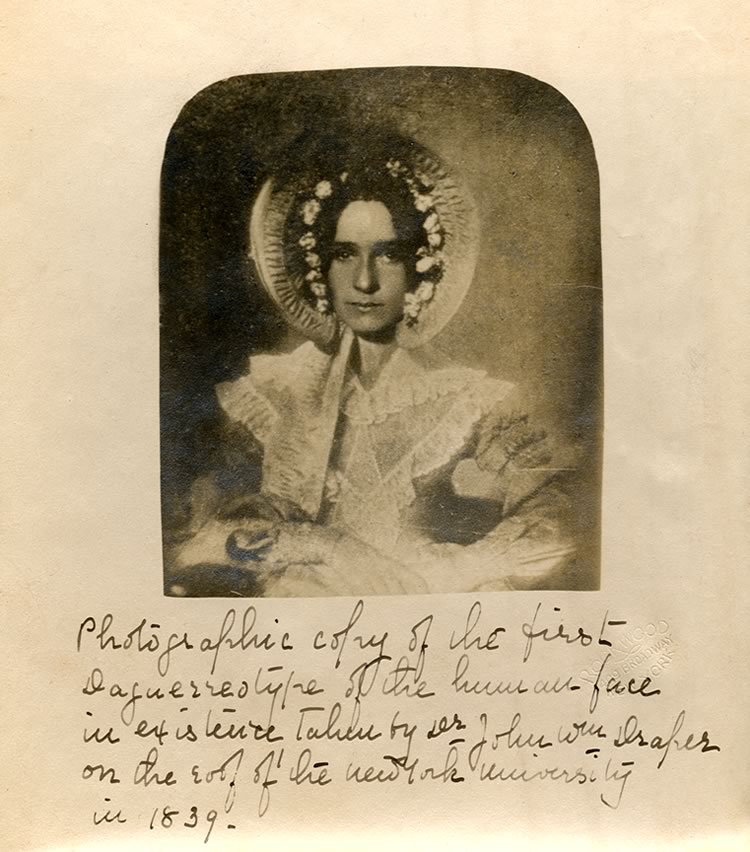
4. Earliest Known Photograph of a Woman – Dorothy Catherine Draper (1839–1840)
This portrait, made by her brother John William Draper, is believed to be the earliest surviving photograph of a woman. It required a 65‑second exposure in a darkened studio.
Her face emerges softly from the shadows, her eyes fixed in a calm gaze, and the textures of her hair and clothing catch the light in subtle highlights. You can almost feel the tension of the pose, the way her hands remain still, the delicate folds of her gown illuminated with a faint metallic sheen.
You are witnessing a quiet moment of invention and patience, and the reflective surface of the daguerreotype gives the image a three-dimensional, almost sculptural effect.
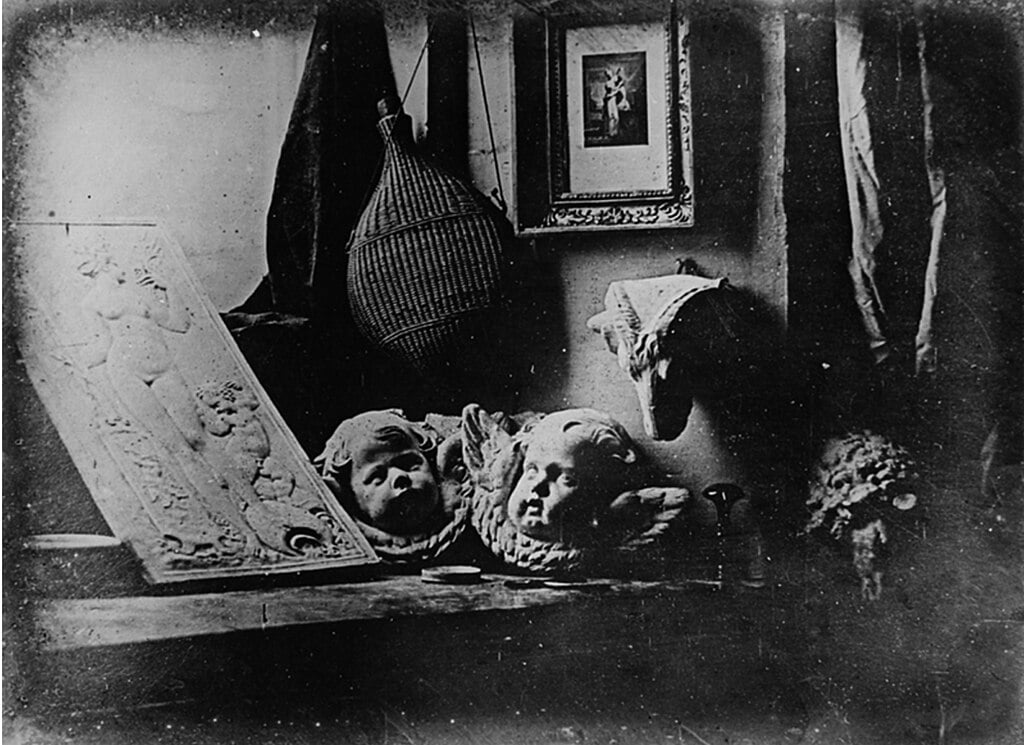
5. “L’Atelier de l’Artiste” – Still Life Daguerreotype (1837)
Also by Daguerre, this 1837 image of an artist’s studio full of plaster casts, sculptures, and props is one of the oldest surviving examples of the daguerreotype method capturing a carefully arranged interior.
The shadows cast by the objects are sharp, the texture of plaster and fabric rendered in astonishing detail. Light falls across the studio diagonally, creating layers of contrast and depth that feel almost cinematic.
When you look at it, you’re seeing early photography pushing beyond the accidental into the deliberate, as every object seems carefully chosen to play with light, shadow, and reflection.
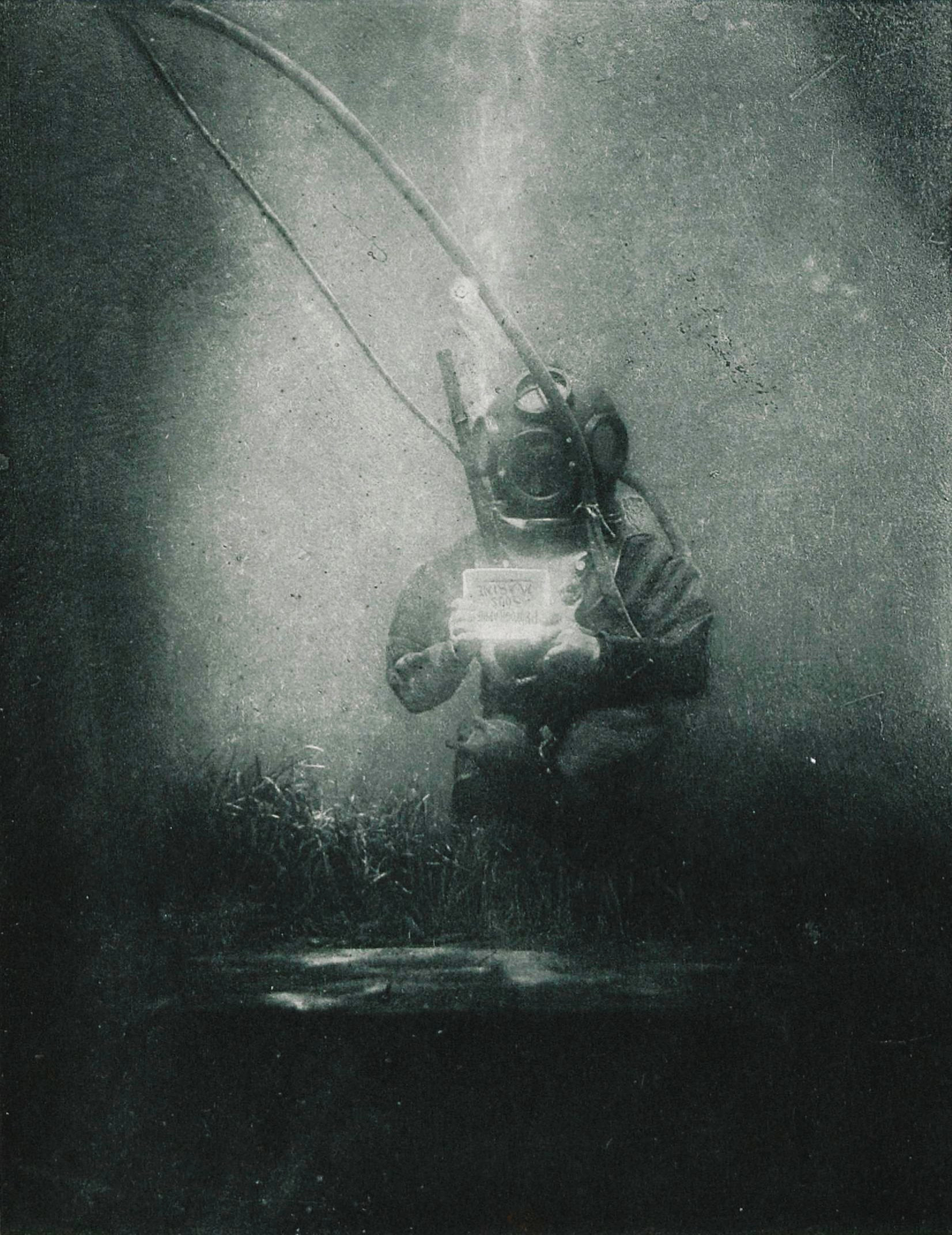
6. “The First Photograph Underwater” (c. 1899
By biologist/photographer Louis Marie Auguste Boutan, this image shows his colleague holding a sign reading “Photographie Sous Marine” (underwater photography).
The water filters the light into a hazy green-blue, softening the details while creating a surreal clarity in the figure’s outline. Tiny air bubbles float around, catching glimmers of the flash. You can almost feel the pressure of the water, the weight of the housing, and the meticulous patience required.
This photograph is a leap from still portraits to exploration, and viewing it you sense both the strain of the technology and the ambition behind it.
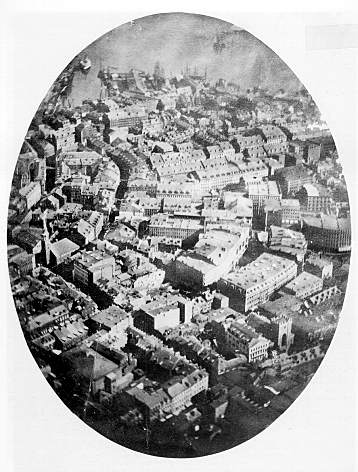
7. The Oldest Known Aerial Photograph (1860)
Taken by James Wallace Black from a hot-air balloon over Boston, the photograph shows the city sprawling below like a miniature model. Streets, rooftops, and riverbanks are outlined in faint clarity, while the air seems to shimmer with the long exposure.
The aerial perspective gives an almost dreamlike quality, as if you’re seeing the city suspended in time. You’re looking at a world newly revealed, a height that was still extraordinary in 1860.
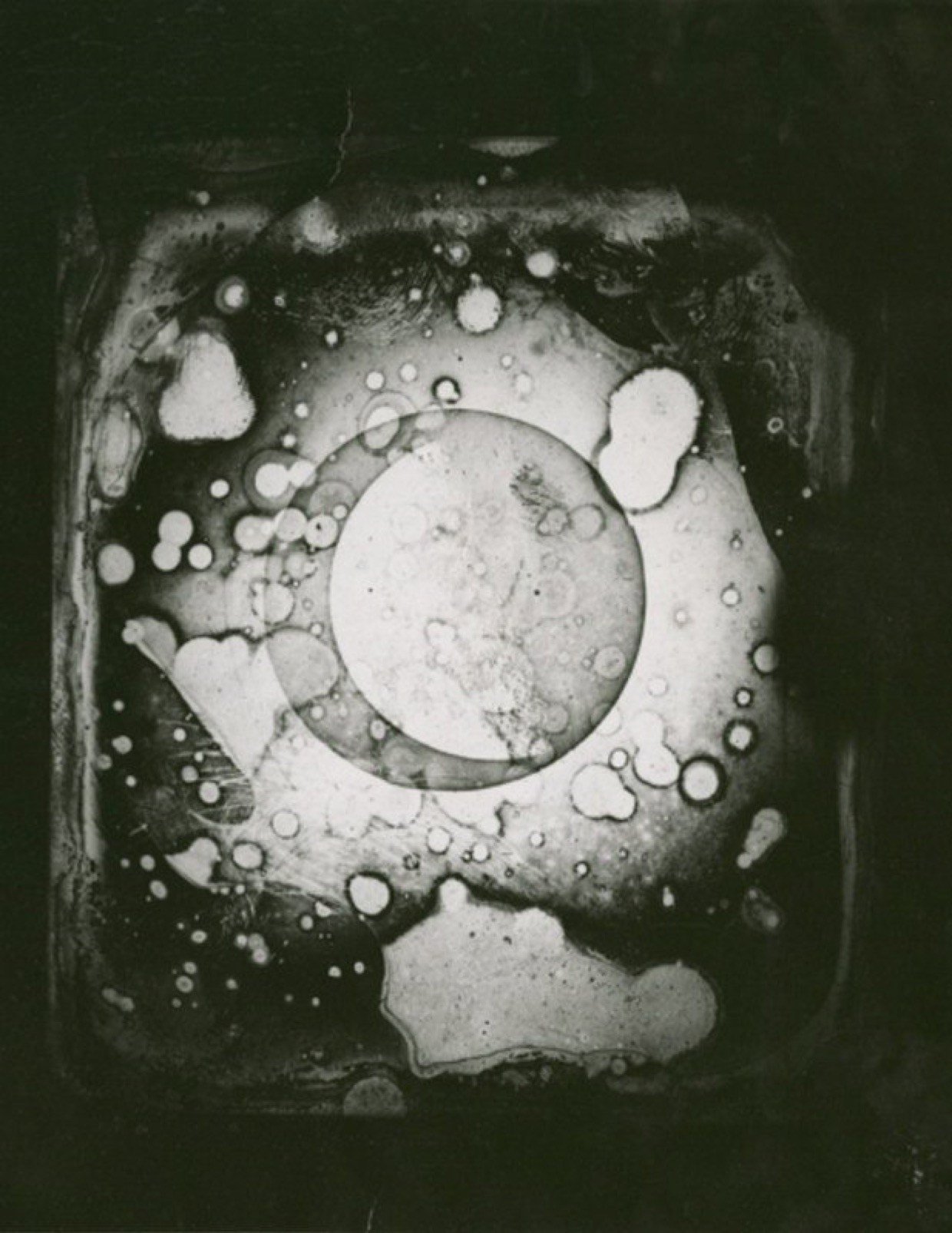
8. The Oldest Photograph of the Moon (1840)
Taken by John William Draper from the rooftop observatory at New York University, this haunting daguerreotype is recognized as the first successful photograph of the Moon.
The silvery disc hovers against a dark background, its faint craters and shadowed edges rendered through a long exposure that pushed the limits of early lenses and chemistry. You can almost imagine Draper watching the image slowly appear on the plate, realizing he had captured something far beyond what the eye could see.
The surface gleams like polished metal, and when light hits it just right, the Moon seems to glow from within. It’s both a scientific milestone and a quiet moment of wonder.
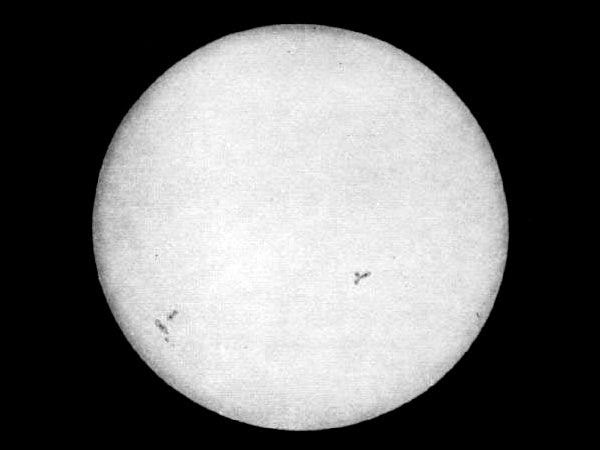
9. Oldest Photograph of the Sun (1845)
Taken by Hippolyte Fizeau and Léon Foucault, this daguerreotype captures sunspots with a stark contrast between bright solar surface and dark blemishes.
The metallic sheen of the plate gives the Sun a tangible presence, almost as if you can feel its heat through the image. The sharpness of the sunspots demonstrates photography’s potential to reveal phenomena invisible to the naked eye.
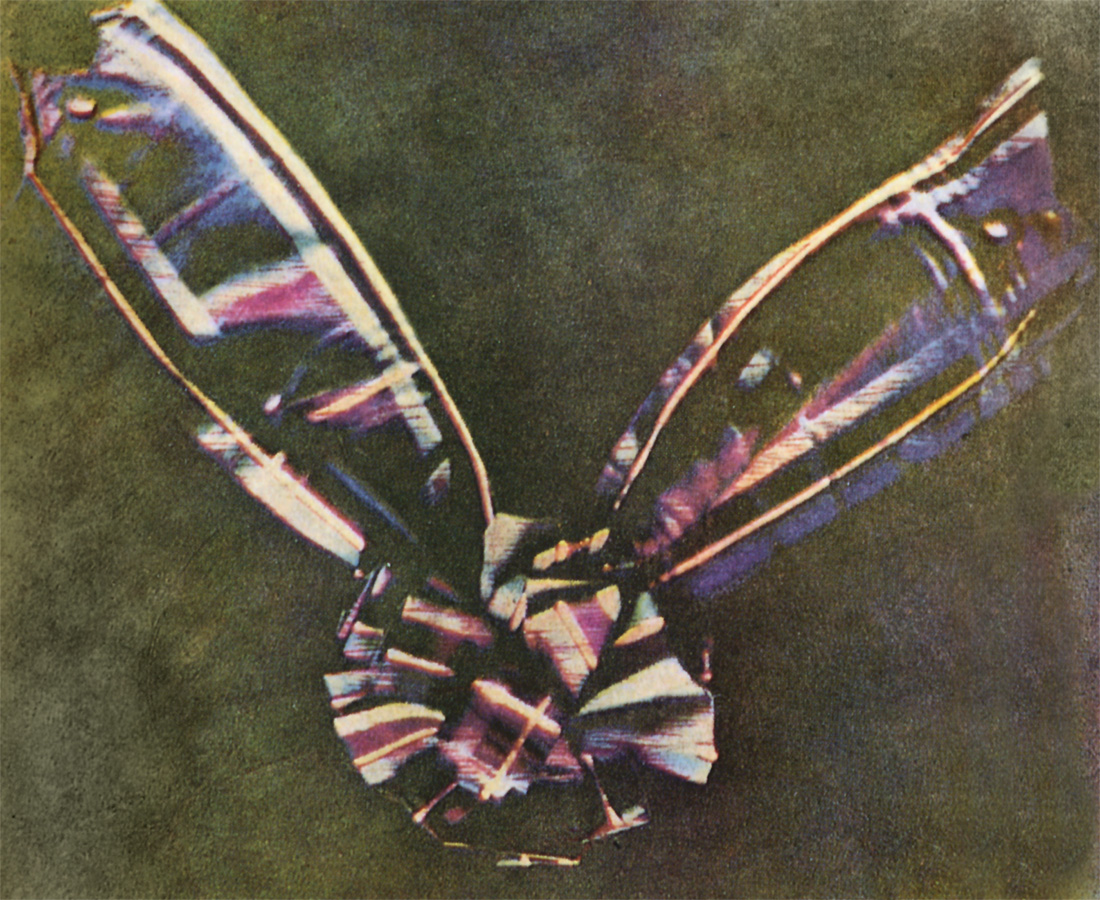
10. Earliest Colour Photograph Demonstration – The Tartan Ribbon (1861)
Taken by James Clerk Maxwell, this photograph of a tartan ribbon combines three black-and-white images through red, green, and blue filters to produce full colour.
The pattern pops against a neutral background, the weave of the fabric rendered with surprising clarity. You can almost sense the texture of the threads and the gleam of the material.
This image marks the first step toward color photography, a milestone that eventually led to everything from colour film to digital sensors.
Why These Images Still Matter
When you scroll through your digital camera or phone, you might forget the legacy behind each click. These ten photographs remind us that every image is also an experiment, a chance encounter between light, chemistry, glass, and water-short exposure times.
They show you how far photography has come and how much of its history still rests quietly on old plates and fragile prints.
As you view each of these photographs, imagine the scene behind it: the photographer waiting, the equipment carefully arranged, the subject holding still. You are invited into that moment of discovery, appreciating how every image you take today stands on the shoulders of those first, fragile attempts to trap light with a camera.
See more from DIYPhotography.net on Google
Add DIYPhotography.net as a trusted source. This makes
our stories more likely to appear in your Google Search results.
 Add as a preferred source on Google

Alysa Gavilan
Alysa Gavilan has spent years exploring photography through photojournalism and street scenes. She enjoys working with both film and mirrorless cameras, and her fascination with the craft has grown over the decades. Inspired by Vivian Maier, she is drawn to capturing everyday moments that often go unnoticed.
Related Posts
 NASA shares stunningly detailed photos of Jupiter’s giant moon Ganymede
 This is the surprisingly true story of Kodak Aerochrome’s origins and ultimate fate
 NASA’s new satellite offers stunningly high resolution images of earth
 Photographer captures perfectly timed photos that reveal the magic of everyday sights
Join the Discussion
DIYP Comment Policy
Be nice, be on-topic, no personal information or flames.