





















Best Compact Camera for Everyday Carry: Capture Life in Your Pocket
Sep 8, 2025
Darlene Lleno
Darlene Lleno brings a unique perspective to DIY Photography as someone who grew up surrounded by camera gear but chose words over lenses. With five years of writing experience, she specializes in photography content that’s both technically informed and genuinely passionate. Growing up with a photographer twin brother meant camera talk was everyday conversation in her household. While he mastered capturing moments, Darlene discovered she preferred being the subject and the storyteller behind the scenes. As a travel enthusiast and mother of two, she understands the importance of preserving life’s precious moments. When not exploring new destinations or writing for DIY Photography, you’ll find her reading or tending to her garden. Her approach to photography writing is refreshingly authentic, she may not be behind the camera, but she knows exactly what it takes to help others capture the shots that matter most.
Share:

Finding the best compact camera for everyday carry changes everything about how you capture those random moments that happen throughout your day. These little cameras fit right in your pocket or bag, and they’re always ready when something worth photographing shows up.
Today’s compact cameras pack serious features into tiny bodies, which makes them perfect for street photography, travel, and just documenting your regular life. You can always rely on your phone as your go-to carry-about device for quick snapshots and everyday moments.
However, there are times when you find yourself wishing for more control over settings like exposure, focus, and depth of field. That’s when the limitations of a phone camera become clear, and the advantages of a dedicated camera start to stand out.
Read more: Best Compact Camera for Everyday Carry: Capture Life in Your PocketWhat Makes a Great Everyday Carry Camera
Not all compact cameras are created equal when it comes to everyday carry. The best ones balance several key factors that make them practical and enjoyable to use every single day. Here are the most important features to look for when choosing your perfect everyday companion.
Sensor Size Actually Matters
The sensor is basically the digital film in your camera, and bigger really is better here. Larger sensors grab more light, which means your photos look better in darker places and have more detail overall. The top compact cameras usually have either APS-C sensors (like in Ricoh GR cameras and Fuji X100 models) or 1-inch sensors (like Sony RX100 cameras use).
Understanding different sensor sizes helps you figure out which camera to buy. The APS-C sensors are almost as big as what you’d find in entry-level DSLRs, while 1-inch sensors give you a good mix of image quality and small camera size.
Your Lens Makes or Breaks Your Photos
The lens matters just as much as the sensor does. Most compact cameras come with fixed lenses, which means you can’t swap them out for different ones. The focal length decides whether you’re shooting wide scenes or getting closer to your subject.
A 28mm lens captures wide scenes that are perfect for street photography, while 35mm or 40mm lenses work better for general photos and portraits. Fast apertures like f/1.4 or f/2 let in more light and make backgrounds look nice and blurry. They also help you shoot in darker places without needing flash.
Size and Weight You Can Actually Live With
The whole point of everyday carry cameras is that you’ll actually want to carry them around. If a camera is too big or heavy, it’ll just sit at home collecting dust instead of capturing memories. The best compact cameras for everyday carry weigh less than a pound and fit in a jacket pocket or small bag compartment.
Build quality really matters for cameras you’ll carry every day. Look for cameras made from metal instead of plastic, especially if you’re going to toss your camera in a bag with keys and other stuff that might scratch it up.
Best Compact Cameras for Everyday Carry by What You Need
Whether you want premium image quality, zoom flexibility, budget-friendly options, or ultra-portable designs, there’s a camera here that’ll work for your specific needs and shooting style.
Premium Options That Deliver Pro Results
These cameras cost more, but they give you image quality that rivals much larger and more expensive camera systems. If you’re serious about photography and want the best possible results in a compact package, these are your top choices.
1. Fujifilm X100VI is basically the king of premium compact cameras right now. The 40-megapixel APS-C sensor takes incredibly sharp photos, and the built-in 23mm f/2 lens (which works like a 35mm lens on full-frame cameras) handles most situations perfectly. The retro look is cool, but what really matters is that you can adjust all the important settings using actual dials and buttons instead of digging through menus.
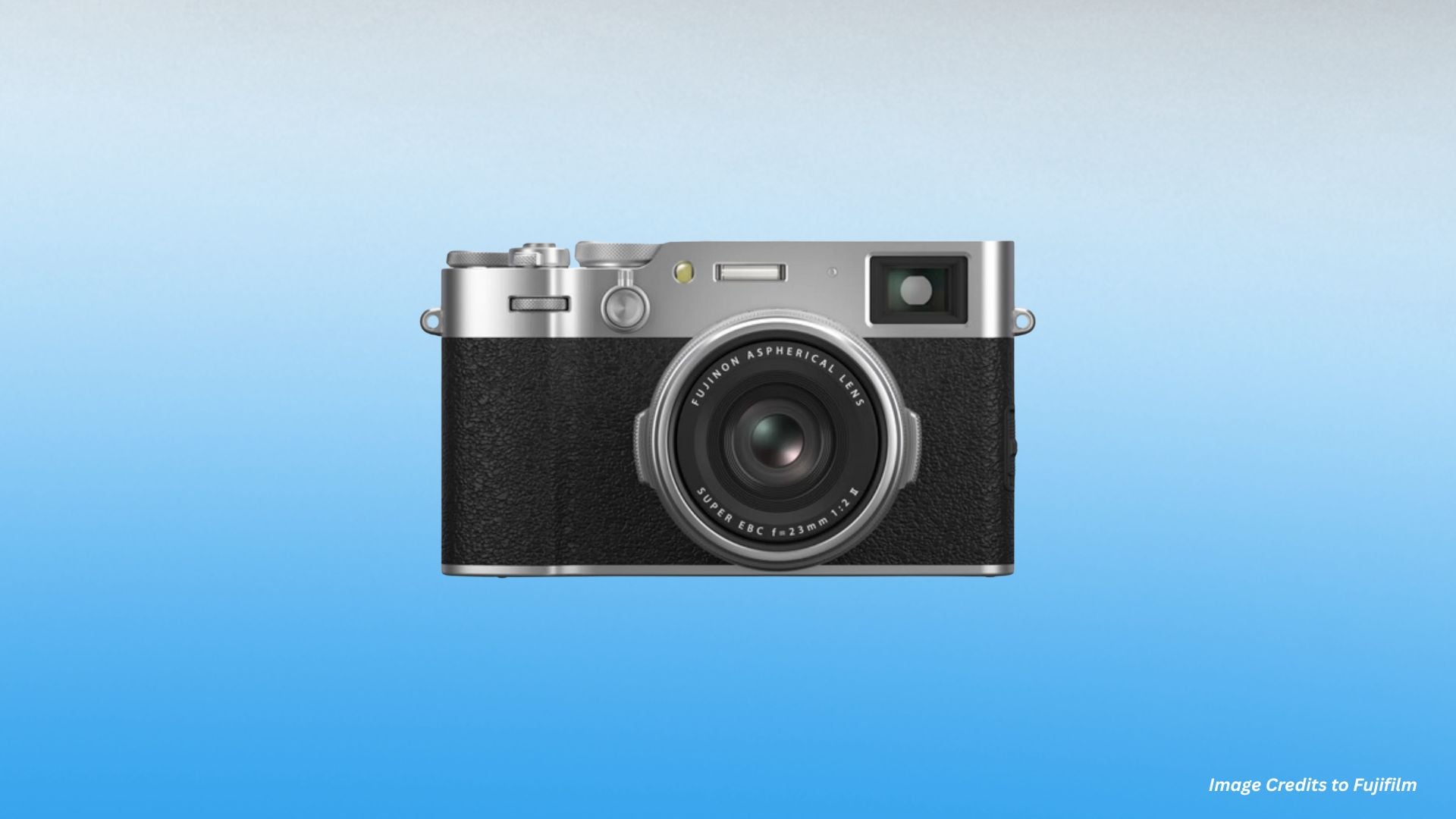
The X100VI has image stabilization built right in, shoots 4K video, and includes Fujifilm’s film simulations that make your photos look amazing straight out of the camera. It can handle light rain and dust too. The only problem is actually finding one to buy since everyone wants them.
2. Ricoh GR IIIx takes a different approach to premium compact design. The 40mm lens (compared to the regular GR III’s 28mm) gives you a more natural perspective that lots of photographers like better. This camera is incredibly small and light, so it really does fit in your pocket. The image quality from the APS-C sensor is as good as much bigger cameras.
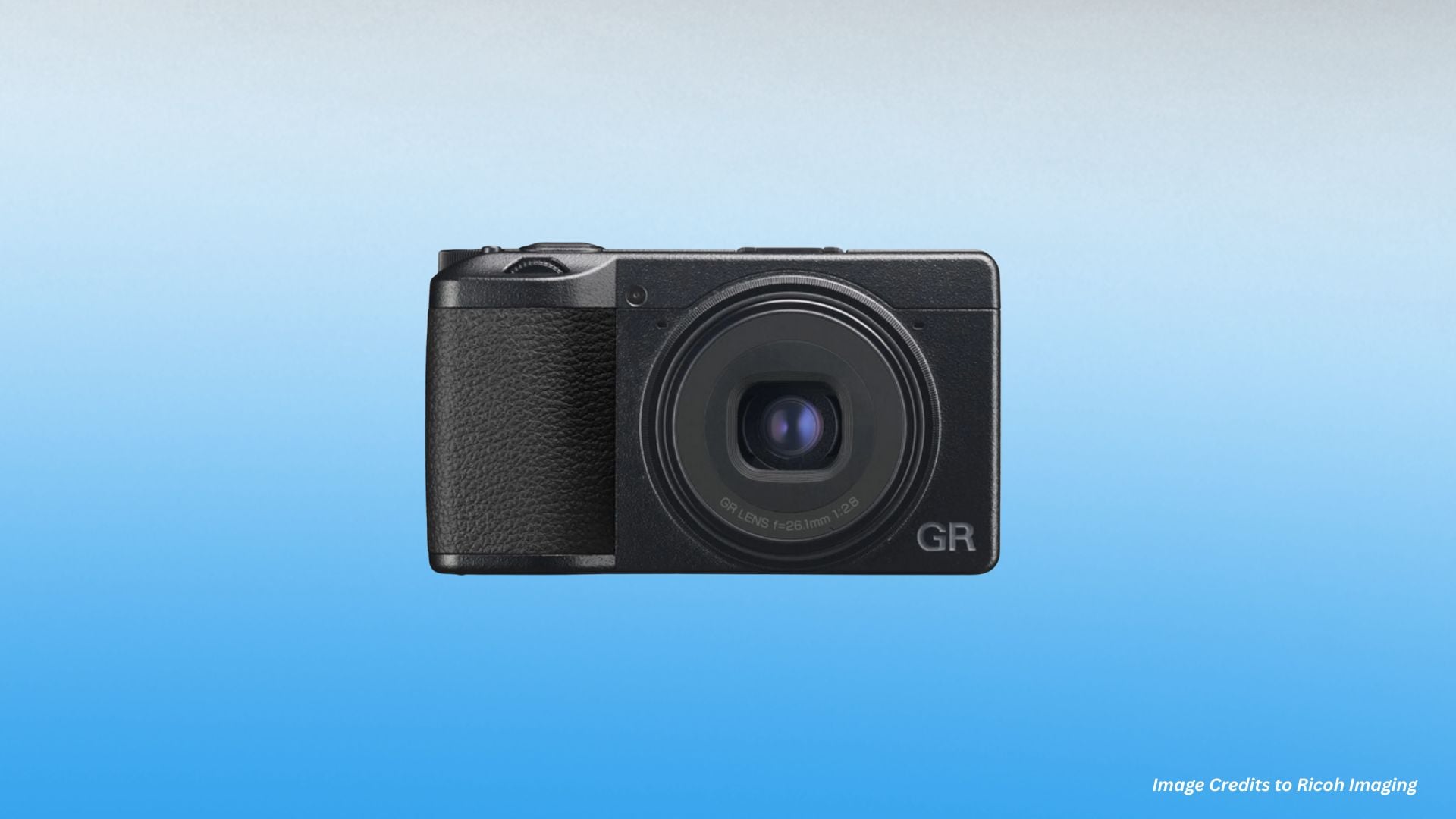
The GR IIIx is amazing for street photography because it’s so small that people don’t notice it, and it works great in low light. Built-in image stabilization helps when you’re shooting handheld. The biggest weakness is battery life, so you’ll definitely want to carry spare batteries.
Zoom Lenses That Give You Flexibility
If you need the ability to zoom in and out for different shots, these cameras offer excellent zoom ranges without getting too big. They’re perfect for travel, events, or any situation where you can’t get closer to your subject by walking.
3. Sony RX100 VII manages to pack incredible features into a really small body. The 1-inch sensor gives you excellent image quality, while the 24-200mm f/2.8-4.5 covers most situations you’ll run into. The autofocus is lightning fast and it can shoot 20 frames per second, which is great for action shots. The flip-up screen works perfectly for selfies and video.
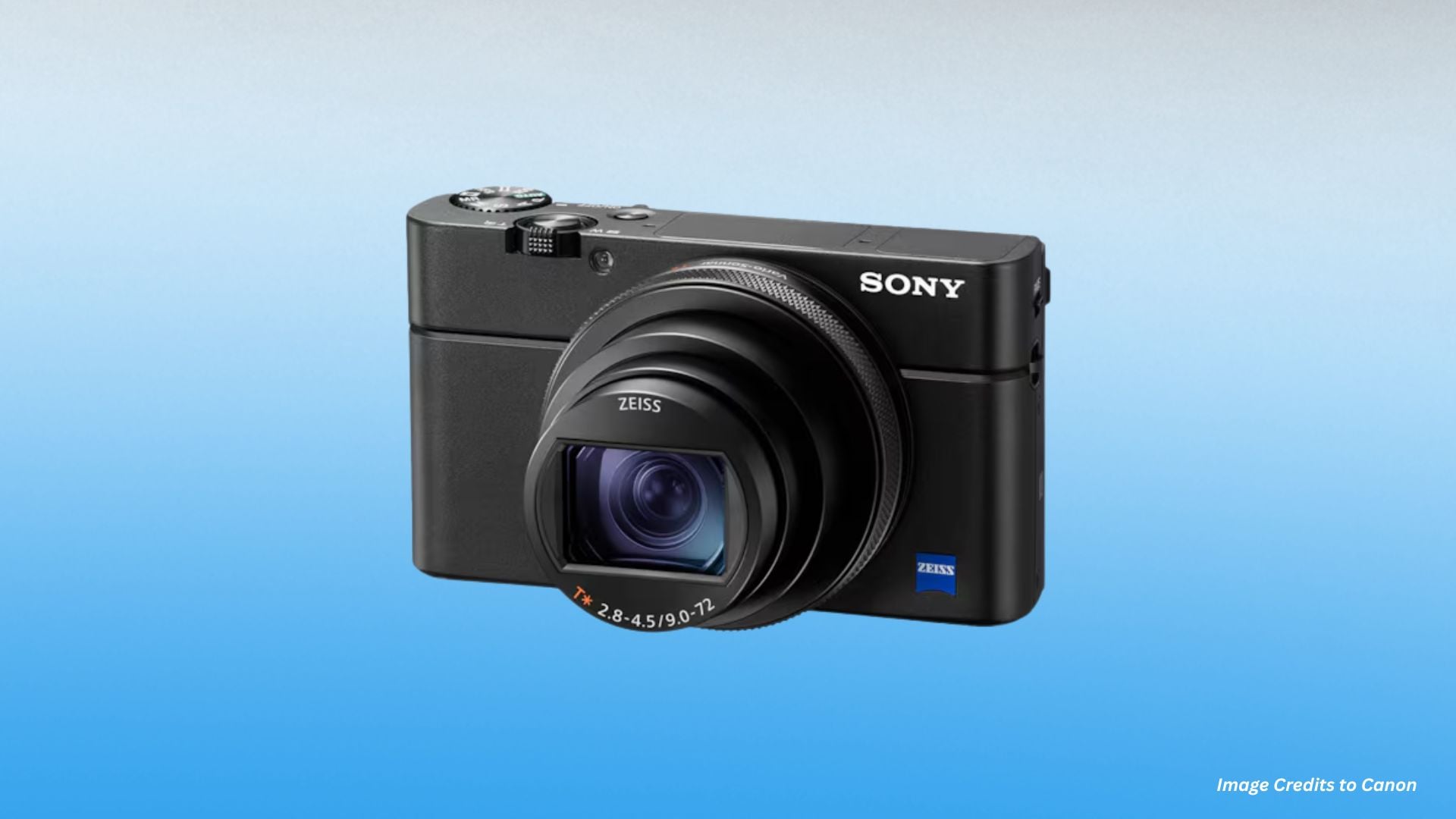
The real-time tracking autofocus is honestly amazing for moving subjects. It shoots 4K video with decent stabilization too. While it’s not as small as fixed-lens cameras, it’s still compact enough for everyday carry.
4. Canon PowerShot G7 X Mark III offers similar features for a bit less money. The 20-100mm zoom lens handles most shooting situations, and content creators love the flip-up screen. It can even live stream, which sets it apart
from other cameras.
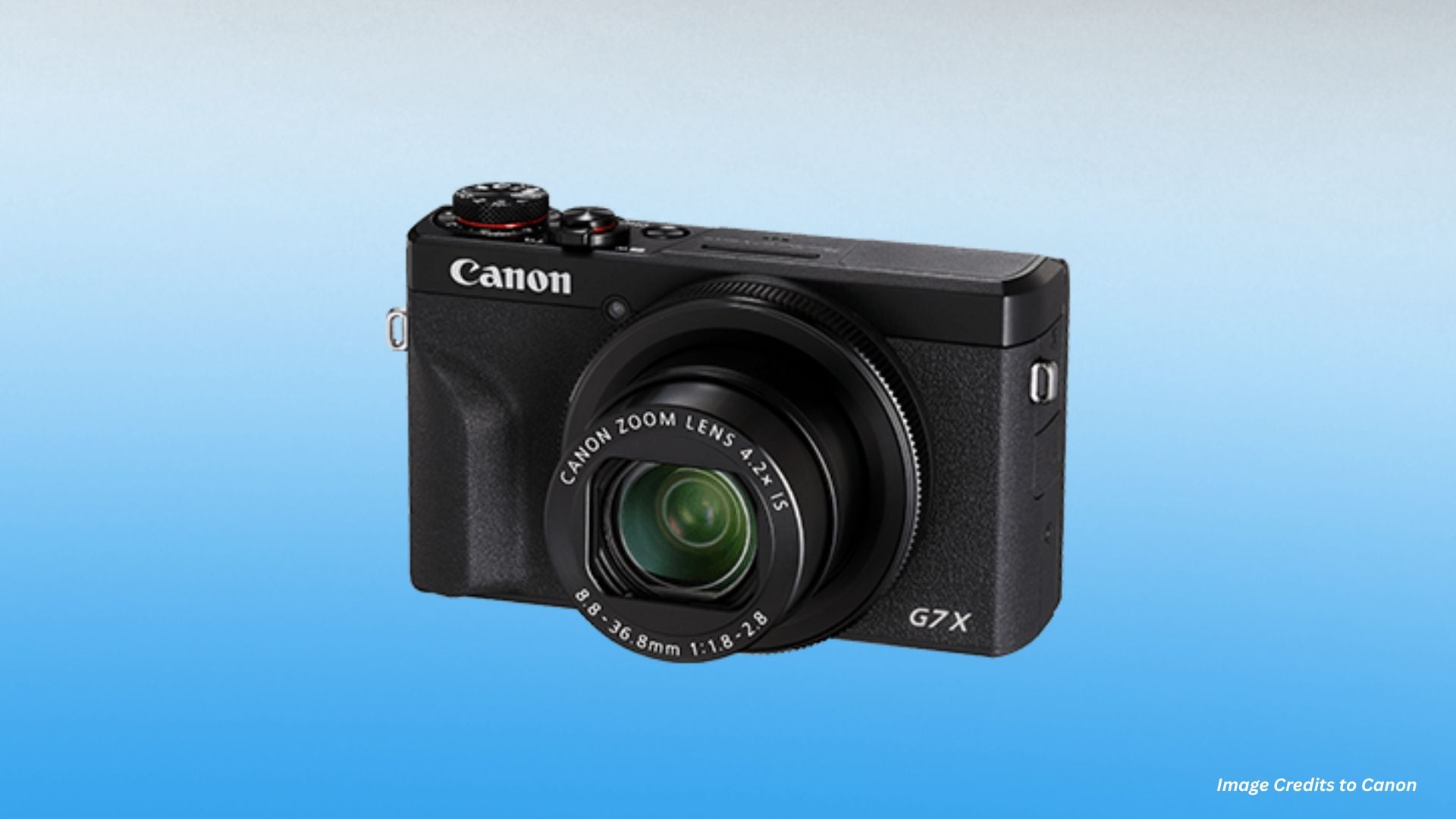
Content creators love the flip-up screen for vlogging and social media work. It was the first compact camera to offer direct live streaming to YouTube via Wi-Fi, though you need at least 1,000 subscribers to use this feature. For smaller channels, it works great as a webcam for other streaming platforms.
Budget Options That Don’t Suck
You don’t have to spend a fortune to get a really good compact camera. These options give you excellent image quality and useful features without the premium price tag. They’re perfect if you’re just getting into serious photography or want a backup camera.
5. Canon PowerShot G5 X Mark II gives you premium features without the premium price. The pop-up electronic viewfinder is unique among compact cameras and makes it way easier to shoot when it’s bright outside.
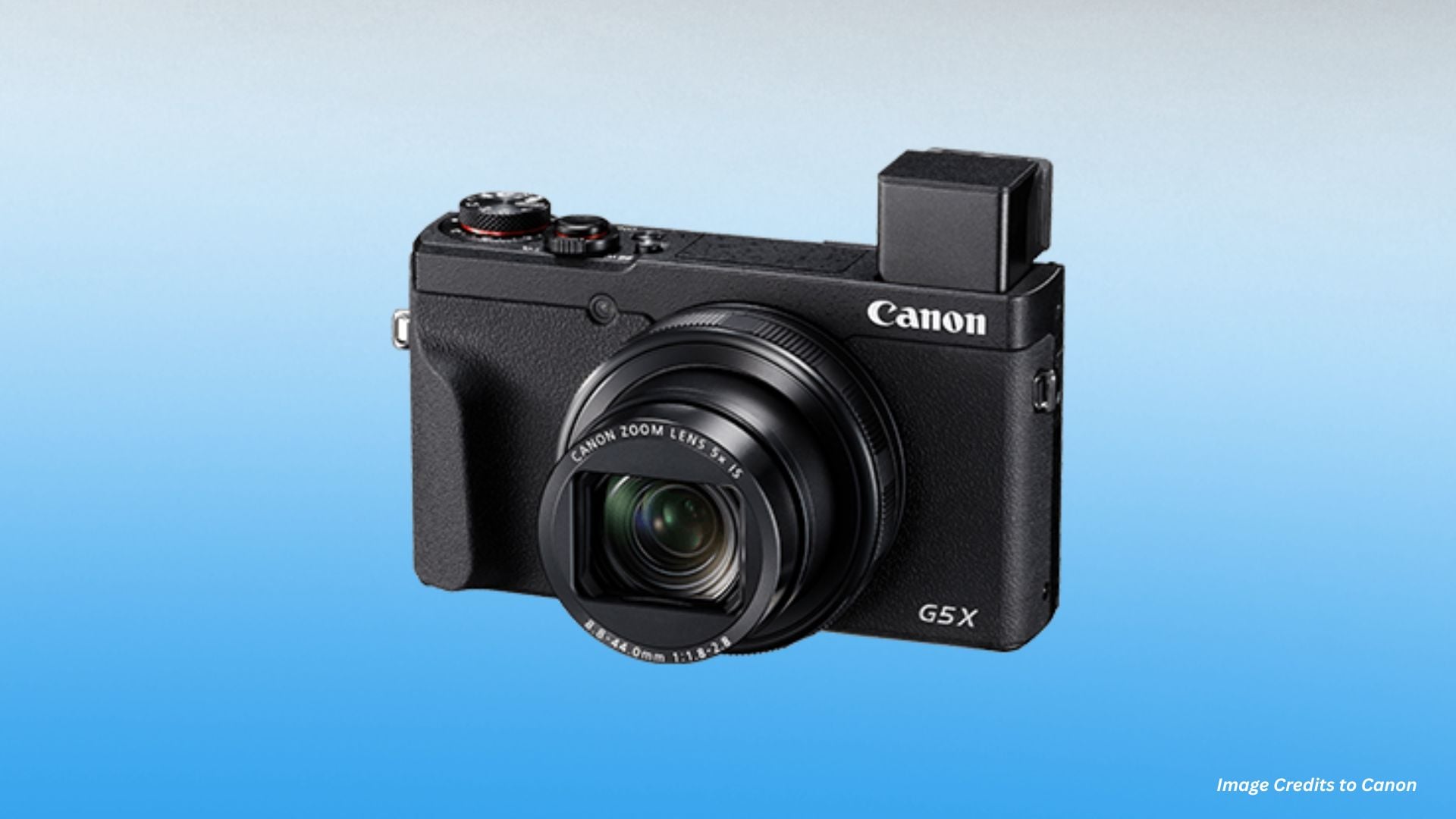
The 24-120mm zoom range covers everything from wide landscapes to moderate telephoto shots. If you’re just getting started with serious photography, this camera has excellent exposure control and image quality without emptying your bank account.
Ultra-Small Cameras That Actually Fit in Your Pocket
When size is your top priority, these cameras are as small as it gets while still delivering serious image quality. They’re perfect for situations where you need to be completely discreet or when every inch of space in your bag matters.
6. Ricoh GR III is still the gold standard for truly pocketable cameras. The 28mm lens is perfect for shooting environments and tight spaces. Getting APS-C image quality in a body smaller than most smartphones is pretty remarkable. The light metering is accurate and reliable.
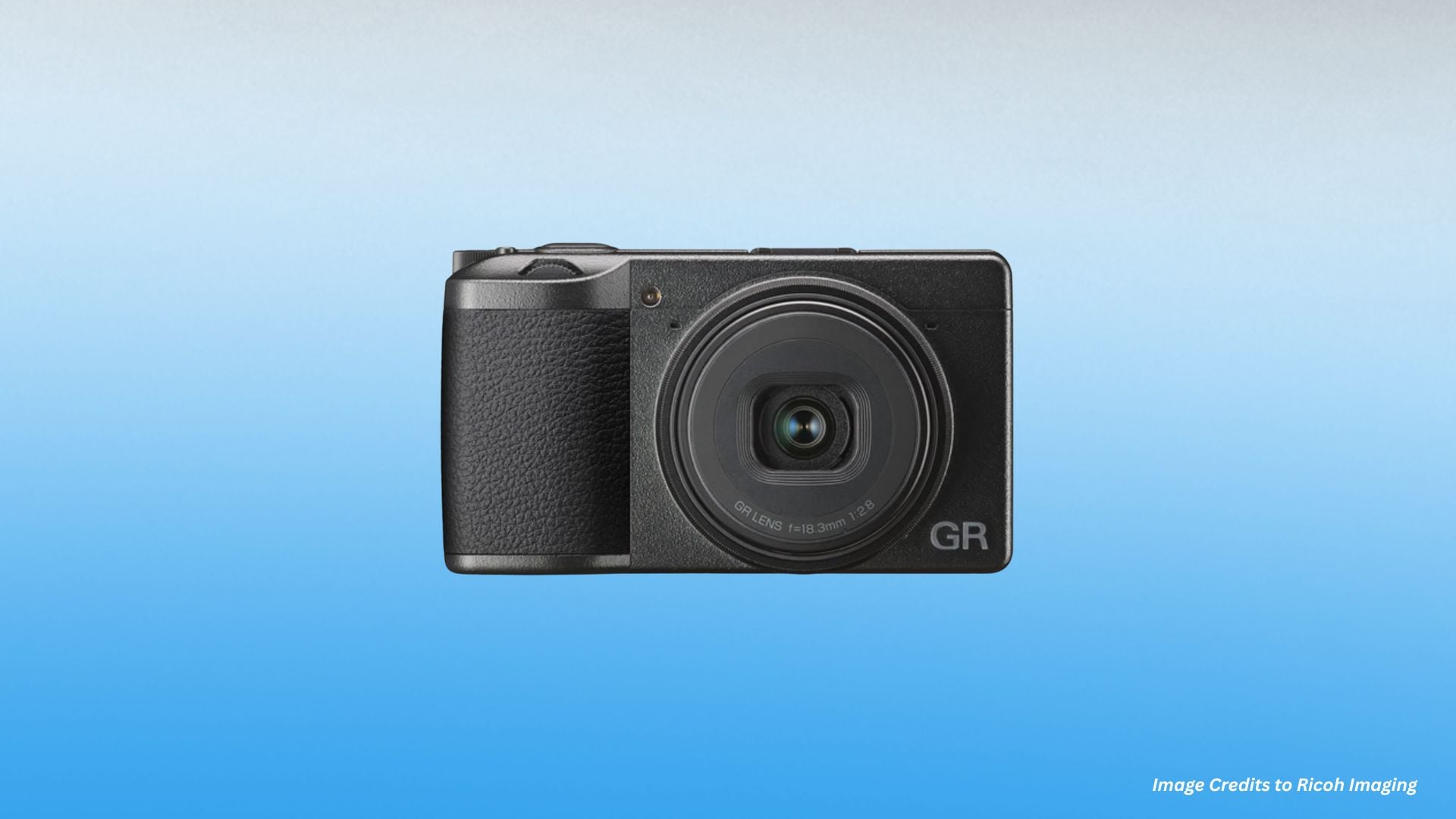
The camera’s simplicity is both good and bad. Fewer buttons mean a cleaner design, but it also means you’ll be diving into menus for some settings. The camera automatically adjusts the ISO, providing functionality that closely mirrors Manual mode while still utilizing Auto ISO. The TAv mode (where you set both aperture and shutter speed yourself) is perfect if you know what you’re doing.
How to Pick the Right Camera for You
Choosing the right compact camera depends on understanding your own needs and shooting habits. Instead of getting overwhelmed by all the technical specs, focus on these practical considerations that will actually impact your daily photography experience.
Think About What You Like to Photograph
Different compact cameras work better for different types of photography. Here’s what works best for common shooting styles:
- Street photography: The wide-angle Ricoh GR III or Fuji X100VI work beautifully for capturing street scenes
- Travel photography: Sony RX100 VII or Canon G5 X Mark II make more sense when you need zoom range
- Portrait work: Ricoh GR IIIx’s 40mm lens gives you more flattering perspective for people photos than ultra-wide lenses
- General photography: Fuji X100VI hits the sweet spot for most situations
Consider Your Experience Level
Some cameras are way easier to use than others. The Sony RX100 series has excellent automatic modes that give you great results without much input from you. Meanwhile, cameras like the Ricoh GR series work better for photographers who already know exposure basics and prefer manual control.
If you’re new to photography, look for cameras with good automatic modes and menus that make sense. As you get better, you can start using the more advanced features. Learning proper exposure techniques early will help you get better results from any camera.
Budget Reality Check
The best compact cameras for everyday carry cost anywhere from $400 to over $1,600. Remember that you’re not just buying a camera, you’re investing in something you’ll use regularly for years.
More expensive cameras usually have better build quality, bigger sensors, faster lenses, and more advanced features. But even budget options can take excellent photos when the light is good.
Accessories You Actually Need
While compact cameras are designed to be complete packages on their own, a few key accessories can make your everyday carry experience much better. Focus on practical items that solve real problems rather than getting caught up in gadgets you’ll never use.
Keeping Your Camera Safe
A good camera strap or wrist strap is essential for everyday carry. A protective case or pouch prevents scratches and dings when you’re carrying your camera in a bag or pocket.
Screen protectors keep LCD displays from getting scratched up. Some cameras have optional lens caps or automatic lens covers for extra protection.
Power Management That Works
Compact cameras usually have smaller batteries than DSLRs, so carrying spare batteries makes sense for all-day shooting. USB charging lets you top up power from portable battery packs or car chargers when you’re traveling.
Memory Cards That Keep Up
Fast memory cards make sure your camera can keep up during burst shooting or 4K video recording. Get cards with good write speeds, especially if you want to shoot RAW files or high-resolution video.
Advanced Features Worth Considering
Modern compact cameras pack some seriously impressive technology into their small bodies. While you don’t need every bell and whistle, understanding these advanced features helps you choose a camera that will grow with your skills and meet your long-term needs.
Image Stabilization Technology
In-body image stabilization helps you get sharper photos when using slower shutter speeds. This feature is really valuable for compact cameras since their small size can make them harder to hold steady. Some cameras have both optical and electronic stabilization for video.
Getting Connected
Wi-Fi and Bluetooth let you transfer photos to your phone for quick sharing or control your camera remotely. Some newer cameras can automatically back up your photos to the cloud.
Video Capabilities
Many modern compact cameras shoot excellent 4K video. If you want to create video content, look for good stabilization, external microphone inputs, and clean HDMI output.
Making Your Camera Last
A good compact camera should serve you well for years, not just months. Smart choices about software support and accessories can extend your camera’s useful life and help you get more value from your investment.
Software Updates and Support
Camera companies regularly release firmware updates that add new features and improve how cameras work. Companies with good update track records keep cameras useful longer.
Accessories and Add-ons
While most compact cameras have fixed lenses, some manufacturers offer compatible accessories like lens adapters, external viewfinders, or specialized filters. Having more options gives you room to grow as your needs change.
Common Mistakes to Avoid When Buying
Even experienced photographers can make costly mistakes when shopping for compact cameras. Learning from other people’s errors saves you money and frustration, and helps ensure you end up with a camera you’ll actually love using.
Don’t Get Obsessed with Megapixels
More megapixels doesn’t automatically mean better photos. A 20-megapixel camera with a good sensor and lens will beat a 40-megapixel camera with cheap components every time. Focus on overall image quality instead of just the numbers.
Ignoring Ergonomics
A camera might look great online, but if it feels awkward in your hands, you won’t want to use it. Button placement, grip comfort, and menu layout all matter way more than you might think.
Overlooking Battery Life
Some compact cameras have notoriously short battery life. Read reviews from actual users to get realistic expectations about how long your camera will last on a single charge.
Buying Too Much Camera
It’s tempting to get the most feature-packed camera you can afford, but if you’re just starting out, those features might overwhelm you. Sometimes a simpler camera that you actually understand and use is better than a complex one that intimidates you.
Making Your Final Choice for the Best Camera For Everyday Carry
The best compact cameras for everyday carry balance image quality, how easy they are to carry around, and how simple they are to use. Your perfect camera depends on what you want to photograph, how much money you want to spend, and how complicated you want things to be.
For most people, cameras like the Fuji X100VI or Ricoh GR IIIx give you the best combination of image quality and portability. If you need zoom flexibility, the Sony RX100 VII or similar cameras are excellent choices even though they’re a bit bigger.
Try to visit a camera store and actually hold different models before you buy one. How a camera feels in your hands really matters when you’re going to carry it every day. Pay attention to where the buttons are, how the menus work, and whether it feels comfortable to use.
Remember that the best compact camera is the one you’ll actually carry and use. A slightly less capable camera that goes everywhere with you will capture more great moments than a technically superior model that stays home because it’s too big or complicated.
Start taking photos right after you get your new camera. The sooner you learn its quirks and what it can do, the better your photos will get. Most compact cameras have enough features to grow with your skills, so don’t worry about outgrowing your choice too quickly.
See more from DIYPhotography.net on Google
Add DIYPhotography.net as a trusted source. This makes
our stories more likely to appear in your Google Search results.
 Add as a preferred source on Google

Darlene Lleno
Darlene Lleno brings a unique perspective to DIY Photography as someone who grew up surrounded by camera gear but chose words over lenses. With five years of writing experience, she specializes in photography content that’s both technically informed and genuinely passionate. Growing up with a photographer twin brother meant camera talk was everyday conversation in her household. While he mastered capturing moments, Darlene discovered she preferred being the subject and the storyteller behind the scenes. As a travel enthusiast and mother of two, she understands the importance of preserving life’s precious moments. When not exploring new destinations or writing for DIY Photography, you’ll find her reading or tending to her garden. Her approach to photography writing is refreshingly authentic, she may not be behind the camera, but she knows exactly what it takes to help others capture the shots that matter most.
Related Posts
 Six ways to find time for photography in your busy everyday life
 There is now a pocket-sized controller for the Blackmagic Pocket Cinema Camera 4K
 DJI Osmo Pocket 3 review: an exceptional vlogging camera that really does fit in your pocket
 Olympus announces M.Zuiko Digital ED 12-45mm f/4 PRO, a compact and versatile lens for everyday shooting
Join the Discussion
DIYP Comment Policy
Be nice, be on-topic, no personal information or flames.