




















Is Photography Really Hard—or Are We Just Misunderstanding It?
Sep 7, 2025
Anzalna Siddiqui
A psychology major in her third year of Bachelor’s, Anzalna Siddiqui has endless curiosity for the human mind and a deep love for storytelling – both through words and visuals. Though she hasn’t taken up photography as a profession, her Instagram is where her passion finds its home. In addition to this, she’s a travel enthusiast who never travels without her camera because every place has a story waiting to be captured.
Share:

You have all the gear and you’ve watched countless videos about ISO, shutter speed, and aperture. You’ve even picked up some presets from photographers you admire. Yet, when you review your own photos, they seem to lack that special quality you admire in others’ work.
If this sounds familiar, you’re not alone. I have experienced this same frustration. Arnulfur Hakonarson of THAT ICELANDIC GUY has some insights on the matter. He believes that our struggles don’t stem from photography being difficult but from learning the wrong way. It’s like trying to decorate a cake before it’s even baked. He suggests that once you change your viewpoint, everything in your creative journey can fall into place. According to him, many photographers face a major challenge due to a basic misunderstanding of what truly makes a photo stand out.
The Story Is the Subject, Not Your Gear
When you grab your camera for the first time, what do you usually do? Most likely, I check the settings. I tweak the aperture, set the shutter speed, or increase the ISO. Many of us have done this. It’s the technical side of photography that we often hear is the most crucial. However, Arnulfur suggests that this isn’t the best starting point. Instead, he advises a change in perspective. Put aside the technical details for a bit. Before focusing on exposure, consider these three important questions:
- What is your subject?
- What catches your attention right now?
- What do you want your viewer to see?
It might seem too simple, right? But according to Arnulfur, starting with these questions makes everything else easier. The technical settings become just a way to achieve your goal. It’s not about memorizing anything. It’s about picking the right tools to express the story you want to share. He mentions that he often uses aperture priority mode so he can focus more on the scene and the story itself, which can help you stay present and engaged.
So next time you grab your camera, give this a try. Look around you and find something that moves you. Ask yourself those three questions. Only after that should you think about what settings will best capture that emotion.
Your Camera Body Is NOT a Magic Wand
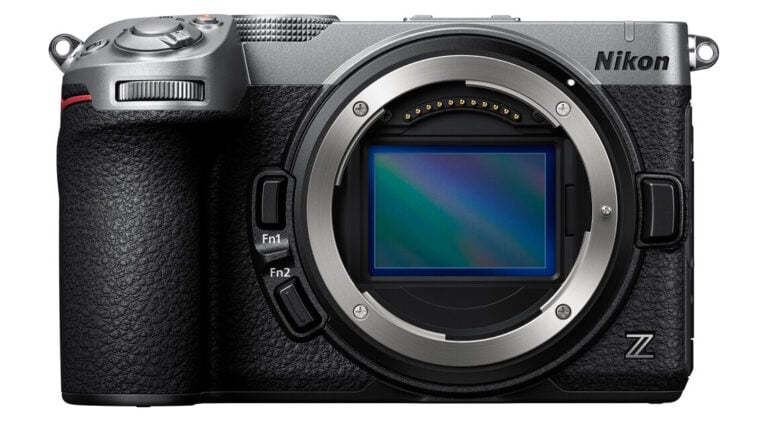
As a photographer, you’ve likely heard someone say, “If only I had a better camera, I could take great pictures.” You might have thought that yourself too. The temptation for new gear is strong.
However, Arnulfur quickly rejects that notion. He argues that having better gear doesn’t automatically make you a better photographer. He acknowledges that gear has its place — like a professional sports photographer needing a fast lens and a quick camera. But he believes that this gear is only truly useful once you have a solid understanding of photography and know what you need it for.
I completely agree with him on this. I’ve definitely been caught up in the gear obsession before. I’ve spent a lot of time looking into the newest mirrorless cameras or fancy lenses, thinking they would boost my creativity. What I’ve learned is that the key to taking a great photo isn’t about the camera. It’s about how you view your surroundings. It’s about noticing how light falls on a wall or observing the interesting contrast between movement and stillness in a scene. He refers to this ability to “see” as a superpower that can be developed. It’s a skill that doesn’t need any pricey gear.
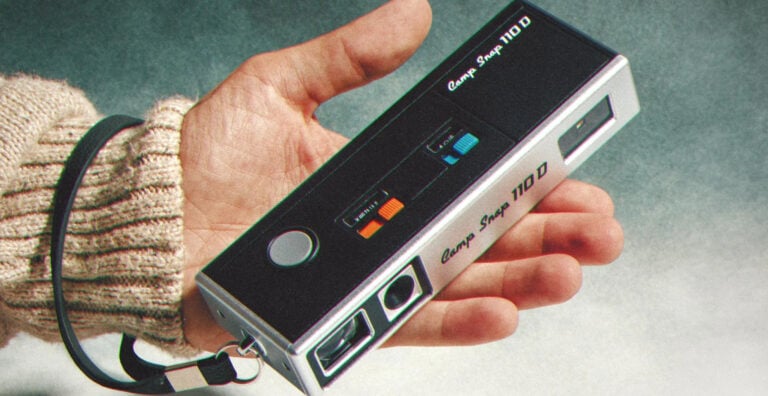
Arnulfur even mentions that some of his best photos were taken with basic cameras. So, before you spend a fortune on the latest gear, think about working on your own vision. Practice observing the light, shapes, stories, and emotions in your environment. Your bank account will appreciate it, and your photography will get better.
Composition Is Your Secret Weapon
You have an amazing subject, great lighting, and a compelling story to share. Yet, the photo still seems lacking. Arnulfur advises you to pay attention to your composition next. He believes that if your composition is messy or flat, it won’t engage the viewer, regardless of how lovely the light or interesting the subject might be.
Think of yourself as a director in a play. You choose what gets highlighted and what gets left out. According to him, composition is about leading the viewer’s eye. He points out that some of the best photos are the simplest because they eliminate confusion.
He suggests a simple approach to improve your skills: Ask yourself, “What is the main focus in this picture, and what is distracting from it?” Look for any clutter and try to eliminate it.
He also shares a helpful tip from his group, The Dark Room, where photographers can receive feedback and practice. A member of this community once mentioned that shooting in black and white can greatly enhance your composition. This technique removes color distractions and helps you concentrate on essential elements like shape, balance, and light. He argues that good composition makes a photo clear, guiding the viewer on where to look and what emotions to feel.
The Melody of Photography: Light
Photography as a form of music. In this analogy, light serves as the melody. Arnulfur explains that light shapes the image, sets the mood, and brings feelings to a photograph. He notes that bright, harsh light can create a sense of tension, while softer light often evokes calmness and nostalgia.
To clarify this idea, he compares two lighting techniques in portrait photography: side lighting and front lighting. Using side lighting adds depth and emotion by casting shadows and highlights that enhance the features of the face. In contrast, front lighting gives a flatter and less dynamic appearance.
He talks about his friend Matt Peter, a landscape photographer from Denmark, who he describes as a light expert. Peter has a talent for taking amazing photos in places that aren’t usually considered impressive, like Denmark, because he knows how to work with light effectively. Arnulfur admits that after hanging out with Matt, he became really interested in finding “pockets of light” that shine through overcast skies. He believes that learning to spot these areas takes practice and improves over time.
He encourages you to think about the light before snapping a photo by asking yourself questions like, “Where is the light coming from?” and “How is it affecting the subject?” By paying attention to the light this way, you can take better pictures right away, which means less time editing later. As he points out, light can sometimes be more than just a way to brighten a subject; it can actually be the main focus of the shot.
You Don’t Have to Know Everything
Personally, I think that the final point is possibly the most crucial. Online photography groups can feel like a lot to handle. With countless tutorials, discussions about gear, and complicated terms, it can seem like you need a Ph.D. in physics just to snap a good photo.
Arnulfur understands this challenge but believes that when you’re starting out, all you really need are a few essential tools. He compares it to writing a story: you don’t have to read every word in the dictionary; you just need to know some key words and how to use them well.
He suggests that if you really grasp how exposure impacts your subject, know how to arrange a scene, and can convey a story, you’re already ahead of many others. He advises focusing deeply on the basics instead of trying to learn everything at once. He also points out that many experienced photographers stick to the same gear and settings every day because they’ve refined their approach and prioritize storytelling over following trends.
He offers a useful comparison: a professional knows a few tricks very well, while an amateur knows many tricks poorly. This is an important idea. Professionals concentrate on the tools necessary for their work and become experts with them.
It turns out photography isn’t as complicated as we thought. We just needed to change our perspective.
[Photography Isn’t Hard. It’s Misunderstood. I THAT ICELANDIC GUY; Image credits: Envato]
See more from DIYPhotography.net on Google
Add DIYPhotography.net as a trusted source. This makes
our stories more likely to appear in your Google Search results.
 Add as a preferred source on Google

Anzalna Siddiqui
A psychology major in her third year of Bachelor’s, Anzalna Siddiqui has endless curiosity for the human mind and a deep love for storytelling – both through words and visuals. Though she hasn’t taken up photography as a profession, her Instagram is where her passion finds its home. In addition to this, she’s a travel enthusiast who never travels without her camera because every place has a story waiting to be captured.
Related Posts
 Sony apologises for “misunderstanding” after backlash over July 7th product launch date
 How street photography changed my lifestreet photography changed my lifeHow street photography changed my life
 Shaping the photography future: Students and Youth shine in the Sony World Photography Awards 2025
 AI and Photography in 2026: How AI Is Changing Photography Careers
Join the Discussion
DIYP Comment Policy
Be nice, be on-topic, no personal information or flames.