





















Why Embracing Imperfection Can Make Your Photography More Human
Mar 13, 2026
Alysa Gavilan
Alysa Gavilan has spent years exploring photography through photojournalism and street scenes. She enjoys working with both film and mirrorless cameras, and her fascination with the craft has grown over the decades. Inspired by Vivian Maier, she is drawn to capturing everyday moments that often go unnoticed.
Share:
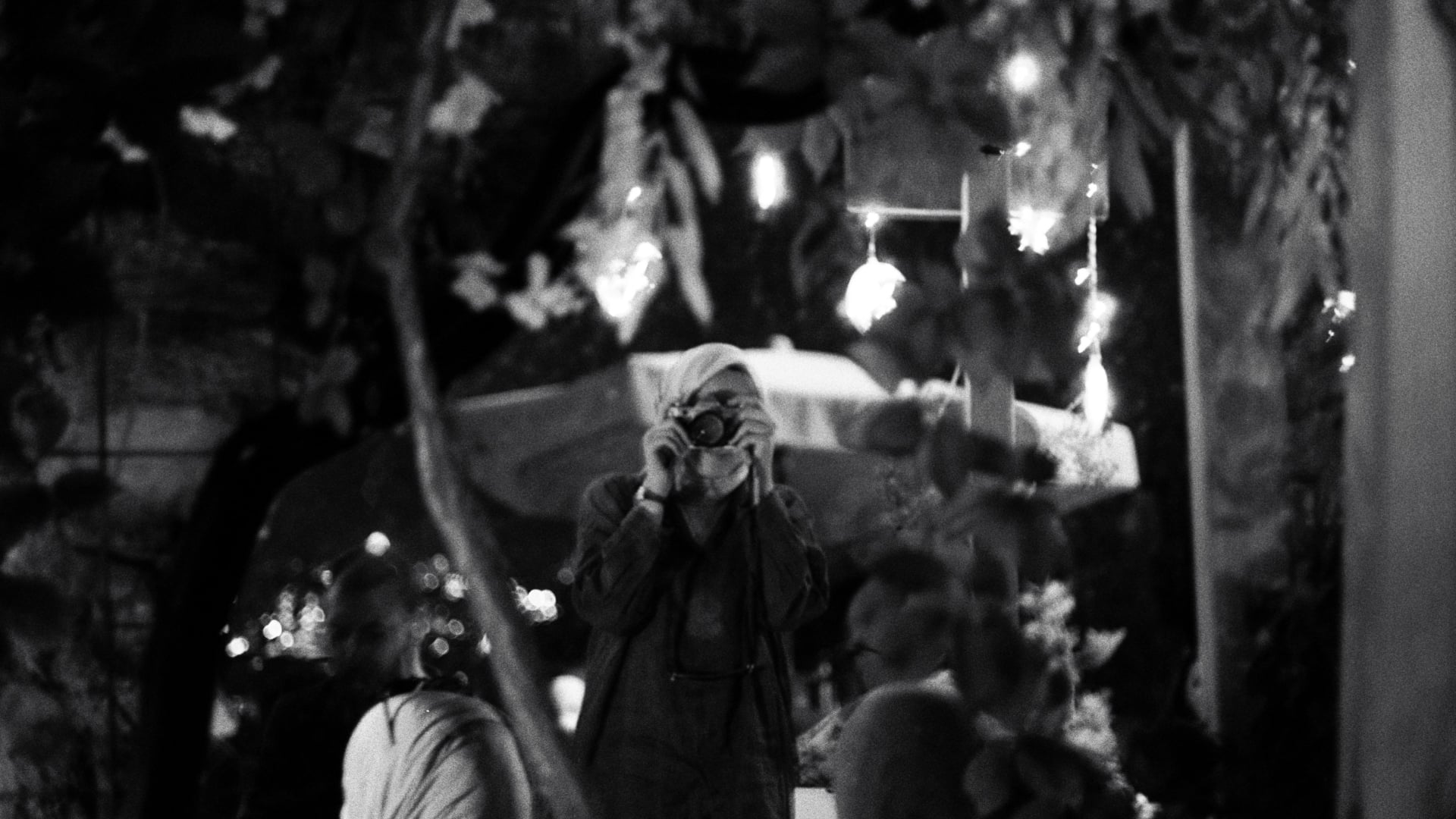
Even in an era where cameras can produce technically flawless images at the touch of a button, many photographers are finding new creative freedom by embracing imperfections.
In a recent YouTube video, photographer Rowtography explored how introducing blur, grain, and vintage lens quirks can transform technically perfect images into ones that feel more human, expressive, and emotionally engaging.
According to him, modern cameras and lenses often deliver results that are sharp and perfectly exposed, but that precision can come at the cost of character and personality in your images.
The Limits of Perfect Images
Rowtography points out that lenses like the Sony 24-105mm create bright, crisp, and vibrant shots almost automatically. While this level of technical performance is remarkable, it can produce images that feel sterile or overly polished.
In contrast, introducing subtle imperfections like slight focus errors, soft edges, or grain can add atmosphere and emotional depth. Historical photography offers examples of how technical flaws can enhance storytelling.
Rowtography cites Robert Capa’s D-Day photos, which were blurry and grainy due to the challenging conditions, yet remain iconic because they capture urgency, presence, and the chaos of the moment. The takeaway for modern photographers is that technical perfection is not always the most compelling choice.
Techniques for Introducing Imperfections
Rowtography describes several practical methods to make your images feel more organic.
Intentional camera movement is one such technique, achieved by using a slower shutter speed and deliberately moving the camera while shooting. This creates motion blur that conveys energy or emotion. By adjusting the speed and direction of movement, you can craft images that feel ethereal or impressionistic, while still maintaining control over the composition.
Another approach is embracing grain or noise. While digital cameras and post-processing software often aim to remove noise, Rowtography notes that adding controlled grain can give images a gritty, textured look. On overcast days or in low-light situations, raising the ISO to 1600 or 3200 can produce a dramatic, atmospheric effect that enhances mood and narrative.

Vintage lenses are also highlighted as tools for creative imperfection. Older lenses may not focus perfectly and often introduce subtle chromatic aberrations or soft highlights, which can produce visually pleasing results.
According to Rowtography, using these lenses forces photographers to slow down, work manually, and engage with the creative process, resulting in images with character that cannot be replicated by modern lenses or AI-generated images.
Manual Techniques and Equipment Choices
Rowtography emphasizes that manual focus allows for purposeful imperfection.
Slightly missing focus on a subject, focusing on a background element, or shifting focus across the frame can guide the viewer’s eye and create layers of depth.
Additionally, older cameras such as early DSLRs with CCD sensors may have lower dynamic range or less low-light capability, limitations that can be leveraged for creative effect.
These techniques are not only artistic but also help reinforce the human element in photography. According to Rowtography, in a world increasingly populated with AI-generated imagery, embracing imperfections signals that the image was created by a person with intent and imagination.

Why Imperfection Matters
Perfectly clinical images may look sharp and clean, but without human qualities, they risk feeling flat. Rowtography emphasizes that using these techniques can help your work stand out and resist the homogenization of AI-generated images, which often prioritize flawless technical output over storytelling and emotional impact.
Rowtography’s video demonstrates that photography is as much about human expression as technical accuracy.
As cameras continue to improve and AI-generated images become more prevalent, deliberately introducing imperfections may be one of the most effective ways to keep your photography personal, creative, and emotionally resonant. Embracing imperfection is about using creative choices to make images that tell a story in a way that perfection alone cannot.
See more from DIYPhotography.net on Google
Add DIYPhotography.net as a trusted source. This makes
our stories more likely to appear in your Google Search results.
 Add as a preferred source on Google

Alysa Gavilan
Alysa Gavilan has spent years exploring photography through photojournalism and street scenes. She enjoys working with both film and mirrorless cameras, and her fascination with the craft has grown over the decades. Inspired by Vivian Maier, she is drawn to capturing everyday moments that often go unnoticed.
Related Posts
 This fashion photographer is embracing the future by fusing AI backgrounds with studio photography
 The beauty of imperfection: Voigtlander Nokton Classic 40mm f/1.4 review
 Perfect Imperfections: Embracing And Empowering Positive Body Image [NSFW]
 Photographer captures the cutest squirrel embracing and smelling a flower
Join the Discussion
DIYP Comment Policy
Be nice, be on-topic, no personal information or flames.