


















A Partial Lunar Eclipse is coming up on August 27: How to Photograph It
Aug 27, 2026
Soumyadeep Mukherjee
Soumyadeep Mukherjee is an award-winning astrophotographer from India. He has a doctorate degree in Linguistics. His work extends to the sub-genres of nightscape, deep sky, solar, lunar and optical phenomenon photography. He is also a photography educator and has conducted numerous workshops. His works have appeared in over 40 books & magazines including Astronomy, BBC Sky at Night, Sky & Telescope among others, and in various websites including National Geographic, NASA, Forbes. He was the first Indian to win “Astronomy Photographer of the Year” award in a major category.
Share:
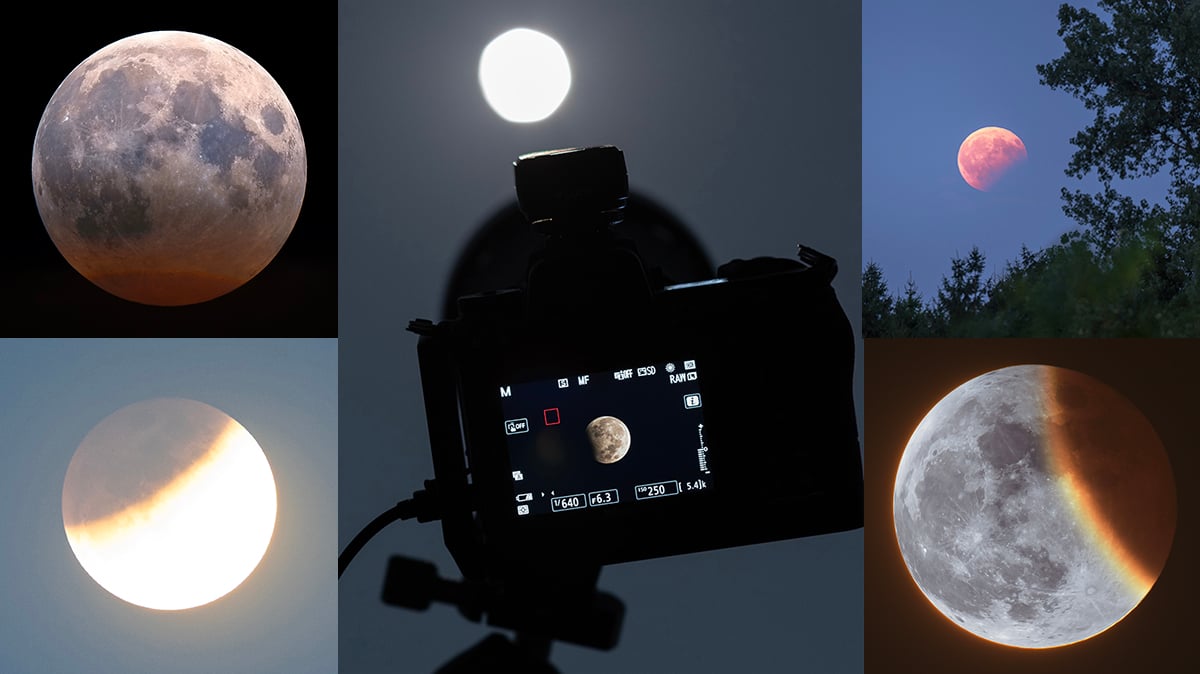
Table of contents
Just a couple of weeks after the August 12 solar eclipse, a deep partial lunar eclipse will take place on August 27–28, 2026, giving skywatchers a chance to watch Earth’s shadow cover most of the Moon. At maximum eclipse, about 93% of the Moon’s diameter will lie inside Earth’s dark umbral shadow. The covered portion should take on a distinctly reddish or coppery appearance.
This will be a partial lunar eclipse, but only a small section of the Moon will remain outside the darkest part of Earth’s shadow at maximum eclipse. The event begins on August 27 in some time zones and continues into August 28 in others. The maximum eclipse occurs at 04:12:49 UTC on August 28. The partial phase will last about 3 hours and 18 minutes.
The event will be visible from large parts of North and South America, Europe, and Africa, along with some areas of western Asia and the Pacific. However, visibility varies significantly by location. For some observers, the Moon will rise or set during the eclipse. Others will see most or all of the event with the Moon well above the horizon.
What happens during a Lunar Eclipse?
A lunar eclipse occurs when the Sun, Earth, and Moon become sufficiently aligned for the Moon to pass through Earth’s shadow. Unlike a solar eclipse, the Moon does not have to pass directly through the center of the shadow for an eclipse to occur. In this case, the alignment is close enough for the Moon to move deeply into the umbra.
These will be the timings of the partial lunar eclipse:
- Penumbral Eclipse Begins: 01:24 UTC
- Partial Eclipse Begins: 02:34 UTC
- Greatest Eclipse: 04:13 UTC
- Partial Eclipse Ends: 05:52 UTC
- Penumbral Eclipse Ends: 07:02 UTC
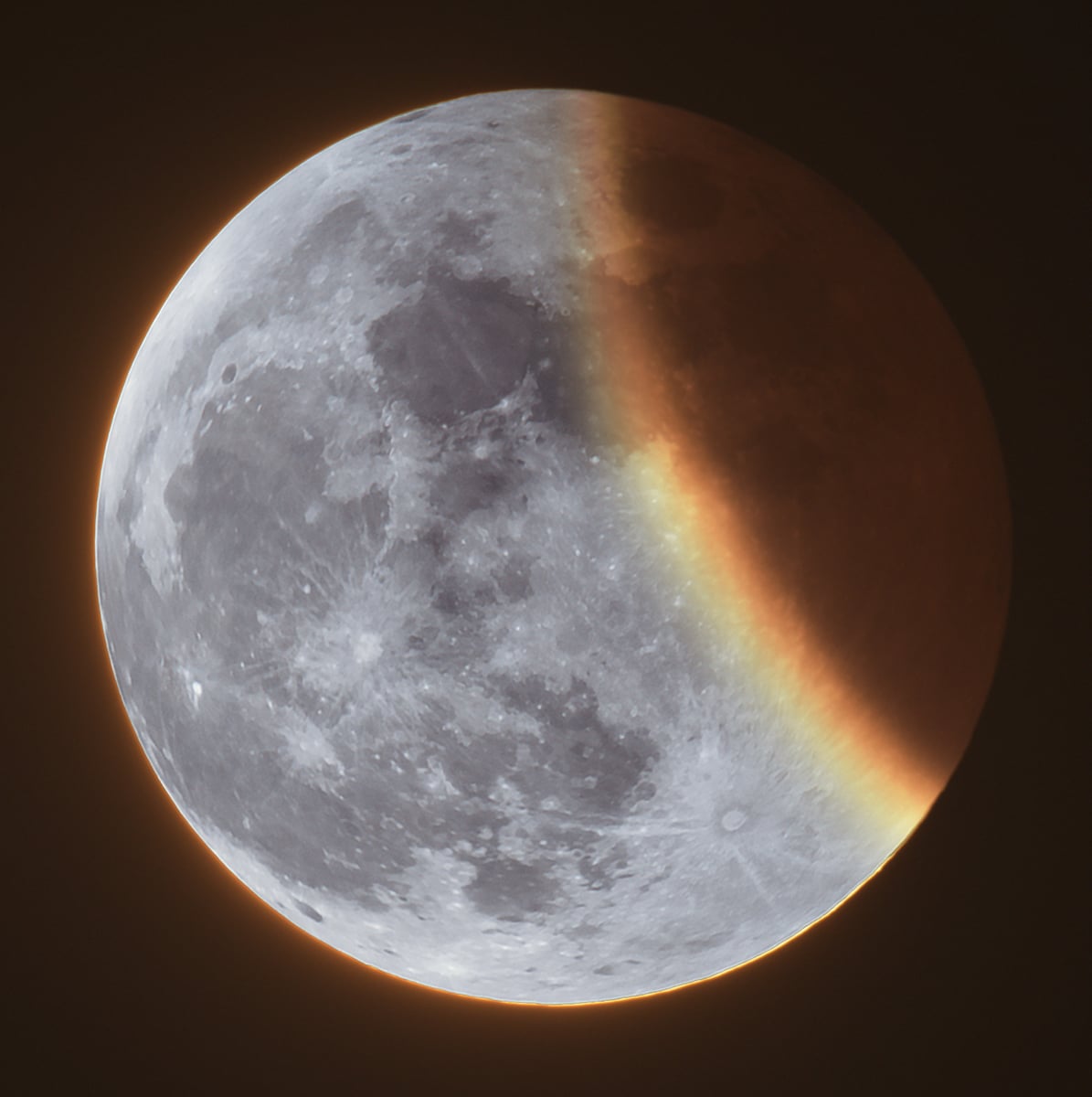
The penumbral stage is difficult to detect by eye because the Moon only becomes slightly darker. The change becomes much more obvious once the umbra reaches the lunar surface. At that point, Earth’s shadow appears to remove a curved section of the bright lunar disk.
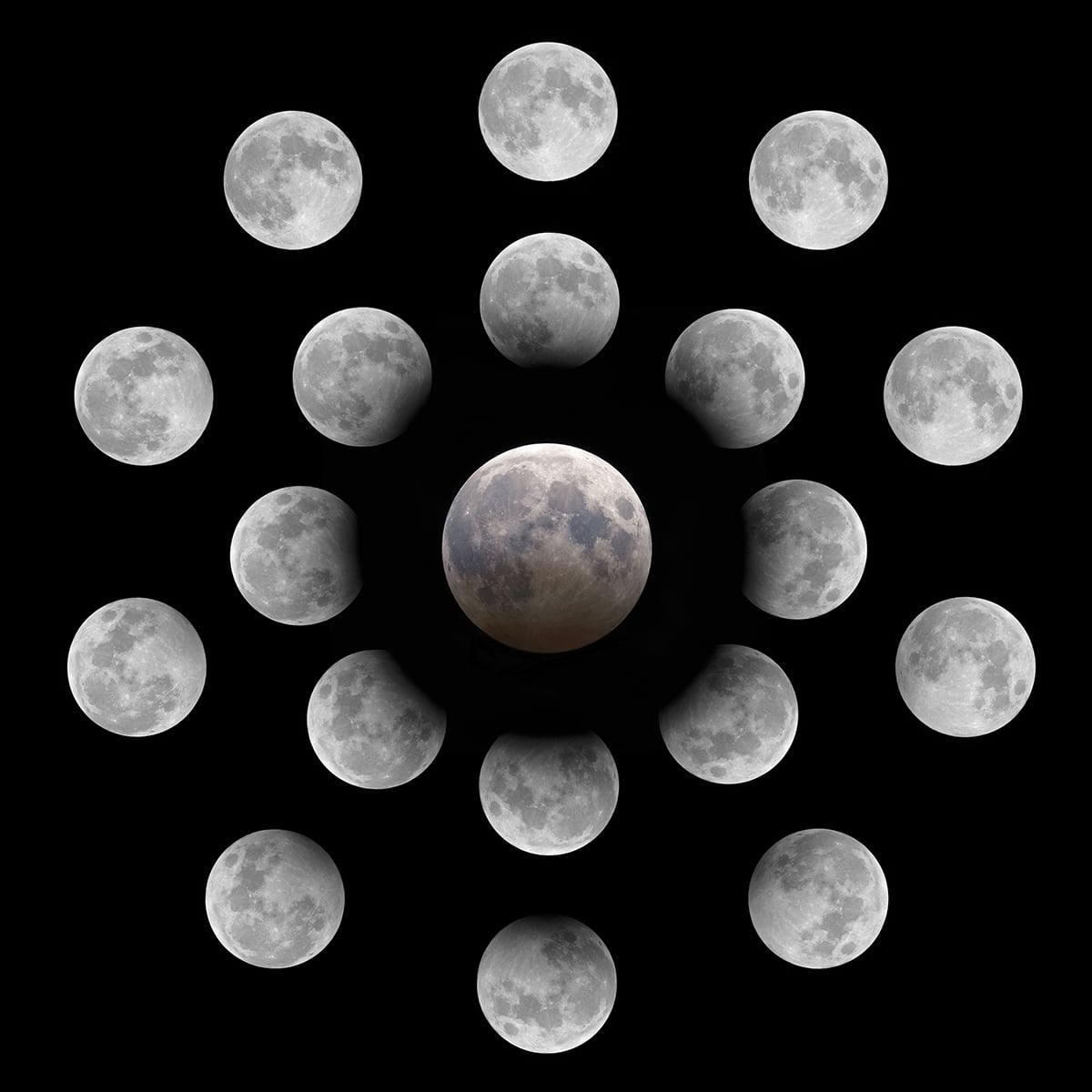
The eclipsed portion can also appear red or orange, as sunlight reaching the Moon will pass through Earth’s atmosphere. The atmosphere scatters and absorbs shorter blue wavelengths more efficiently than longer red wavelengths. Some of the remaining red and orange light is refracted into the umbra and illuminates the lunar surface.
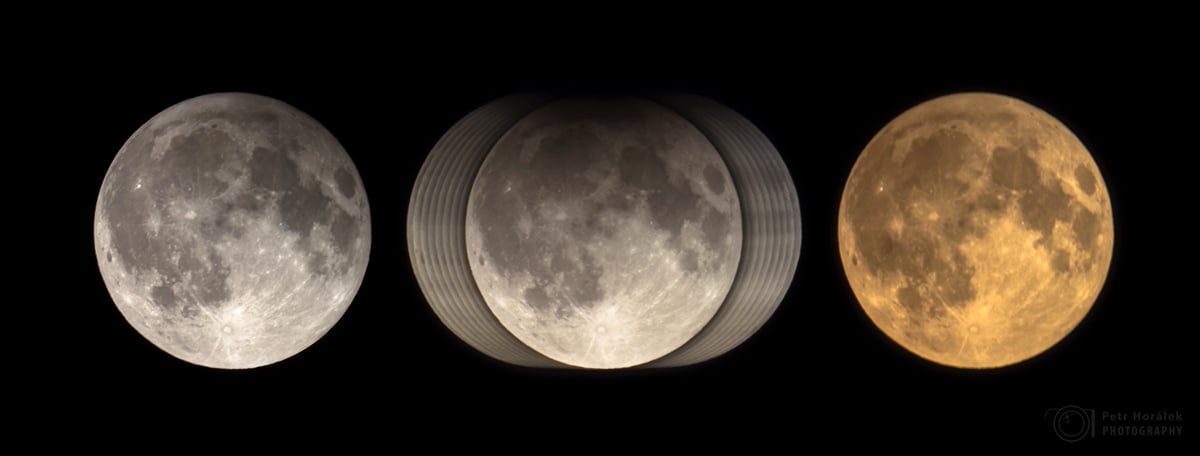
Where can you see the August 2026 Lunar Eclipse?
The partial lunar eclipse will be visible from North and South America, Europe, Africa, and parts of the Pacific and western Asia. The exact viewing circumstances depend on the observer’s location and the Moon’s position above the horizon.
The dates can be confusing. NASA lists the event as August 27–28 because the eclipse crosses midnight for some locations. The maximum occurs at 04:12:49 UTC on August 28. In the United States, for example, the maximum eclipse occurs at about 9:13 p.m. PDT and 12:13 a.m. EDT.
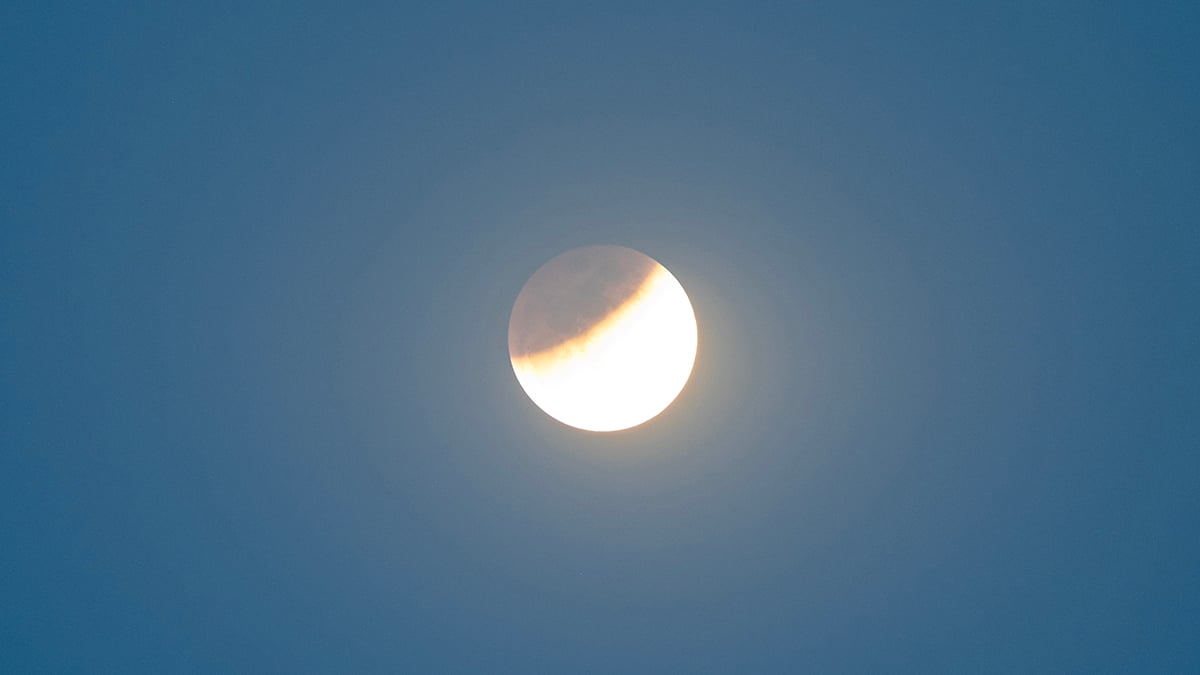
For the best view, choose a location with an unobstructed horizon and check the Moon’s altitude before the event. The Moon near the horizon can be excellent for landscape compositions, but buildings, trees, and atmospheric turbulence can make detailed lunar photography more difficult.
Anyone planning a dedicated observing session should arrive early. Setting up before the partial phase gives you time to establish focus and composition while the Moon is still bright. It also provides a reference image showing the Moon before Earth’s umbra begins to cover it.
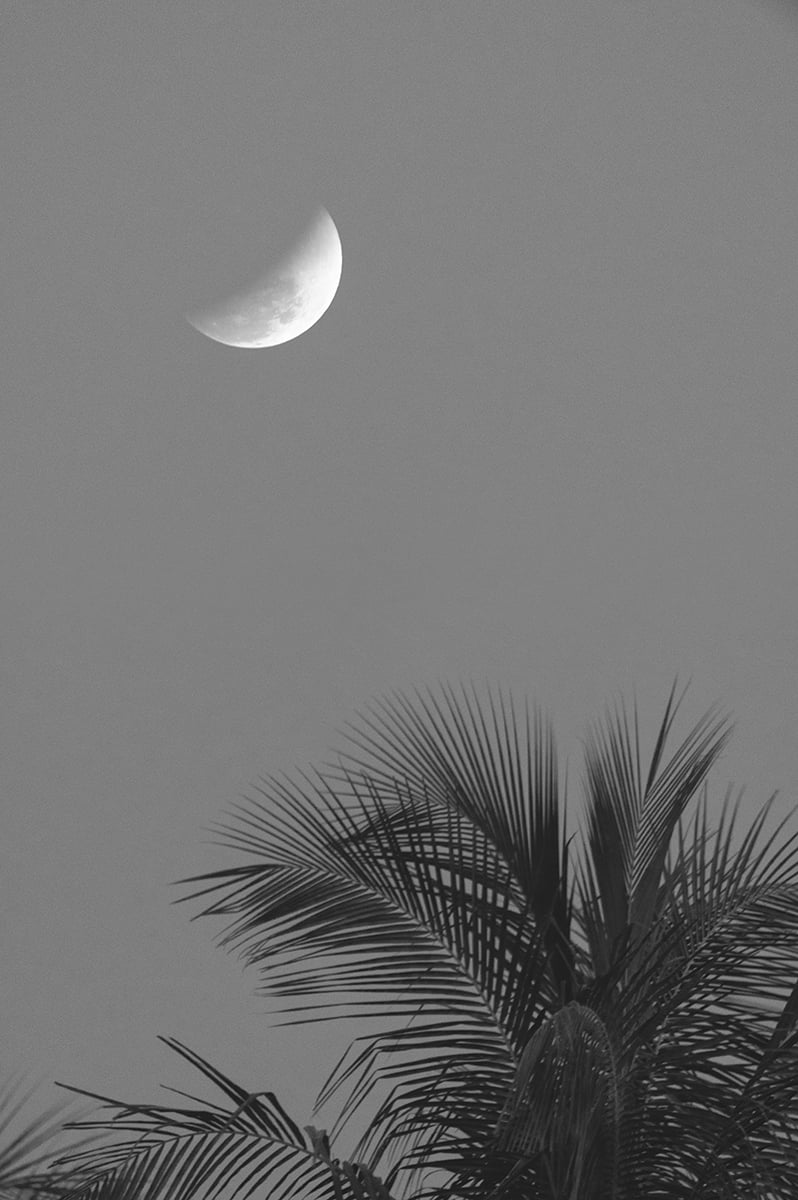
How to watch it
A lunar eclipse is among the easiest astronomical events to observe. Unlike a solar eclipse, it does not require special eye protection. You can safely watch a lunar eclipse directly with your eyes throughout the event. Binoculars or a telescope will reveal much more detail along the boundary between the bright and eclipsed portions.
A small telescope can show the advancing edge of the umbra crossing lunar craters and maria. The curved shape of Earth’s shadow is also easy to recognise. Observers interested in more detailed work can record the times when specific lunar craters enter or leave the umbra.
The maximum phase will be the main attraction. At maximum eclipse, only a small part of the Moon will remain outside the umbra. This creates a very strong contrast between the bright lunar surface and the darker region.
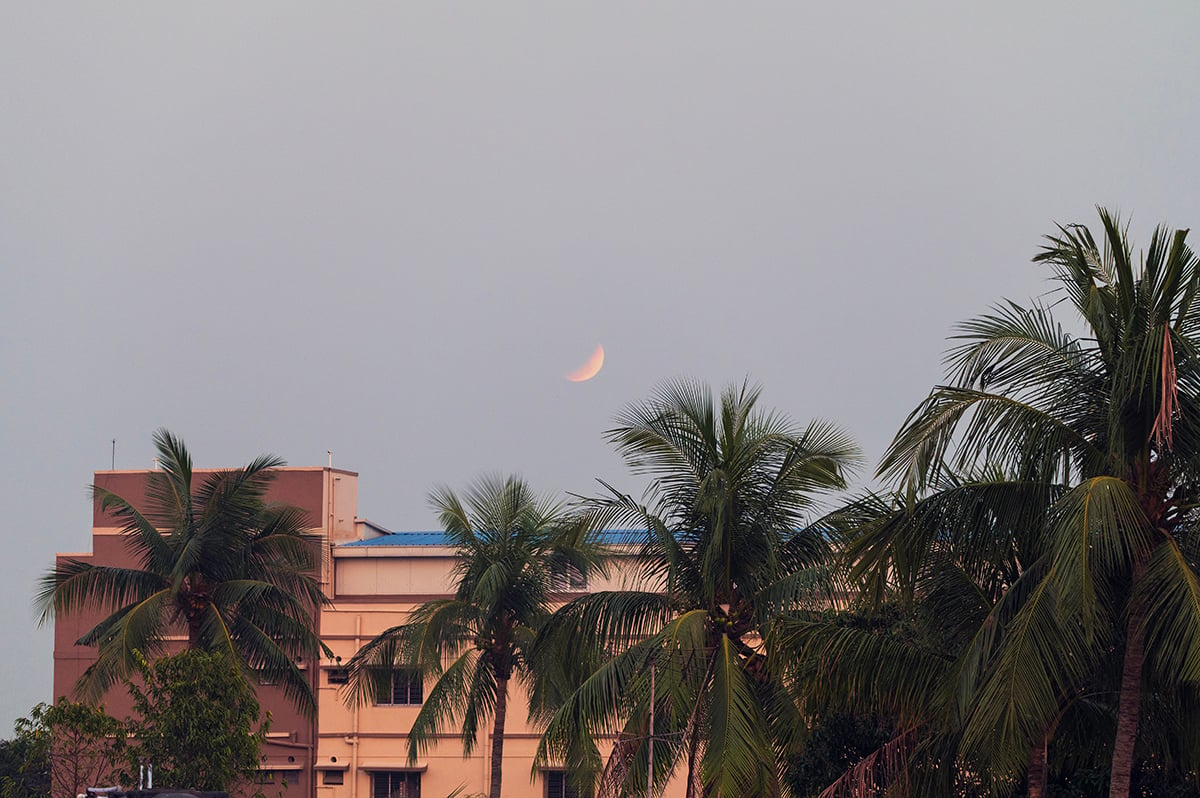
How to photograph the partial lunar eclipse
Photographing the Moon is always fun. A partial lunar eclipse is even more fun. You can capture the dark umbra of the Moon along with the bright parts of the rest of the Moon.
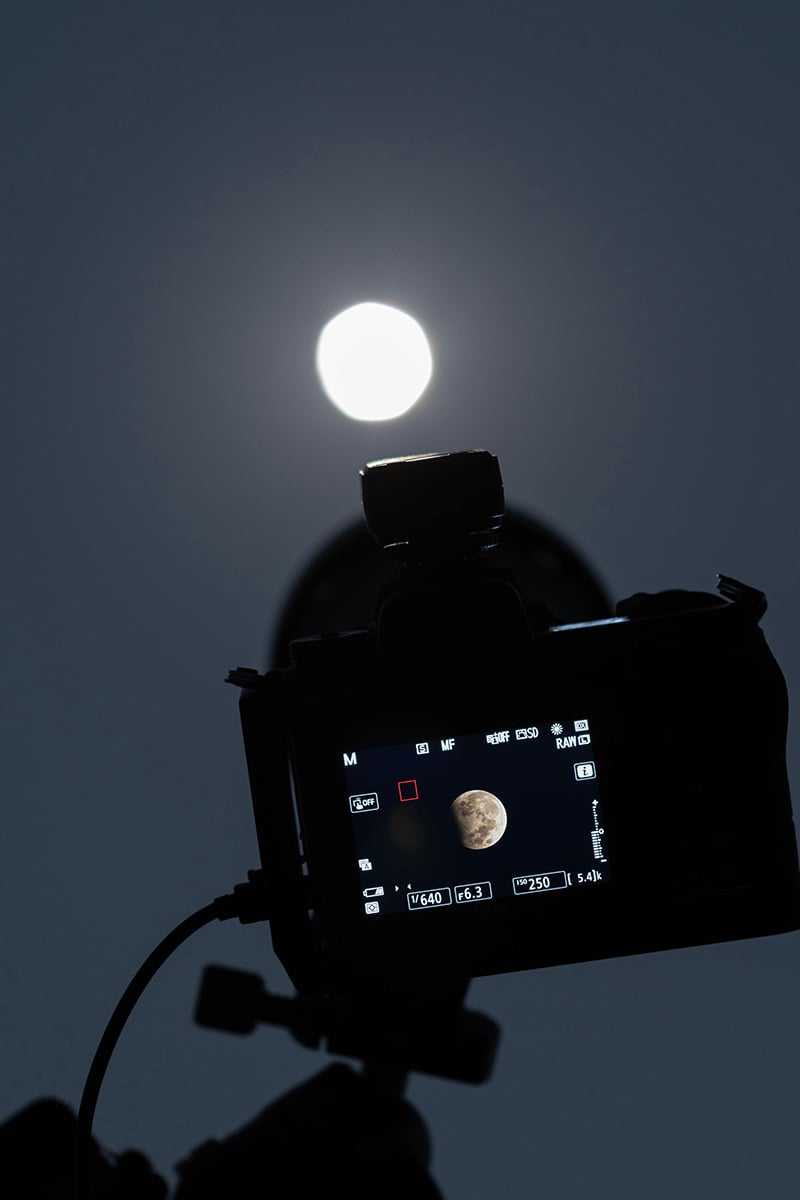
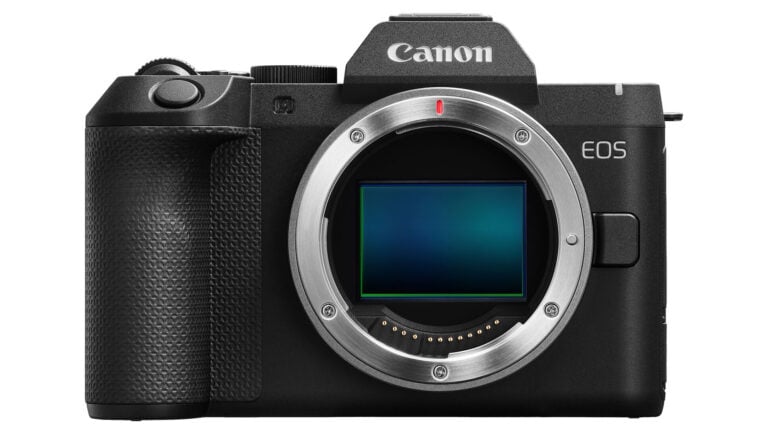
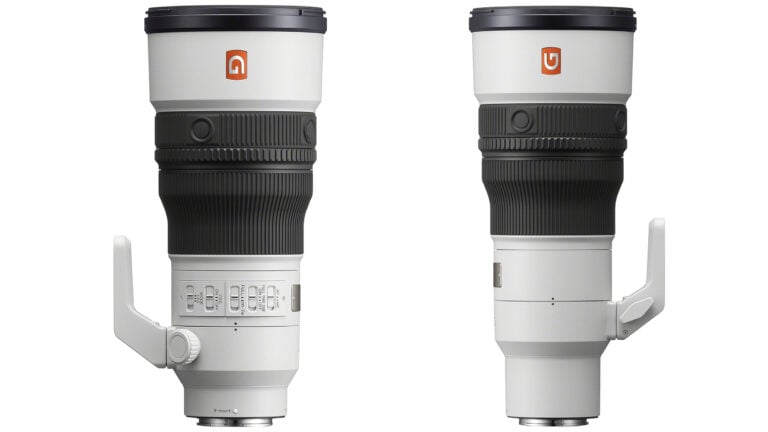
Equipment required
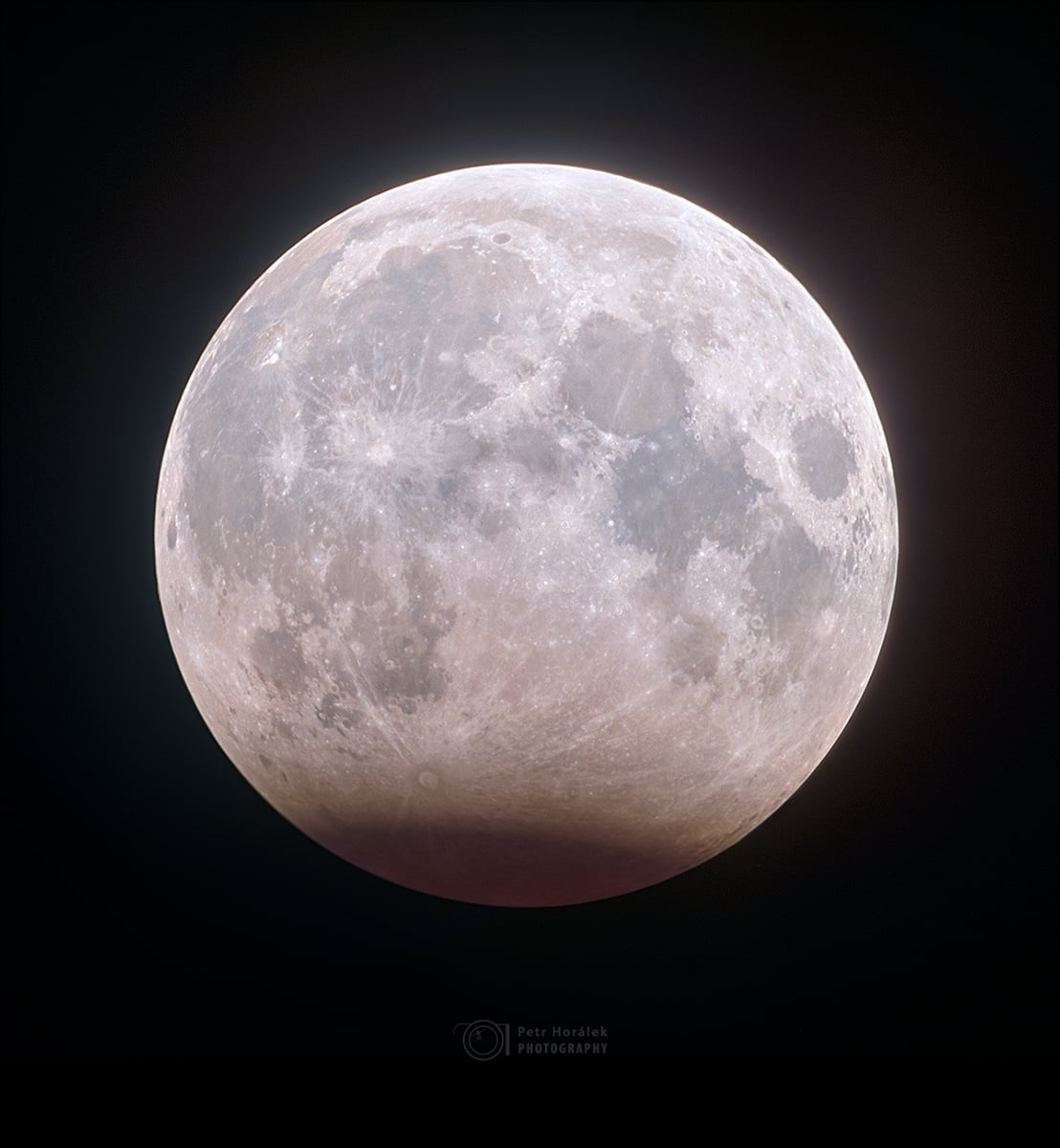
Camera settings
Aperture
Choose the sharpest aperture of your lens. If you are not aware of your lens’ sharpest aperture, use anything between f/8 – f/11.
Shutter speed
The partial phase is a high-dynamic-range scene; you will need to bracket your shots. You can create a bracket of 2, 3, or 5 shots. The fastest shutter speed will be for the bright surface of the moon, and the slowest one should reveal the umbral part.
ISO
To get the best results, keep an ISO between 100 and 800. Most cameras perform the best within this range.
Do not expect one camera setting to work for the entire eclipse. The Moon’s brightness changes by a large amount between the uneclipsed phase and maximum eclipse. Automatic exposure can also produce inconsistent results because the camera’s metering system responds to the changing balance between bright and dark areas.
Our top tips to get the perfect shot
Here are our top tips to get the best out of this partial lunar eclipse event:
Even if you are not planning to photograph the lunar eclipse, go out and enjoy it with your naked eyes or with binoculars.
Lunar Eclipse Challenge: Get featured on DIY Photography
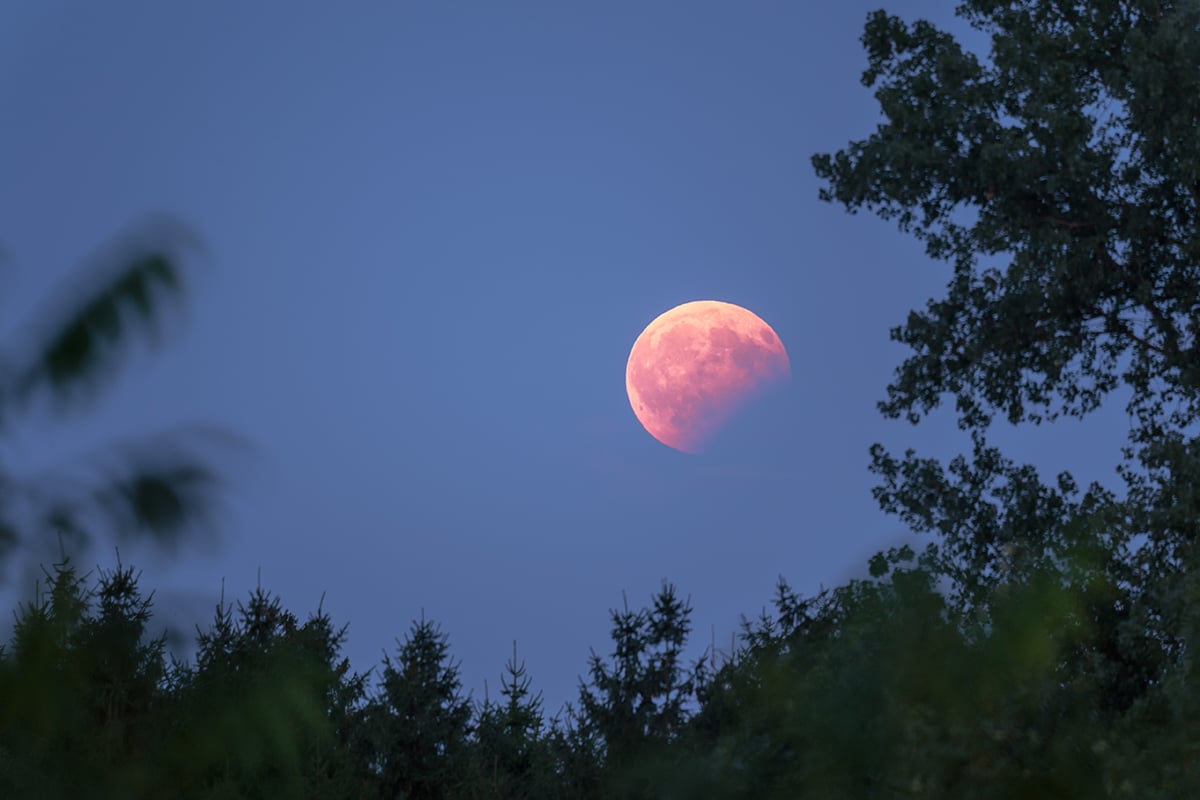
Now you have a chance to get your August 2026 lunar eclipse images featured on our website. Here is what you need to do:
- Photograph the lunar eclipse on August 27-28, 2026
- Post your image(s) on Instagram or Facebook
- Use #DIYPLunarEclipse on your post
- Tag us @diyphotographynet
And that’s it. Our team will select the top photos and feature them on our website and social media.
Clear skies!
See more from DIYPhotography.net on Google
Add DIYPhotography.net as a trusted source. This makes
our stories more likely to appear in your Google Search results.
 Add as a preferred source on Google

Soumyadeep Mukherjee
Soumyadeep Mukherjee is an award-winning astrophotographer from India. He has a doctorate degree in Linguistics. His work extends to the sub-genres of nightscape, deep sky, solar, lunar and optical phenomenon photography. He is also a photography educator and has conducted numerous workshops. His works have appeared in over 40 books & magazines including Astronomy, BBC Sky at Night, Sky & Telescope among others, and in various websites including National Geographic, NASA, Forbes. He was the first Indian to win “Astronomy Photographer of the Year” award in a major category.
Related Posts
 Get ready for the partial lunar eclipse tonight. Tips from an expert astrophotographer
 Partial solar eclipse coming up tomorrow: Tips for a perfect image
 New information on the upcoming Nikon mirrorless: two camera and three lenses coming on 23 August, 58mm f/0.95 coming soon
 How to Better Capture a Solar Eclipse Before the August 2026 Eclipse
Join the Discussion
DIYP Comment Policy
Be nice, be on-topic, no personal information or flames.