





















Three Telescopes Together Reveal a Colorful Tarantula in Space
Aug 11, 2026
Soumyadeep Mukherjee
Soumyadeep Mukherjee is an award-winning astrophotographer from India. He has a doctorate degree in Linguistics. His work extends to the sub-genres of nightscape, deep sky, solar, lunar and optical phenomenon photography. He is also a photography educator and has conducted numerous workshops. His works have appeared in over 40 books & magazines including Astronomy, BBC Sky at Night, Sky & Telescope among others, and in various websites including National Geographic, NASA, Forbes. He was the first Indian to win “Astronomy Photographer of the Year” award in a major category.
Share:
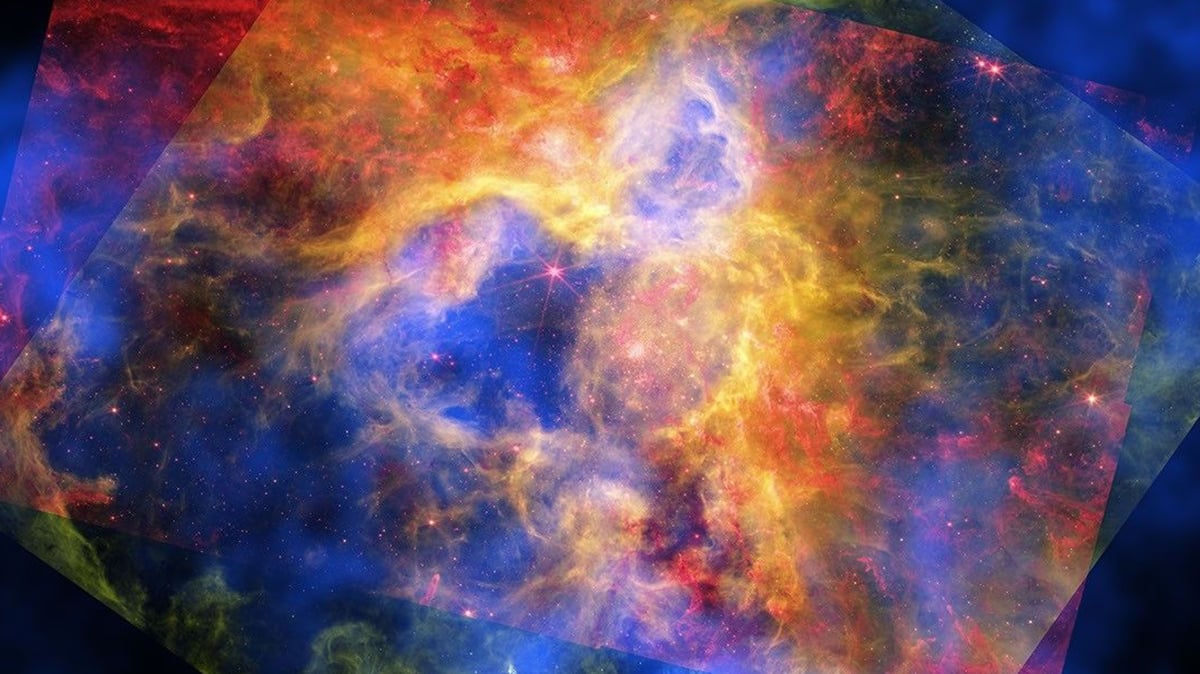
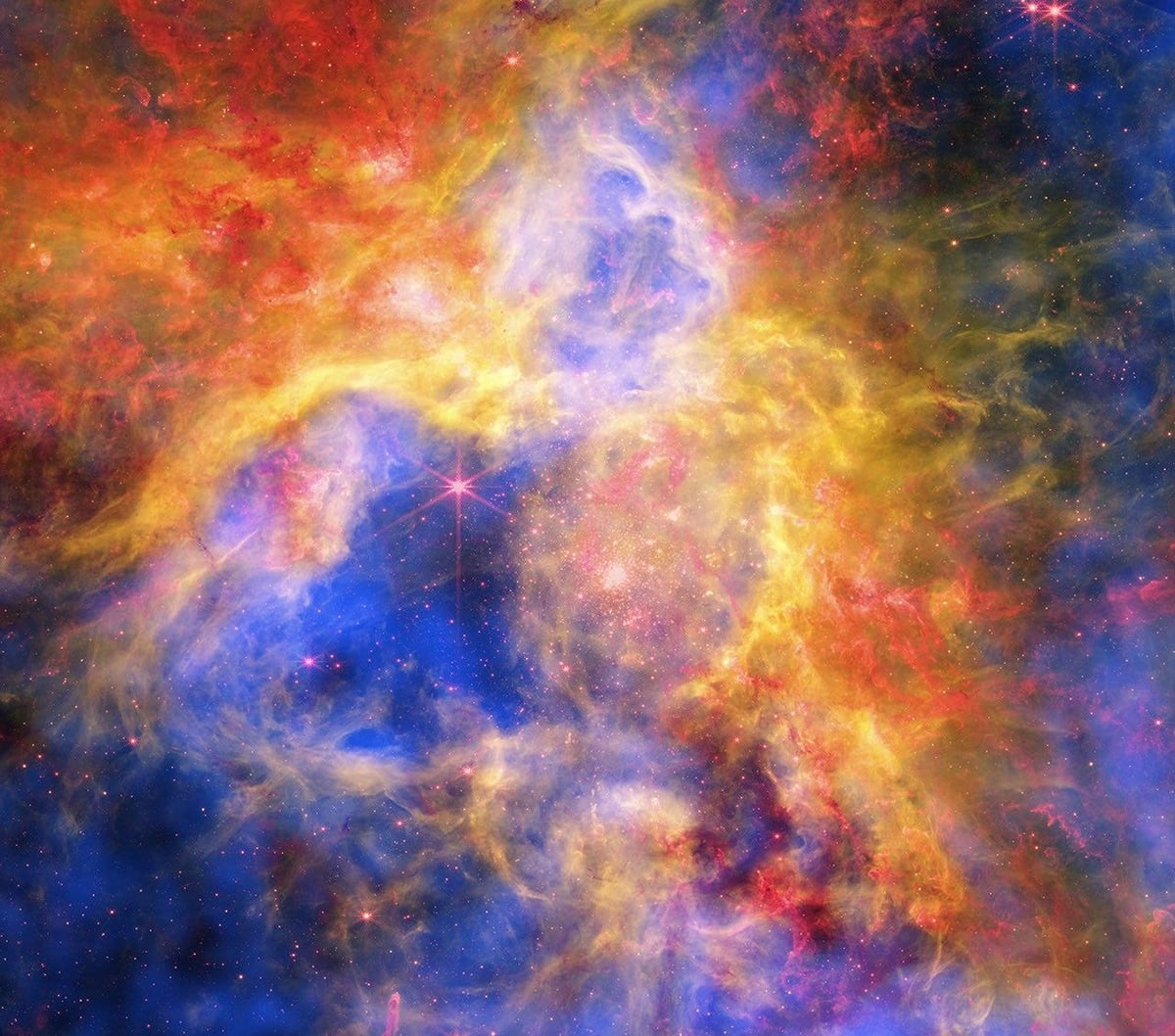
At a distance of about 160,000 light-years, the Tarantula Nebula (30 Doradus) gives astronomers a close view of processes that shape star-forming regions across galaxies. Located in the Large Magellanic Cloud, the region contains dense clusters of young, massive stars that inject enormous amounts of energy into the surrounding interstellar medium. A new composite image from NASA’s Chandra X-ray Observatory, the James Webb Space Telescope, and the Hubble Space Telescope reveals these different stages of stellar feedback.
The image covers a region roughly 470 light-years across. Chandra records X-rays from gas heated to millions of degrees. Hubble traces visible emission from ionized hydrogen and resolves individual stars. JWST observes at infrared wavelengths, revealing young stars and dusty structures that are difficult to detect through visible light. The three datasets show material at very different temperatures and physical conditions.
Three telescopes, one nebula
The colours in the image represent different wavelengths rather than the natural colours of the Tarantula Nebula. Chandra’s X-ray data are shown in blue, Hubble’s optical observations appear in green, and James Webb‘s infrared observations are shown in red. This enables the comparison of structures that are invisible at one wavelength with those detected at another.
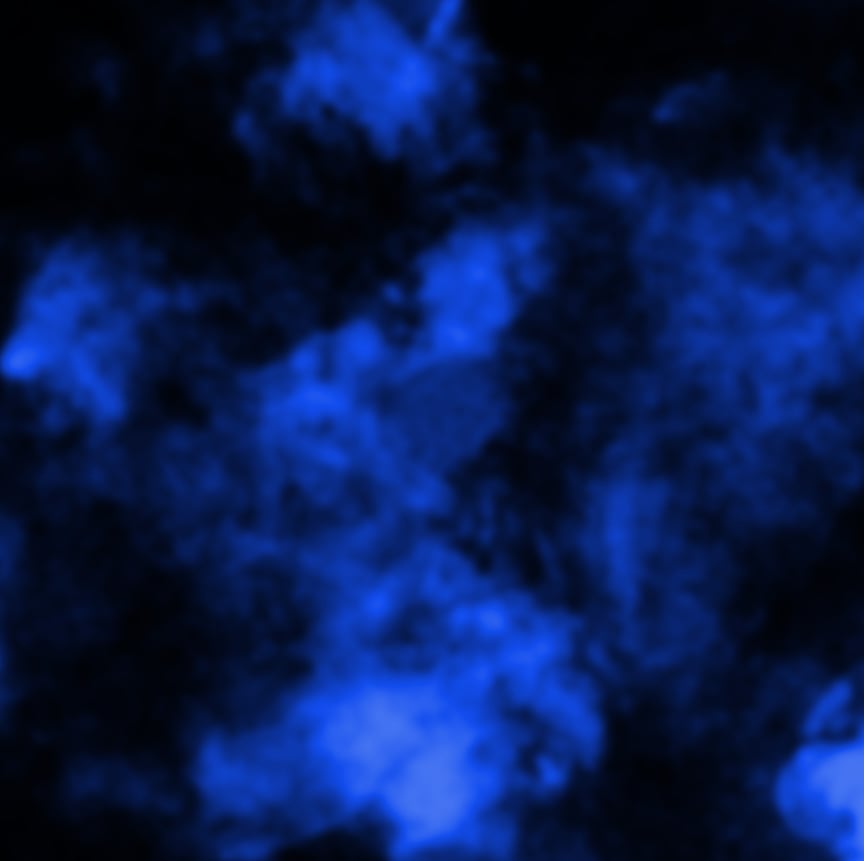
The Chandra component is especially important for understanding the high-energy environment. The X-rays come from extremely hot plasma produced when stellar winds collide with surrounding gas. Massive stars lose material continuously through these winds, and the outflow can reach thousands of kilometers per second.
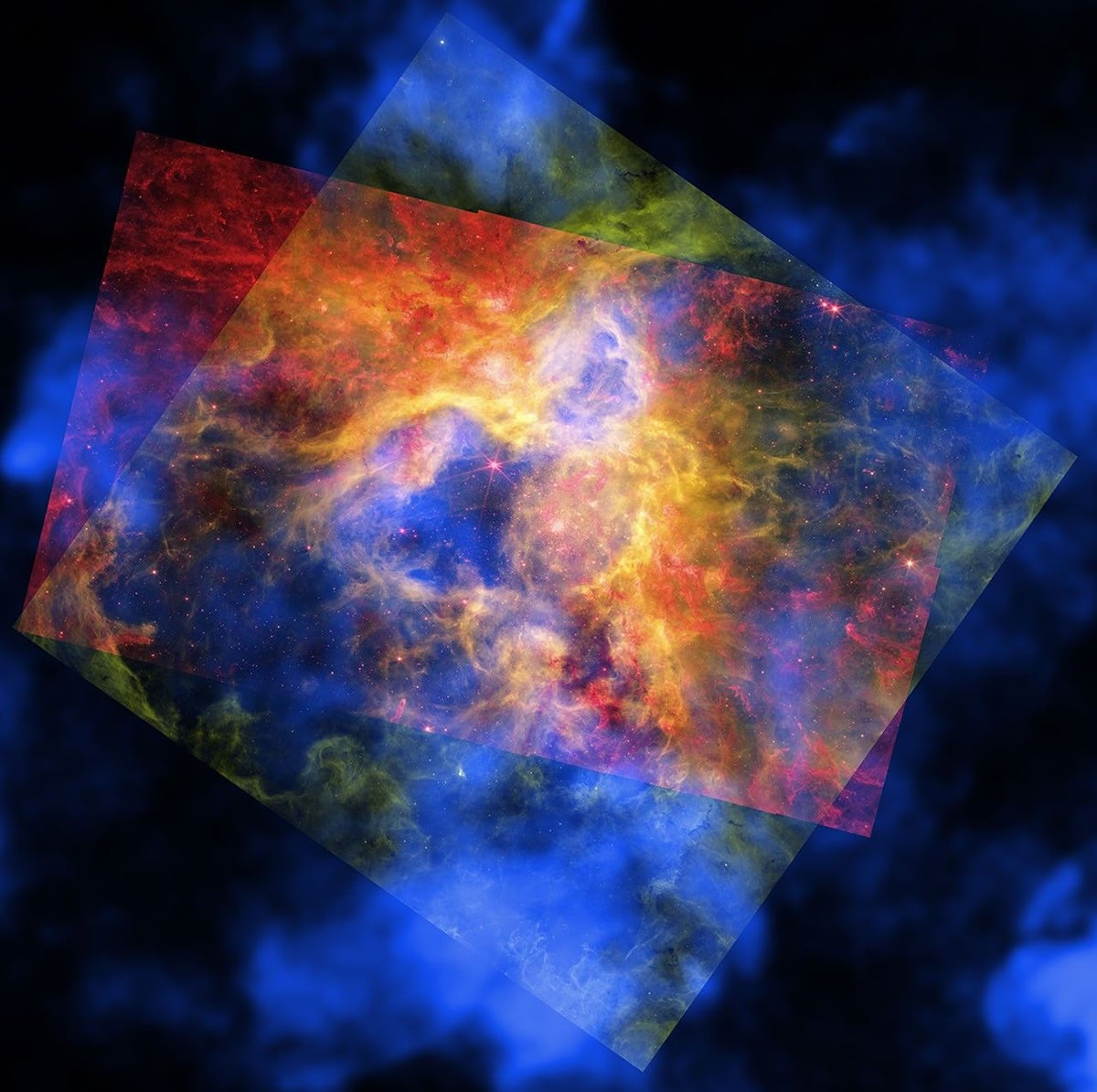
Hubble records a much cooler component of the nebula. Much of the visible emission comes from ionised hydrogen surrounding the young stars. Strong ultraviolet radiation from massive stars removes electrons from hydrogen atoms.
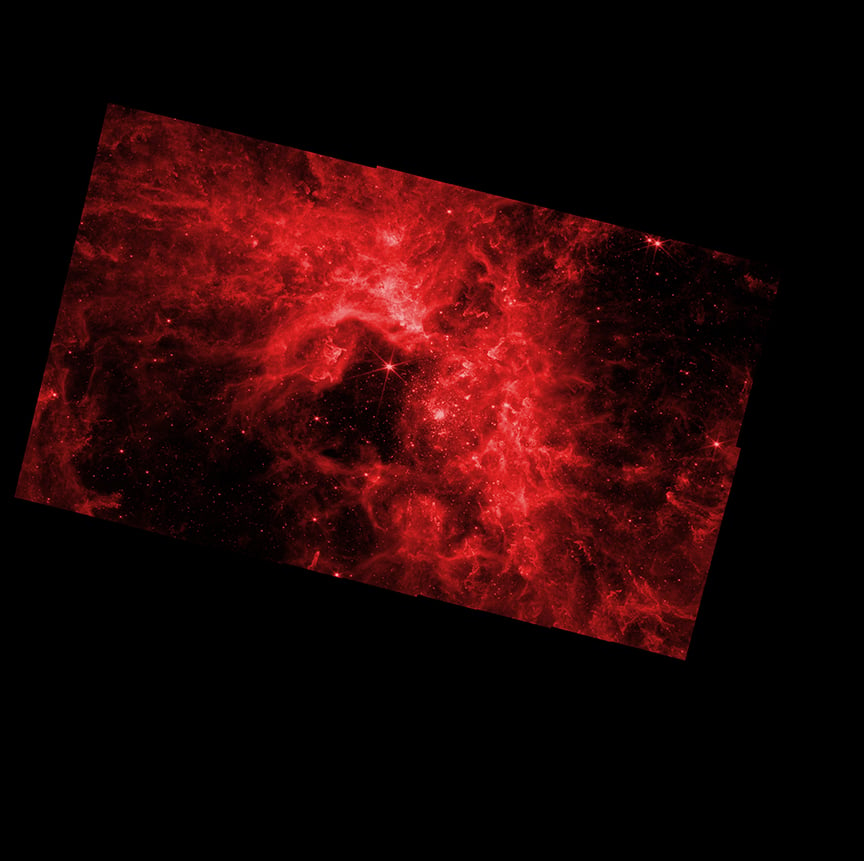
JWST adds the infrared component. Infrared observations can penetrate dusty regions that block visible light, allowing astronomers to locate young stars and study the cooler material surrounding them. The dust also provides information about how radiation from massive stars interacts with the surrounding clouds.
Chandra sees a huge amount of hot gas
The X-ray observations used for this study were obtained from 54 Chandra observations conducted between January 2006 and January 2016. Taken together, they provide about 571 hours of exposure. The long observing time allowed astronomers to detect faint diffuse emission as well as individual X-ray sources across the region.
The resulting Chandra image shows a complex network of hot plasma. Some of the emission comes from individual objects, including massive stars and binary systems. Other emission forms large diffuse structures spread across the nebula. These structures are associated with the hot gas produced by stellar winds and supernova activity.
JWST exposes the hidden stars and dust
The infrared component changes the interpretation of many structures in the Chandra image. Dust can absorb visible and ultraviolet radiation, hiding young stars from optical telescopes. James Webb’s infrared instruments are much better suited to observing these embedded sources.
James Webb also shows how the cooler material is distributed around the hot plasma. The dust often follows shells and dense structures that have been compressed by stellar winds. Massive stars can heat the dust through their radiation, while their winds reshape the clouds around them.
Hubble adds the structure between them
Hubble provides the optical framework needed to understand the structures surrounding the X-ray plasma. Its images resolve the glowing hydrogen clouds and individual stars across the Tarantula Nebula, including the crowded central region around R136.
The ionized gas records the effect of ultraviolet radiation from the massive stars. It also outlines structures created by stellar winds. As the winds expand into the surrounding medium, they sweep up cooler material and produce shells around the hot interior gas.
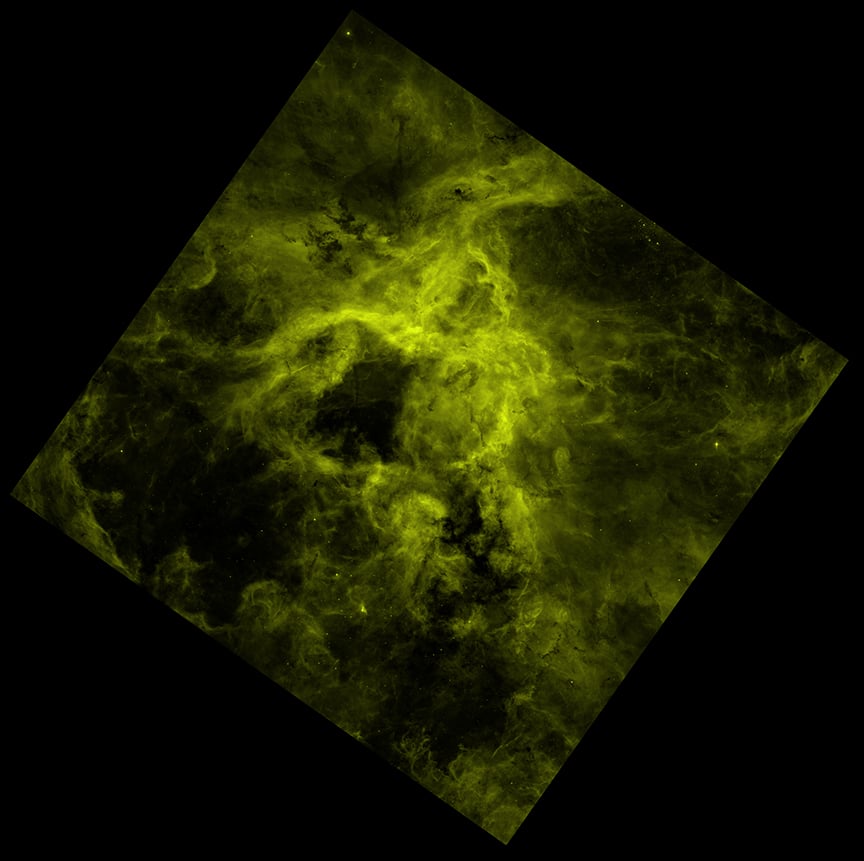
The comparison with Chandra makes these differences easier to see. Hubble traces the cooler material along the shells, while Chandra detects the hot plasma inside and around them. Finally, James Webb then shows the dust associated with the cooler regions.
Clear skies!
See more from DIYPhotography.net on Google
Add DIYPhotography.net as a trusted source. This makes
our stories more likely to appear in your Google Search results.
 Add as a preferred source on Google

Soumyadeep Mukherjee
Soumyadeep Mukherjee is an award-winning astrophotographer from India. He has a doctorate degree in Linguistics. His work extends to the sub-genres of nightscape, deep sky, solar, lunar and optical phenomenon photography. He is also a photography educator and has conducted numerous workshops. His works have appeared in over 40 books & magazines including Astronomy, BBC Sky at Night, Sky & Telescope among others, and in various websites including National Geographic, NASA, Forbes. He was the first Indian to win “Astronomy Photographer of the Year” award in a major category.


Join the Discussion
DIYP Comment Policy
Be nice, be on-topic, no personal information or flames.
One response to “Three Telescopes Together Reveal a Colorful Tarantula in Space”
This is so gorgeous!