





















Sony RX100 in 2025: Is This Pocket Camera Still Relevant?
Nov 6, 2025
Darlene Lleno
Darlene Lleno brings a unique perspective to DIY Photography as someone who grew up surrounded by camera gear but chose words over lenses. With five years of writing experience, she specializes in photography content that’s both technically informed and genuinely passionate. Growing up with a photographer twin brother meant camera talk was everyday conversation in her household. While he mastered capturing moments, Darlene discovered she preferred being the subject and the storyteller behind the scenes. As a travel enthusiast and mother of two, she understands the importance of preserving life’s precious moments. When not exploring new destinations or writing for DIY Photography, you’ll find her reading or tending to her garden. Her approach to photography writing is refreshingly authentic, she may not be behind the camera, but she knows exactly what it takes to help others capture the shots that matter most.
Share:
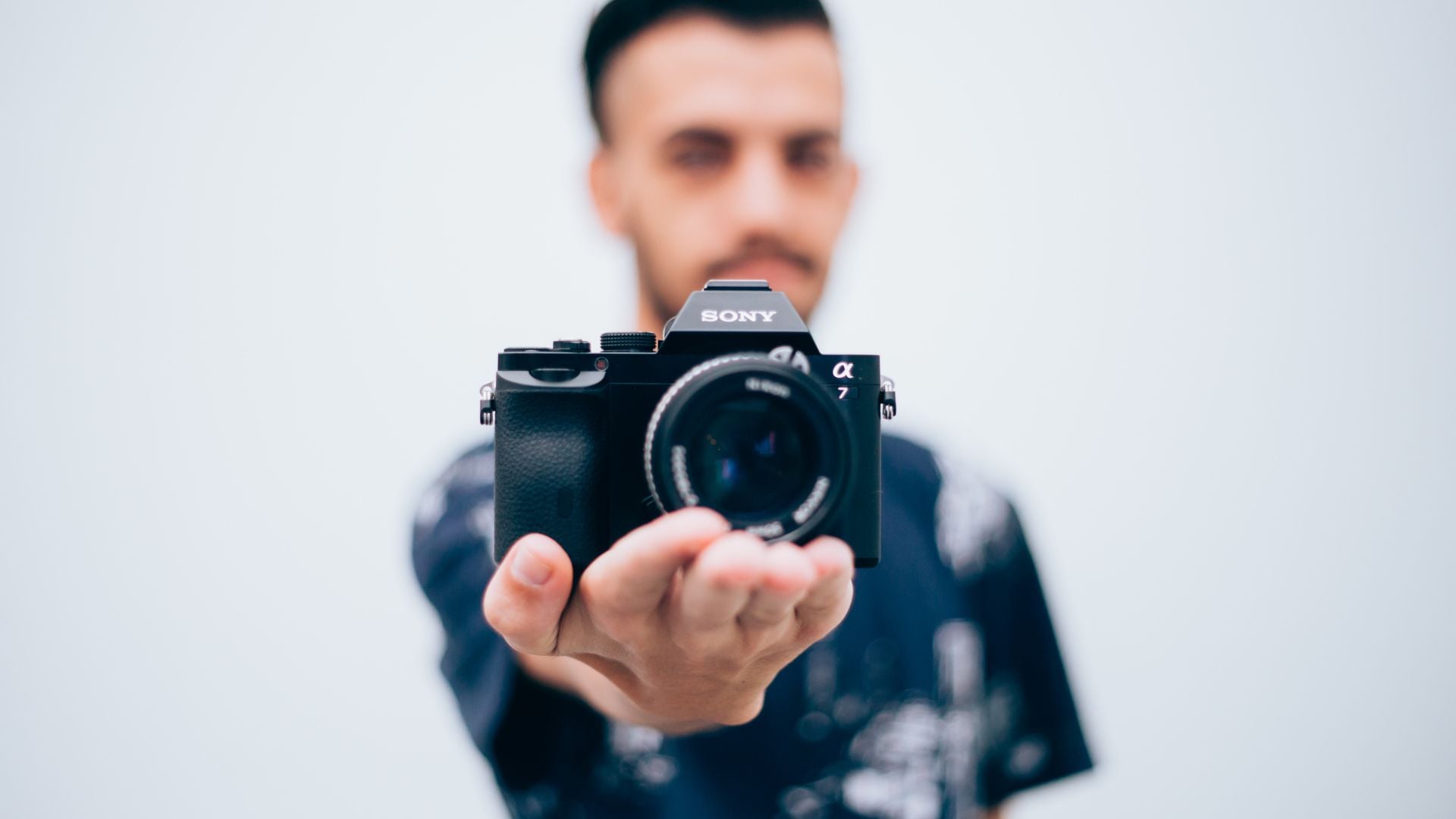
The Sony RX100 in 2025 still gets photographers talking about whether pocket cameras matter anymore. This compact camera series kicked off in 2012 and somehow stayed important while smartphone cameras kept getting better. Can these pocket cameras really compete today?
Some photographers won’t give up their RX100 cameras. Others think phones do the job just fine. The answer depends on what kind of photos you take and how serious you are about image quality.
Why Photographers Still Pick the Sony RX100
Compact cameras took a beating when smartphone cameras improved. Sales dropped hard. Companies stopped making new models. But the RX100 line survived and recently gained popularity again thanks to social media trends.
The Sony RX100 gives you something phones just can’t match. The 1-inch sensor inside these cameras grabs way more light than any smartphone sensor. This means better photos in dim light and sharper details overall. You also get manual controls like professional cameras have, not the fake controls most phone cameras offer.
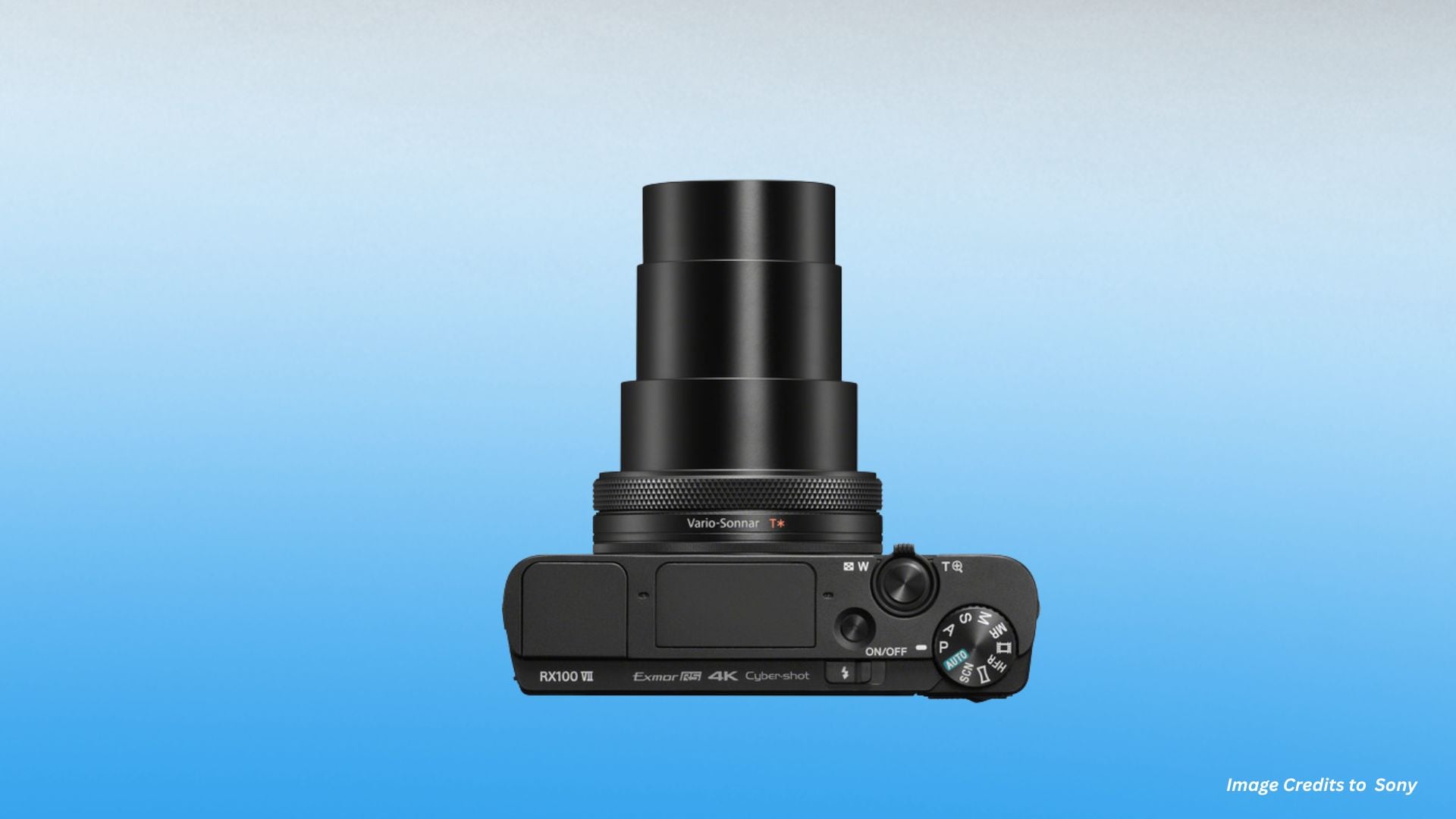
The zoom lens actually zooms instead of using digital tricks. The RX100 VII model packs a 24-200mm range into something that fits in your jacket pocket. Your phone can’t touch that kind of reach without terrible quality loss.
Real Buttons Beat Touch Screens
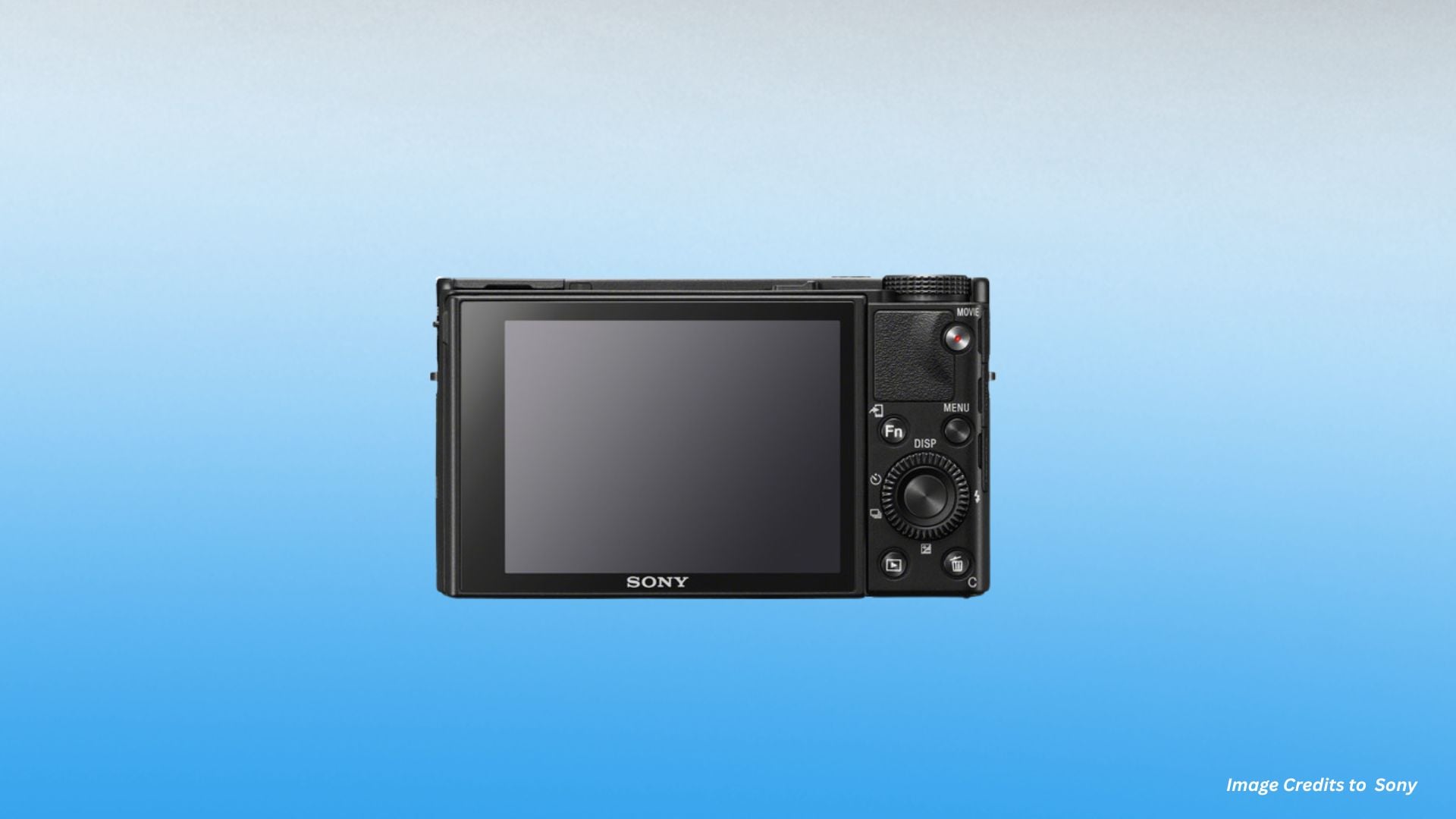
Touch screens work fine for quick snapshots. But serious photography needs physical dials you can feel. The Sony RX100 puts these controls in something you’ll actually carry around. You can change aperture, shutter speed, and ISO without hunting through menus.
The control ring around the lens lets you adjust settings while shooting. This beats tapping through phone screens any day. Pro photographers love this hands-on feel when they need to work fast.
The Big Sensor Makes a Difference
Sensor size matters more than megapixels for image quality. The Sony RX100’s 1-inch sensor runs about three times bigger than typical phone sensors. This extra size captures more light and creates better separation between subjects and backgrounds.
You can bump up the ISO without photos turning grainy. The image stabilization works better too. Your handheld shots stay sharp even when light gets low.
Breaking Down the Different RX100 Models
Sony released seven RX100 models between 2012 and 2019. Each version added features while keeping that pocketable size. The company hasn’t released a new model since the RX100 VII in 2019, making it six years old as of 2025.
The original RX100 Mark I started it all. It packed a 20-megapixel sensor and 28-100mm lens into an aluminum body. No viewfinder, no tilting screen, just pure image quality in something tiny.
Mark II added a tilting screen and hot shoe. Mark III brought a pop-up viewfinder that changed the game for many shooters. The viewfinder lets you compose shots in bright sun when LCD screens become useless.
The Top-Tier RX100 VII
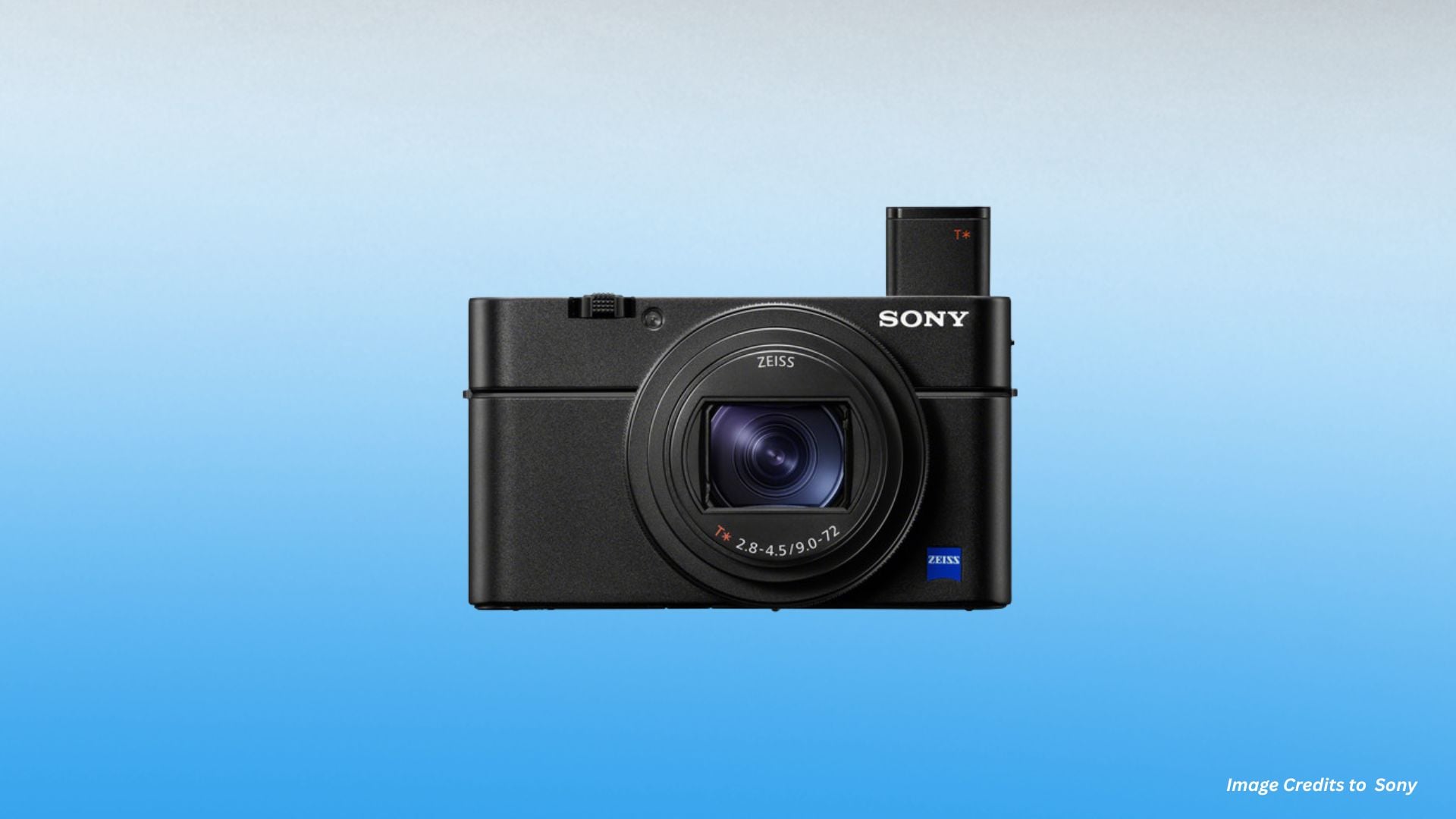
The RX100 VII sits at the top of the lineup. Released in 2019, it packs features that seemed impossible in the original. Real-time tracking and eye autofocus from Sony’s pro cameras made it into this pocket rocket.
The 24-200mm f/2.8-4.5 zoom covers everything from wide landscapes to distant subjects. You get 20 frames per second continuous shooting with autofocus tracking. The camera shoots 4K video with a microphone input for better audio. All this weighs just 302 grams.
Sony fit 357 phase-detection autofocus points covering 68% of the frame. The system locks onto subjects in 0.02 seconds. These specs match cameras three times the size.
The Smart Choice RX100 III
The RX100 III hits a sweet spot for value in 2025. You get that important pop-up viewfinder without RX100 VII prices. The 24-70mm f/1.8-2.8 lens offers faster apertures than later models, helping in low light.
Image quality from the 20-megapixel sensor still looks great. The back-lit design handles higher ISOs well. You miss 4K video and the longer zoom, but 70mm works fine for everyday shooting.
The tilting screen flips up 180 degrees for selfies and down 90 degrees for waist-level shots. Used models typically sell for $400-500 in good condition.

Real-World Performance in 2025
Let’s talk about how these cameras actually work when you’re out shooting. The Sony RX100 lineup delivers results that justify keeping these older models around.
Street photographers love the silent electronic shutter. You can shoot without drawing attention in quiet spaces. The small size makes you less scary to subjects compared to a big DSLR.
Travel photographers dig the weight savings. Taking an RX100 instead of a mirrorless camera and lenses saves pounds in your bag. You can hike longer or pack more clothes without hitting airline weight limits.
Shooting When Light Gets Low
Modern RX100 models handle tough lighting better than you’d think. Fast lenses, large sensors, and good stabilization produce clean images even when light fades. You can shoot at ISO 3200 and still get decent results.
The f/1.8 aperture on older models helps freeze action indoors. Newer models trade some speed for zoom range, but stabilization makes up for it. You can handhold shots at slow speeds that would blur on weaker cameras.
Indoor events, dim restaurants, and evening street scenes all become doable. The RX100 won’t match a full-frame camera in really dark spots, but it beats your phone big time.

Autofocus Speed Depends on Your Model
Early RX100 models used contrast-detection autofocus that feels slow now. The Mark III and earlier struggle with fast-moving subjects. Single-shot focus works fine for still scenes. But sports or concert photography pushes these cameras too hard.
The RX100 V brought phase-detection autofocus with 315 points. Tracking got way better. The VII added real-time eye autofocus for people and animals. This brings compact camera focusing into modern times.
If you shoot lots of moving subjects, later models justify their higher prices. For still subjects, save money with older versions.
Video Features Worth Your Time
The Sony RX100 series became serious video tools over time. Content creators discovered these compact cameras could replace bigger rigs for some jobs.
The RX100 VII shoots 4K video at 30fps with full sensor readout. No pixel binning means you get maximum quality. The microphone input lets you attach external mics for way better audio. This feature alone makes the VII worth considering for video.
Active stabilization mode smooths out walking footage really well. You won’t match a gimbal, but handheld 4K footage looks much better than it should. The tilting screen helps frame yourself for vlogging and content creation.
S-Log2 and S-Log3 picture profiles on later models preserve more dynamic range for color grading. You get creative control usually saved for dedicated video cameras. Time-lapse functionality builds right into the camera too.

The Smartphone Question Everyone Asks
Let’s tackle the obvious question. Modern smartphones take amazing photos. The gap between phone cameras and dedicated cameras keeps shrinking. So why bother with an RX100?
Phone cameras use computational photography to create impressive results from tiny sensors. Night modes stack multiple shots. Portrait modes fake background blur. These tricks work surprisingly well.
But physics still wins. The larger sensor in the RX100 captures more light and detail than algorithms can fake. You get real bokeh instead of computer-generated blur with mistakes around edges.
Phones win on convenience. They’re always with you. Sharing happens instantly. If convenience beats ultimate quality for you, stick with your phone.
The Sony RX100 pulls ahead in several areas. The optical zoom beats digital zoom every time. Manual controls give you creative options phones can’t touch. Low-light performance beats phones by a lot. RAW file flexibility matters for serious editing too.
Smart Buying Tips for 2025
Finding the right RX100 model means balancing features against your budget. Only two models remain available new: the RX100 VII and RX100 VA.
Current pricing as of late 2025:
- RX100 VII: $1,699 (increased from original $1,299 due to tariffs)
- RX100 VA: Around $999
- Used RX100 III: $400-500 for good condition
- Used RX100 Mark I: $250-350
Prices on used models have been rising recently. The TikTok-fueled compact camera trend pushed demand higher. This makes finding good deals harder than a few years ago.
Should You Pay for the RX100 VII?
The RX100 VII now costs $1,699 new after price increases in 2025. That’s serious money for a six-year-old camera. You can buy entry-level mirrorless cameras with changeable lenses for similar cash.
The premium makes sense only if you absolutely need pocket size with top-tier autofocus. Travel photographers wanting one compact for everything might justify the cost. Content creators who vlog a lot appreciate the features.
But most photographers would benefit more from a bigger camera with lens options. The RX100 VII serves a specific group who truly need that exact combo of size and power.
Consider the Sony ZV-1 Alternative
Sony’s ZV-1 deserves a look as an RX100 alternative. Priced around $650, it uses similar tech to the RX100 VA. The design focuses on vlogging with a fully moving screen and product showcase mode.
You lose the premium metal build and control wheel. The lens only zooms to 70mm instead of 200mm. But the price difference buys a lot of forgiveness for many users.
Problems You Need to Know About
No camera is perfect. The Sony RX100 series comes with trade-offs you should understand before buying.
Battery life stinks on all models. The tiny batteries drain fast shooting lots of photos or any real video. Expect to need spare batteries for full-day shooting.
The small size makes handling tricky. Bigger hands struggle with the compact controls. The smooth aluminum body offers little grip. Many users add aftermarket grips or always use the wrist strap to prevent drops.
The retractable lens mechanism can fail over time. Pocket lint and dust work into the lens barrel. Used prices stay high partly because many RX100 cameras already broke. The survivors cost more.
Who Should Buy an RX100 in 2025
The Sony RX100 serves specific types of photographers really well. You might be one of them if certain things apply to how you shoot.
Pro photographers wanting a second camera for personal work benefit from the RX100’s portability. You don’t want to carry your work camera everywhere. The RX100 fits in a pocket for family events or random photo moments.
Travelers who pack light find the RX100 perfect. One tiny camera covers most situations. You avoid carrying multiple lenses or heavy bags through airports.
Street photographers appreciate how unobtrusive it is. The silent shutter lets you blend into crowds. People don’t react to a small camera like they react to pro gear.
Other Options to Consider
The compact camera market shrank big time over the past decade. But a few alternatives to the RX100 still exist.
The Canon PowerShot G7X series competes directly with the RX100 lineup. The G7X Mark III offers similar specs. The interface feels different, so personal preference matters.
The Ricoh GR III uses an APS-C sensor in a truly pocketable body. The fixed 28mm lens makes it less versatile than zoom cameras. But the larger sensor produces noticeably better images, especially in low light.
Street photographers and minimalists love the GR’s simplicity. Image quality rivals much larger cameras. Pricing runs around $900 new, with used examples at $600-700.
Is the Sony RX100 Still Worth It in 2025?
The Sony RX100 in 2025 remains relevant for photographers who value portability above all else. Modern smartphones haven’t completely closed the image quality gap. The combo of 1-inch sensor, real lens optics, and manual controls still matters for serious work.
You pay extra for that pocketable performance. Recent price increases pushed the RX100 VII to $1,699. That’s steep for a six-year-old camera. But used market prices reflect real value based on what these cameras still deliver.
No RX100 VIII has been announced despite six years passing since the last model. Sony appears to have moved on from this line. This makes current models your only option for new purchases.
The RX100 VII justifies its cost only if you absolutely need its specific features. The RX100 III offers better value for most users. The original RX100 still produces beautiful images if you can live without modern features.
Your decision depends on how you actually shoot. If you rarely use manual controls and mostly share photos on social media, stick with your phone. If you want better image quality in a pocket-sized package and will use those advanced features, the Sony RX100 delivers what it promises.
These cameras earned their reputation through performance, not hype. That reputation holds true in 2025 for photographers who need what they offer.
See more from DIYPhotography.net on Google
Add DIYPhotography.net as a trusted source. This makes
our stories more likely to appear in your Google Search results.
 Add as a preferred source on Google

Darlene Lleno
Darlene Lleno brings a unique perspective to DIY Photography as someone who grew up surrounded by camera gear but chose words over lenses. With five years of writing experience, she specializes in photography content that’s both technically informed and genuinely passionate. Growing up with a photographer twin brother meant camera talk was everyday conversation in her household. While he mastered capturing moments, Darlene discovered she preferred being the subject and the storyteller behind the scenes. As a travel enthusiast and mother of two, she understands the importance of preserving life’s precious moments. When not exploring new destinations or writing for DIY Photography, you’ll find her reading or tending to her garden. Her approach to photography writing is refreshingly authentic, she may not be behind the camera, but she knows exactly what it takes to help others capture the shots that matter most.


Join the Discussion
DIYP Comment Policy
Be nice, be on-topic, no personal information or flames.