




















Why Professional Photographers Are Ditching Big Cameras for Compact Models
Oct 6, 2025
Darlene Lleno
Darlene Lleno brings a unique perspective to DIY Photography as someone who grew up surrounded by camera gear but chose words over lenses. With five years of writing experience, she specializes in photography content that’s both technically informed and genuinely passionate. Growing up with a photographer twin brother meant camera talk was everyday conversation in her household. While he mastered capturing moments, Darlene discovered she preferred being the subject and the storyteller behind the scenes. As a travel enthusiast and mother of two, she understands the importance of preserving life’s precious moments. When not exploring new destinations or writing for DIY Photography, you’ll find her reading or tending to her garden. Her approach to photography writing is refreshingly authentic, she may not be behind the camera, but she knows exactly what it takes to help others capture the shots that matter most.
Share:

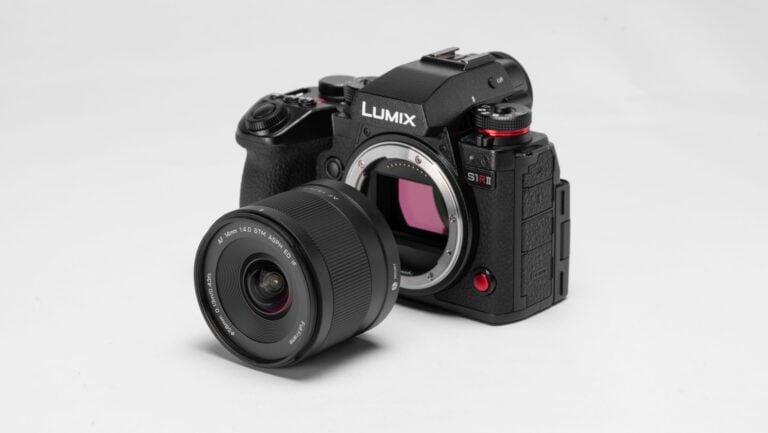
Compact cameras for professionals have significantly changed professional photography workflows. These small powerhouses deliver results that match traditional DSLR systems in many situations. Professional shooters increasingly choose lighter gear without compromising image quality standards.
The shift has gained momentum since 2020, accelerating through 2024. Wedding photographers work entire events without shoulder pain. Street photographers capture candid moments without drawing unwanted attention. Wildlife photographers hike longer distances with significantly lighter loads.
This change affects more than equipment choices alone. Photographers move faster through crowds and access tighter spaces easily. The intimidation factor disappears when subjects see smaller cameras instead of massive professional rigs. Client interactions become more natural and relaxed during shoots.
Read more: Why Professional Photographers Are Ditching Big Cameras for Compact ModelsTechnology Driving the Compact Cameras for Professionals Revolution
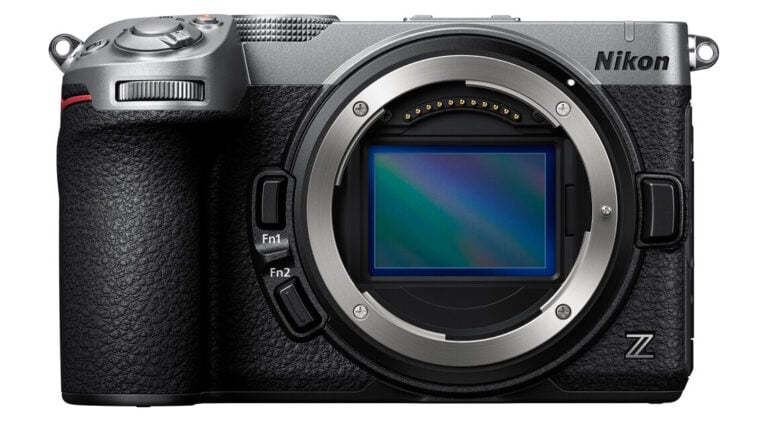
Modern engineering puts full-frame sensors into bodies smaller than traditional point-and-shoot cameras. Several technological innovations combine to create professional tools that compete with traditional systems. Each technological advancement builds on others to deliver compact excellence without compromise.
Manufacturers successfully fit identical sensors from flagship DSLRs into compact camera bodies. These sensors capture identical light levels and detail retention capabilities. They maintain shallow depth of field characteristics that professionals require for their specialized work. Size reduction comes from clever engineering approaches rather than sensor quality compromises.
Advanced Sensor Innovation
Sensor technology drives professional image quality standards in modern compact cameras. Current backside-illuminated sensors gather light more efficiently than previous generation models. These significant improvements help compact cameras excel in challenging lighting situations that previously required larger equipment.
Professional photographers report excellent performance results at high ISO settings consistently. Low-light photography techniques work equally well with compact camera bodies. Results often match or exceed traditional DSLR performance in similar shooting conditions.
Dual-pixel autofocus systems completely transform focusing speed across compact camera product ranges. Every individual sensor pixel contributes to phase detection focusing capabilities. Focus acquisition speed often beats traditional DSLR performance in real-world shooting situations.
Processing Power Breakthroughs
Today’s compact cameras house advanced processors that rival high-end computer capabilities. These powerful processing chips handle complex mathematical calculations in real-time during image capture. Advanced noise reduction processing happens instantly without requiring post-processing workflow delays. Intelligent scene recognition systems optimize camera settings automatically for various shooting conditions.
Processing power enables sophisticated in-body image stabilization systems across multiple axes. Multi-directional compensation reduces camera shake effects better than traditional stabilization methods. Professional photographers shoot handheld successfully at slower shutter speeds that previously required tripod support.

If you’re looking for a camera that’s easy to carry every day, check out the best compact cameras. These options offer great performance without the bulk.
Professional Applications Where Compact Cameras for Professionals Excel
Different photography specialties benefit uniquely from compact camera system advantages. Each professional photography field discovers specific benefits from smaller and lighter equipment options. The industry transition varies by specialty but shows consistent positive trends across disciplines.
Wedding photographers currently lead compact camera adoption trends throughout the industry. They work extended hours carrying heavy equipment through various venue types. Compact camera systems reduce physical strain significantly while maintaining strict image quality standards.
Street Photography Transformation
Street photographers gain enormous practical advantages from compact camera systems. Smaller equipment naturally draws less attention from potential subjects. Candid moment capture becomes easier without intimidating people during natural interactions.
Response times improve dramatically when working with lighter camera equipment. Photographers react faster to fleeting moments that define successful street photography. Battery life performance often exceeds DSLR capabilities in similar shooting conditions. Professional quality results come without the bulk traditionally required for this work.
Portrait Photography Evolution
Portrait photographers discover unique client interaction benefits from compact camera systems. Clients feel significantly more relaxed around smaller camera equipment. Natural facial expressions emerge more easily during portrait sessions. Studio work benefits from reduced setup complexity with smaller camera profiles.
Compact camera bodies integrate easier with existing lighting systems and workflows. Cable management becomes simpler with reduced camera size profiles. Professional quality standards remain completely consistent across all shooting scenarios and client requirements.
Image Quality Standards: Compact vs Traditional Systems
Professional image quality standards remain absolutely non-negotiable regardless of camera equipment size. Modern compact cameras now meet these standards consistently across various shooting conditions. Side-by-side comparison tests often favor compact systems in specific shooting situations.
Dynamic range performance matches full-frame DSLR capabilities in most current compact camera models. Color accuracy meets strict professional standards required for commercial photography work. Exposure control precision remains identical regardless of capture equipment physical size.
Resolution and Detail Retention Performance
Current compact cameras deliver resolution capabilities that satisfy professional printing requirements completely. Detail retention performance matches traditional camera systems in optimal shooting conditions. Lens optical quality often determines final image sharpness more than camera body size specifications.
Professional photographers successfully print large format images from compact camera files regularly. Commercial clients accept final deliverables without any quality concerns or complaints. Magazine publishers use compact camera images alongside traditional DSLR work without distinction.
Low Light Capabilities Analysis
Low light performance capabilities rival traditional full-frame systems in current compact camera models. Noise level performance remains acceptable at professional ISO standard requirements. Night photography techniques work effectively with compact equipment across various conditions.
Professional event photographers work successfully in challenging venue lighting conditions. Concert photographers capture detailed performance shots in dim lighting environments. Sports photographers use compact systems for situations requiring discretion without sacrificing image quality.

Lens Systems and Professional Versatility Options
Compact camera lens ecosystems now rival traditional DSLR selection options completely. Professional focal length ranges cover every specialty photography requirement. Third-party manufacturers actively support compact systems with professional-grade optical solutions.
Prime lens selections offer professional aperture ranges and exceptional optical quality standards. Zoom lens options provide shooting convenience without significant quality compromises. Macro photography capabilities match traditional camera system performance completely.
Professional Focal Length Coverage
Wide-angle lens options for architectural and landscape photography perform excellently on compact systems. Standard focal length lenses deliver results indistinguishable from traditional camera equipment. Telephoto options provide sufficient reach needed for wildlife photography and sports applications.
Professional photographers build complete lens collections around compact camera systems successfully. Total investment levels remain similar to traditional equipment cost structures. Quality standards consistently match or exceed previous equipment performance across focal length ranges.
Cost Analysis for Professional Compact Camera Investment
Initial investment costs sometimes exceed traditional DSLR systems for equivalent quality levels. Professional compact cameras command premium pricing that reflects advanced technology integration. Long-term ownership costs may favor compact systems through reduced maintenance and replacement requirements.
Professional photographers calculate total cost of ownership differently with compact camera systems. Travel expense reductions occur with lighter equipment weight requirements. Insurance cost considerations may reduce with less valuable individual camera components.
Return on Investment Considerations
Professional work efficiency increases measurably with more portable camera equipment. Clients consistently appreciate photographers who work unobtrusively with smaller camera gear. Booking opportunities may increase when photographers offer discrete shooting style approaches.
Wedding photographers report improved client satisfaction levels with compact camera equipment. Corporate photographers access restricted work areas easier with smaller camera gear. Event photographers blend into crowds better while maintaining professional result standards.
Future Technology Outlook for Compact Cameras for Professionals
Current technology development trends point toward continued compact camera advancement. Sensor improvement trajectories will likely maintain quality advantages over traditional camera systems. Processing power increases will add new capabilities currently impossible in any camera system.
Professional photographer adoption rates continue accelerating across all photography specialties. Photography education programs now include compact camera systems alongside traditional equipment training. Photography schools actively update curricula to reflect current industry equipment trends and preferences.
Emerging Technology Integration Possibilities
Artificial intelligence integration will likely favor compact camera systems initially. Computational photography techniques benefit directly from advanced processing power capabilities. Professional feature development will emerge first in compact systems before migrating to traditional equipment.
Professional photographers prepare actively for continued evolution in compact camera capabilities. Technology trajectory analysis suggests compact systems will eventually surpass traditional equipment in most professional applications. Early adopters gain competitive advantages through familiarity with emerging camera technologies.

Making the Strategic Transition to Professional Compact Systems
Professional photographers approach compact system transitions with careful strategic planning. Initial equipment investments often supplement existing camera gear rather than replacing everything immediately. Gradual transition approaches allow skill development while maintaining backup equipment capabilities.
Specialty photography requirements determine optimal transition timing and equipment selection strategies. Travel photographers benefit immediately from size and weight reduction advantages. Studio photographers may transition more gradually due to existing lighting and workflow investments.
Professional photographers considering compact camera systems should evaluate their specific workflow requirements. Equipment selection depends on shooting style preferences and client expectation standards. The compact cameras for professionals revolution represents technological advancement rather than simple equipment miniaturization. These systems enable new creative possibilities while reducing traditional barriers to professional excellence.
See more from DIYPhotography.net on Google
Add DIYPhotography.net as a trusted source. This makes
our stories more likely to appear in your Google Search results.
 Add as a preferred source on Google

Darlene Lleno
Darlene Lleno brings a unique perspective to DIY Photography as someone who grew up surrounded by camera gear but chose words over lenses. With five years of writing experience, she specializes in photography content that’s both technically informed and genuinely passionate. Growing up with a photographer twin brother meant camera talk was everyday conversation in her household. While he mastered capturing moments, Darlene discovered she preferred being the subject and the storyteller behind the scenes. As a travel enthusiast and mother of two, she understands the importance of preserving life’s precious moments. When not exploring new destinations or writing for DIY Photography, you’ll find her reading or tending to her garden. Her approach to photography writing is refreshingly authentic, she may not be behind the camera, but she knows exactly what it takes to help others capture the shots that matter most.
Related Posts
 Why are photographers ditching the viewfinder? Here’s what they say
 These are some of the worst models professional photographers can work with
 Compact cameras,the future: a call to compact camera manufacturers
 Panasonic reported to be dumping “low end models” to target professional photographers and filmmakers
Join the Discussion
DIYP Comment Policy
Be nice, be on-topic, no personal information or flames.
6 responses to “Why Professional Photographers Are Ditching Big Cameras for Compact Models”
Smaller FF bodies can only get so small before they are uncomfortable to hold with a telephoto lens especially. Unless physics change 500mm will be 500mm and f4 will remain f4. Weight can be lightened to a point until strength is compromised.
Many pros are using the latest smartfone 1 inch sensors apparently
Can be enlarged A3/A2. Clients apparently are more comfortable, with familiar devices especially weddings and it’s cheaper. Saw A2 enlargement from Huewei ultra pleasantly surprised.
But for full frame you have still big and heavy lenses
It’s the size and balance of the overall rig that matters, not the size of the body. So called full frame sensors require lenses that are much bigger than their film equivalent. Bigger usually also means heavier. “Full frame” is a legacy of film technology and is used today mostly as a buzzword to sell cameras. Most photographers are better served by the sensor size better suited to digital: APS-C.
I think all of this could be even better exploited if large sensor tech were following in the footsteps of camera phone tech more. A full frame or even 4/3 sensor with 200mp or better yet way more since a smartphone sensor much tinier is already fitting that much in less space. These sensors can then pixel bin if not cropped/zoomed in so you aren’t wasting lots of space if you don’t need the xtra resolution….and the binning gives what is effectively a much larger photosite for better sensativity low light getting you the benefits of both large and small pixel sensor depending on the light levels. But in good lighting with good glass you wouldn’t even need a zoome lens unless you wanted the shallower depth of field or some other aspect only the glass can give you. But really high megapixel large sensor camera bodies could elevate a lot of the need for huge zoom or telephoto lenses also…so you can just run with some prime at the widest angle you expect to need and still have plenty of zoom by leaning on sensor cropping since modern sensors are really good down to tiny areas so long as you have decent lighting.
could it be that all the major companies are not producing full sized cameras, making it an easier choice to go to a compact camera? and what about the complaint I keep hearing about how the compacts are more difficult to handle … too small